-
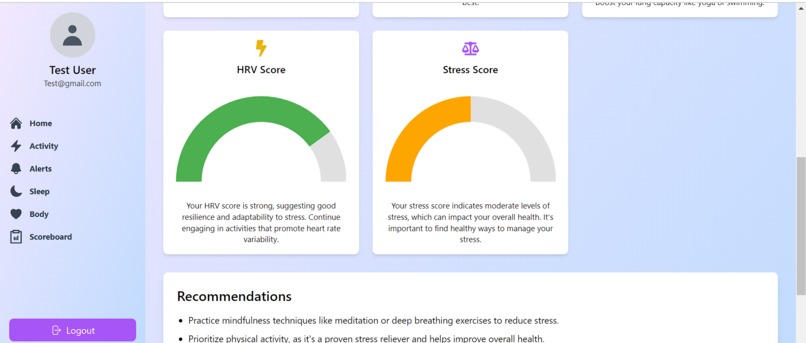
Scoreboard-II
-
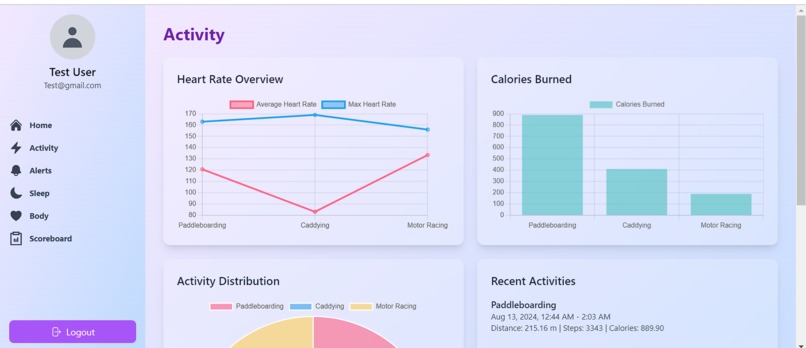
Activity
-
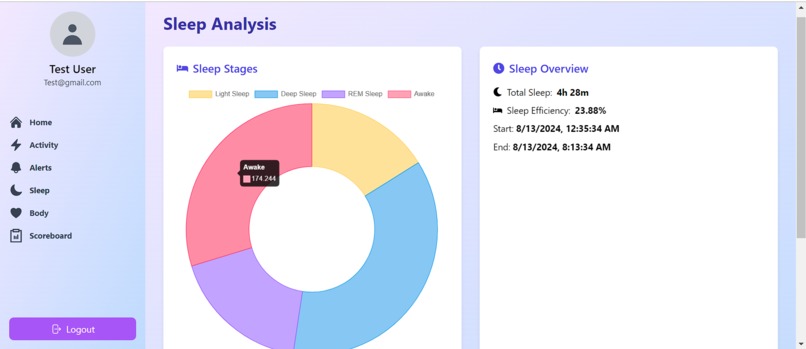
Sleep
-
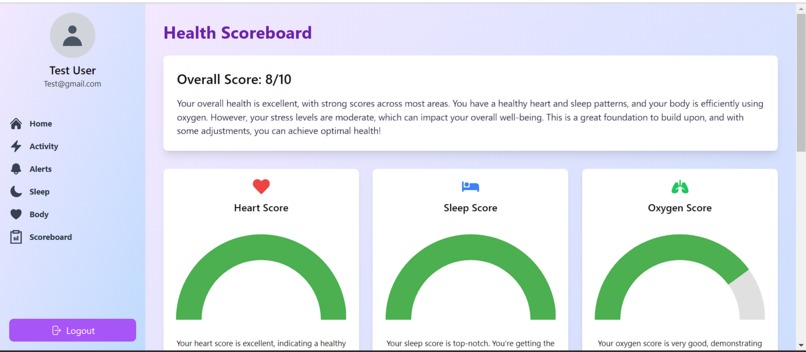
Scoreboard - I
-
Body
-
Alerts
CardioClarity: Early Heart Attack Detection System
Inspiration
The motivation behind CardioClarity stems from a deeply personal experience. The creator’s mother, battling high cholesterol, faces an increased risk of heart disease, which sparked the realization that millions of people in India suffer from similar risks. This project was born out of a desire to contribute to a solution that could save lives by enabling early detection of heart attack risks. The alarming rate of heart attack-related deaths in India highlights the need for an effective early warning system, which CardioClarity aims to provide.
What it does
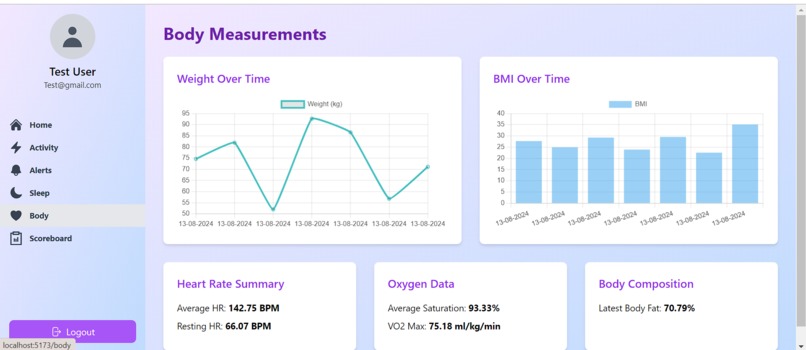
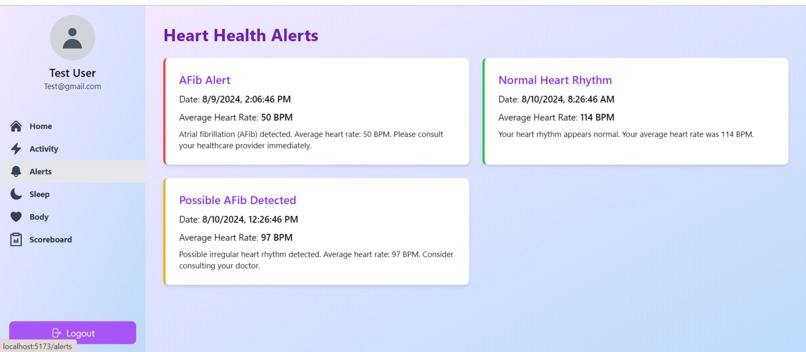
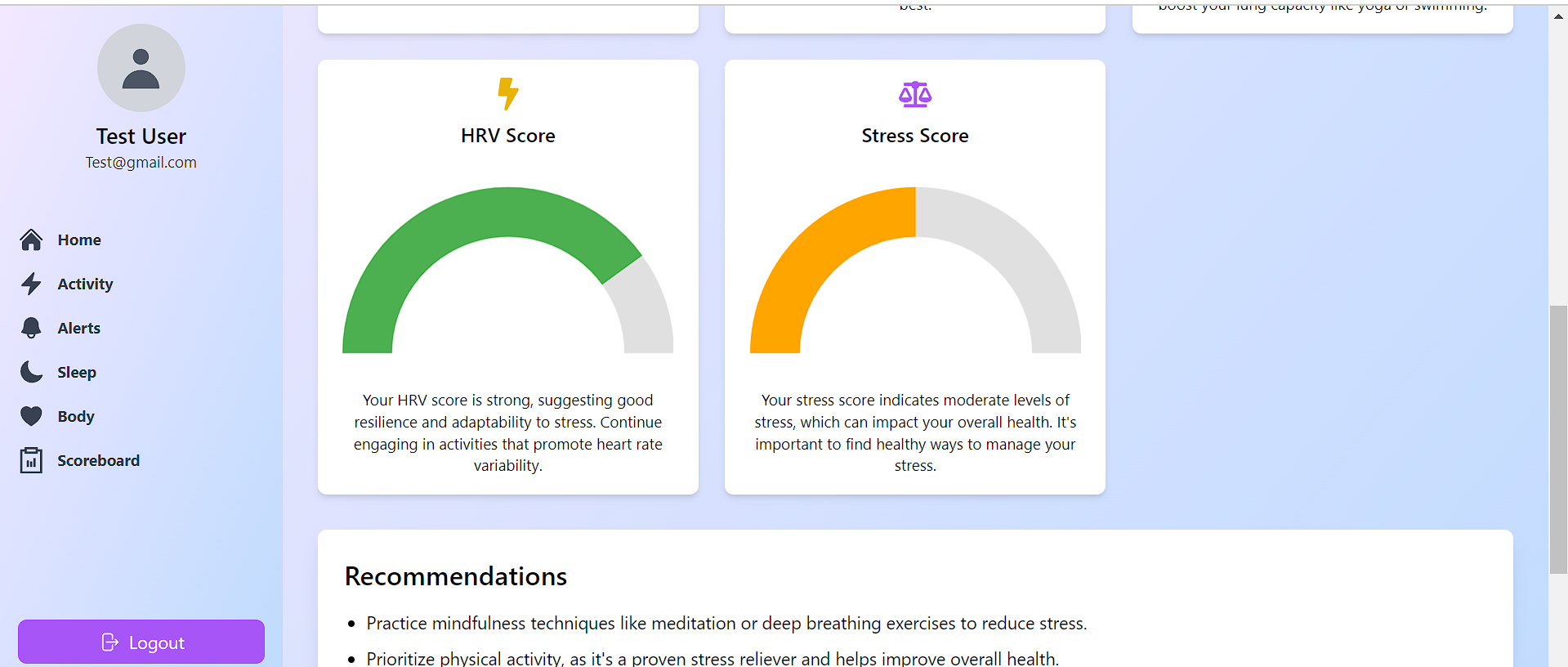
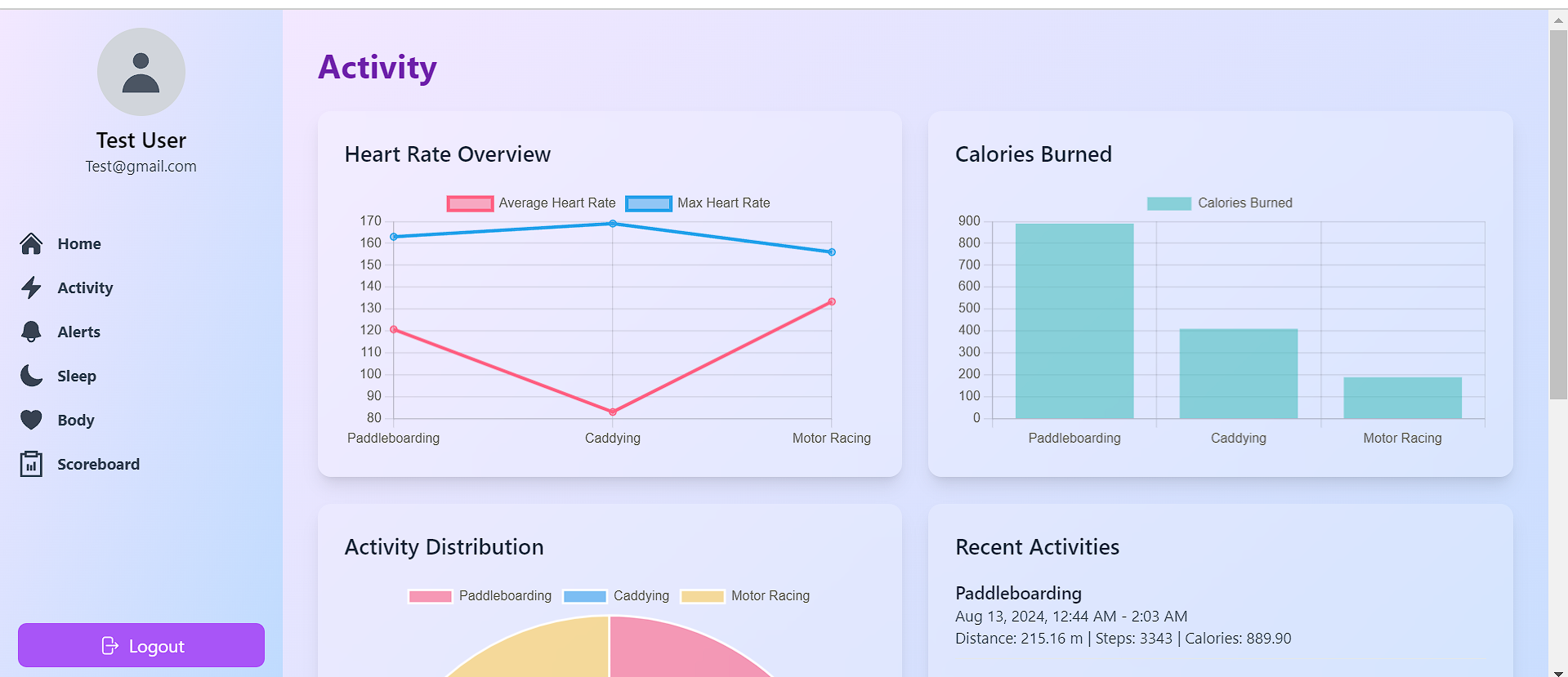
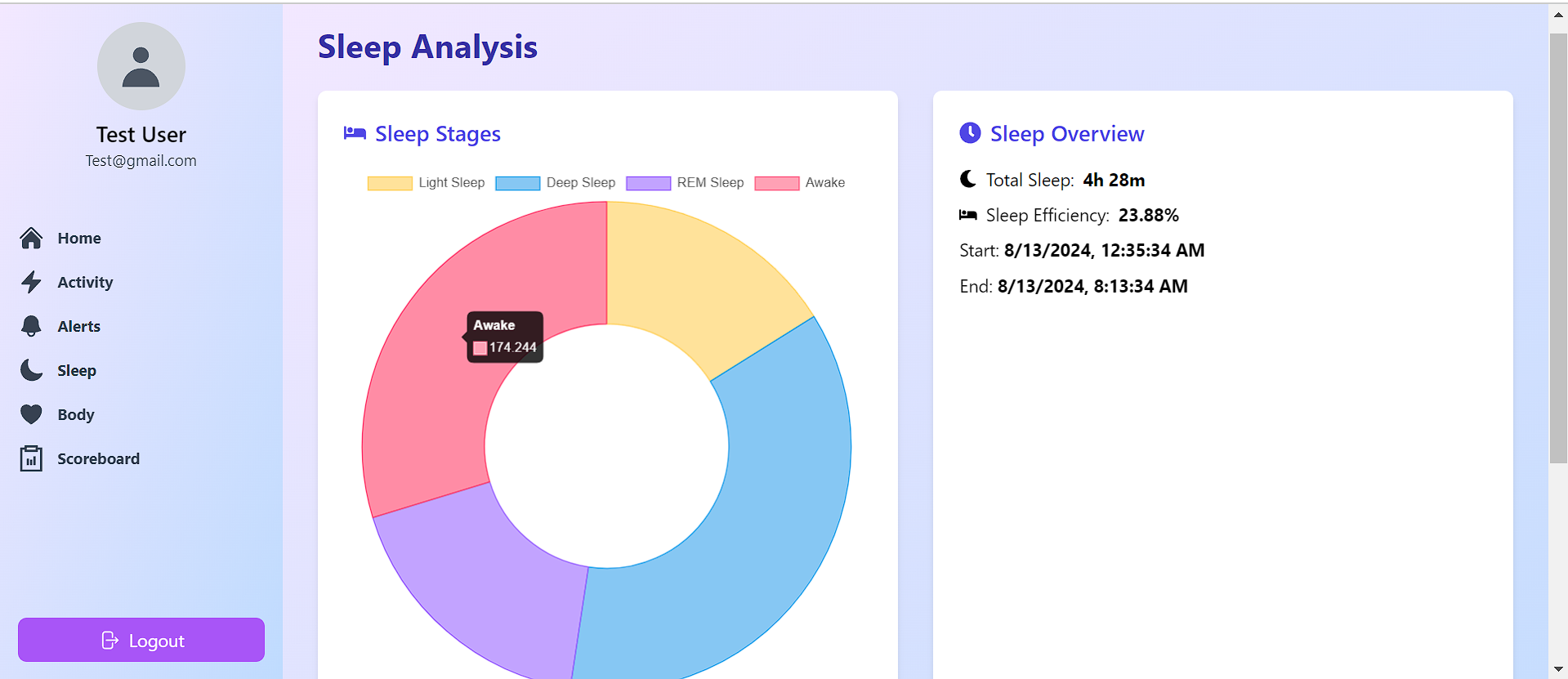
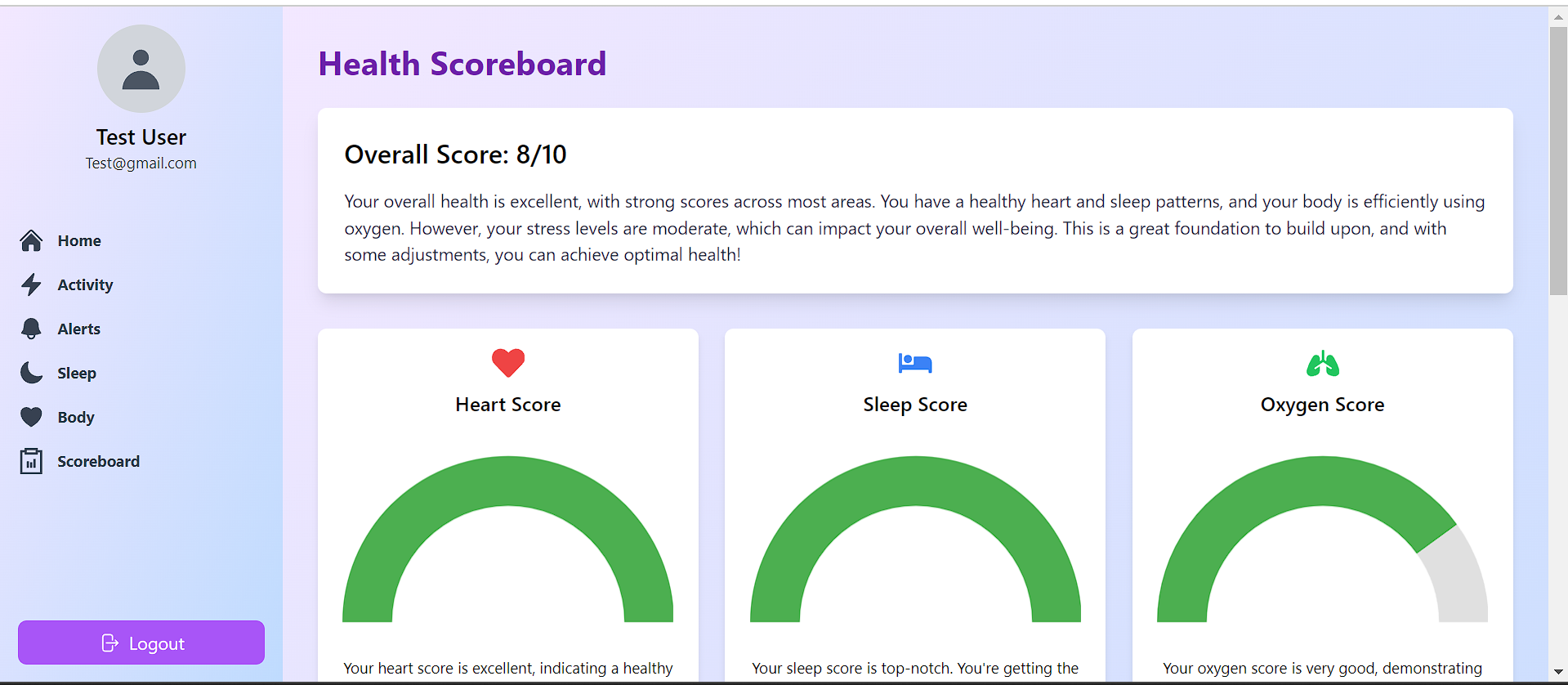
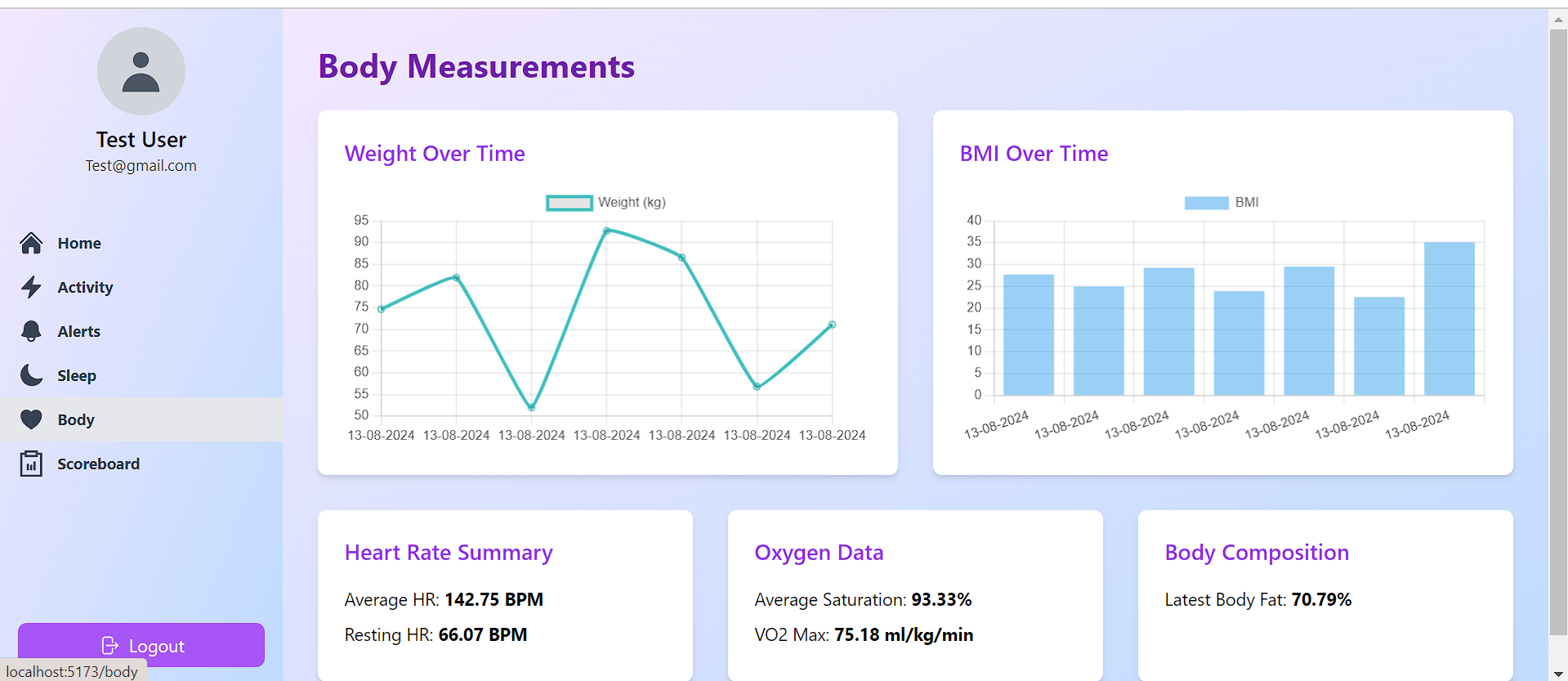
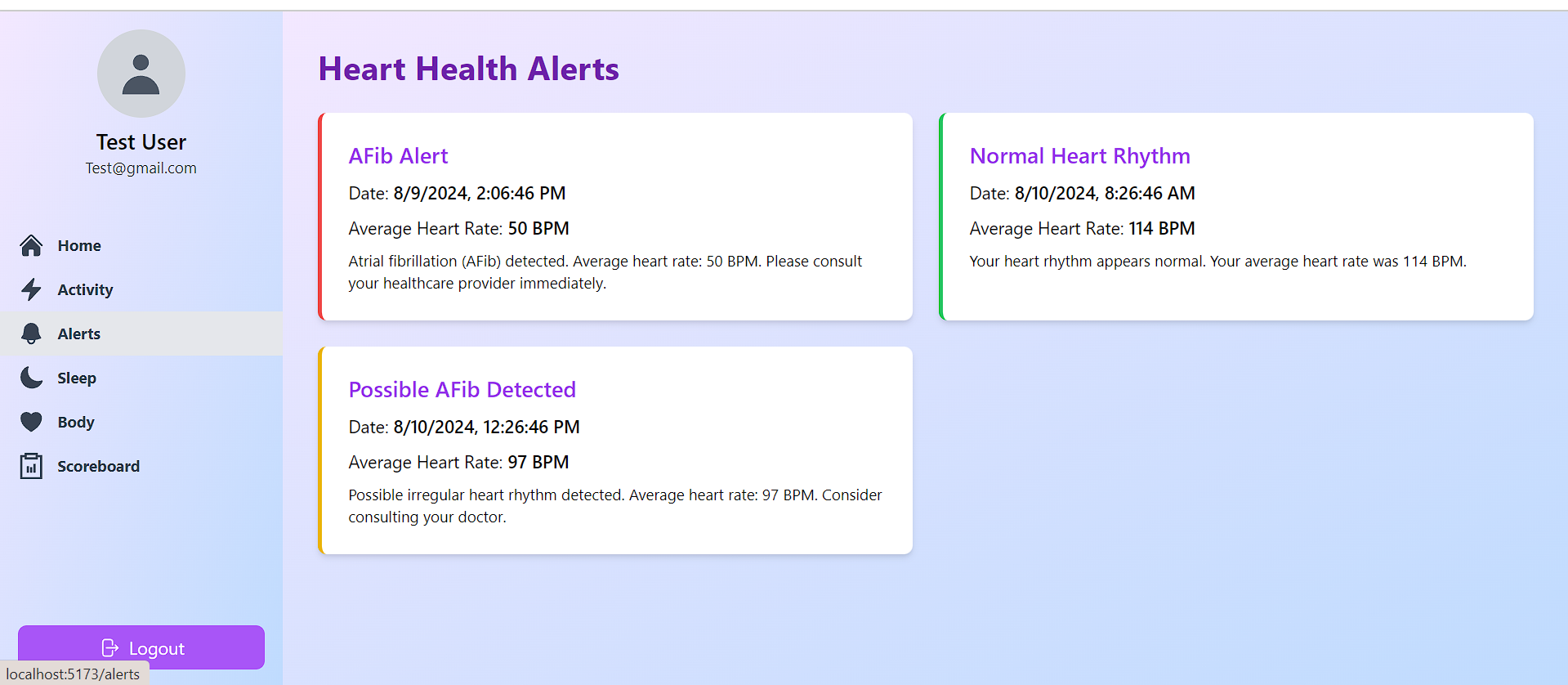
CardioClarity is an innovative early heart attack detection system that utilizes data from wearable devices to monitor and assess heart health. The system continuously analyzes real-time data such as heart rate, activity levels, and sleep patterns to calculate a dynamic risk score. This personalized approach allows the system to detect subtle changes in an individual's health, offering early warnings and actionable advice through a user-friendly web application. By integrating AI-driven feedback, CardioClarity delivers tailored health guidance, empowering users to take proactive steps toward improving their heart health.
How we built it
The development of CardioClarity involved several key technical components:
- Data Processing and Analysis: Preprocessing of wearable datasets and feature engineering were performed to extract relevant health metrics, including heart rate variability.
- Scoring System: A point-based scoring system was developed to assess heart attack risk, with threshold-based alerts for potential health risks.
- Web Application: The frontend was built using React.js, while the backend utilized Node.js/Express for data processing and scoring. MongoDB was used for data storage. Additionally, a generative AI model was integrated using the GEMINI API to provide personalized health advice.
- Thanks to Terra API: The Terra API significantly simplified working with wearable data, making it easy to integrate and process the necessary health metrics.
Challenges we ran into
During the development of CardioClarity, several challenges were encountered:
- Data Accuracy: Ensuring the accuracy and relevance of the data collected from wearable devices was crucial, requiring extensive feature engineering and validation.
- Personalization: Developing a system that could create personalized baselines for each user posed a challenge, as it needed to account for individual differences in heart health metrics.
- Integration of AI: Incorporating AI-driven feedback that is both accurate and personalized required careful tuning and integration of the GEMINI API.
Accomplishments that we're proud of
We are particularly proud of several key accomplishments in the development of CardioClarity:
- Innovative Risk Assessment: Creating a dynamic, real-time risk assessment system that adapts to each user’s data is a significant achievement.
- User-Friendly Design: Developing an intuitive web interface that makes complex health data accessible and actionable for users.
- AI Integration: Successfully integrating AI to provide personalized health advice, enhancing the value and usability of the system.
What we learned
Through this project, we learned several valuable lessons:
- Importance of Personalization: Health solutions must be tailored to individual users to be truly effective, as everyone’s health metrics and risk factors are unique.
- Data Integration: Combining data from various sources, such as wearables, and processing it meaningfully is both challenging and rewarding.
- Collaboration is Key: Working with APIs like Terra and GEMINI, as well as planning for future collaborations with medical professionals, underscores the importance of collaboration in healthcare innovation.
What's next for CardioClarity
Looking ahead, we plan to expand and refine CardioClarity in several ways:
- Data Expansion: We aim to develop a comprehensive dataset through surveys and collaborations with medical institutions, which will improve the accuracy of our predictions.
- Machine Learning Integration: Implementing machine learning models will further enhance the precision of our risk assessments.
- Diverse Data Sources: We plan to integrate additional data sources, such as diet and stress levels, to provide a more holistic view of heart health.
- Mobile App Development: To increase accessibility, we will develop a mobile application for CardioClarity, making it easier for users to monitor their heart health on the go.
- Clinical Validation: Collaborating with medical professionals to validate our system clinically will be crucial for ensuring its reliability and effectiveness.
This write-up effectively covers the inspiration, functionality, development process, challenges, accomplishments, learnings, and future plans for CardioClarity based on the information provided in your README file.


Log in or sign up for Devpost to join the conversation.