Inspiration
Heart disease is the leading cause of death worldwide, yet early detection can save lives. I wanted to build a tool that could help doctors and patients detect heart disease using data. Seeing how machine learning is transforming healthcare inspired me to combine my passion for coding with a real-world health problem.
What it does
Cardio Predict is a machine learning tool that predicts the risk of heart disease based on user health data. Users can input parameters like age, blood pressure, cholesterol levels, and more, and the app outputs a risk score and prediction. It helps patients and doctors make informed decisions early, potentially saving lives.
How we built it
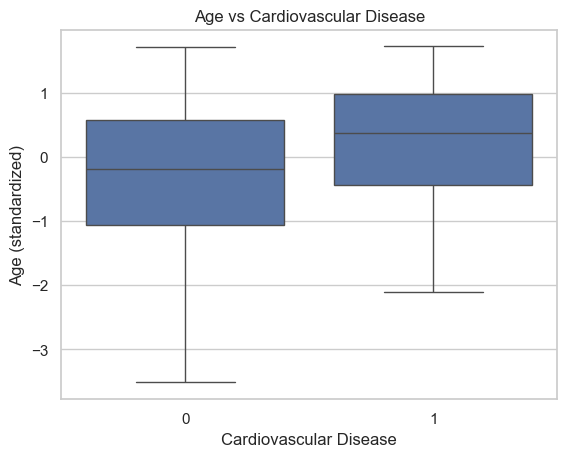
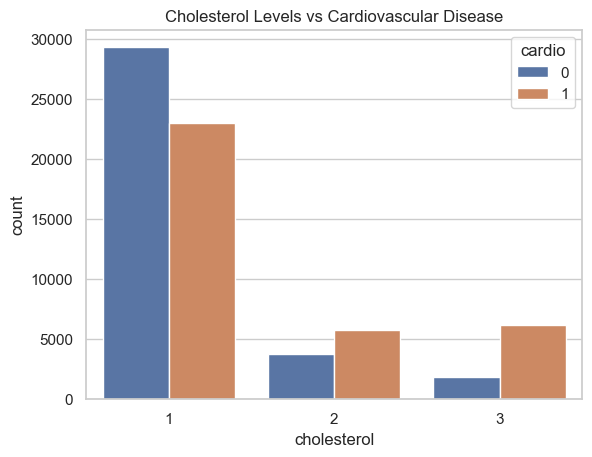
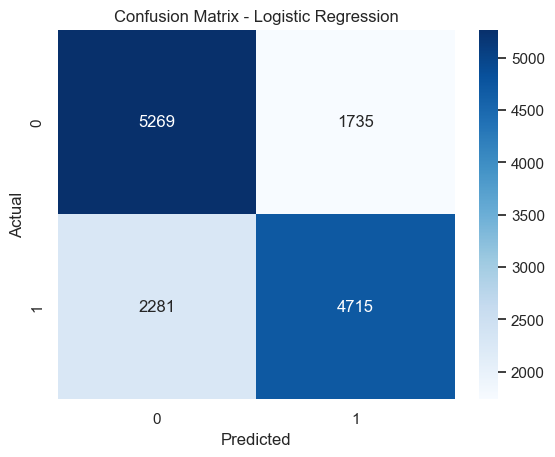
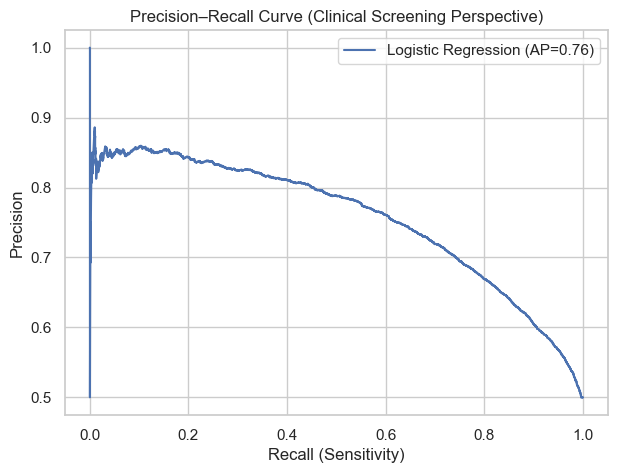
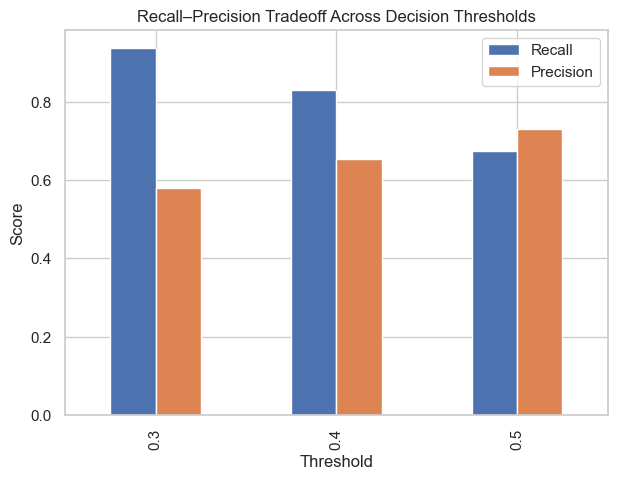
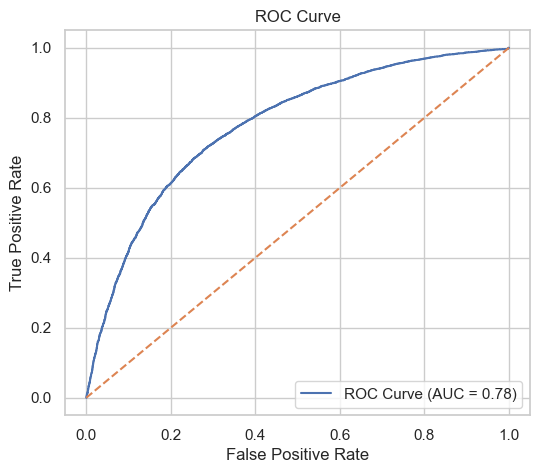
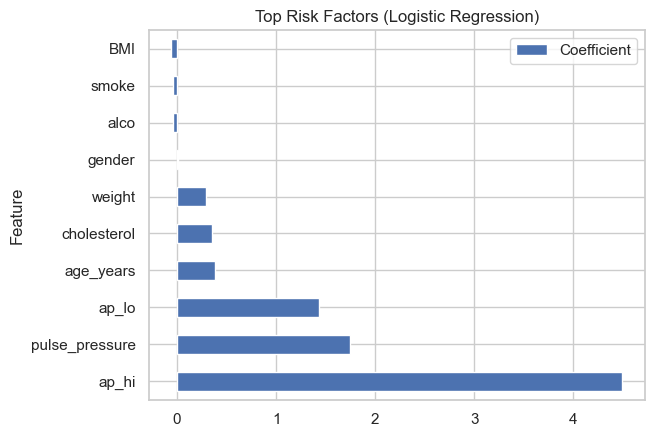
Data Pre-processing: Cleaned and normalized a publicly available heart disease dataset. Model Training: Tested multiple algorithms—Logistic Regression, Random Forest, and selected the best based on F1-score. Deployment: Built a web interface with Flask for easy interaction. Visualization: Used Matplotlib and Seaborn to show feature importance and prediction probabilities. Testing: Evaluated models using accuracy, precision, recall, and F1-score.
Challenges we ran into
Imbalanced Dataset: Fewer heart disease cases than healthy ones → solved using SMOTE oversampling. Feature Selection: Identifying which features had the most predictive power required testing multiple combinations. Model Interpretability: Making predictions understandable and actionable for non-technical stakeholders.
Accomplishments that we're proud of
Built a working ML model capable of predicting heart disease with strong performance metrics. Created a fully reproducible workflow, including pre-processing, model training, and evaluation. Developed clear documentation and evaluation notes for anyone to reproduce the results. Produced visualizations to illustrate feature importance and prediction probabilities.
What we learned
Hands-on experience with machine learning workflows in a healthcare context. Importance of data cleaning, handling imbalanced datasets, and feature engineering. How to document projects for reproducibility and evaluation. Techniques for interpreting model predictions and explaining results effectively.
What's next for Cardio Predict- Machine Learning for Heart Disease Detection
Expand to larger and more diverse datasets to improve generalization. Explore explainable AI techniques to provide clearer insights into predictions. Conduct further evaluation with domain experts to validate the model’s real-world applicability. Potentially integrate into a research tool or dashboard for healthcare professionals.
