Cardinate – Link pips, hack rules, top the leaderboard.
Inspiration
Competitive puzzle greats like Tetris and deck-builders like Slay the Spire begged for a mash-up. Splicing “code injections” into a card game felt fresh and allowed for an extremely unique idea.
What it does
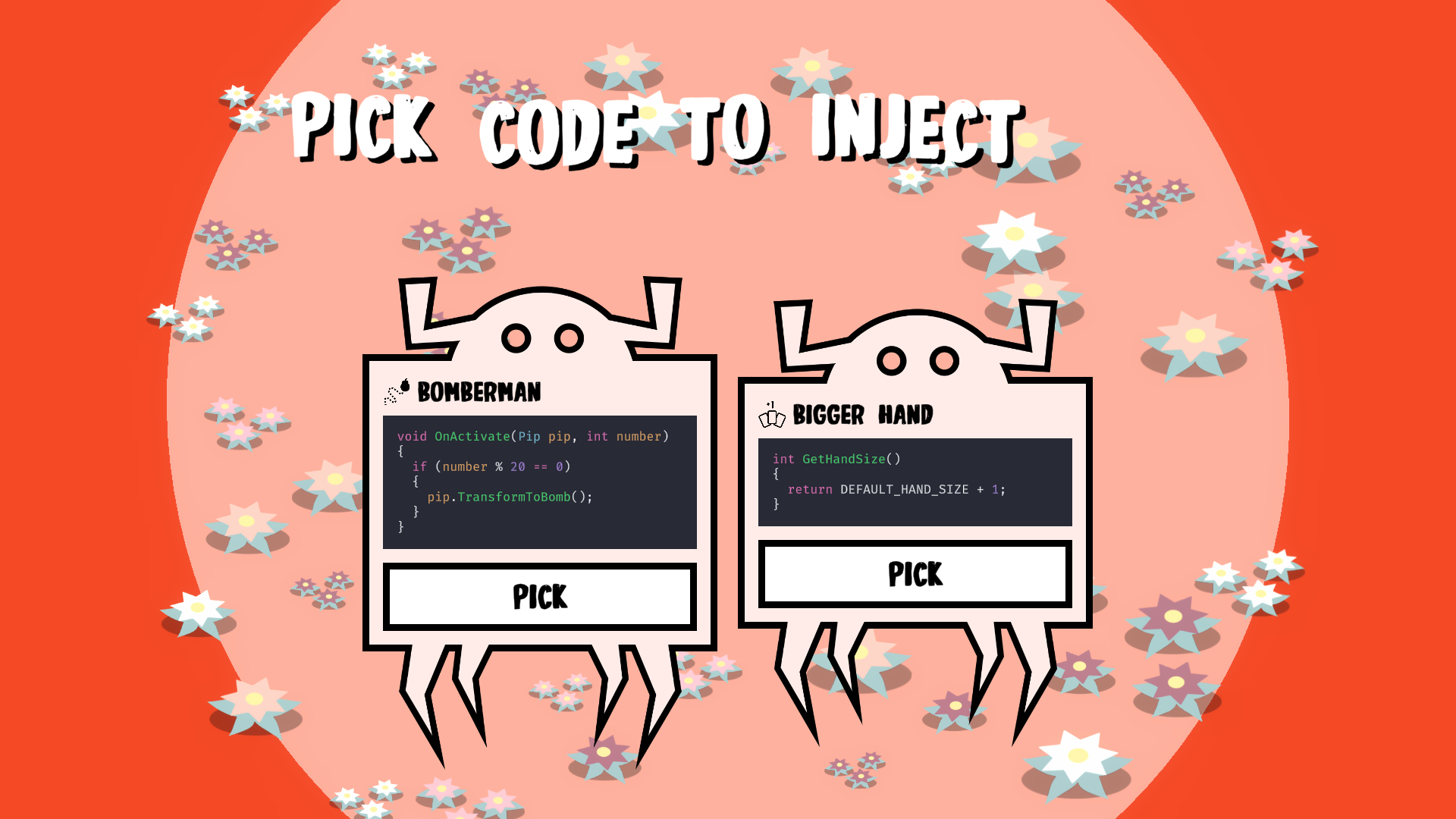
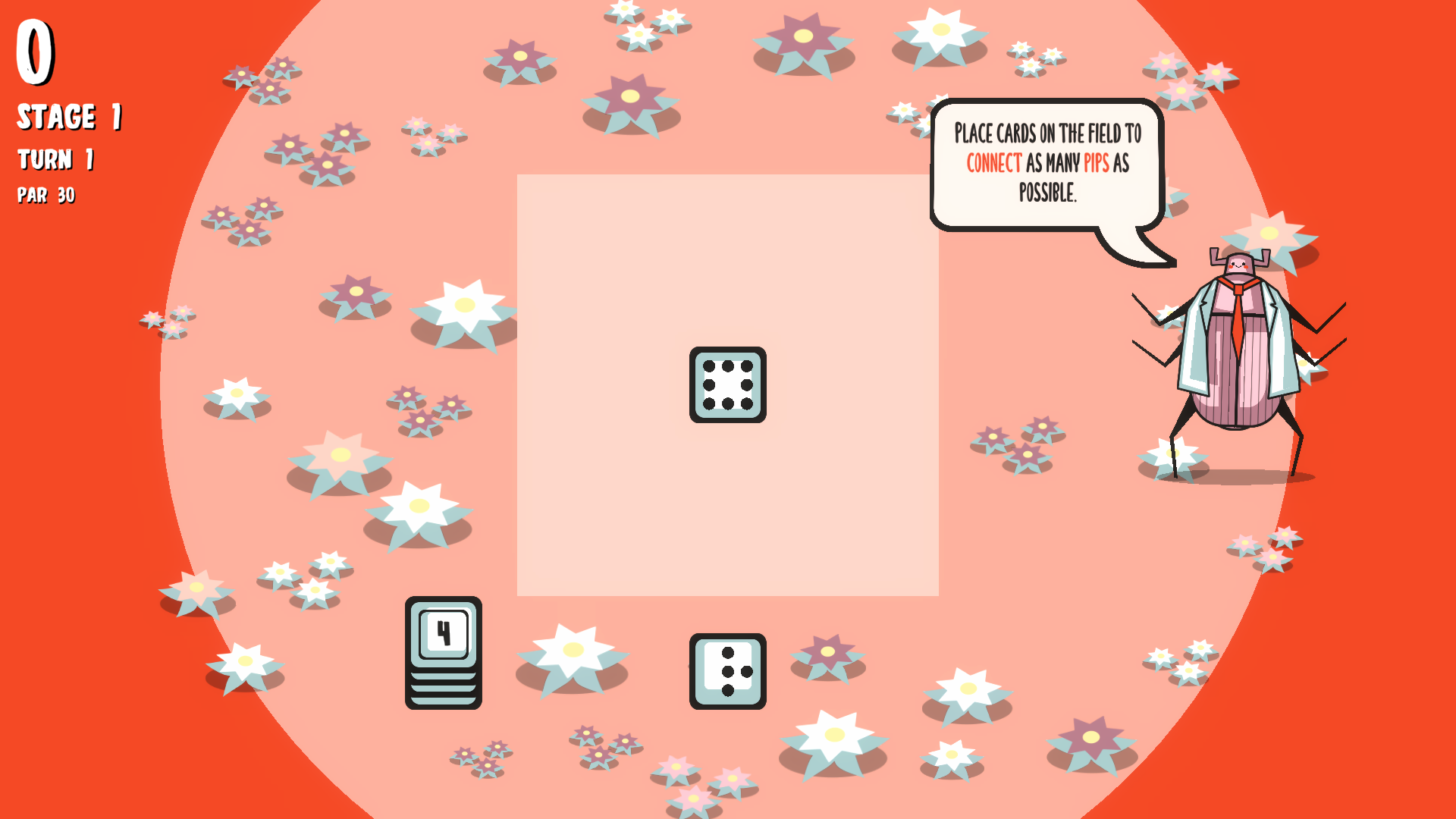
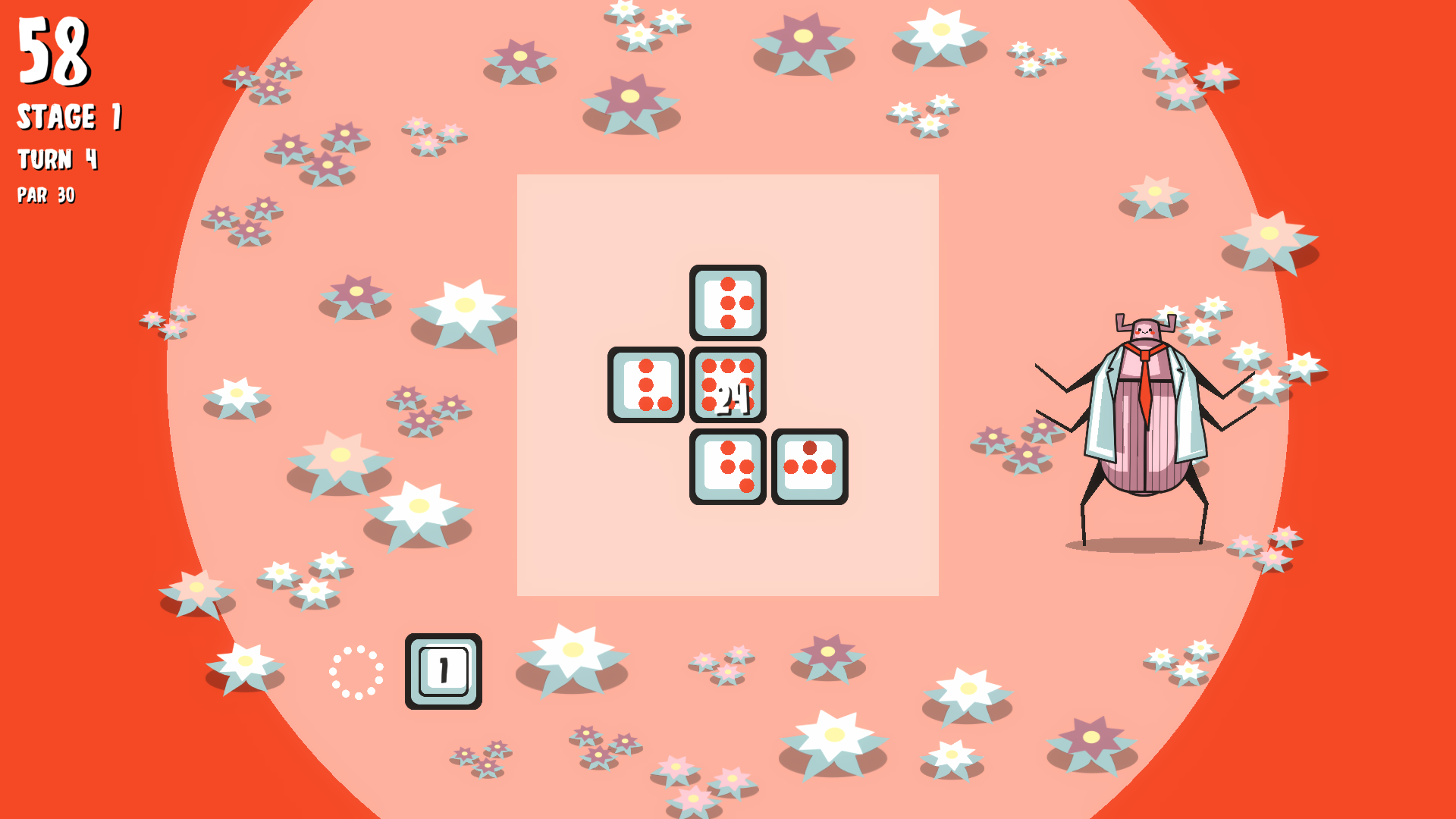
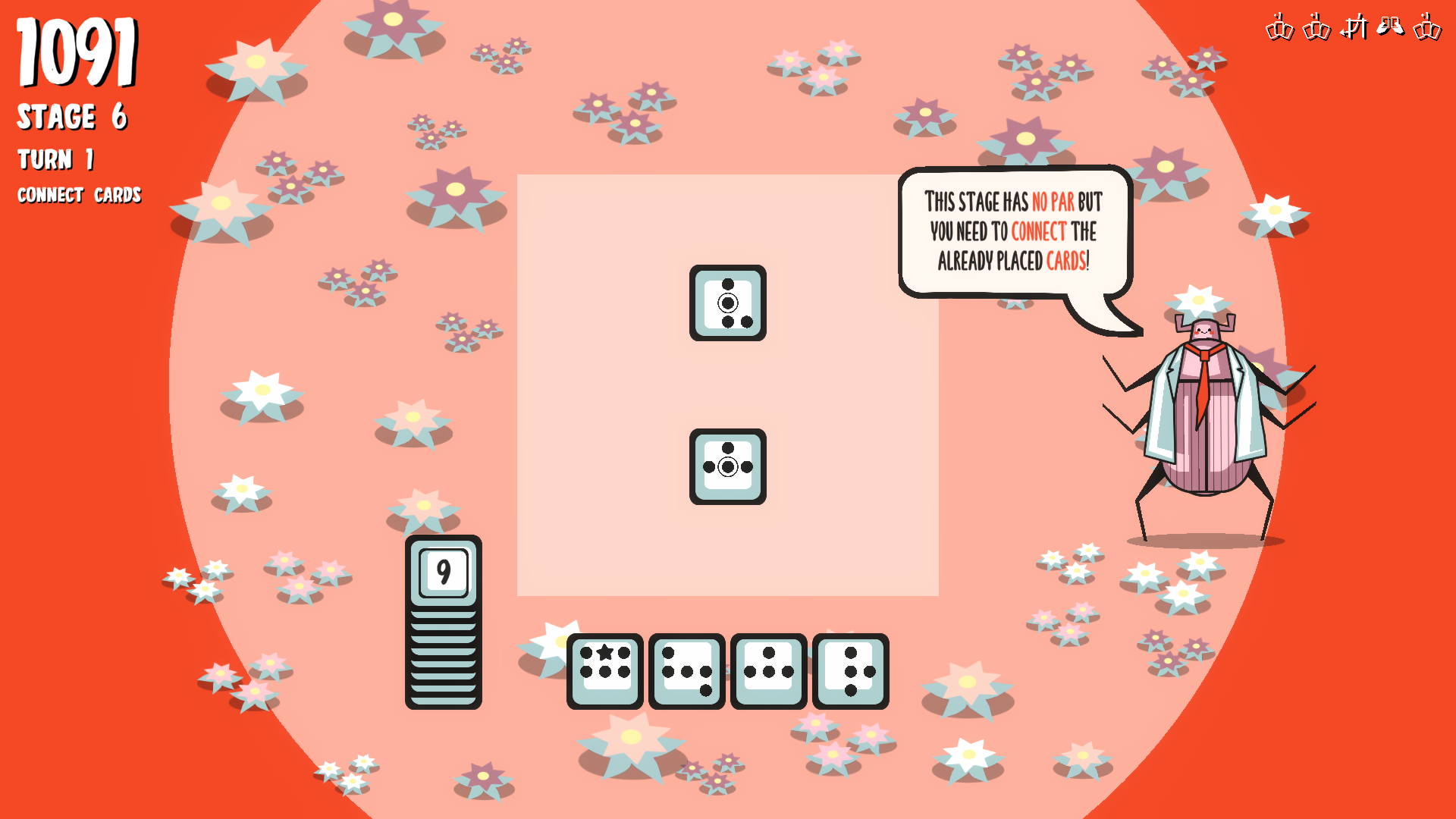
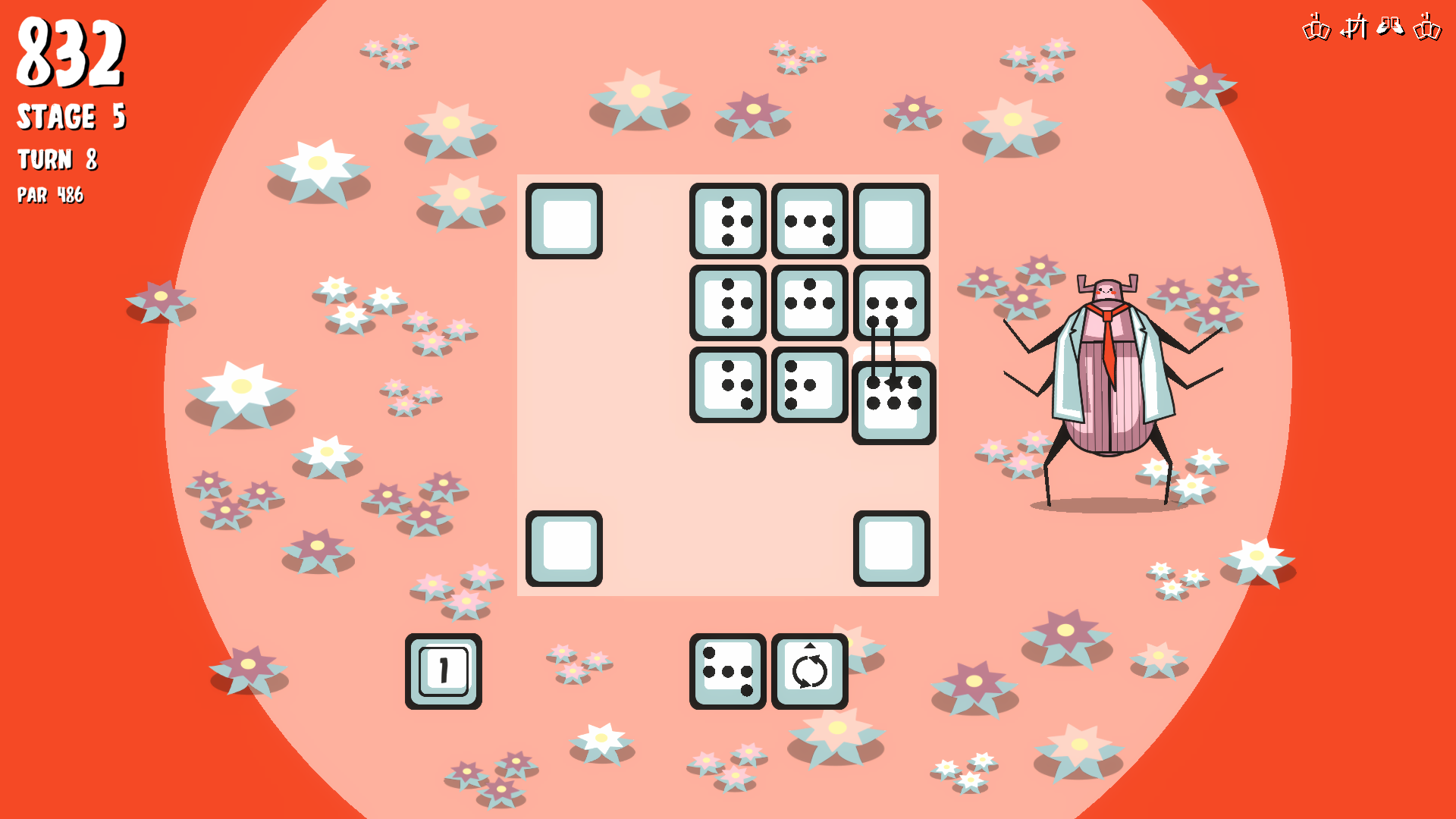
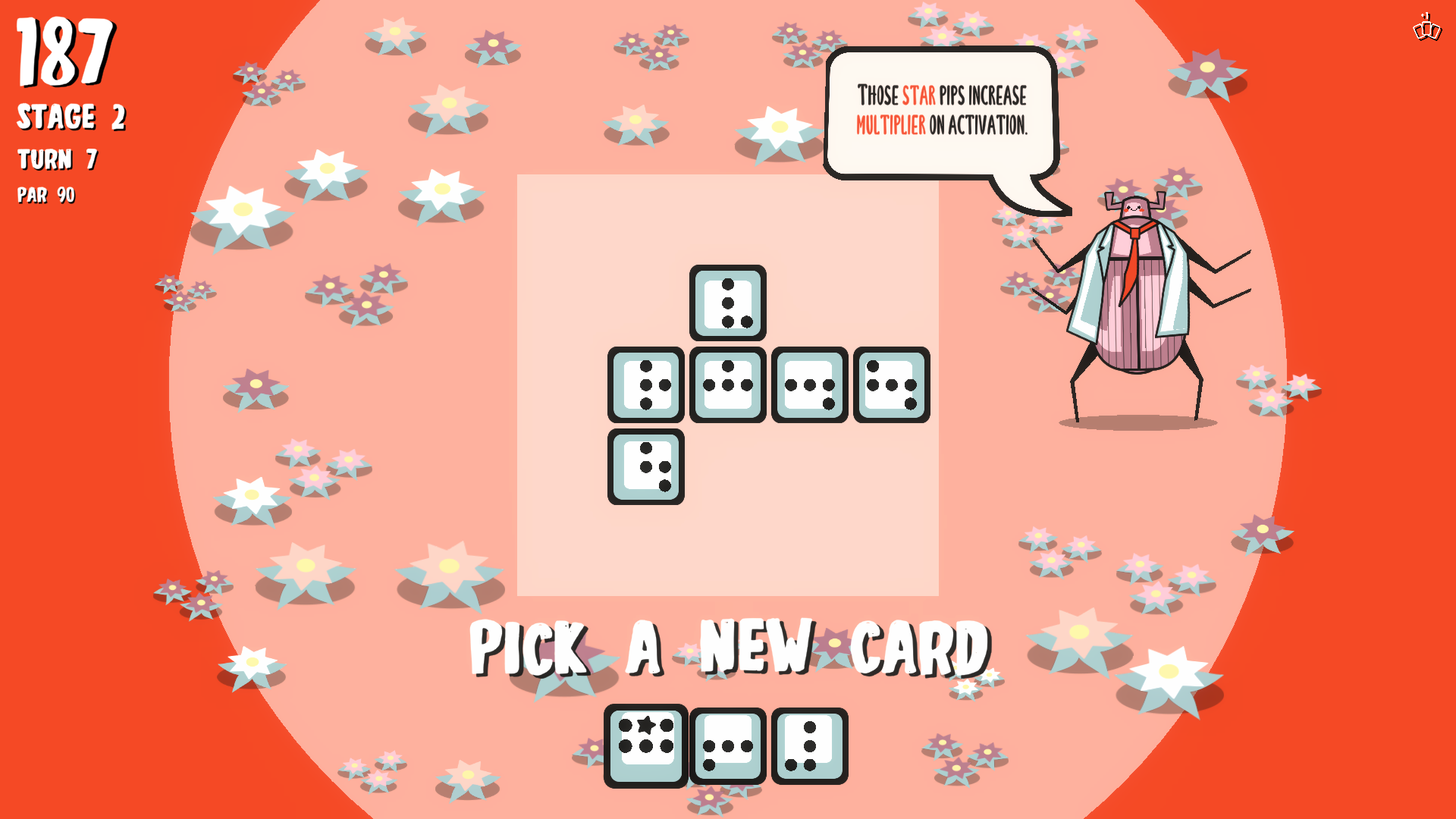
Players place numbered cards on a grid, aligning pips to hit or beat each stage’s par score. Clear the stage, draft a new card, pick a rule-bending “code injection,” and keep climbing until you miss par—then brag or cry on the global leaderboard.
How we built it
- Core engine in Unity (C#)
- Procedural level generator prototyped in bolt.new
- DreaminaAI for dynamic neon backdrops
- Freepik vectors for UI, Capcut for trailer polish
- Google Gemini (Nano Banana) generated the initial Scarab card art
- PlayFab for leaderboards, Firebase for analytics
AI Tools
- DreaminaAI – Generated 40+ glitch-art backgrounds.
- Capcut – Auto-cut teaser trailers, added motion graphics.
- Freepik – AI-curated vector packs accelerated UI mock-ups.
- Google Gemini – Nano Banana prompts produced the first Scarab card set.
- bolt.new (C#) – Wrote boilerplate and unit-test scaffolds.
Challenges we ran into
- Balancing randomness with skill for fair but unpredictable stages.
- Converting AI art into atlas-friendly textures without ballooning build size.
- Keeping code injections powerful yet leaderboard-safe.
Accomplishments that we're proud of
- One-tap tutorial testers finish in under two minutes.
- AI pipeline cut art bottlenecks from days to hours.
- Server-side anti-cheat flags impossible scores in 200 ms.
What we learned
- AI art accelerates production but still needs a cohesive human pass.
- Short, playful copy (“Link pips, hack rules”) beats long explanations on social media.
- Transparent par thresholds boost player retention.
What's next for Cardinate
- Daily challenges with rotating injection pools.
- Steam and mobile cross-play.
- Friend leaderboards, replay sharing, and “challenge my deck” duels.


Log in or sign up for Devpost to join the conversation.