Inspiration
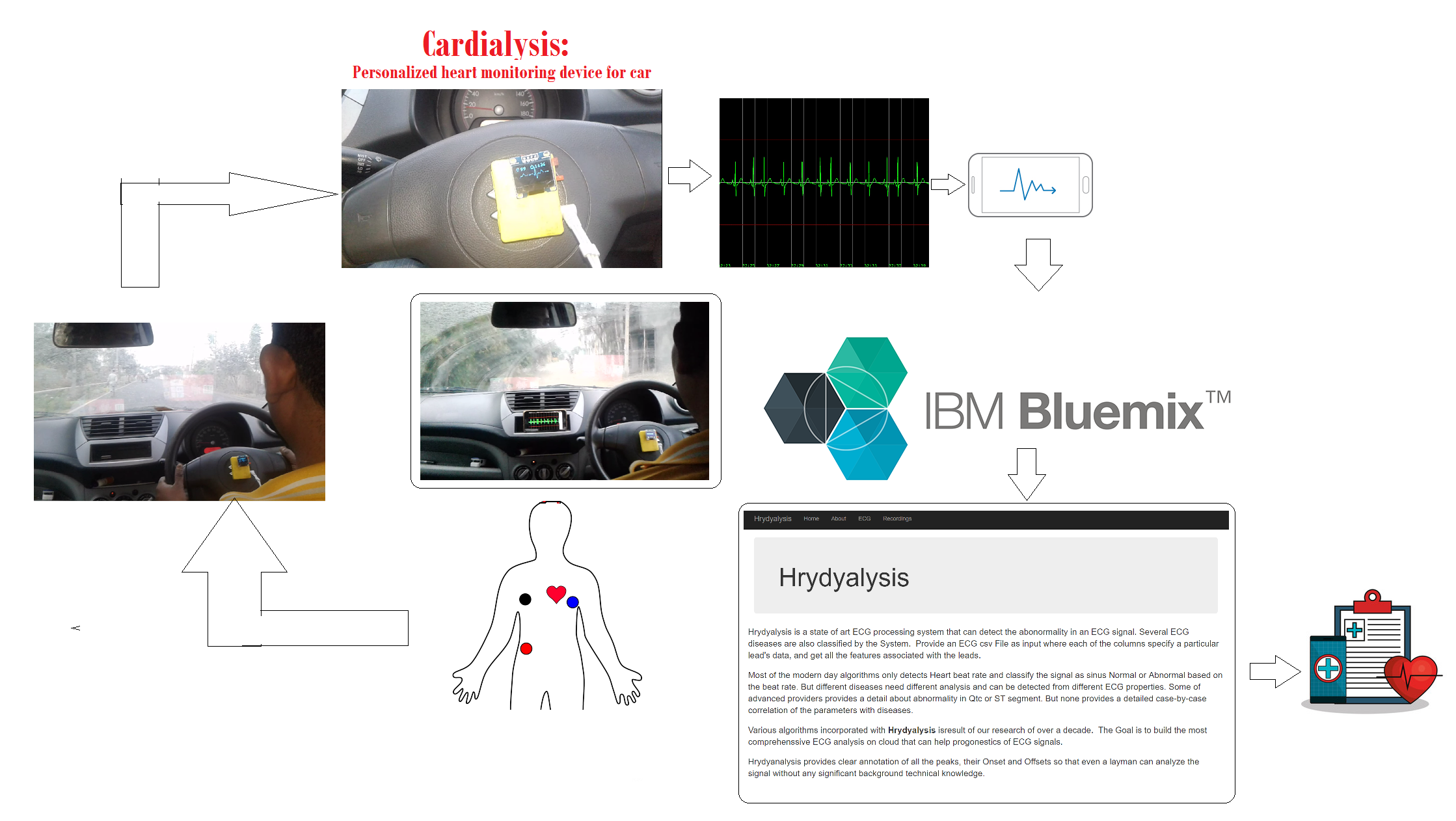
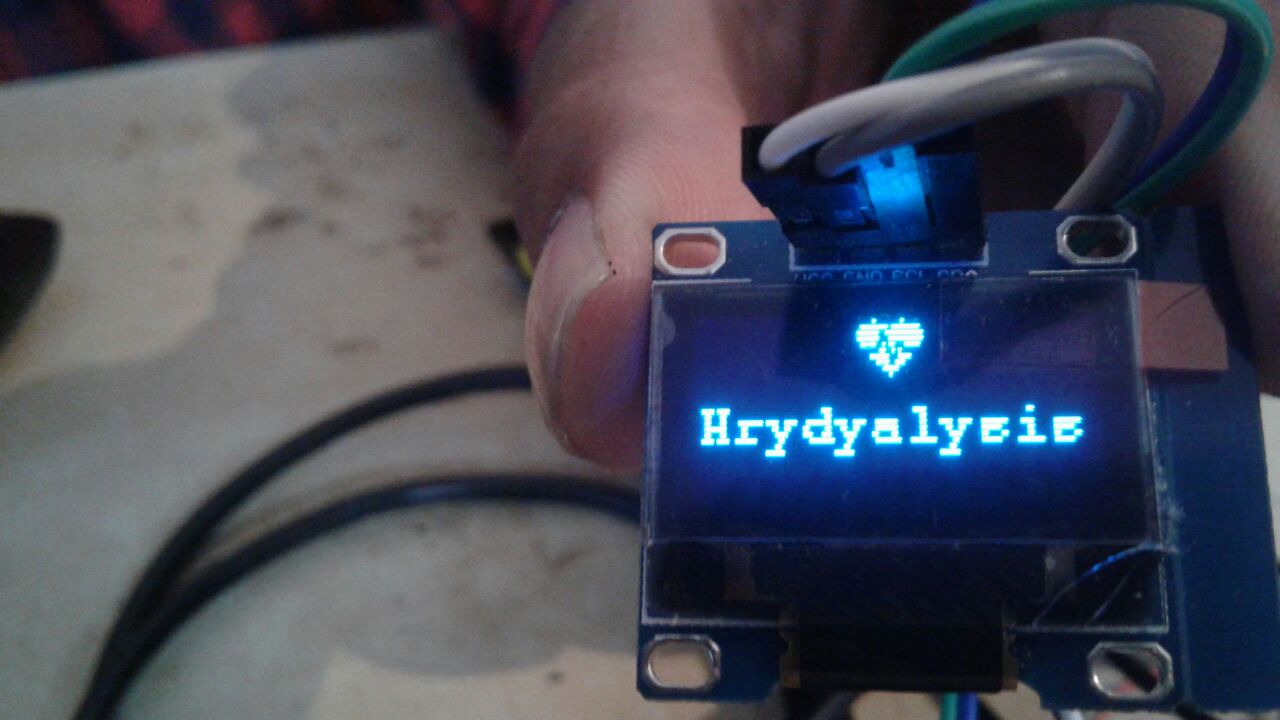
We created single lead back end cloud based ECG analysis system for Red Hat Linux's Code Healthy competition and it was called "Hrydyalysis". However the system could only take a remote file for analysis. We thought why can't we build a front end hardware and integrate it with our award winning state of art heart analysis system to help everyone to monitor their heart. With heart related death's increase in India and specifically in cities like Indore, we thought that with increasing number of cars, it makes sense to build a device that allows the drivers to monitor their heart while driving. It wastes no extra time and they are updated with their daily heart report.
The system can be used by the drivers to access their health condition before and at the time of driving. Hypertension, chest pain, stress and other unsuitable driving conditions are detected by the system and alerted to the driver. This prognostic should make the drivers with non suitable physical condition to avoid using the road. Making the roads safer for every other transporter. The form factor of the device also allows it to be used by motorists and cyclists. A 30 seconds heart check is suffice to know one's health condition.
Just as breath analyzer helps traffic police to make drunk drivers avoid driving, CARdialysis helps drivers to avoid driving under constrained physical conditions. On such days of stress or bad health, they may avail a public transport, making the road safer for everyone.
What it does
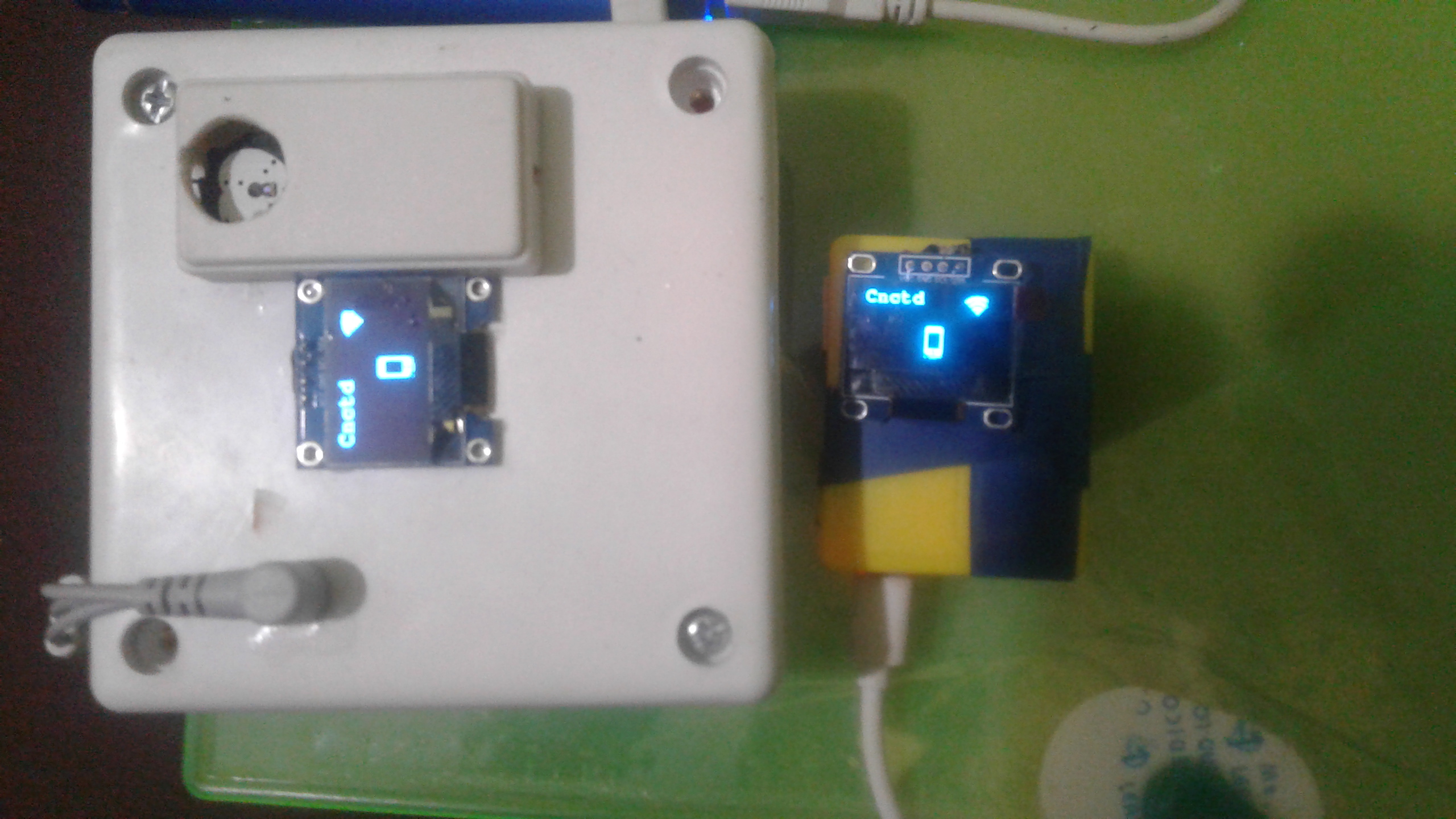
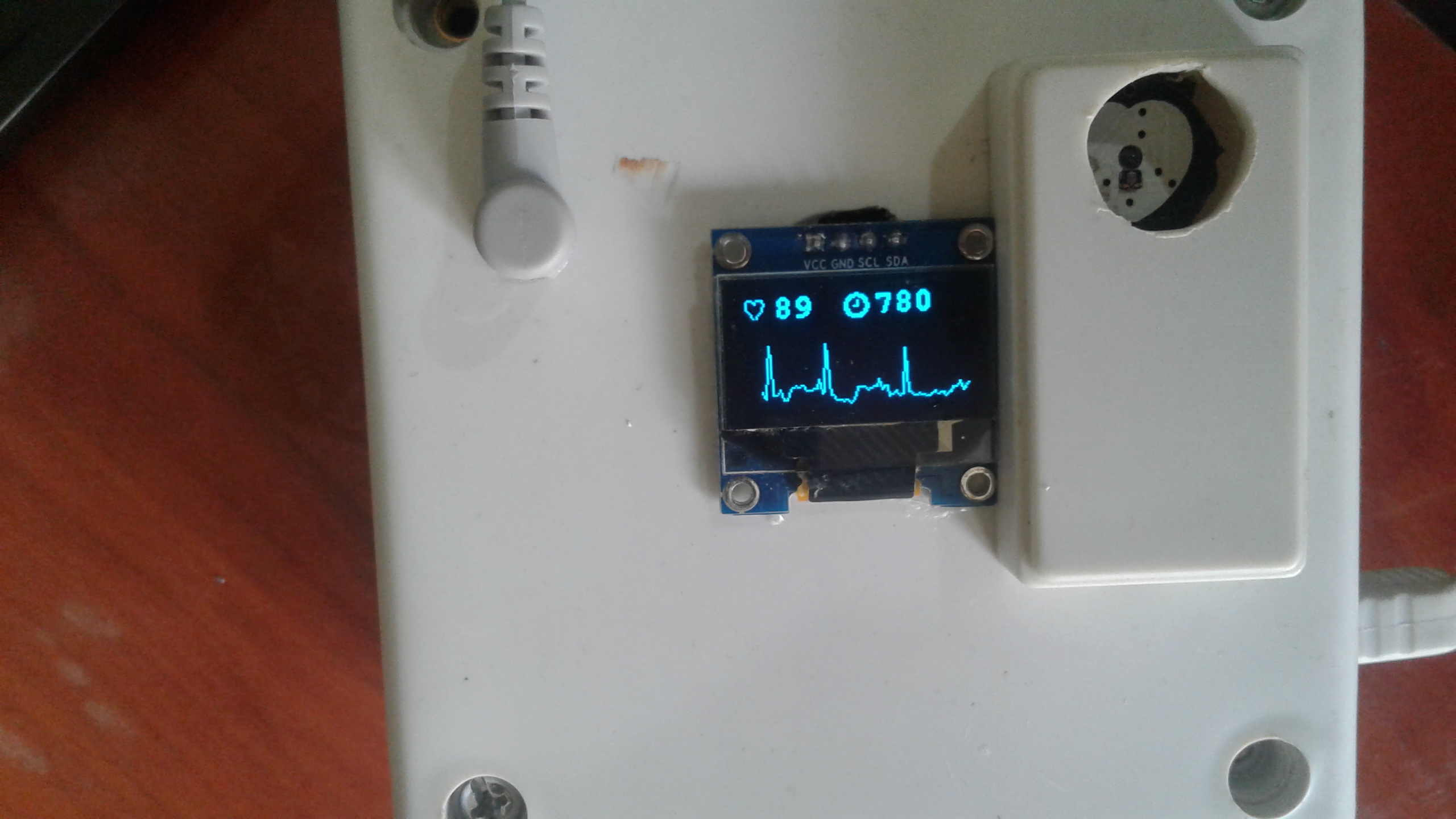
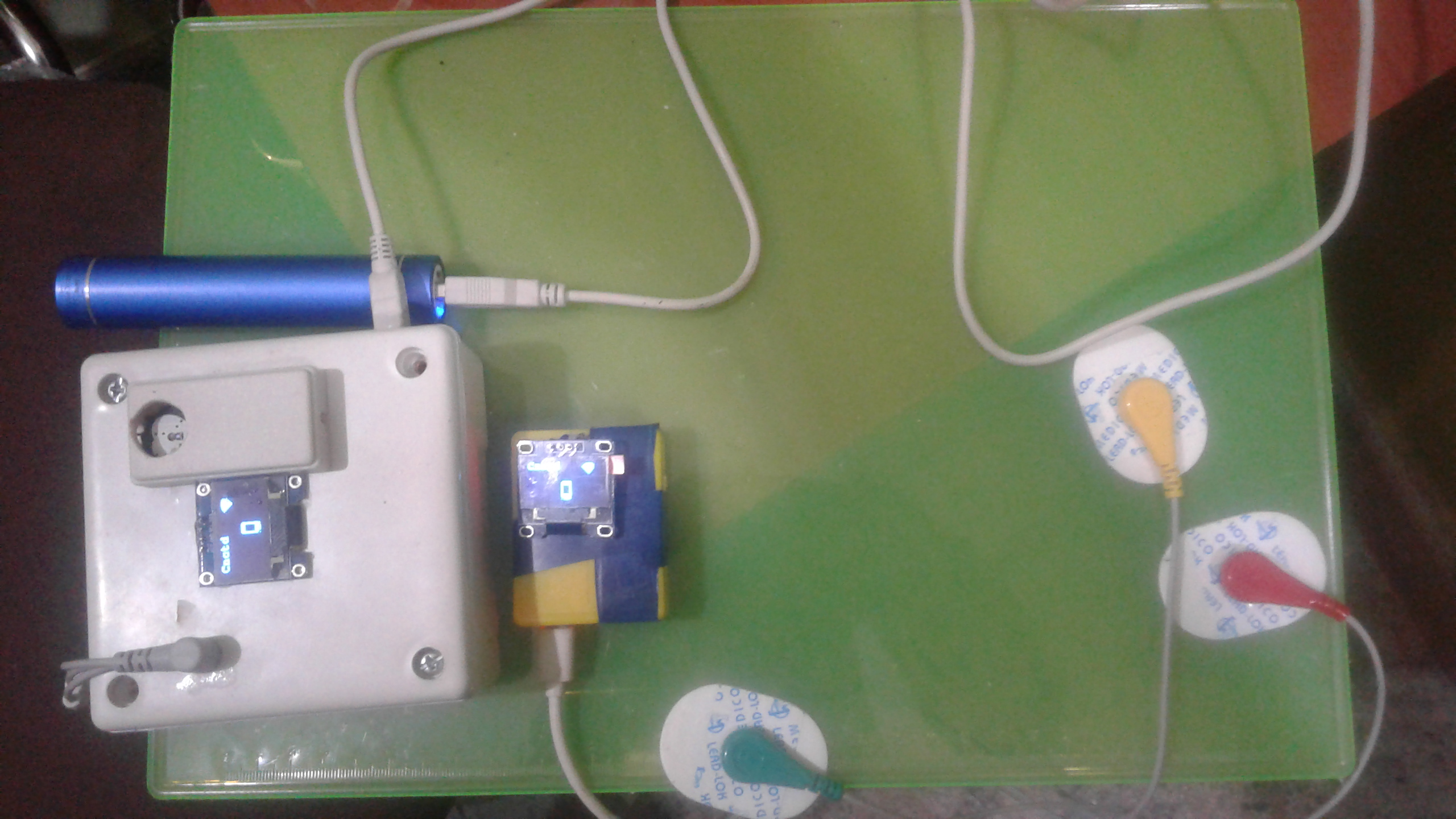
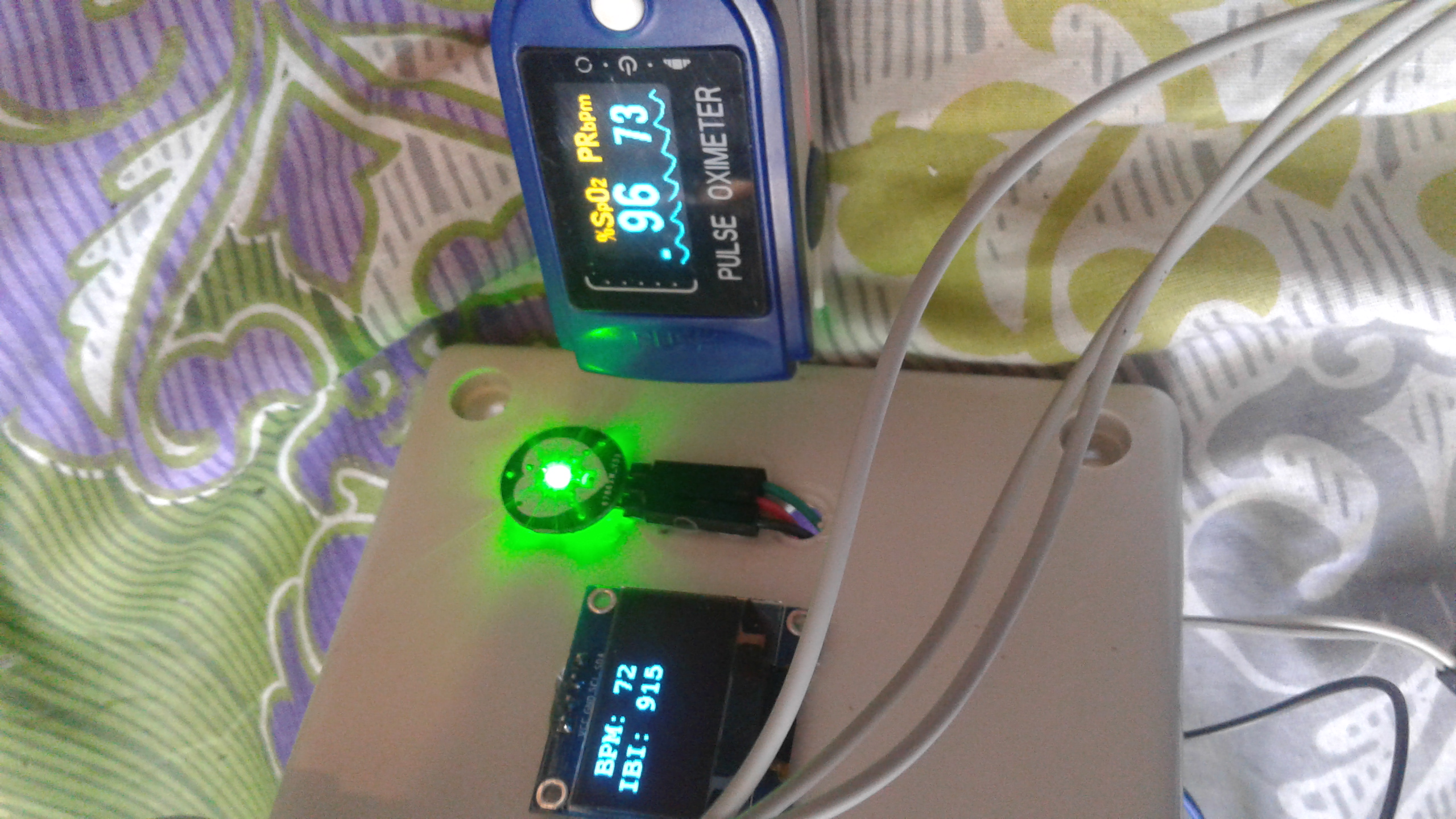
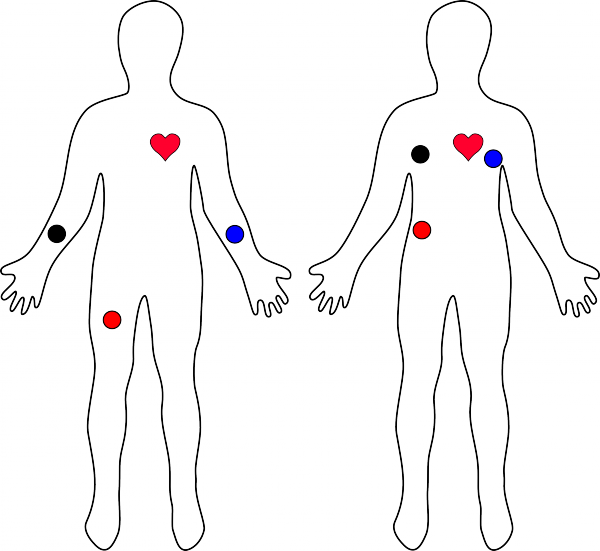
1)The driver has to attach 3 leads of the ECG system in his chest. 2) The CARdialysis device is mounted on the top of the steering ( it is planned to be integrated on the dash board) 3) The driver has to put his lead to the device. 4) The device is driven by a LiPo 3.7V battery. It can be charged through car's mobile charger. 5) Once on, it keeps tracking driver's heart condition and gives offline details about BPM and heart rate variability called HRV. HRV in most cases is primary diagnosis for many heart related diseases. 6). User can trigger his mobile App, which is a hybrid app. The app consumes WiFi data stream coming from the CARdialysis device. 7) The device implements various filtering techniques to overcome motion artifacts due to driver and car's motion. 8) Filtered data is stored in the mobile and is displayed on the app screen. 9) The driver can chose continues monitoring ( which by default is 3 hours) or a specific time limit. 10) Once the time is elapsed, the mobile gets connected to IBM bluemic where our Hrydyalysis is deployed. 11) It stores the saved file in mobile to a google cloud with time stamp. 12) The URL is passed to Hrydyalysis API 13) Hrydyalysis returns the statistical result and diagnosis in the form of a JSON data. 14) The data is parsed and displayed in the mobile. 15) The file is also logged with the Hrydyalysis system 16) The Logged record can be analyzed at any time through on portal API testing form. It renders the result as html which can be printed or saved as pdf and can be sent to a medical consultant for diagnosis.
Why Car?
Because we have observed the increased case of heart related diseases and deaths in India. This is because: a) India has very few cardiologists in comparison to the patients b) We often do not have good progonestic system for detecting the problems early.
As number of car owner is increasing in urban India and especially in growing cities like Indore, we thought car would be a better place to get a daily health check up. Because on an average an urban driver spends about three hours in traffic daily.
How we built it
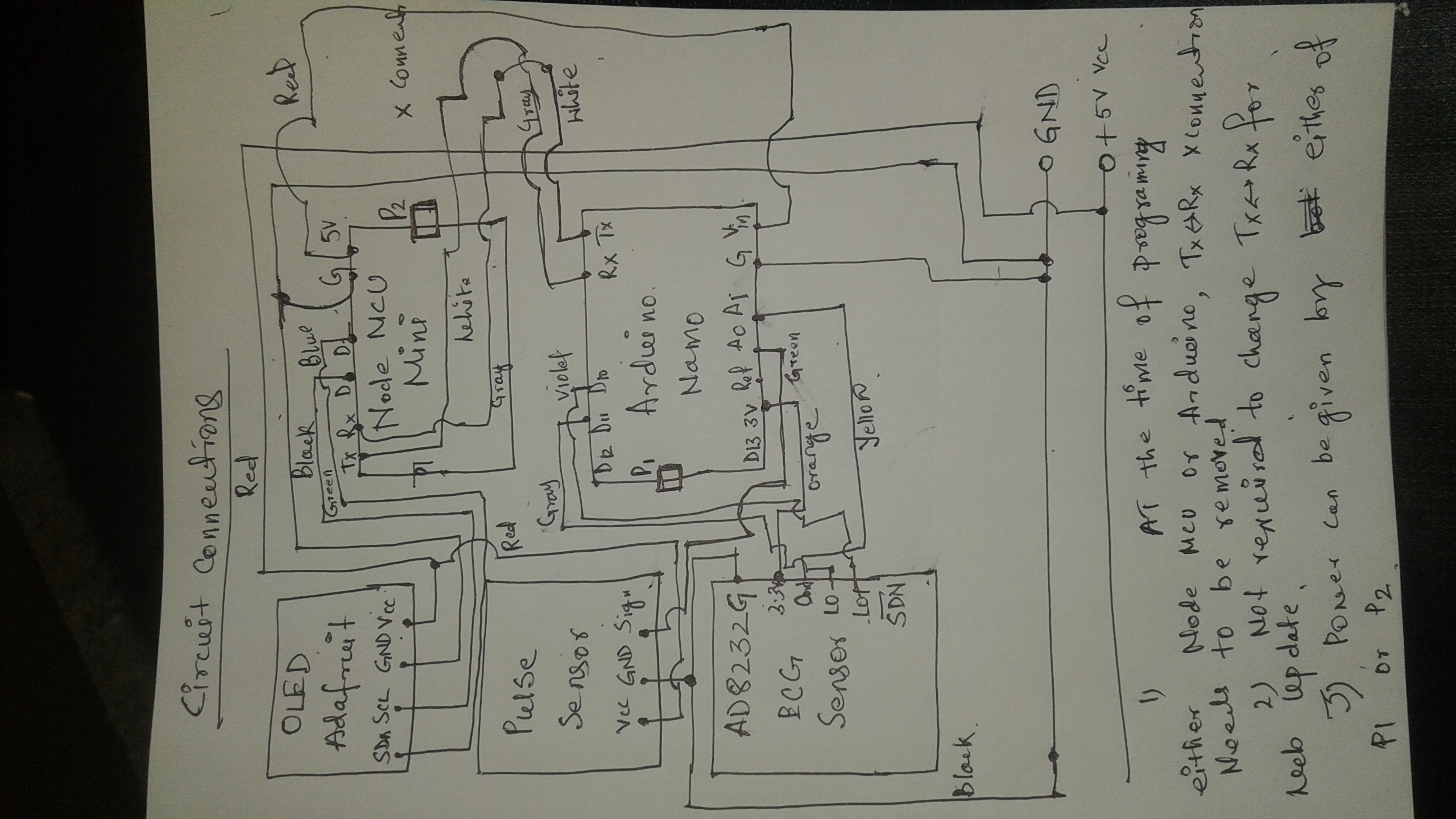
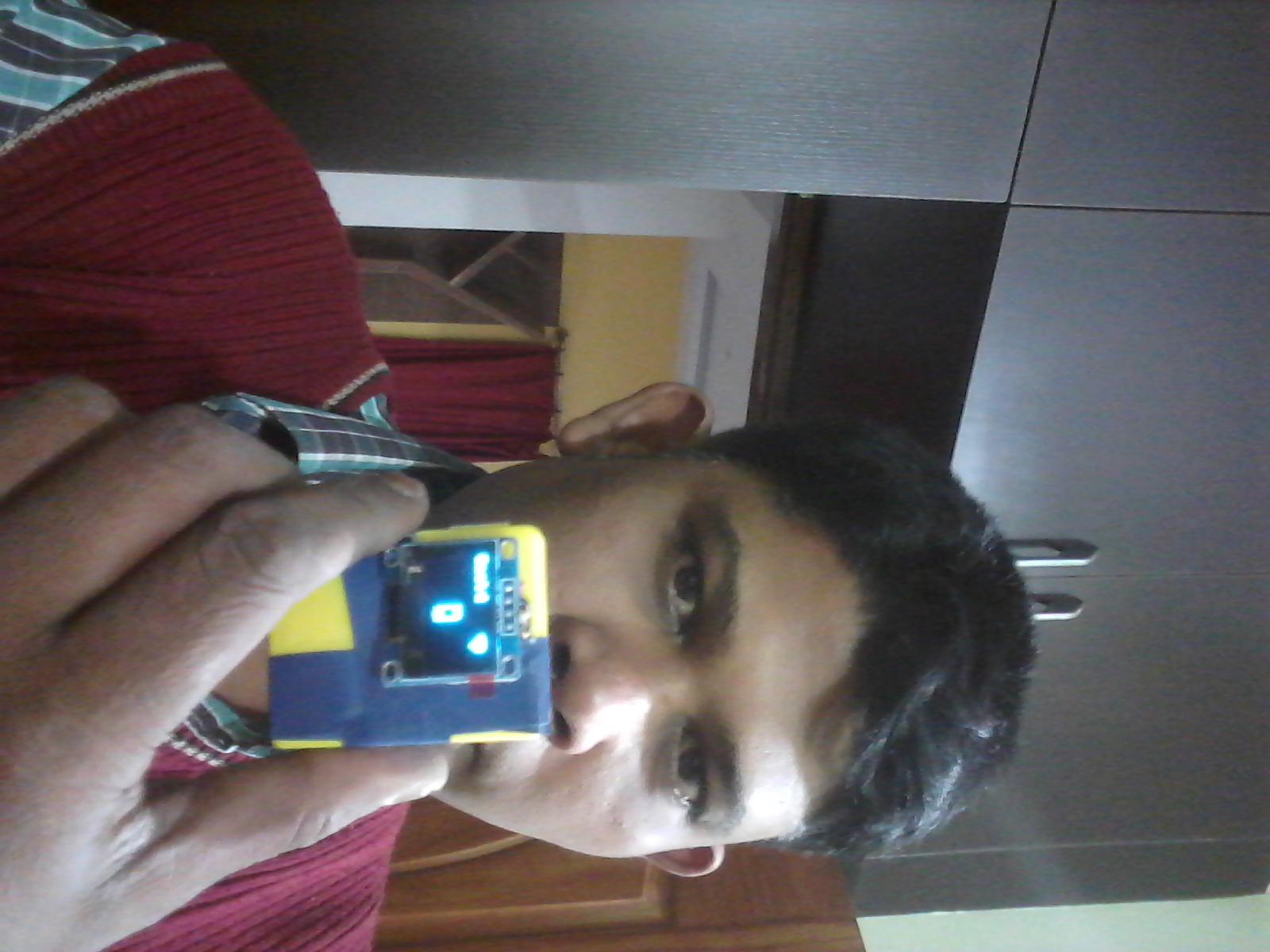
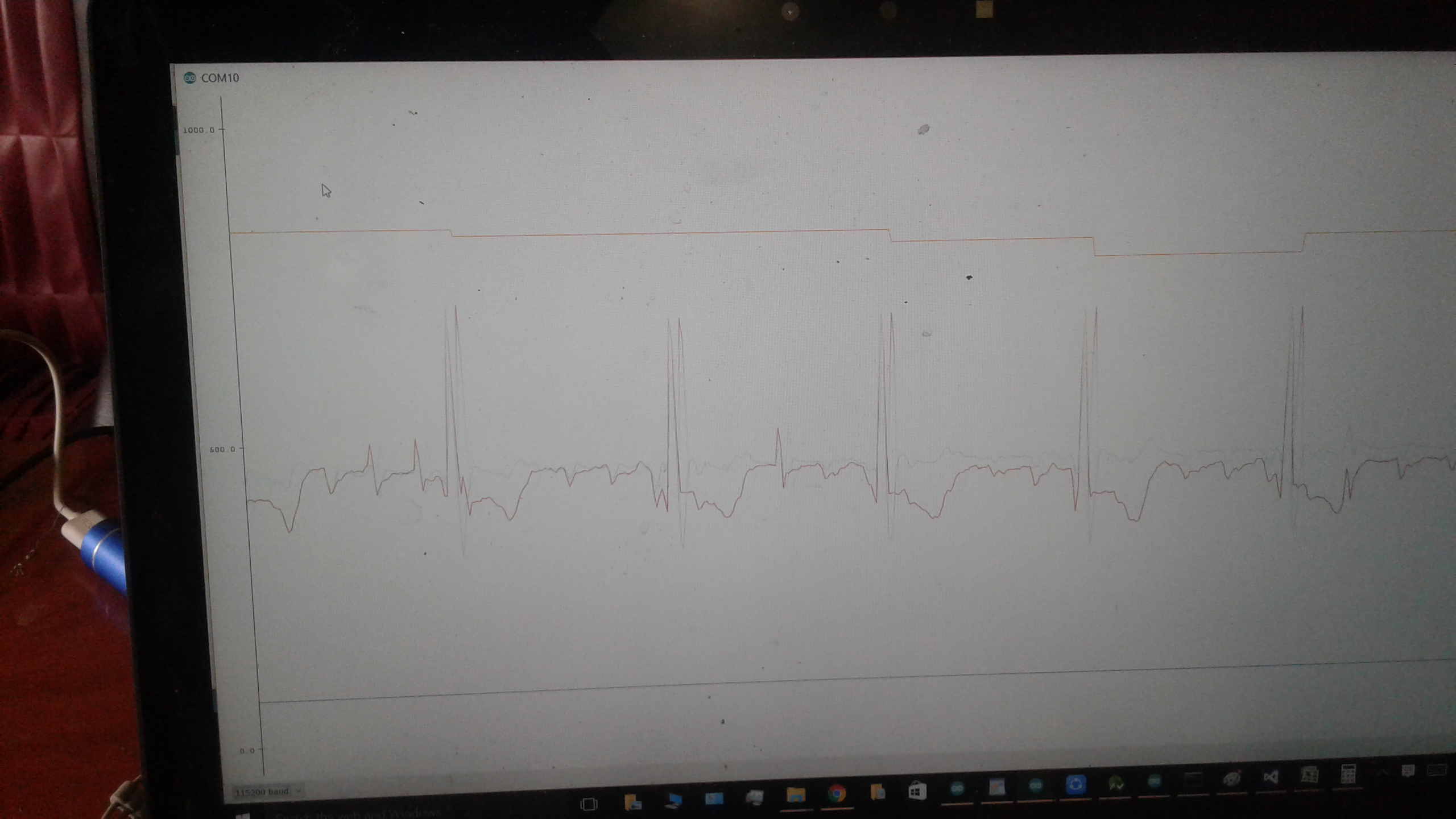
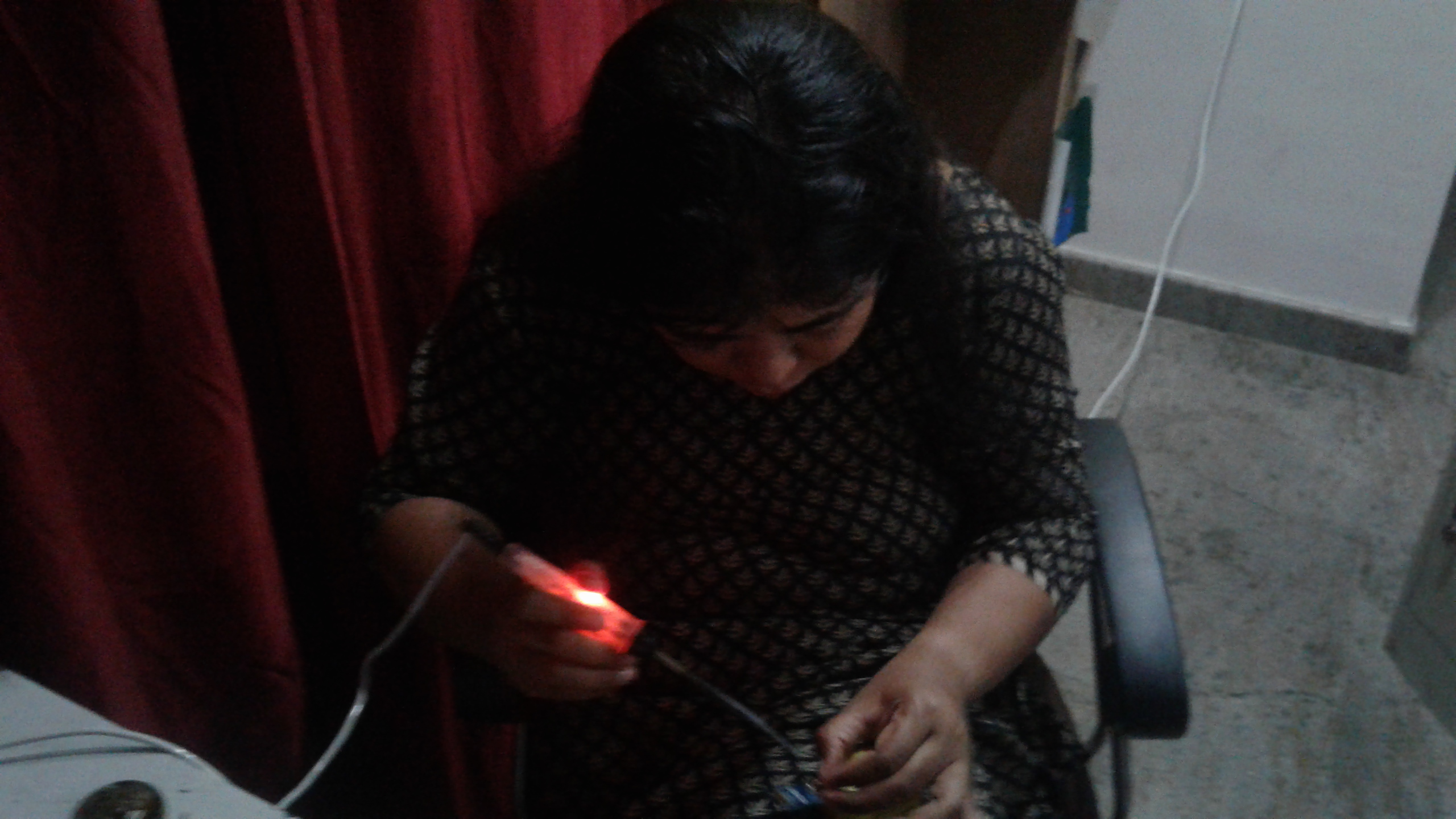
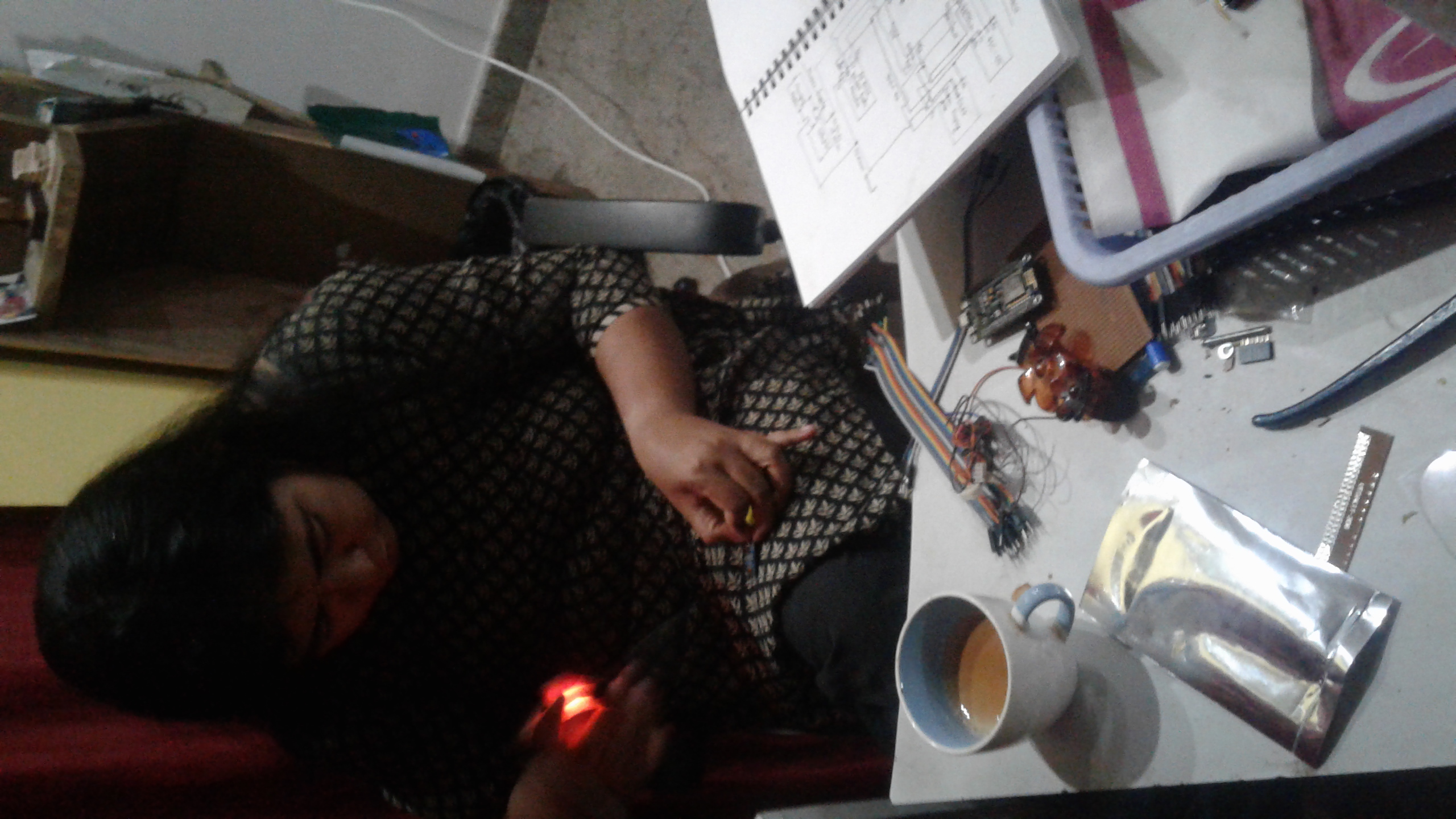
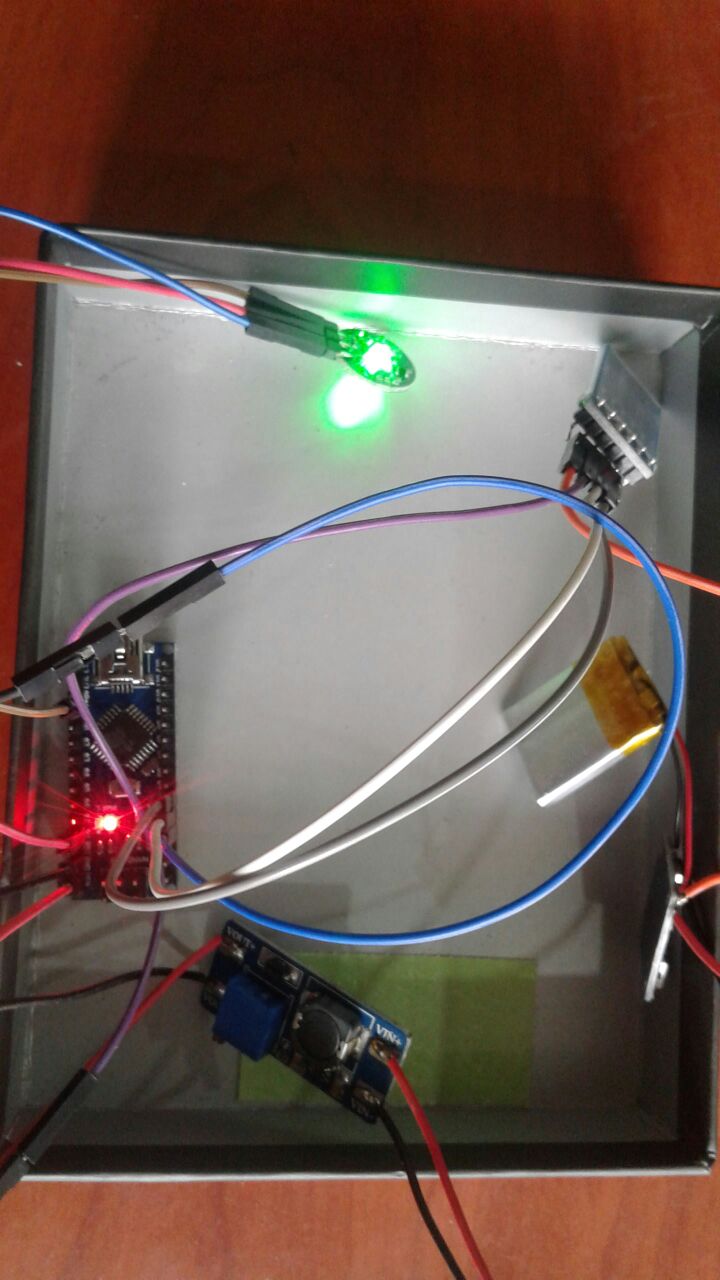
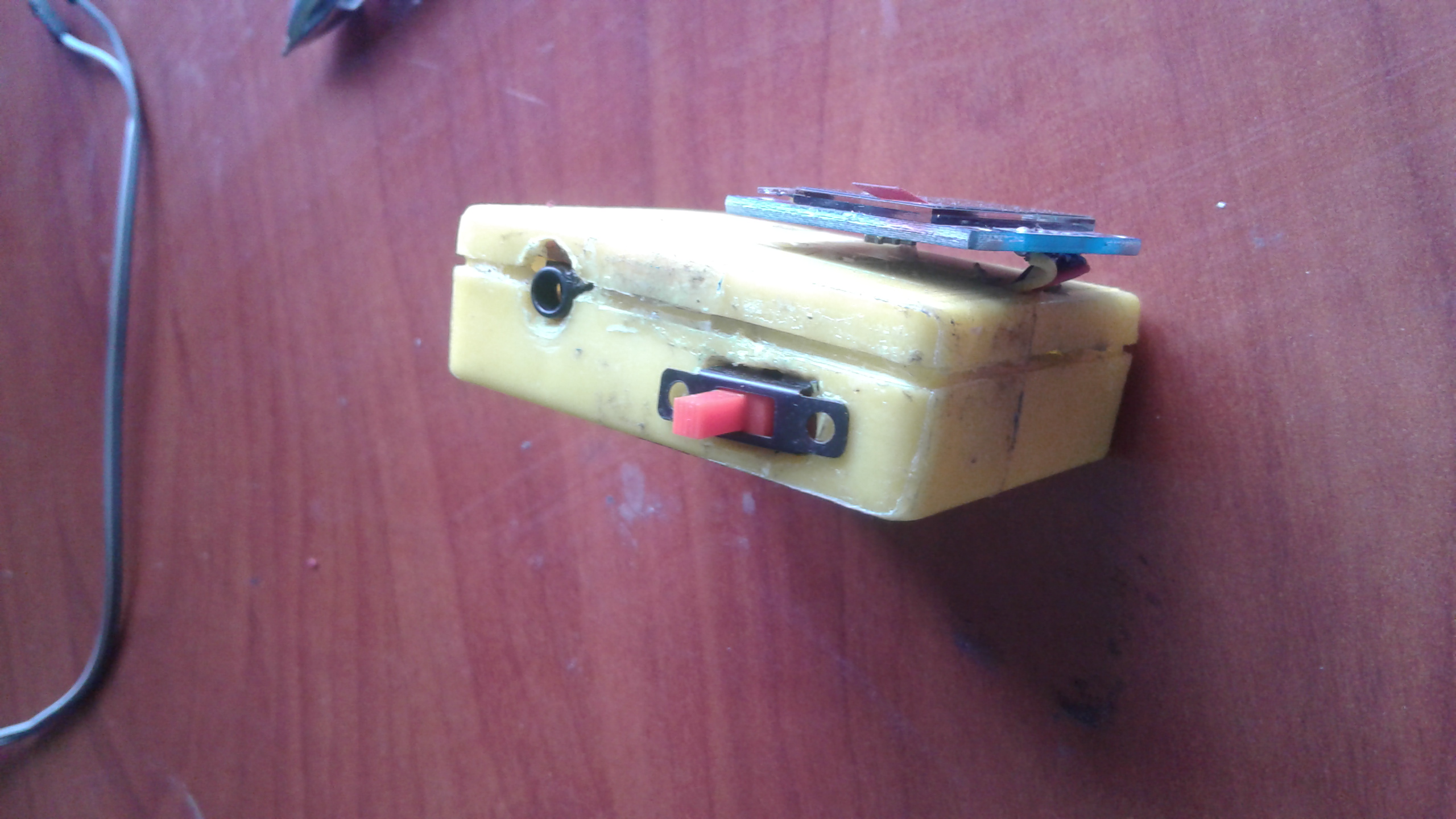
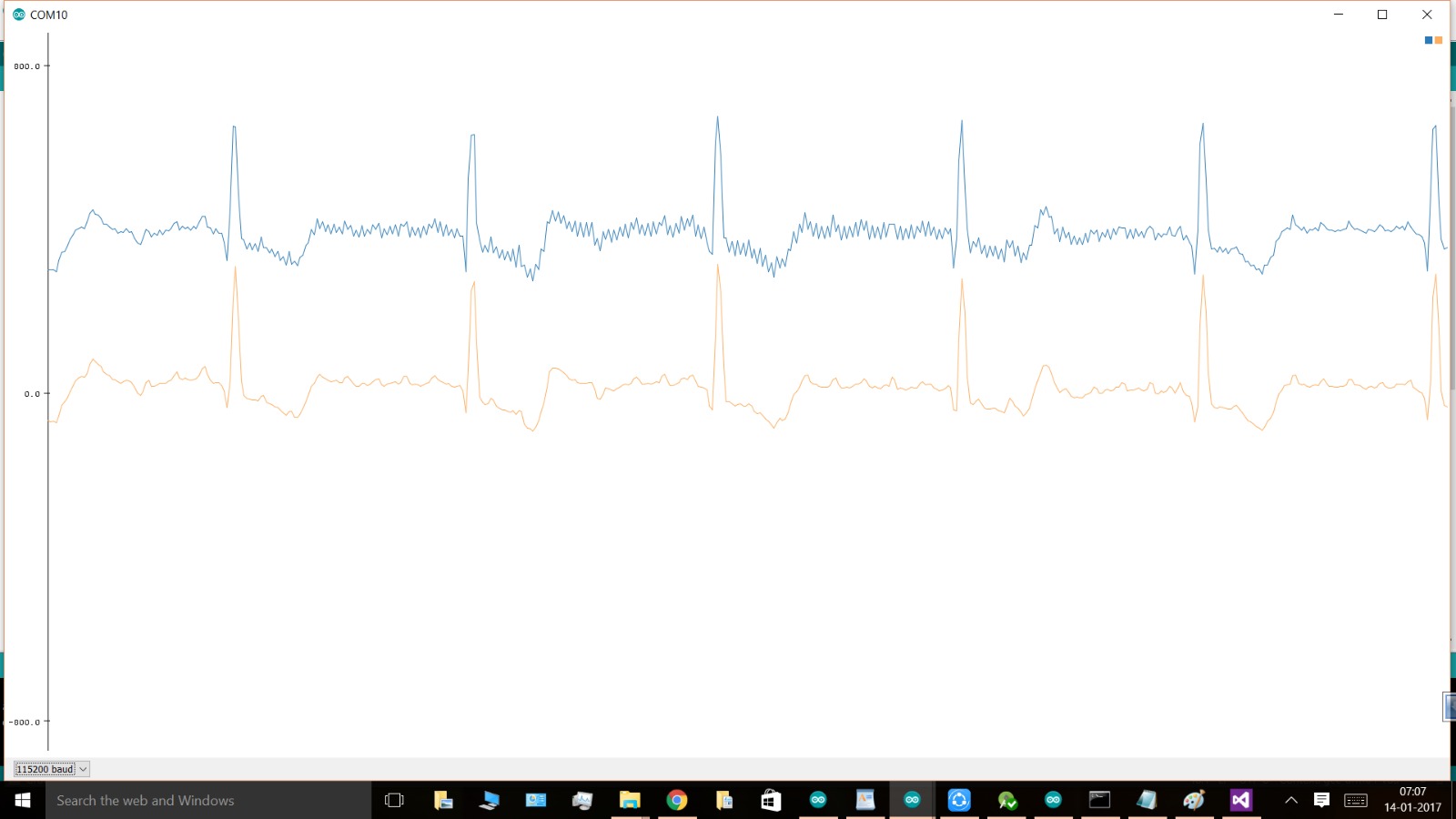
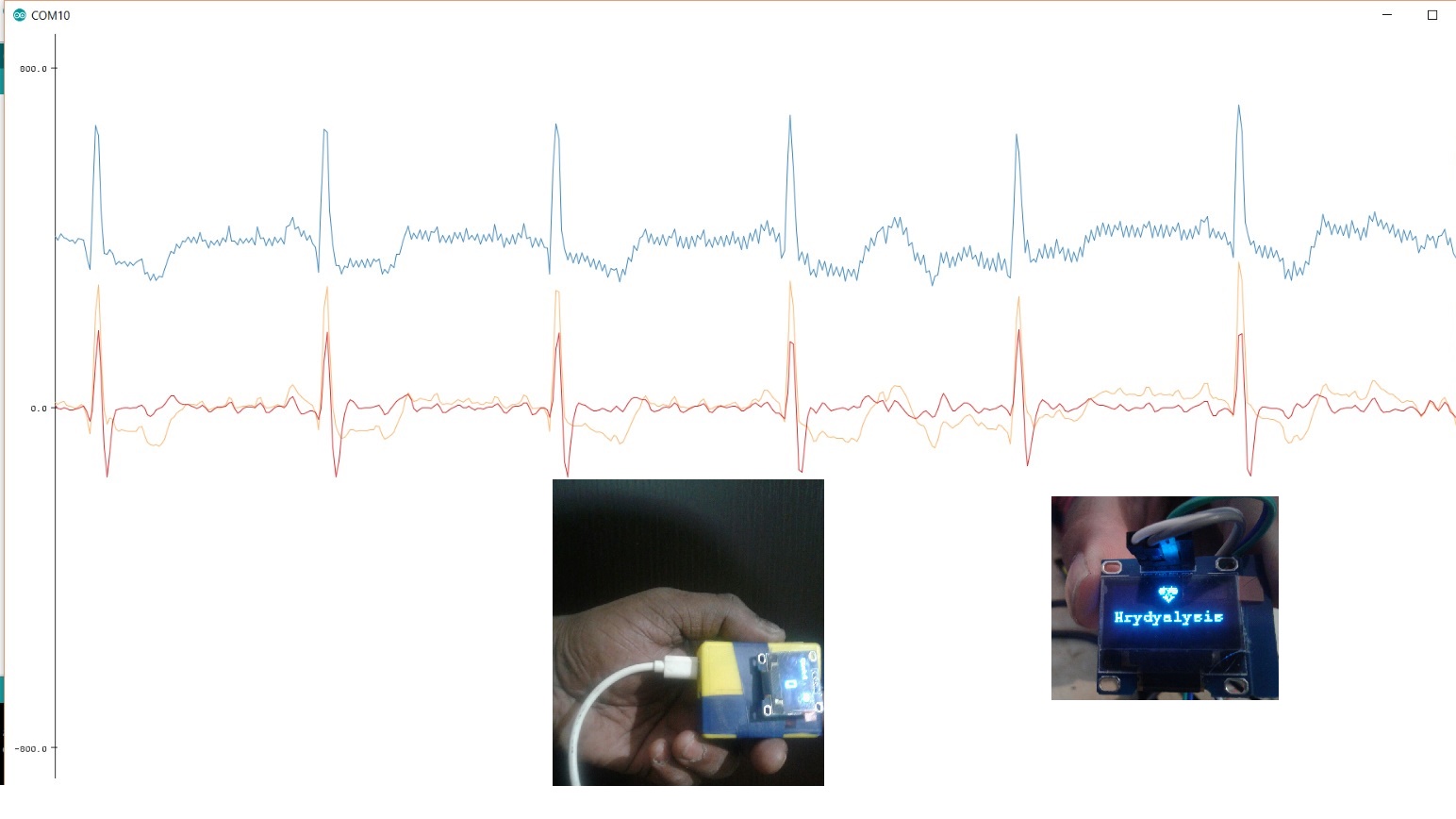
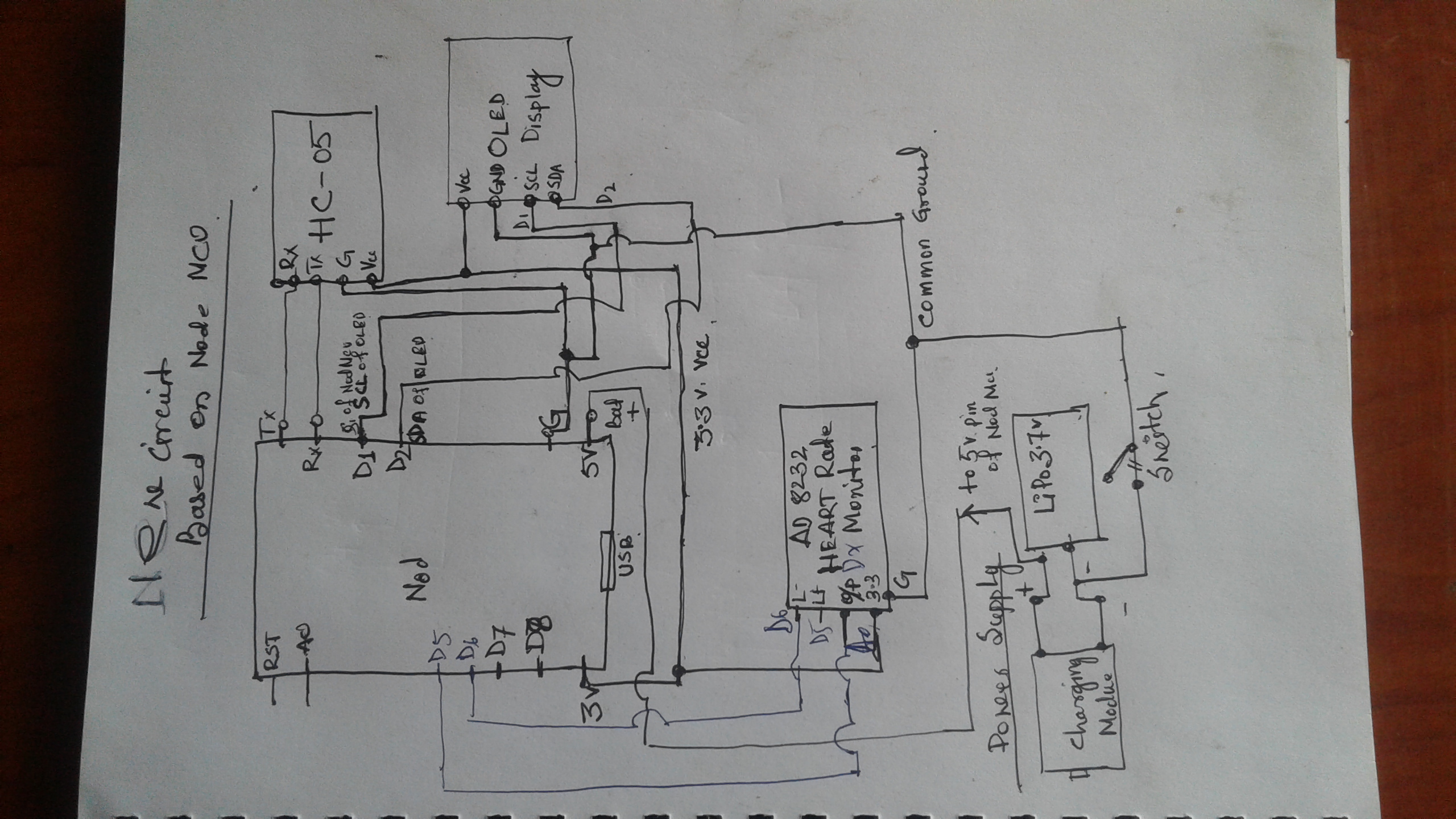
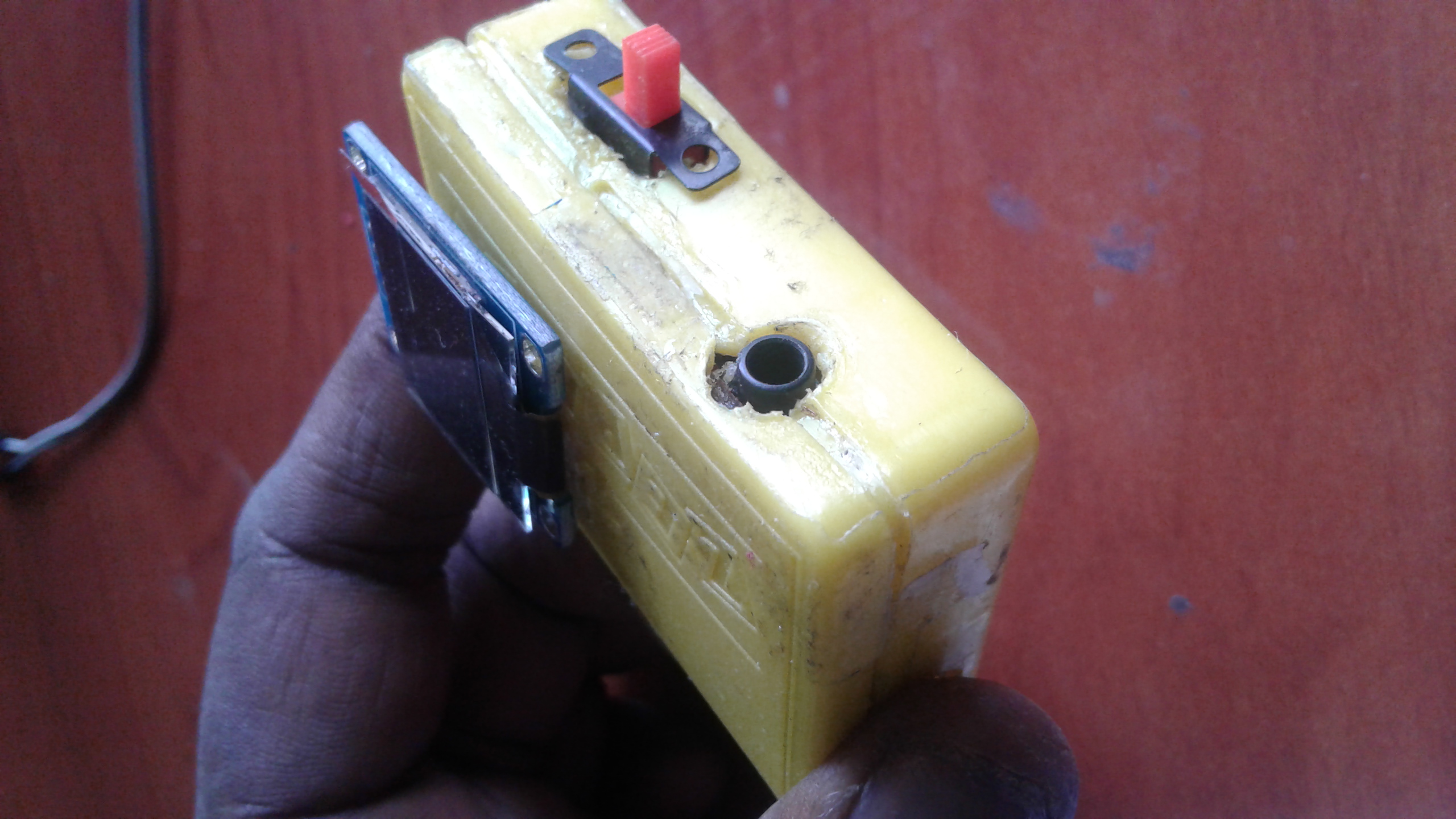
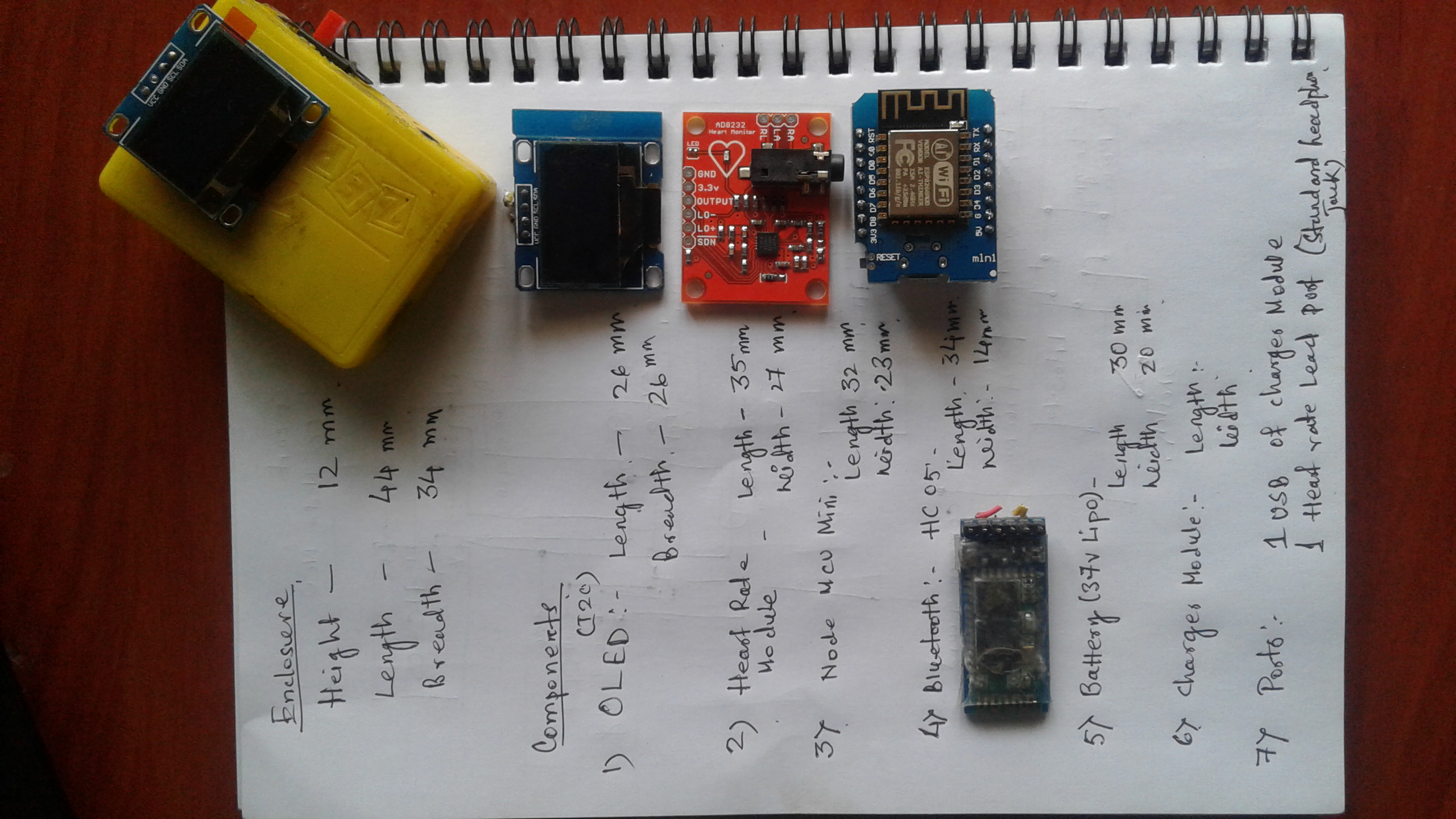
1) We started with simple Arduino Nano and AD8232 device. 2) We viewed the waveform in the serial port. 3) We then induced artificial motion artefacts 4) Then we designed on board filters to nullify the effect of such artifacts 5) We tested our setting with Laptop in car 6) Then we added Bluetooth HC05 in UART mode to get the waveform wirelessly 7) On the air update of the firmware was a challenge with Bluetooth 8) So we added a Node MCU module to it for firmware update. Arduino did analogRead() and send data to Node MCU( ESP12E) 9) Node MCU did all the processing 10) We then added OLED display to view the waveform on the device and created a box. 11) But the box was too big to fit any part of the car dashboard 12) We started working on miniaturization and power unit 13) We then eliminated Arduino and written ancomplete Node MCU based circuit. 14) We designed small power unit and wrote protocol to mitigate data which is having high sampling rate. 15) Parallely we worked on Android App which is a hybrid app and got everything working just few hours before submission.
Challenges we ran into
There were several, starting from getting a right ECg signal in Moving vehicle, to stramistting stream to mobile, from mobile to connect to API end point to parse the details, we miaturize the hardware. The whose project was extremely challenging in every aspect.
Accomplishments that we're proud of
We are proud that we could build an end to end state of art health monitoring system in this short period of time.
What we learned
What's next for CARdialysis-Heart Monitoring Car Dashboard
Go for better build, more testing, 3D printed casing, PCB design and finally crowdfunding, followed by commercial production.
read about our development journey: https://www.dropbox.com/s/ehaif4z02upjf87/Hrydyalysis%20Journey.pdf?dl=0


Log in or sign up for Devpost to join the conversation.