-
Project Icon
-
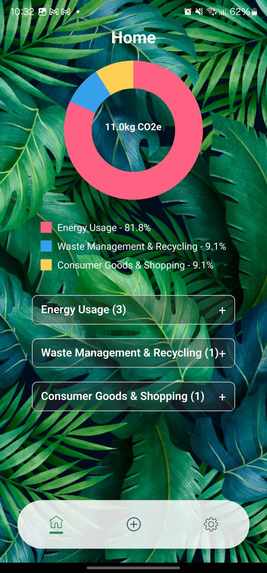
Home Screen
-
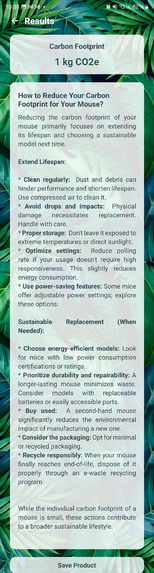
Carbon footprint calculator using AI
-
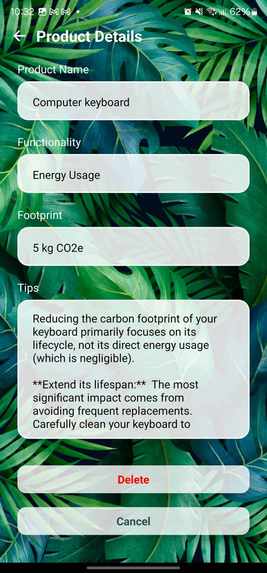
Product Description
-
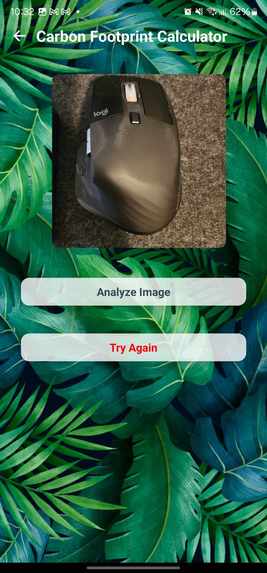
Uploading picture


CarbonWise: Track, Reduce, Sustain
🌍 Inspiration
The growing concern over climate change and the lack of accessible tools for individuals to measure their environmental impact inspired us to create CarbonWise. Many people want to make sustainable choices but struggle to track their carbon footprint effectively. We wanted to build an intuitive and user-friendly platform that empowers individuals to take action toward a greener future.
⚡ What It Does
CarbonWise allows users to calculate their carbon footprint either manually or by using AI-powered image recognition through Google Vision API. Users can take pictures of items, and the app identifies them, providing estimated carbon footprints based on pre-defined categories. The app also tracks emissions across various sectors—transportation, food, energy, and more—helping users visualize their impact over time and make informed decisions to reduce their footprint.
🛠 How We Built It
- Frontend: Developed using React Native for a seamless and responsive mobile experience.
- Backend: Built with Node.js to handle user authentication, data storage, and API requests.
- AI Integration: Utilized Google Vision API to analyze images, extract relevant text, and identify objects for footprint estimation.
- Database: Used Firebase to store user data, track historical footprints, and generate trends.
- Data Processing: Mapped Google Vision API results to estimated carbon footprints based on pre-defined categories.
🚧 Challenges We Ran Into
- Google Vision API Accuracy: Ensuring that the object recognition results matched relevant carbon footprint estimates.
- Mapping Identified Objects to Carbon Data: Since Google Vision API doesn’t provide direct carbon footprint data, we had to create an accurate mapping system.
- User Engagement: Finding the right balance between simplicity and detailed insights to keep users motivated.
- Performance Optimization: Handling image recognition and real-time calculations efficiently without slowing down the app.
🏆 Accomplishments That We're Proud Of
- Successfully integrating Google Vision API for automated object detection and footprint calculation.
- Developing a smooth and intuitive UI that simplifies sustainability tracking for users.
- Creating a robust system that tracks carbon impact across multiple categories.
- Overcoming API-related challenges to ensure meaningful and actionable recommendations.
📚 What We Learned
- How to integrate and optimize APIs for real-world applications.
- Techniques for mapping object recognition results to meaningful sustainability data.
- The importance of balancing AI automation with manual input for a better user experience.
- Best practices for designing an engaging and informative sustainability app.
🚀 What's Next for CarbonWise
- Improving object recognition accuracy by refining the mapping between identified objects and carbon footprint estimates.
- Expanding support for more categories and products to provide better insights.
- Introducing a community feature where users can share tips and sustainability goals.
- Adding a reward system to encourage eco-friendly habits.
- Exploring web-based and smartwatch versions for better accessibility.
CarbonWise is just the beginning of a movement toward more conscious living. By leveraging AI and real-time tracking, we aim to empower users with the knowledge and tools to make a tangible impact in reducing their carbon footprint. 🌱
