Inspiration
The world talks about climate action, but most people don’t know their real carbon impact—or how to change it. We wanted to make climate choices clear, instant, and deeply personal. What if a smart, friendly dashboard could translate your daily actions—what you eat, how you travel, how you live—into real carbon insight, and coach you to do better? CarbonLens was born to bridge that gap: turning intention into action, and data into meaningful, trackable change.
What it does
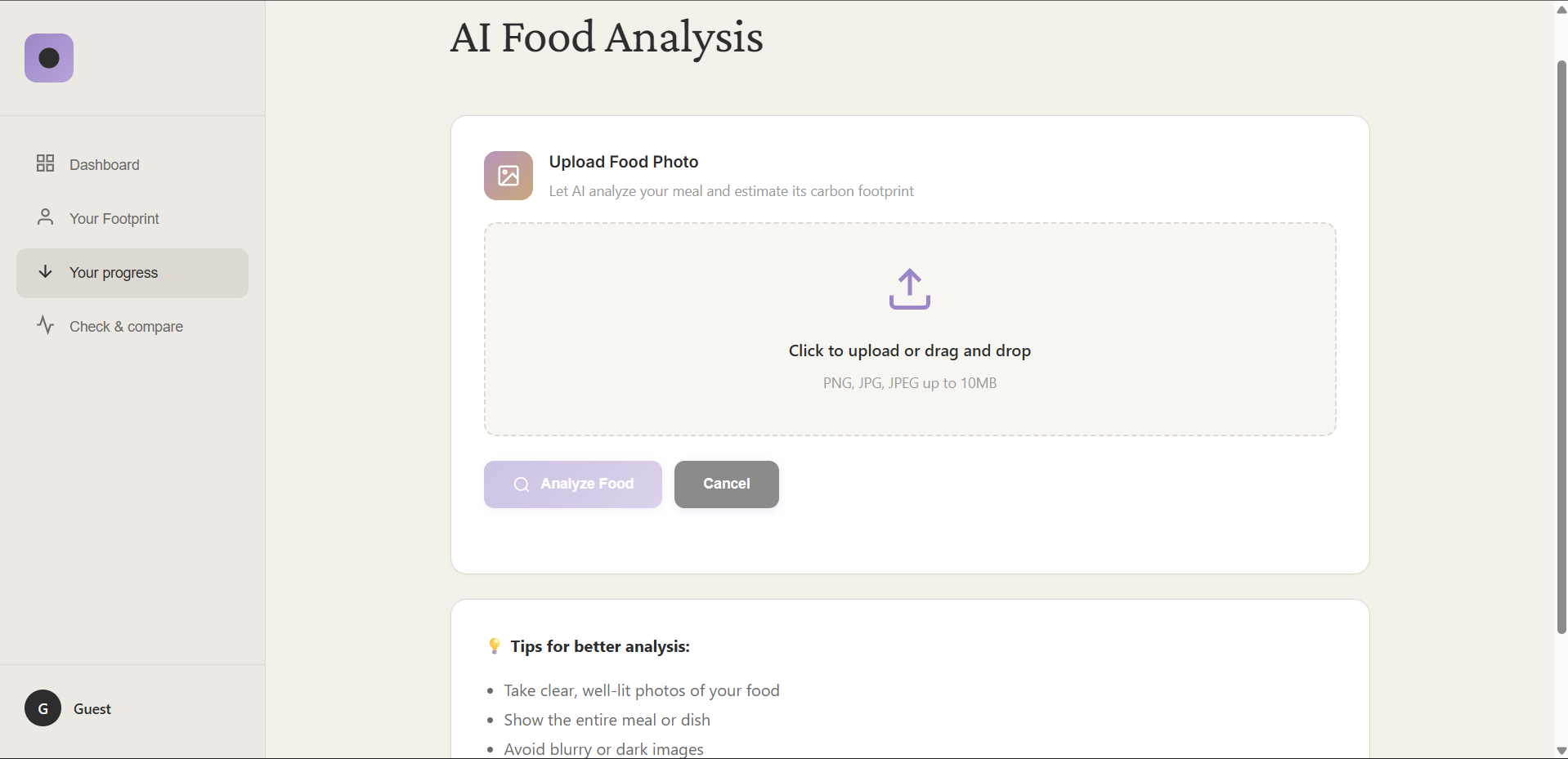
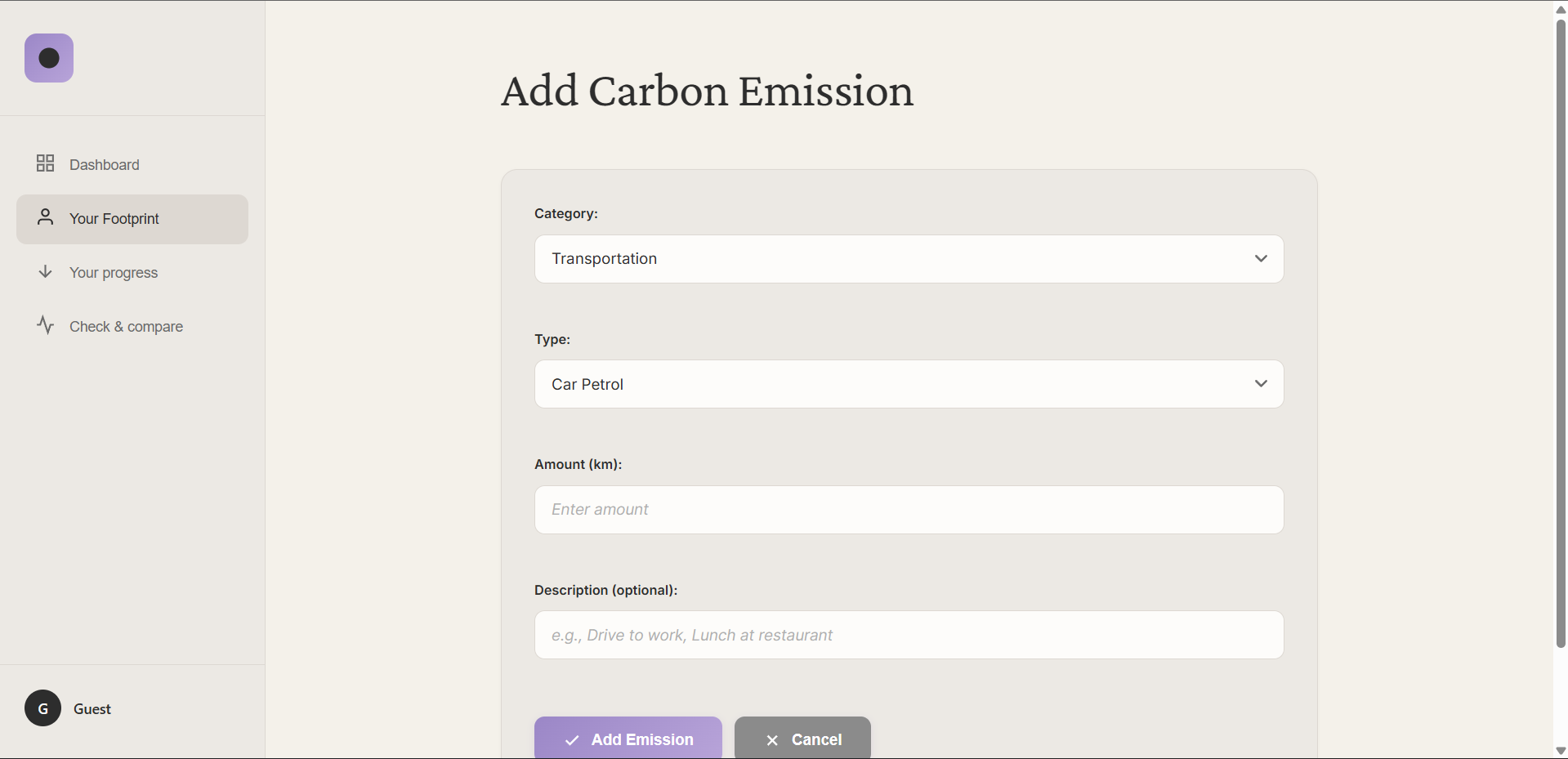
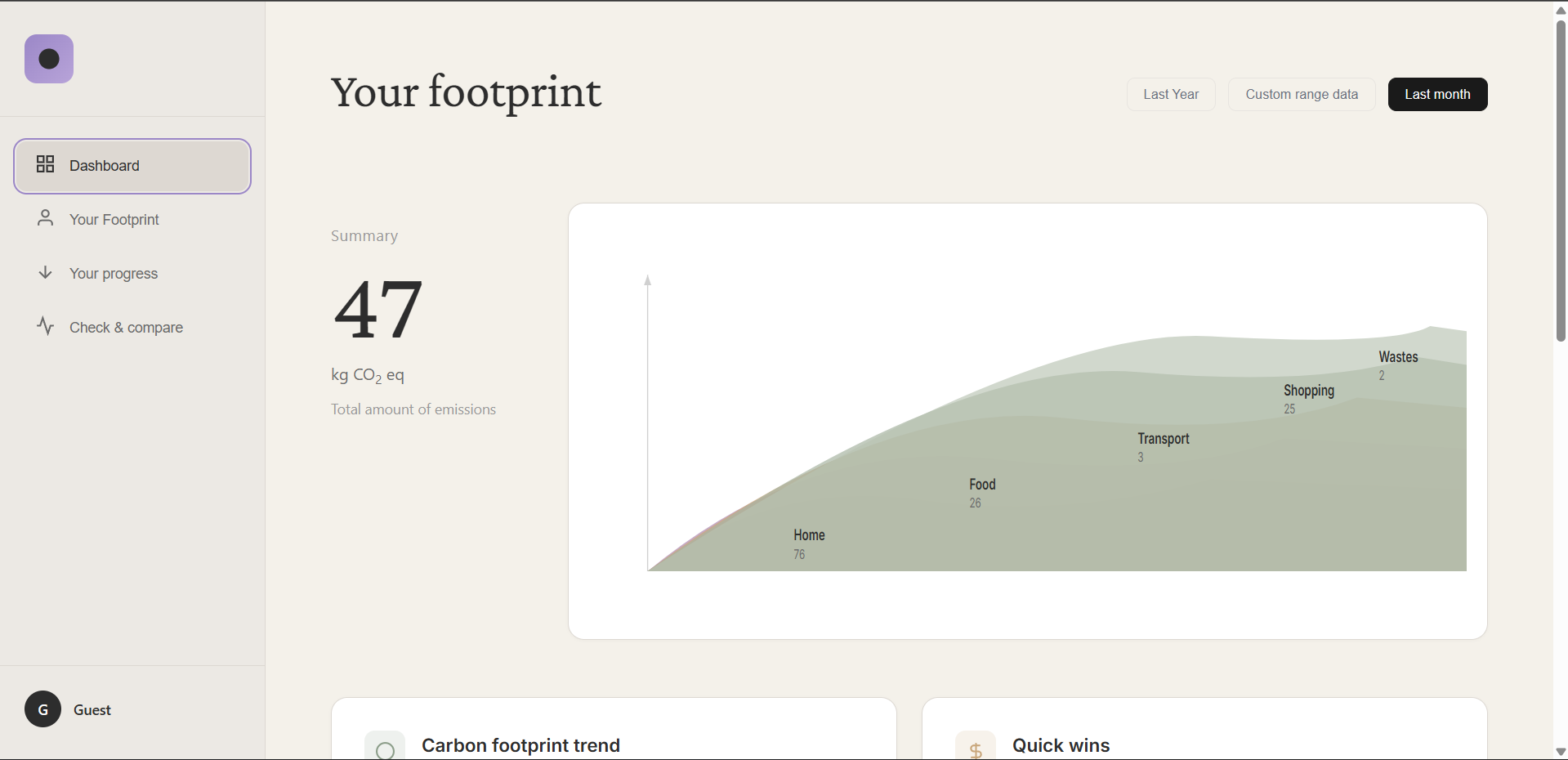
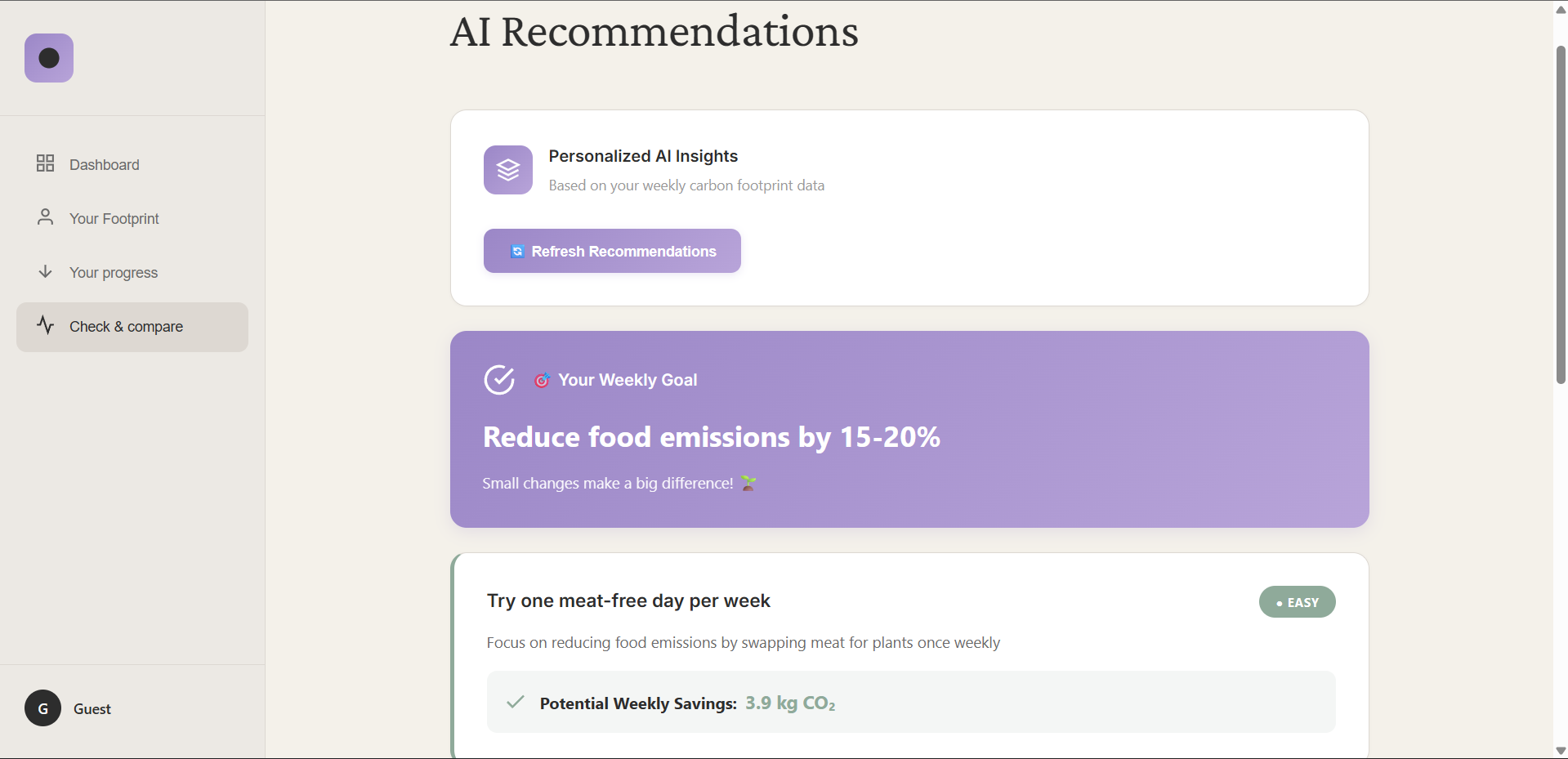
CarbonLens automatically tracks, analyzes, and visualizes your personal carbon footprint from daily choices—covering food, transport, home energy, shopping, and more. Just enter or upload your activities (or snap a photo of your meal), and CarbonLens uses AI to instantly estimate emissions, show your trends, and give personalized recommendations to reduce your impact. It turns your raw habits into actionable insights—making sustainable living simple, measurable, and rewarding.
How we built it
We built CarbonLens using React for a fast, interactive UI, with all logic optimized for live feedback and smooth user flows. Emissions data is stored locally and managed through custom hooks, while charts render instantly with Plotly and SVG for detailed trends. We integrated the Hugging Face AI API to classify food images and calculate carbon from photos, with smart error handling and a fallback for limited API quotas. User actions drive all updates, feeding directly into historical logs and personalized recommendations generated with custom algorithms. The design was customized from Figma and refined for mobile and desktop—with zero external templates, just our own React components and utility logic. Everything is modular, clean, and focused on a wow-first experience: clear, educational, and addictive to use.
Accomplishments that we're proud of
Intuitive, addictive charts: Clean, animated visuals turn complicated emissions data into something you want to check daily. Judges and testers alike said seeing their “footprint wave” was powerful.
Personalized coaching: The platform doesn’t just track—it teaches and nudges with actionable, relevant tips based on the user’s real habits.
Bulletproof local functionality: Zero dependencies on external servers. Even with limited or no API credits, the core experience, graphs, and insights work perfectly.
Design polish under pressure: Every piece of UI, from sidebar to color palette, was matched and iterated to be as beautiful as it is functional—all by hand, all hackathon-fast.
End-to-end user journey: From adding emissions to tracking history, comparing progress, and getting AI suggestions, it’s a complete behavioral feedback loop in one fresh interface.
What we learned
Building CarbonLens taught us how to weave complex AI-powered data analysis into a clear, beautiful user experience under tight deadlines. We learned the power of instant, personalized insights to motivate sustainable behavior, and how crucial it is to balance technical ambition with practical features like offline support and graceful API fallbacks. Most importantly, this project reinforced that climate action becomes real when the data is accessible, relatable, and actionable for everyday users.
What's next for CarbonLens
Next, we plan to extend CarbonLens with collaborative features for households and communities, fostering shared goals and competitions to amplify impact. We will also enhance AI capabilities to detect more nuanced activities from photos and sensor data. On the UI side, deeper integrations with smart home devices and personalized microlearning content will make sustainability habitual and fun. Above all, our mission remains to empower every user to see their impact clearly and turn small changes into big environmental wins.

Log in or sign up for Devpost to join the conversation.