-
-
-
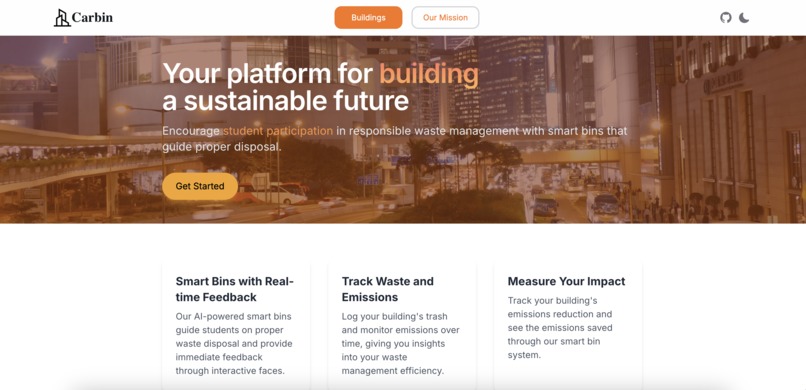
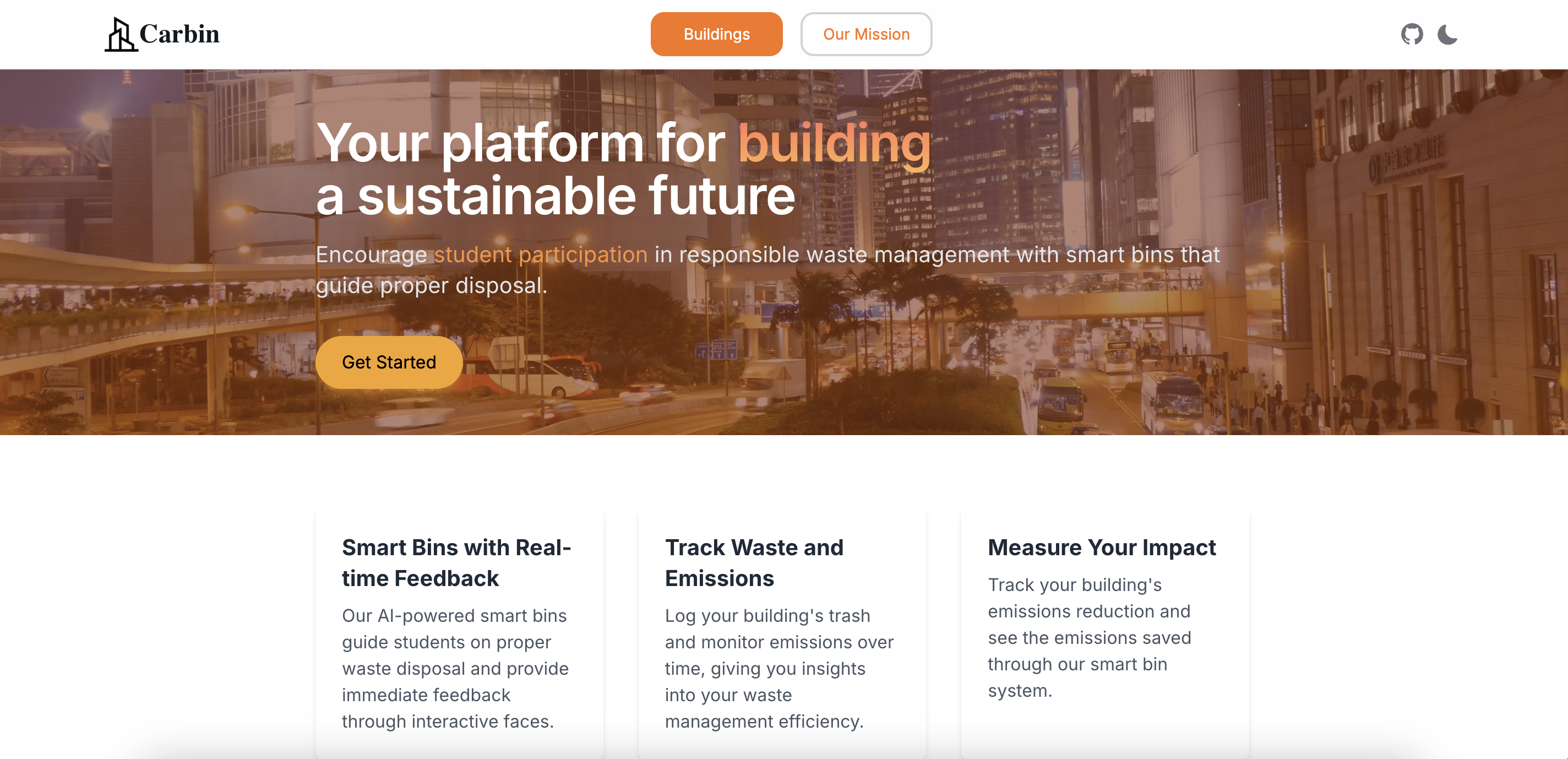
Landing page
-
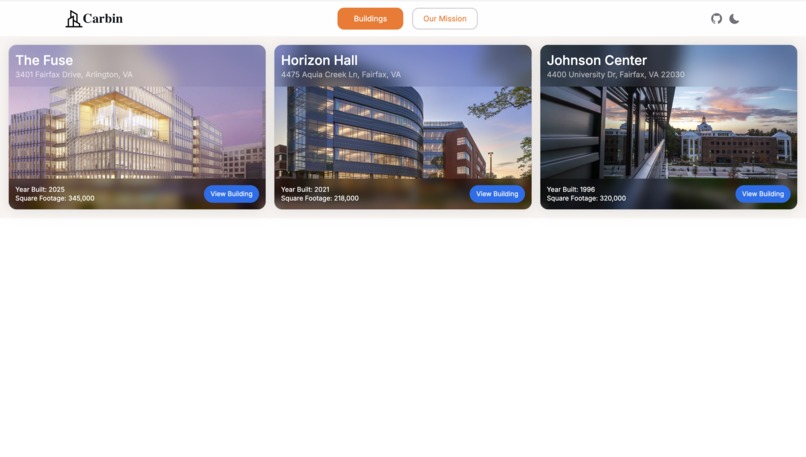
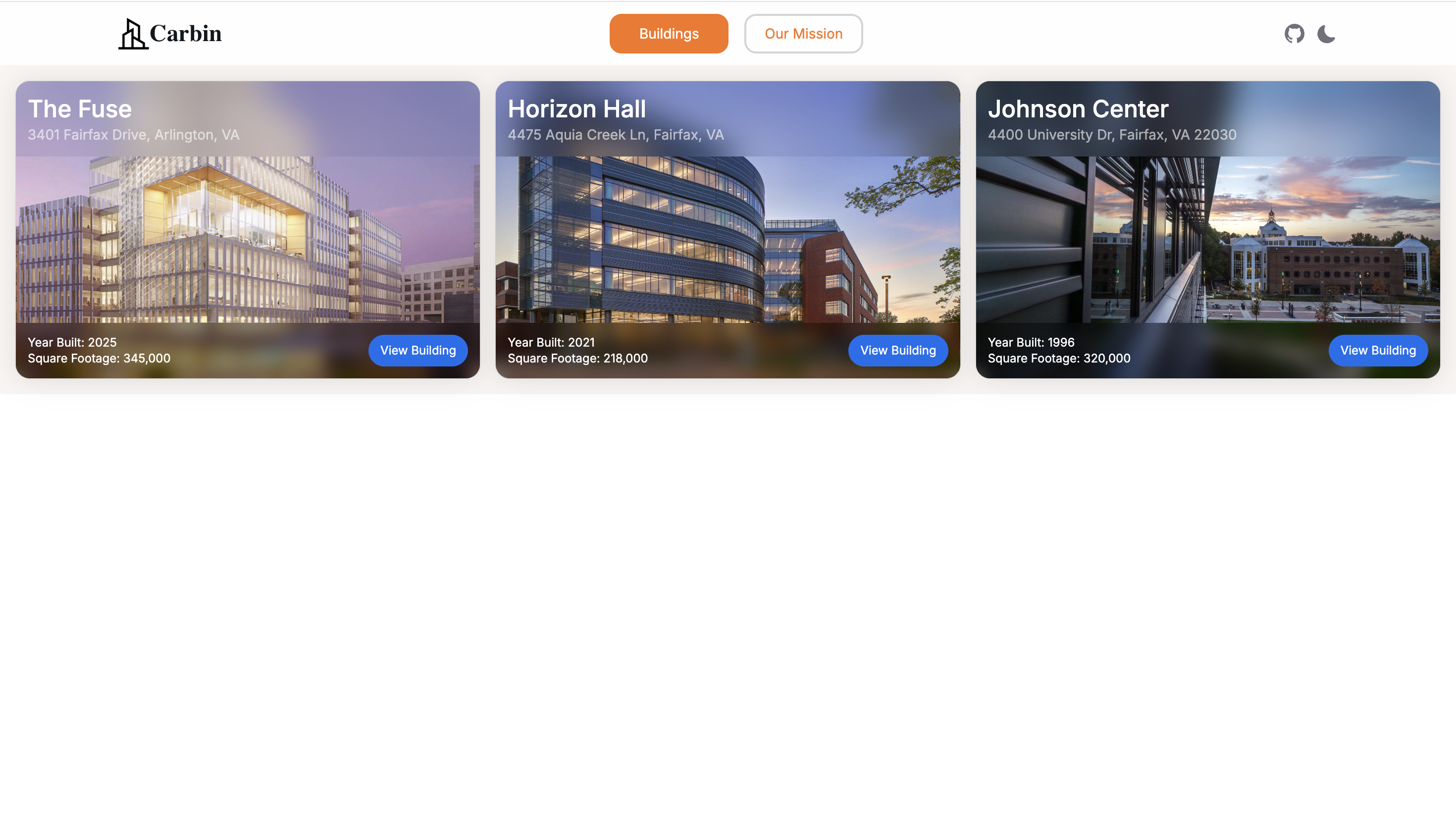
Building selection page
-
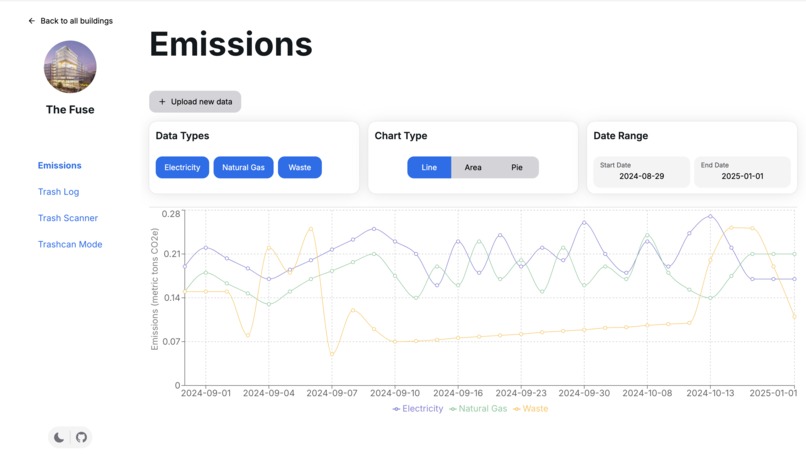
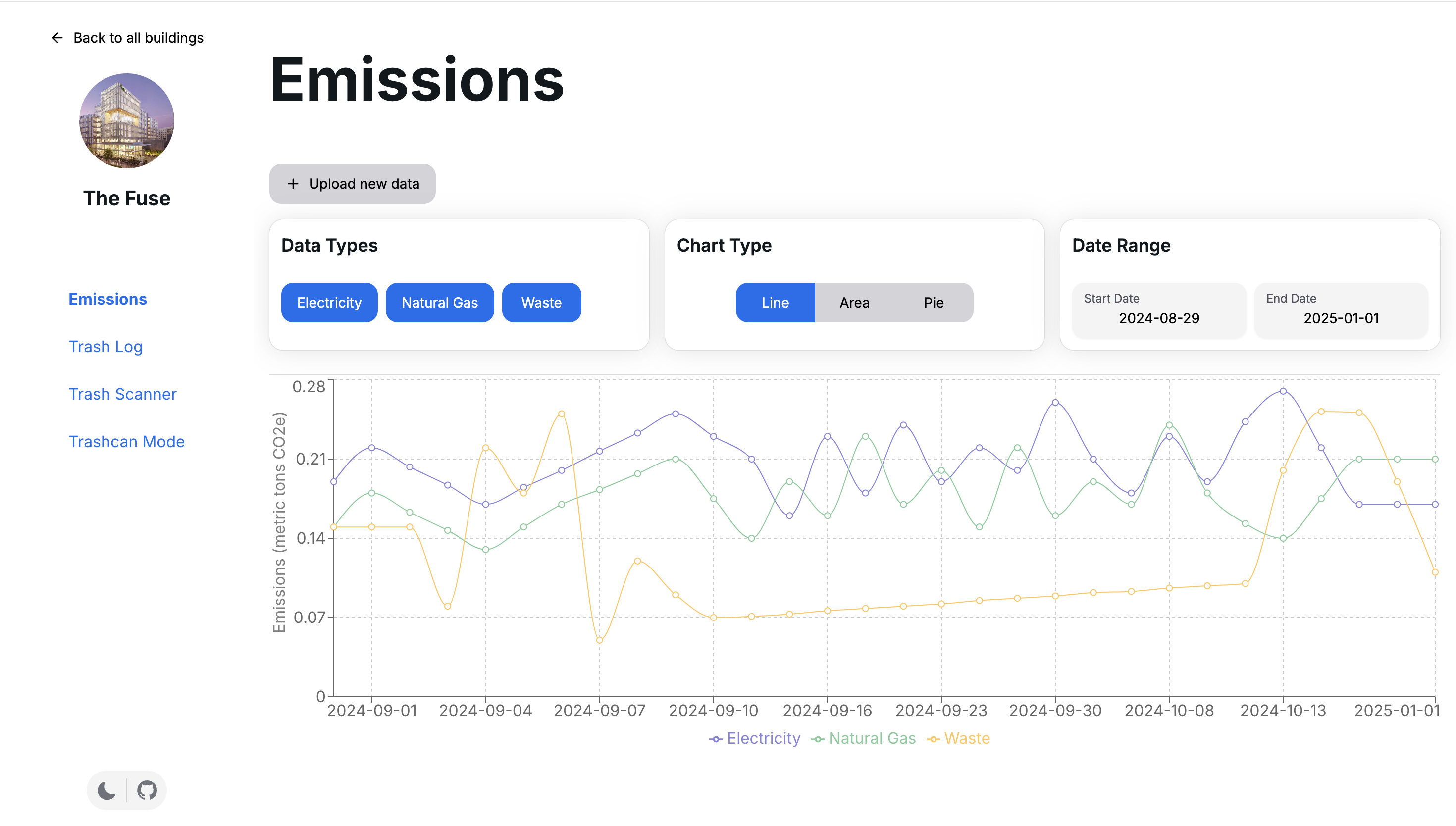
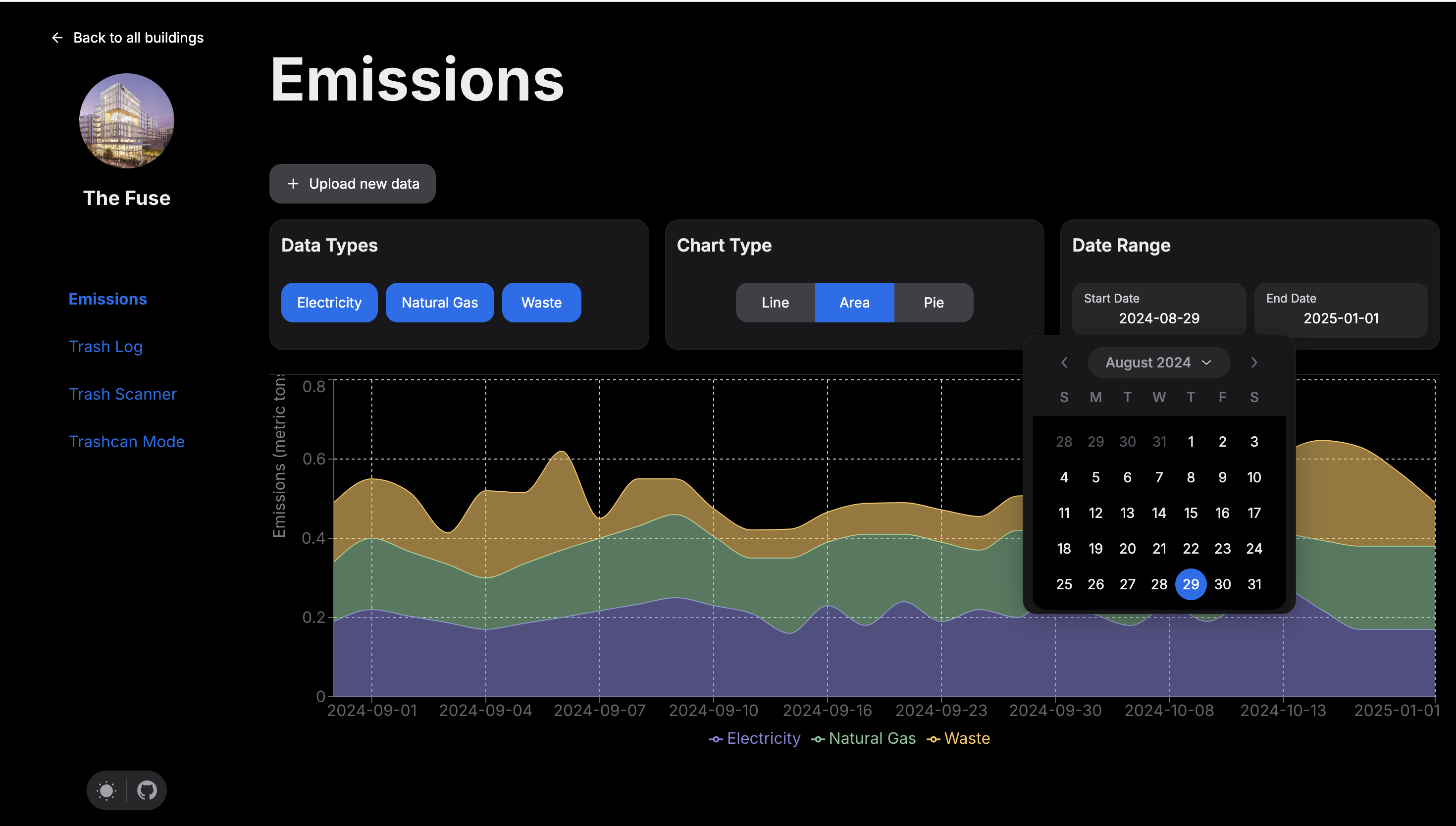
Default view of estimated emissions over time
-
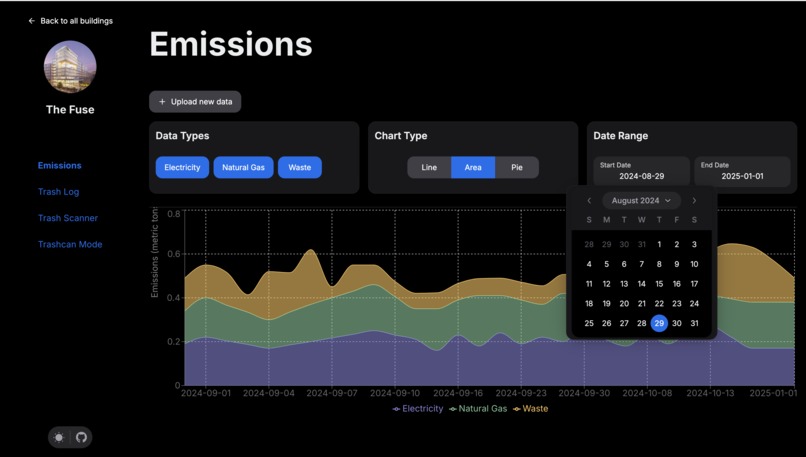
There are several customizations available such as dark mode, date filters, and chart type
-
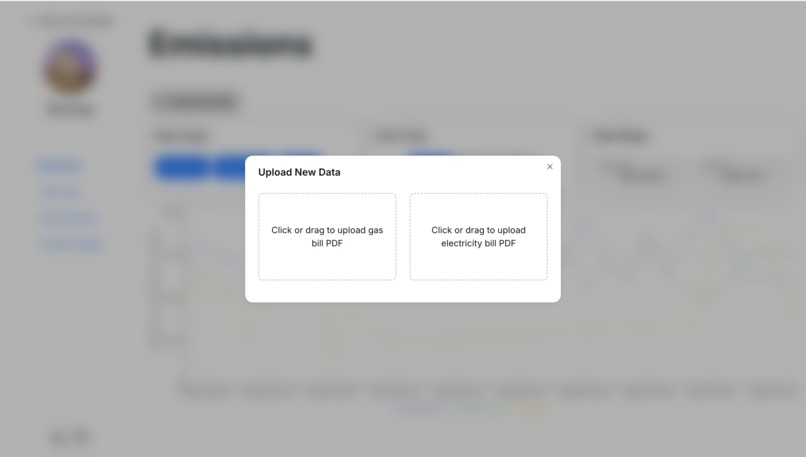
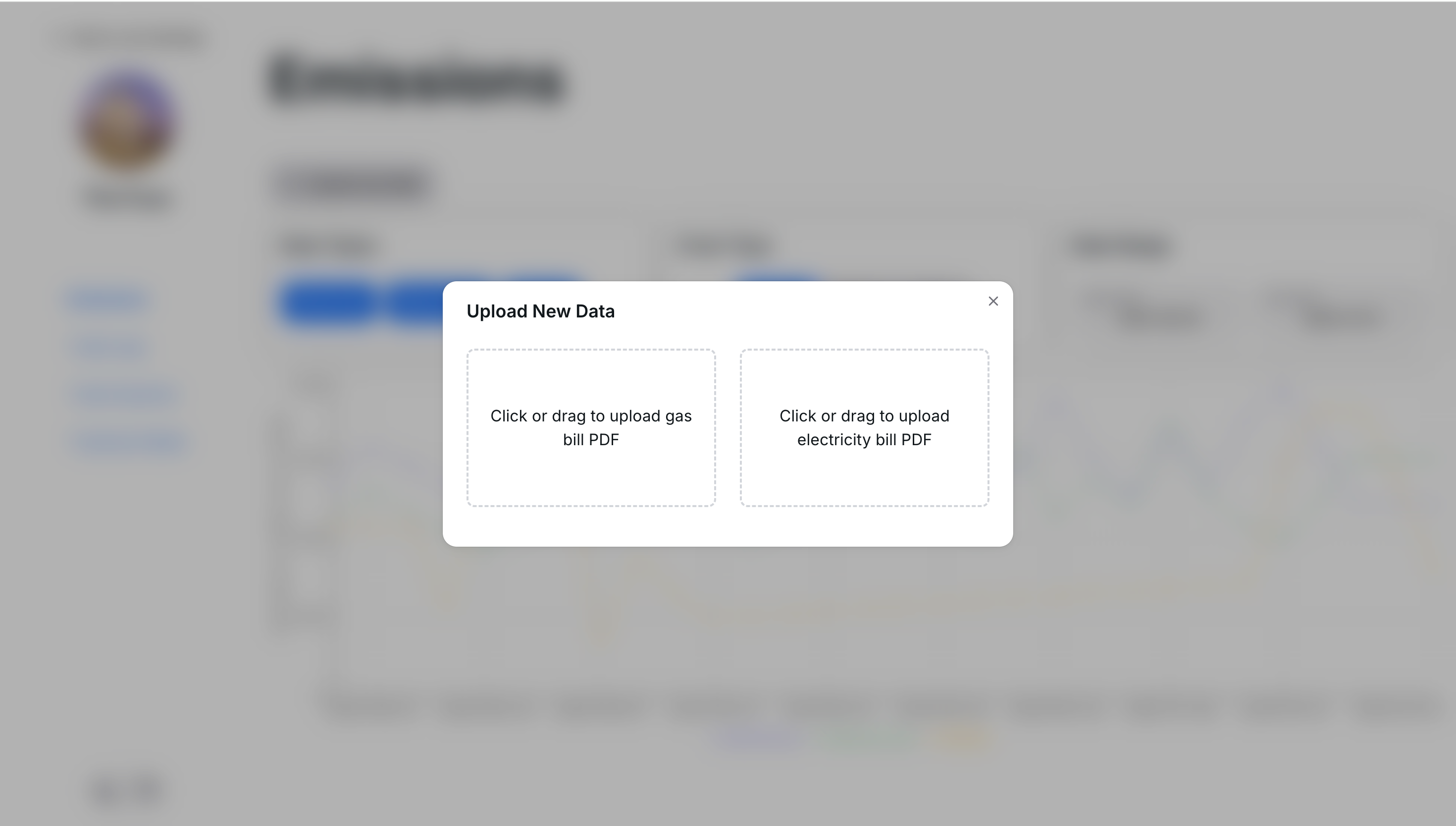
Users can choose to upload their gas and or electric bills
-
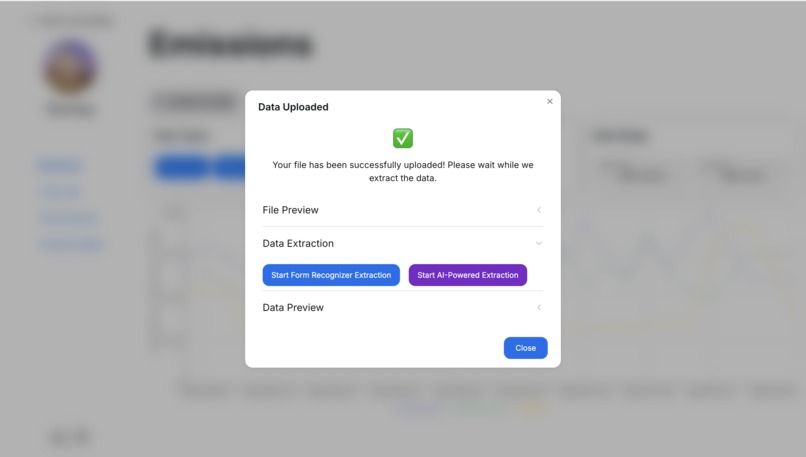
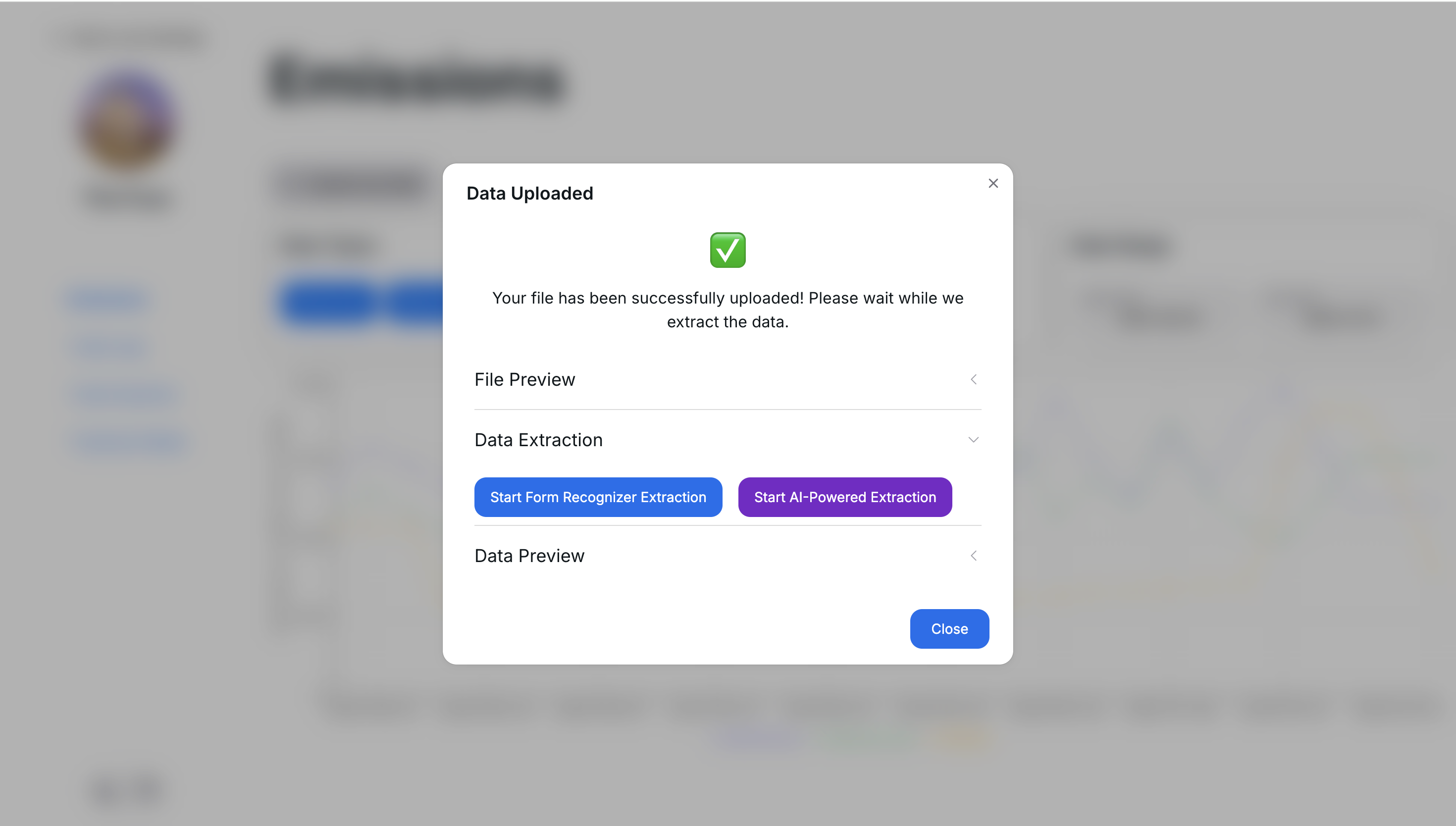
Users can select a faster Azure document intelligence extraction method, or a more thorough Azure OpenAI powered extraction method
-
Problem 🌍
Buildings are significant contributors to greenhouse gas emissions, with three main sources: electricity, natural gas, and waste. While efforts to reduce energy-related emissions are ongoing, waste management has been an overlooked area. In the US, landfills contribute over 15% of methane emissions, nearly 3 times more than coal mining. Alarmingly, 75% of landfill waste could have been recycled, while 25% of recycling loads are contaminated and end up in landfills.
🚨 These statistics reveal a critical missed opportunity for waste reduction and environmental protection.
Inspiration 🌱
Our inspiration stems from the potential of merging artificial intelligence with everyday waste disposal while addressing overall building emissions. We aim to make building-wide emissions management, especially waste handling, more:
- Intuitive 🧠
- Accurate ✅
- Engaging 🎯
By developing AI-powered smart bins and a holistic emissions tracking platform, we strive to:
- Simplify the recycling process for users 🔄
- Boost awareness and education around proper waste sorting and energy usage 📚
- Deliver real-time feedback on recycling habits and overall building emissions 📊
- Create a data-driven approach to optimize waste management and energy use strategies 💻
Our project bridges the gap between intention and action in recycling, empowering people to make eco-conscious decisions effortlessly. By harnessing technology to make recycling more accessible, we aspire to significantly reduce landfill-bound recyclables and curb methane emissions.
What it does 🚀
Carbin is a two-pronged solution designed to revolutionize responsible waste disposal:
- Smart Bins: Equipped with friendly interfaces and AI signage, guiding users on proper waste sorting. 🗑️
- Management Dashboard: Empowers building owners and organizers to track their carbon footprint reduction and access detailed emission statistics. 📈
How we built it 🛠️
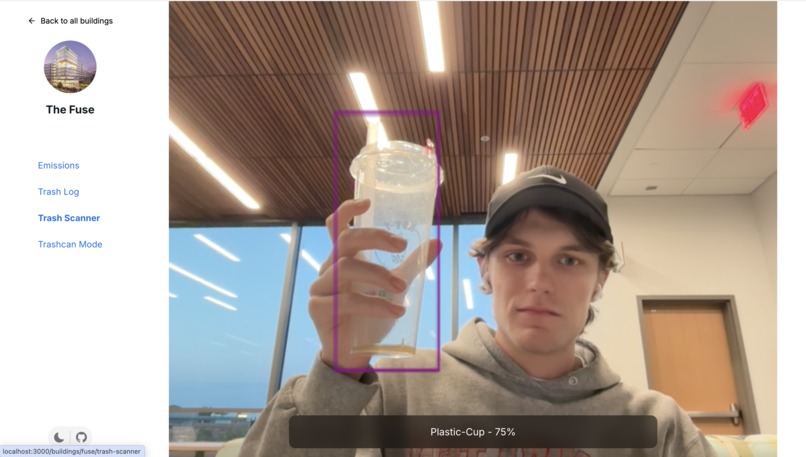
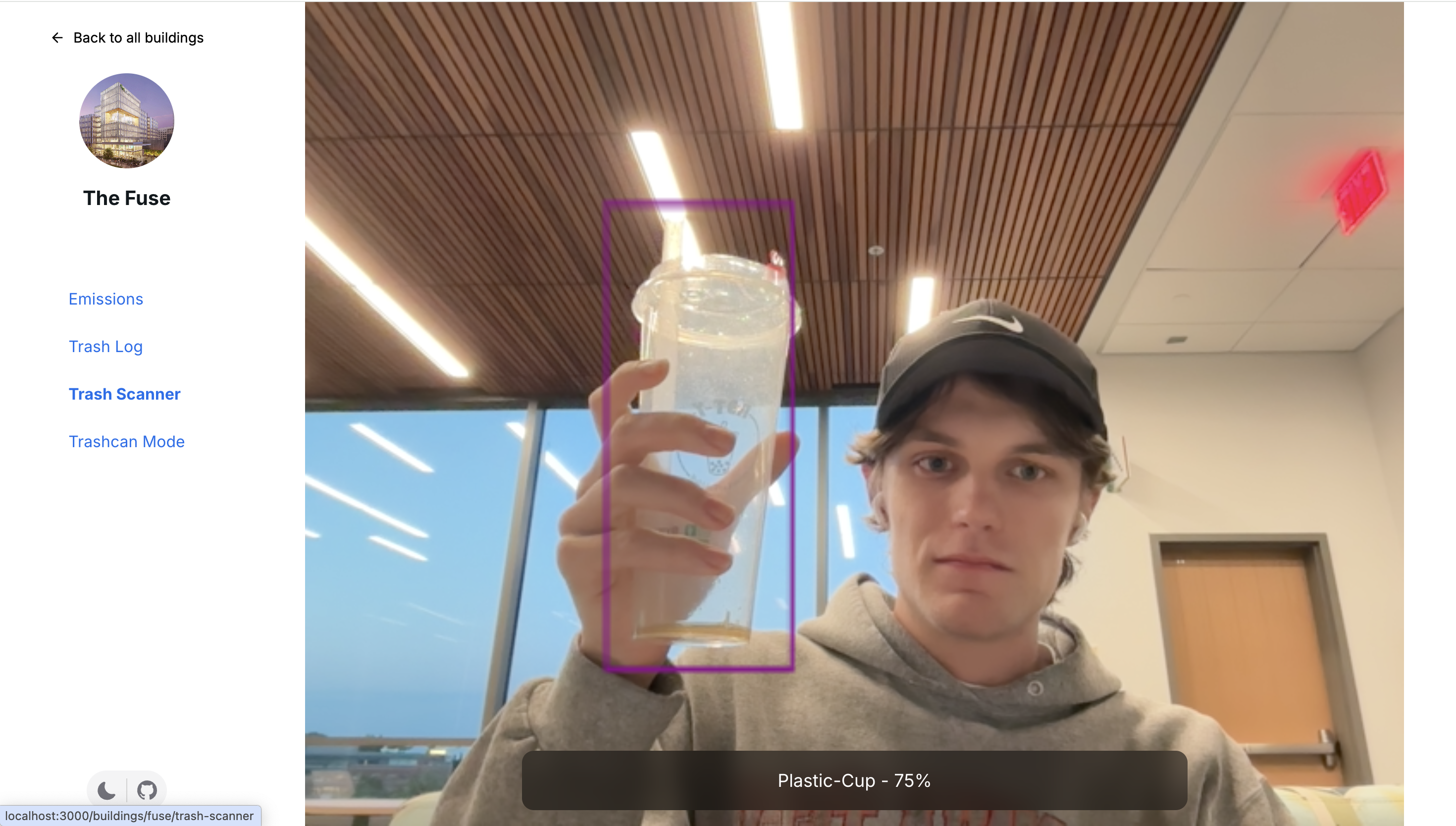
- AI-Powered Sorting: Trained a Roboflow machine learning algorithm to accurately identify and categorize different types of waste.
- Real-Time Data Logging: Smart Bins automatically update to our Azure Cosmos database, providing insights on bin activity and usage patterns.
- Other Emissions Tracking: Recognizing that waste is only part of building emissions we also built in electricity and natural gas emission tracking. We offer two choices
- Monthly tracking: Utilizes Azure Document Intelligence to quickly process gas and electric bills.
- Yearly tracking: Leverages Azure OpenAI for comprehensive analysis.
- Web Dashboard: Deployed a user-friendly webapp showcasing simple graphs and logs of building's emissions and waste data.
Challenges we ran into 🧗
While developing Carbin, we encountered obstacles in:
- Turning pdf files into a form that is readable by Azure OpenAI without destroying complex table structures.
- Attempting to train/serve Roboflow through Azure.
- Finding and labeling hundreds of trash and waste related images.
- Deploying a docker instance on Azure a to host our nextJS web app.
Accomplishments that we're proud of 🏆
- Getting a vision model to run on device in the browser to drastically reduce deployment costs.
- Creating a clean and professional user interface.
- Our pipeline that turns complex electricity/gas billing PDFs into data points without the user doing any tedious data entry.
What we learned 🧠
- How to use Azure Cosmo DB in place of Firestore.
- How to send and receive files and not just text data for our own backend APIs.
- How the canvas browser API can be used to draw simple shapes like bounding boxes without css.
- The importance of waste management!
What's next for Carbin 🚀
- Cost-Effective Scaling: With projected upgrade costs under $50 per bin, Carbin offers a cost-effective solution for widespread adoption. But we need to go from proof of concept in the web browser to cheap iot hardware like a Raspberry Pi or ESP32.
- Enhanced AI Accuracy: Continual improvement of our waste identification algorithms for even greater accuracy. And possibly even more detailed carbon estimates by estimating trash size/weight and not just classification.
- Gamification: Introducing competitive elements and rewards to further engage users and promote positive recycling habits.
- Integration with Smart Cities: Partnering with municipalities to incorporate Carbin into broader urban sustainability initiatives.
By making responsible waste disposal accessible, engaging, and data-driven, Carbin aims to create a significant impact on reducing landfill emissions and promoting a more sustainable future. 🌱🌎
Built With
- api
- azure
- cloudconvert
- next.js
- react
- typescript


Log in or sign up for Devpost to join the conversation.