

CarbonFlow: An AI-Powered Marketplace for Social Good
Live Application: carbonflow.net
Inspiration My inspiration came from the "social good" theme and the desire to tackle a major climate challenge by creating a sustainable, market-based solution. I wanted to build a platform that transforms captured carbon from a costly liability into a profitable asset, creating a powerful economic engine for climate action that benefits the entire community.
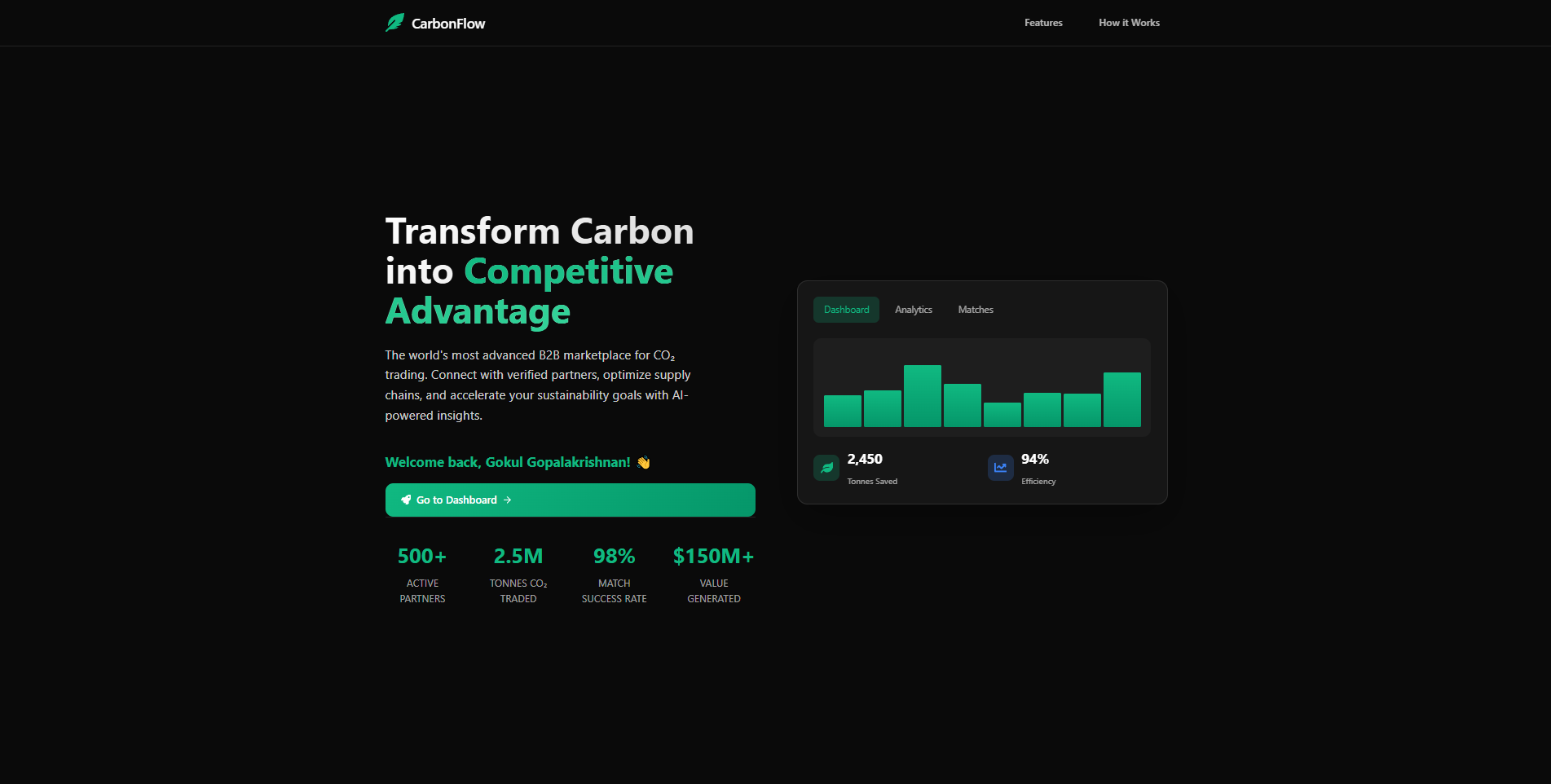
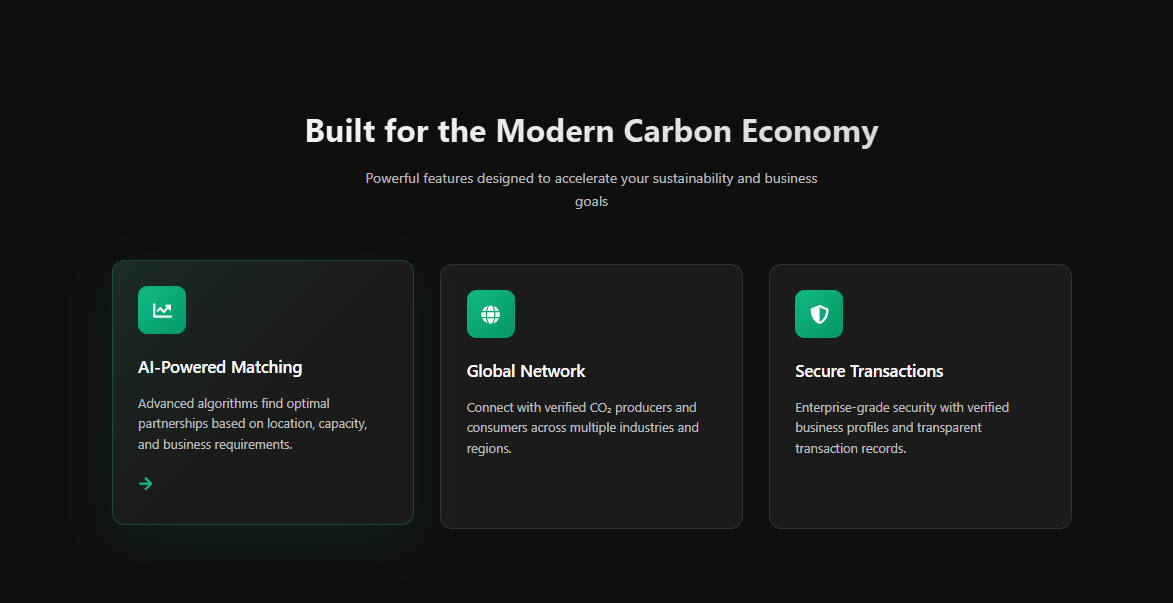
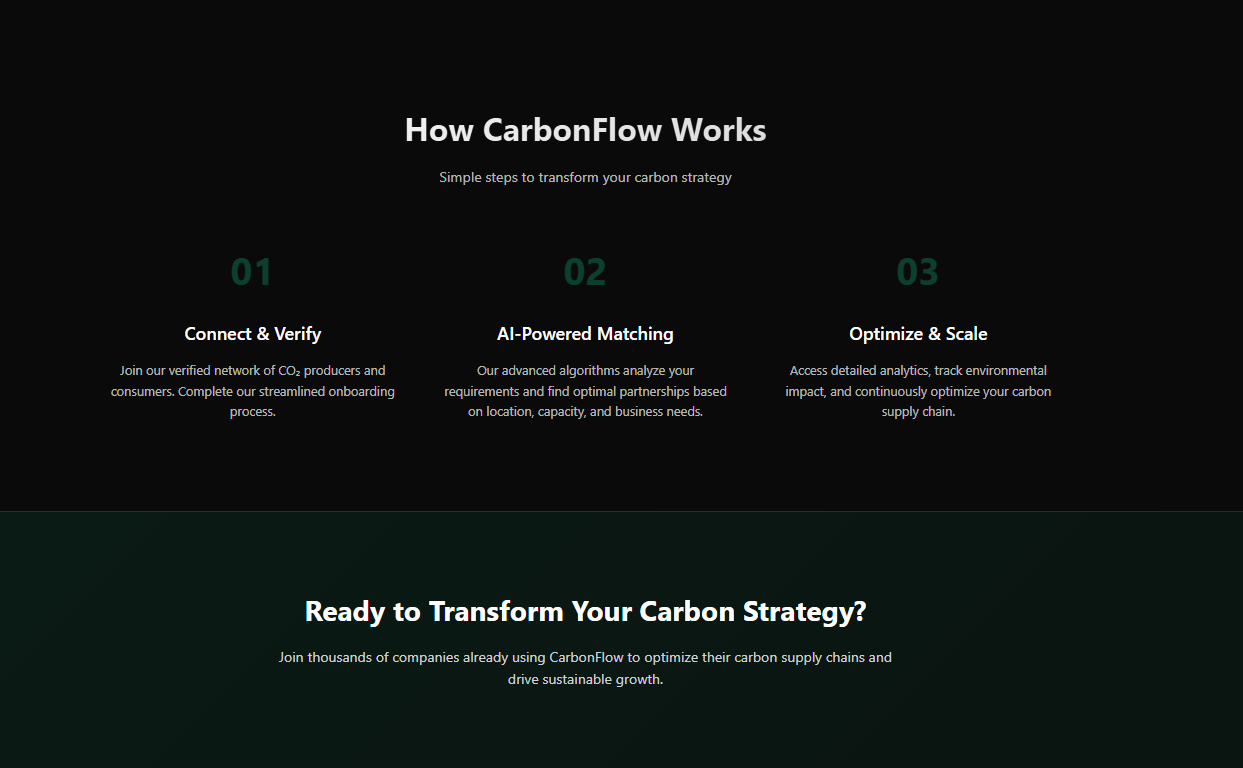
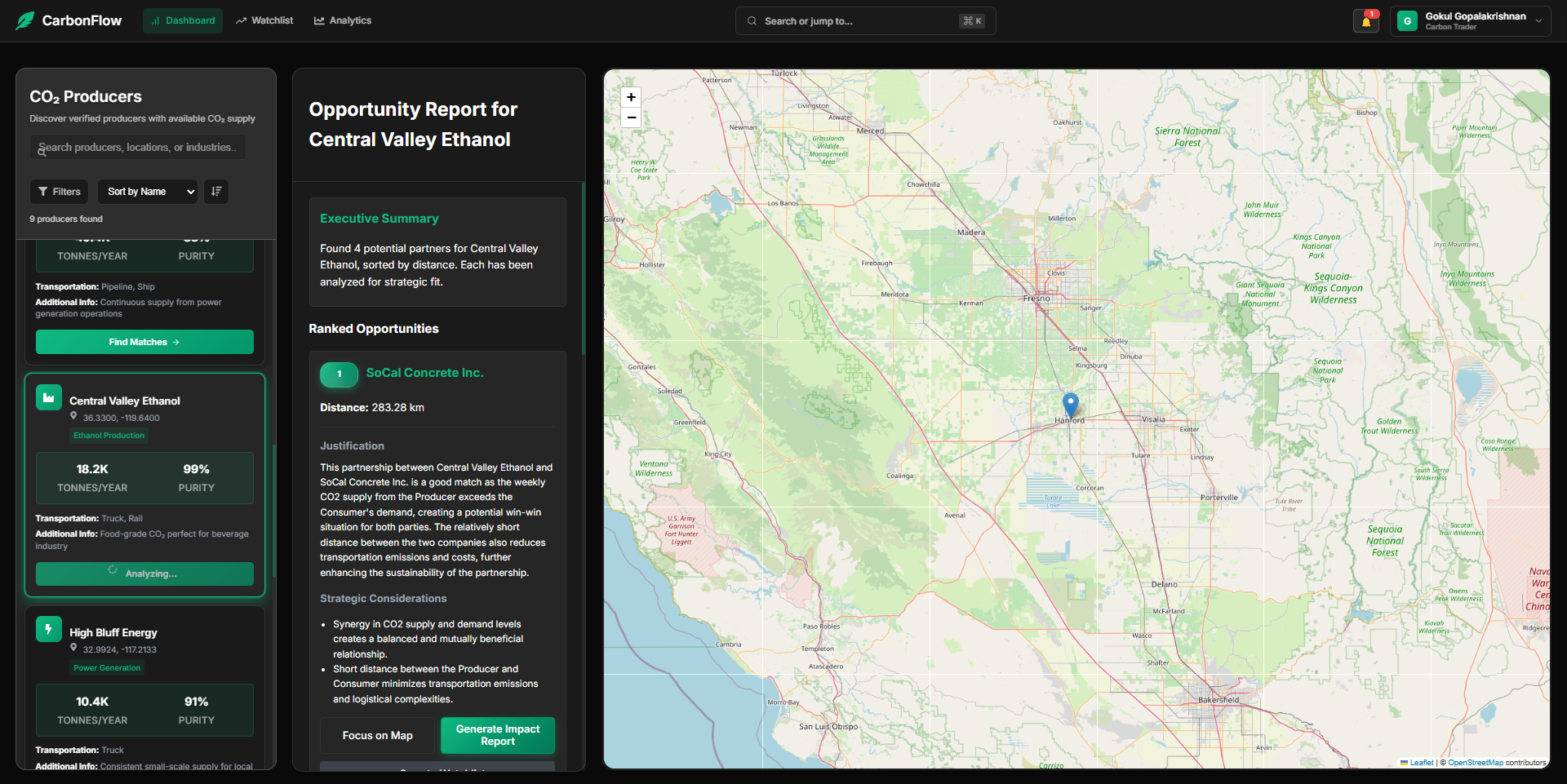
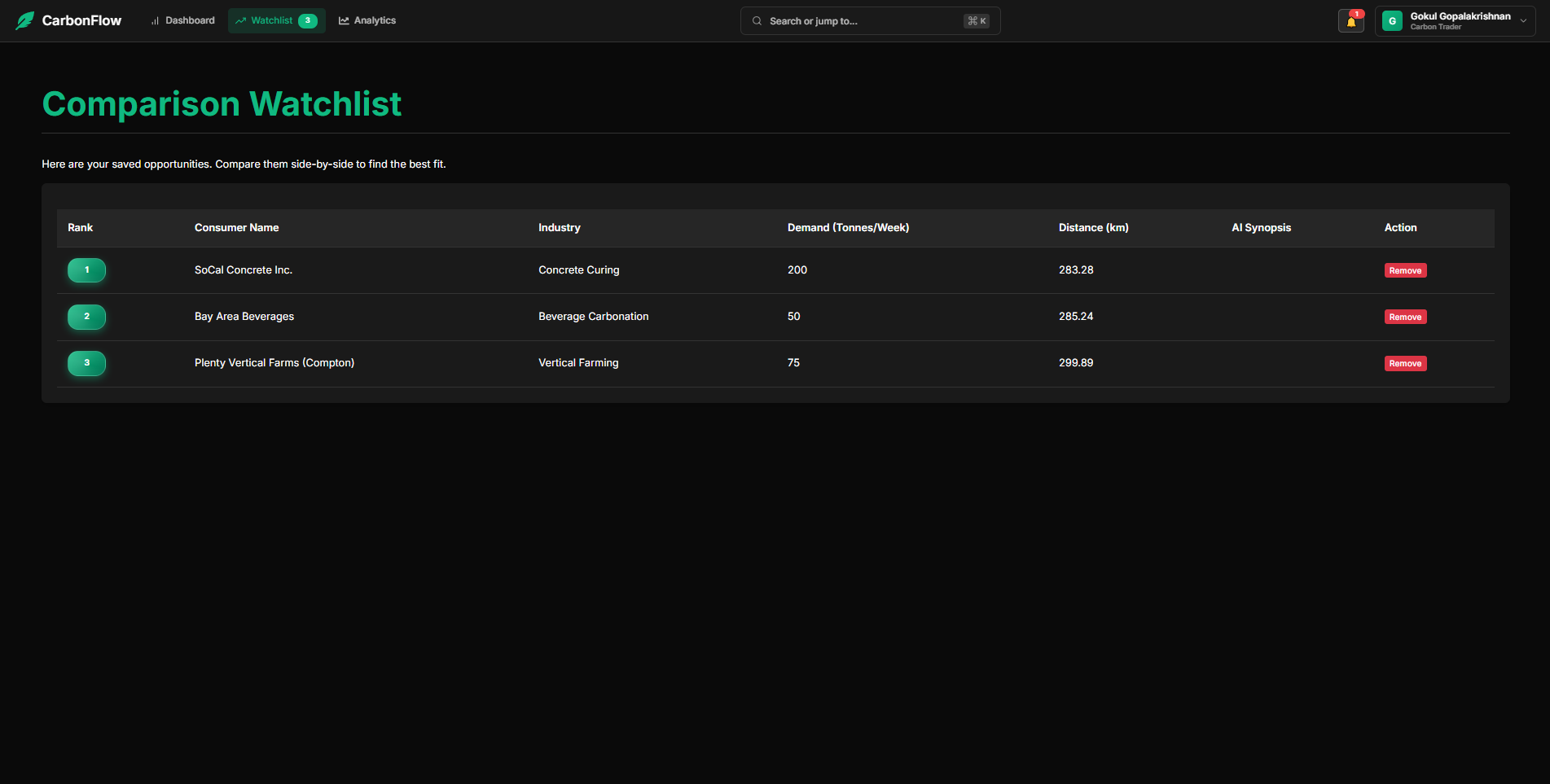
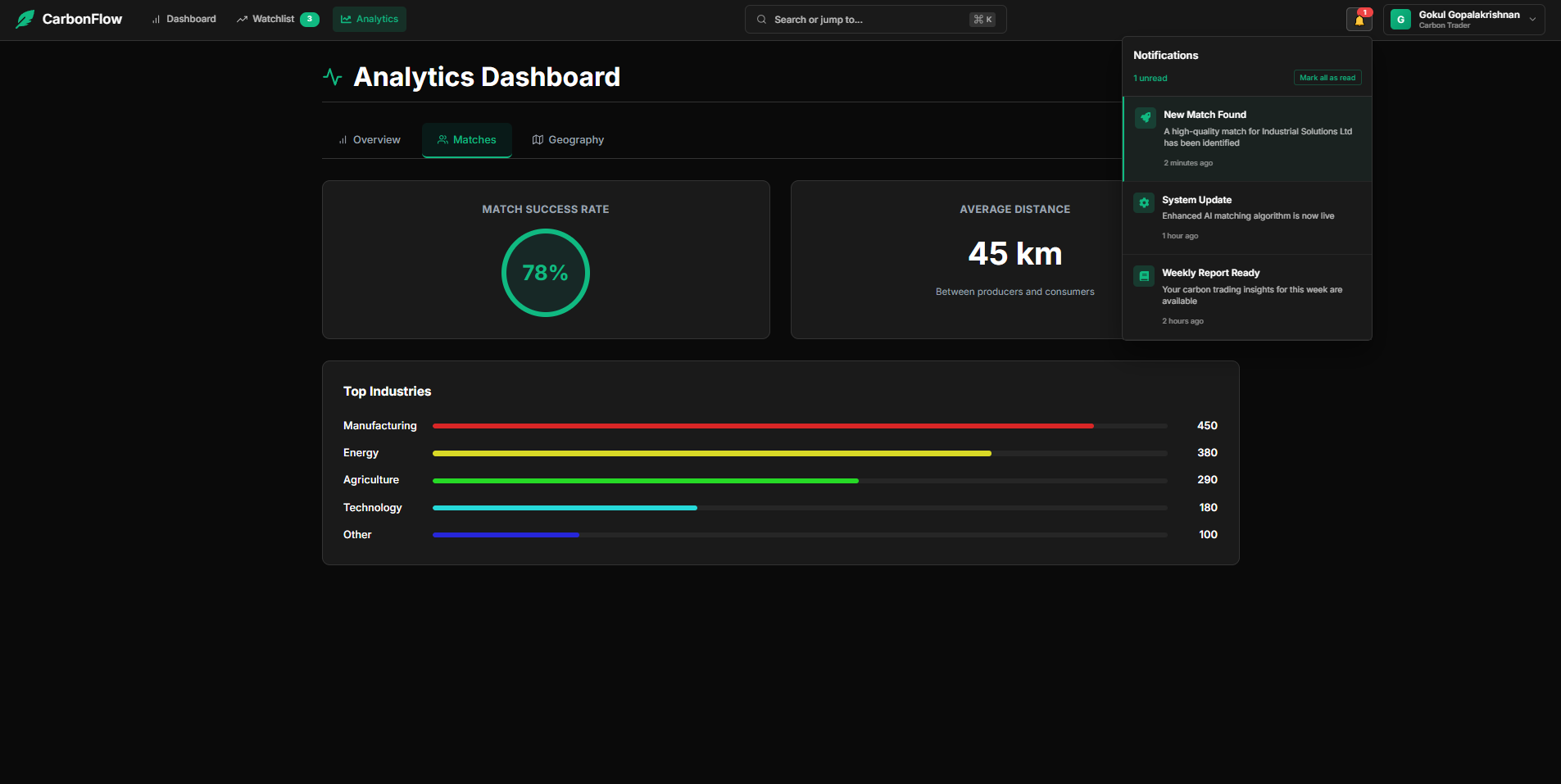
What it does CarbonFlow is a full-stack, AI-powered marketplace that connects CO₂ producers with consumers. It features a secure user authentication system, an intelligent vector-based matching engine to find the best partners, and an AI consultant that provides a ranked report with a detailed justification for each match. The platform is a true two-sided marketplace, with dedicated dashboards for both producers and consumers.
How I built it I built CarbonFlow on a modern, decoupled architecture with a responsive frontend using React and Vite, and a REST API using Python and Flask. The core intelligence is powered by the Azure OpenAI Service for strategic analysis, with data visualized on an interactive Leaflet map. For the MVP, I used a JSON flat-file database that includes tables for users, producers, and consumers.
Challenges I ran into My biggest challenge was ensuring the reliability of the complex AI analysis. I re-architected the backend from a single API request to multiple, smaller requests to ensure stability. I also navigated significant dependency conflicts (like the openai v1.0 migration) and performed a major UI refactoring to create a more intuitive user experience, all under a tight deadline.
Accomplishments that I'm proud of I am incredibly proud of building a feature-complete, full-stack application that feels like a real-world, enterprise-grade product. My greatest accomplishment is the sophisticated backend, particularly the custom-built vector matching engine that provides a layer of intelligence far beyond a simple database lookup, and delivering a polished and professional user experience.
What I learned This project was a deep dive into building production-ready, AI-powered applications. I learned how to engineer complex prompts for structured JSON output, how to design and implement a custom vector search system from scratch, and the critical importance of secure authentication in a multi-user platform.
What's next for CarbonFlow My vision for CarbonFlow is to scale it into a global utility for the sustainability sector. The next steps are to migrate to a relational database, integrate live data feeds from sources like the EPA, and build out a logistics module to analyze transportation costs and emissions.


Log in or sign up for Devpost to join the conversation.