-
-
-
-
-
-

NTICE logo
-

Our Logo


Inspiration
We developed this project to address several key issues. With the government’s push for digital transactions and the introduction of the carbon credit system, we saw an opportunity to create a positive social impact. Sustainability has often been costly and challenging, but our app aims to make it easier and rewarding.
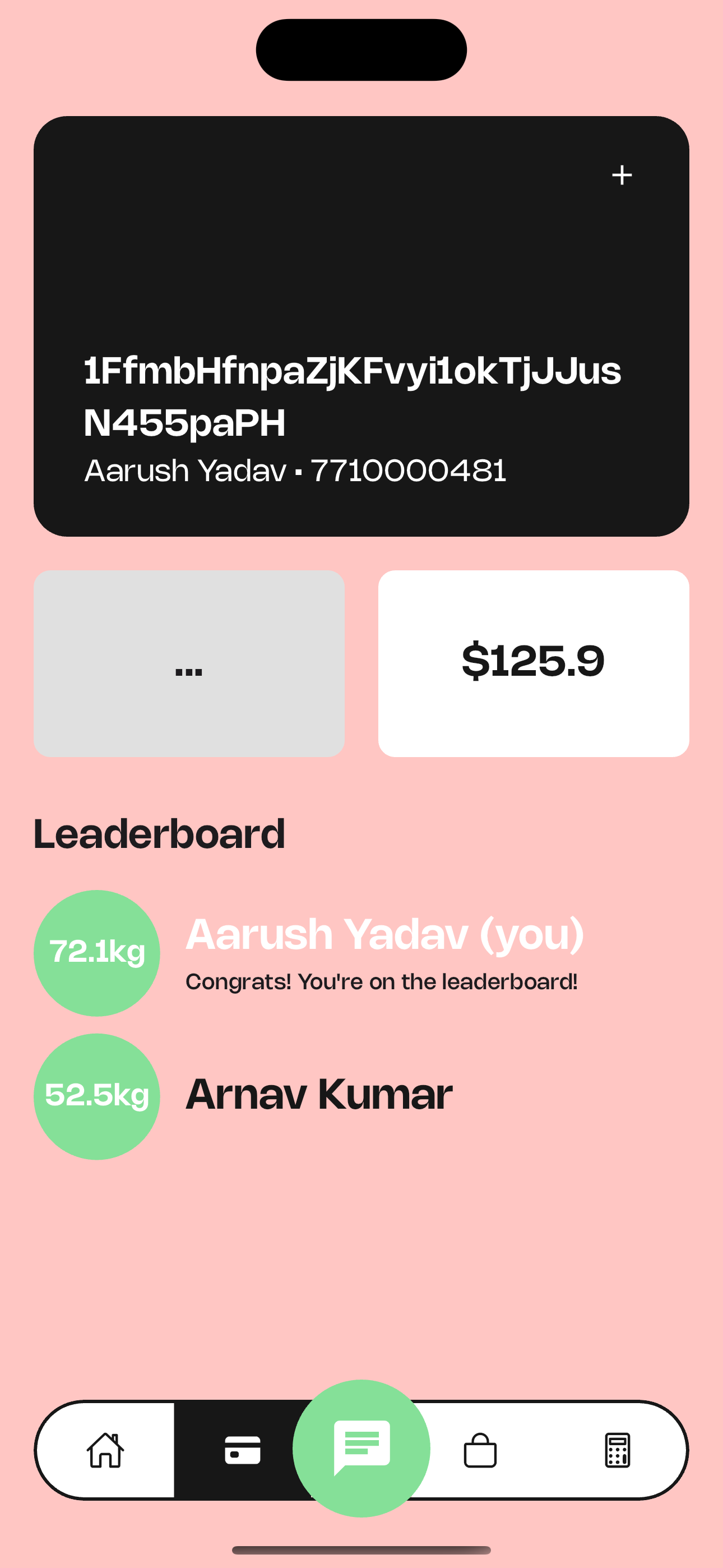
Using blockchain, our platform ensures security, accessibility, and global tradability. As more people join, the value of our cryptocurrency will increase, providing consistent rewards for users and vendors alike. This new approach incentivizes sustainable choices, building a loyal community committed to positive change.
What it does
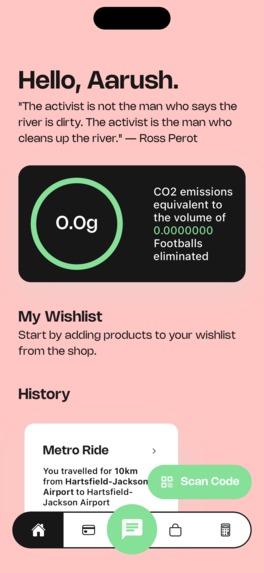
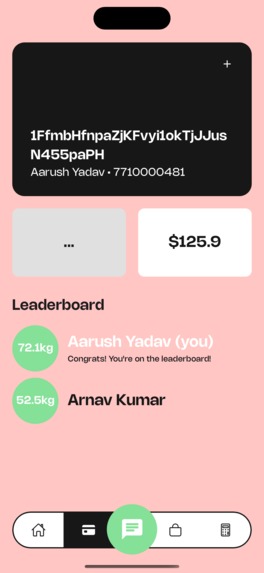
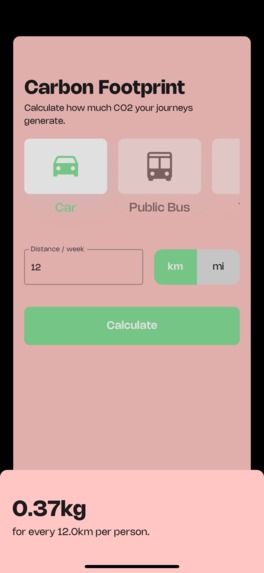
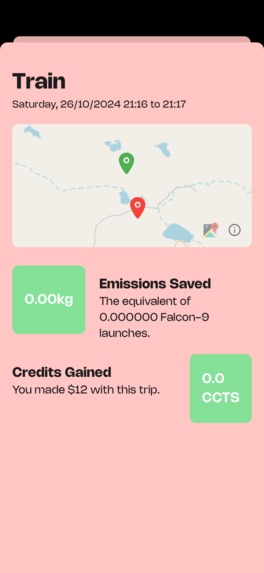
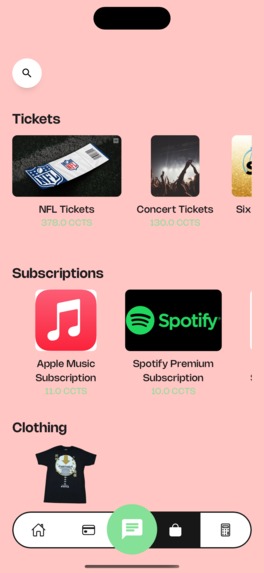
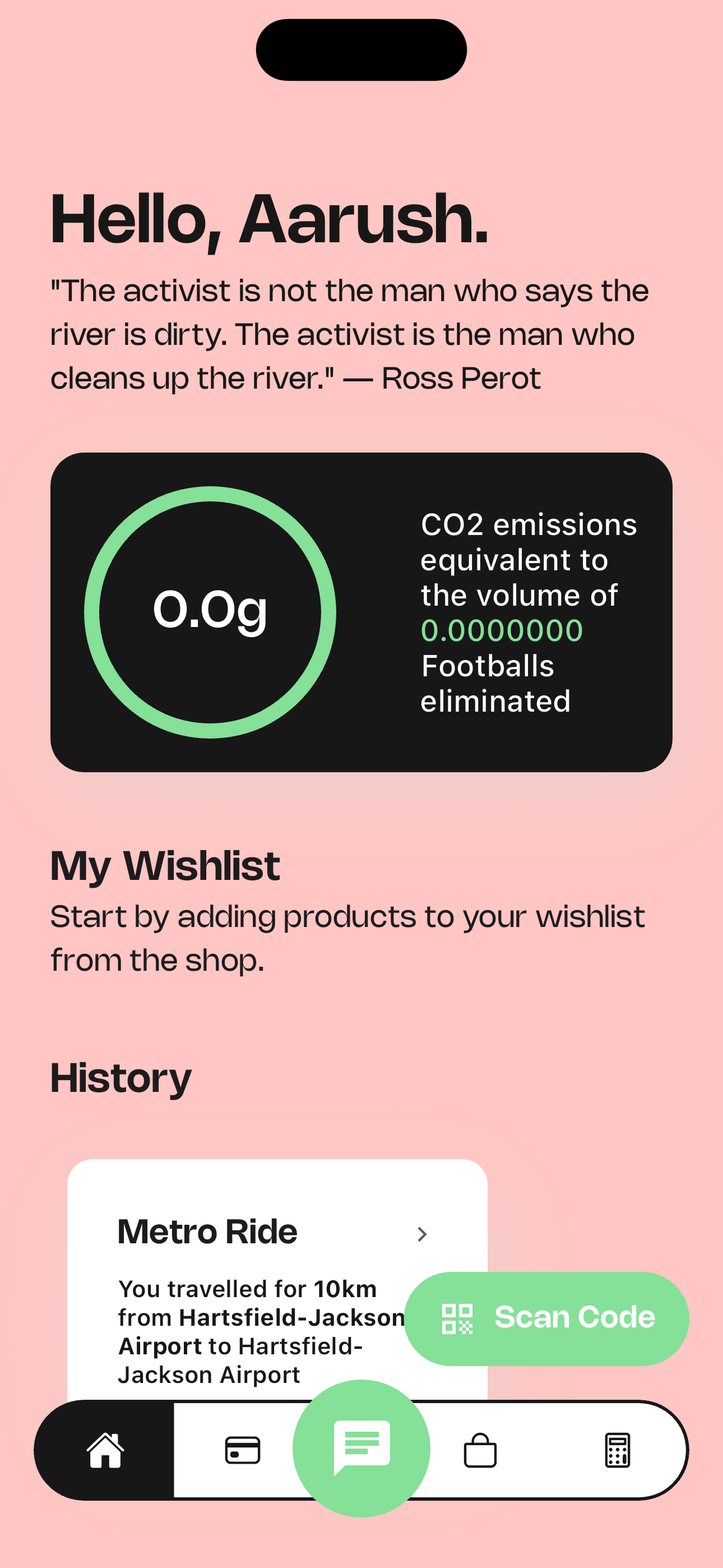
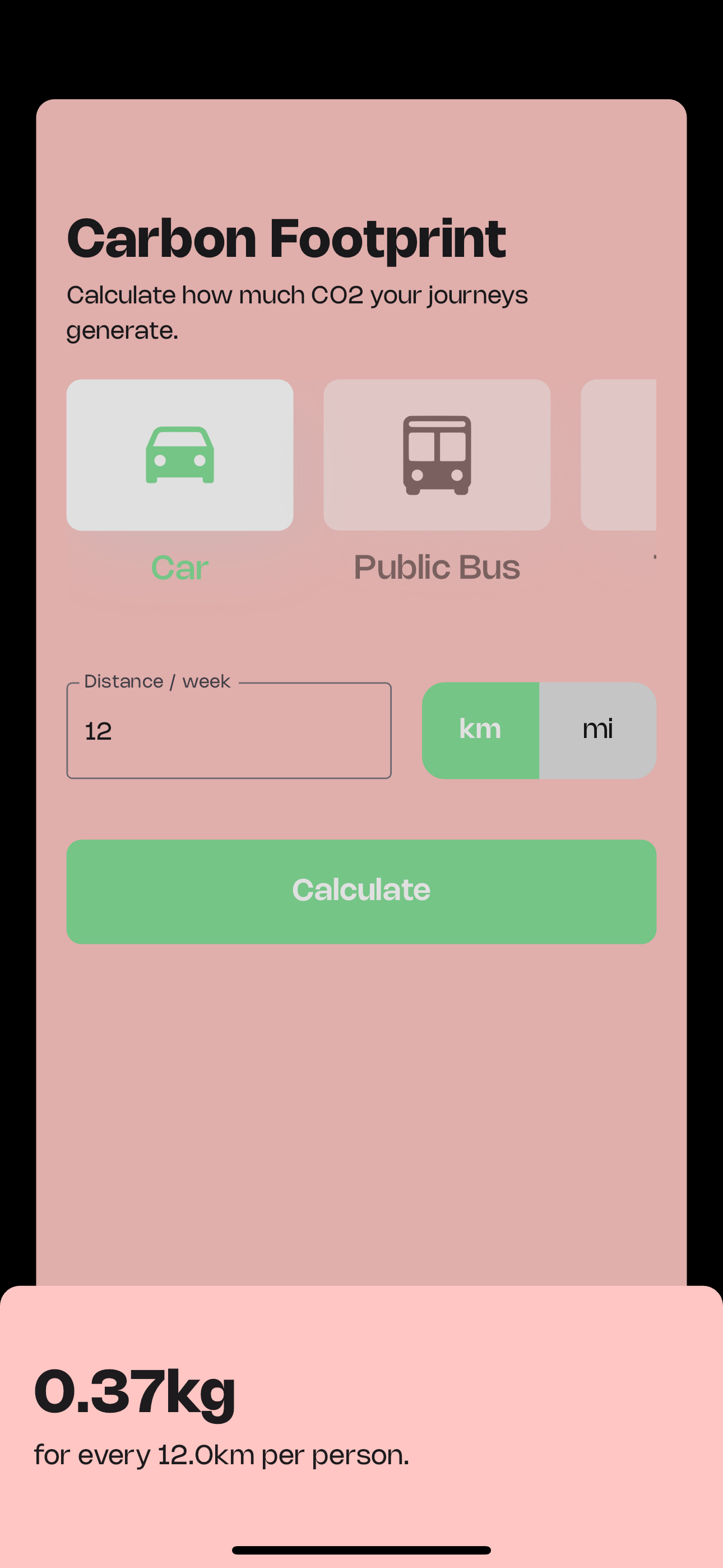
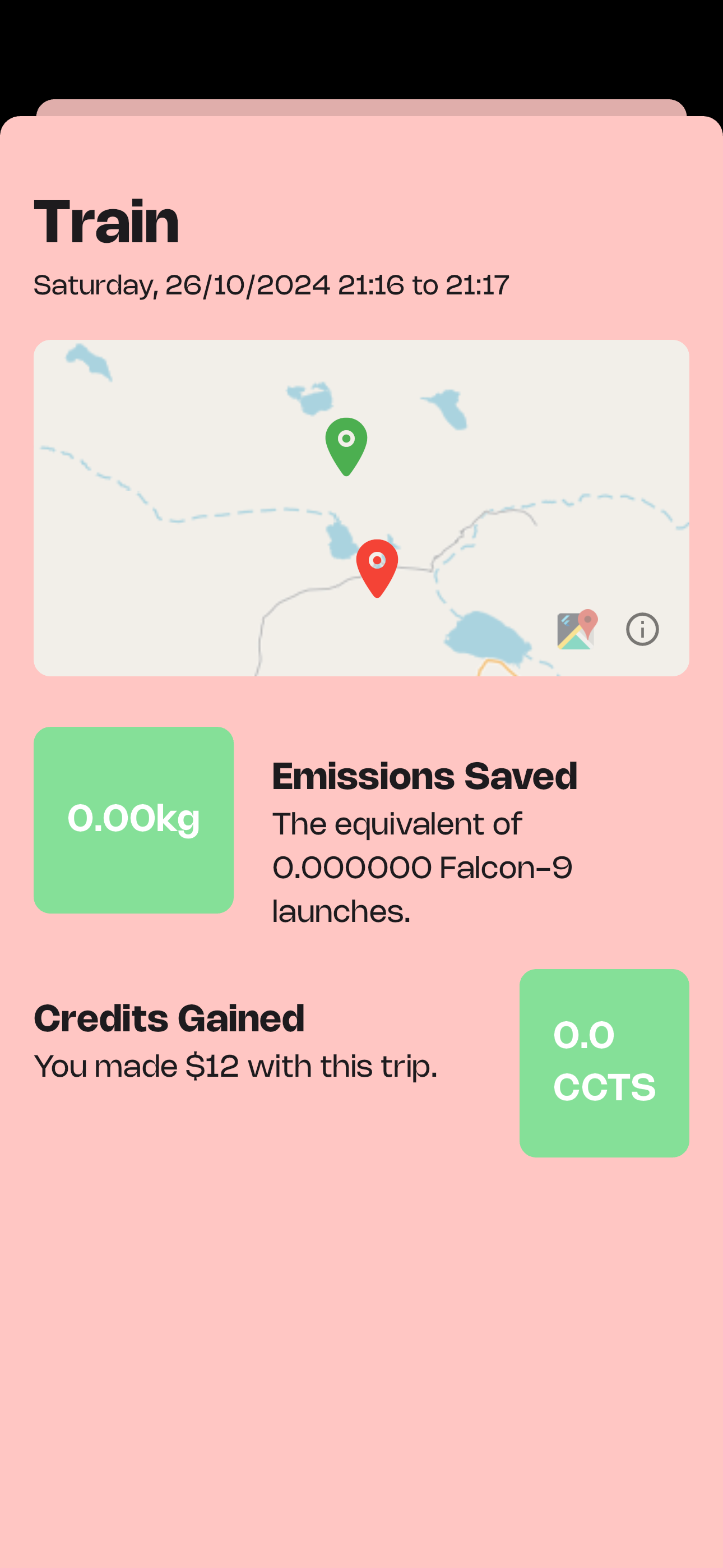
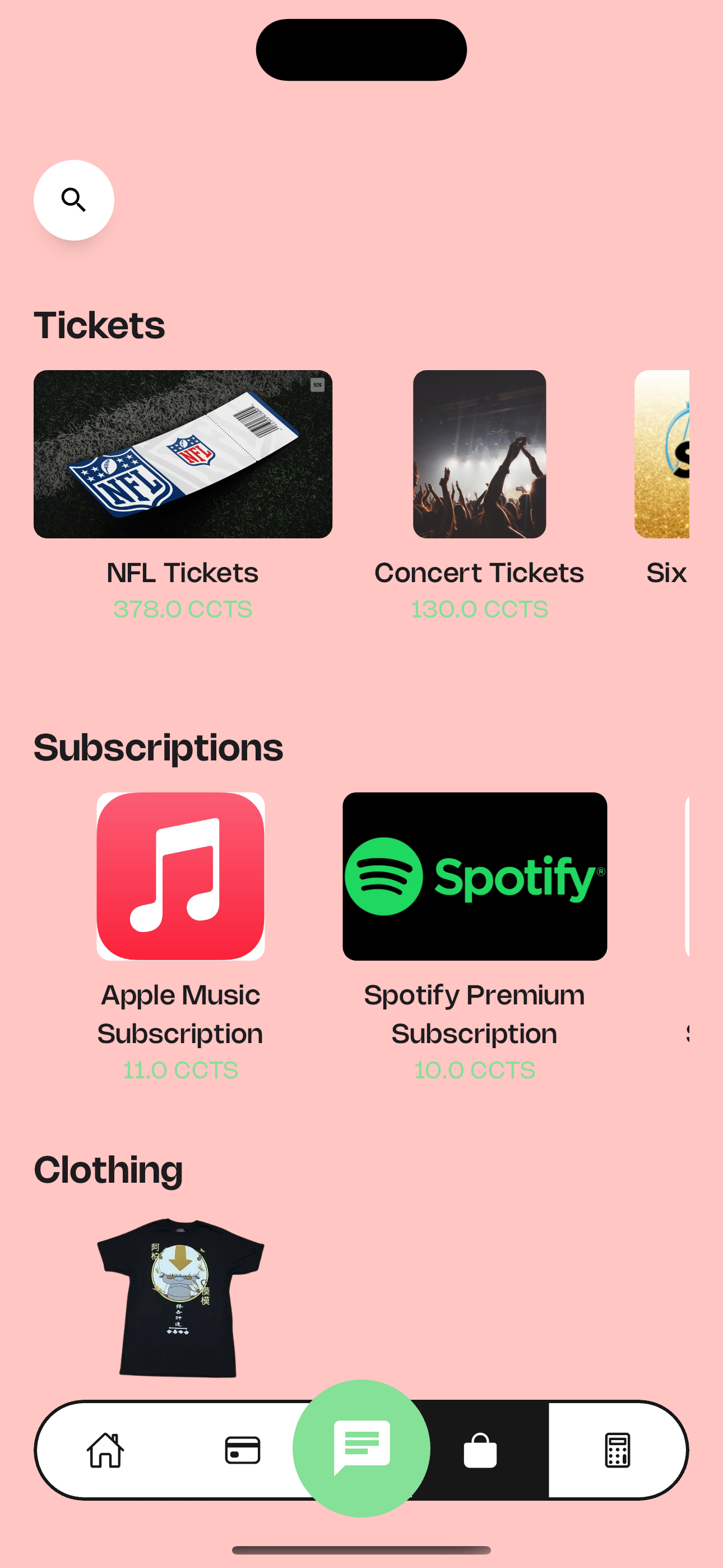
This app enables users to track and reduce CO2 emissions while earning rewards. The core feature allows users to scan QR codes at public transport stops to log their journeys, starting and stopping by scanning at each end. Based on the distance traveled, the app calculates the estimated emissions avoided compared to average transport emissions, awarding users cryptocurrency tokens for each reduction. These tokens can be cashed out for rewards or spent on an in-app e-commerce platform for sustainable goods.
An AI assistant further supports users by integrating sustainable travel options into everyday routines without sacrificing convenience, and a gamified design keeps engagement high.
Our business model combines these features with vendor partnerships, allowing users to shop through the app seamlessly. Additionally, the emissions data collected qualifies us to earn government-issued carbon credits, which we can sell for revenue. This revenue supports further development and helps maintain the stability of our cryptocurrency’s value.
How we built it
We began the front-end development by creating several design iterations and hand-drawn wireframes. Sketching our ideas helped us evaluate each option and select the best one to move forward with. Ultimately, we chose the most user-friendly design, which effectively isolated users from the complex calculations and processes on the backend, lowering the barrier for those who may not be technically inclined. We then used Flutter to build the selected pages, continuously refining our original designs based on our vision for the ideal user flow.
The backend development followed a similar path, starting with a rough storyboard for a blockchain-based app that would seamlessly track carbon footprints and produce tangible outputs based on calculations. A primary concern was scalability, particularly since we chose to implement blockchain technology. We opted for the Internet Computer protocol due to its elegance, Web 3.0 capabilities, and scalability. This decision allowed us to develop a modular Django backend, enabling rapid prototyping while maintaining a scalable system.
Accomplishments that we're proud of
We’re particularly proud of implementing most of the app’s functionality, going beyond a prototype to create a nearly finished product with a clean, user-friendly interface. The entire backend is built and fully operational—every button in the app connects to a live backend call, seamlessly integrated with a well-designed UI for a smooth user experience. We dedicated significant time to making this more than a proof of concept, developing a functional admin panel using Django.
Another achievement is integrating a cryptocurrency-based transaction system on the Internet Computer (IC). While we haven’t yet deployed it to the main IC network, we’ve thoroughly tested it on a local host simulation, making strong progress toward full deployment.
What we learned
This project taught us several key lessons. One of the most important was the value of dividing labor effectively. Prioritization was essential, and it took just 24 hours to build a fully functional app—including a backend. I (Aarush) focused on the front end, Zene and Nayan handled the back end, and Juhi managed the design work.
On the technical side, we faced many bugs throughout development, some of which required major adjustments, like rewriting a Flutter library to connect to the Internet Computer properly. As someone with more experience in front-end development, I believe this project pushed me into full-stack work, and I gained valuable experience with Django (with some help from StackOverflow!). We also picked up a few handy time management skills, like letting shuffle handle the playlist, so we didn’t lose precious time on music selection!
Challenges we ran into
As college students, many parts of this project were entirely new to us. While each of us had an intellectual interest in Web 3.0, none had ever implemented it at this scale. Integrating the Internet Computer within a Flutter app presented several challenges, especially due to limited community support for the Dart package, leading to hours of troubleshooting on the first day of the hackathon. Plus, one of our team members juggled shifts as an organizer, adding an extra layer of complexity to our coordination and time management.
Design and Prototyping Philosophy
Early on, we realized that spending excessive time on design or prototyping wouldn’t be practical under the time constraints. To streamline the process and create an effective design, we adopted two key practices outlined in the Frontend Section.
First, we implemented a quick "turnaround time" for building and testing, allowing us to address errors and adjustments more efficiently. Second, we used a multi-pass approach, where we refined each page progressively, focusing on functionality first and then enhancing the details in subsequent rounds. These methods helped us maintain momentum while ensuring quality.
What's next for CarbonCents
We see several opportunities for improving scalability and enhancing universal access and user experience. One key focus is further gamifying our UI, which is driven by user feedback from surveys to boost engagement. Additionally, we aim to expand our reach to more cities and travel modes, providing users with more options.
Another goal is to partner with governments to access live data for transport services, enabling us to offer real-time updates. These improvements would make the app more user-friendly and contribute to a more comprehensive and engaging experience for all users.
Government Partnerships
The first step forward would be to partner with the local transport authority in New Jersey to ensure that our QR codes are present in visible places at public transport stations, such as trains and metros. The next stop is to target bus stations, which would be harder to accomplish given their sheer number and geographical range. The success of our platform in New Jersey would serve as a proof of concept and help make our case to and encourage other Municipal corporations. Our goal is to make this a commonplace nationwide service with the potential to expand into global markets.
Vendor Partnerships
Partnerships with vendors are essential for a good customer experience. The more vendors we can partner with, the greater the variety of products available to users. This incentivizes customers to continue using the app and integrate it into their routines to receive rewards through purchases. This grows the user base, and a larger user base both improves the value of our cryptocurrency and encourages new vendors and users to sign up with us. This establishes a positive feedback loop conducive to growth which is, to a large degree, self-sustaining.
Internet Identity
Integrating the internet identity as a potential sign-up/account management method is one potential improvement. It eliminates the hassle of authentication, is extremely secure, and ensures data sovereignty. While people may shy away from the idea of using a cryptocurrency, especially linked to their own phone number (and possibly blank account), the internet identity provides an alternative that inspires greater confidence.
Personalization and Gamification
The marketplace and how often someone would use the platform varies depending on their geographical demographics, income level, etc. The AI assistant could integrate with other scheduling apps that the person uses to provide insights on incorporating sustainable travel into their day with automatic daily notifications. We could also introduce loyalty programs based on their usage levels, increasing incentives to engage.
Built With
- blockchain
- cryptocurrency
- dart
- django
- flutter
- google-maps
- internet-computer
- internet-identity
- postgre-sql
- python
- python-anywhere

Log in or sign up for Devpost to join the conversation.