-
-
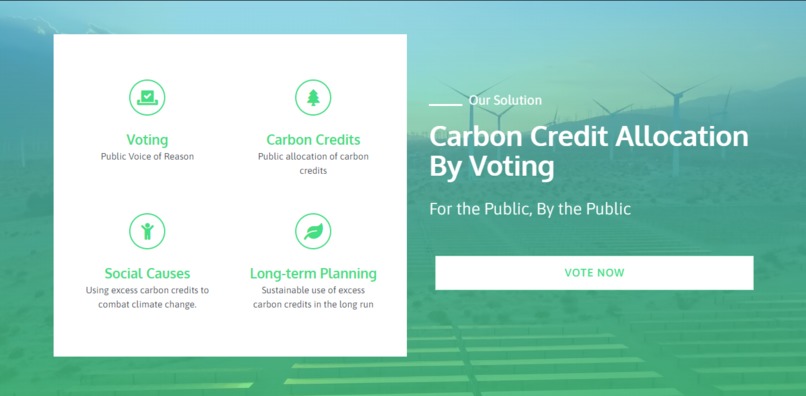
Website Image 1
-
Website Image 2
-
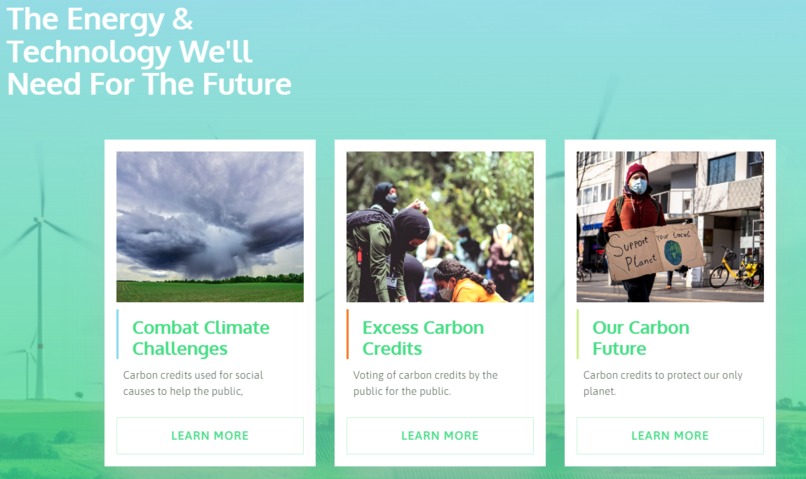
Website Image 3
-
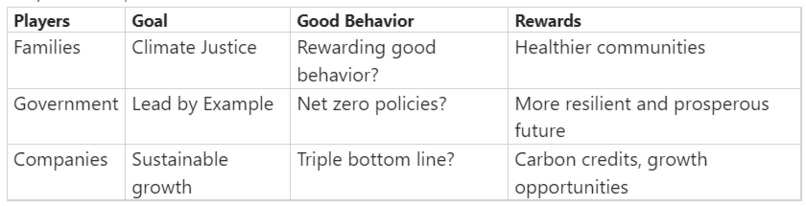
Adding New Segment to Climate Justice
-
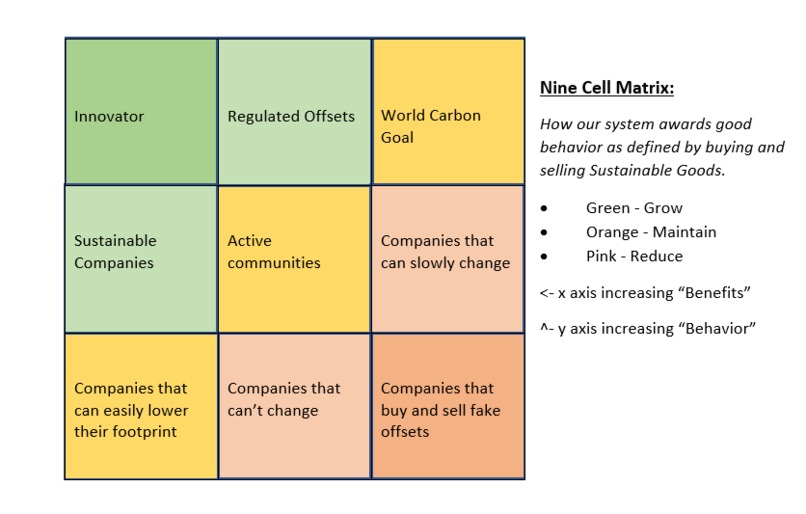
9 Cell Matrix



Inspiration
When researching Carbon Credits, we stumbled upon the typical case of JP Morgan Chase & Co unintentionally buying worthless carbon offsets. These mentioned off set claimed to protect an otherwise already safe nature reserve in Pennsylvania called Hawk Mountain Sanctuary. This doesn’t take into account the principle of additionality or duration: this is not an outlier and is in fact common. The principal additionality is simply choosing a carbon storage/preservation that wouldn’t have been achieved. The second equally important principal duration is how long the carbon will be captured: like the life span of a tree but ideally indefinitely, such as a petroleum reserve. Nevertheless, Chase bank will still use this to claim it carbon neutral. The Carbon offsets market is seeing high growth, yet we aren’t seeing better regulations. For instance, the Taskforce for Scaling Voluntary Carbon Markets (TSVCM) survey suggested that the market size in 2030 can be between $5 billion and $30 billion. IF CORPORATIONS LIKE CHASE BANK CAN FREQUENTLY BE A VICTIM OF A CARBON SCAM, THEN WHAT HOPE DOES INDIVIDUAL ACTIVISTS HAVE? We must increase market regulation by recording transactions on the blockchain, as seen in our proof of concept.
What it does
Carbon Karma is a sustainable blockchain platform created to help companies reach their carbon-neutral goal while empowering grassroots campaigns & initiatives. Companies can contribute in the two following ways:
- Donation.
- Selling excess credits.
We then allow the world's people to voice their opinion on what initiatives they want the resources allocated to. Based on the results, we can share the appropriate funds with a reputable foundation.
For this reason, we would like to be considered for the The Technology Challenge.
How we built it
Starting off, we used a hosted server from Hostinger to host the website for publishment. Now coming to the design of the website, we used Elementor which is essentially a page builder for WordPress. Each page was divided equally amongst the members and each individual was assigned the task of completed a portion of the webpage.
Challenges we ran into
The industry terminology is very confusing. We suggest instead of using Carbon Credits as a catch-all term, we separate them into two categories:
1. Carbon Offsets
Offsets Define the amount of non-mandatory carbon represented by the amount of carbon captured: one metric ton of carbon dioxide or greenhouse gas equivalent. The key to understanding is the ratio of price to carbon stored. For a generalized knowledge of quality, you need to consider the following:
- Additionally
- Duration
- Opportunity Cost (What else could have been done instead)
2. Carbon Credits
Carbon credits should be reserved for the mandatory market, of which the market cap limits the amount of carbon released per year. They typically acquire four ways: allowance, awarded, auction, or trade.
Accomplishments that we're proud of
We are happy to take into consideration how this may affect various groups. Please see the nine-cell matrix in the image.
What we learned
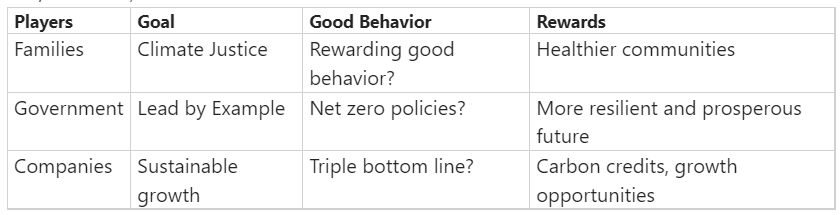
Good behavior is buying and selling green. Under the carbon credit system, Green Companies can out-compete hazardous companies by requiring hazardous pay people back for their pollution: ideally. Green goods cost the same. Other goods pass the cost of carbon onto their products, losing them the price advantage that keeps people buying. In addition, causes receive the recourses they otherwise wouldn't have.
What's next for Carbon Karma
In the future, we would like to see a restructuring of carbon credits into assets distributed to US residents as a form of welfare. The resident then claims the credit online and can sell them to companies they think deserves the credit or are paying the best. It can then be claimed and taxed or used to buy carbon offset that can be written off on the person's taxes: ideally, the write-off equals the post-taxed cash option. If the user doesn’t claim or sell in a calendar year, it becomes public to be bought at a federal baseline price set by the treasury and saved to be claimed in the social security. A resident under 18 cannot sell, so it’s an instant rollover. The companies that need them must apply to buy from the open stack, and they are processed simultaneously not to give any company an advantage. Said companies cannot buy more government prices than they used in a calendar year. So instead of a company carbon allowance that makes some companies more than the company makes without them, now have a slimmer carbon budget.
Our Stories
“Living in Houston, I have experienced my fair share of moments when climate change negatively impacted my community. Just a year ago, Houston encounter one of the coldest moments it ever experienced, causing damages. And a few years before that, we experience flooding in my area where much of the community struggled to overcome." - Ever J. Chavez
"From 2007 when my family first immigrated to Canada to now, the climate in the Greater Toronto Area (GTA) has undoubtedly changed. Back then, winters used to be much colder and snowfall used to being around mid-October. Nowadays, due to climate change taking affect day by day, it is slowly becoming warmer in the GTA with it not snowing and the overall weather now being as cold as say 10 years ago. Things have been gradually been transforming but it is important for each individual to do their role and contribute for betterment of our environment. " - Tanishq Voruganti


Log in or sign up for Devpost to join the conversation.