-
-
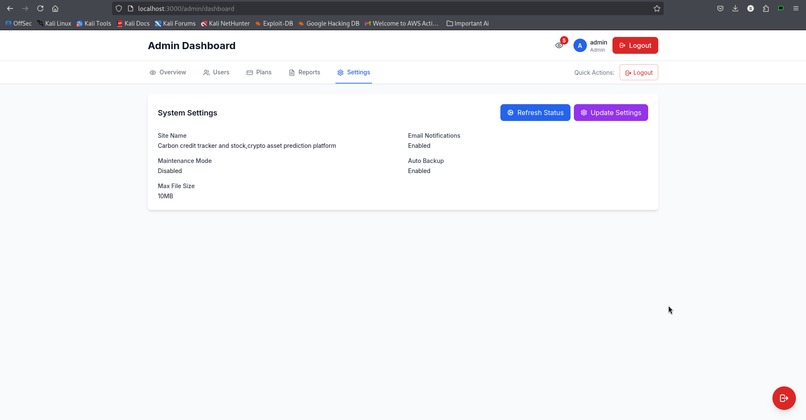
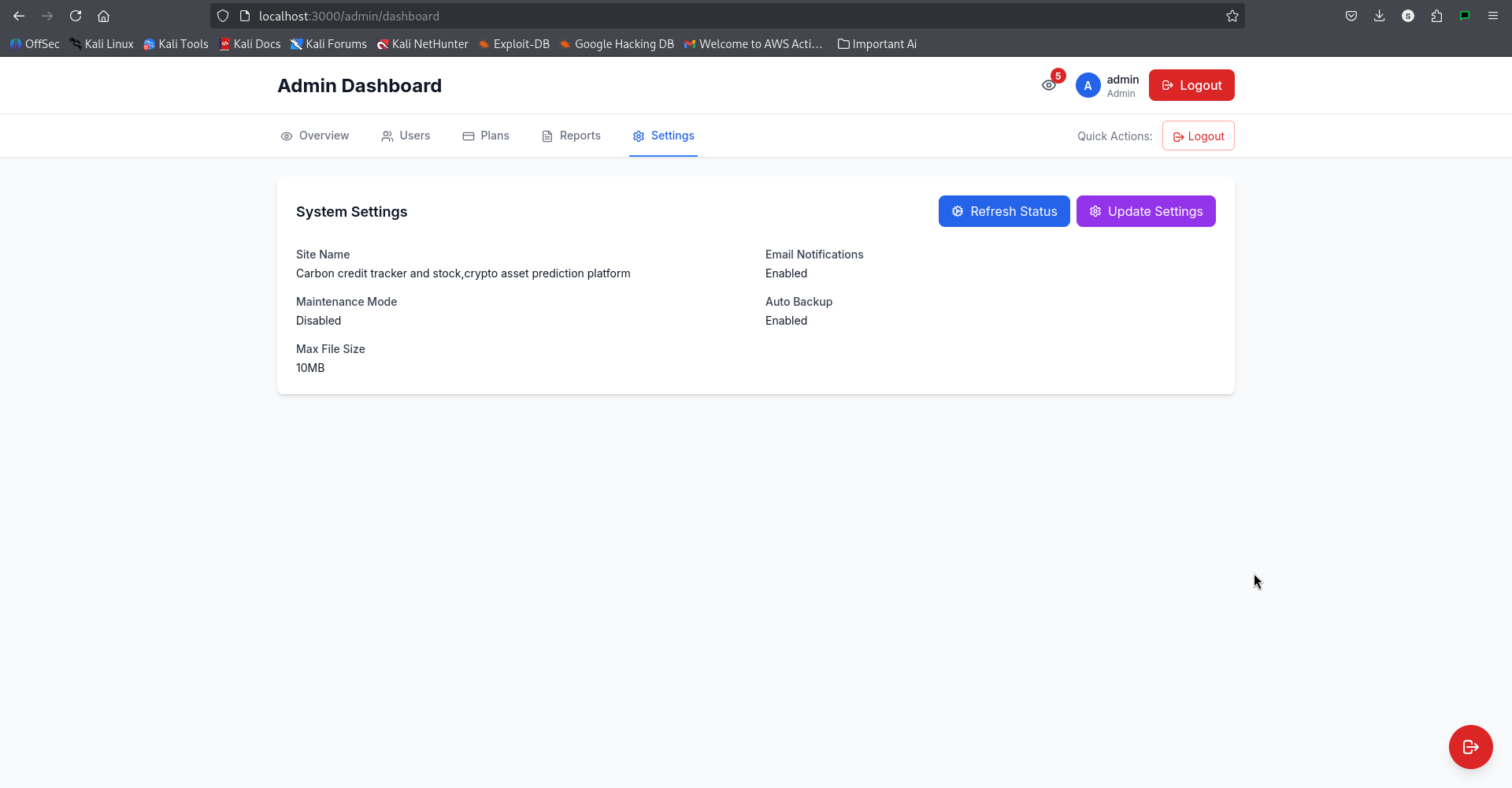
Admin Settings
-
-
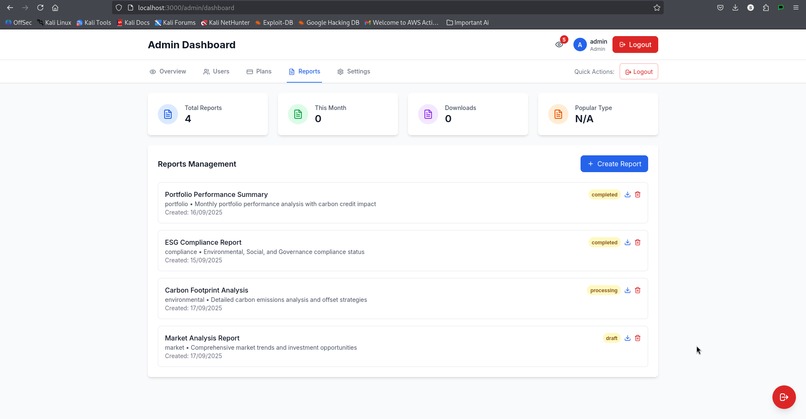
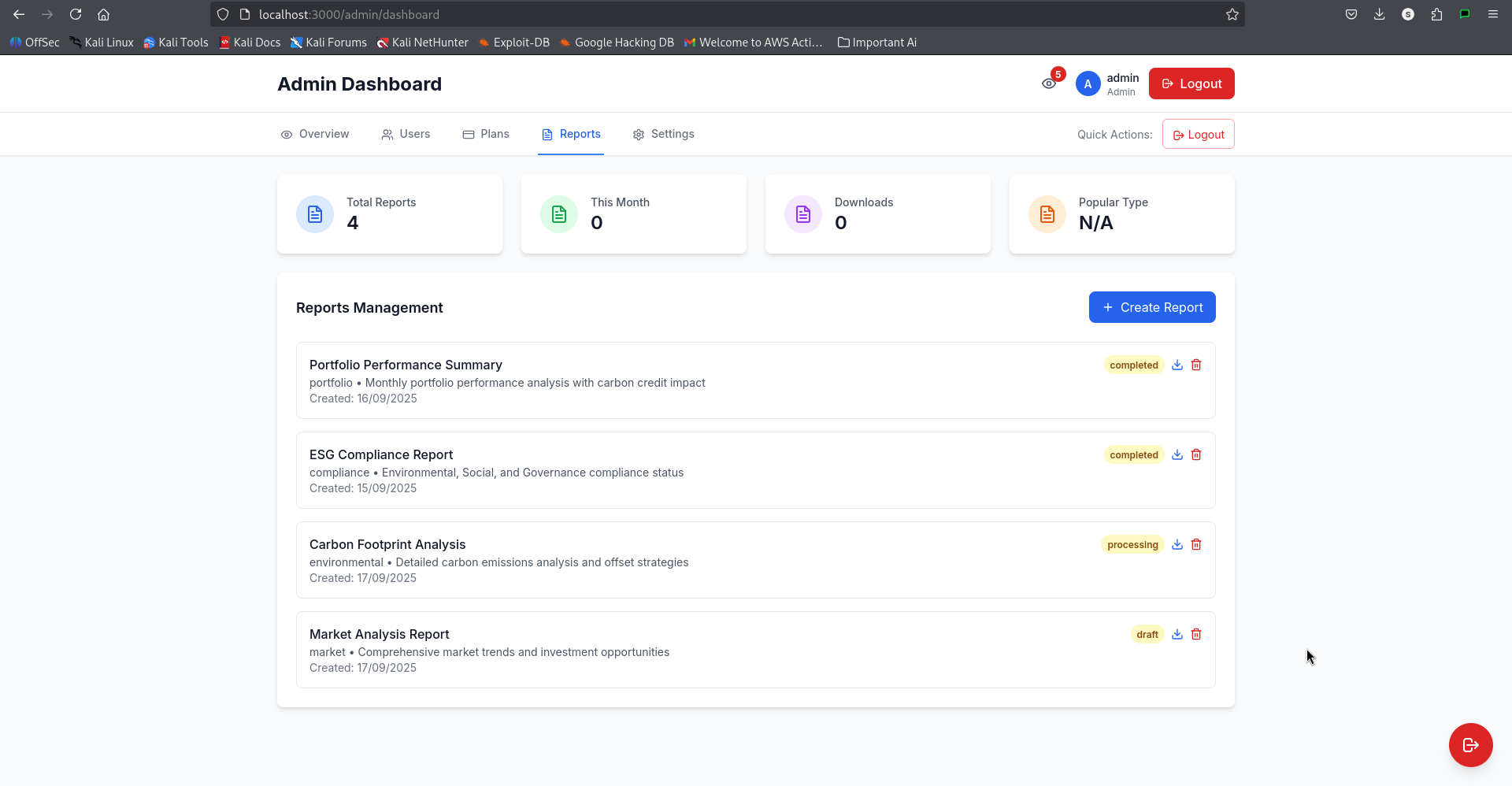
Admin report management
-
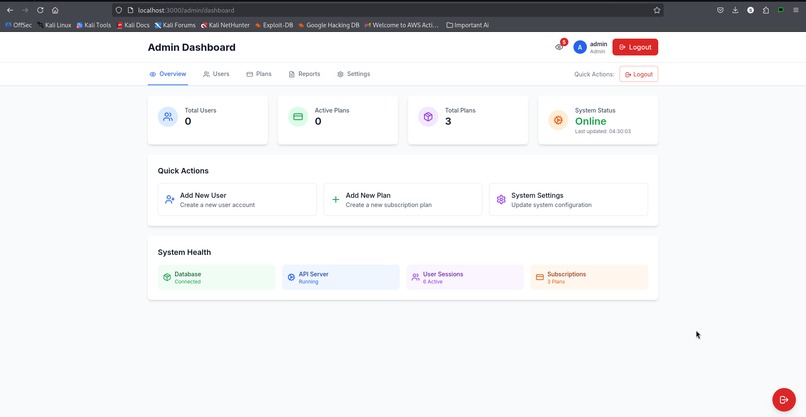
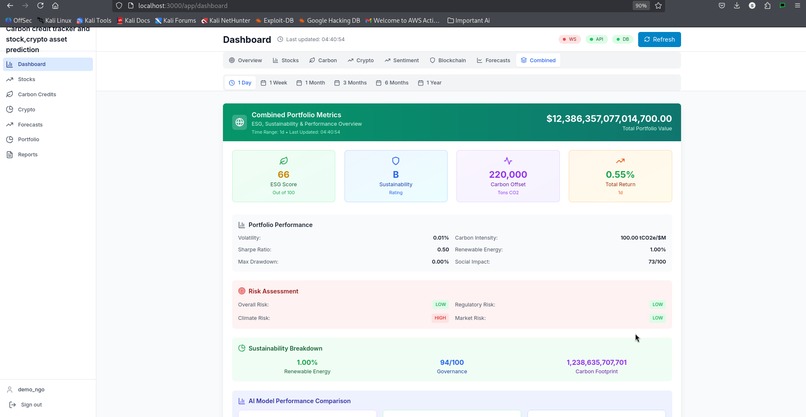
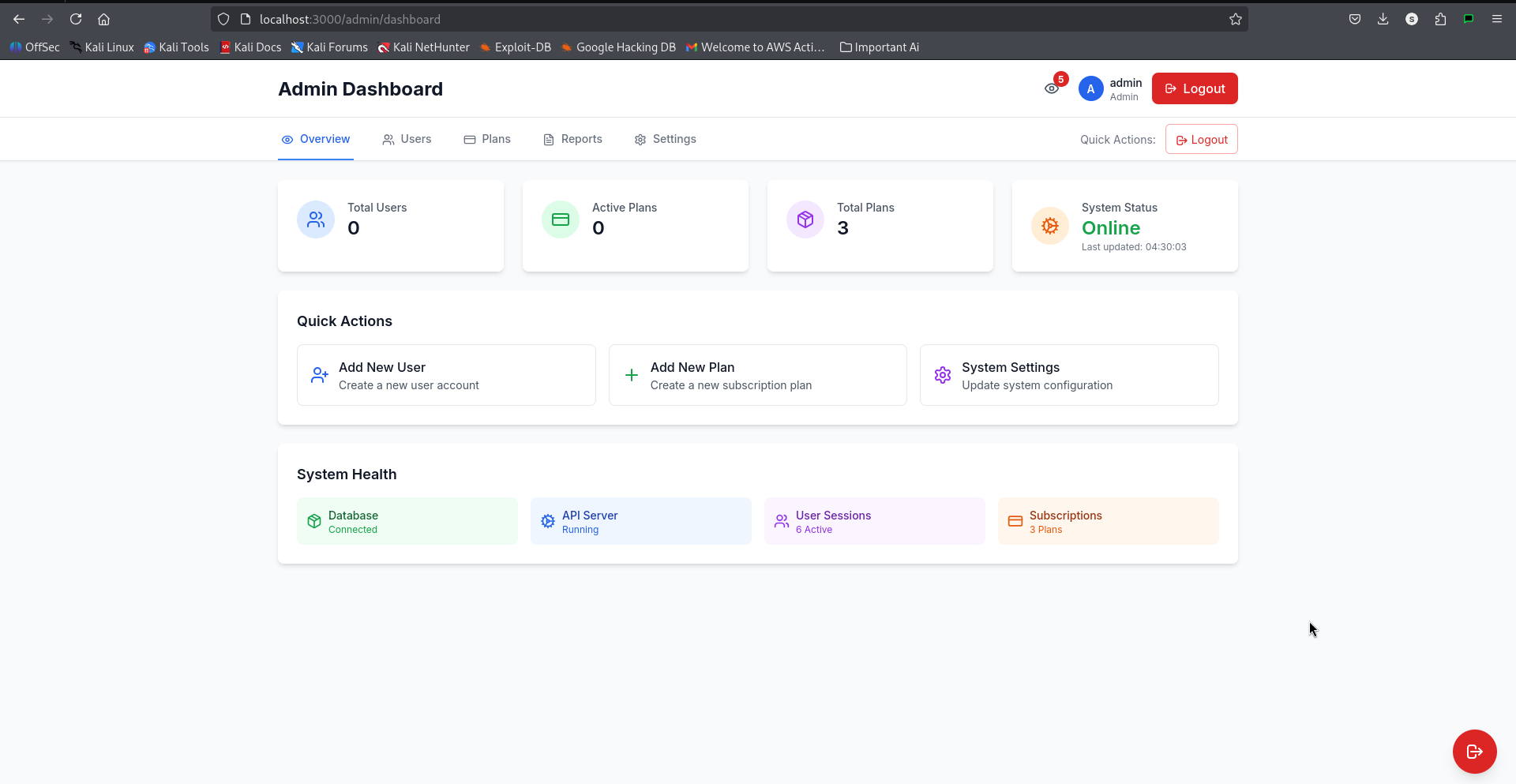
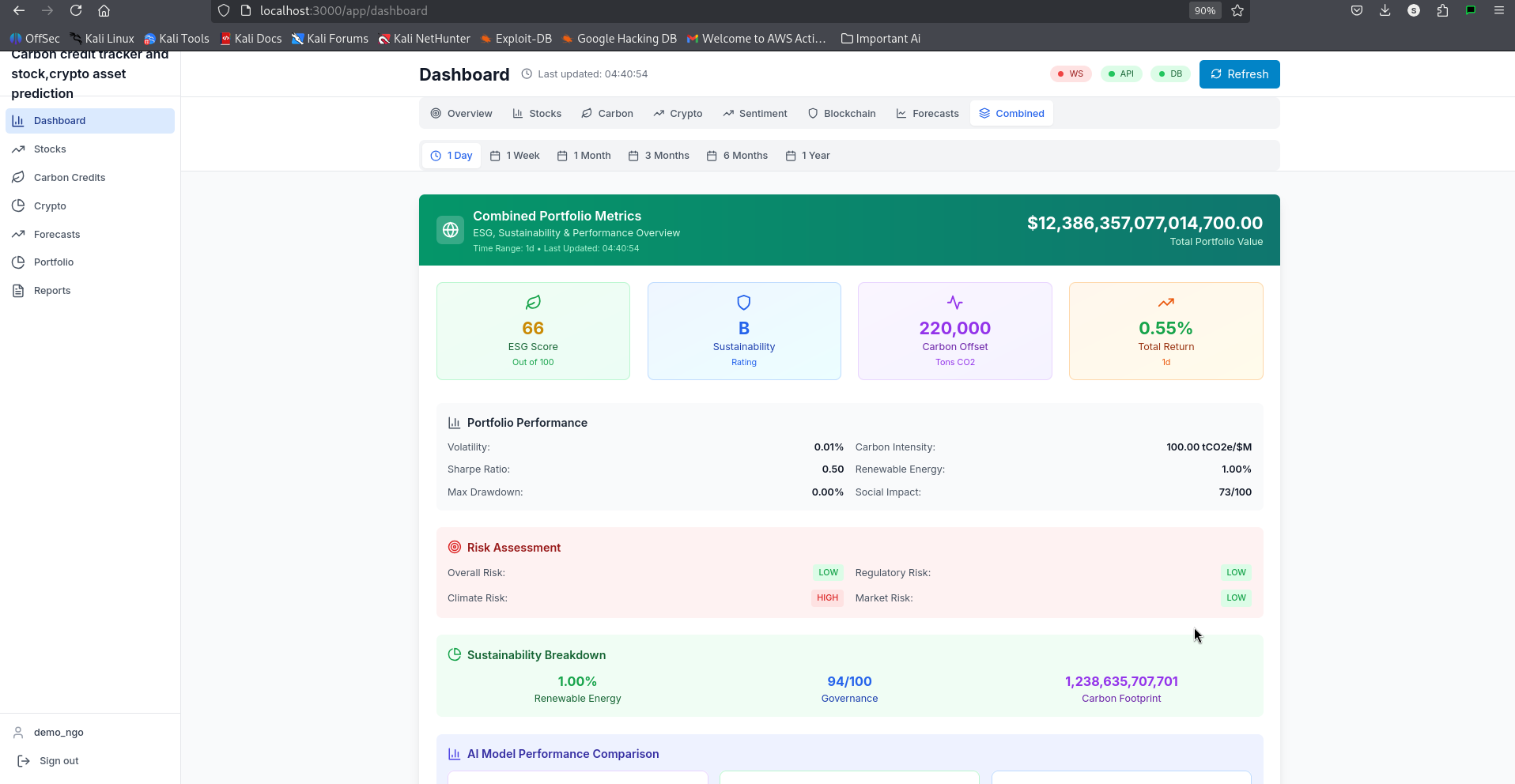
Admin dashboard overview
-
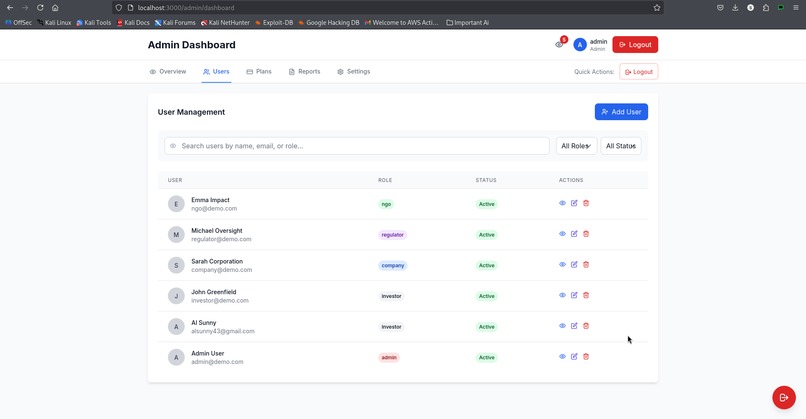
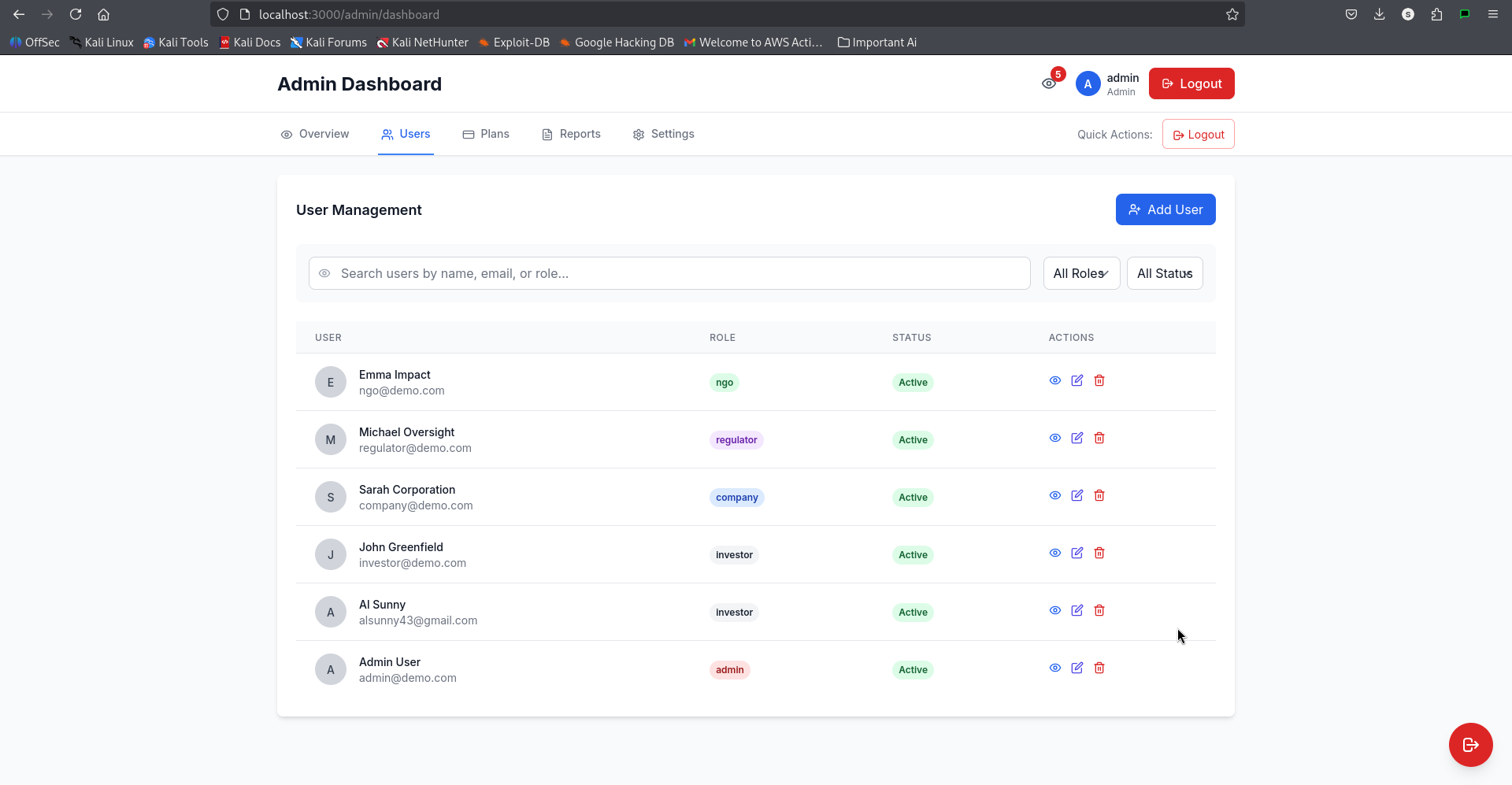
Admin user management
-
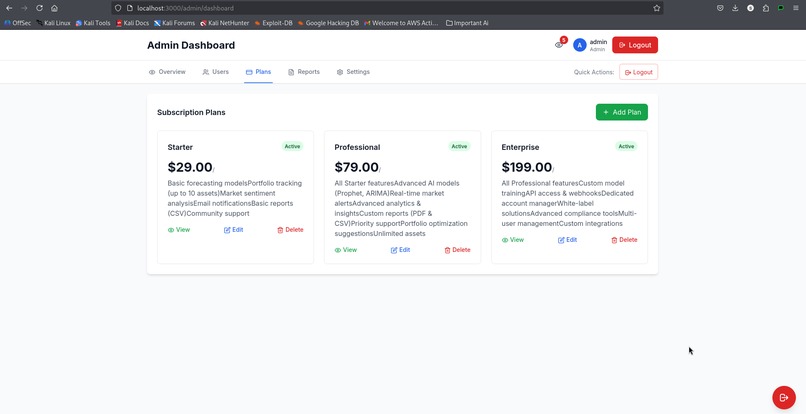
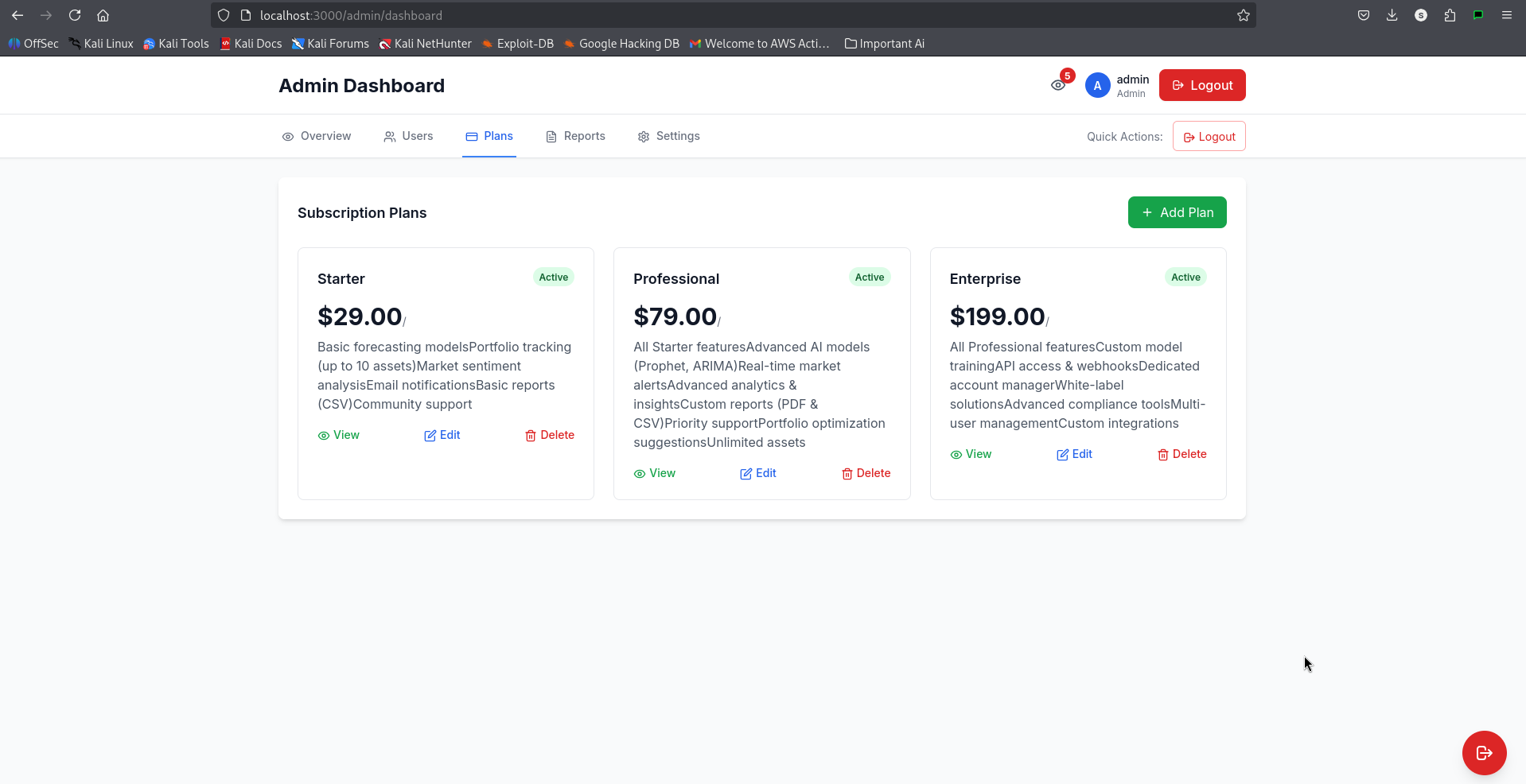
Admin subscription management
-
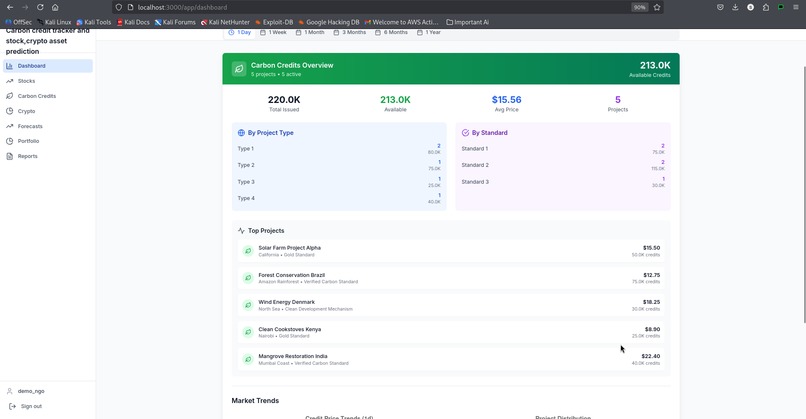
-
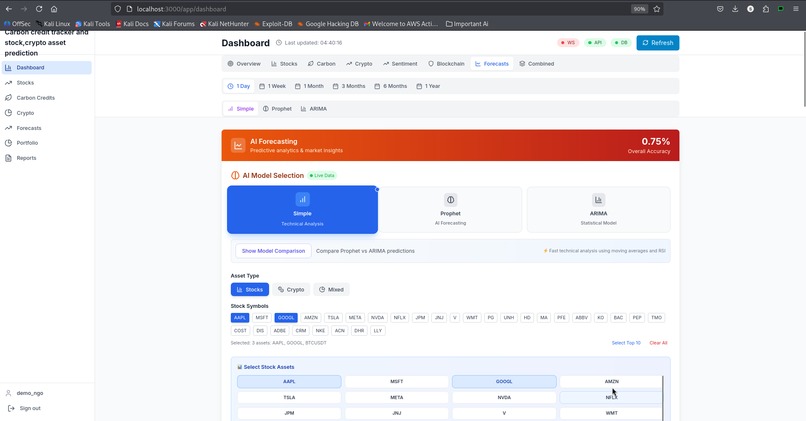
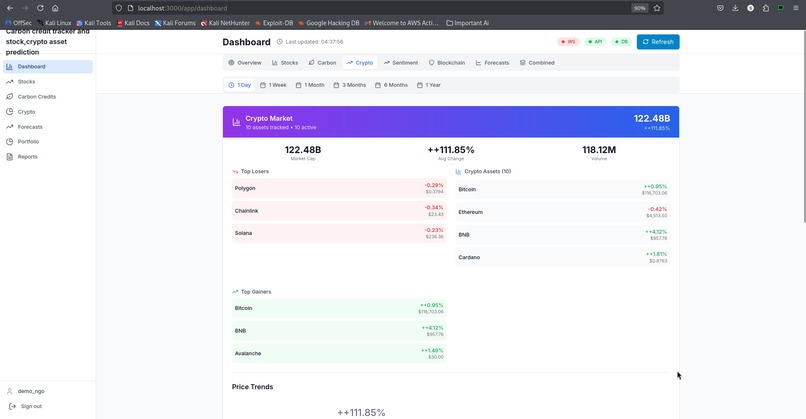
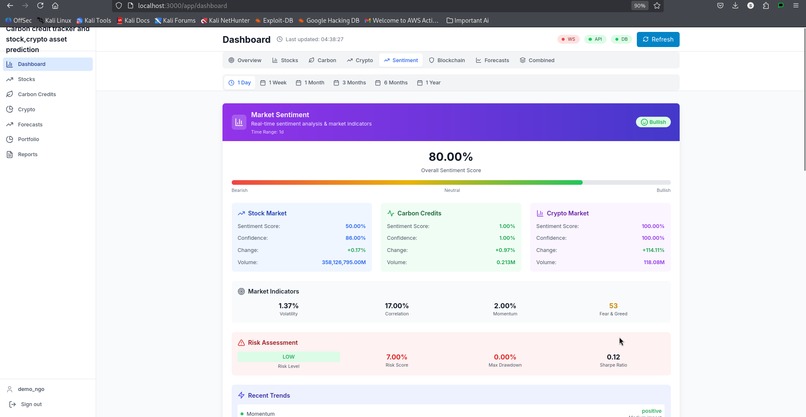
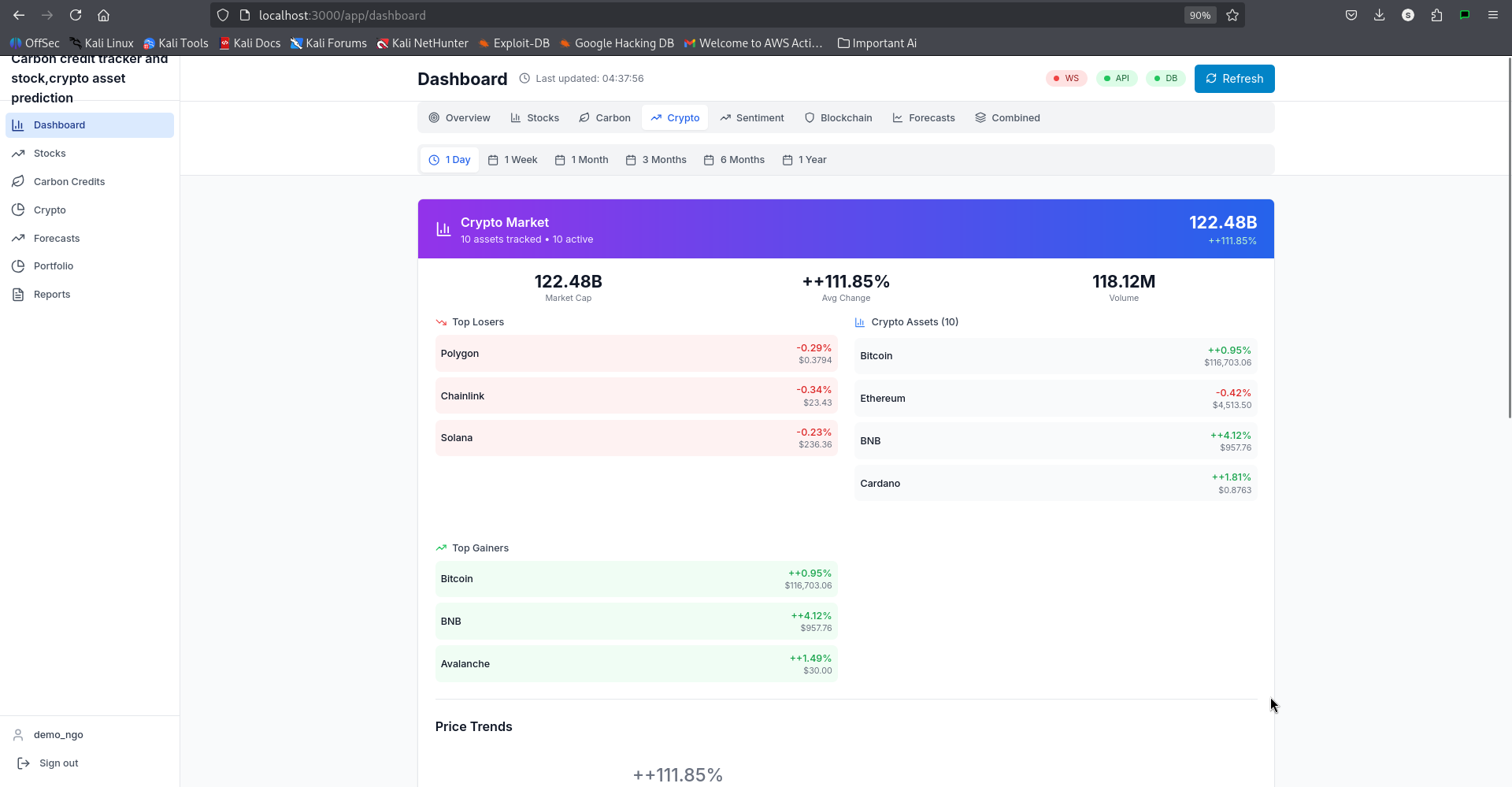
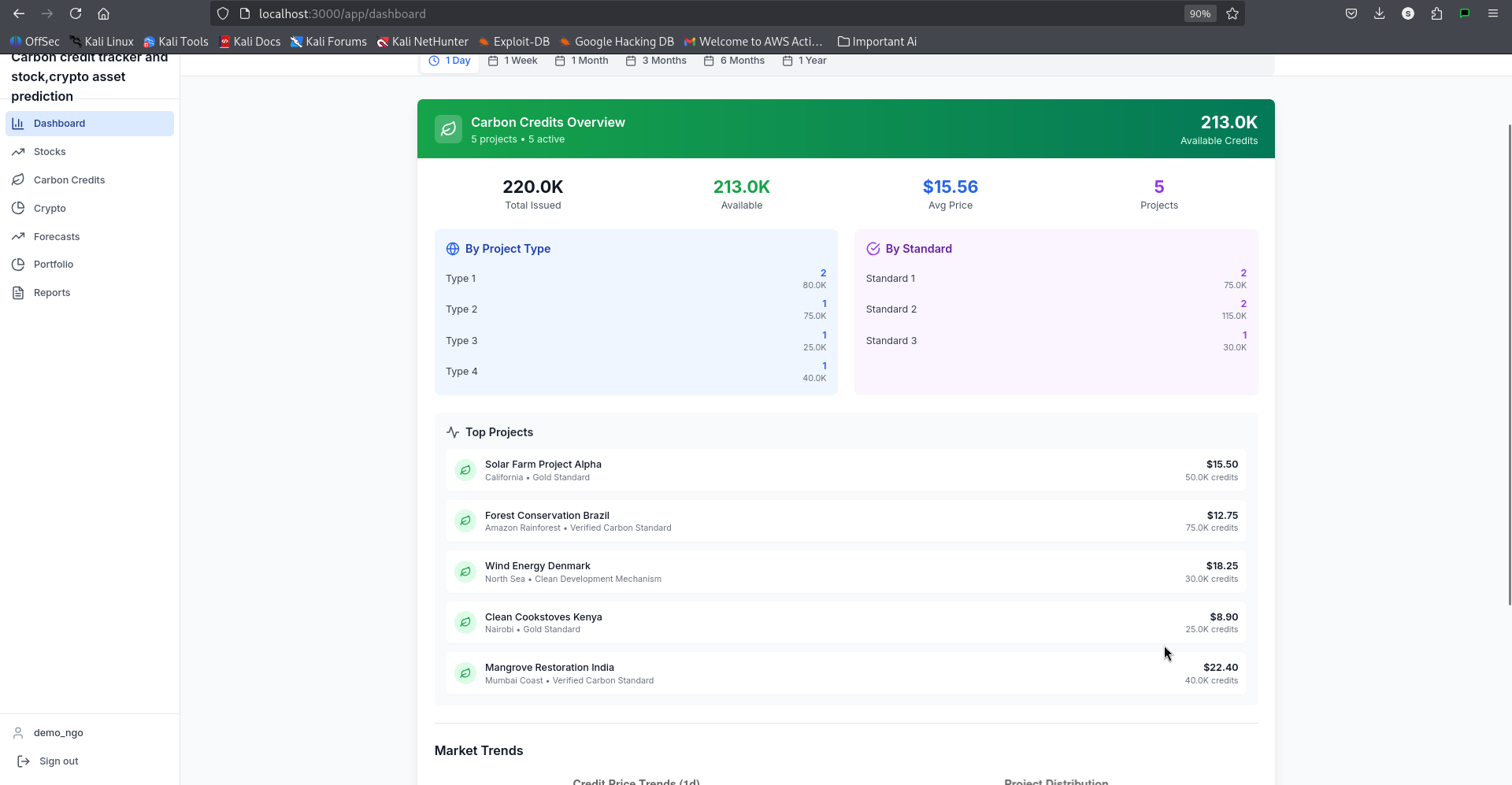
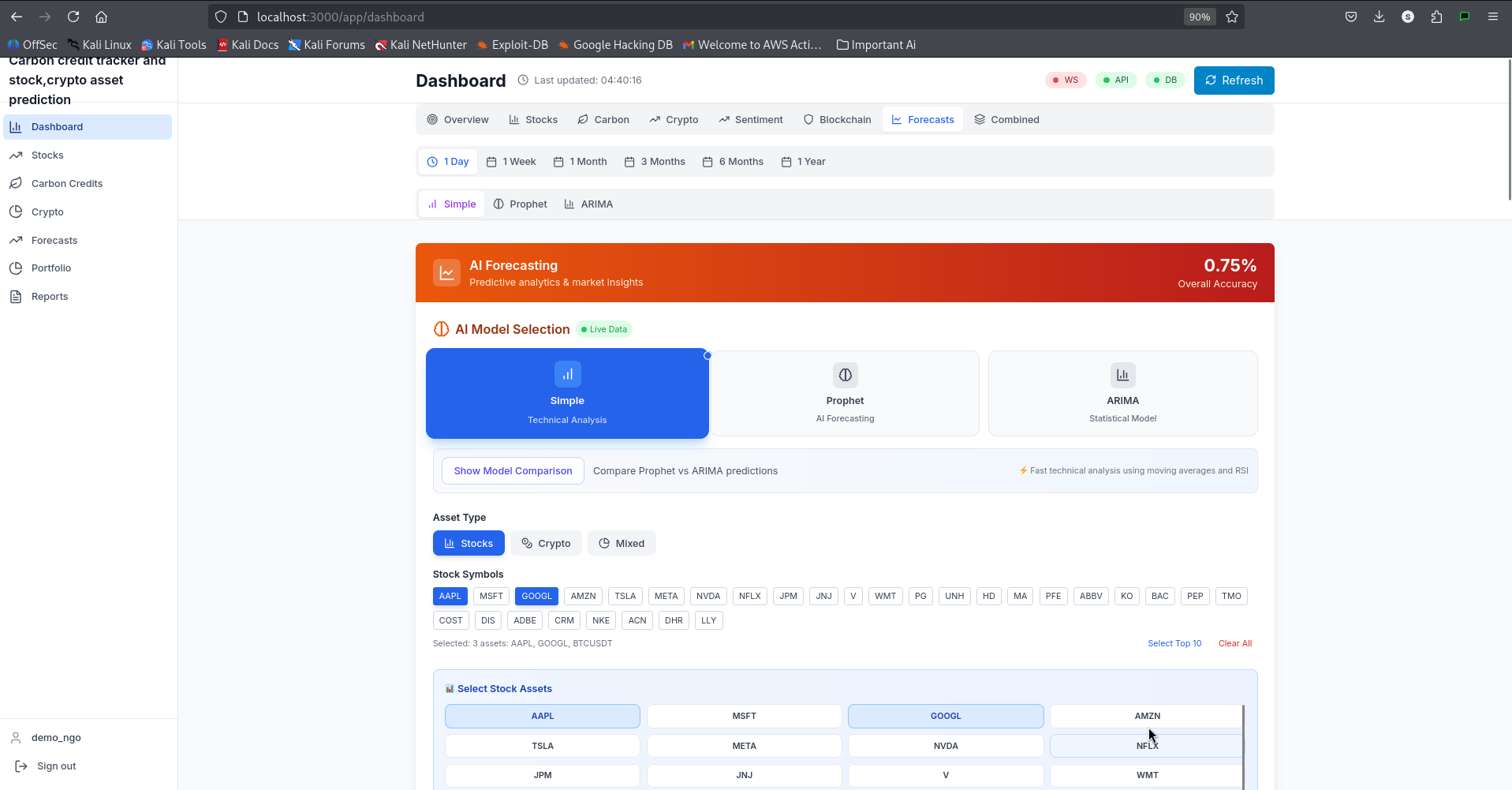
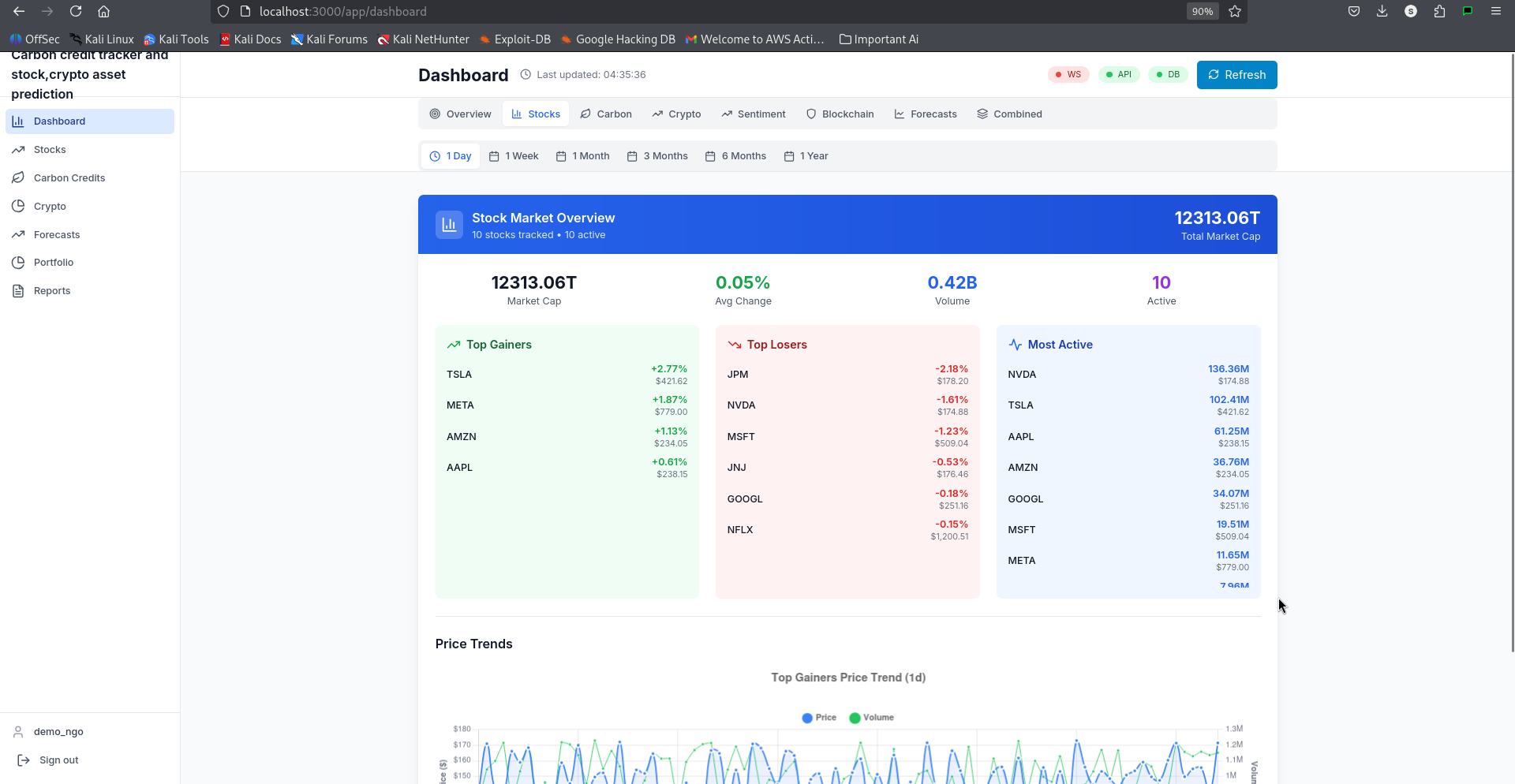
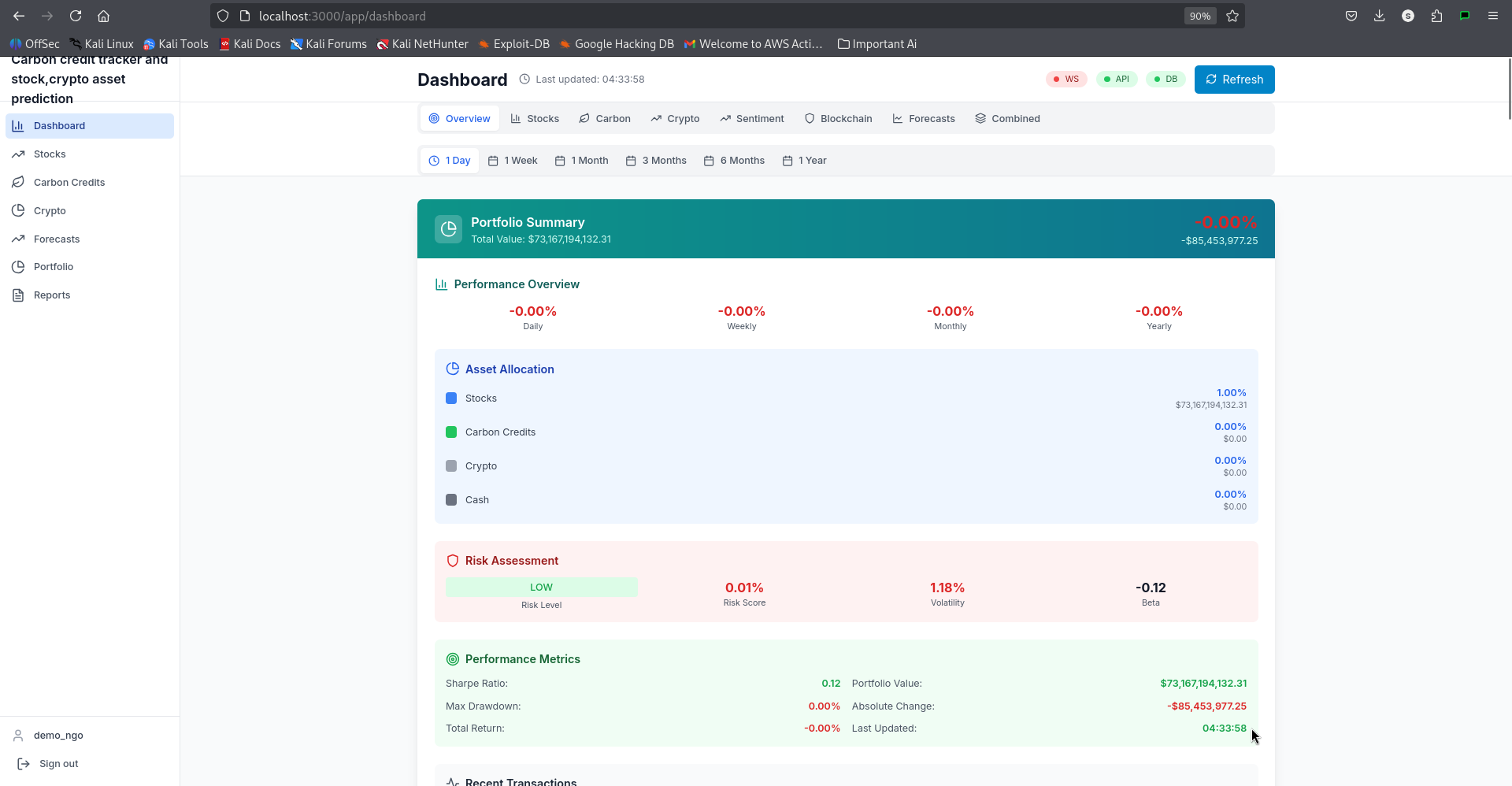
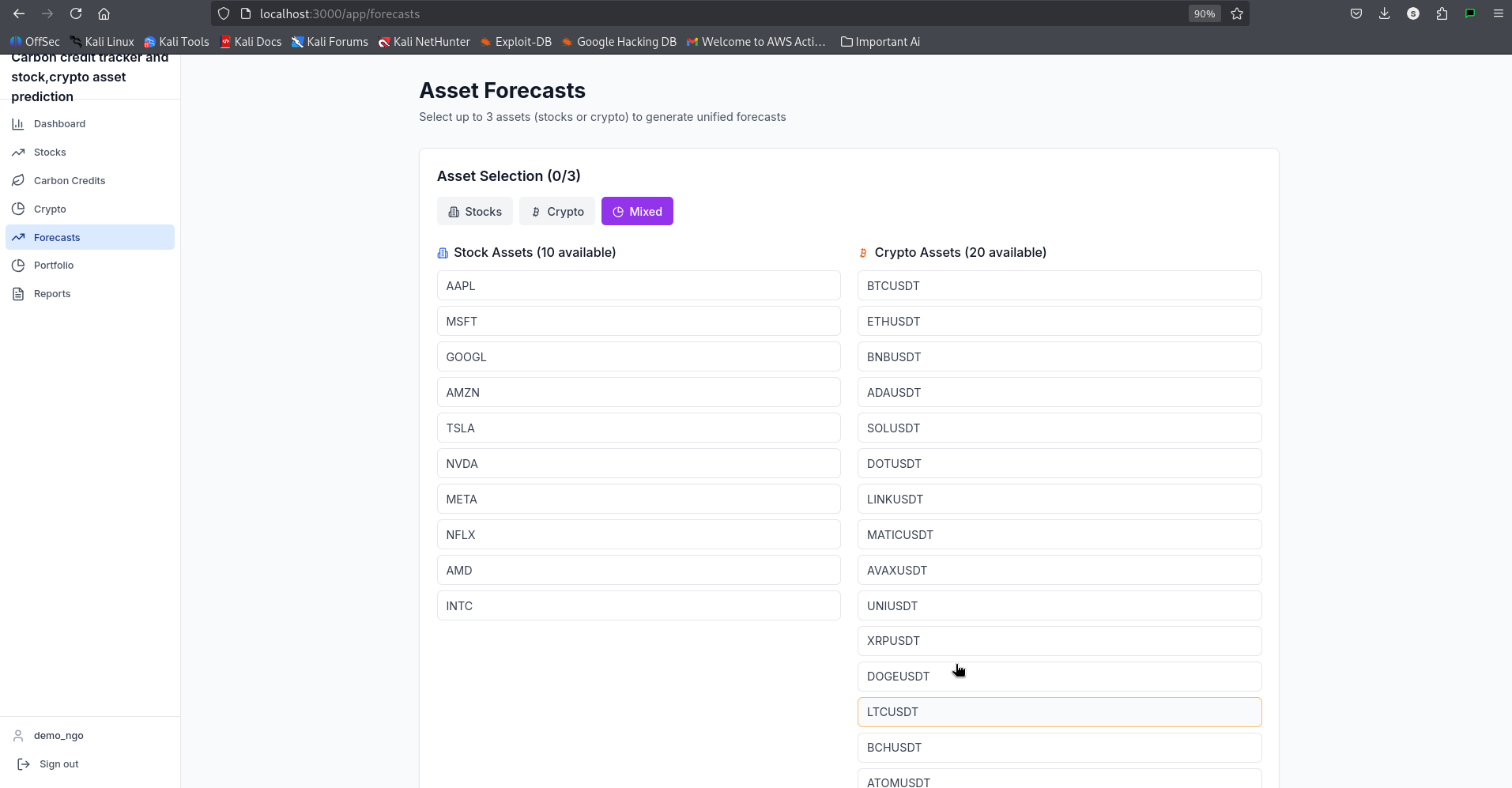
User Dashboard Ai forcrast Card
-
-
-
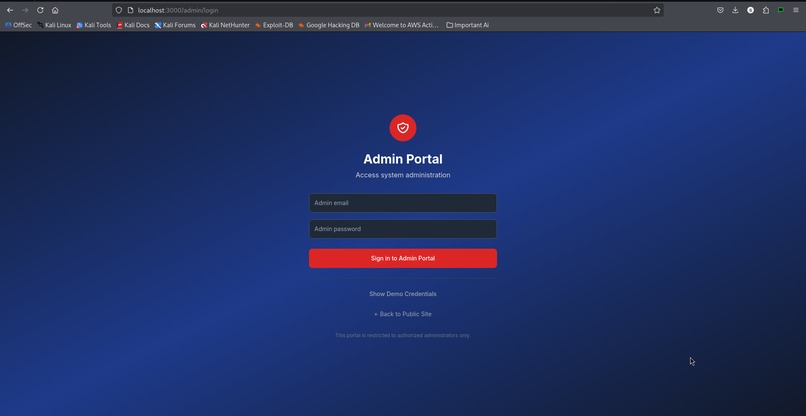
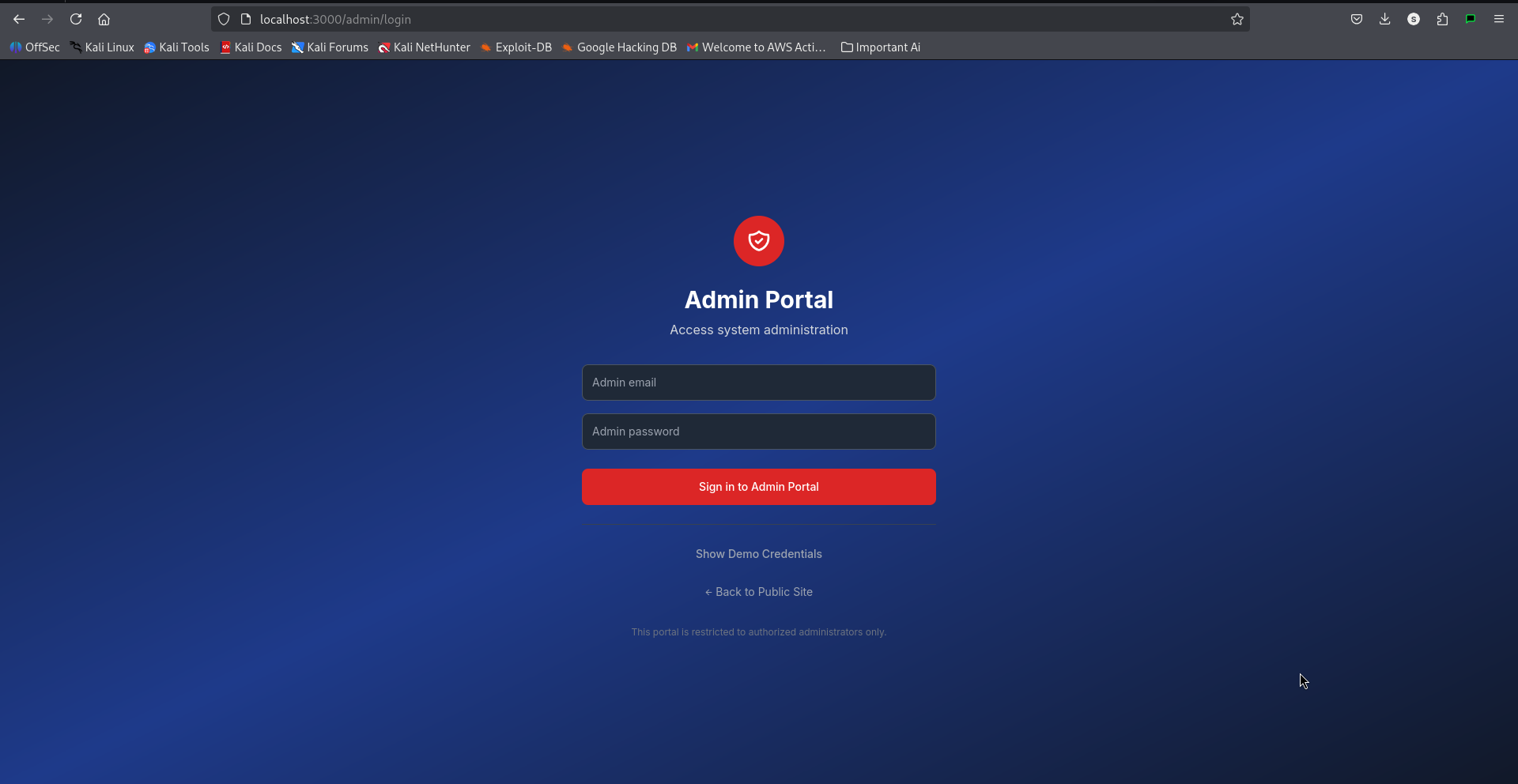
Admin Login
-
-
-
-
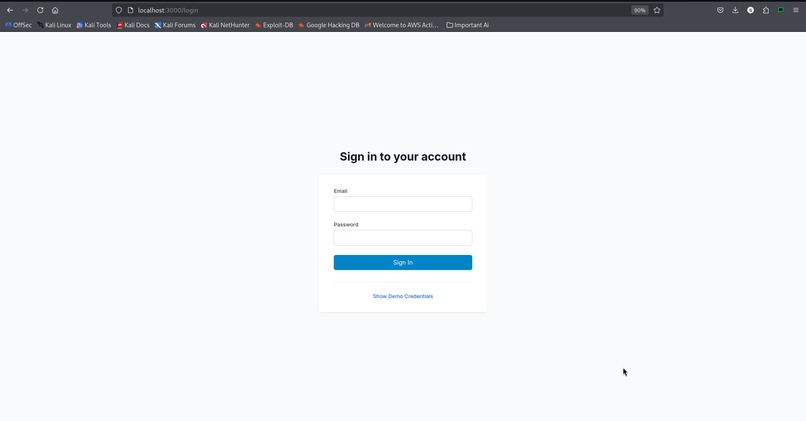
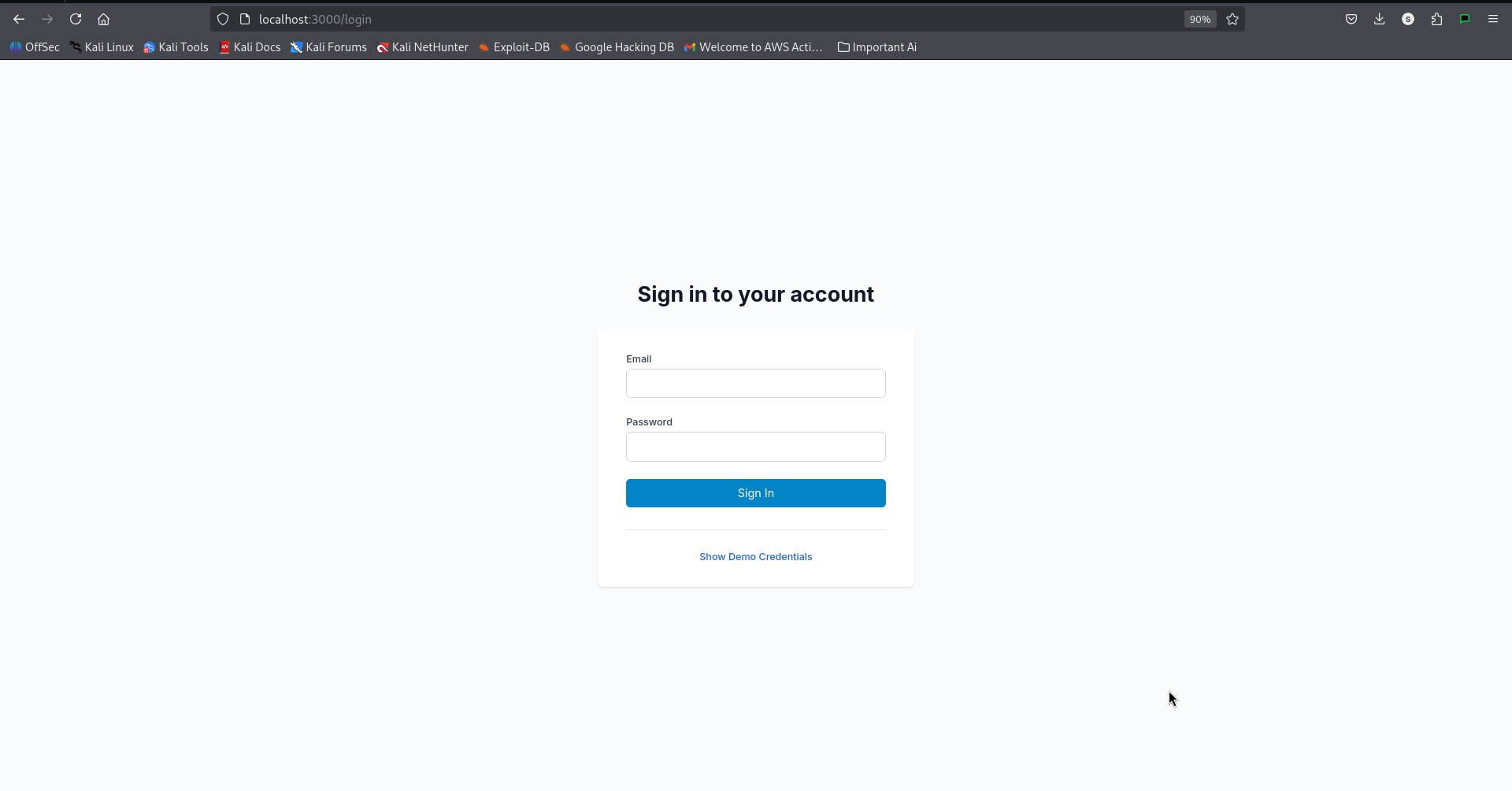
USer login
-
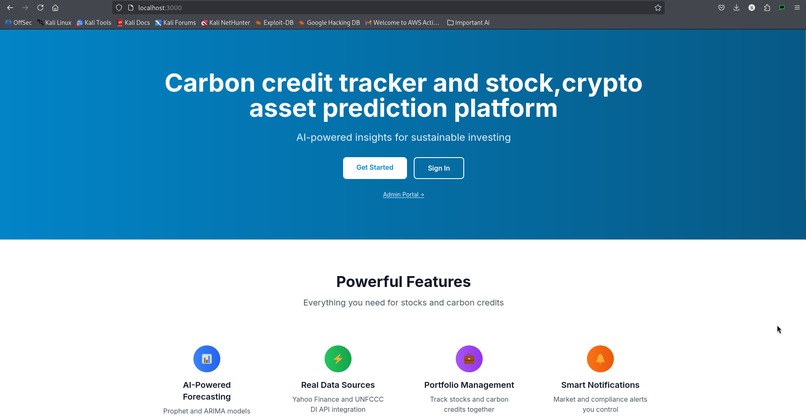
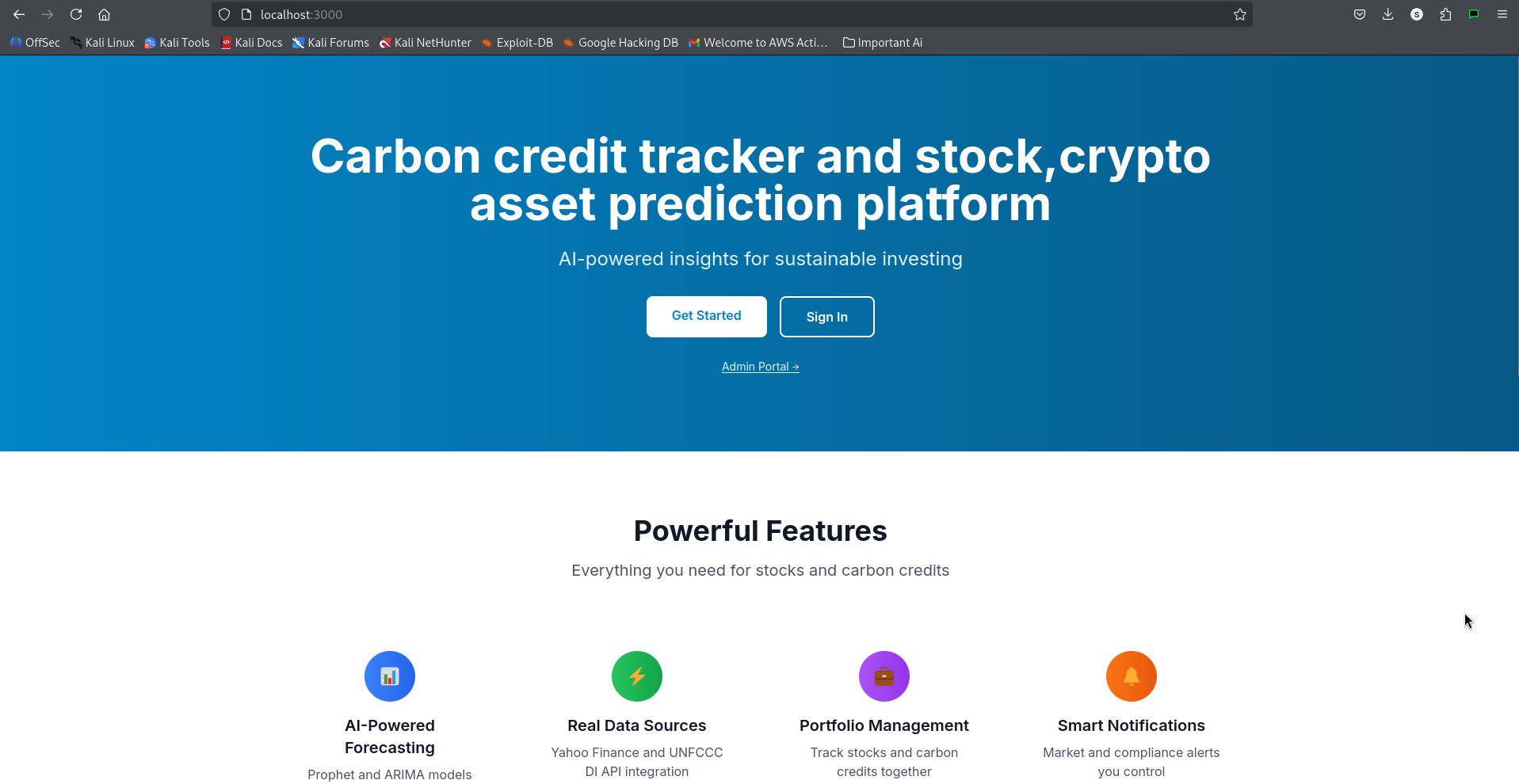
Home page
-
-
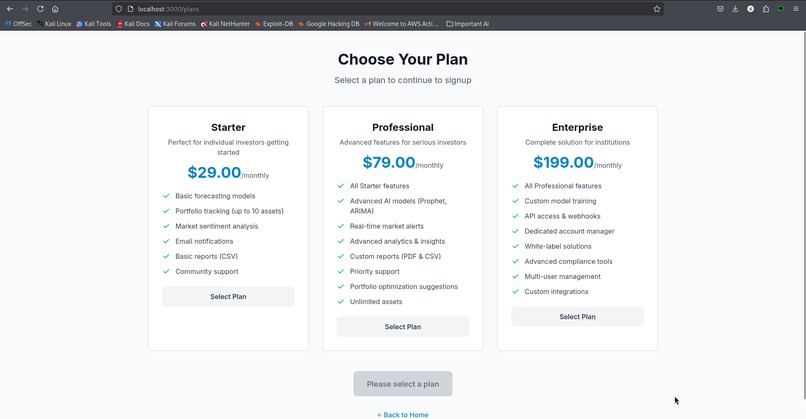
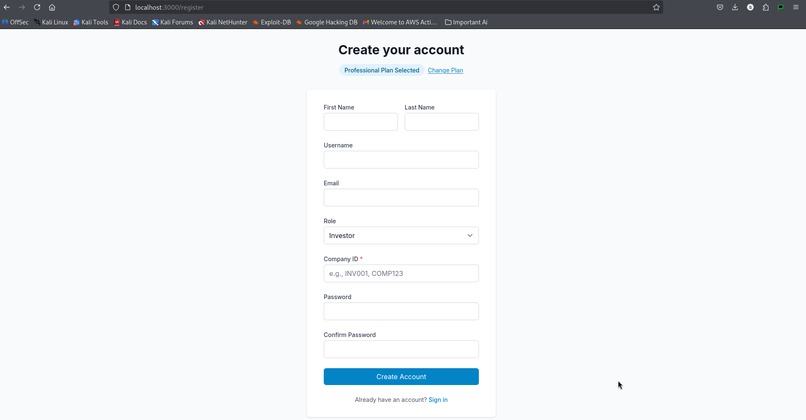
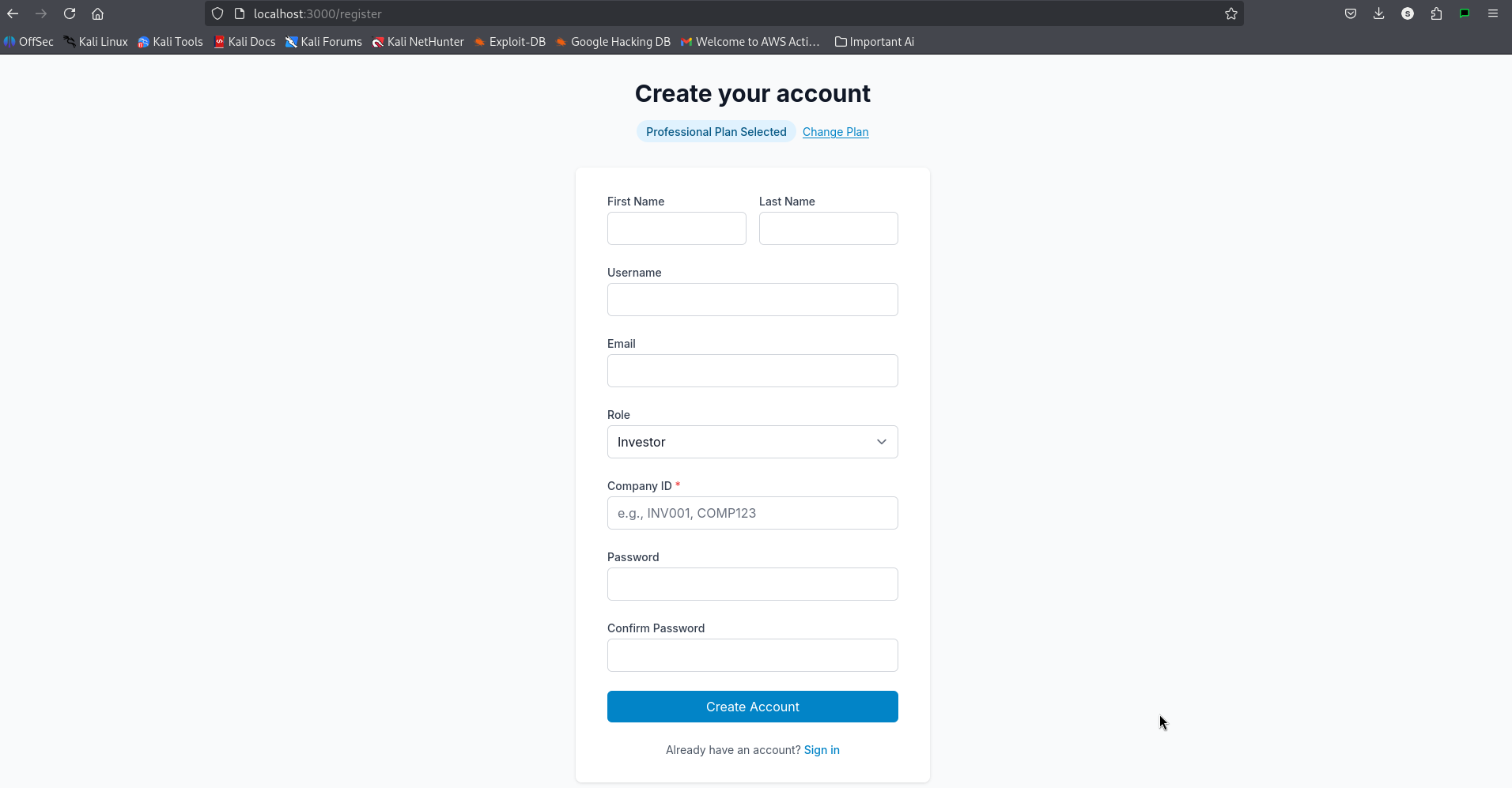
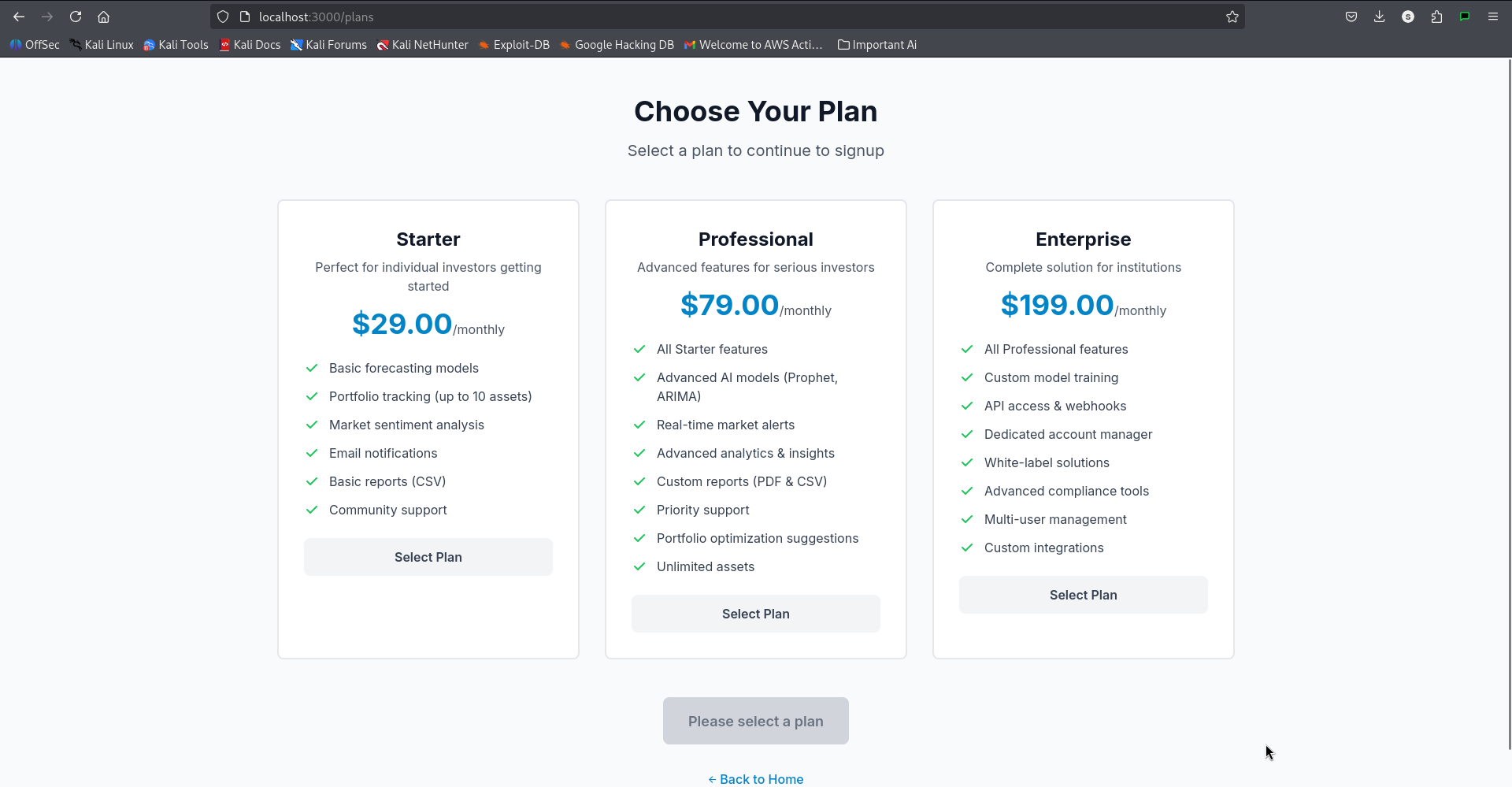
Subscription page for new user
-
-
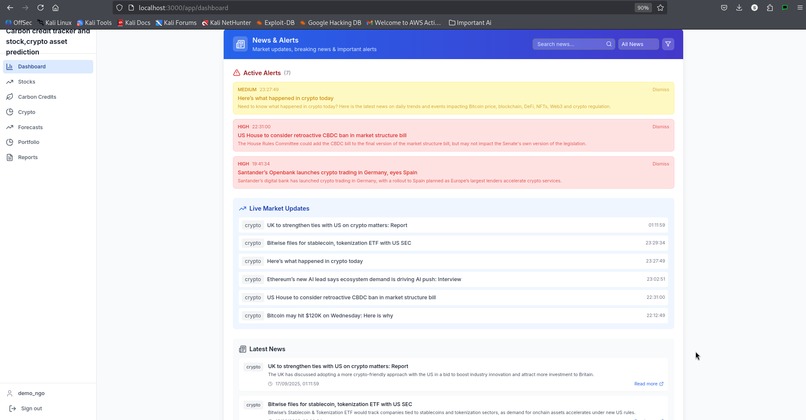
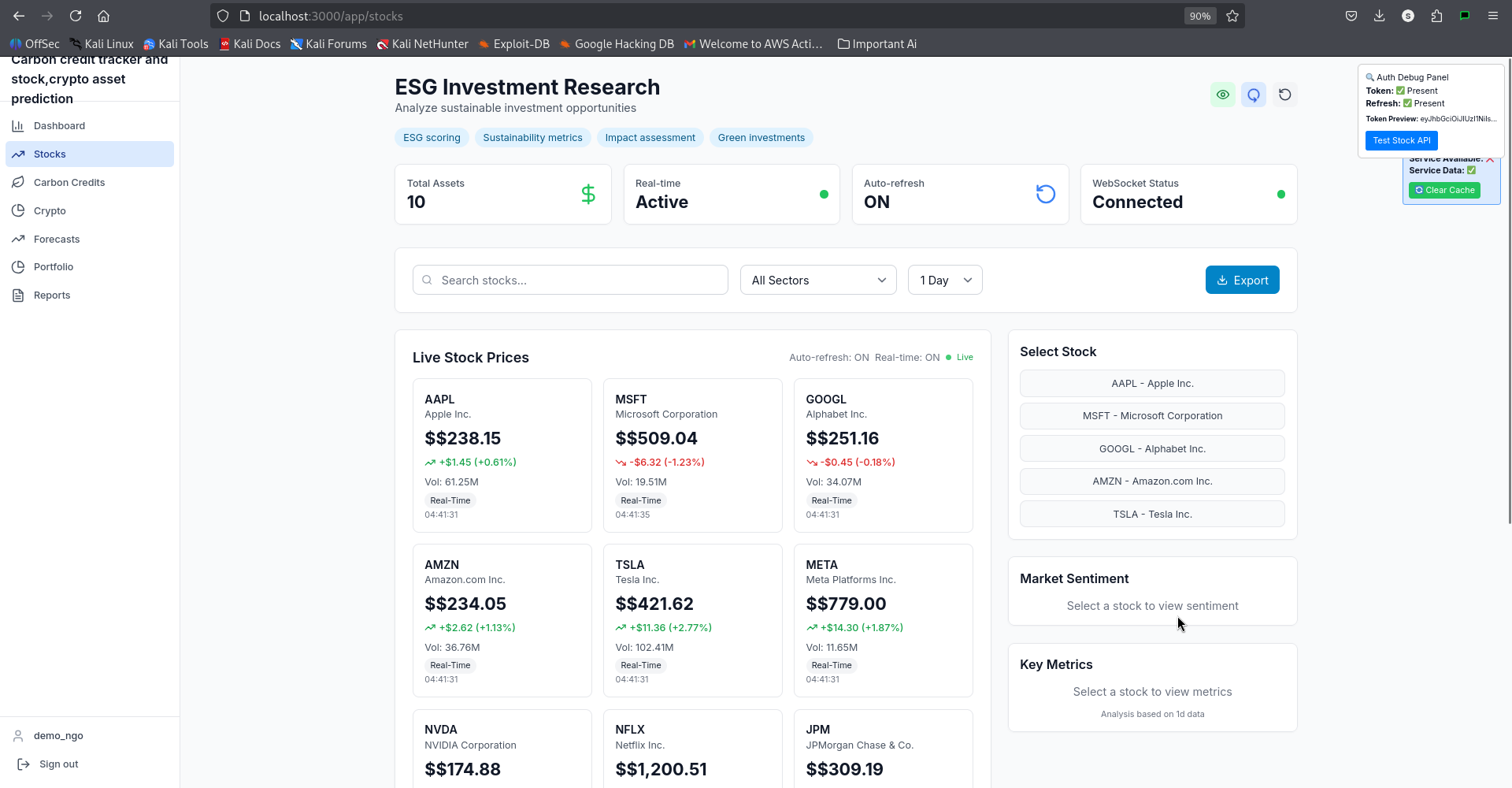
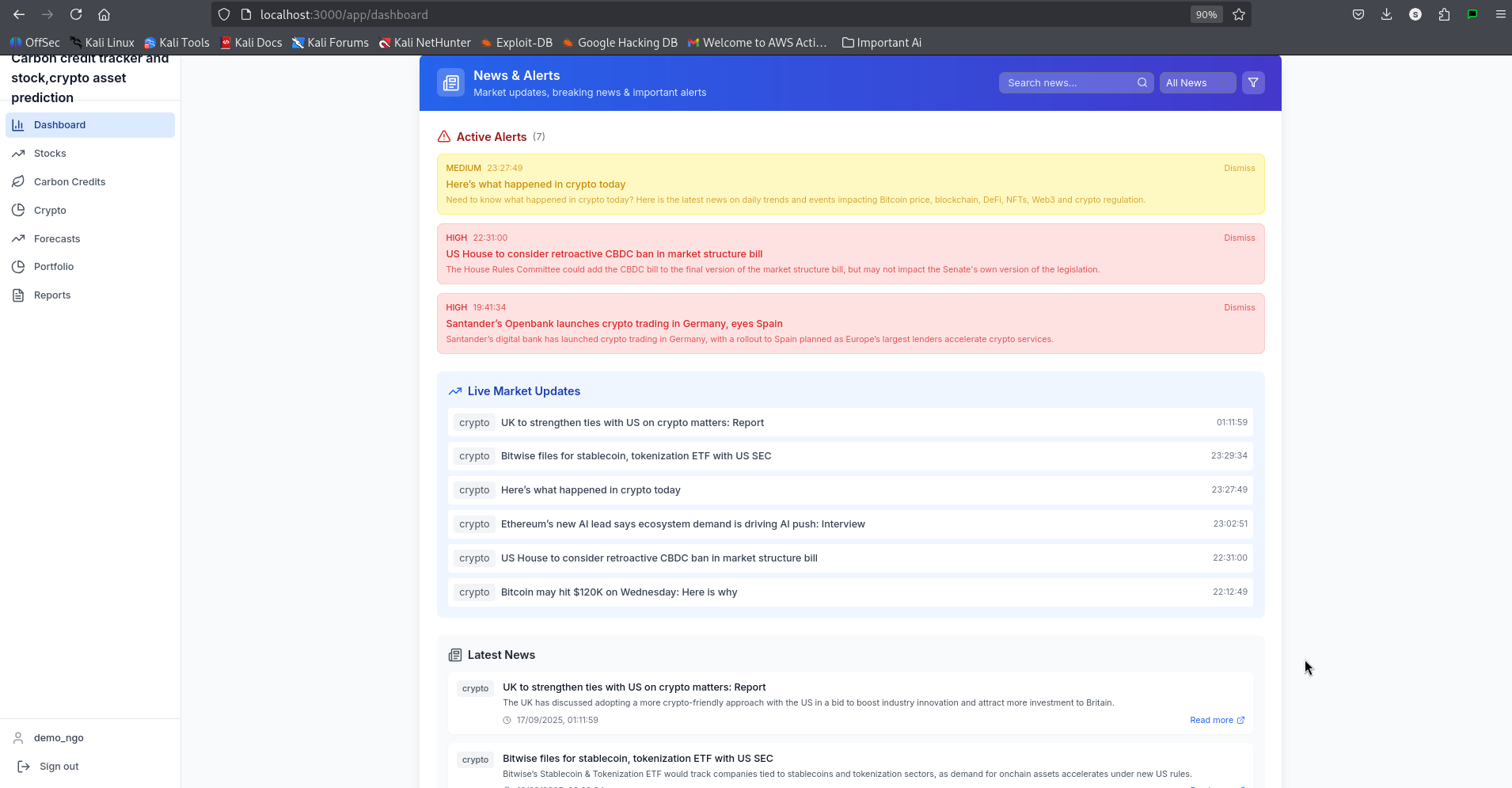
Dashboard news card
-
-
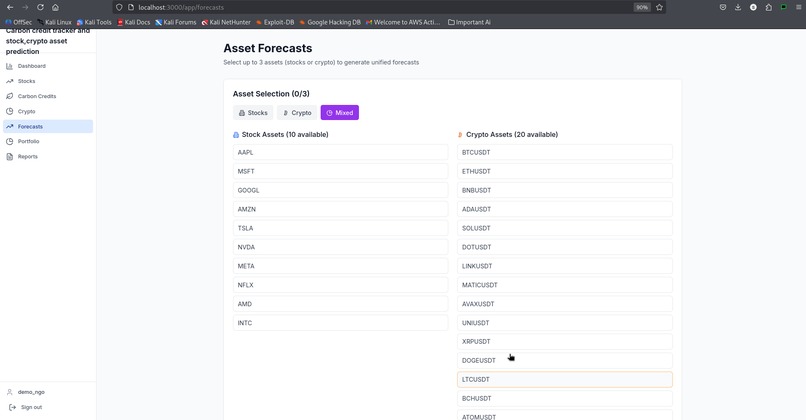
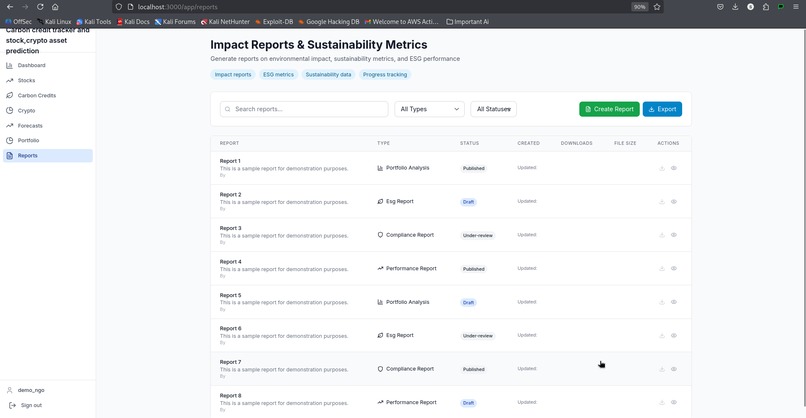
User specific Ai forcrast asset result report
-
-
-
Inspiration
The inspiration for the "Carbon credit tracker and stock,crypto asset prediction app" arose from the significant challenges of transparency, verification, and accountability that plague the rapidly growing global carbon market. Despite being a multi-billion dollar industry crucial for climate change mitigation, the carbon market often relies on centralized, opaque registries, leading to a lack of trust and issues like "greenwashing". Furthermore, there's a disconnect between environmental sustainability and financial markets. This project was motivated by the need for a unified platform that could bring transparency to carbon markets and integrate this data with traditional and emerging financial markets like stocks and cryptocurrencies, fostering sustainable investment and accountability for all stakeholders.
What It does
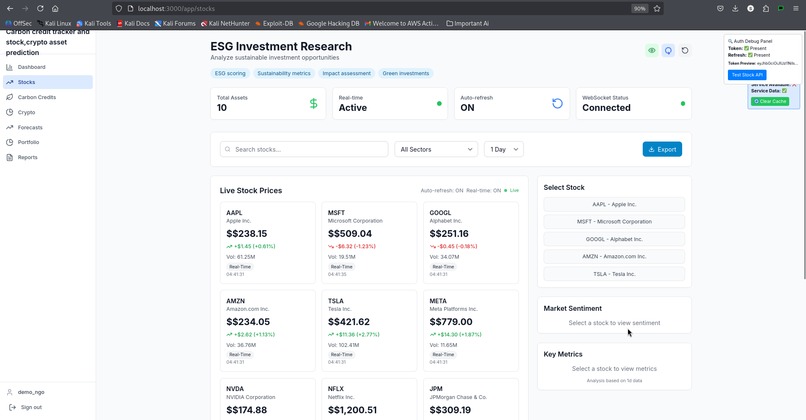
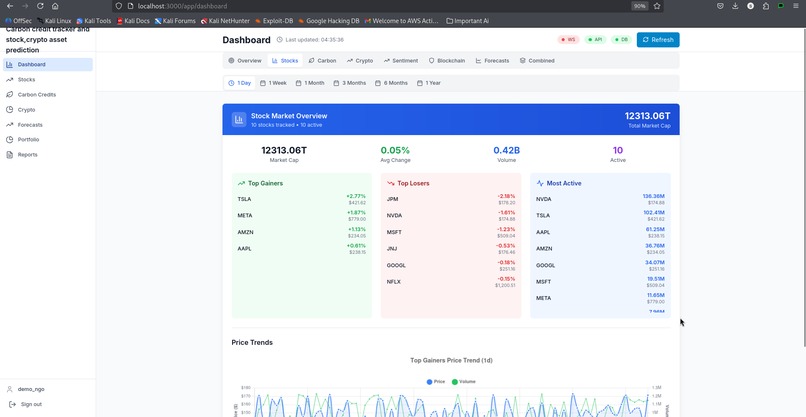
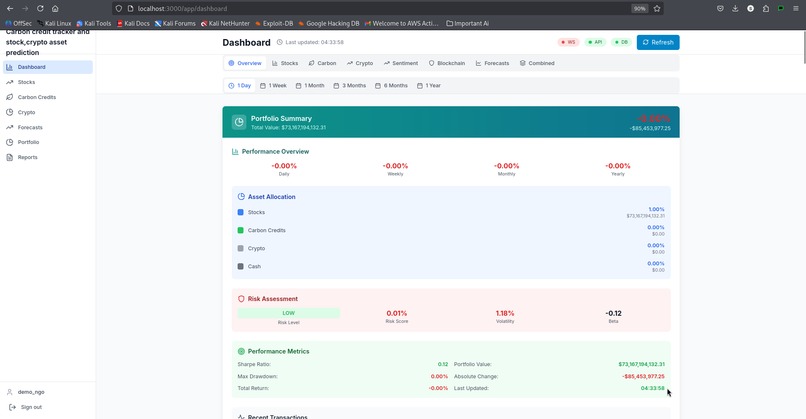
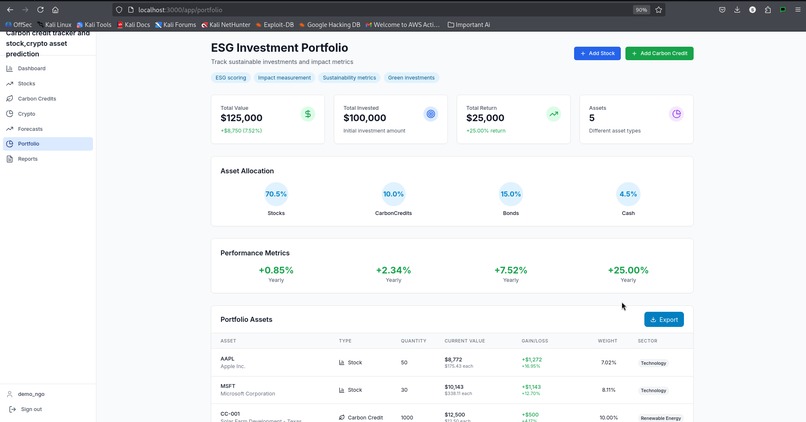
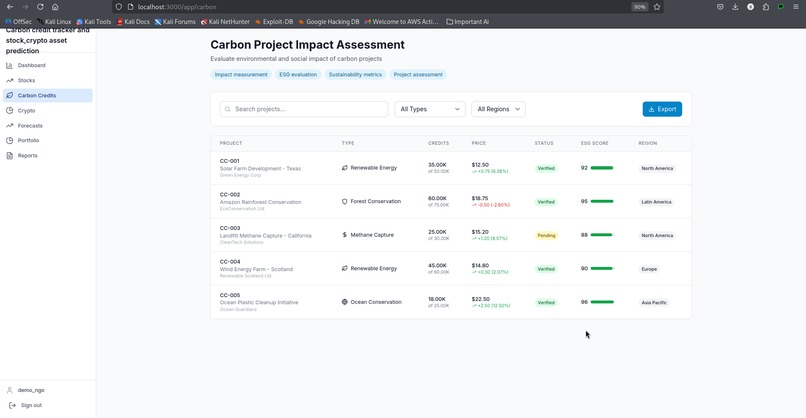
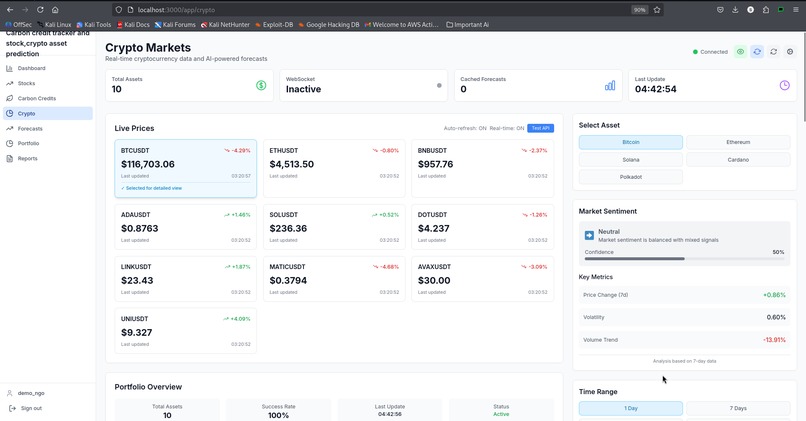
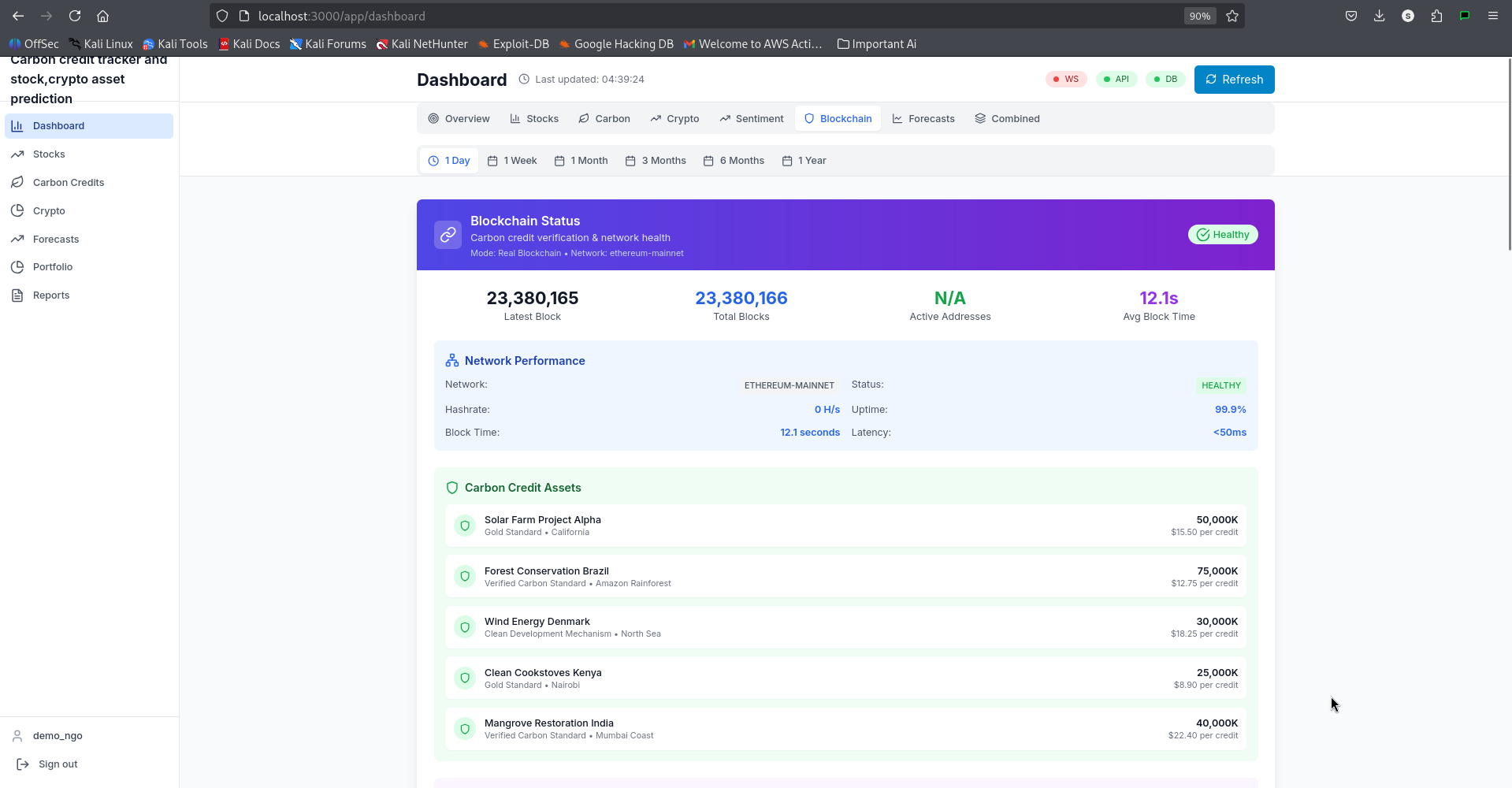
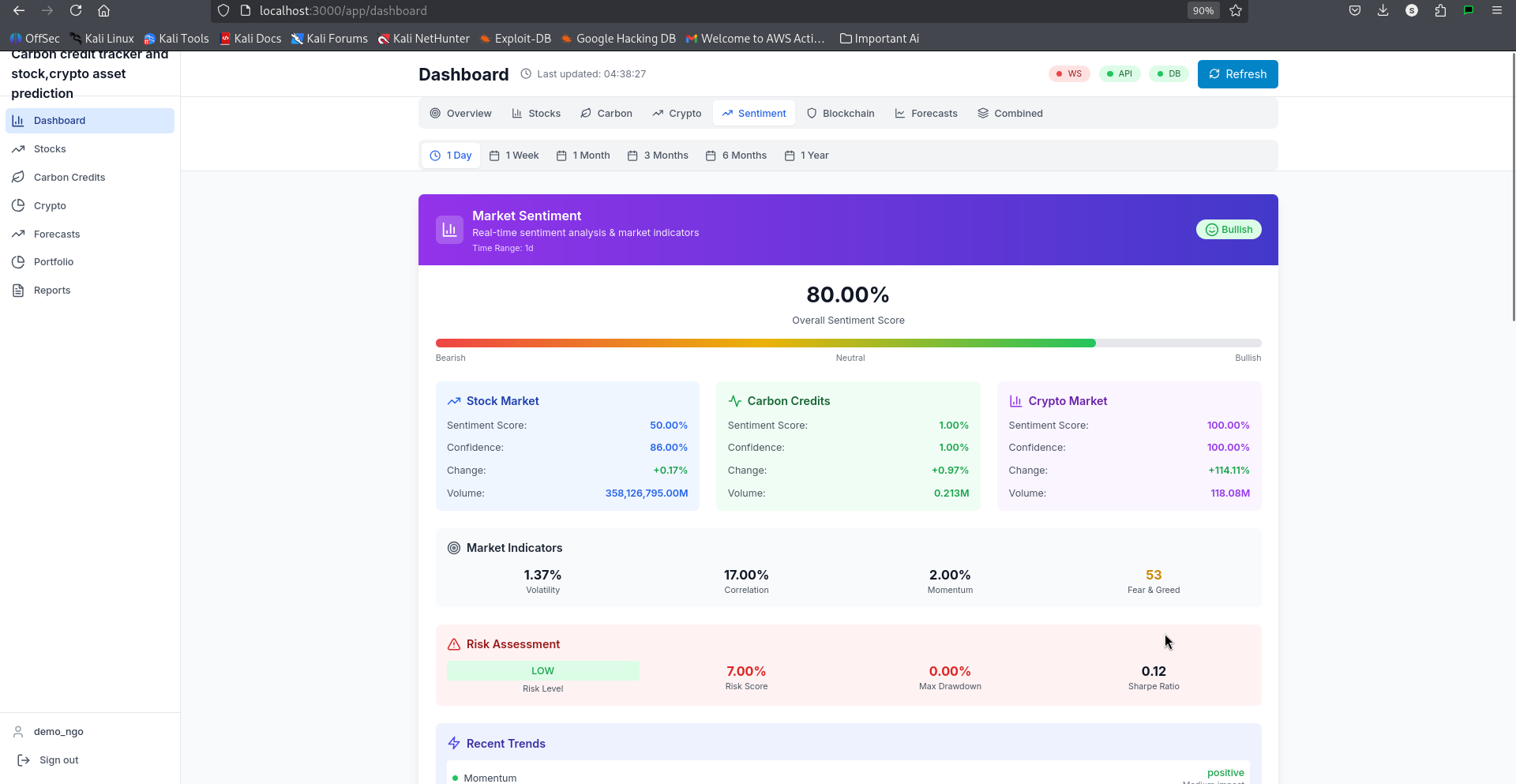
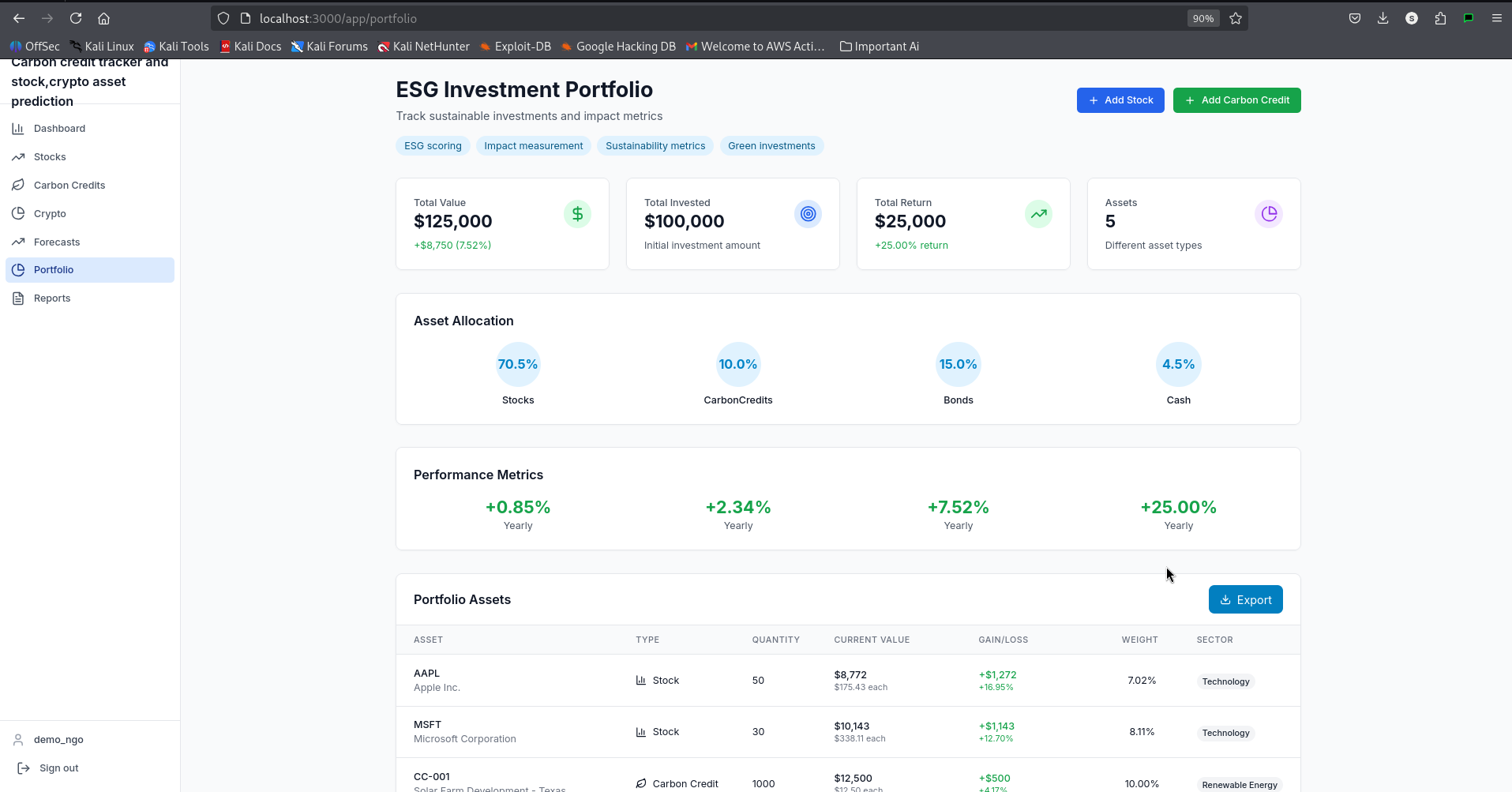
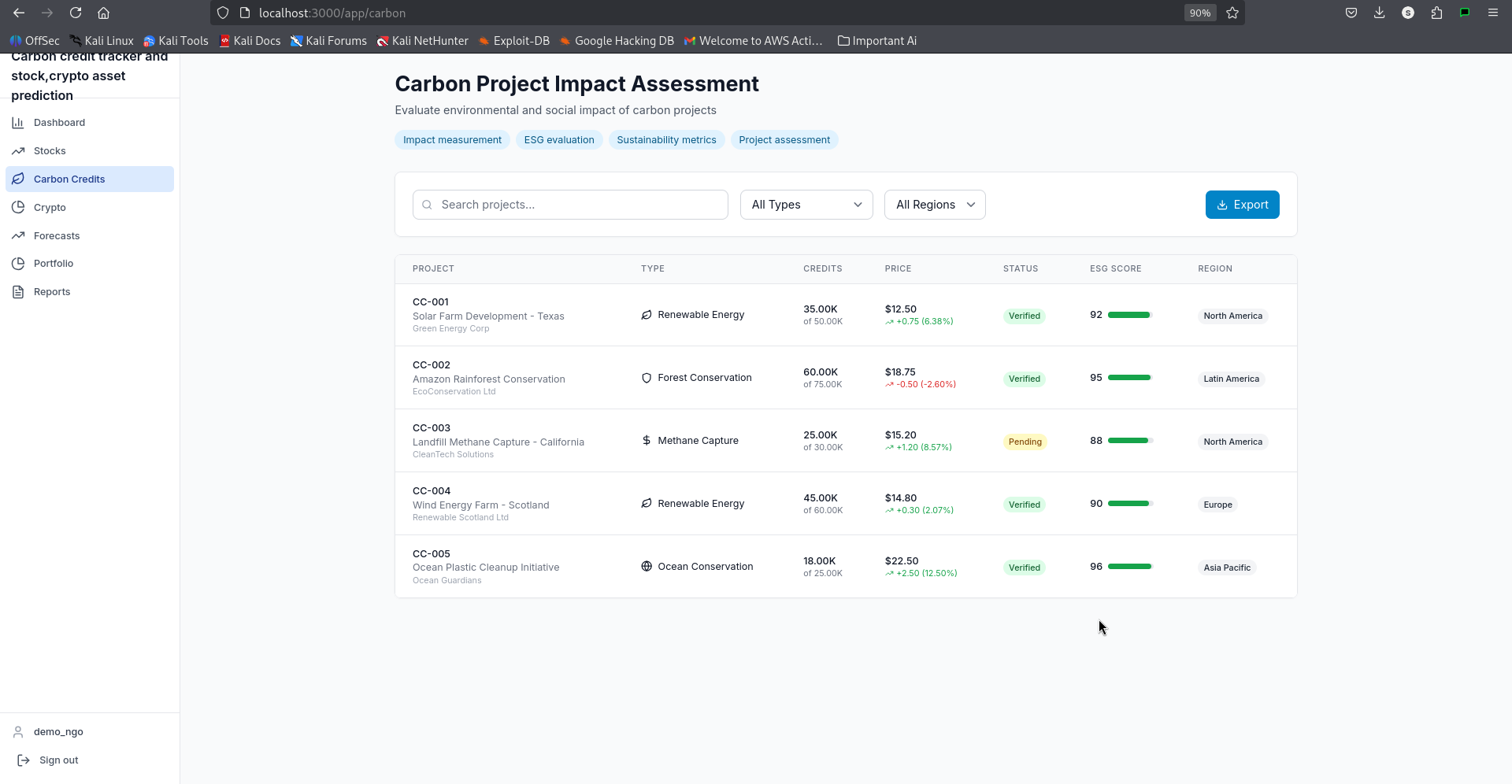
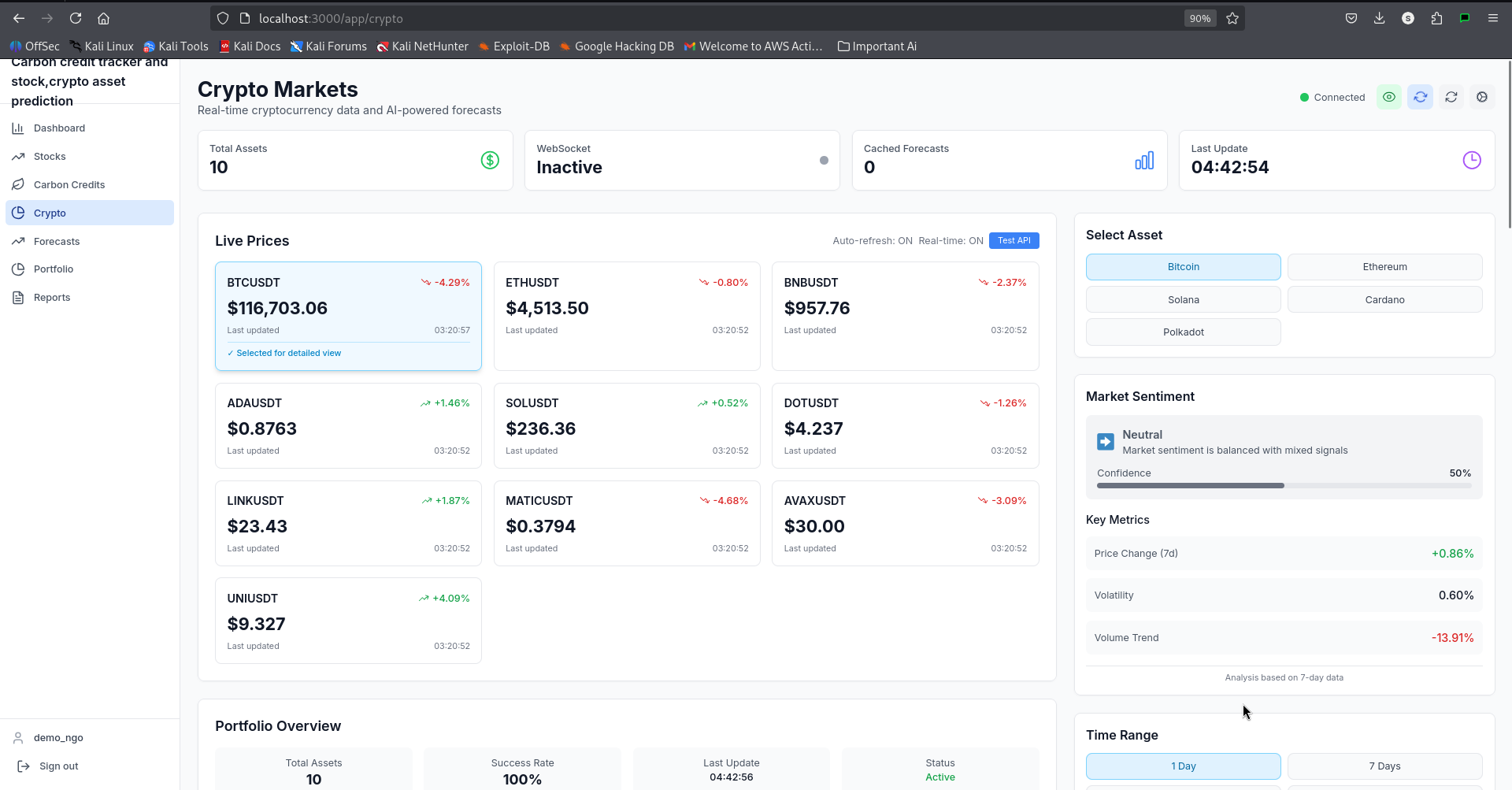
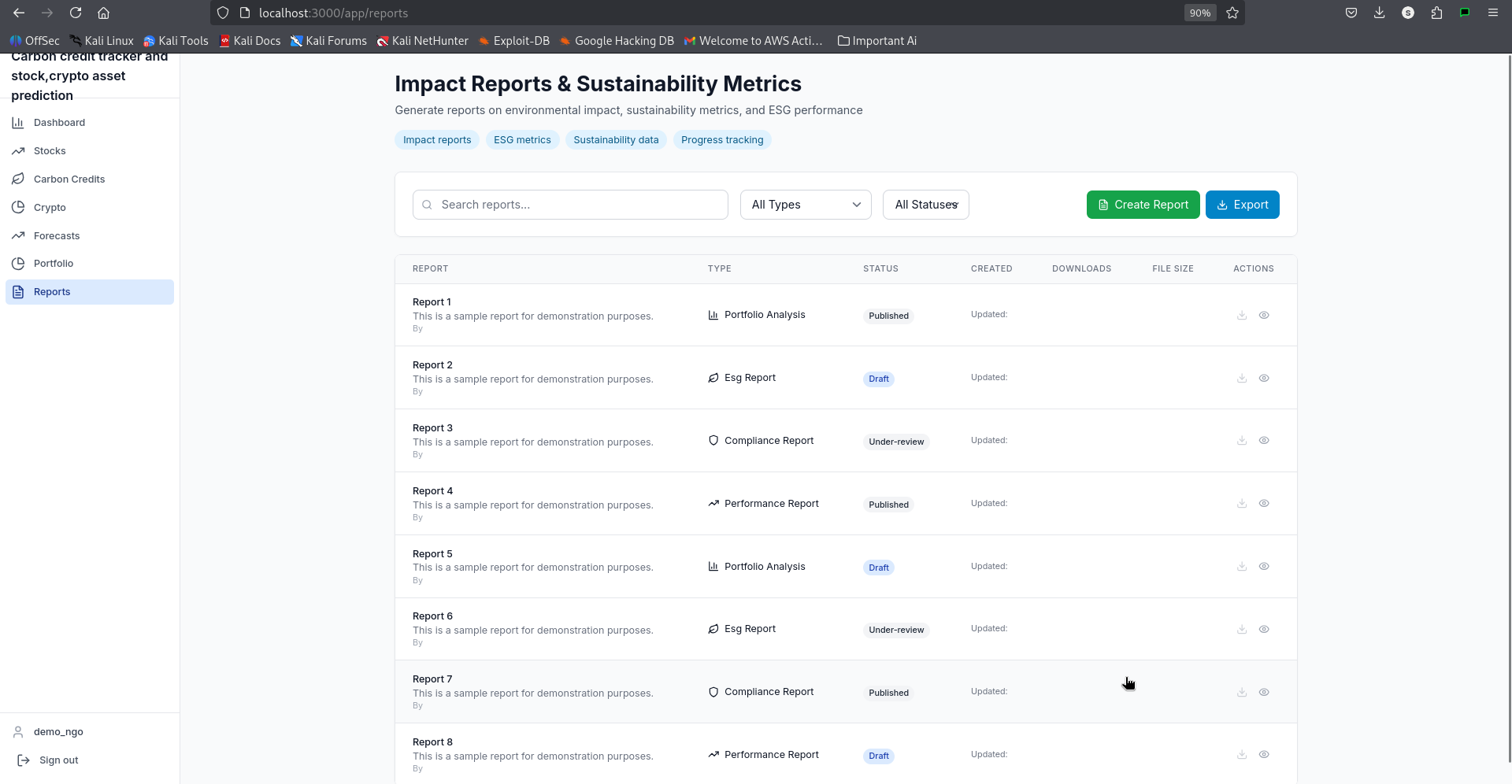
The "Carbon credit tracker and stock,crypto asset prediction app" is a comprehensive, blockchain-powered analytics platform that: Integrates carbon credit, stock, and cryptocurrency market data into a single, unified dashboard. Leverages the Algorand blockchain to create a tamper-proof, immutable record of carbon credit transactions, from minting to retirement. Provides real-time analytics, predictive modeling, and automated ESG compliance reporting for a diverse range of stakeholders including NGOs, regulators, investors, and corporations. Features role-specific dashboards tailored to the unique needs of each user group, offering functionalities like project verification for NGOs, compliance monitoring for regulators, and sustainable portfolio management for investors. Employs AI-powered forecasting models (Prophet and ARIMA) to predict market trends for carbon credits, stocks, and cryptocurrencies, helping users make informed decisions. Includes an alert system to notify users of market anomalies and high-volume trades, enhancing market transparency and security.
How I built
The project was built using a modular, full-stack architecture with a clear separation of concerns, from data ingestion to frontend visualization:
Data Layer: I integrated multiple data sources, including the UNFCCC API for carbon market data, the Yahoo Finance API for stock data, and the Binance API for cryptocurrency data. An ETL (Extract, Transform, Load) pipeline was used to process and enrich this data.
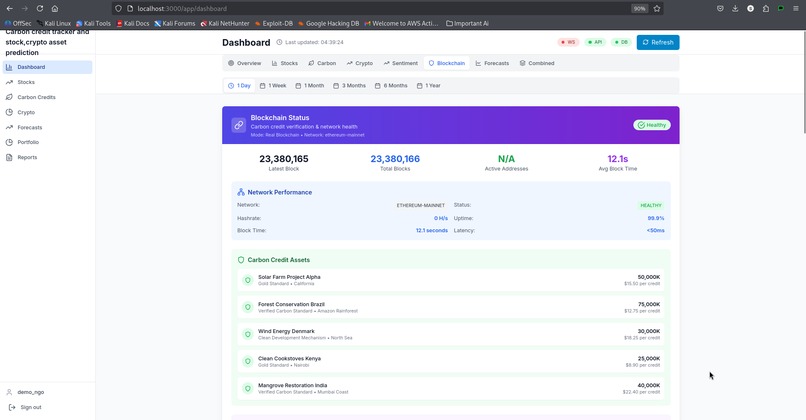
Blockchain Layer: The Algorand blockchain was chosen for its high throughput and low transaction fees to ensure an immutable and transparent ledger for carbon credit transactions.
Backend: The backend was developed using a polyglot architecture with Node.js and FastAPI, providing RESTful APIs for the frontend. I used PostgreSQL for structured data and MongoDB for unstructured metadata, creating a flexible and scalable database solution. WebSockets (Socket.IO) were used for real-time communication.
** Analytics Layer**: Prophet and ARIMA time-series models were implemented in Python and exposed as microservices for forecasting.
Frontend: The user interface was built with React.js and Tailwind CSS, offering a responsive and interactive dashboard. Chart.js and D3.js were used for data visualization.
Deployment: The entire application i using localhost for portability and ease of deployment
Challenges I ran into throughout
The development process, I encountered several technical and conceptual challenges:
Data Integration: Integrating and standardizing data from disparate sources (blockchain, financial APIs, and environmental registries) with different formats and update frequencies was a significant hurdle.
Scalability: Designing the system to handle a large volume of real-time transactions from the blockchain and financial markets while maintaining performance was a key challenge.
Model Selection and Integration: Choosing the right forecasting models and integrating the Python-based machine learning microservices with the Node.js backend required careful architectural planning.
Security and Privacy: Ensuring data security and user privacy while maintaining the transparency inherent to blockchain technology was a delicate balancing act that required implementing robust Role-Based Access Control (RBAC).
Accomplishments that I'm proud of
The several key innovations and accomplishments:
A first-of-its-kind dual-domain system that successfully integrates environmental (carbon credits) and financial (stocks, crypto) data on a single, blockchain-backed platform. The development of tailored, role-specific dashboards that cater to the distinct needs of various stakeholders in the carbon and financial markets, a feature lacking in existing platforms. The successful integration of two distinct forecasting models (ARIMA and Prophet) to provide more robust and reliable market predictions. Building a comprehensive, end-to-end platform that goes beyond a simple proof-of-concept to a production-ready system with features like real-time alerts, automated reporting, and a scalable microservices architecture.
What I learned from
The built this project was a tremendous learning experience. Some of my key takeaways include:
The power of blockchain for transparency: I gained a deep understanding of how blockchain technology can be applied to solve real-world problems of trust and accountability, particularly in environmental markets.
Full-stack development: I honed my skills across the entire technology stack, from backend development with Node.js and FastAPI to frontend development with React.js, and database management with PostgreSQL and MongoDB.
Microservices architecture: I learned the benefits of a polyglot, microservices-based architecture for building scalable and maintainable applications, especially when integrating different technologies like Node.js and Python.
The importance of user-centric design: Designing the role-specific dashboards taught me the importance of understanding the unique needs of different user groups to create a truly valuable and user-friendly product.
What's next for Carbon credit tracker and stock,crypto asset prediction app
I have a clear roadmap for the future development of the platform, with a focus on enhancing its capabilities and expanding its reach:
Interoperability: I plan to integrate with other blockchains like Ethereum and Hyperledger to increase the platform's versatility and appeal to a broader range of users.
Enhanced AI and Machine Learning: I aim to incorporate more advanced AI and machine learning models, such as anomaly detection algorithms, to further improve the platform's predictive capabilities and security.
IoT Integration: I am exploring the integration of IoT sensor data for real-time verification of carbon offset projects, for example, by monitoring data from solar energy installations or reforestation projects.
Privacy-Preserving Features: I will research and implement privacy-preserving technologies to protect sensitive user and project data while maintaining transparency.
Built With
- algorand
- binance-api
- chart.js
- d3.js
- express.js
- fastapi
- javascript-(node.js)
- jest
- mongodb
- pdfkit
- playwright
- postgresql
- python
- react.js
- swagger
- tailwind-css
- unfccc-api
- websockets-(socket.io)
- yahoo-finance-api

Log in or sign up for Devpost to join the conversation.