-
-
Splash
-
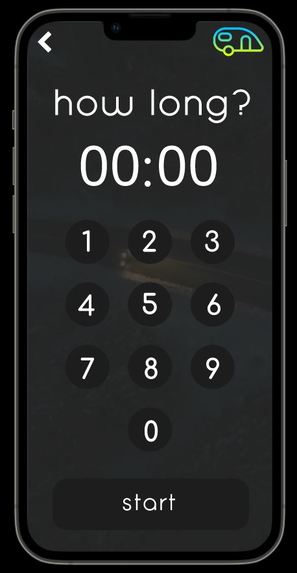
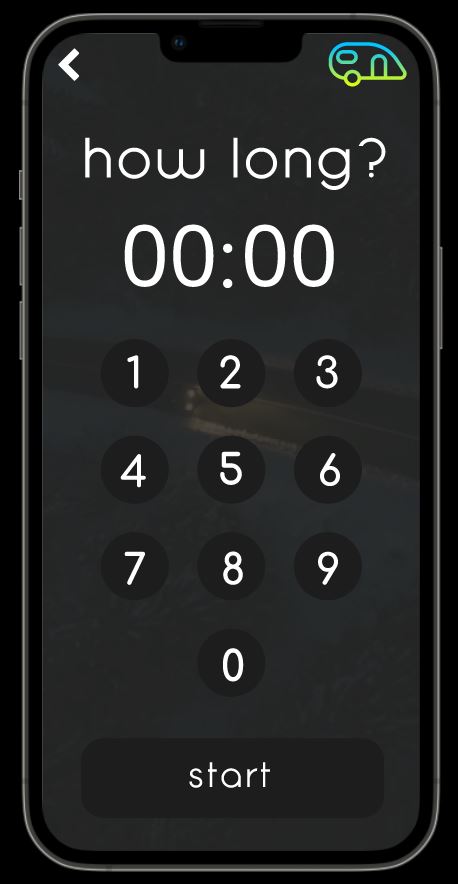
Time
-
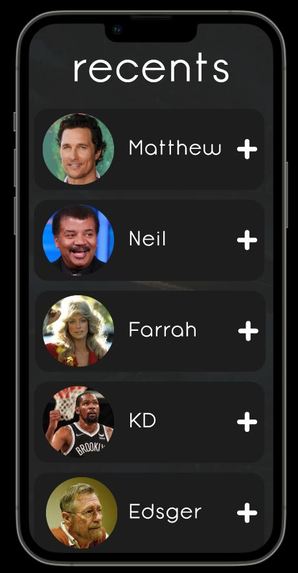
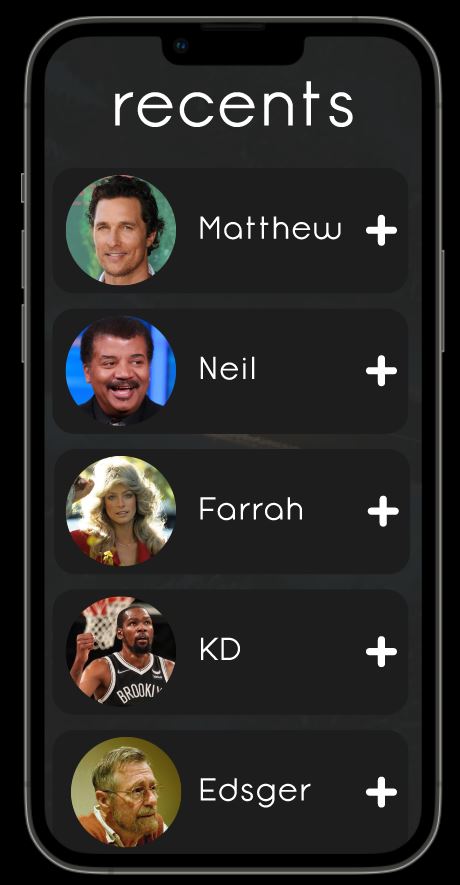
Recents
-
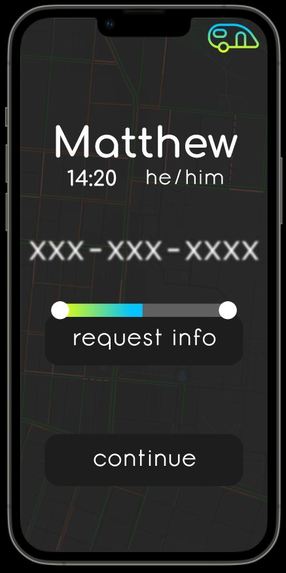
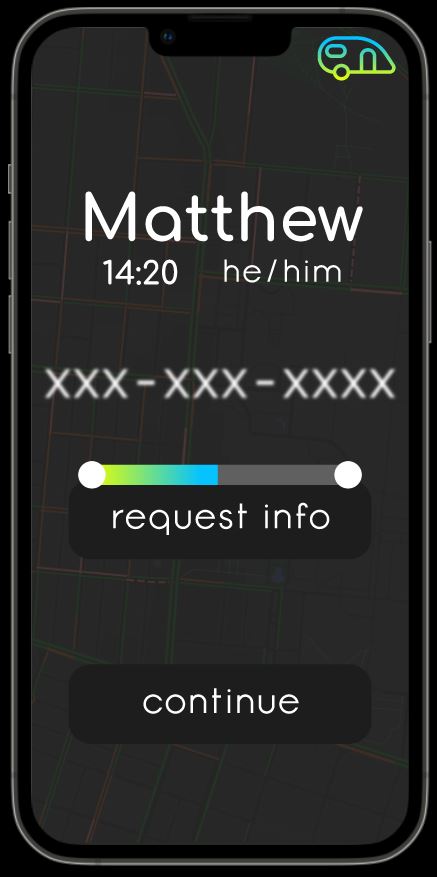
Post call
-
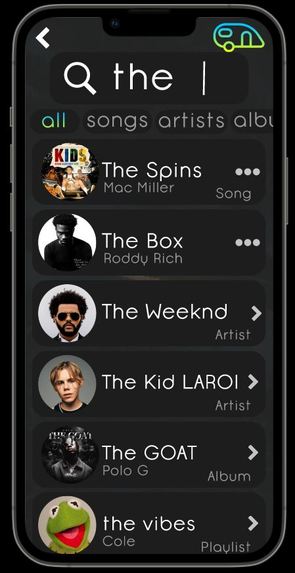
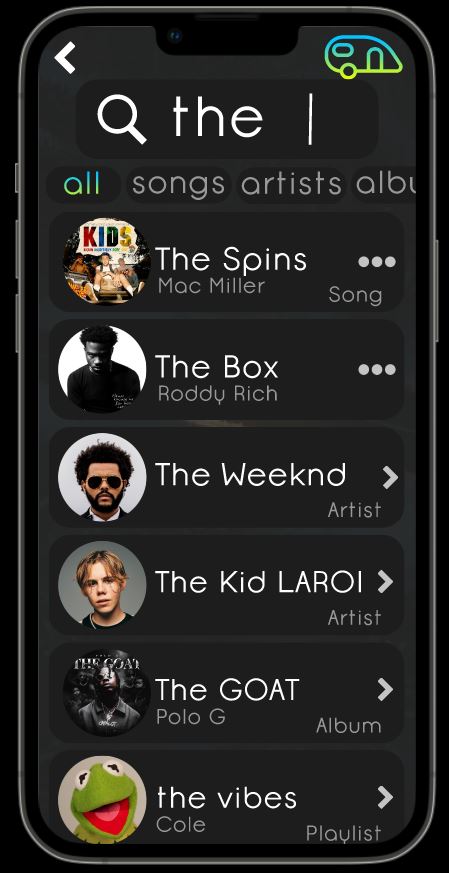
Spotify integration
-
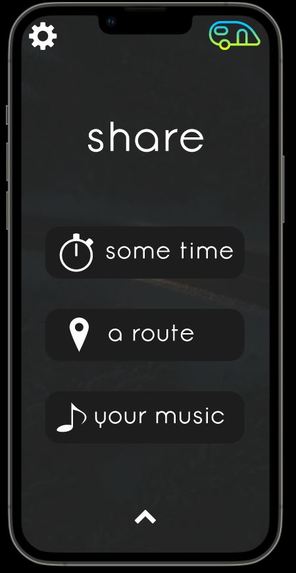
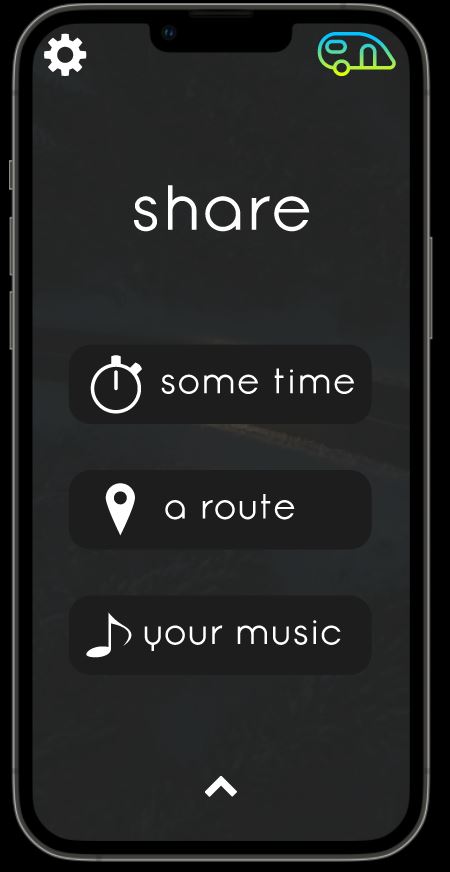
Home
-
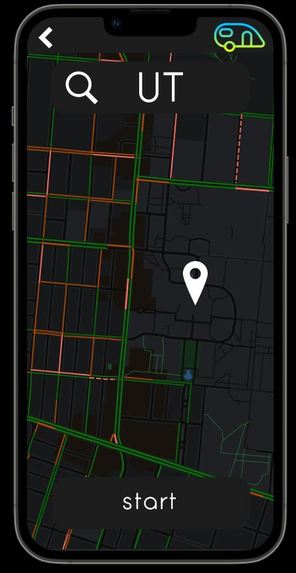
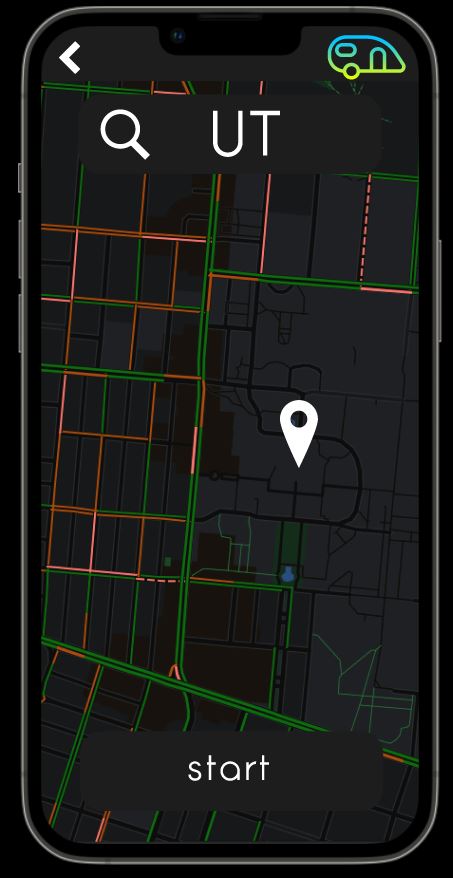
Google maps integration
-
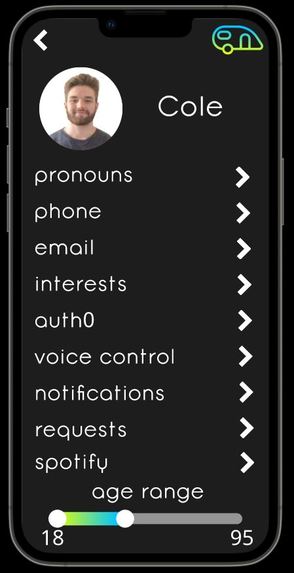
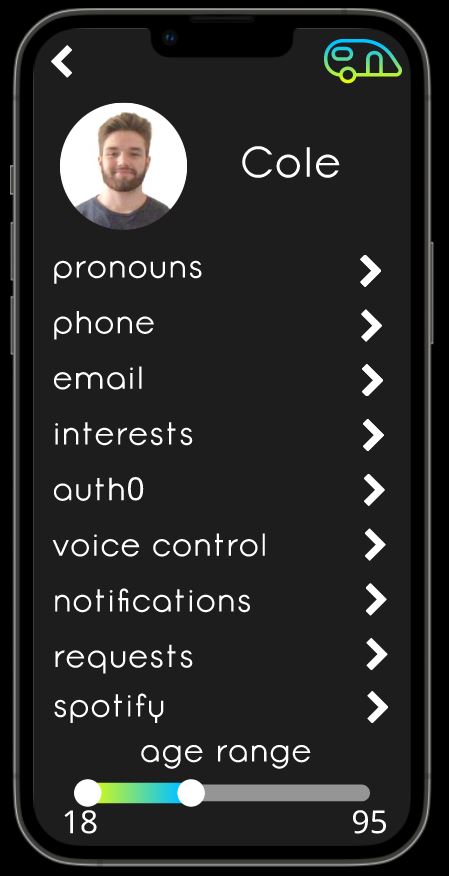
Settings
Inspiration
Almost every day of junior and senior year of high school we would ride to the gym together. It just happened out this way, because we lived close together and were going together; so it made sense to carpool. We didn't realize how much we loved being able to talk, share music, and just share each other's company until we went to different colleges. Even music or podcasts couldn't fix our now lonely drives to the gym. We realized that we loved our everyday drive together for all the same reasons people love traditional road trips, it was just shorter. With this project, we hope to make that beloved road trip experience available to everyone daily.
What it does
Our app will provide high-quality hands-free connection with someone else currently driving. This connection is made using a few different factors. A user can input a time, route, or preferred music, and our program will match them with the closest to this selection and their tags/age range.
How we built it
We built our app design prototype in Figma. The app will be implemented in react-native so it can maintain cross-platform compatibility. All of our API code will be implemented using Google's cloud functions; this is the main backend of our app. We also use Auth0 to very user and handle sign-in using any account for other 3rd party services. Another step to verifying a user is to use the Twilio SMS notification. After all verification has been completed a user can add a Spotify login through the Spotify authentication flow. This allows our app to make requests using Spotify's API to collect info on personalized music recommendations. We also make requests to Google's maps and route API to find users who will be travelling the most similar path. When we have found a user match we will begin a call using the Twilio voice API. All databases are handled using Google cloud Firebase.
Challenges we ran into
The code implementation of the project was our biggest challenge as our app complexly integrates many different existing APIs with our own API, algorithms, and interface to provide the functionality to the user. Sadly in a time constrained hackathon we didn't have time to implement functional code or design intricate matching algorithms. Instead we decided to focus on rendering an accurate app design and developing detailed system interactions.
Accomplishments that we're proud of
We are very proud of the long hours of focused work we put in during this hackathon to bring our idea to life. Both of us are very pleased with the design of the app, as people who have never done UI design before we found that we were able to make something that communicates our app idea.
What we learned
We became proficient at using Figma for functional design prototyping. We also learned just how many different pieces need to come together and work seamlessly to create an app with integration of other services. Finally we learned that if we want to also create a fully functional code implementation we will need to either make our idea generation faster or add more members with who we can collaborate.
What's next for Caravan
As a team, we both believe that our App has some great potential and plan on continuing the development cycle. We will start with the account authentication and creation, getting the backbone of our API that handles these requests will be an exciting step forward. We are both thrilled with the idea that we could one day use this app in our daily lives.
Built With
- auth0
- figma
- google-cloud
- google-maps
- spotify
- twilio


Log in or sign up for Devpost to join the conversation.