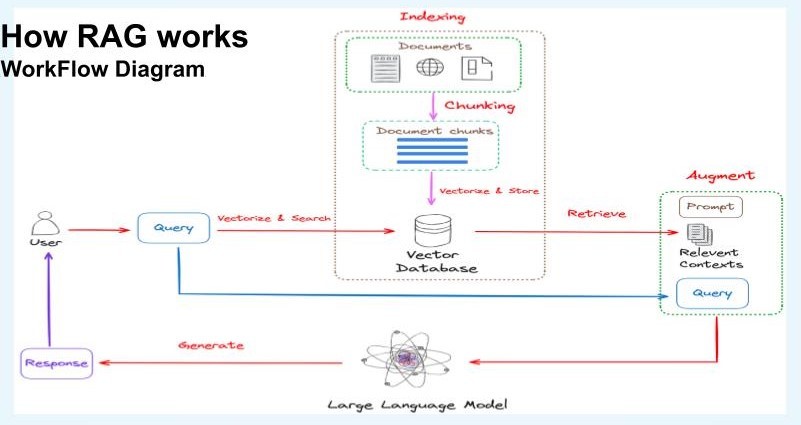
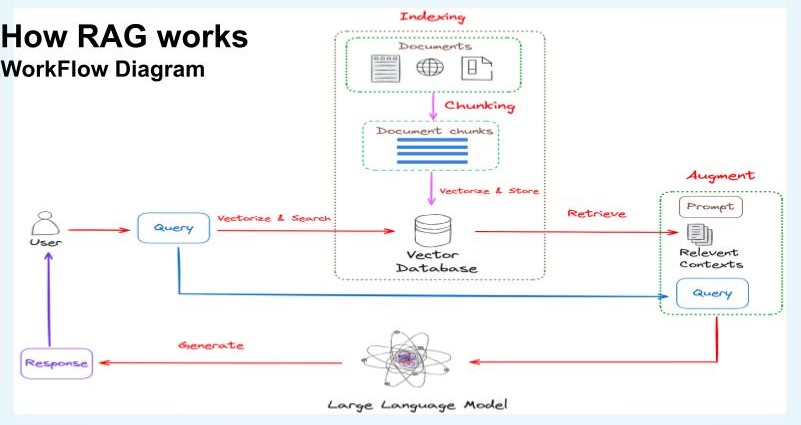
Inspiration: RAG combines retrieval systems with Generative AI models to produce accurate and relevant responses. It is particularly useful for applications that require up-to-date, fact-based, or domain-specific responses. when an AI model generates incorrect or misleading results. This can happen in any type of AI model, including natural language processing (NLP) models and computer vision models. The model's inability to provide updated information because it was trained on a fixed dataset that does not include newer data.
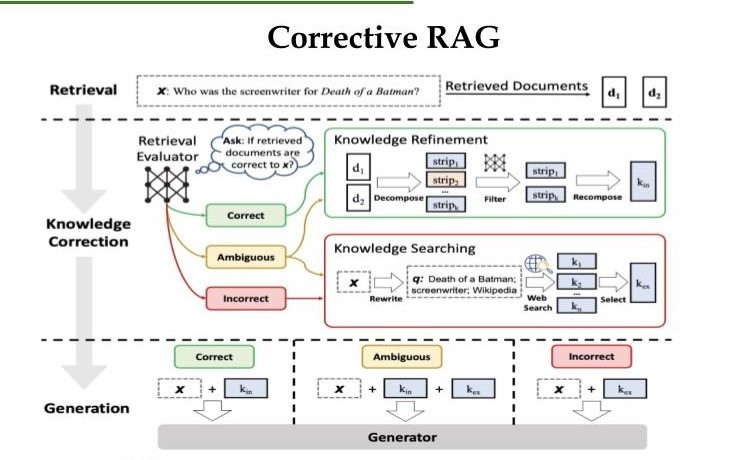
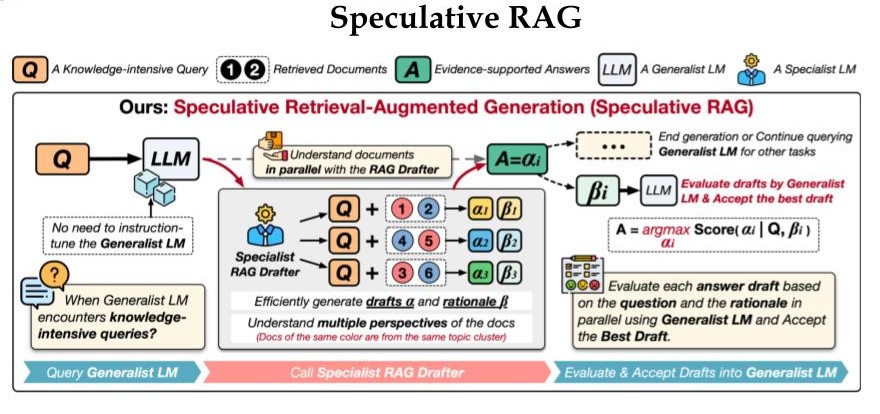
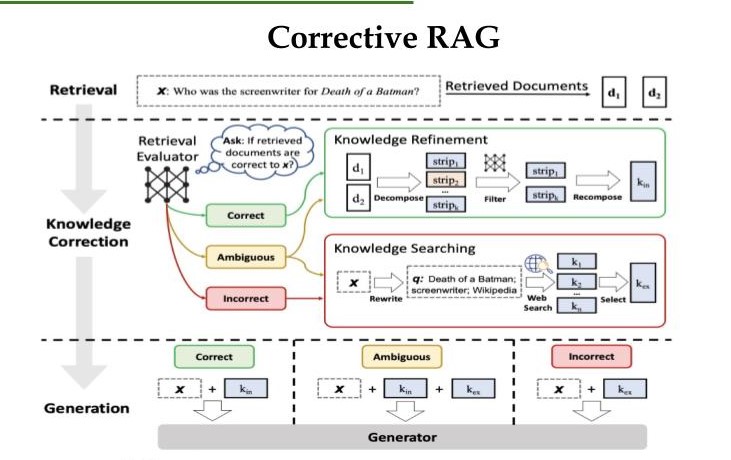
What it does: A mechanism to iteratively refine the output by re-querying the retriever or adjusting the generator’s response based on user feedback or model evaluation. Helps improve the accuracy and relevance of responses over time. Critical for applications requiring high precision, like healthcare or legal advisory systems.
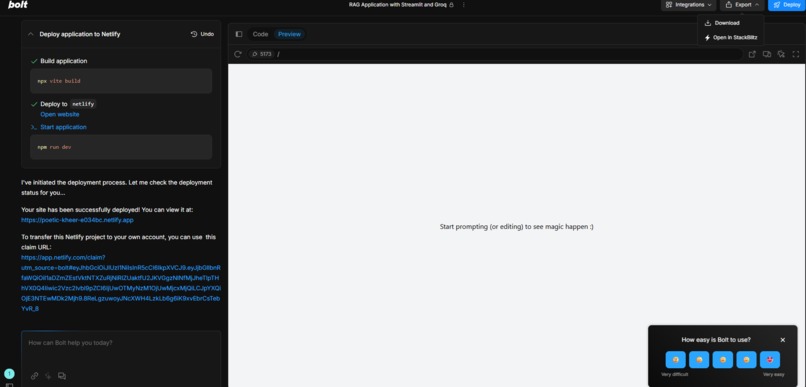
How we built it: Using Streamlit, Hugging face, GROQ API
Challenges we ran into: Large text blocks are difficult to process efficiently. Helps maintain context and relevance in retrieval.
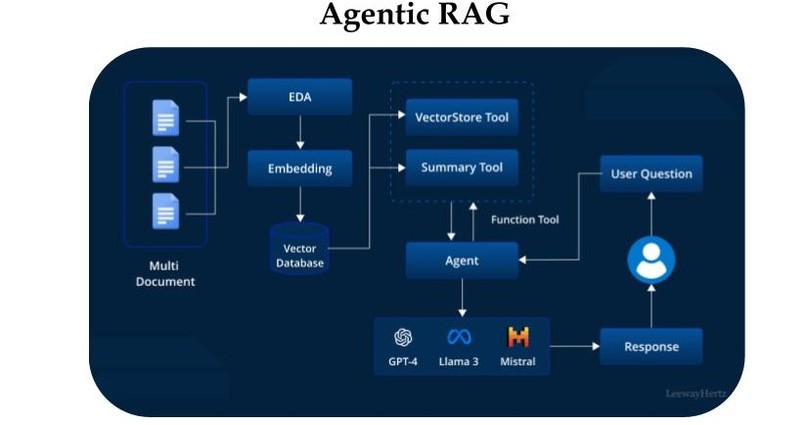
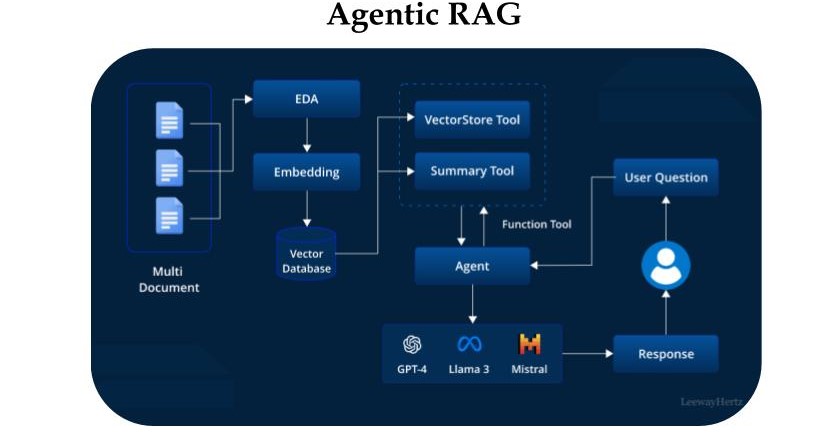
Accomplishments that we're proud of: Adds decision-making capabilities to the RAG model.Retrieve information. Evaluate context and goals. Generate adaptive and strategic responses.
What we learned: Virtual assistants for decision-making tasks.
What's next for Car Repair Bot Using GenAI Techniques: particularly useful for applications that require up-to-date, fact-based, or domain-specific responses, etrieved data and transforms it into human-like, coherent text, Acts as the "voice" of the system, converting raw retrieved data into usable, conversational, or actionable outputs, Helps improve the accuracy and relevance of responses over time, Critical for applications requiring high precision, like healthcare or legal advisory systems.

Log in or sign up for Devpost to join the conversation.