-
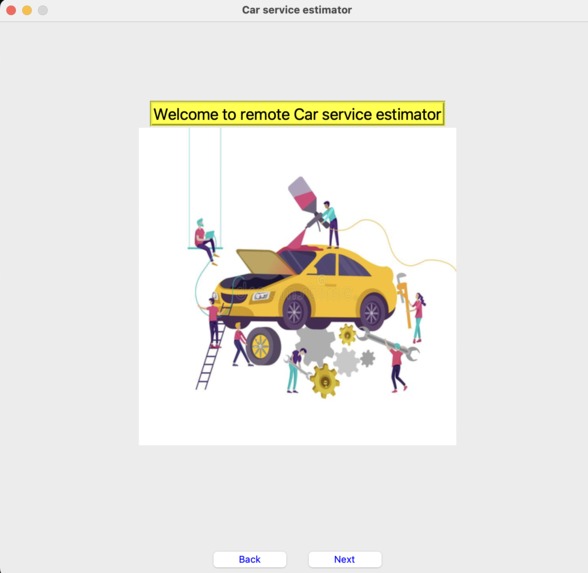
Page 1
-
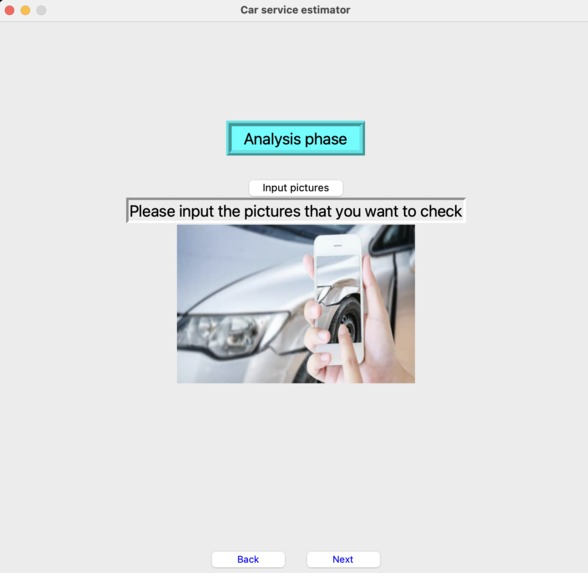
Page 2
-
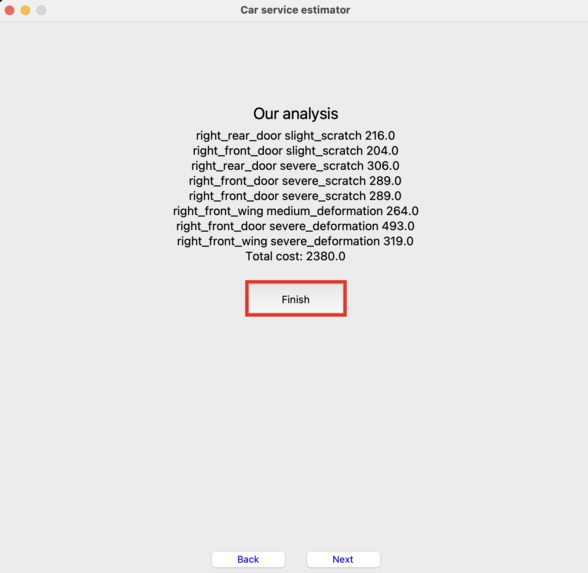
Page 3
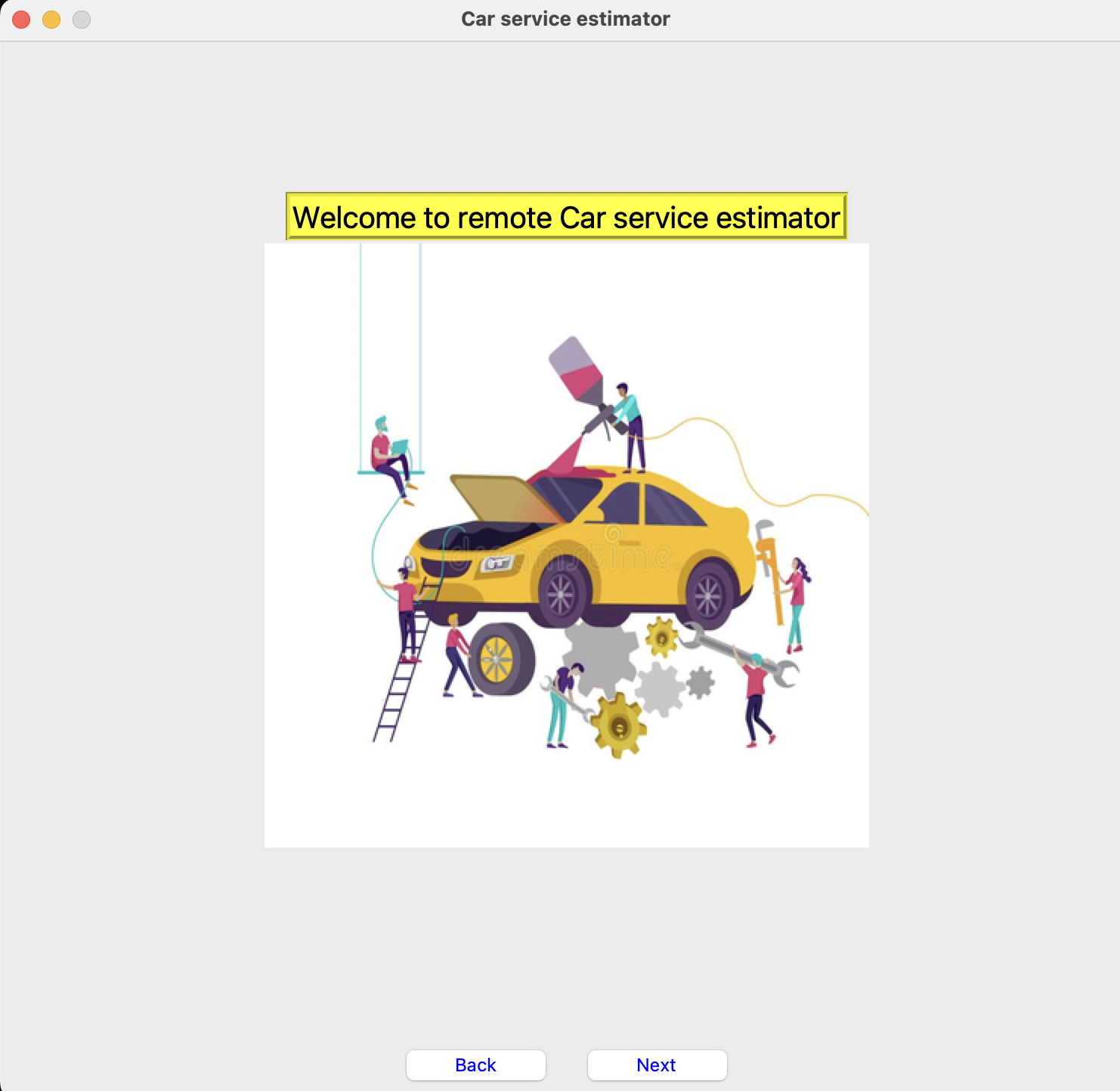
Inspiration
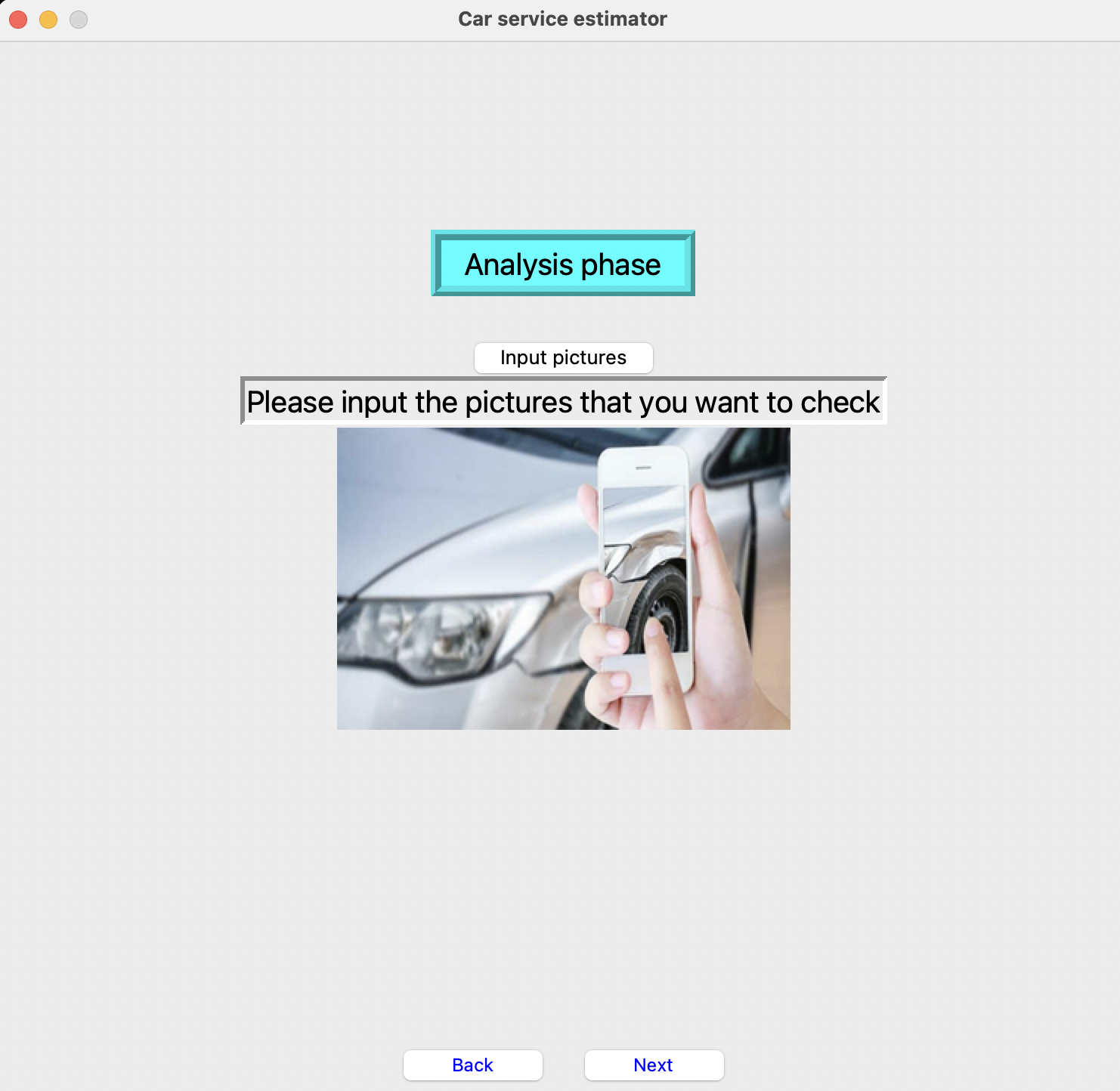
We wanted to make an automated system to detect the damage to a car using a user's input images to calculate the cost of repair. We saw how car damage assessment is a slow and laborious process. With the advancement of ML and image recognition technology we realized that automation could help increase the efficiency in this sector.
What it does
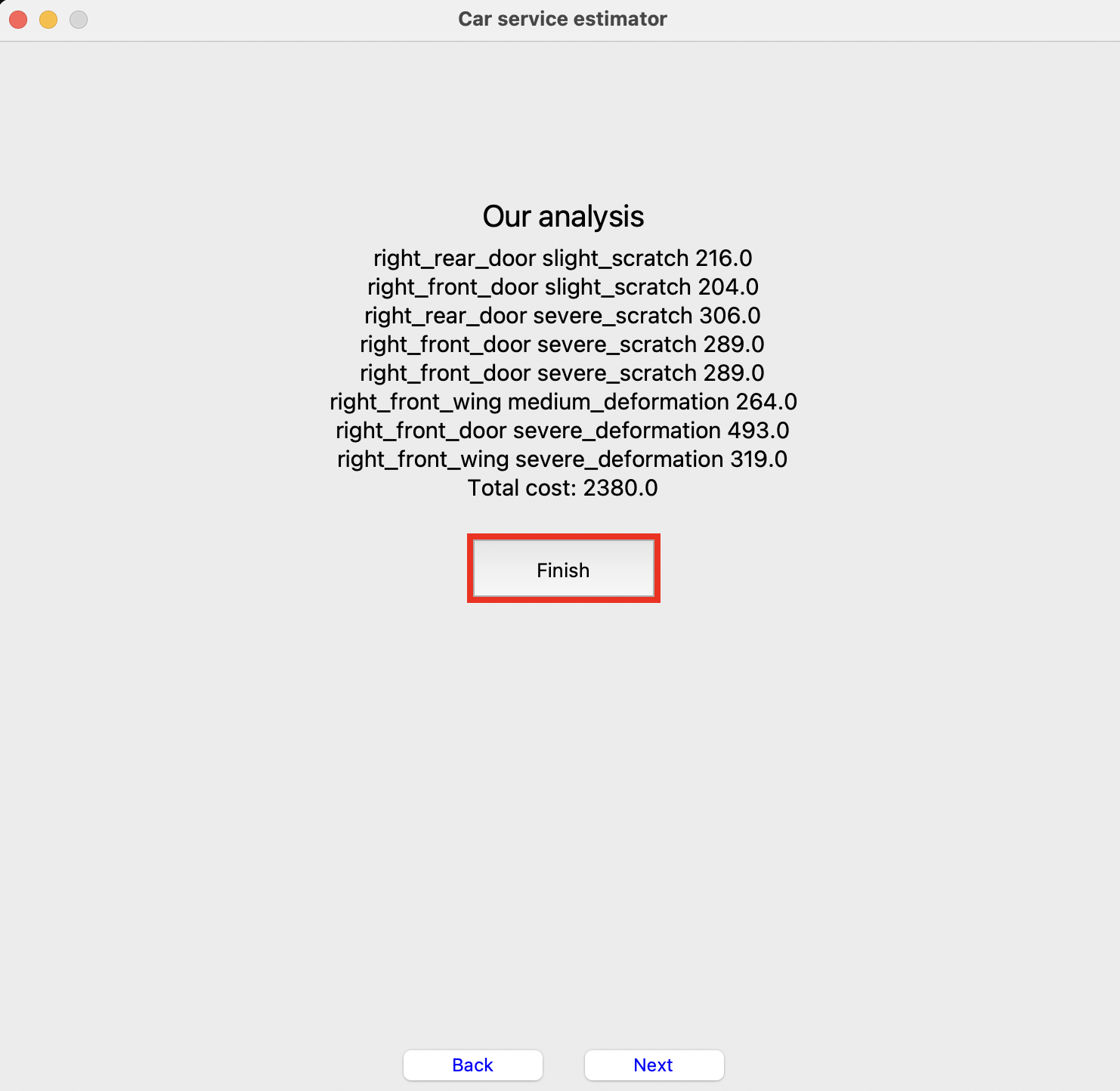
When a car is damaged, we realize that a majority of car owners may not know the expected cost of the repair required leading to an information gap between repair servicemen and product that can lead to unreasonable cost of repairs. Our program aims to help minimize this information gap by informing the user of the price of this repair.
How we built it
We used an online pre-trained AI model for classification of car damage on RapidAPI. The API was then called via Haskell to be used in the app. The GUI was written using Tkinter in Python. For the purposes of demonstration, we estimated the repair costs of each part and kind of damage in a csv file.
Challenges we ran into
Integration of Haskell into the program and connecting it to the python GUI. Using Tkinter properly in general. Handling the JSON file received from the API with inconsistencies in the API's documentation (an Object was labeled as an Array). We had initially attempted to train an AI model using our own dataset via Google Cloud Vision, but the resulting model proved to not be specific enough for our purposes.
Accomplishments that we're proud of
Making the program functional, having shown proof of concept
What we learned
How to interact with cloud servers, particularly how to do so in Haskell, how to better collaborate with github, how to integrate a Haskell backend into a Python gui
What's next for Cardamage
Implementing the project on a larger scale using a locally deployed model and using real world pricing data sourced from company parts providers.

Log in or sign up for Devpost to join the conversation.