Inspiration
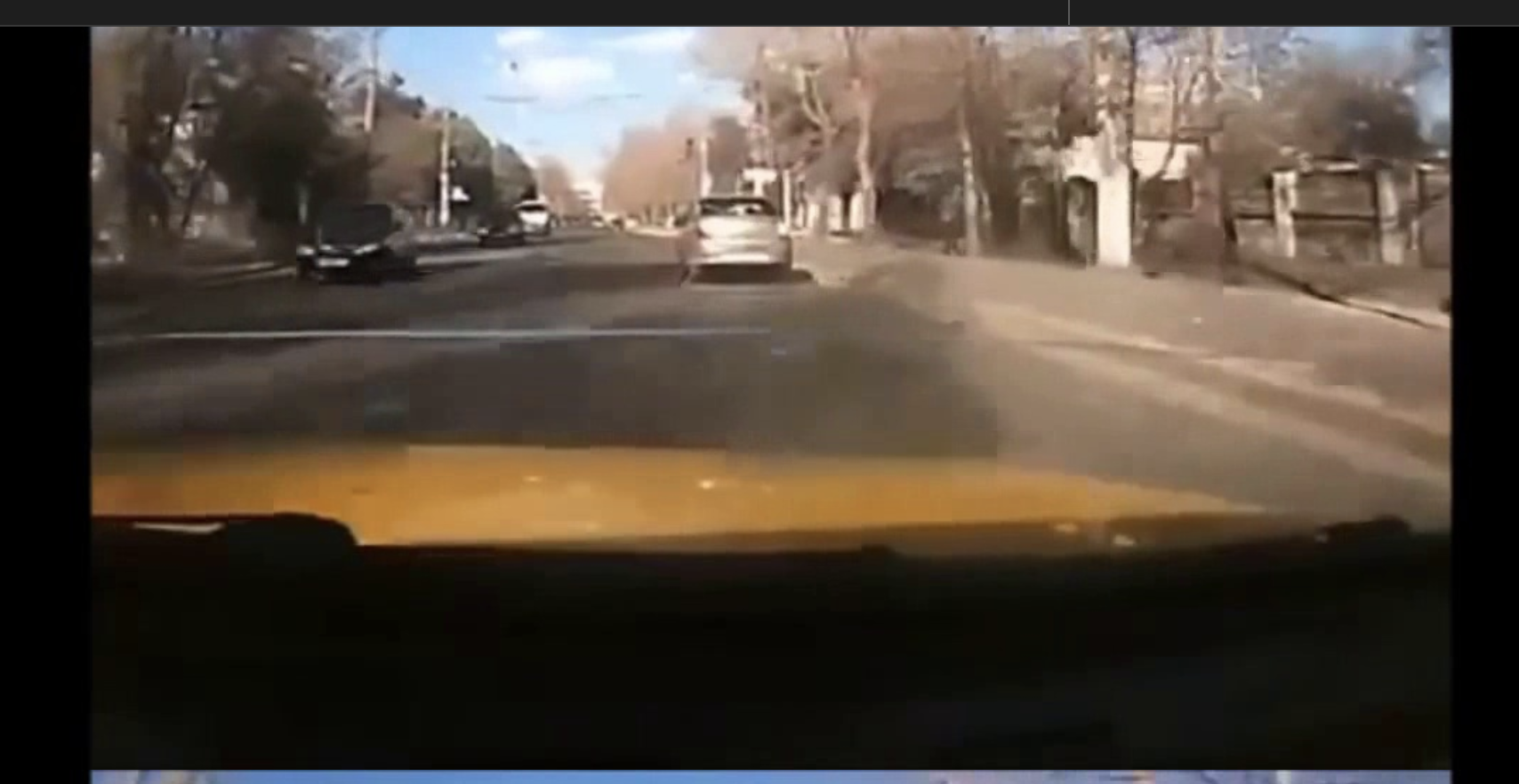
Every year, countless lives are affected by traffic accidents. Our project aims to make our roads safer by developing a self-driving system capable of identifying and responding to accidents in real-time. By leveraging a diverse dataset of traffic accident videos captured by dashcams, we're building a model that can not only detect accidents but also understand the context – from weather conditions to whether ego-vehicles are involved. This technology can be a crucial step towards accident prevention and improved road safety. We believe that advancements in computer vision and machine learning can save lives and reduce the impact of accidents on individuals and communities
What it does
This project is focused on developing an advanced self-driving system that can actively recognize and respond to traffic accidents in real-time. By utilizing a diverse dataset of dashcam-recorded traffic accident videos, the system can not only detect the occurrence of accidents but also comprehend the contextual details. These details include factors like weather conditions, involvement of the ego-vehicle, and accident participants. By harnessing the power of computer vision and machine learning, the project's ultimate goal is to prevent accidents and enhance overall road safety, ultimately saving lives and reducing the societal impact of accidents.
How we built it
We built this project through a comprehensive approach that involved data collection, preprocessing, and machine learning. We collected a substantial dataset of real traffic accident videos from various sources and meticulously organized it. After extracting video frames and features, we annotated the dataset, including attributes like weather conditions, ego-vehicle involvement, and accident participants. Leveraging computer vision and deep learning techniques, we trained a model capable of recognizing accidents in real-time. We optimized the model's performance through multiple iterations, fine-tuning hyperparameters, and extensive testing. The result is an advanced self-driving system with the ability to actively detect and respond to traffic accidents, contributing to improved road safety.
Challenges we ran into
Throughout the project, we faced several challenges. First and foremost, collecting a diverse dataset of real traffic accident videos posed logistical and ethical hurdles. Ensuring the data's quality and reliability was a constant concern. Data preprocessing was also complex due to the variety of video formats and different annotation types. Training a model for accident recognition demanded significant computational resources and time. Optimizing the model's performance and minimizing false positives was another challenge. Lastly, managing the project workflow effectively within the constraints of the hackathon timeframe required careful planning and coordination among team members.
Accomplishments that we're proud of
We're incredibly proud of several accomplishments in this project. First, successfully assembling a comprehensive and unique dataset of real-world car crash videos was a significant achievement, facilitating the development of safety-driven self-driving systems. Second, we designed a robust and accurate accident recognition model that can differentiate between normal driving and accidents in various environmental conditions. Achieving high precision and recall rates for accident detection showcased the model's effectiveness. Lastly, the collaboration and coordination within our team were instrumental in managing such a complex project effectively. Our dedication to improving traffic safety with cutting-edge technology is a source of great pride.


Log in or sign up for Devpost to join the conversation.