-
-
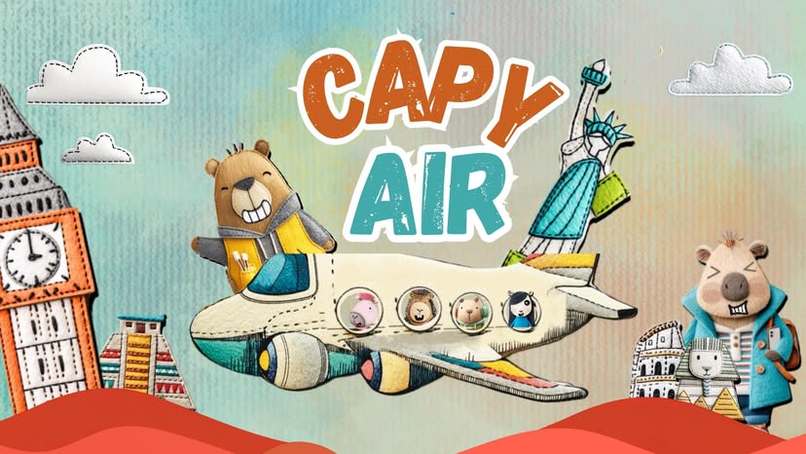
Capy Air
-
Capy Air Screenshot 1
-
Capy Air Screenshot 2
-
Capy Air Screenshot 3
-
Capy Air Screenshot 6
-
Capy Air Screenshot 5
-
Capy Air Screenshot 4
Inspiration
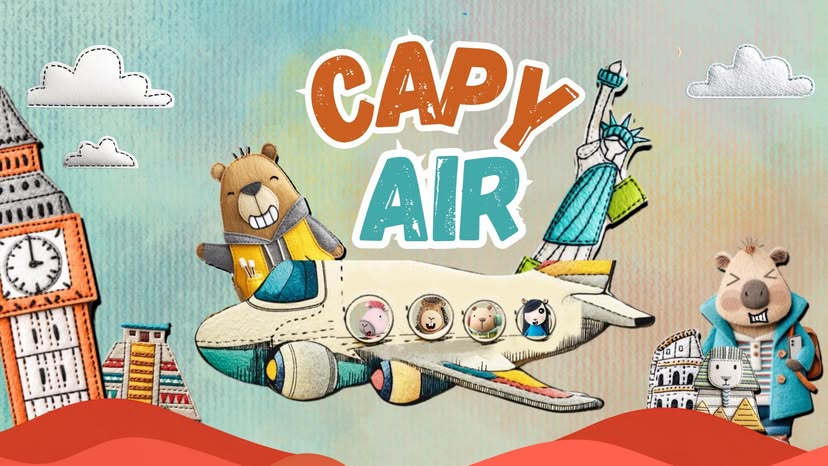
Adorable capybaras and the chaos of air travel were the inspiration for this game. Seriously - why are airports always so blah? We thought, what if airports were actually fun… and everyone was a cute capybara? That’s the heart of this airport simulator. It’s our way of turning a stressful experience into something playful and joyful.
What it does
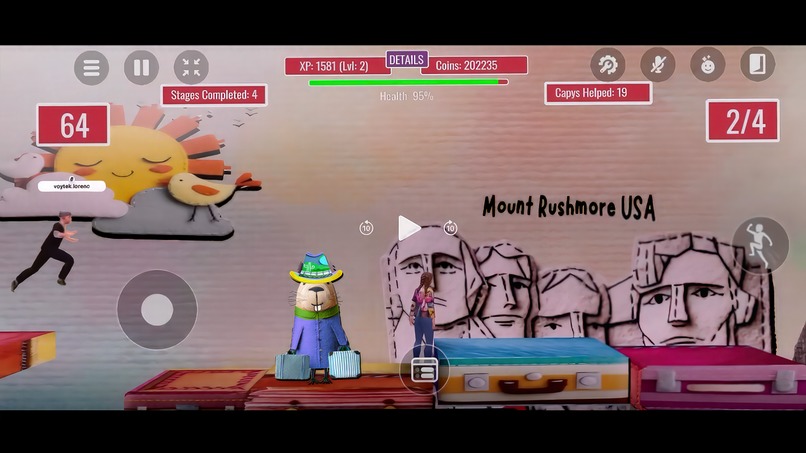
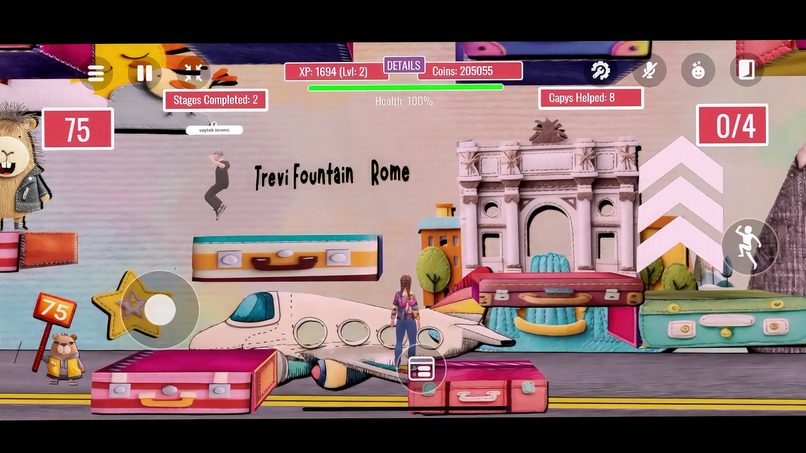
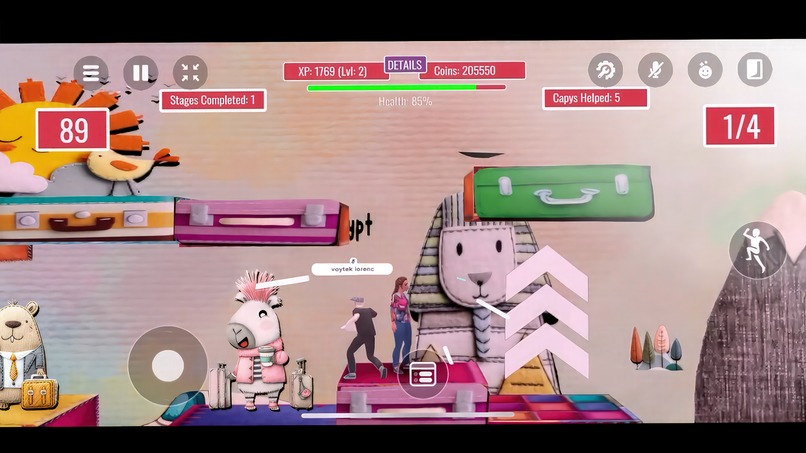
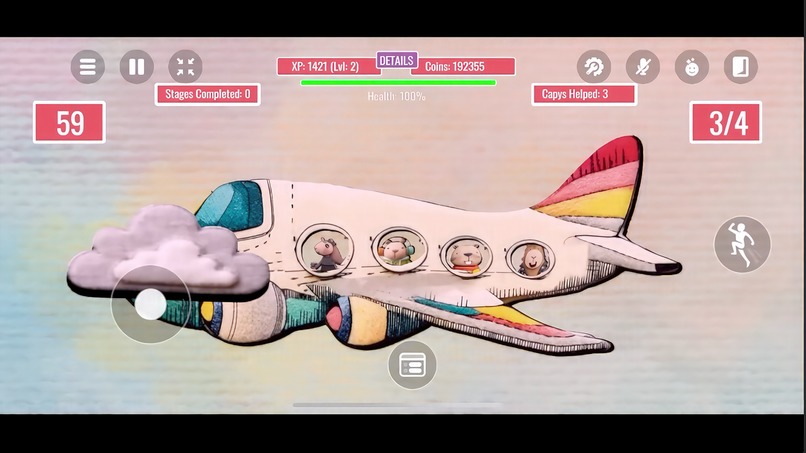
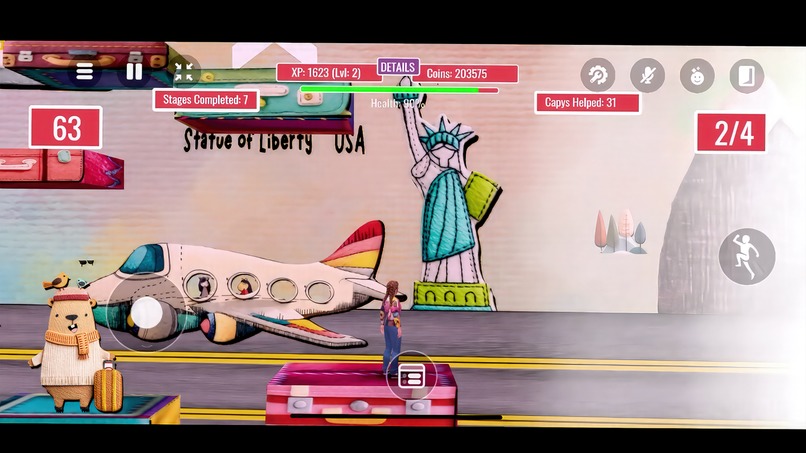
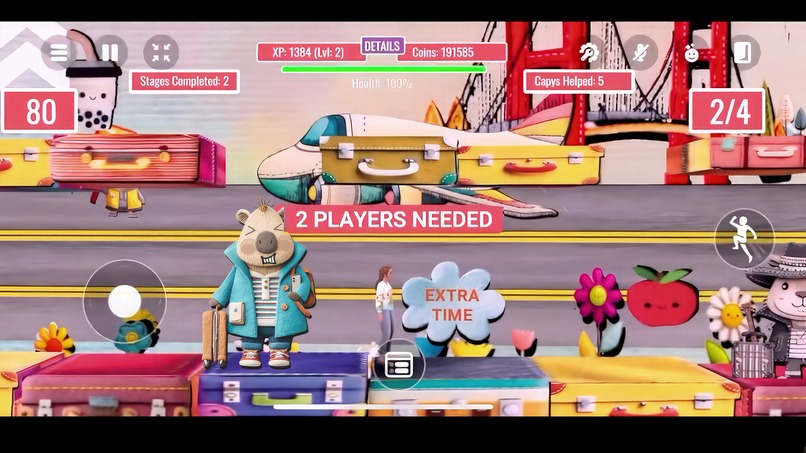
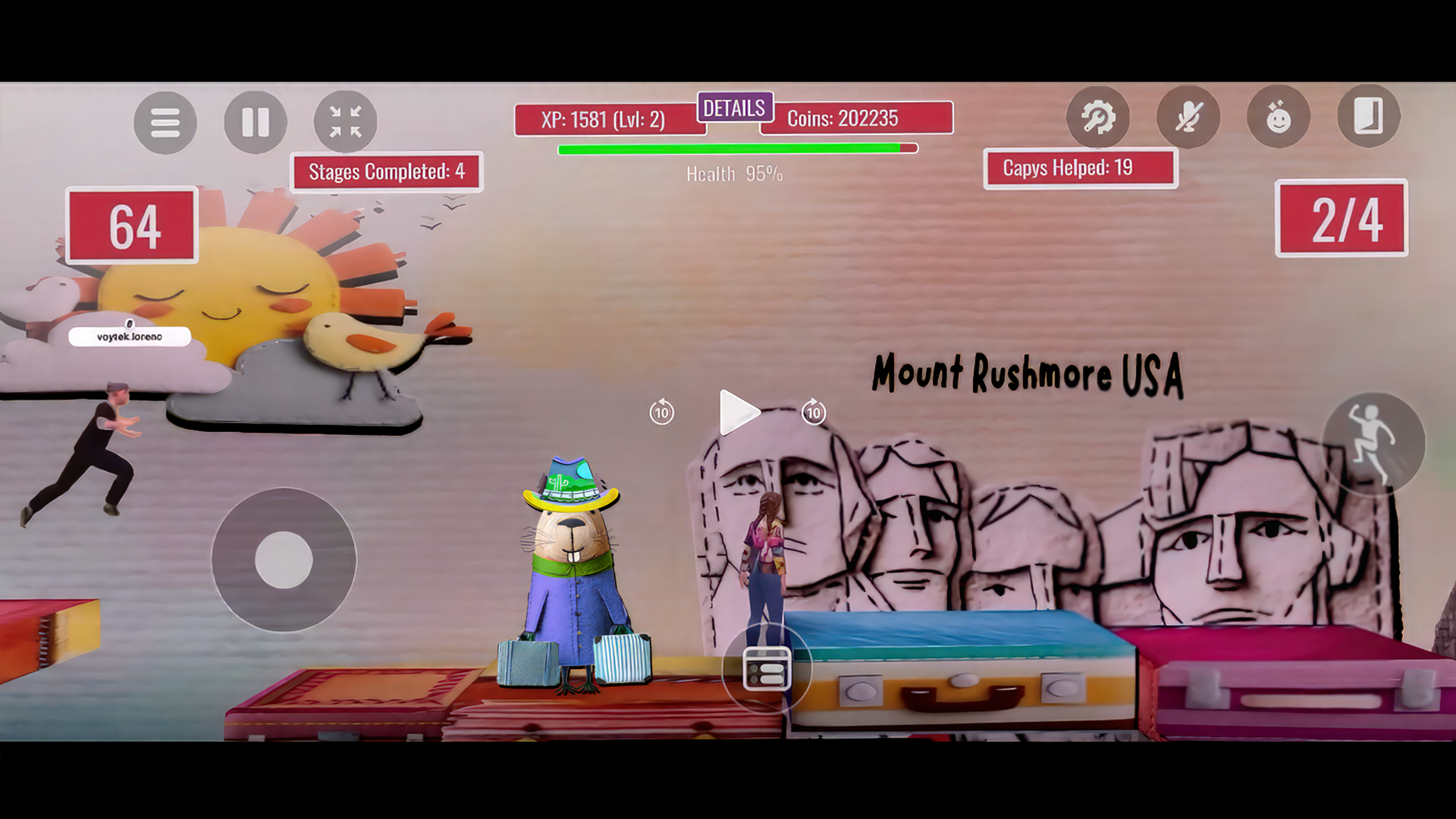
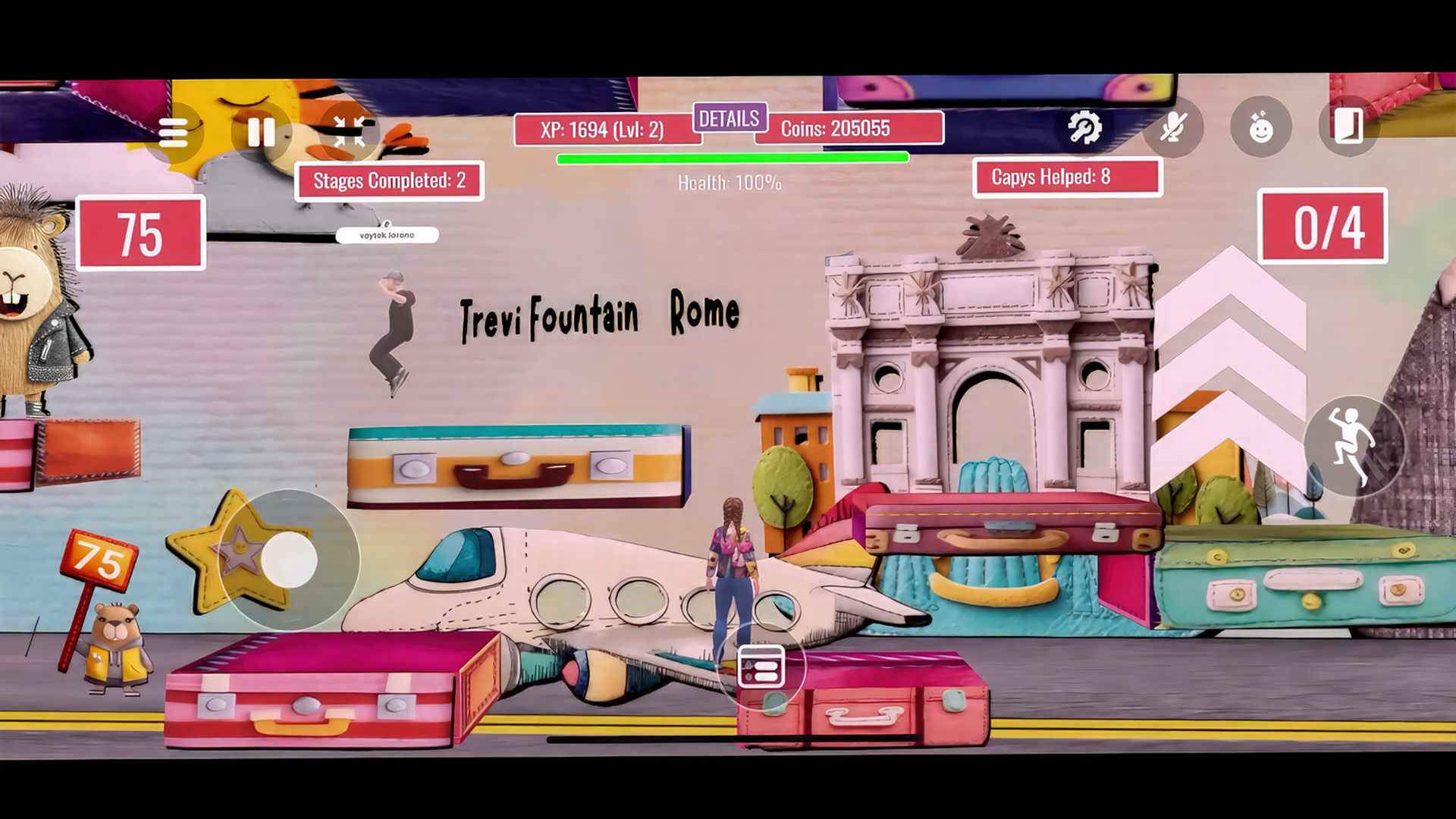
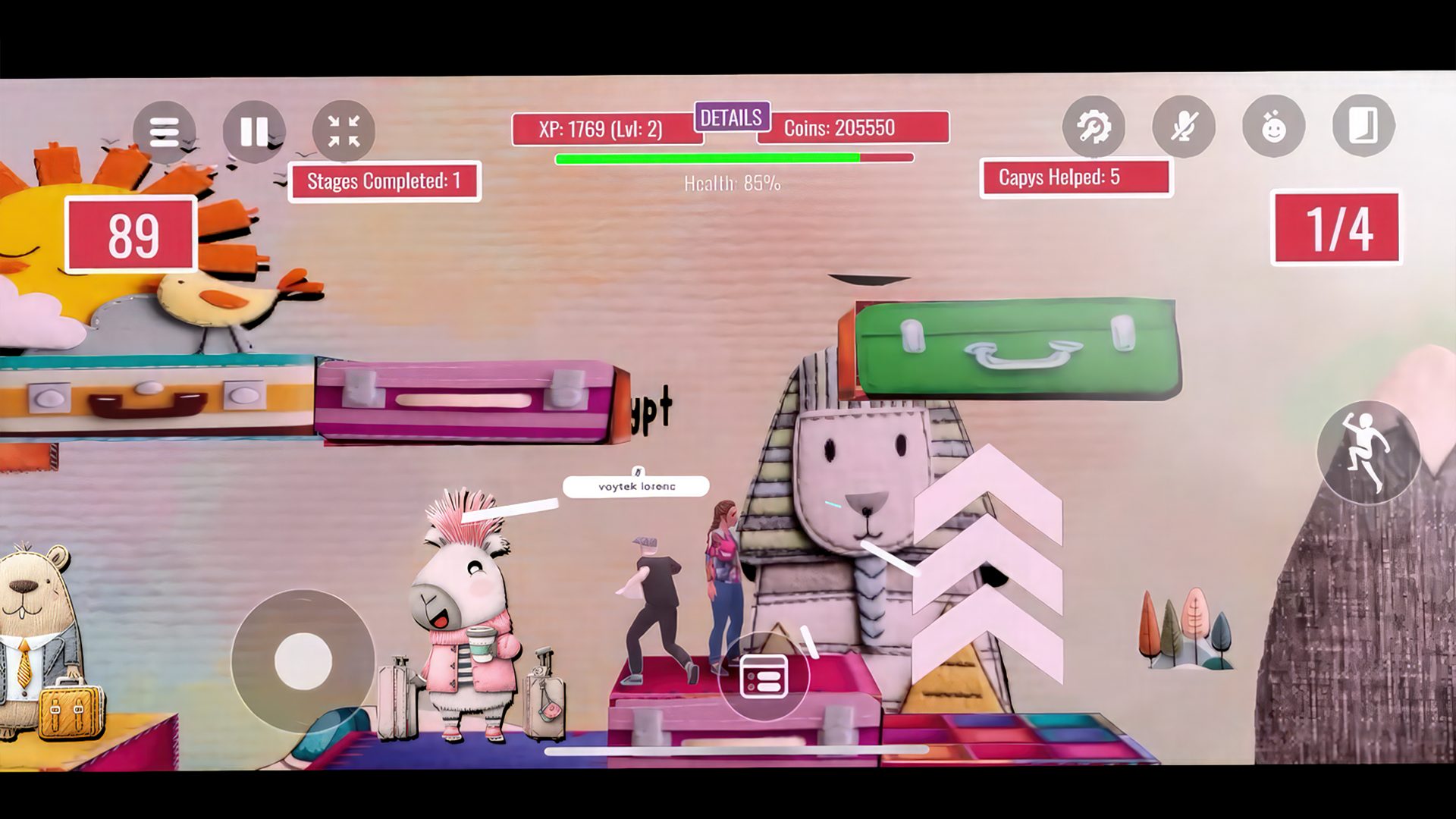
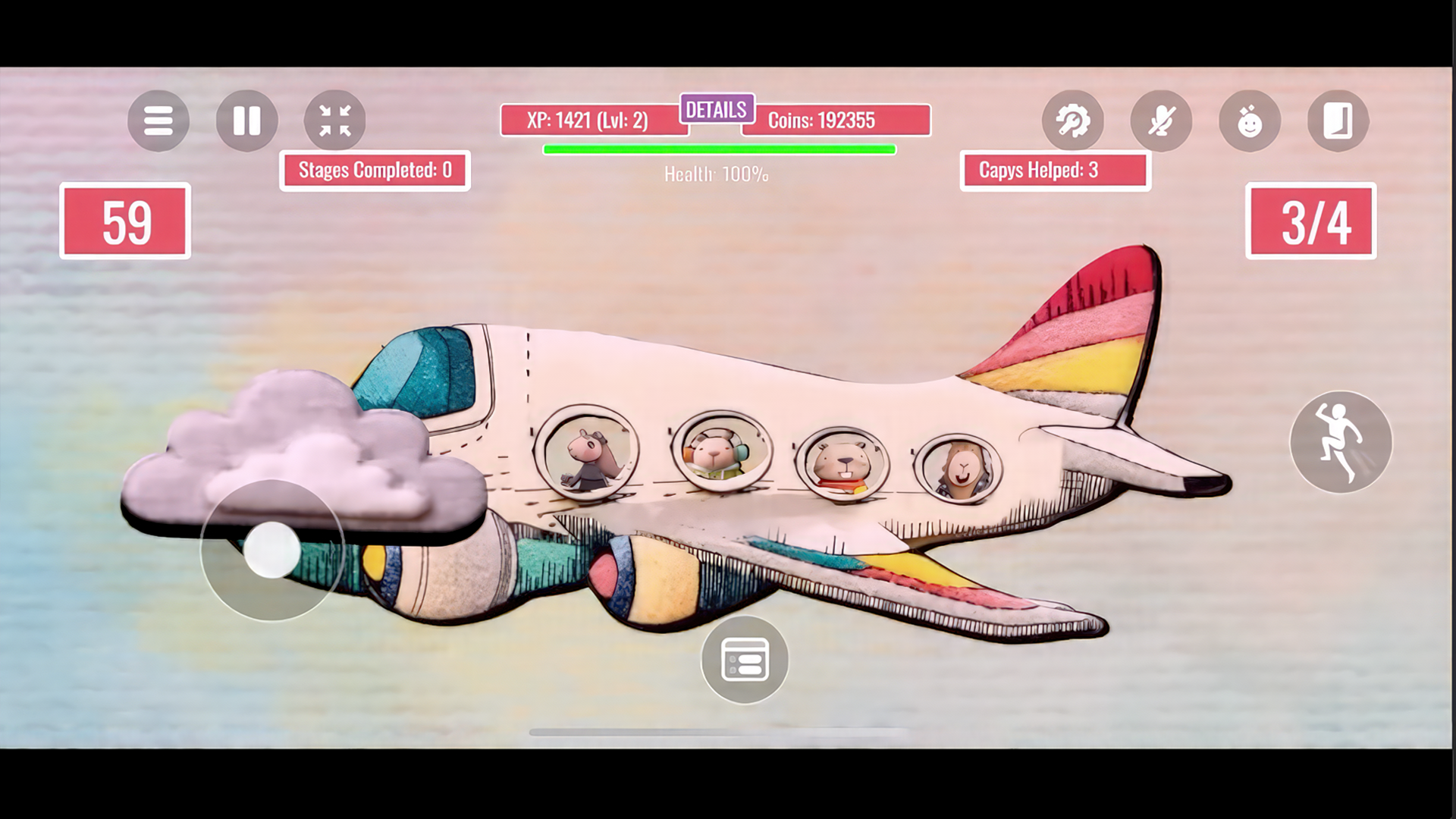
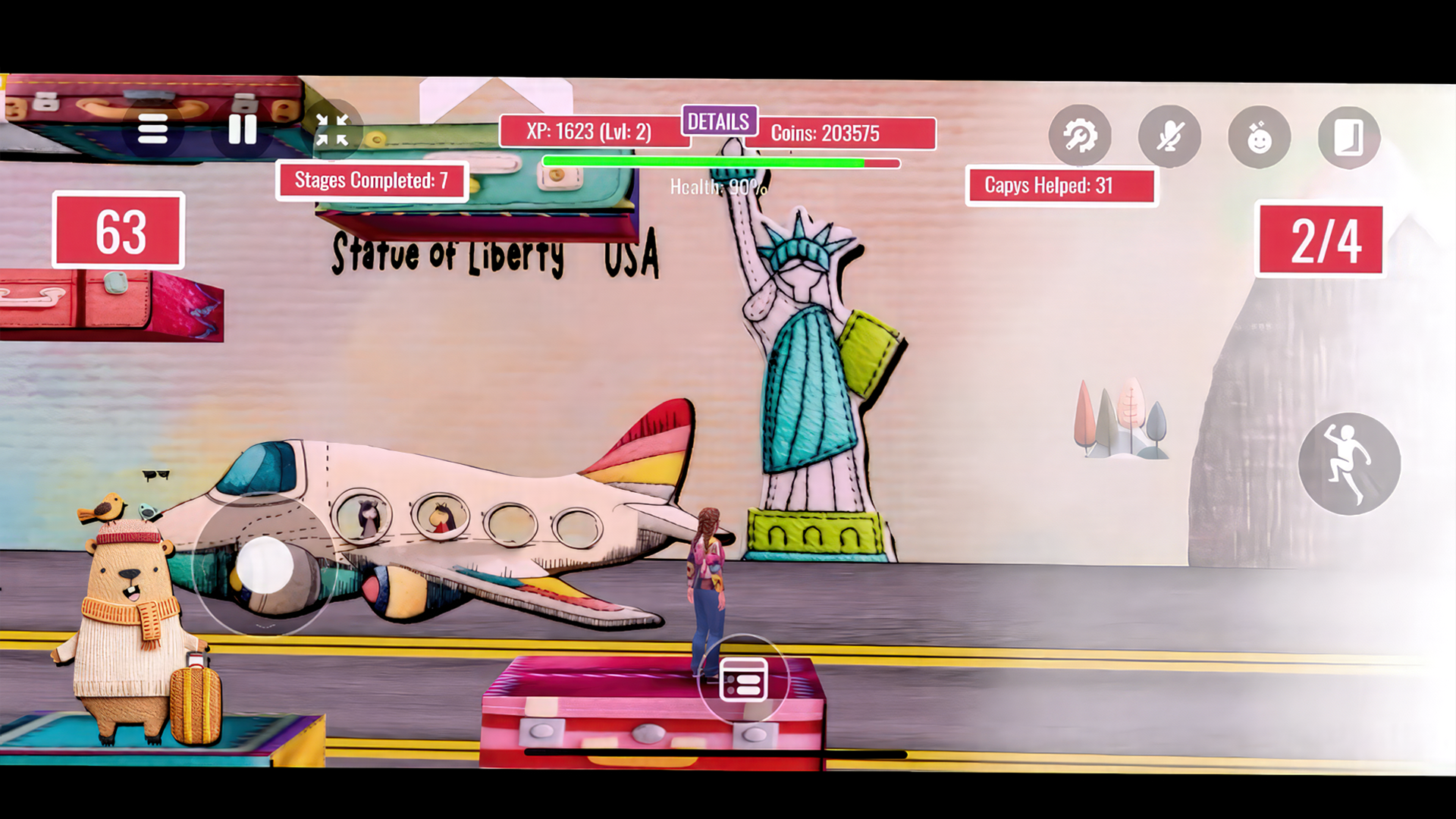
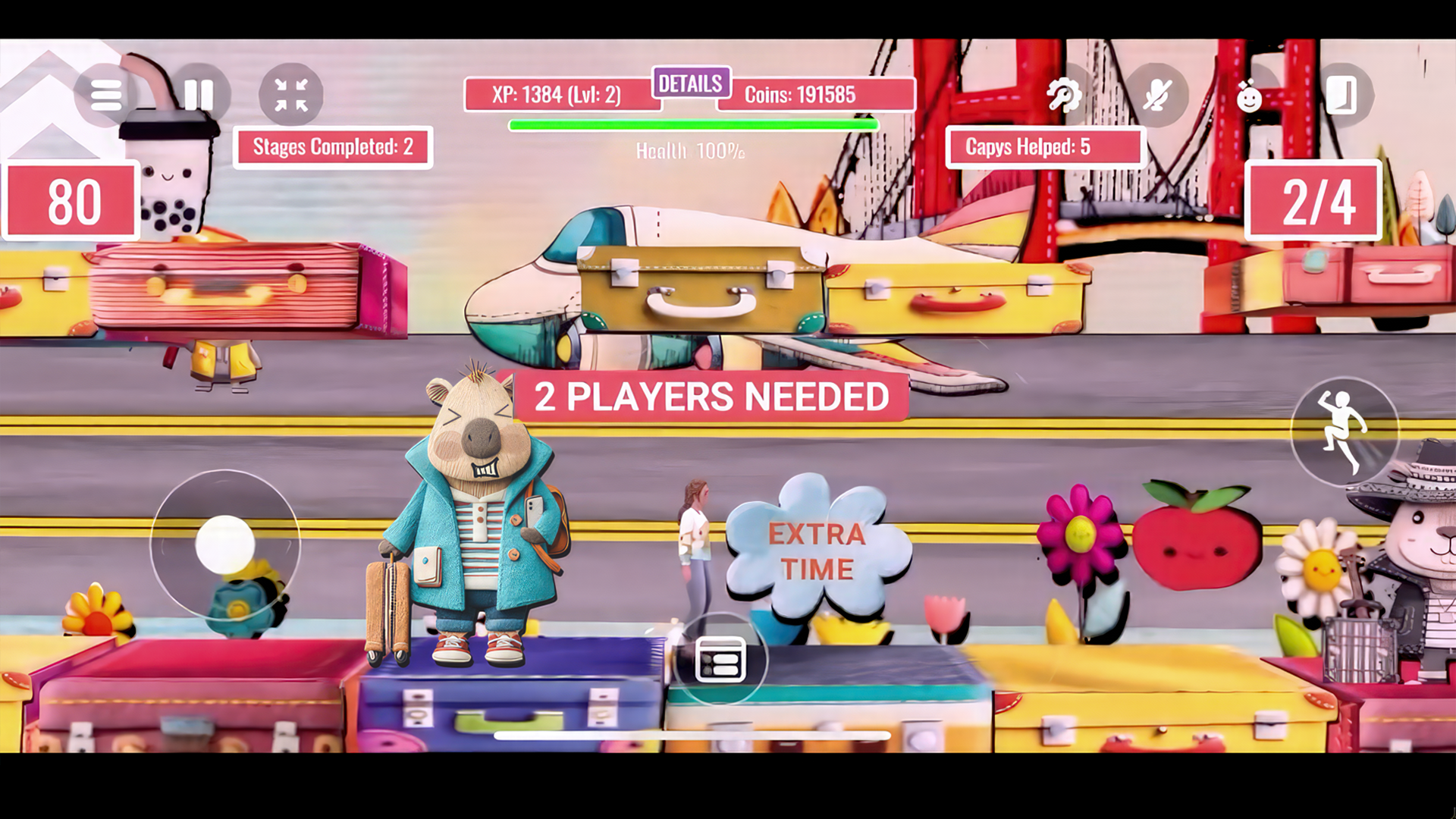
In this game, your job is to help capybaras board their plane. You start with 90 seconds to get four capys on board. The twist? Capybaras are a little… absent-minded. They’re scattered all over the place, and you’ll need to jump from suitcase to suitcase to find them. If you get all four capys on the plane before time runs out, you move on to the next level - new location, new scattered capys, and a little less time on the clock.
SO SOCIAL! The game is fun solo - but it’s SUPER fun with friends. In fact, it’s built to be social. You’ll go further and reach higher levels if you help the capys as a team. There are even bonus perks for playing together! For example, if two or more players jump on the EXTRA TIME cloud, you’ll get 30 extra seconds to complete your mission. So grab your crew and get ready for some capybara-powered airport chaos!
How we built it
The game was built using Blender, Adobe Substance Painter, Procreate, Meta Horizon Desktop Editor, and 100% TypeScript code. Using TypeScript with the Camera API was a key part of this project. We were excited to leverage the Camera API to make the game feel more dynamic by adjusting the camera distance with each level. Plus, TypeScript is driving the mobile UI, giving mobile players a smooth, feature-rich interface that tracks everything—from rank and level to XP, coins, player speed, and more.
Our team consists of: Metacrafters (art, 3d modeling, texturing, game concept, concept for level design) voytek.lorenc (Typescript, sound design, character rigging and animation, game concept, concept for level design) RandomGamesUniverse (game concept, concept for level design, testing)
Challenges we ran into
The main challenge in Capy Air was using the Camera API to create smooth, cinematic transitions between levels. Also, building a 2D game inside a 3D engine/environment was totally new territory for us - but a super fun challenge!
Accomplishments that we're proud of
We’re especially proud of how the transitions turned out. Once the capybaras board the plane, the camera zooms in, follows the takeoff, glides through the clouds, and then lands at a new location—complete with a recognizable landmark like the Golden Gate Bridge. Then it zooms back out and boom, the next level begins. It’s a ride!
What we learned
Learning the TypeScript Camera API was a game-changer (literally). It really opened our eyes to new ways of shifting action and focus between scenes. Plus, it was a key ingredient in giving the whole game that 2D side-scrolling feel. We’re excited to use this approach in more Mobile/VR experiences in Horizon Worlds.
What's next for Capy Air (Friendly Skies)
We’ve got big plans! First, we’ll be fine-tuning difficulty levels to find the perfect fun-to-challenge ratio and boost player retention. After that, we’re diving into themed and seasonal levels. We’re dreaming up an entire capy-verse where players can hang with their favorite capy characters across all kinds of games and environments.
Built With
- adobe
- adobe-substance-painter
- horizon
- horizonworlds
- meta
- meta-horizon-desktop-editor
- metahorizon
- procreate
- quest
- quest3
- questpro
- typescript
- vscode
- worlds


Log in or sign up for Devpost to join the conversation.