-
-
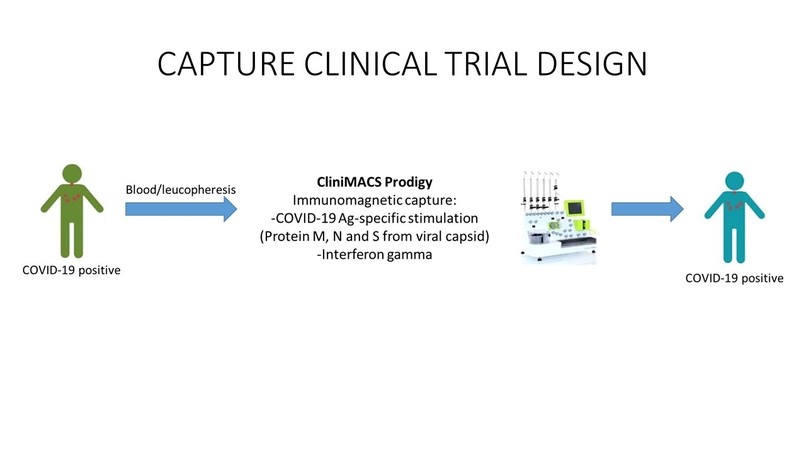
CAPTURE CLINICAL TRIAL DESIGN
-
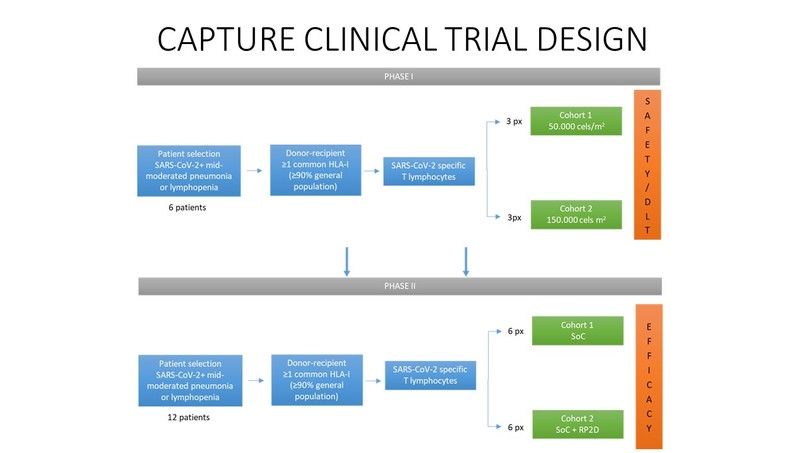
CAPTURE PHASEI/II CLINICAL TRIAL DESIGN
-
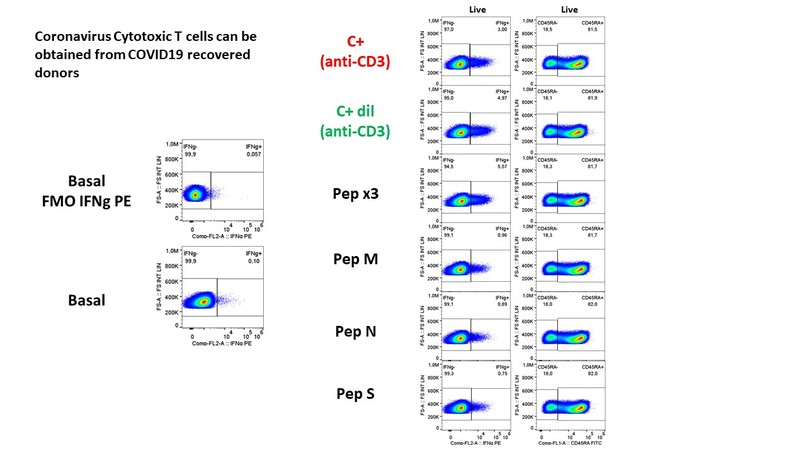
Preliminary results
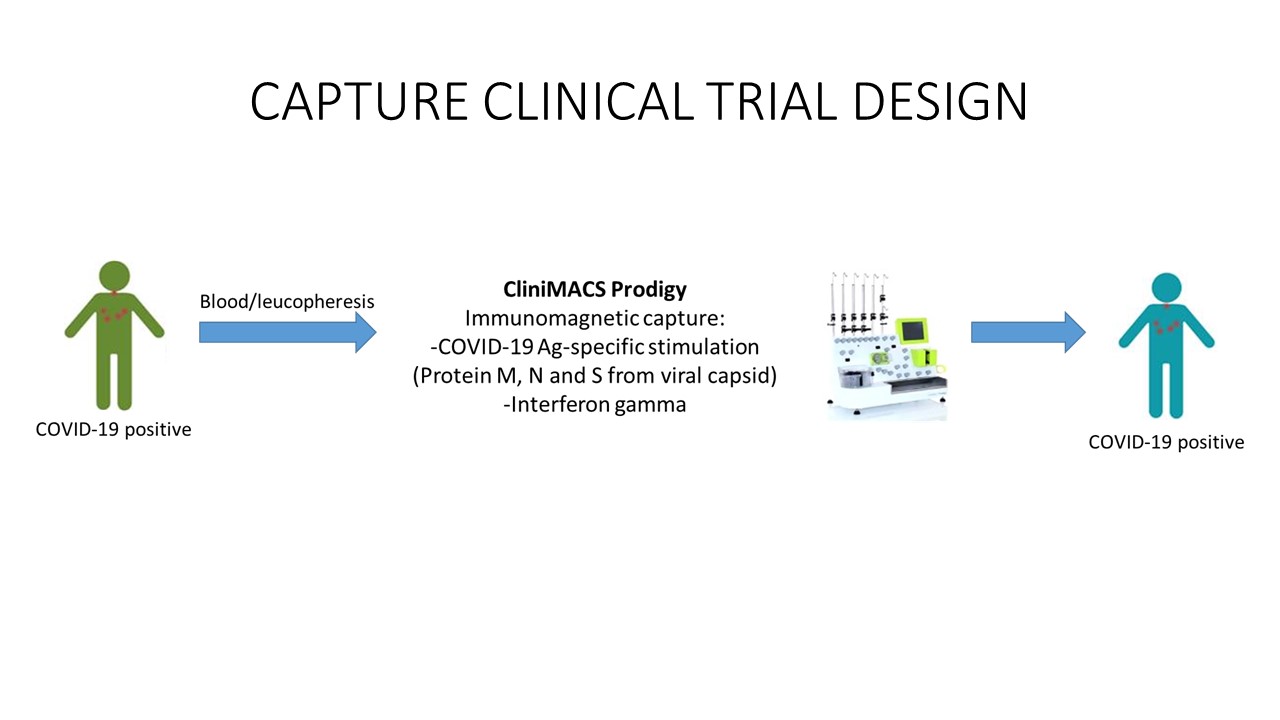
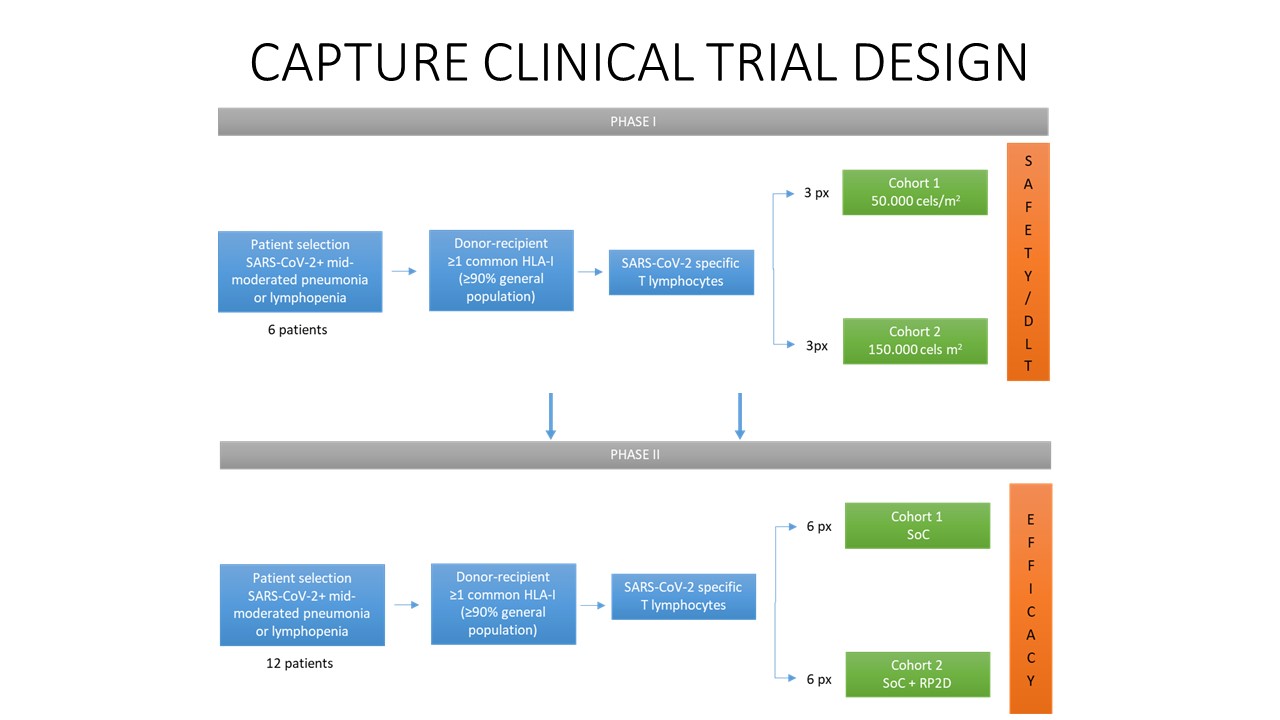
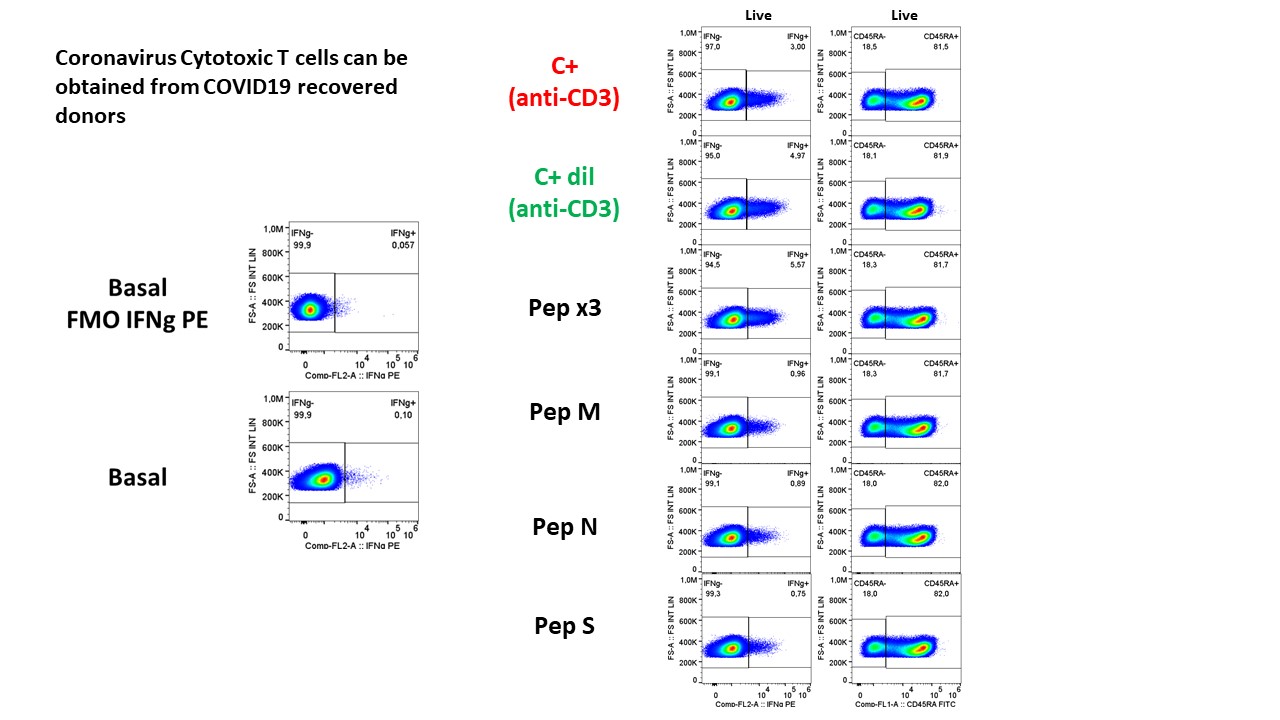
As a consequence of the great impact produced by COVID-19 in the global health, social and economic spheres, there is an urgent need to carry out clinical trials to evaluate current and novel treatments against the coronavirus. The virus is continuing its spread across the world, with about 2.8 million confirmed cases of coronavirus now in 185 countries and at least 197,500 people have died. In addition to general measures of care, therapeutic interventions that are being investigated include lopinavir / ritonavir, darunavir / cobicistat, remdesivir, ribavirin, ASC09, favipiravir, umifenovir, oseltamivir, baloxavir, rhACE2 antibodies, REGN-3048/REGN-3051, GD31 nucleoside analogues, chloroquine and carrymicin, as well as other less specific treatments such as corticosteroids, interferon alfa, etc. Vaccines are also being pursued actively, but they will not be protective in the next few months when SARS-CoV-2 is rapidly spreading worldwide. Instead of active immunization that takes time, passive immunity can be acquired immediately via transfusion of plasma or immunoglobulins from donors who have recovered from COVID-19. Another form of passive immunotherapy is adoptive transfer of SARS-CoV-2 specific T cells from convalescent donors into newly infected patients. Coronavirus cytotoxic T lymphocytes can be obtained through large-scale immunomagnetic capture systems after stimulation with specific coronavirus antigens (M, N, and S proteins of the viral capsid) and Interferon-gamma release, as we currently do in the context of immunocompromised patients or in hematopoietic transplantation in patients with reactivations or disease due to cytomegalovirus (CMV) or Epstein Barr virus (EBV). Our hypothesis is that these lymphocytes contain a high proportion of SARS-CoV-2 specific T cells and are safe and effective in treating patients with severe SARS-CoV-2 infections. Most hospitalized COVID-10 patients develop severe lymphopenia, so adoptive transfer of SARS-CoV-2-specific T cells can lead to critical control of the virus until patients develop their own immunity and reject donor cells. This is a project in collaboration with Sing-Health Singapore (KKH women´s and children´s Hospital), Professor Wing Leung and with the support of the Spanish Society of Hematology and Hemotherapy (SEHH). The main objective of the project is to develop an emergency treatment protocol using adoptive T-cell therapy to treat severe cases of COVID-19. This is a randomized phase I / II clinical trial to determine the safety, tolerability, alloreactivity and efficacy of SARS-CoV-2-specific T cells. The objective is to ensure that the HLA spectrum will cover at least 90% of the general population, when the donor must share at least one HLA antigen with the recipient. As the cells are consumed and the epidemic worsens, more donors will be recruited to ensure they stay above 90% compatibility. A minimum of 8 patients will be recruited. Eligible recipients will receive a single infusion of specific T cells. In phase I, 1 to 6 patients will be recruited, in which two dose levels will be studied: 50,000 cells/m2 and 150,000 cells/m2 (if no major grade 3 toxicities are detected in the first cohort). In phase II, 12 patients will initially be recruited, being able to expand according to the demand marked by the epidemic, who will be administered with the appropriate dose according to the results of phase I. If this study is effective, the mortality rate will decrease, the patient will recover sooner, and the long-term adverse effects of organ infection will decrease. This would mean a considerable improvement in the global health, social and economic crisis caused by COVID-19 pandemic.
SLACK CHANNEL: team_capture_gicitt_hulp ; https://euvsvirus.slack.com/archives/G0138FV2GKA


Log in or sign up for Devpost to join the conversation.