-
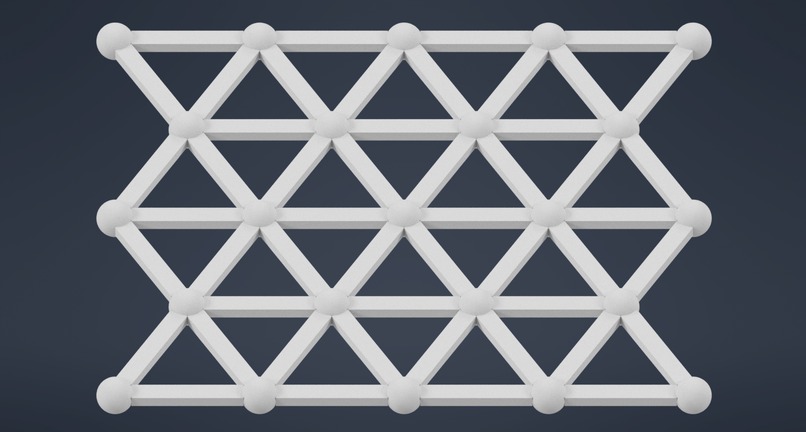
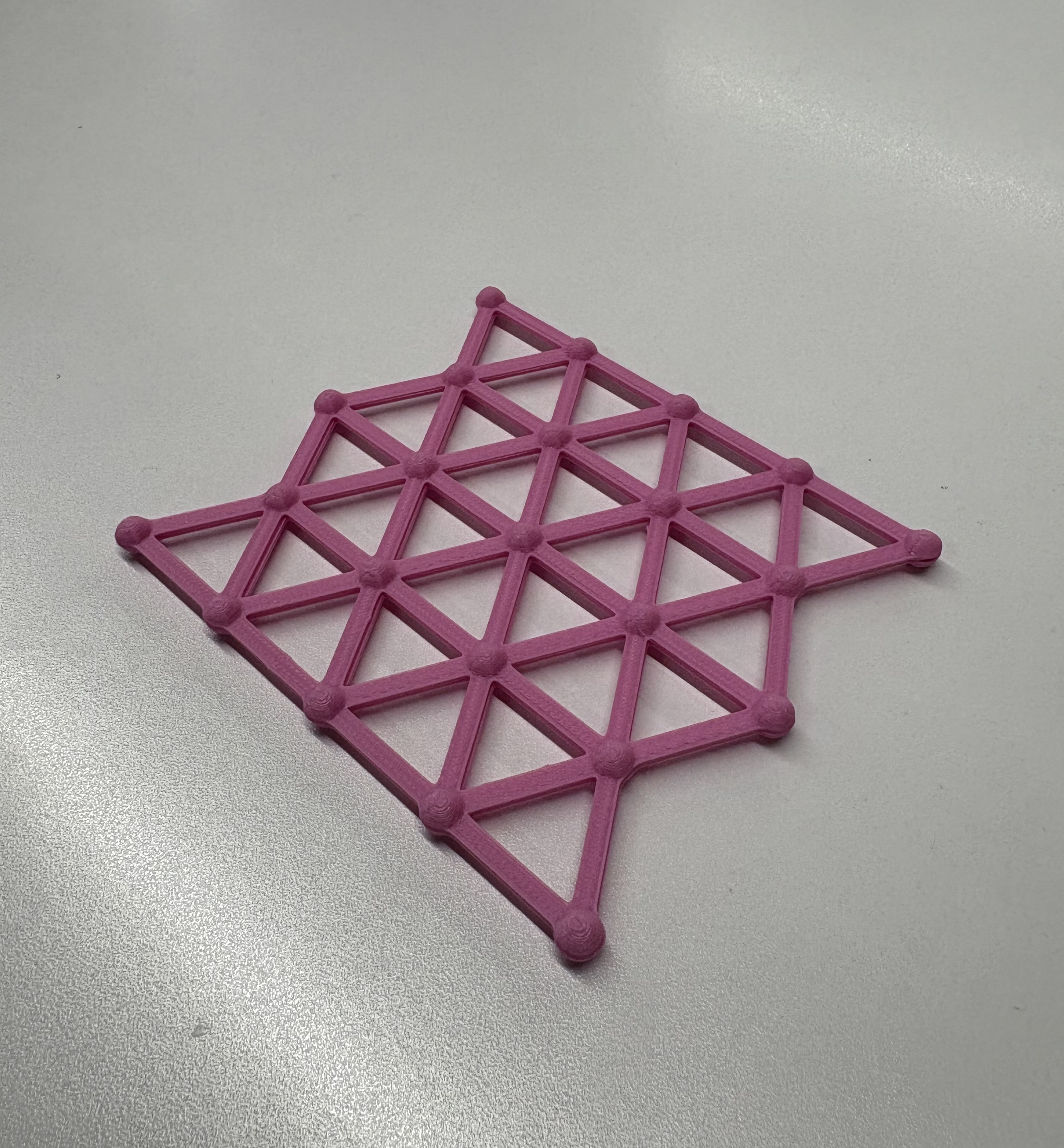
3D Render of the lattice structure taking shape inside the sphere.
-
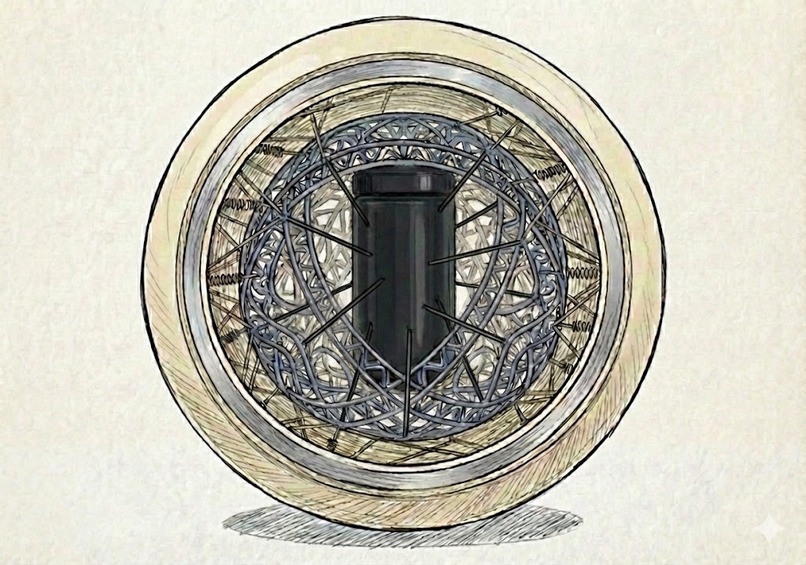
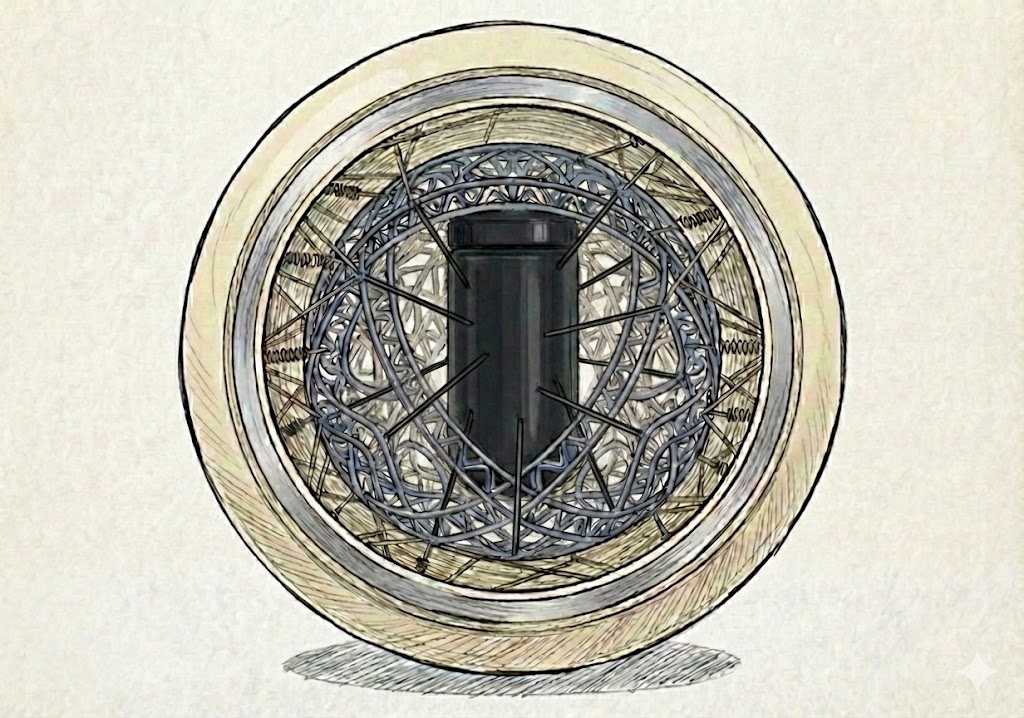
Final diagram of the Capsule X sphere.
-
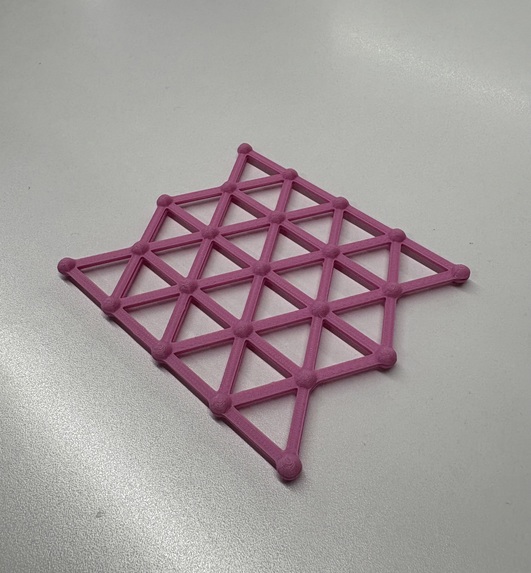
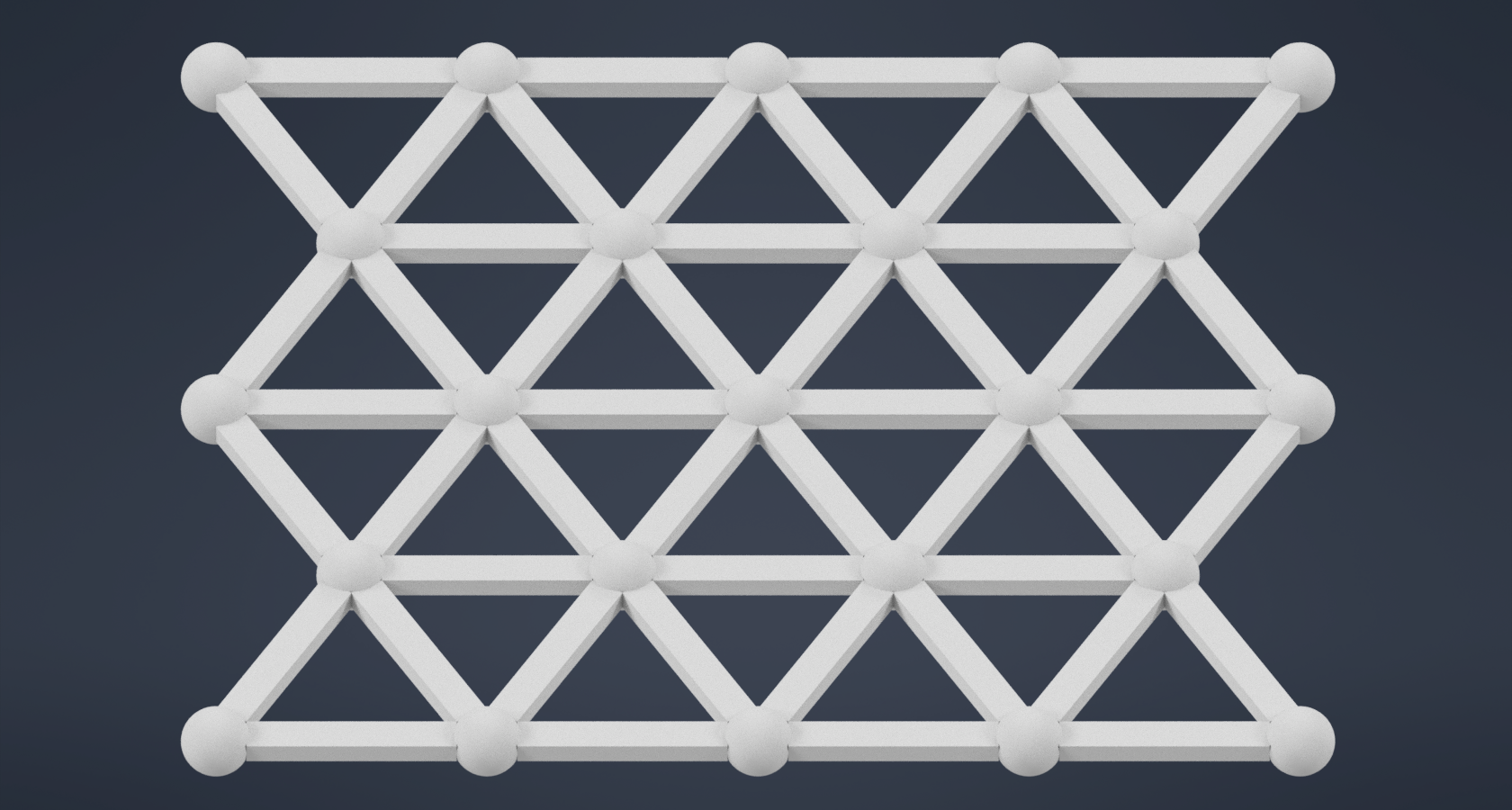
Inspired by the classic middle-school egg drop experiment, this project reimagines a simple impact-mitigation problem through a modern engineering lens. We took the foundational idea of protecting a fragile object during a fall and expanded it using present-day engineering knowledge, advanced materials, and structural design principles. What began as a familiar concept evolved into a complex challenge involving extreme velocities, strict constraints, and real-world feasibility. This connection between early intuition and advanced engineering thinking guided our approach throughout the project.
Capsule X is a fully passive, spherical impact-resistant capsule designed to protect a central sample during high-velocity landing conditions. It uses a graded, energy-absorbing lattice structure that deforms in a controlled manner to dissipate impact energy, combined with an internal mechanical suspension system that reduces peak acceleration on the sample. The spherical geometry ensures uniform stress distribution regardless of impact orientation, improving reliability and survivability. Together, these features allow Capsule X to preserve sample integrity and prevent contamination without relying on parachutes or active systems.
Our design process began with hand-drawn sketches to explore basic geometries and impact-absorption strategies before transitioning into digital modeling. Early concepts were intentionally simple, allowing us to quickly identify weaknesses and refine our approach. Through multiple CAD iterations, we progressively improved lattice geometry, structural layout, and internal isolation mechanisms while ensuring manufacturability through 3D printing. Each iteration incorporated lessons learned from previous designs, ultimately converging on a solution that balanced structural performance, material behavior, and constraint compliance.
One of the main challenges was selecting an optimal overall geometry that could reliably survive unpredictable impact orientations. Early designs using oval and tetrahedral lattice structures failed to adequately distribute stresses or meet impact-survivability requirements. These shortcomings forced us to reconsider fundamental assumptions and shift toward a spherical geometry, which provided superior stress distribution and consistency. Iterating through unsuccessful designs was critical in guiding us toward a more robust final solution.
We are proud of successfully iterating through multiple failed concepts to arrive at a final design that meets all project constraints while remaining realistic and manufacturable. The final Capsule X design integrates structural engineering, materials selection, and passive impact mitigation into a cohesive system. Overcoming early design failures strengthened both the technical quality of the solution and our confidence in the engineering process. The result is a design we believe is both innovative and well-justified.
This project reinforced that in engineering, the first idea is rarely the final solution. Effective design requires continuous testing, iteration, and willingness to discard ideas that do not perform as expected. We learned the importance of grounding creativity in physical principles, using failures as feedback, and refining designs through structured reasoning. Most importantly, we gained experience in applying theoretical knowledge to a realistic, constraint-driven engineering problem.
Built With
- inventor
- procreate

Log in or sign up for Devpost to join the conversation.