-
-
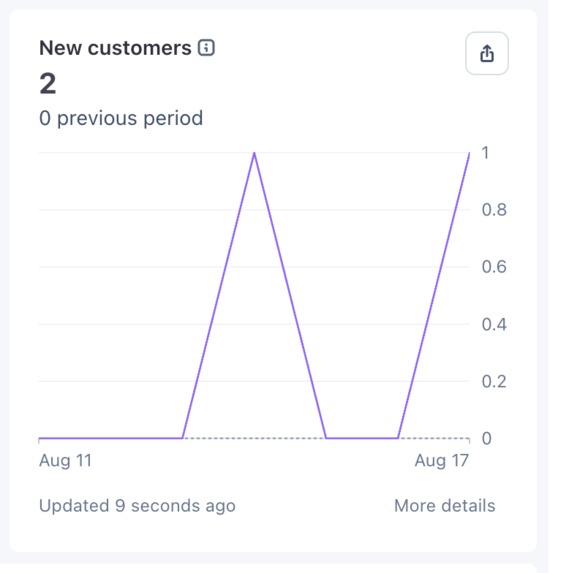
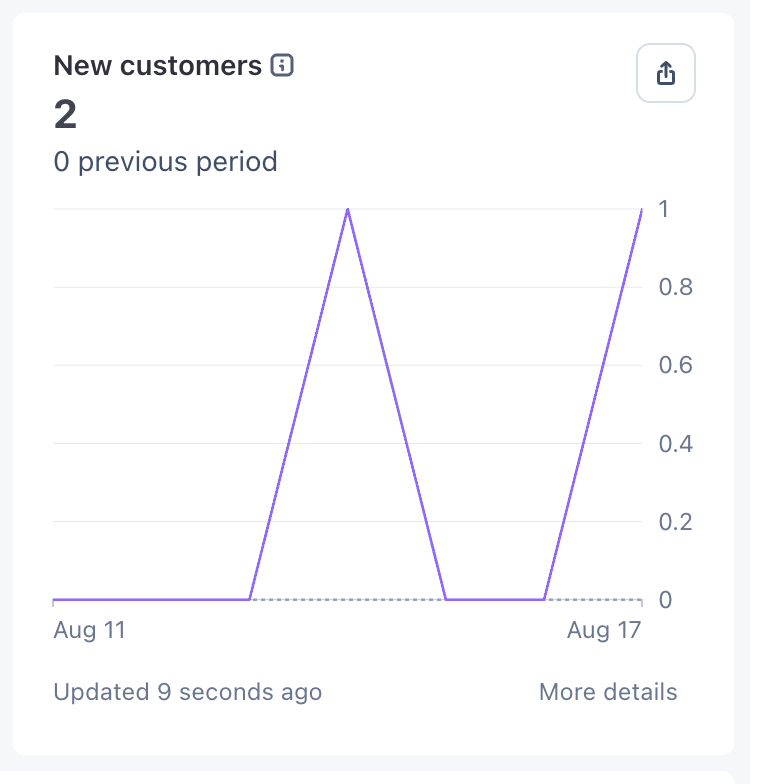
Amount of users.
Inspiration
My dad a metal interior design contractor, my mom an architect specialized in construction management, my best friend has a small construction company. I've been surrounded by labour my entire life. I believed being behind, not arriving to the promise deadline, was the way it happen to be. But is not true, they just dont know how to project manage. So after 3 years working in tech I saw it. Building a house is the same as building products, you need project managers!
What it does
Connect to your whatsapp, that is the same universe these teams exist today, and micromanages you.
How we built it
Claude code, ton of research and the best part! Lot's of figma designs.
Challenges we ran into
Meta... men! Those guys are difficult! I finally finding myself working around them.
Accomplishments that we're proud of
Full on DB and LLM + RAG system in place. The solution works!
What we learned
Im missing a training layer on construction and... adoption is not as expected. They dont use it as i thought they would be.
What's next for Capo
Research, talk to people, leave the desk. I need to see more action.
AI Resume
Capo — How We Build, and Who It Puts to Work
I am not an engineer. I have never read a line of the 52,000 lines of code that run Capo, and I do not plan to start. I am a solo builder with one mentor, Aki Baravalle. Capo is a live production system that messages Portuguese construction crews on WhatsApp at seven every morning. Both of those sentences are true at once, and that is the story.
What Capo does
A construction site manager runs a handful of people across several jobs. The planning lives in his head, in a notebook, and in fifty WhatsApp messages a day. Capo is a manager he can talk to. He types or sends a voice note — "the painting finished early, move Tuesday's tiling up" — and Capo rewrites the schedule, respecting the dependencies between jobs and the Portuguese working-day calendar. At 07:00 each worker receives their own day on WhatsApp: what they are doing, the site address, who they are working with, and what the job is waiting on. In the afternoon Capo asks whether they finished, and invites a photo.
The crew installs nothing — no app, no account, no password. Each worker chooses
their language by replying PT, ES or EN to a message, and Capo speaks to
them in it from then on — a dial the worker controls, not the manager.
What the AI does
Claude Code writes all of it. Every migration, every database policy, every screen. Five weeks of work is 169 commits, 55 reviewed pull requests, 37 database migrations. On a normal day I describe an outcome in plain Portuguese or English — "workers keep telling me a job is done and the board disagrees" — and the AI investigates the system, proposes a design, argues with me about the trade-offs, implements it in an isolated copy of the code, runs the checks, and explains back, in words I understand, what a manager or worker will now experience that they could not before.
It also keeps the institutional memory. The repository holds a written constitution the AI must follow — including a rule that it may never use a technical term without teaching it — and a record of every structural decision and why. That file is why the AI six weeks from now will not casually undo something load-bearing. It is this company's senior engineer's memory, written for someone who cannot read code.
What the human does
I decide what gets built and what it means. I know construction crews, WhatsApp, and the way a foreman actually behaves at 6:50am; the model does not and cannot. I say no a great deal.
More importantly, I set the rules that make the work checkable by someone who cannot inspect it. Two shape everything. The first: safety must be structural, never a matter of asking the AI nicely. A worker's message must not be able to reach the manager's assistant — so those live in physically separate database tables, and the type checker refuses to compile code that mixes them. Not a prompt, a wall. The second: if I cannot read the code, correctness has to be machine-checkable. So the system carries nine independent verification scripts, run on every change, proving things like "the send window cannot roll past midnight and message everybody twice" and "no tenant can read another company's data." The AI wrote its own graders because I demanded to trust the work without reading it.
And I do the things no agent can: the phone number registration with Meta, the live payments account, the conversation with the foreman on site.
Jobs and opportunity
Today Capo is live with unpaid pilot crews — real managers and real workers on real building sites. For those workers, the immediate gain is not employment but something they have often never had: their day's instructions in their own language, an address instead of "you know the one", and a way to say "I finished this" that gets written down with a photo. Portuguese construction runs substantially on migrant labour, where a worker's record of what they built is verbal and evaporates. Capo produces a durable one — wage evidence, and a portfolio.
The potential is in the economics. Project software for construction is priced for firms with an office. Capo is €45 a month, which is what a firm of one manager and six workers can actually pay, and it hands that manager back the evening he currently spends on messages and lists. A manager with his evenings back bids on more work; more work is hires. That is the mechanism by which a tool this small creates jobs — not directly, but by removing the administrative ceiling on very small firms.
The business itself will need people no model replaces: support in the languages the crews speak, sales that happens on a building site rather than in an inbox, and human review of every completion claim. And to be honest about the limit: Capo speaks three languages; the workforce speaks more than three.
Category impact
Four things are being tested here. Whether a firm of one or six people gets tools previously reserved for firms with an office. Whether the least digitally served worker on the site — no app, no login, maybe not literate in the manager's language — can be included by meeting them on WhatsApp instead of demanding they come to us. Whether a written record of work can become an asset belonging to the person who did it. And whether someone who cannot read code can responsibly own a production system, which is the question underneath all the others, because the answer decides who is allowed to start a company at all.
My answer so far is: yes, but only with the guardrails built first. I did not get here by trusting the AI. I got here by insisting it prove itself in ways I could check.


Log in or sign up for Devpost to join the conversation.