-
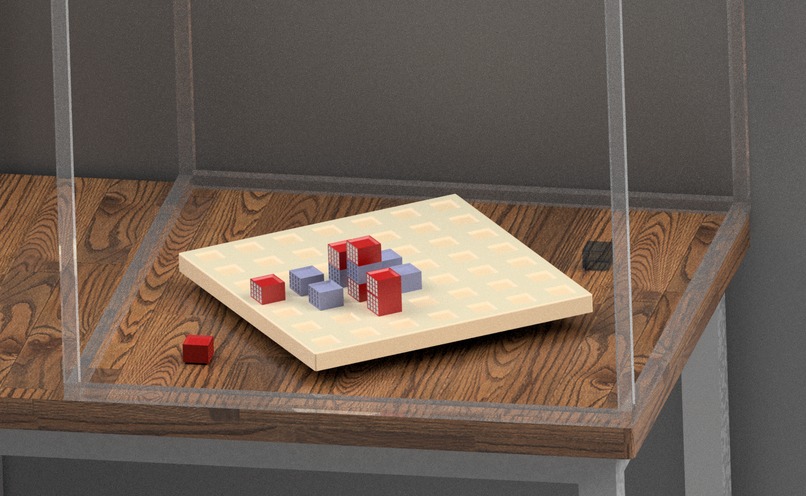
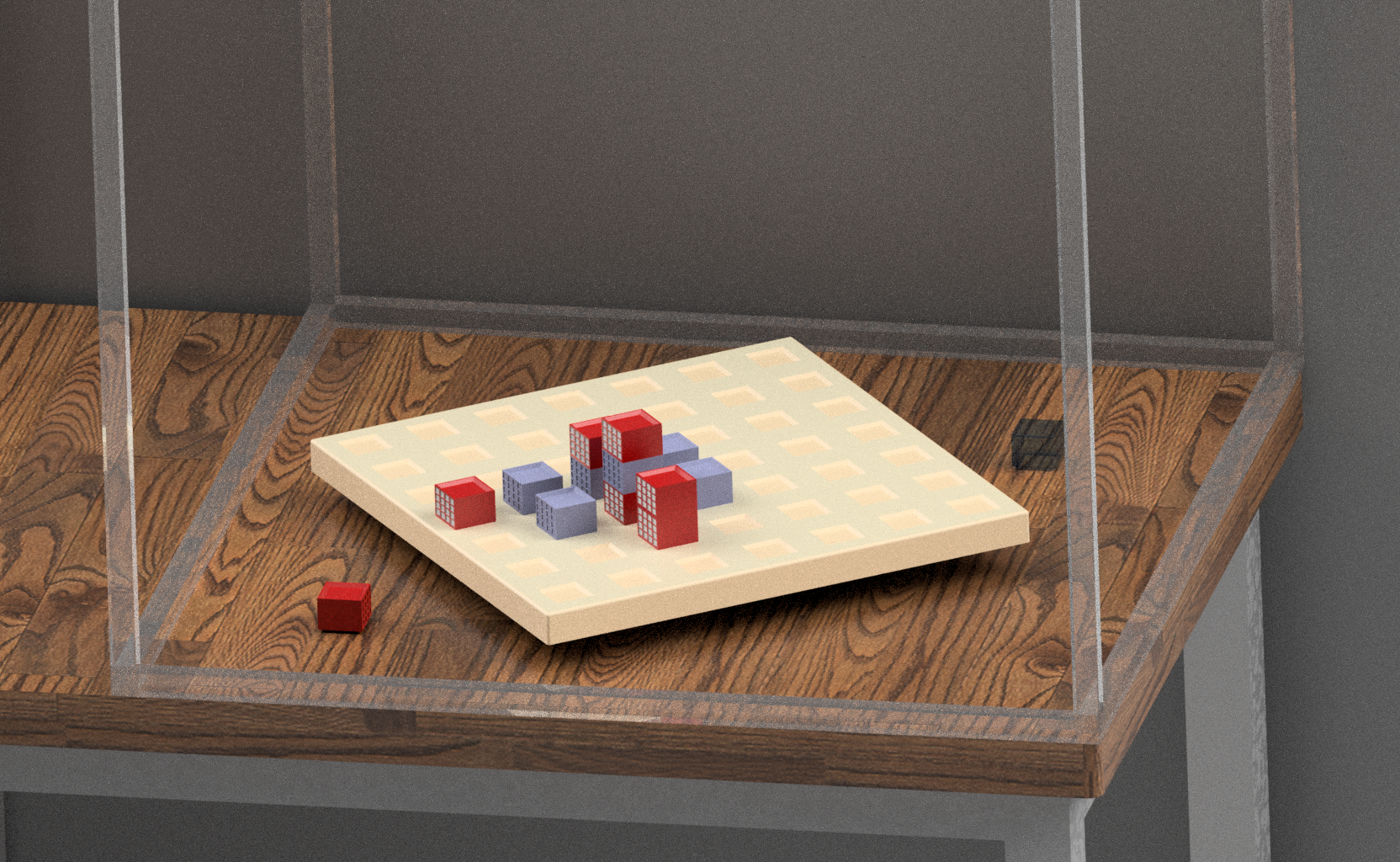
rendergraph
-
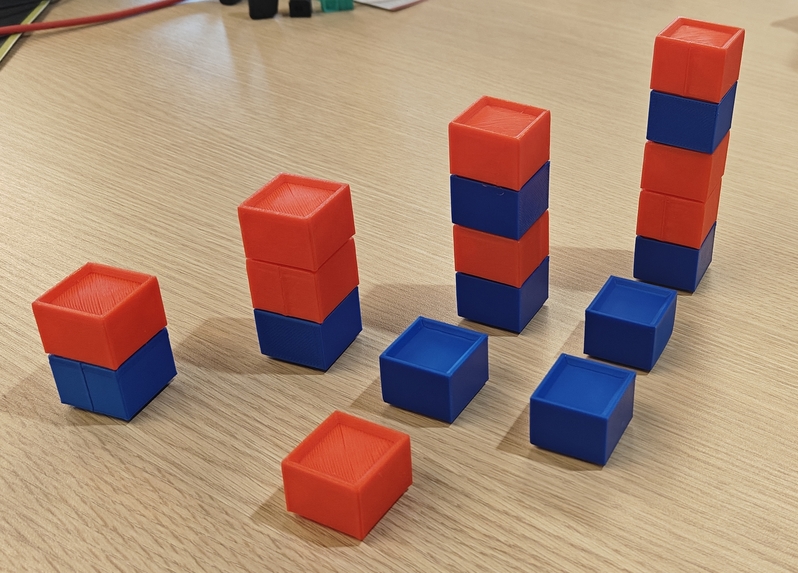
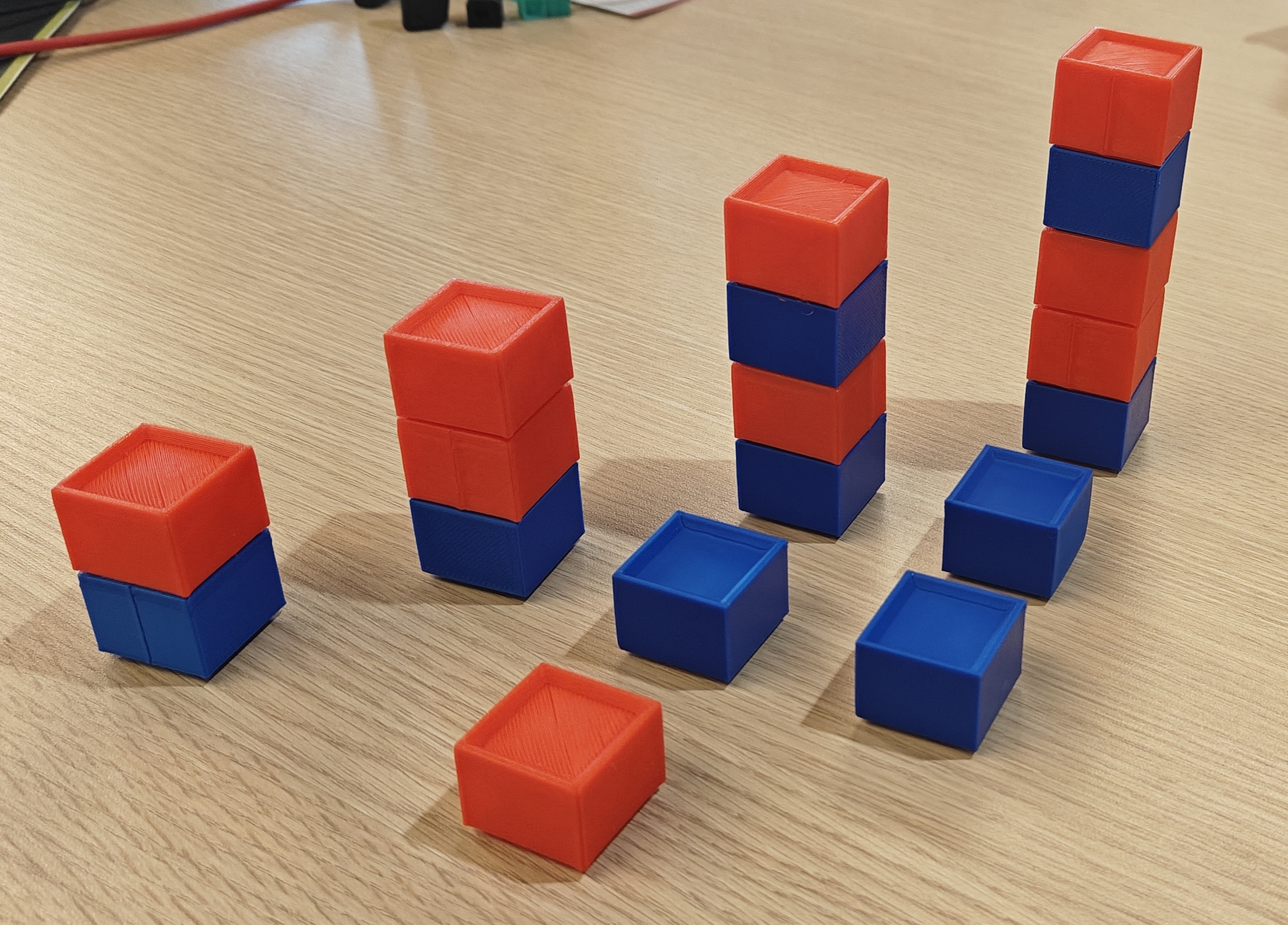
3D printing drawing
Inspiration
Inspired by traditional Gomoku, Capital Tower reimagines the classic game for a modern financial workplace. Traditional Gomoku is limited to a flat 2D board, and the first player often holds a strong advantage due to straightforward opening strategies. We wanted to expand the game’s possibilities by turning it into a 3D stacking experience on a 7×7 grid, creating more strategic depth and reducing predictable play. Our goal was to design a compact desktop game that encourages office workers to take short breaks, think actively, and relieve stress. By stacking pieces vertically and building patterns in 3D, players must balance “vertical growth” with “horizontal expansion,” mirroring real financial decision-making while keeping the gameplay mentally engaging and refreshing. To strengthen creativity and replay value, the same mechanic also supports interchangeable piece “skins,” extending the theme beyond skyscrapers to many other visual styles.
What it does
Capital Tower is a compact 3D strategy game inspired by Gomoku. Players take turns placing pieces on a 7×7 board and can stack them vertically in each square, so each move represents capital accumulation and growth. The objective is to be the first player to form five of your pieces in a row in any direction in 3D: horizontally across the board, vertically within a single stack, or along diagonals (including 3D diagonals). To boost creativity and replay value, the pieces can use interchangeable “skins,” so the theme is not limited to skyscrapers or cheese blocks; other visual styles can fit the same stacking mechanic while keeping the gameplay consistent.
How we built it
We began with a needs-driven design process by thinking about what office workers actually need during short breaks: a quick way to reset, reduce stress, and engage the brain without screens. We explored multiple concepts and benchmarked other desk games and objects (e.g., bottle-cap basketball, EDC fidget toys, 3D mazes, navy chess, and Mahjong). After comparing factors like learning curve, desk footprint, replay value, and how well the activity supports mental refreshment, we selected this concept and then pushed it further with bold innovations in both rules and physical form. Next, we moved from ideation to prototyping: we sketched the board and pieces, then created detailed 3D CAD models to define the 7×7 grid, stacking geometry, and overall proportions. We 3D-printed iterative versions to test usability in real life—how stable the stacks feel, how clearly players can read patterns in 3D, and how comfortable the game is on a desk. With each iteration, we adjusted dimensions and tolerances, refined the shape for durability and safety (rounded edges), and improved the overall layout for a compact, desk-friendly experience.
Challenges we ran into
Key challenges included making gameplay readable in 3D (tracking alignments), keeping the footprint desk-friendly, and integrating storage and safety features (box form, rounded corners) without sacrificing playability. At the beginning, we didn’t have a single clear direction—there were many ideas, and each team member had a different message they wanted the product to express. Converging required engineering thinking: defining the real user need, setting constraints, and making trade-offs between creativity, usability, and feasibility. It was also difficult to create new 3D rules that felt original but still fair and easy to learn. On the physical side, we had to determine practical details such as overall size, maximum stack height, the number of pieces needed for a complete game, and print tolerances so stacking stays stable. These decisions affected playability, safety, manufacturing, and the desk-friendly experience, so we refined them through repeated prototyping and testing.
Accomplishments that we're proud of
We turned the “capital accumulation” idea into a cohesive 3D stacking rule set, evolving Gomoku from 2D to a strategic 3D game while keeping it easy to learn. We showed creativity by extending the game with interchangeable piece “skins,” so the same mechanic can support many themes beyond skyscrapers. We applied engineering thinking through CAD modeling and 3D-printed iterations, refining piece geometry, tolerances, and overall size to achieve stable stacking and a desk-friendly prototype.
What we learned
We learned how to translate a workplace need into mechanics that are simple, quick to start, and still mentally engaging. We also learned that physical constraints directly shape the game: visibility affects how players scan for winning lines, ergonomics affects how comfortable pieces feel to pick up and stack, and storage/safety constraints influence the overall form and edge design. On the engineering side, we learned to make decisions using iteration and testing rather than assumptions—prototyping helped us tune dimensions, tolerances, and stability, and it showed how small changes in piece size or spacing can significantly impact playability and game balance.
What's next for capital Tower
Next, we want to refine the rules for clearer win conditions in 3D, test with more users in office settings, and improve manufacturing details (materials, tolerances, and storage) for a more polished, durable product. We also expanded the creative direction by designing interchangeable “skins” for the pieces. Instead of limiting the theme to skyscrapers or cheese blocks, the same stacking mechanic can support many visual styles (e.g., coins, crystals, books, or company icons), allowing different moods and workplace cultures while keeping the core gameplay consistent.

Log in or sign up for Devpost to join the conversation.