-
-
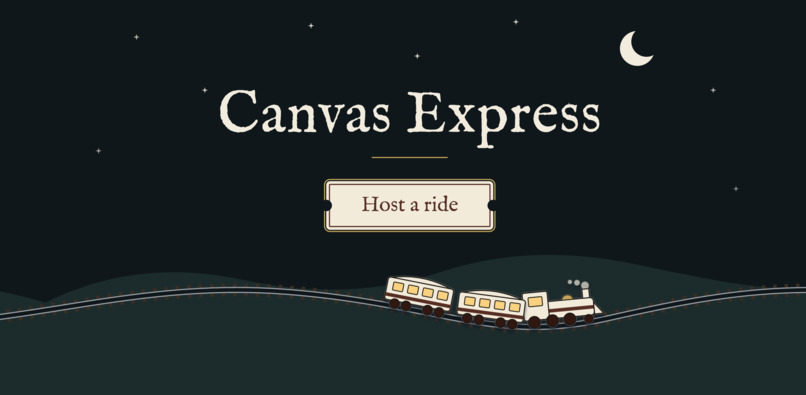
cover
-
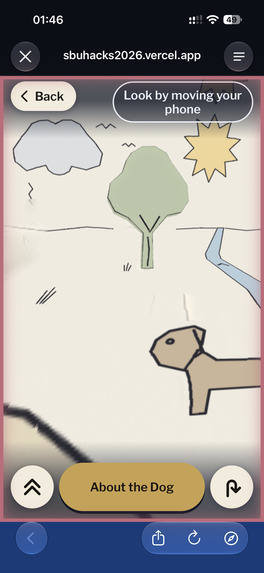
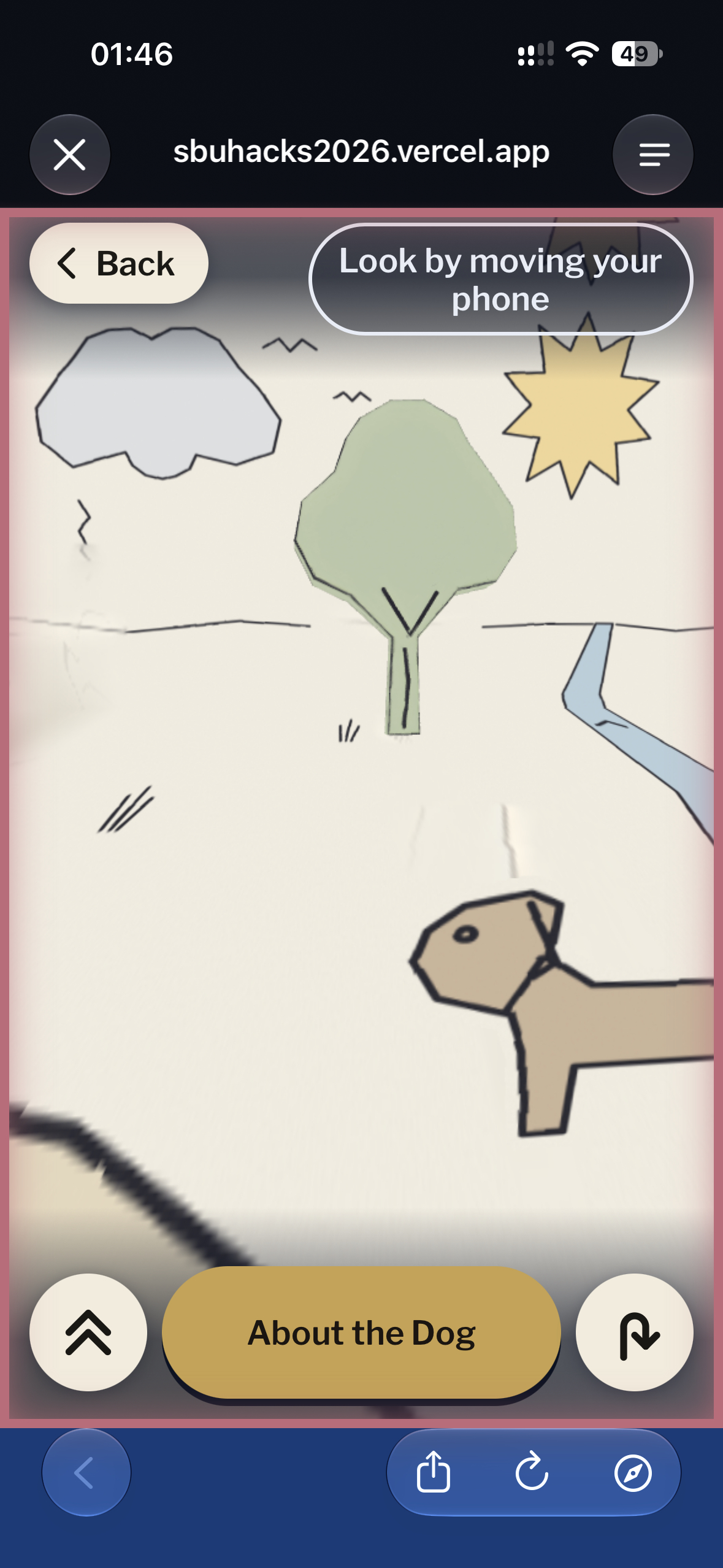
3D view 1
-
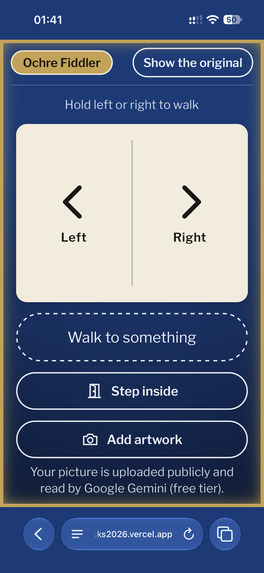
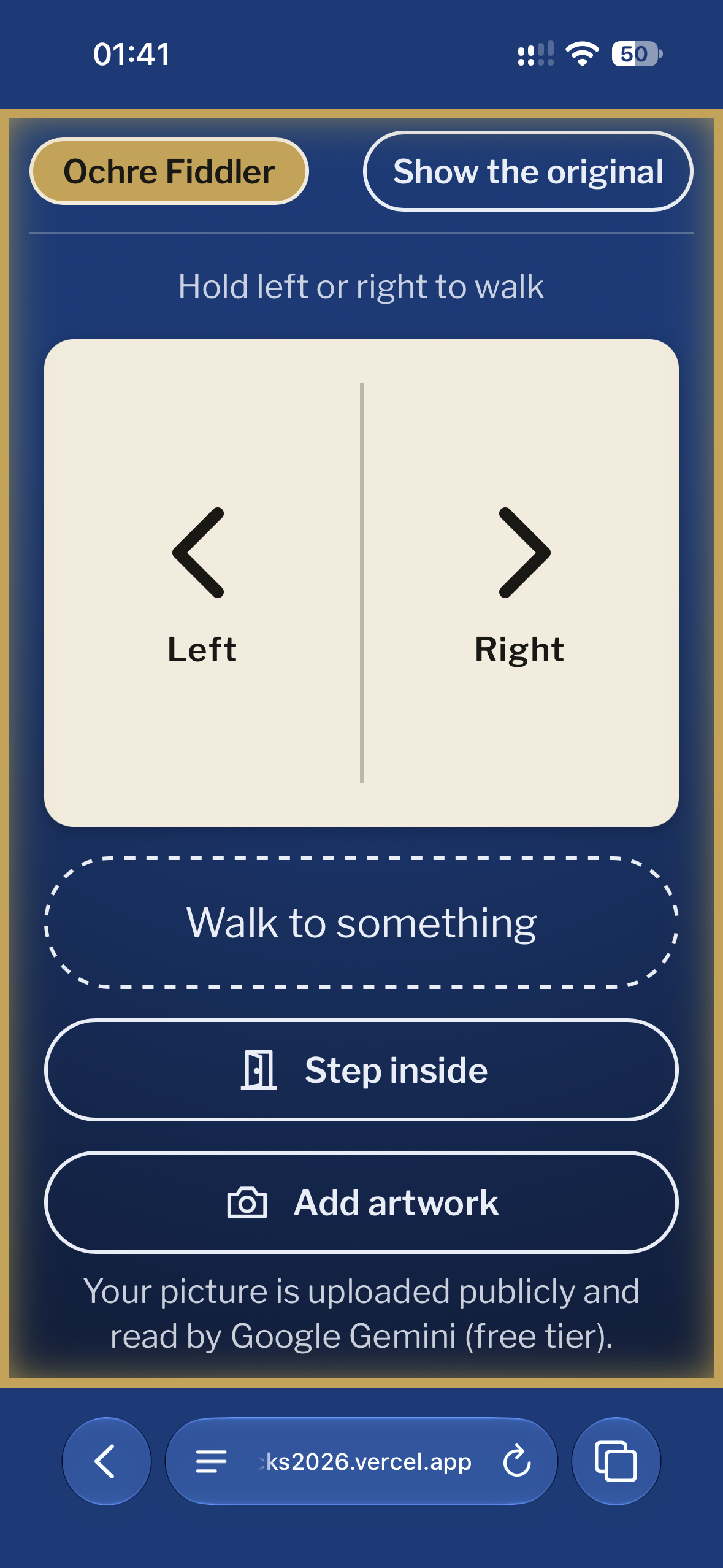
Phone controller UI
-
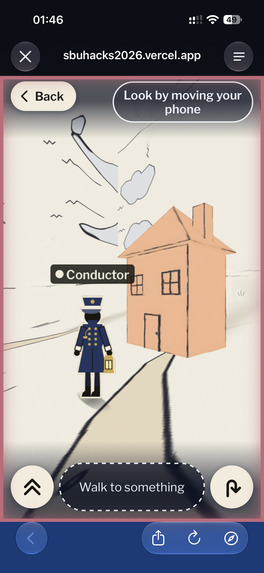
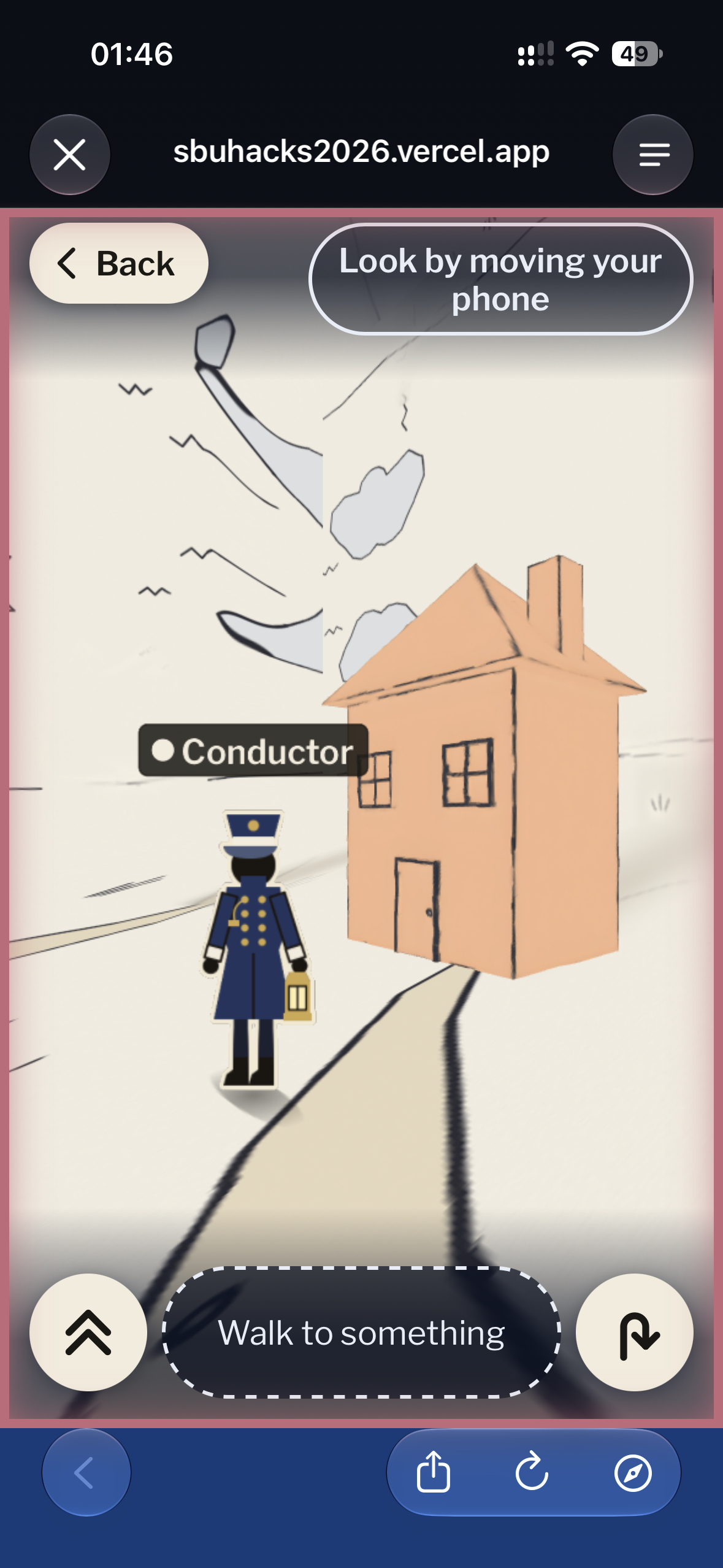
3D view 2
-
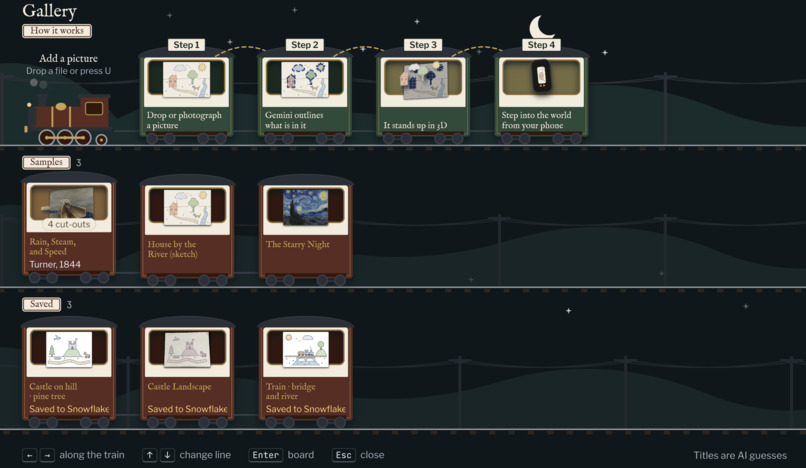
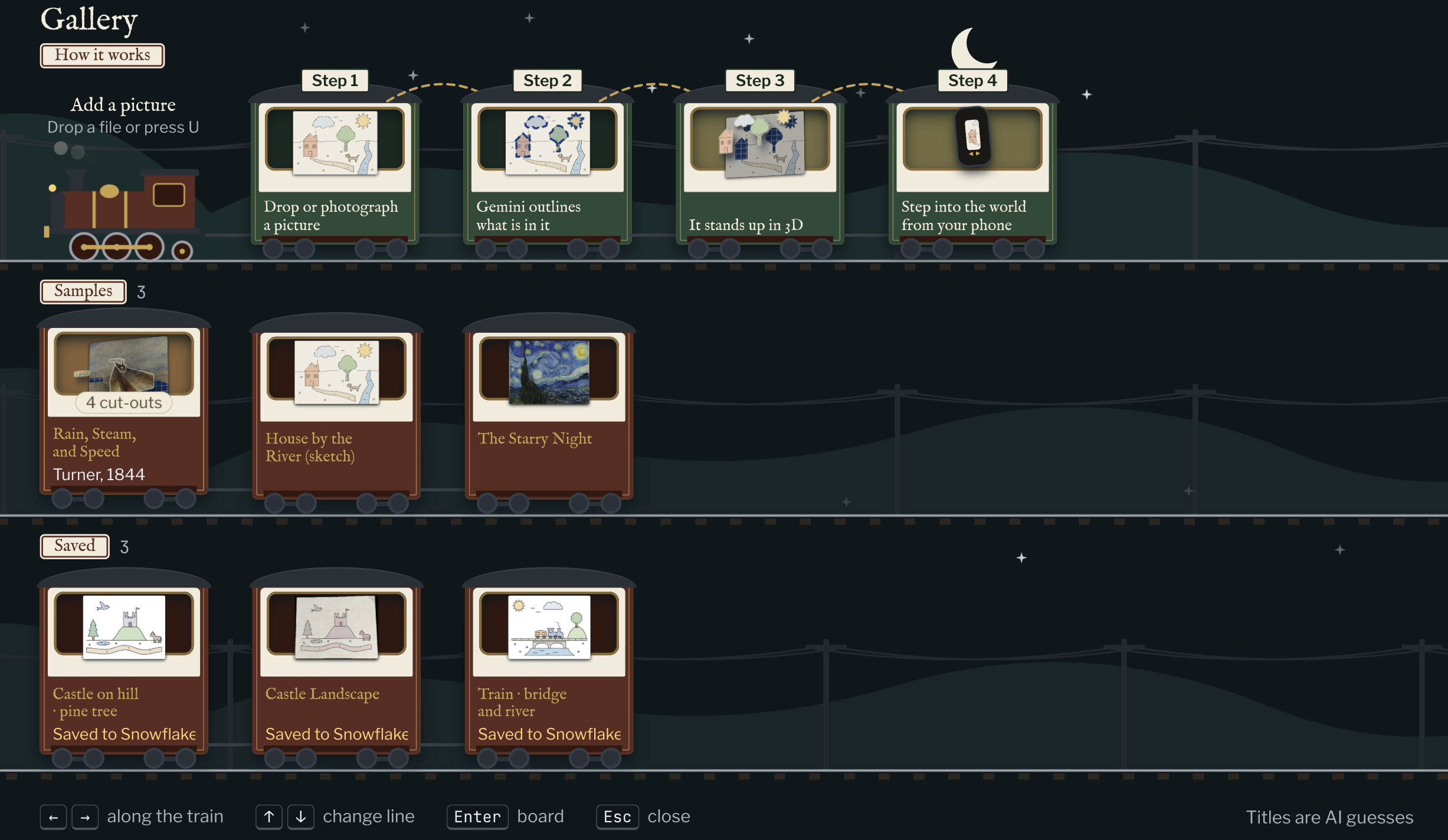
Gallery
-
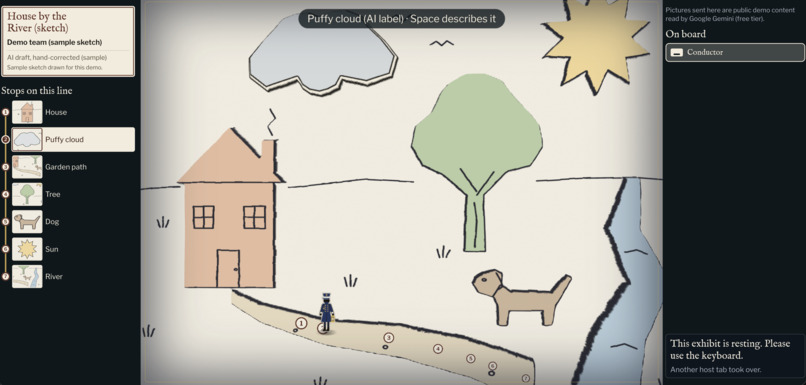
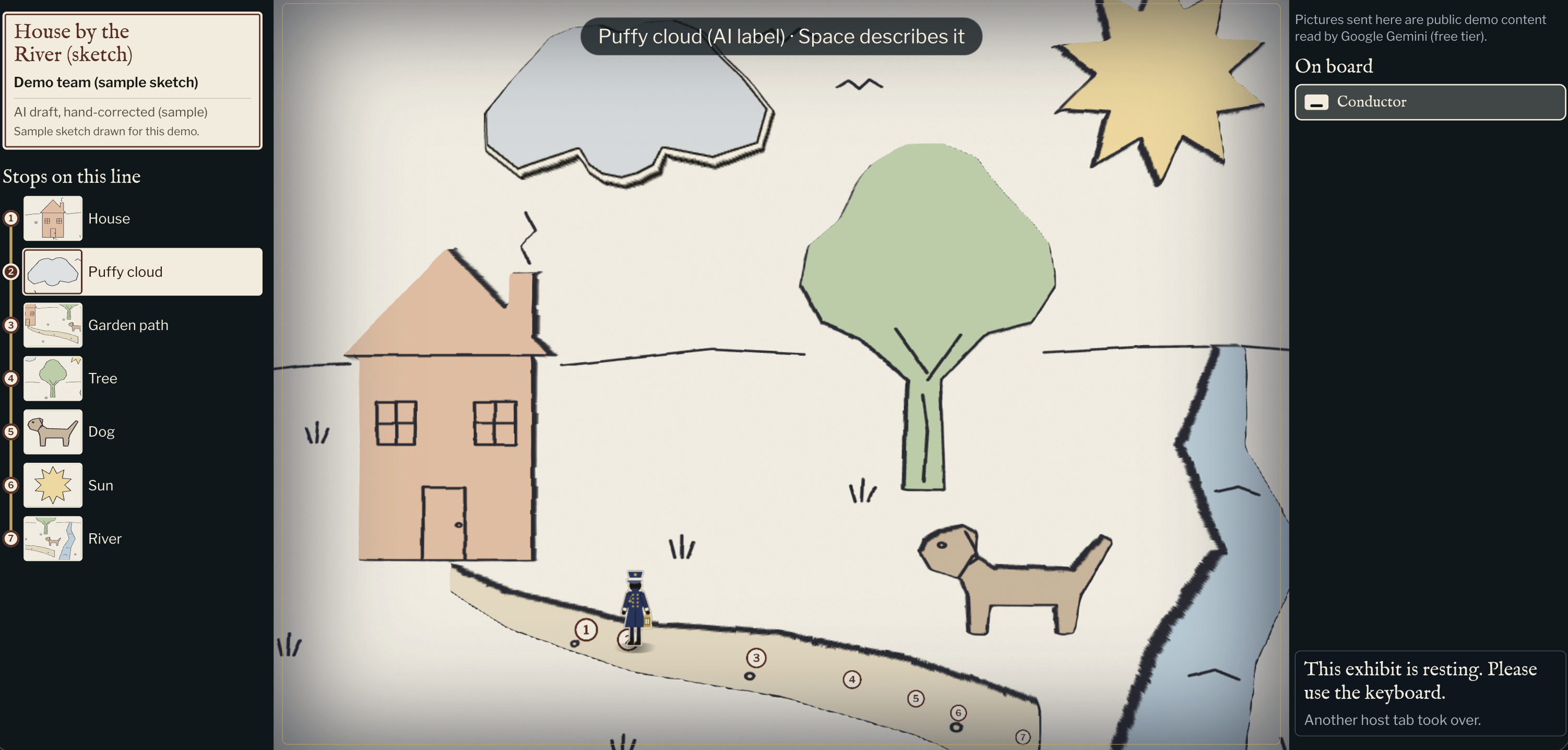
House by the River (sketch)
-
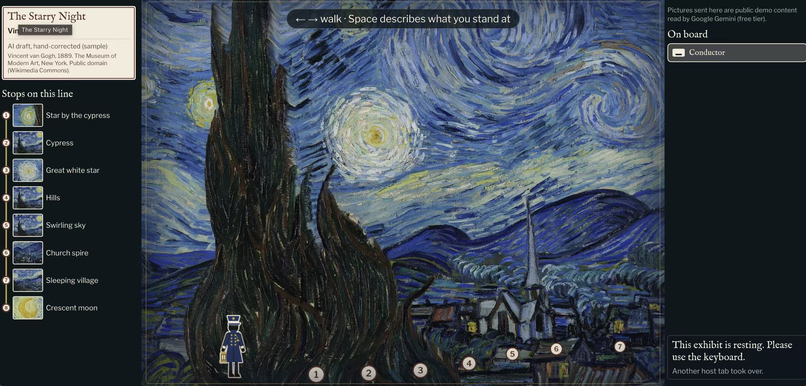
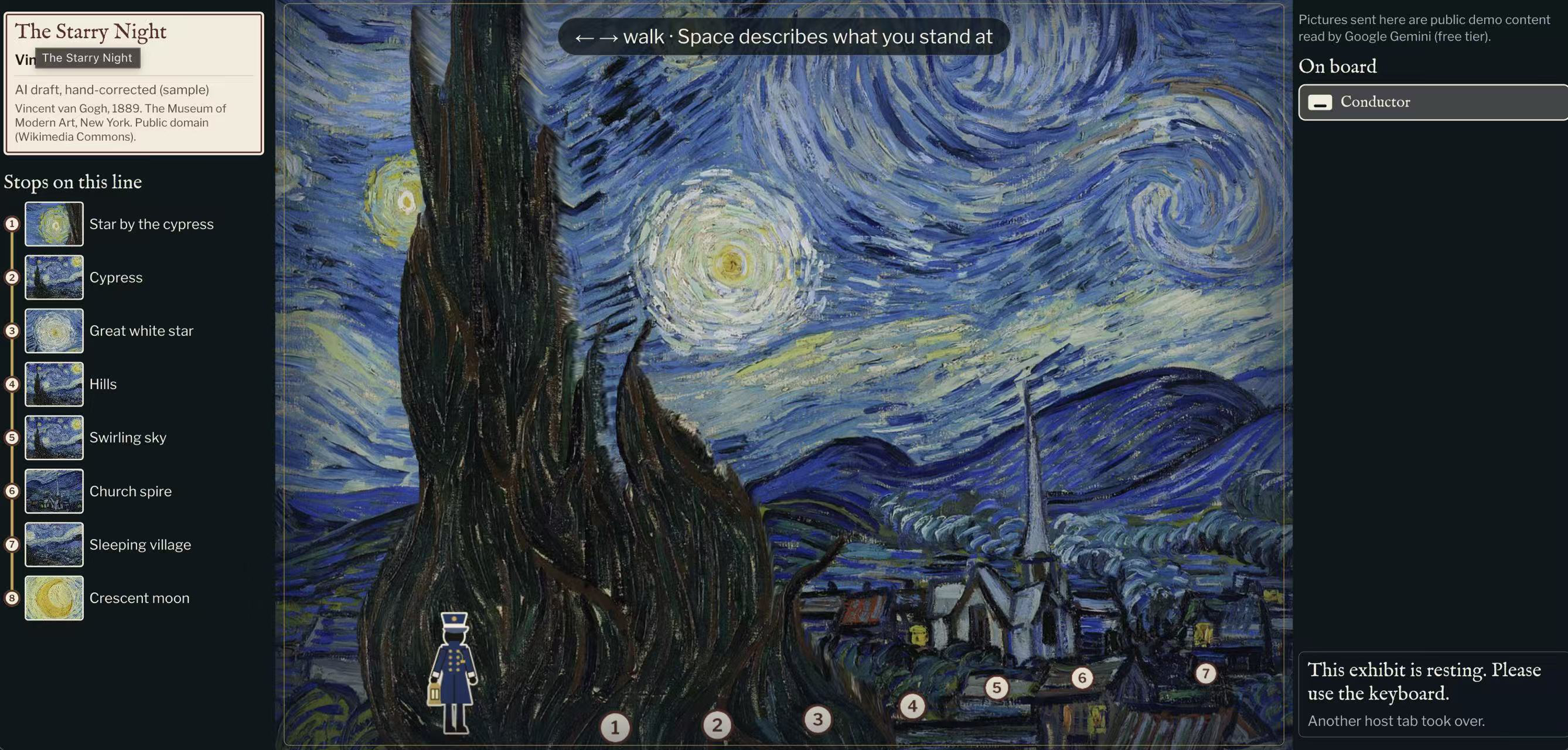
The Starry Night
Inspiration
This year's SBUHacks 2026 theme, Steel and Steam, got us thinking about museums. A museum visit is mostly staring: you stand behind a rope, read a small label and move on. You can't walk into a painting or interact with it. We wanted art to be something you explore, not just look at.
What it does
Canvas Express turns drawings and paintings into a 3D world you explore with your phone as the controller.
- Scan the QR code on the TV, pick a colour, and walk your own figure through the artwork. No app needed.
- Gemini reads the picture and writes a description of everything in it.
- ElevenLabs is your custom tour guide: it reads each description aloud and gives every object its own sound.
- "Step inside" turns your phone into a 3D view of the artwork's world, with the main objects as real 3D models.
- Snowflake saves every scene, so any visit can be reopened from the gallery.
How we built it
- Front end: JavaScript, Three.js and custom GLSL shaders, built with Vite. The TV shows the artwork as a 2.5D depth stage, and the phone builds a full 3D world from it.
- Phones as controllers: a Vercel WebSocket function, with Upstash Redis passing messages between servers. Each TV gets its own private room.
- Gemini returns the whole scene as structured JSON: each object's name, outline, depth, motion, sound idea and description.
- Depth: Depth Anything V2 runs right in the browser (Transformers.js on WebGPU), so measuring depth costs nothing.
- 3D models: Tripo turns the main objects into textured 3D models.
- ElevenLabs: text-to-sound for the effects and text-to-speech for the tour guide's voice.
- Snowflake saves each project as JSON through its SQL REST API.
- Vercel hosts the pages and serverless functions, and Vercel Blob stores the images, sounds and models. API keys never leave the server.
- Claude Code was our pair programmer for planning, code and tests.
Challenges we ran into
- Gemini can't generate 3D objects. We split the job: Gemini reads the picture, a depth model in the browser measures distance, Tripo makes the 3D models, and we build the world ourselves.
- Planning the layout and UI: the TV, the phone controller and the 3D view had to feel like one product and be readable from across a room.
- Keeping many phones in sync on serverless: connections close every 5 minutes and land on different servers, so we reconnect before closing and route every message through Redis.
- Our first 3D models came out completely black. We fixed it by drawing them unlit, with their own textures.
Accomplishments that we're proud of
- Successful 3D generation: one photo becomes a world you can step inside on your phone.
- A beautiful UI/UX design, with a train-journey theme: a Conductor, tickets and a gallery.
- A stranger can join from a QR code in seconds, with no app and no account.
- Gemini, ElevenLabs, Snowflake, Vercel and Tripo all working together live in one app.
What we learned
- How to make AI a dependable part of an app: ask for structured JSON, check every answer, and plan what happens when it fails.
- Real-time multiplayer on serverless needs a message bus and one place that owns the state; for us, that's the TV.
- Use each AI tool for what it's best at, instead of asking one to do everything.
- Plan for things breaking during a live demo, so every service has a backup.
What's next for Canvas Express
- Bringing this technology to engineering and architecture: turn a machine sketch into something that moves, or a floor plan into a building you can walk through.
- A curator mode, so museums can check and correct descriptions before visitors arrive.
Built With
- claude
- css3
- depth-anything
- elevenlabs
- express.js
- gemini
- glsl
- html5
- hugging-face
- javascript
- node.js
- redis
- snowflake
- sql
- three.js
- transformers.js
- tripo3d
- upstash
- vercel
- vercel-blob
- vite
- webgl
- webgpu
- websockets


Log in or sign up for Devpost to join the conversation.