-
-
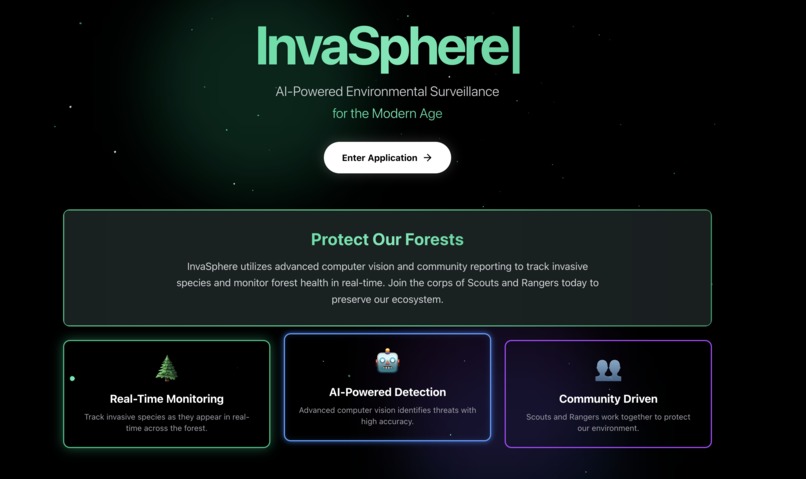
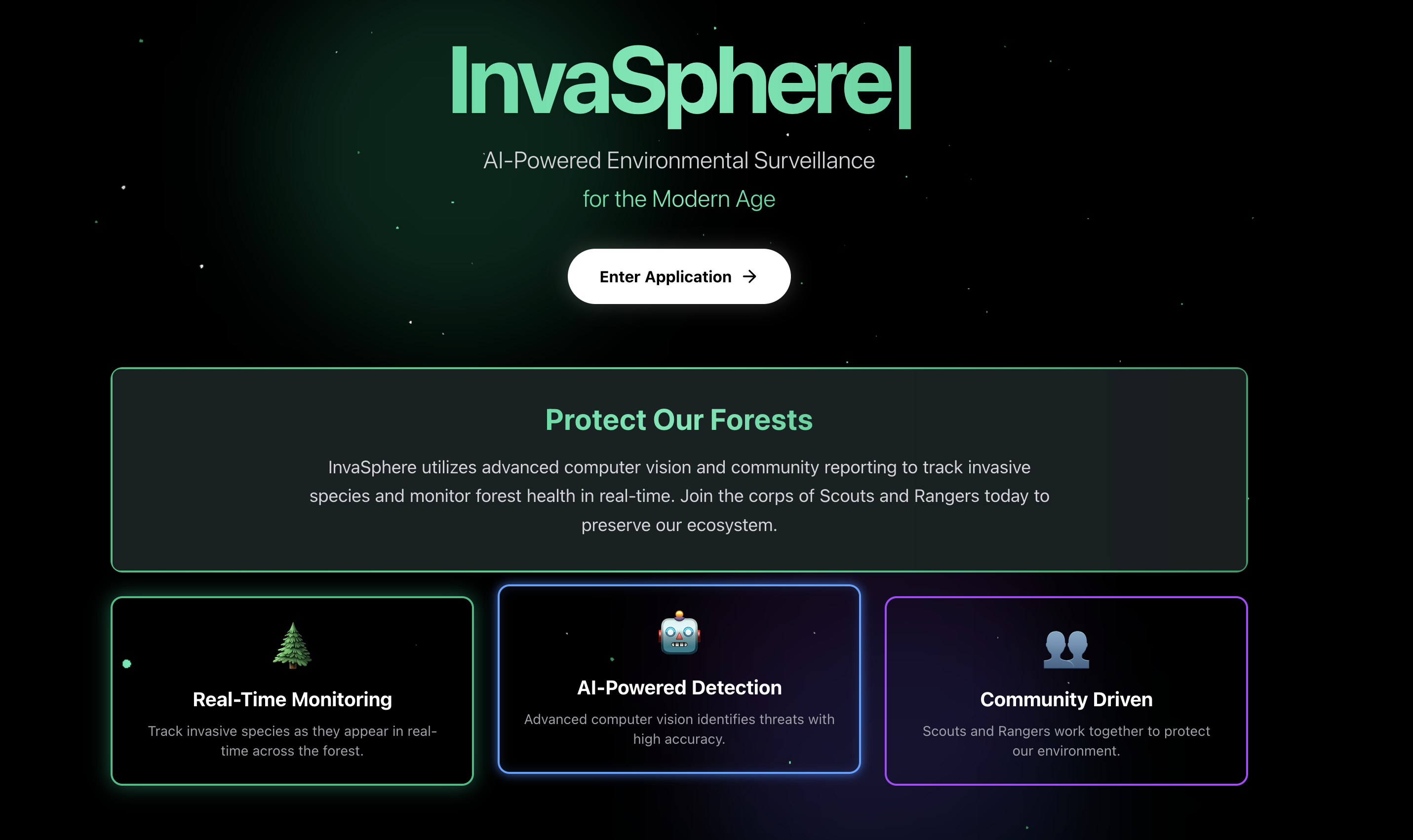
Opening Page
-

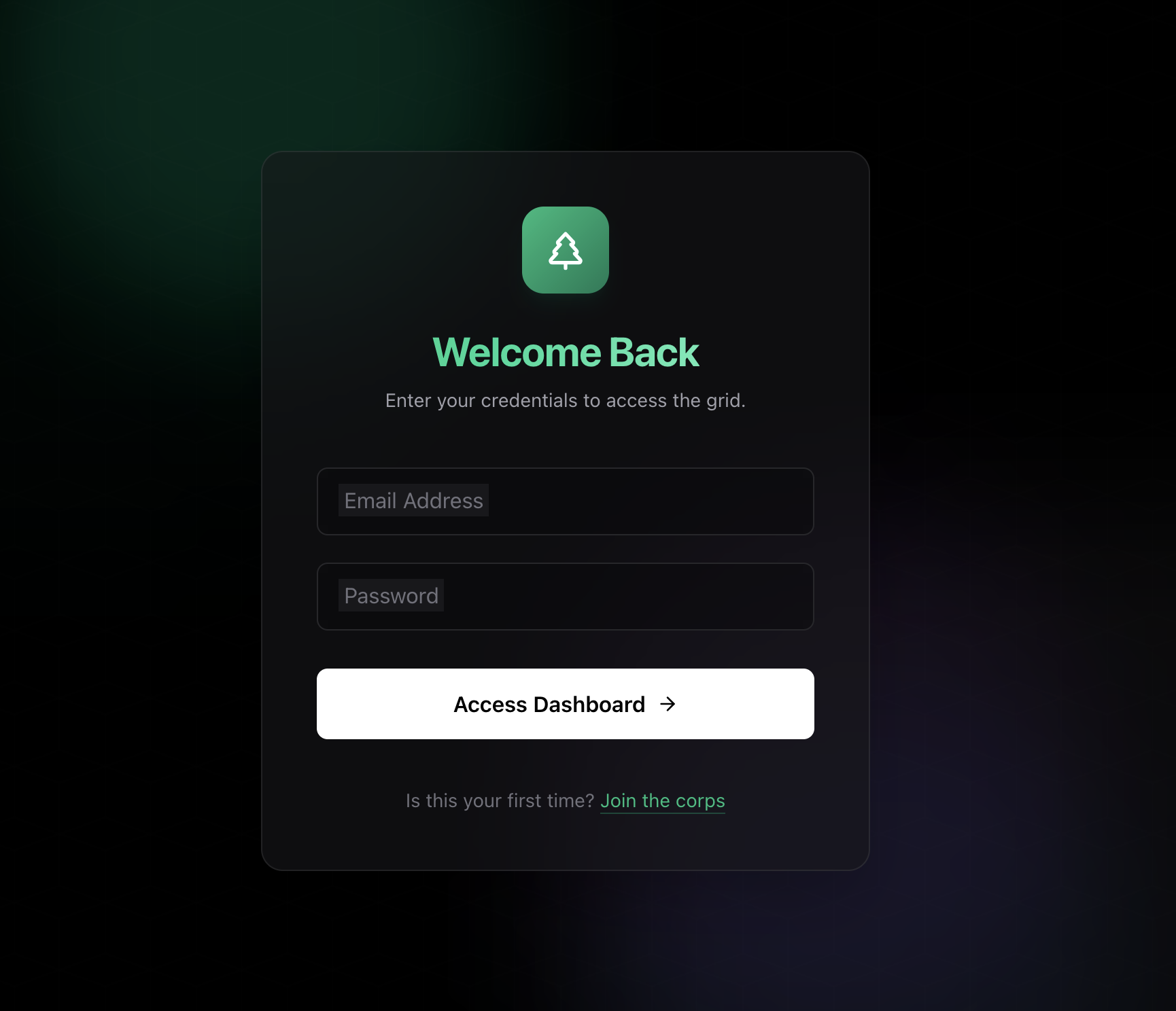
Login Page
-
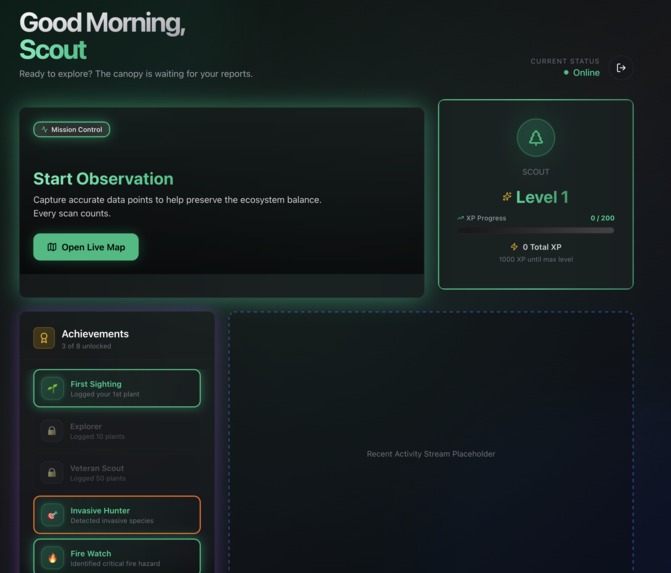
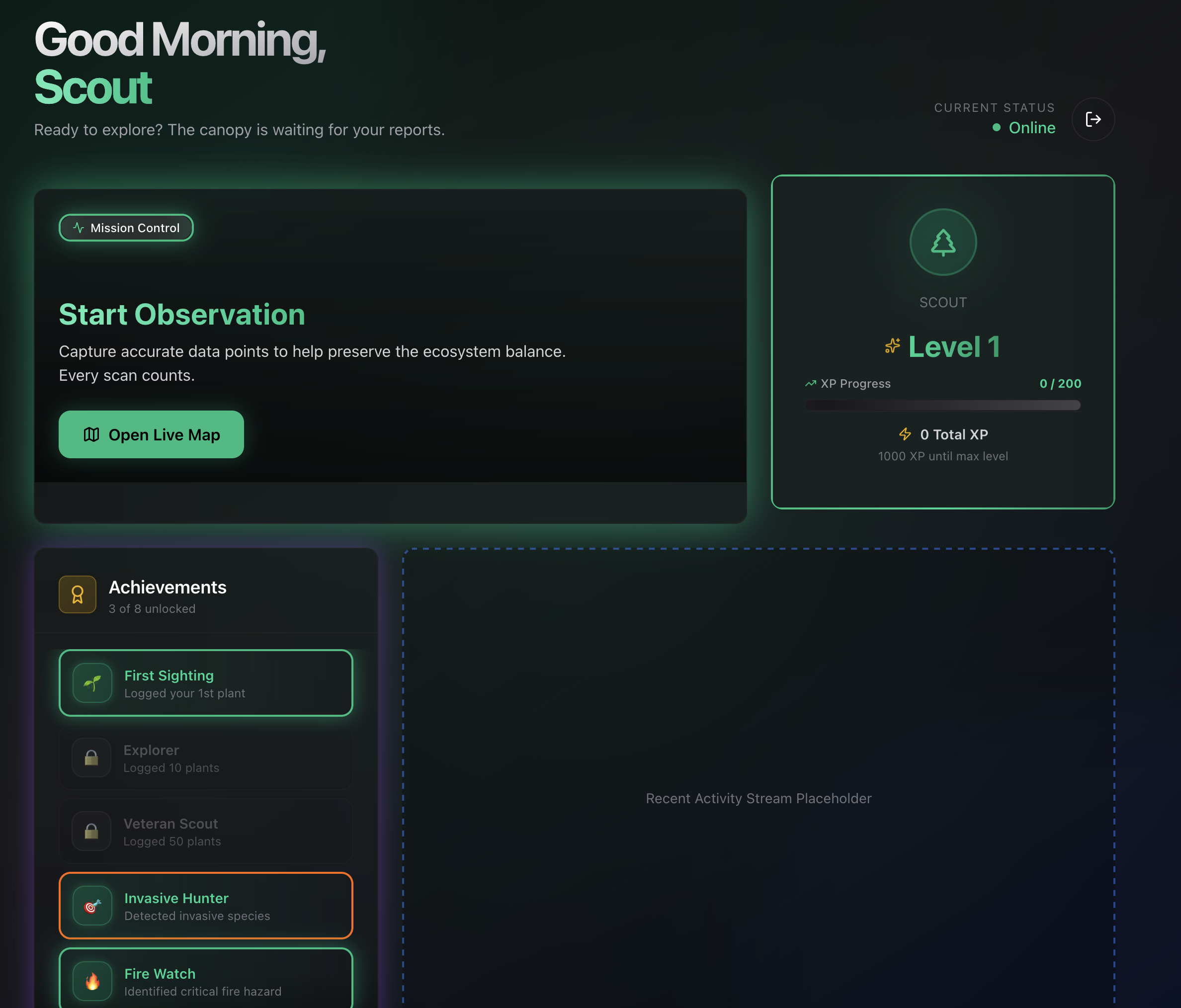
Scout Dashboard
-
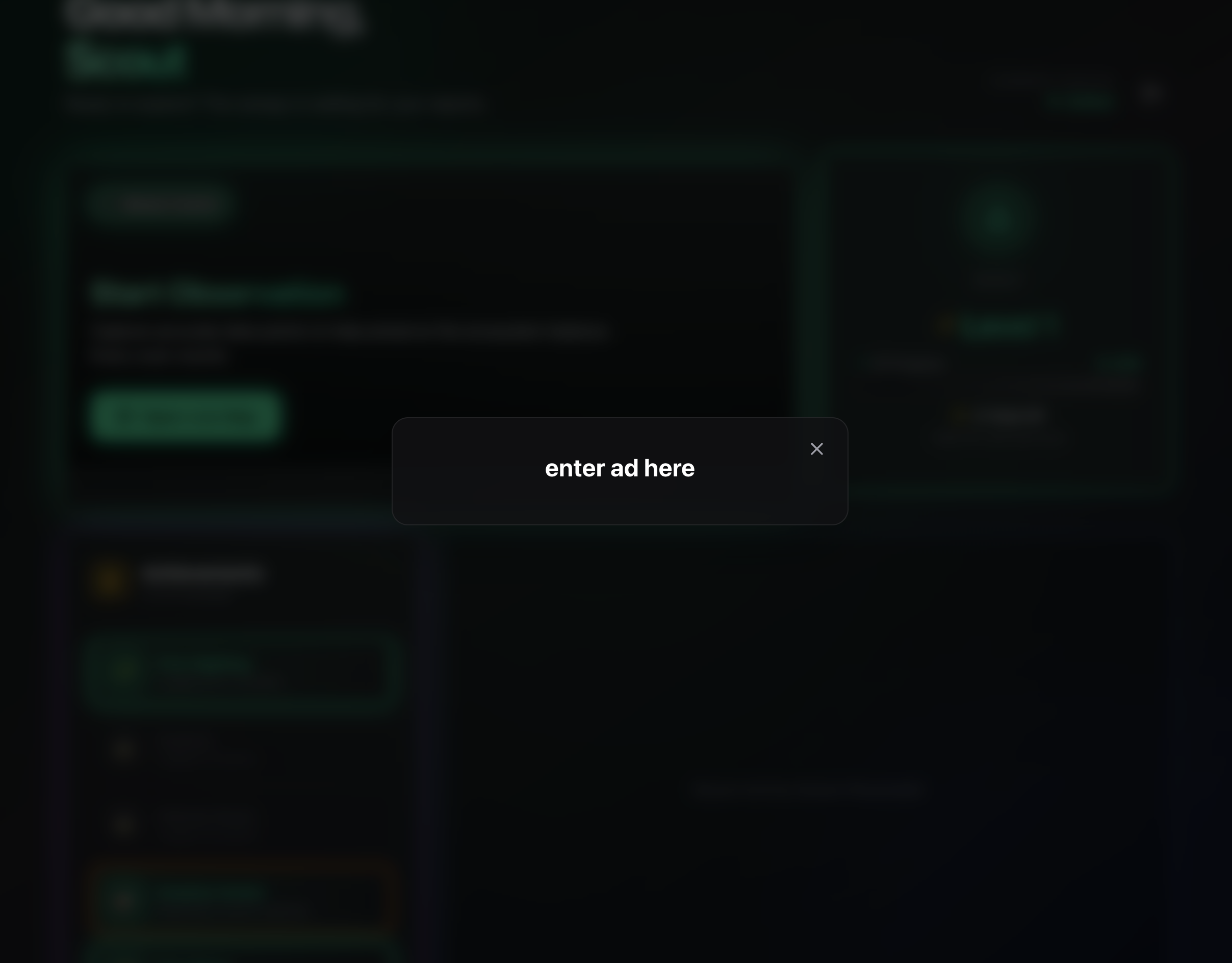
Ad Component
-
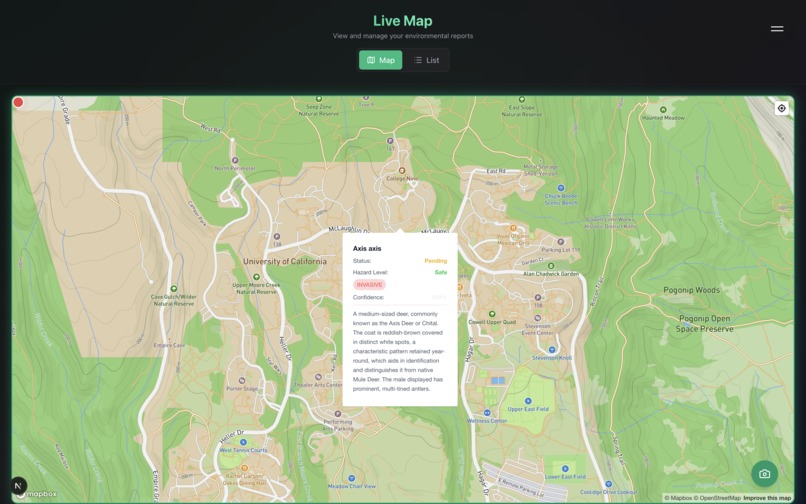
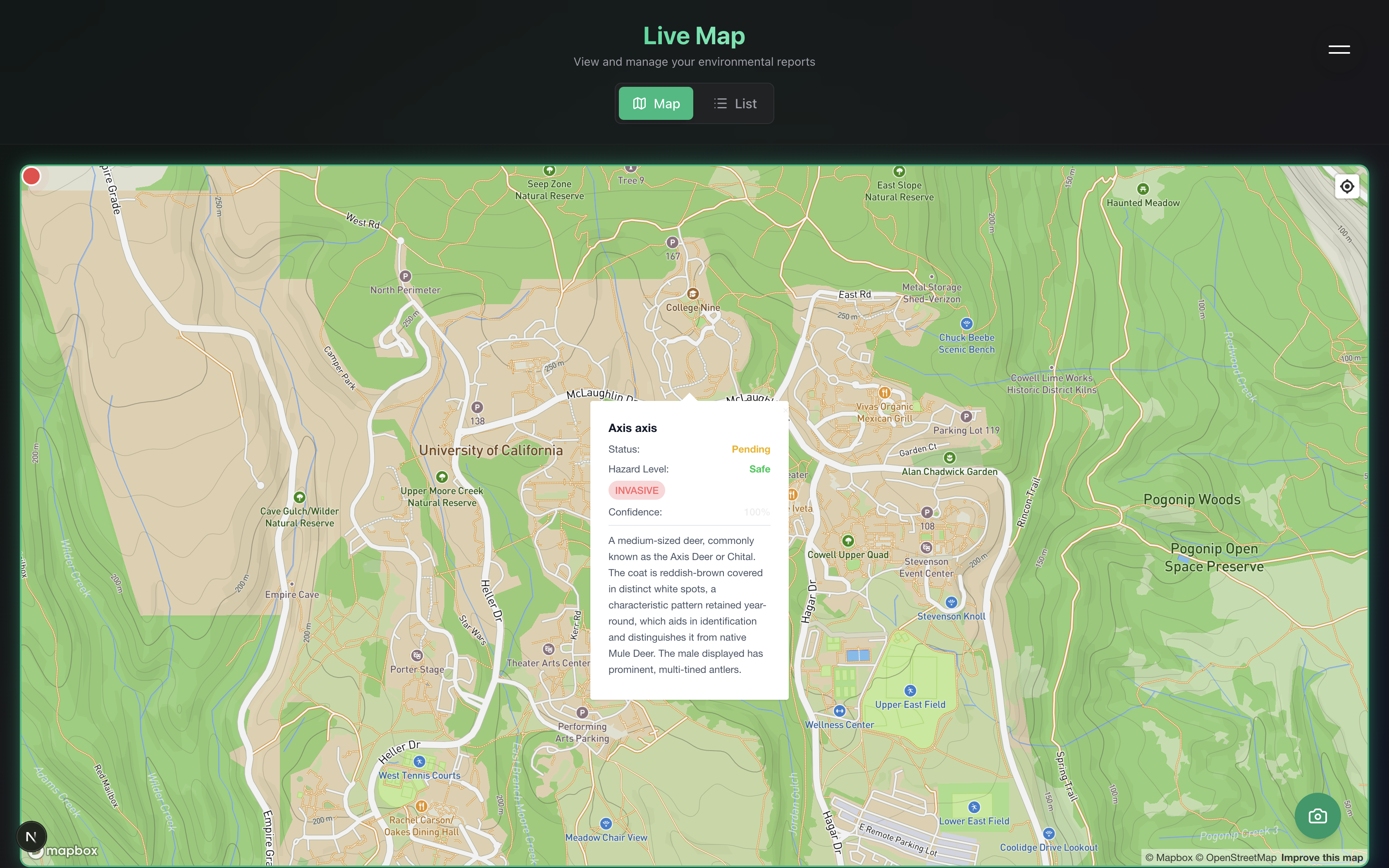
Map
-
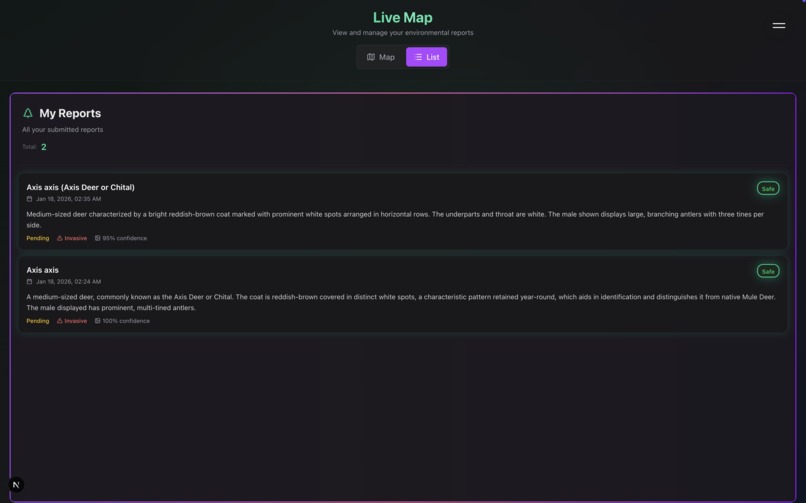
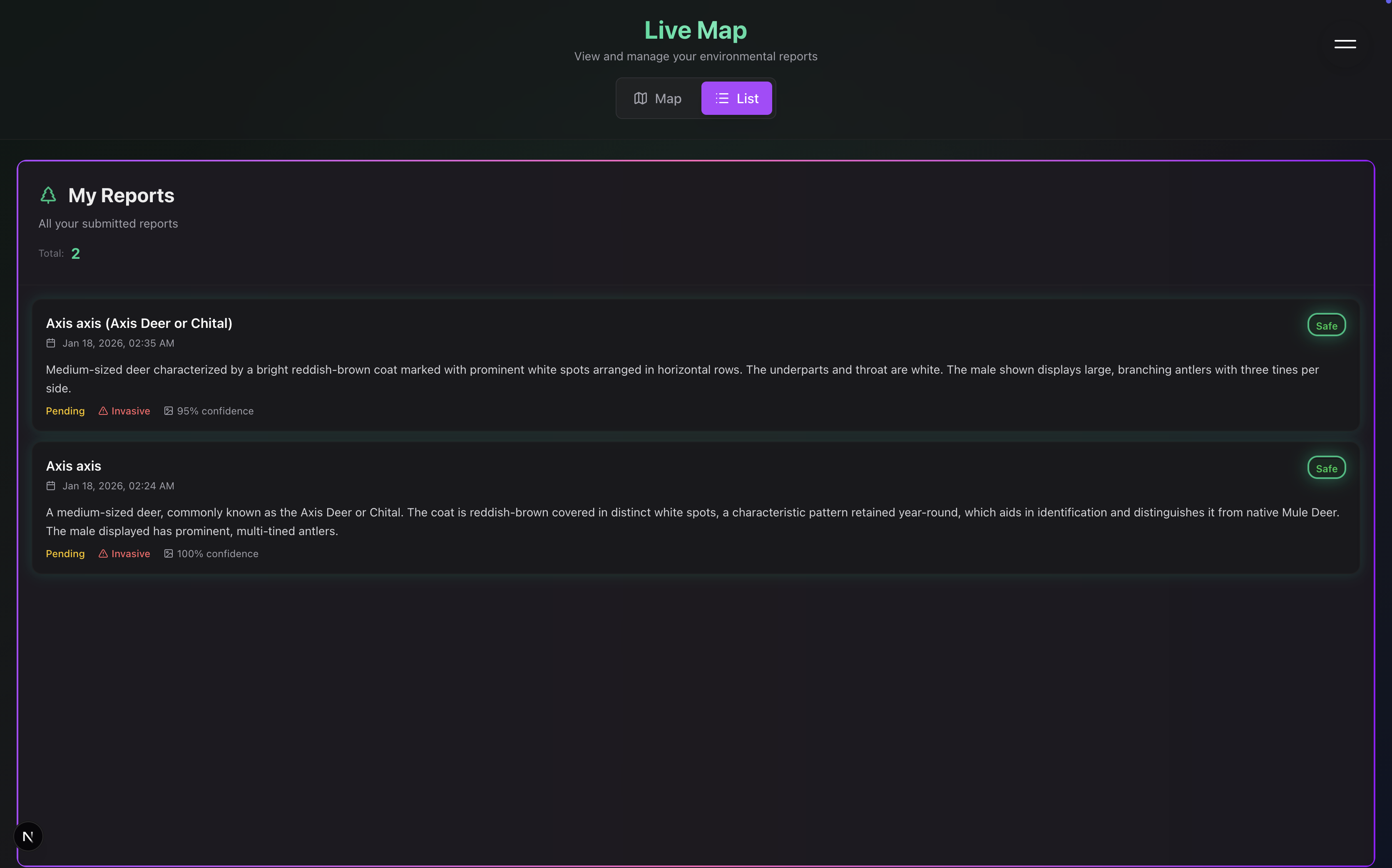
Reports List
-
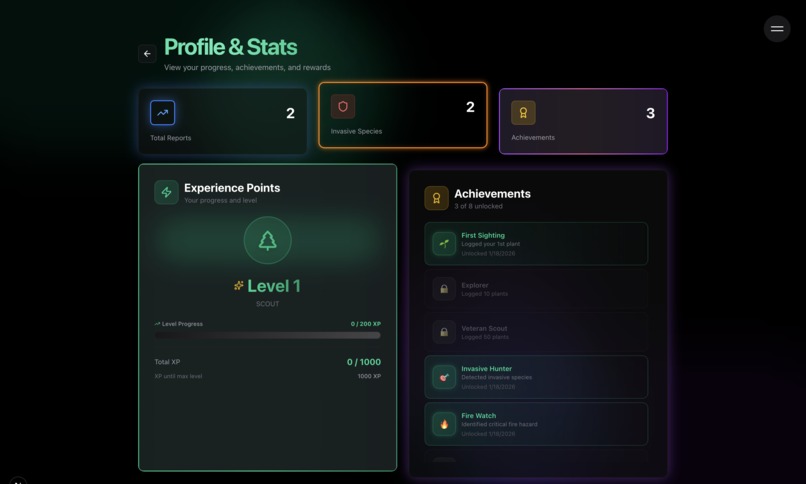
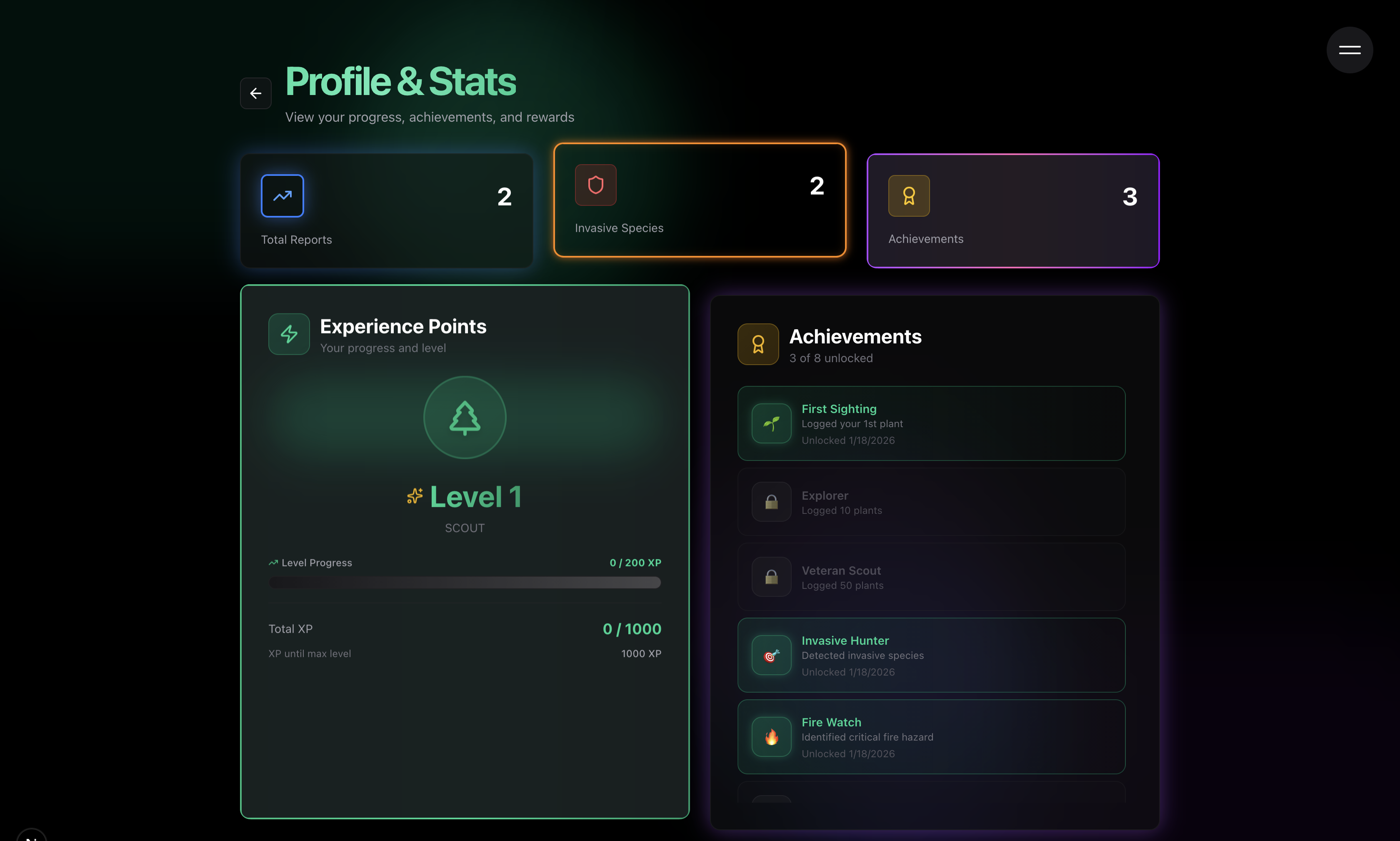
Scout Profile
-
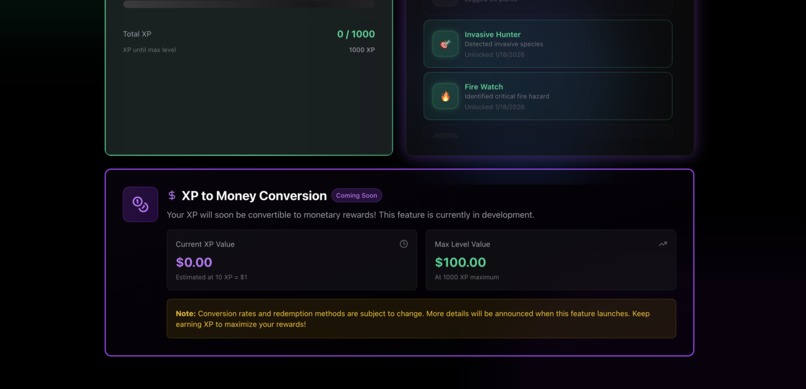
XP System
-
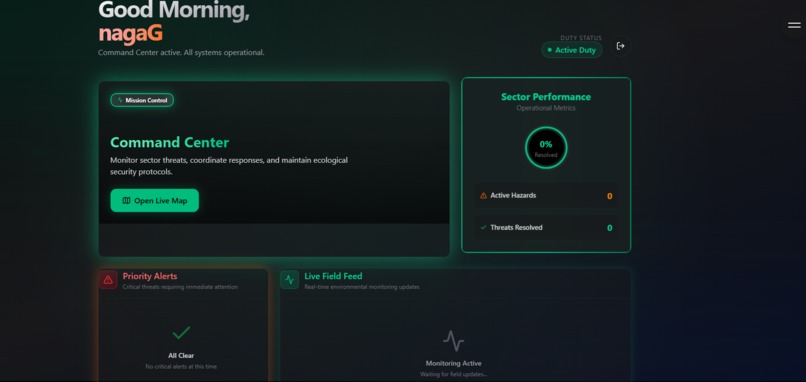
Ranger Dashboard
-
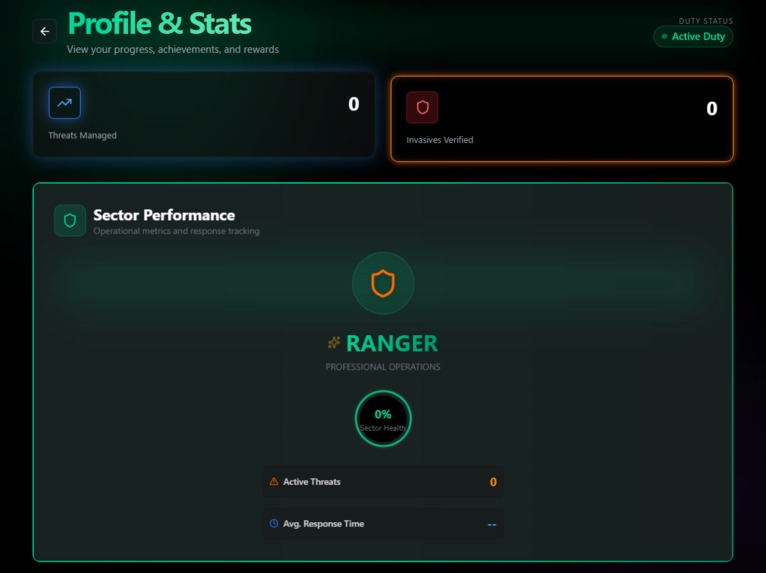
Ranger Profile
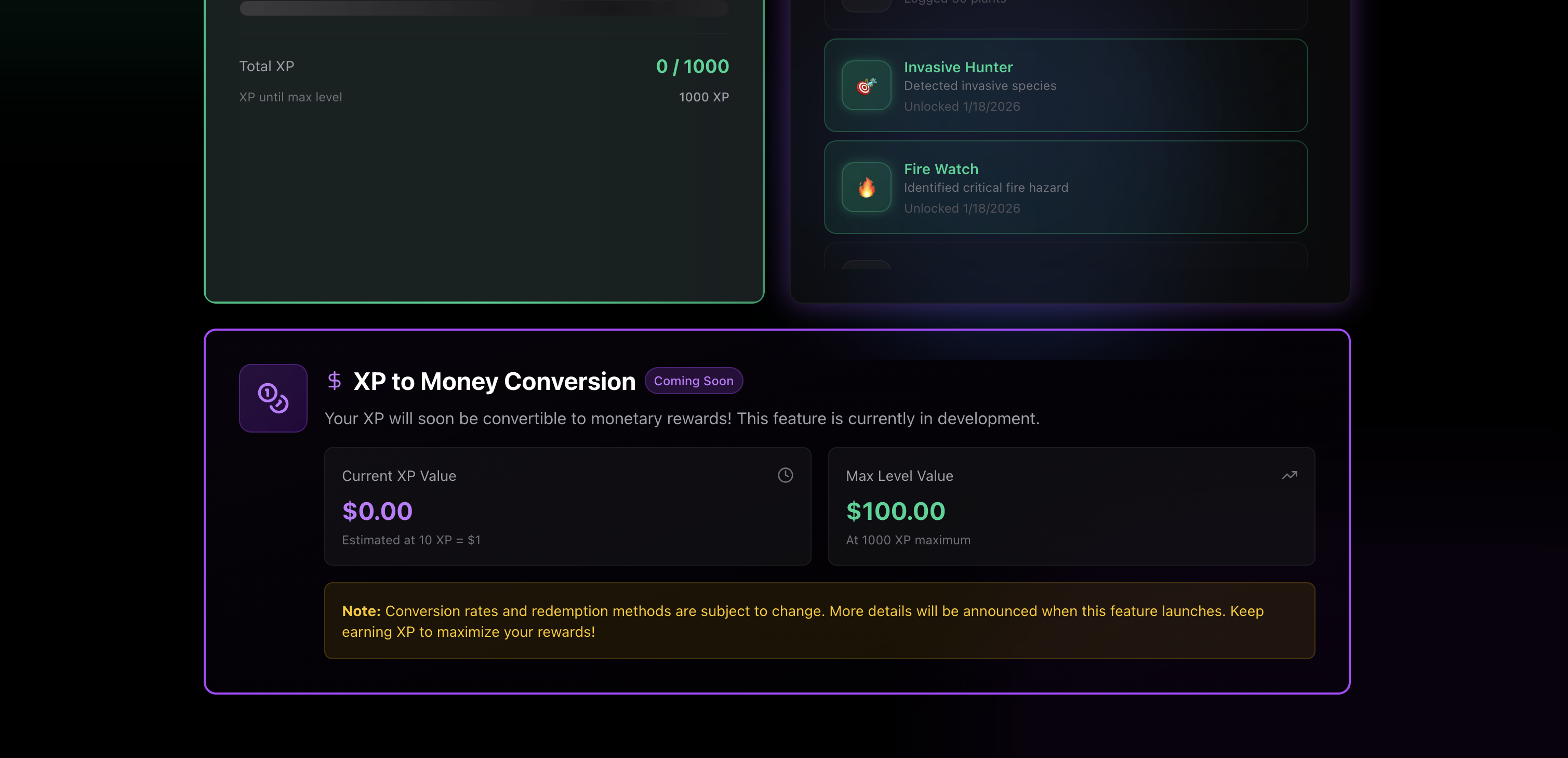
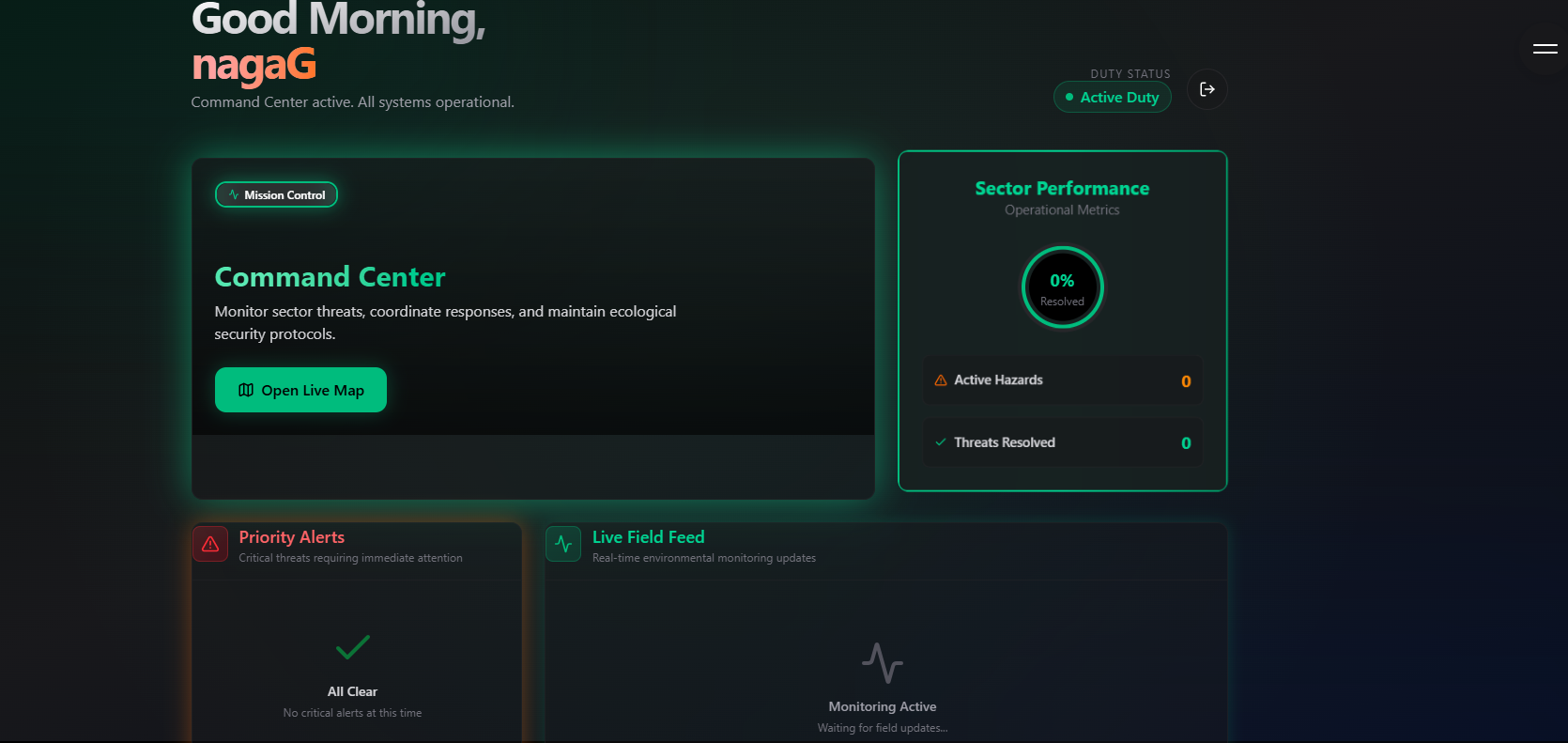
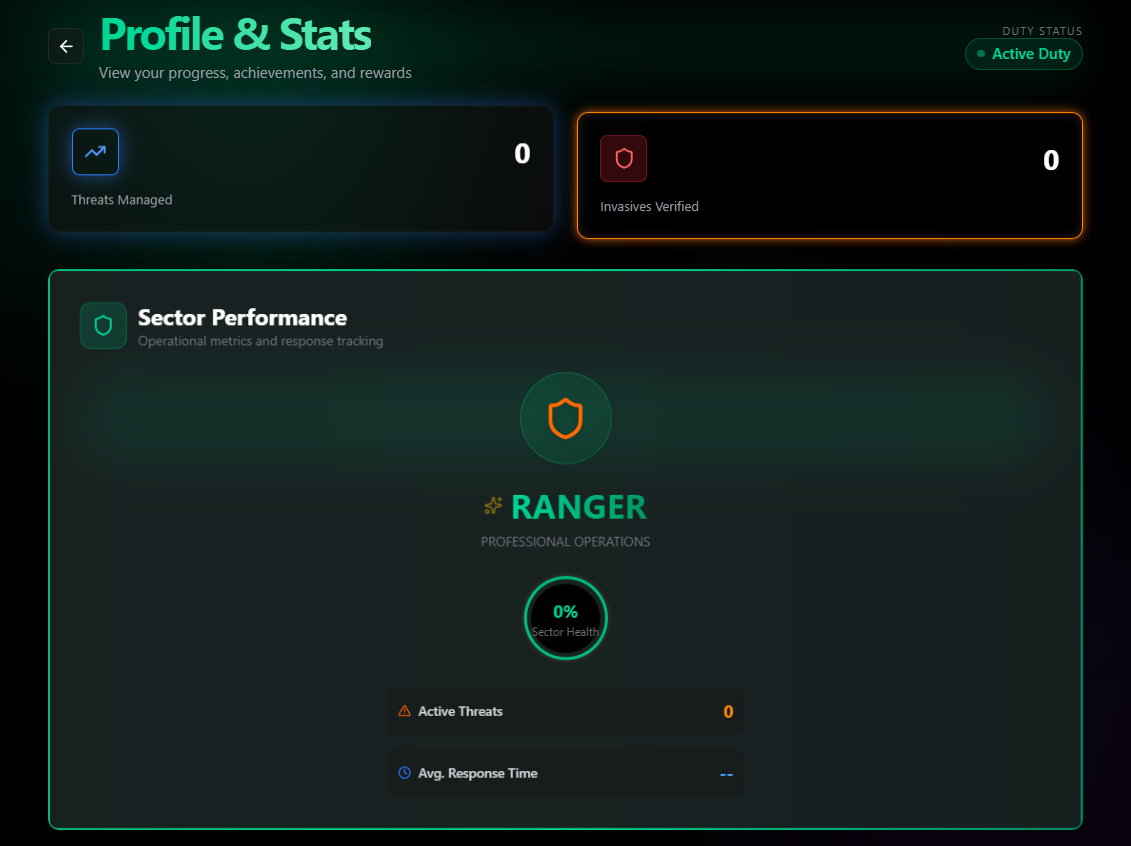
InvaSphere was inspired by the need to engage students in environmental monitoring while supporting forest rangers in managing real threats efficiently. We wanted a system that leverages gamification to teach sustainability while ensuring that professionals aren’t overwhelmed with irrelevant data.
What We Learned:
- How to integrate serverless architecture with Supabase and Next.js.
- How to use AI (Gemini 1.5 Flash) for image recognition in a real-time PWA.
- How to implement role-based filtering and Row Level Security (RLS) to protect sensitive data.
How We Built It:
- Frontend: Next.js 15 with React Server Components, Tailwind CSS, Mapbox GL JS for mapping.
- Backend: Supabase PostgreSQL with PostGIS, RLS policies, Edge Functions on Vercel.
- AI Integration: Gemini 1.5 Flash via Vercel AI SDK to detect species and hazards.
- Gamification & Incentivization: XP system and achievements sponsored by Google AdSense for revenue
Challenges Faced
- Ensuring scouts only see their own data while rangers see only threats.
- Handling “unknown” or unidentifiable species gracefully in the AI workflow.
- Supporting real-time updates and notifications across multiple users without performance bottlenecks.
Built With
- gemini1.5flash
- lucidereact
- mapboxgljs
- next.js-15
- react-19
- rls
- sonnertoastnotifications
- supabase-(postgresql-+-postgis)
- supabase-realtime
- tailwind
- typescript
- vercel

Log in or sign up for Devpost to join the conversation.