-
-
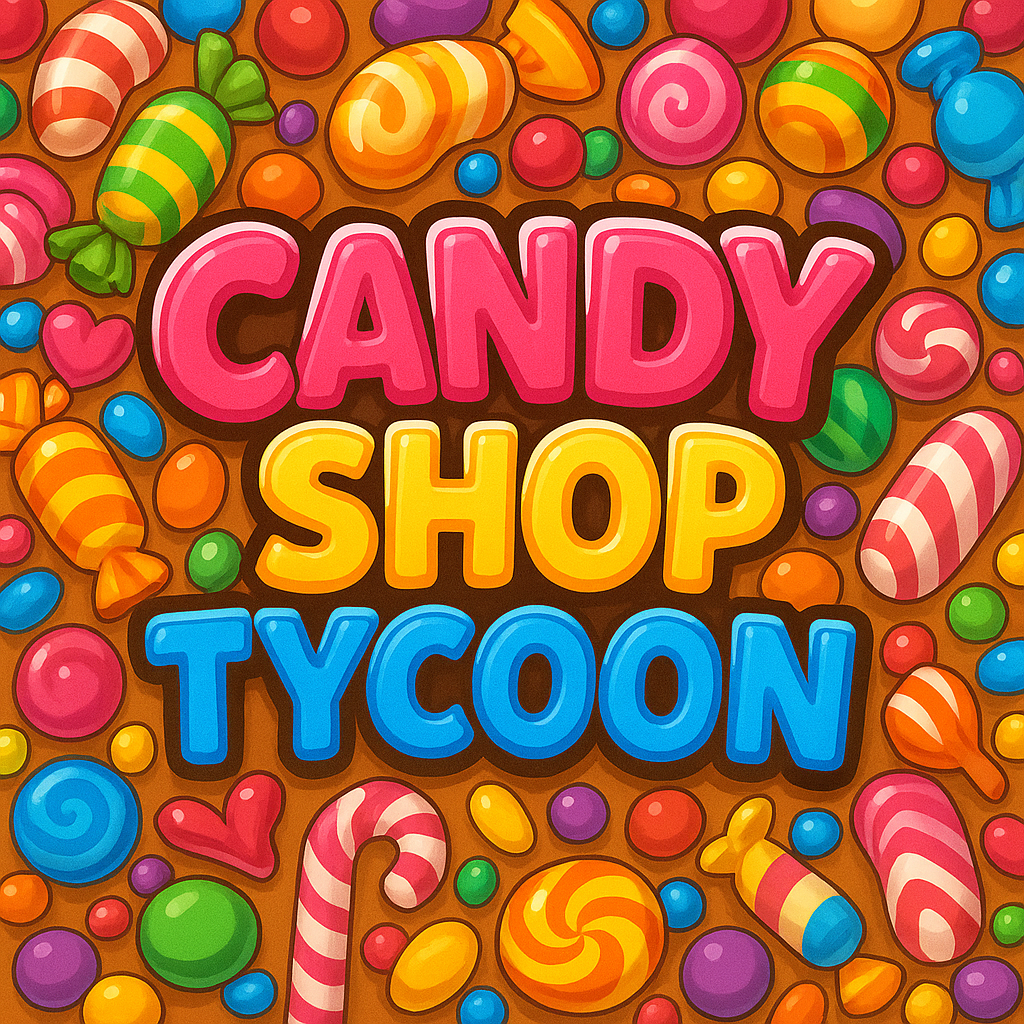
Title tile
-
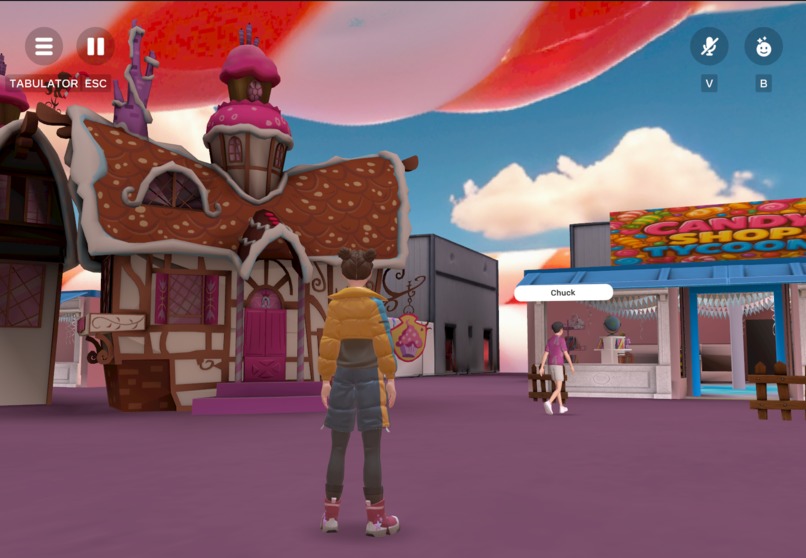
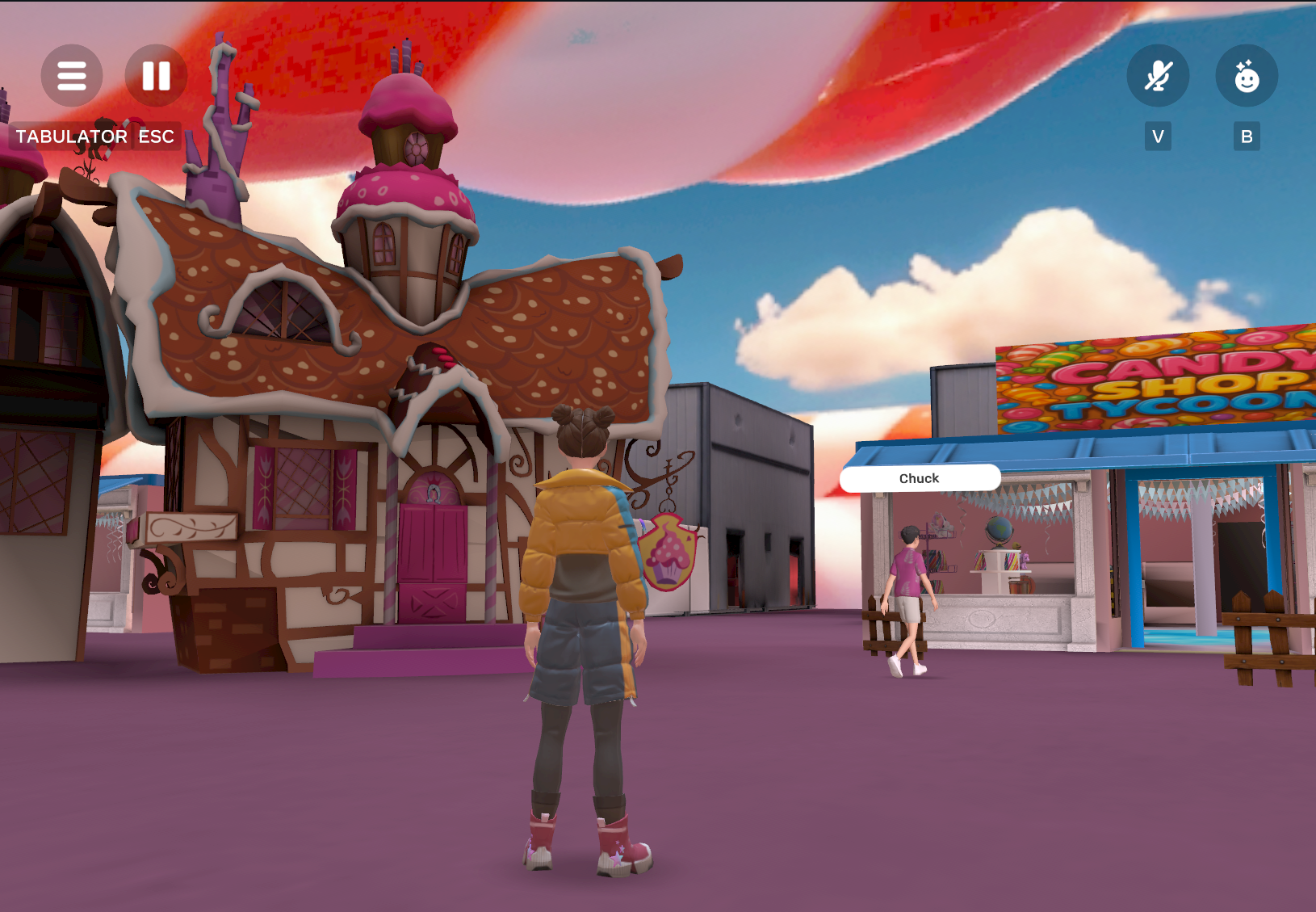
Main Market Place
-
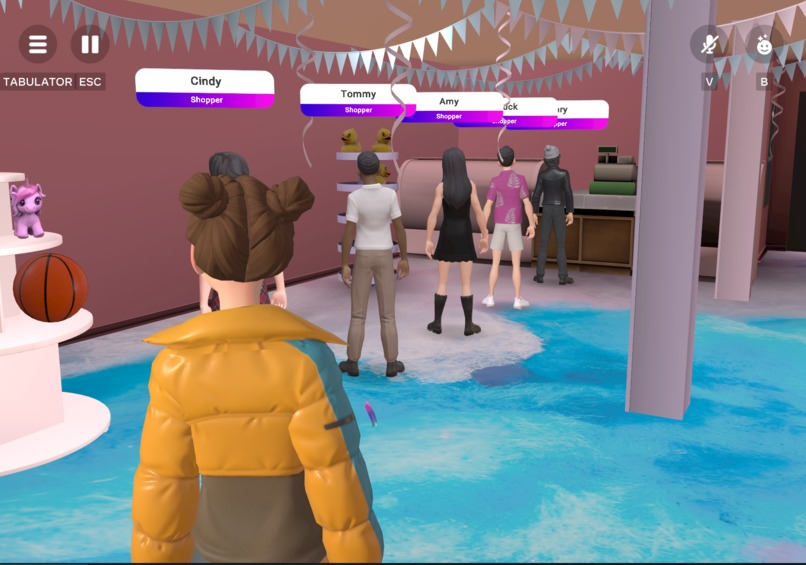
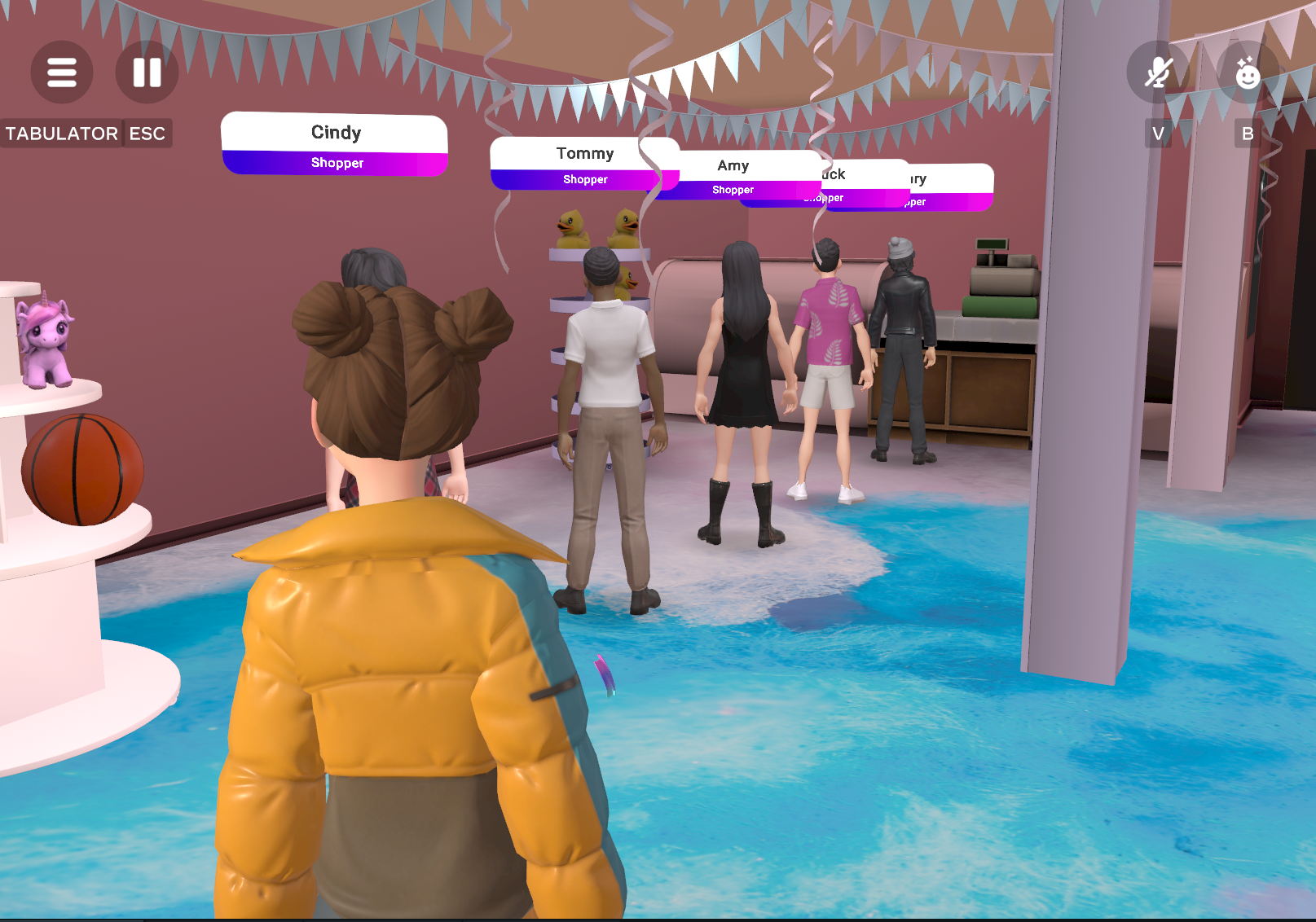
Store Customers line up
-
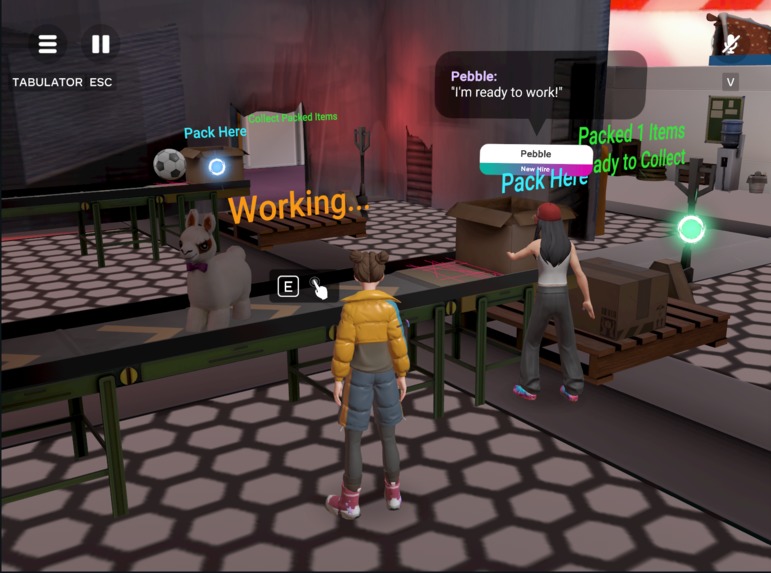
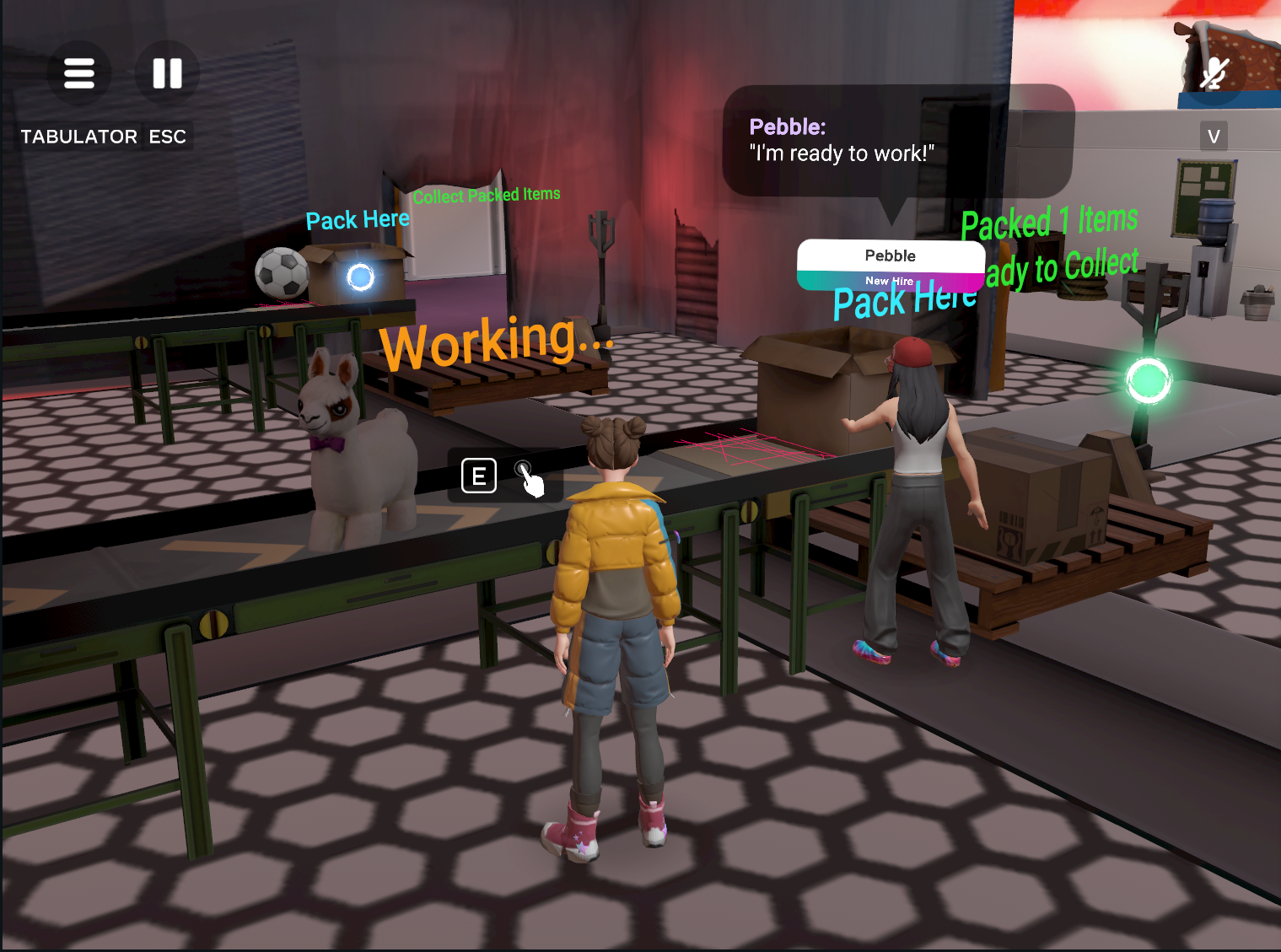
Production Room. Automated NPC is packing new shop items
Inspiration
I've always loved the satisfying progression of tycoon games and the fast-paced, hands-on action of classics like "Diner Dash." My inspiration was to merge these two genres into one delightful package. I wanted to create a game that starts with a fun, manual challenge—stocking shelves and serving customers—and builds towards the deep satisfaction of automating a massive, sweet-filled empire. The "Candy Shop" theme felt perfect for a fun, vibrant, and universally appealing mobile experience.
What it does
"Candy Shop Tycoon" puts players in charge of a bustling candy and toy business. It's a mix of time management and automation. NPCs line up "Diner Dash" style at two shops, each wanting a specific item. At first, the player must do everything manually: go to the fabrication machine, start production (which creates random items), pack the items, and stock the shelves. Then, they run to the cashier to check the UI, find the requested item in stock, and make the sale. The cash earned can be used to hire temporary AI workers, automating production and packing. The ultimate goal is to transform the chaotic manual shop into a fully automated, self-running candy empire. A global and friends highscore list adds a competitive edge.
How I built it
As a solo developer, I built this world by remixing the "Toy Store Tycoon" template. This gave me a fantastic foundation for the core tycoon mechanics. My work focused on completely re-theming the world into a "Candy Store" paradise. I used the GenAI features extensively to create the new, whimsical skybox and other sweet-themed assets, transforming the environment. I then heavily modified and scripted the UI to fit the "Diner Dash" style order-taking. The game is built mobile-first, using the AI NPC Avatar System for the endless stream of customers.
Challenges I ran into
The biggest challenge was "rewiring" the logic of the original "Toy Store Tycoon" template. Deconstructing another creator's scripts to inject my new "Diner Dash" mechanics (like manual packing and random item creation) was a complex puzzle. Balancing the game's economy was also difficult: setting the right item prices, worker costs, and upgrade costs to make the progression from manual labor to automation feel challenging but rewarding, not a "grind."
Accomplishments that we're proud of
I'm most proud of successfully merging the active, high-pressure "Diner Dash" gameplay with the long-term, passive "Tycoon" progression. It's not just a "wait-and-watch" game; you are actively involved in your success from the start. I'm also proud of the complete visual transformation using GenAI tools, turning the original template into a vibrant, unique candy world that feels entirely new.
What we learned
This project was a deep dive into the power of remixing. I learned how to read and adapt existing, complex game logic, which is a very different skill from building from scratch. It also reinforced how much a strong, appealing theme (like candy) and a solid core loop (manual work -> automation) can define the entire player experience.
What's next for Candy Shop Tycoon
The future is all about expansion! I plan to add more candy and toy types, each with unique production chains. I also want to add more automation upgrades, like permanent worker contracts and faster machines. Finally, I want to allow players to cosmetically customize their shops with the cash they've earned, making their sweet empire truly their own.
Built With
- desktop
- editor



Log in or sign up for Devpost to join the conversation.