-
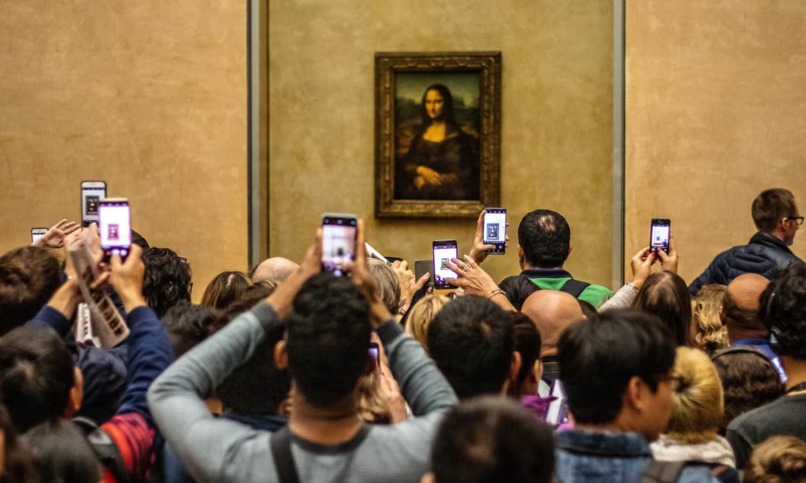
The problem. We use too much technology
-
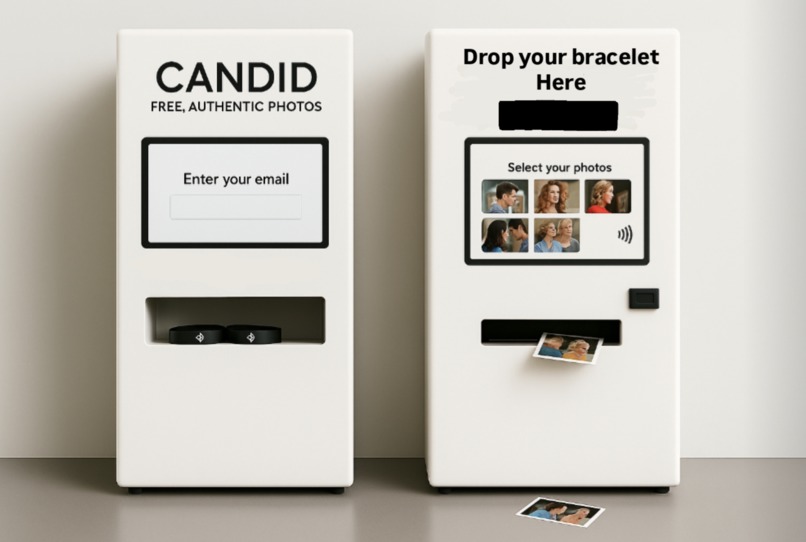
The solution. A non-intrusive museum experience where you disconnect to reconnect. Minimal maintenance, no staff required.
-
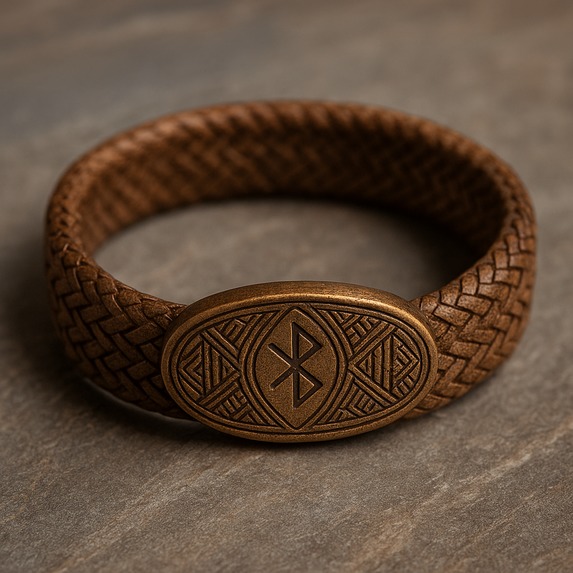
Bluetooth tracker with a Viking Age design
-
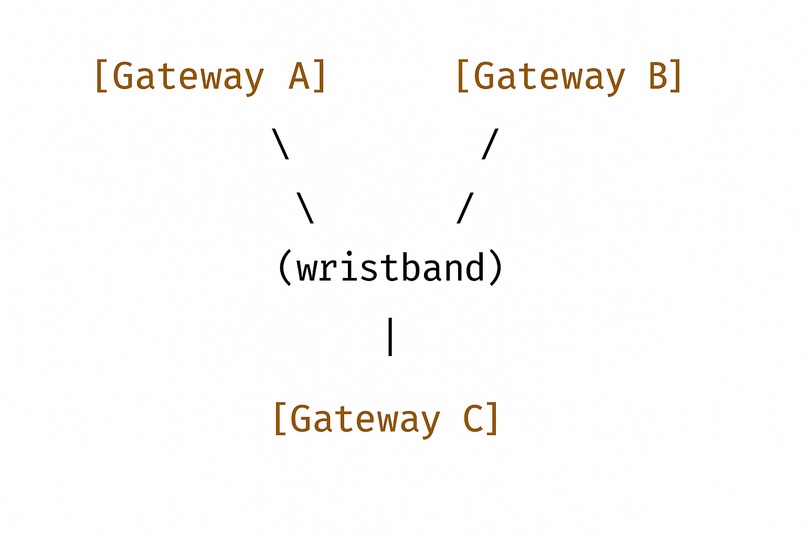
Innovative location tracking with bluetooth
-
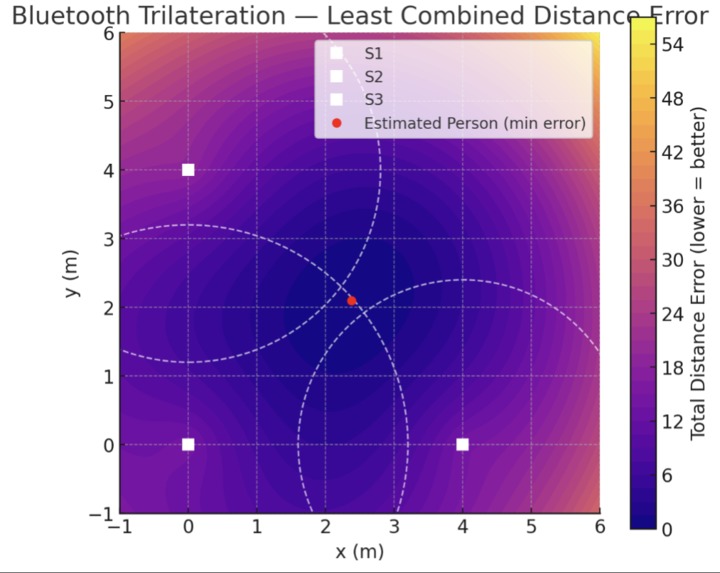
Bluetooth trilateration with sensors in an L-shape
-
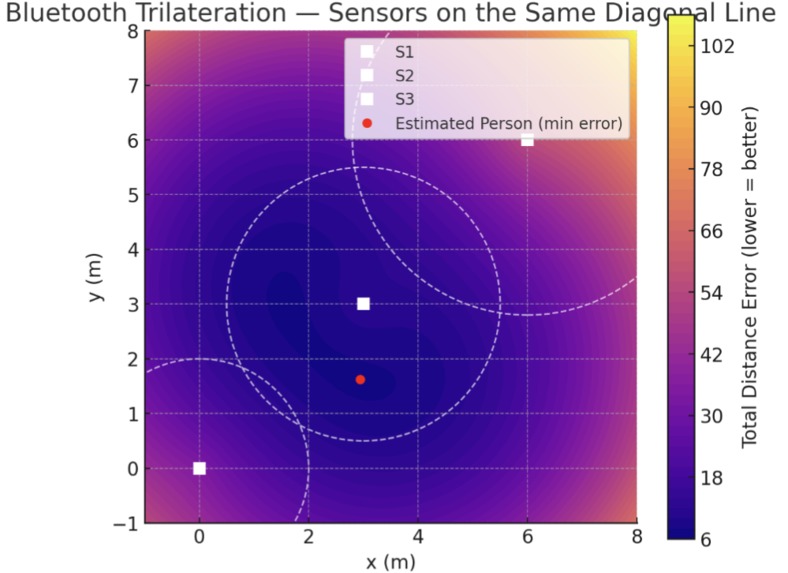
Bluetooth trilateration with sensors in a straight line
-
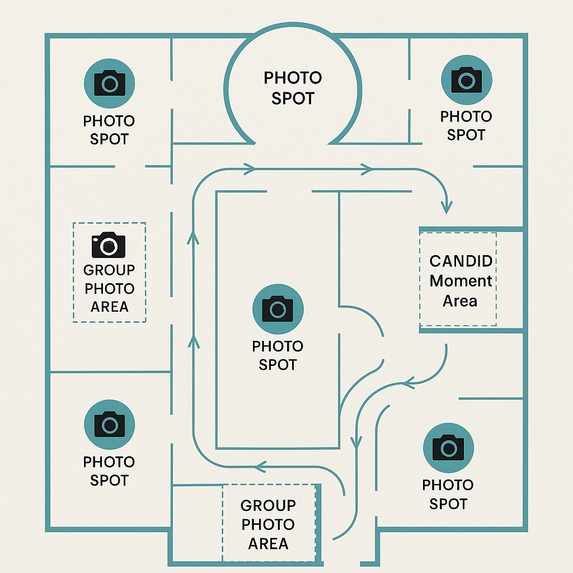
Enjoy a collection of photos captured naturally throughout the museum
-
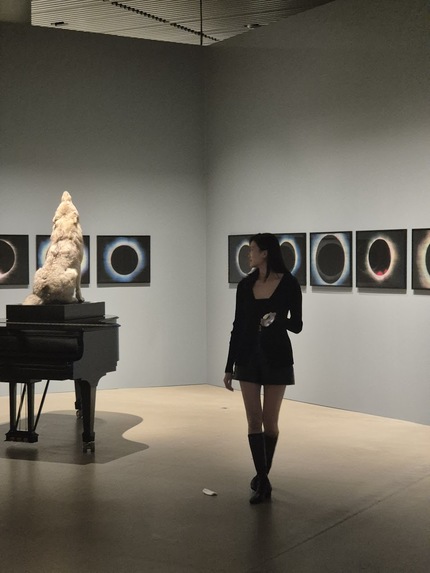
Candid photo
-
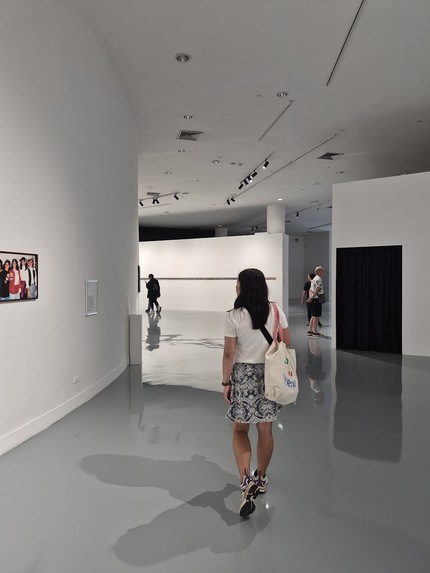
Candid photo
-
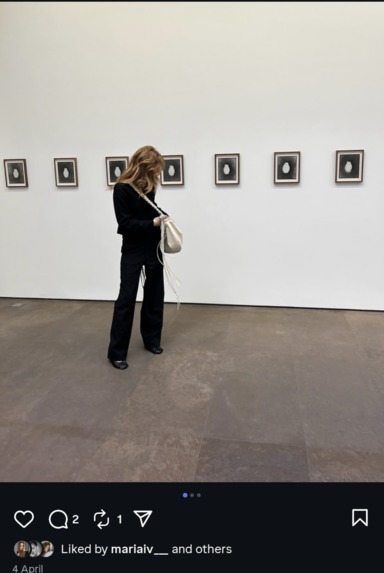
Enjoy the photo for yourself or share on Social Media


CANDID — Your Personal Museum Photographer
Inspiration
(This page explains the main idea and process, but if you’d like to learn more, I’ve also added a Dropbox link at the bottom of this page.)
As someone who started studying artificial intelligence less than two months ago and works alone, I knew I had no realistic chance of winning this techathon by simply building more technology. So, I began to brainstorm differently.
I asked myself: what are the most visited public buildings in the world? The answer was clear — churches. At first, I thought it might be because they are grand, spacious, and beautiful. But then I realized it’s also because people love photographing them.
I’ve taken hundreds of photos of churches myself — inside and out — from almost every famous one in Europe (except those in Russia). That made me wonder: how could I combine this love for photography with Bluetooth technology and a museum experience in Jelling?
That question is where my journey with Candid began.
The name Candid comes from the word for natural, unposed photography — capturing people as they truly are.
It reflects the project’s goal: to take honest, beautiful photos of museum visitors without them ever having to stop or pose.
What It Does
Candid is a system that automatically takes photos of museum visitors — without them ever needing to use their smartphone.
Visitors wear a small Bluetooth wristband that quietly connects to sensors and cameras around the museum. When someone walks, stops, or looks at an artwork, the system would ideally capture a few natural moments — like a personal photographer following them silently.
At the end of the visit, the visitor would drop off the wristband and instantly receive their photos by email or be able to print them on-site.
It’s a concept designed to make memories easy and human — letting people focus on the experience instead of their phone.
How We Imagine Building It
Candid is built on a simple but elegant and innovative hypothesis: that Bluetooth signals can create a “map of presence” — showing where people are, not who they are.
The idea is to use Bluetooth Low Energy (BLE) wristbands that broadcast small, unique signals every few seconds. These signals would be picked up by sensors on the ceiling and translated into approximate positions inside the room.
When someone lingers near an artwork or interacts with a space, a nearby camera would be triggered to take a few candid shots. Each photo would be connected to that visitor’s Bluetooth ID, which links to their email for delivery once the wristband is returned.
The hypothesis is that this setup could give visitors authentic photos of themselves, while staying fully anonymous and privacy-safe. In theory, Bluetooth triangulation could provide just enough accuracy (within about 1–2 meters) to detect presence without the need for AI or facial recognition.
Mathematically, the distance between a wristband and each receiver would be estimated using:
$$ d = 10^{\frac{(A - RSSI)}{10n}} $$
where (d) is the distance from sensor to wristband, (A) is the signal strength at 1 meter, and (n) represents environmental noise.
The entire system is meant to be lightweight, low-energy, and privacy-friendly — no faces, no profiles, just presence.
Challenges and Reflections
Since the system hasn’t been tested yet, the main challenge is still technical feasibility — especially around positioning accuracy and smooth signal reading in crowded environments.
Bluetooth can be unpredictable, and signals might overlap or bounce off walls. The challenge will be to calibrate sensors, find the best spacing, and ensure cameras trigger at the right time.
Another big challenge is emotional — designing technology that feels invisible and respectful inside a cultural space. Candid should never feel like surveillance. It should feel like part of the museum atmosphere.
Finally, working alone meant turning an idea into a clear vision, not a prototype. The hardest part was imagining all the steps while keeping it realistic and human-centered.
Accomplishments
I’m proud that Candid became something truly innovative — using Bluetooth in a completely new way, not just for connecting devices, but for creating connections between people and moments.
I’m also proud that this idea comes from the heart. Photography has always been a big part of my life — both as a freelance photographer behind the camera and as a model in front of it.
It’s not just about taking photos — it’s about capturing emotion, presence, and memory. I’m proud that the concept stays simple, respectful, and elegant.
Even though it hasn’t been tested yet, the design logic holds together — and it proposes a new way of thinking about interaction and photography in public spaces.
What We Learned
This project taught me that good ideas often come from observation, not complexity. I did a lot of observation and talking before i started connecting the dots.
I learned how Bluetooth can be reimagined — not as a tool for connectivity, but for awareness. I also learned that design and authenticity can be just as powerful as algorithms.
And maybe the most important lesson: you don’t need to build everything from scratch to understand how something can change the way people feel.
What’s Next for Candid
The next step is to develop a small prototype to test the concept — perhaps in one museum room with a few sensors and cameras. The goal would be to measure how accurately presence can be tracked, and how people respond emotionally to the experience.
If the concept works, I’d love to expand it to:
- Art galleries — where visitors receive portraits beside artworks.
- Tourist landmarks — where photos are taken automatically at scenic spots.
- Interactive architecture — where spaces sense and respond to people naturally.
The long-term vision is simple:
To make photography invisible — and let people stay fully present in the moment.

Log in or sign up for Devpost to join the conversation.