-
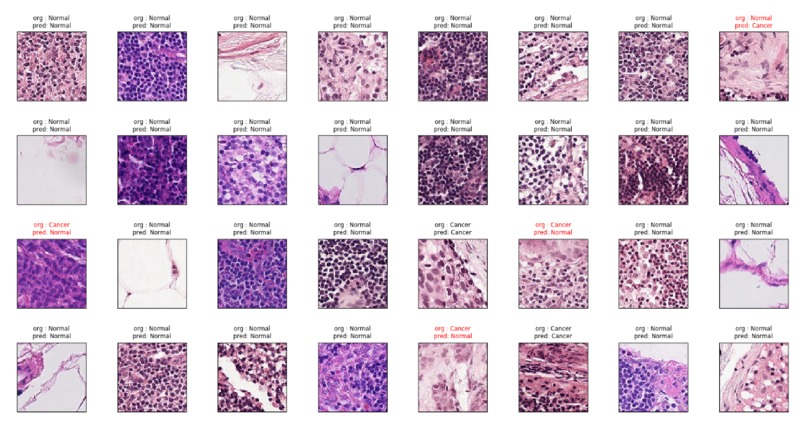
Test Cases

Inspiration
The inspiration behind this project stems from the urgent need for early detection in cancer treatment. Recognizing the transformative potential of AI and ML in healthcare, we aimed to leverage these technologies to innovate in the field of histopathologic cancer detection, directly contributing to Sustainable Development Goal 3: Good Health and Well-being.
What it does
The inspiration behind this project stems from the urgent need for early detection in cancer treatment. Recognizing the transformative potential of AI and ML in healthcare, we aimed to leverage these technologies to innovate in the field of histopathologic cancer detection, directly contributing to Sustainable Development Goal 3: Good Health and Well-being.
How we built it
We built the system on a foundation of deep learning, utilizing AutoML for model optimization and NASNetMobile for its efficiency in processing large image datasets. The development was carried out in Python, leveraging the Keras library with TensorFlow backend for model training and evaluation, within the Anaconda environment to manage dependencies.
Challenges we ran into
Integrating AutoML with NASNetMobile posed significant technical challenges, particularly in tuning for optimal performance without sacrificing accuracy. Additionally, processing and analyzing a large dataset of histopathologic images required innovative data handling techniques to manage computational resources effectively. (We didn't have time to do it all best best prescion).
Accomplishments that we're proud of
Achieving a testing accuracy of 90.21% on a substantial dataset is a testament to the efficacy of our approach. We're particularly proud of the system's scalability and its potential applicability across various types of cancer, demonstrating significant advancements in medical image analysis and diagnosis.
What we learned
The project deepened our understanding of the capabilities and challenges of applying AI in healthcare, especially in cancer detection. We gained valuable insights into AutoML's role in optimizing deep learning models and the importance of a well-architected solution in achieving high accuracy in medical diagnostics.
What's next for Cancer Marker Analysis Using AI ML
Looking ahead, we plan to extend the system's capabilities to more cancer types and integrate it with medical imaging equipment for real-time diagnostics. Further research will focus on enhancing model accuracy and exploring the potential of AI in personalized treatment planning.


Log in or sign up for Devpost to join the conversation.