-
-
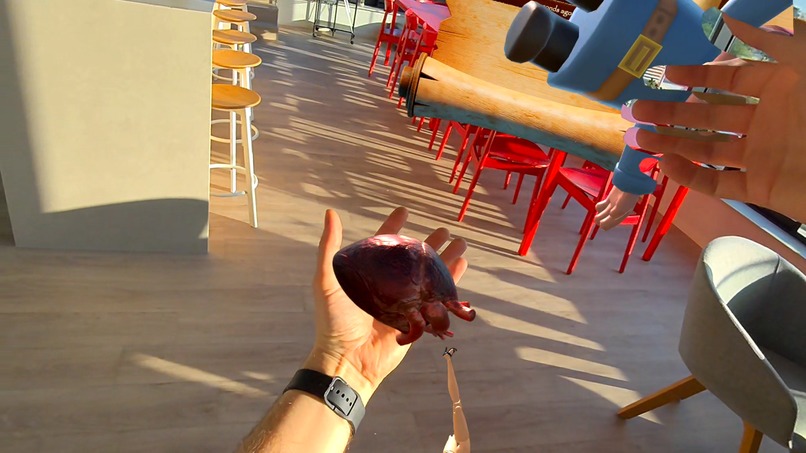
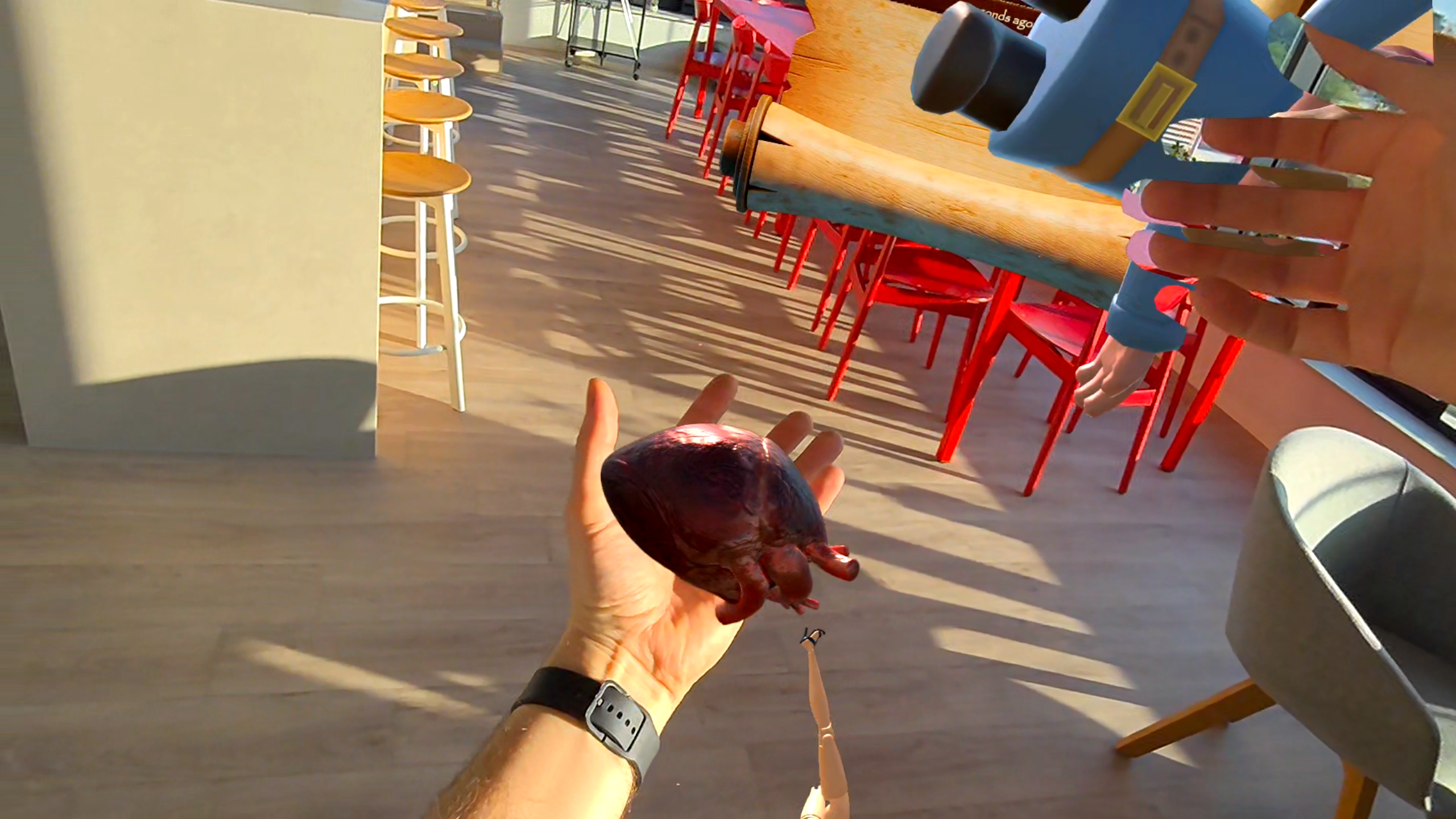
The developers really put their heart into this game. Literally.
-
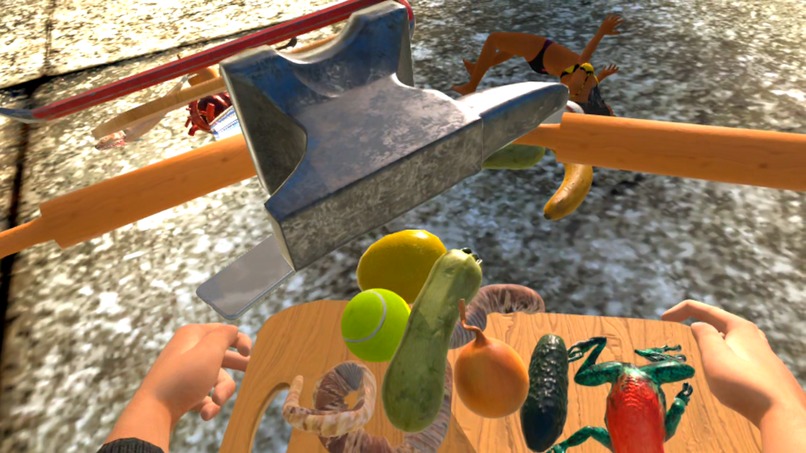
This recipe is absolutely ribbit-ing.
-
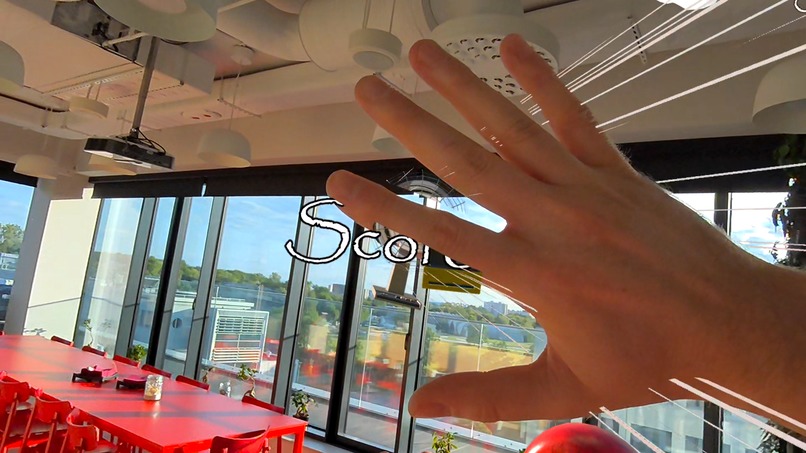
We cranked the graphic settings up to 'Actual Reality.'
-
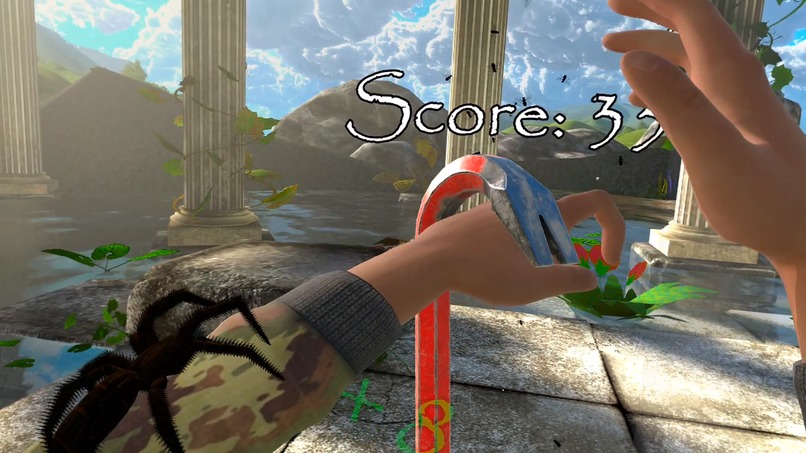
The crowbar isn't a weapon anymore. It's just an anchor to keep me from running away.
-
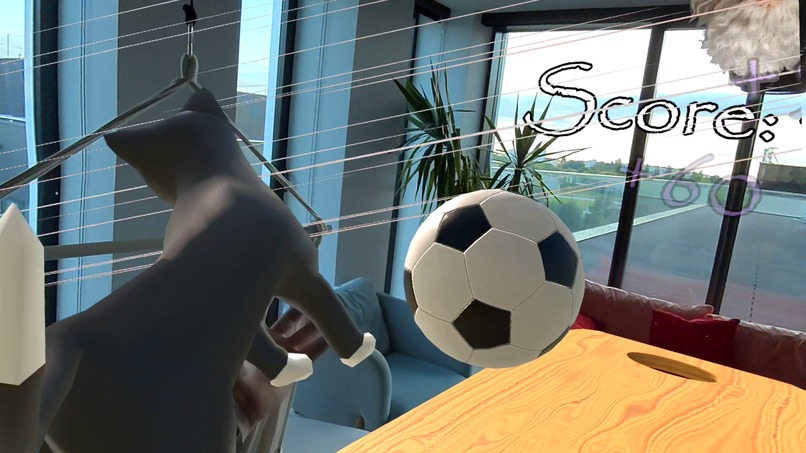
One bounces, one bites.
-
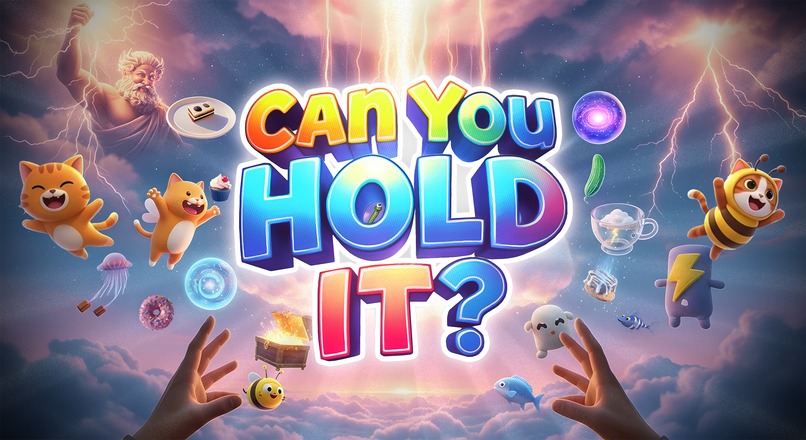
Can You Hold It?



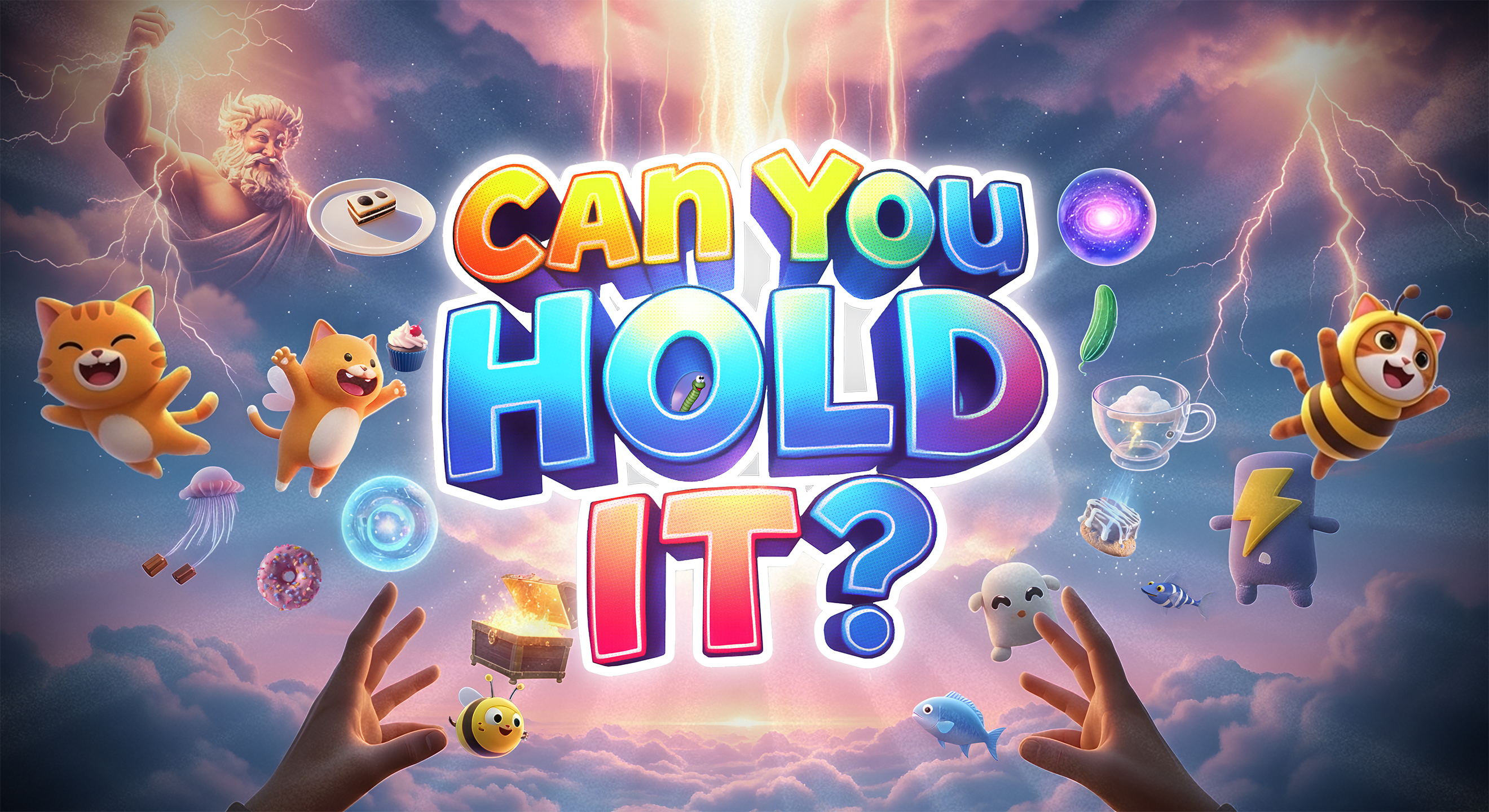
Can You Hold It?
Inspiration
We wanted to build a XR game that captures the chaotic fun of party games - but with immersive, physics-driven interactions. The core idea was absurdly simple: hold on to weird objects while the world tries to make you drop them. We were inspired by classic “pass-the-controller” games that spark laughter, surprise, and social competition in short bursts. By bringing that energy into XR, we hoped to create a quick-play, shareable experience where unpredictability and humor were front and center.

How We Built It
At the heart of Can You Hold It? is a physically accurate camera-based hand-tracking system that simulates the movement of every bone in the player’s virtual hand. We iterated on this system 10 times, but the real game-changer was applying a PID controller to every bone force - the absolute best idea that made this project possible. It ensures the hands behave naturally during calm interactions while staying hilariously unpredictable under chaos.
To keep the experience accessible for new players, we implemented three physical grab helpers—small assistance systems that stabilize grip during object pickup. These helpers reduce accidental drops caused by micro-tracking noise, but once hazards activate, the player must rely entirely on their own control. This created a balance between approachability and genuine challenge.
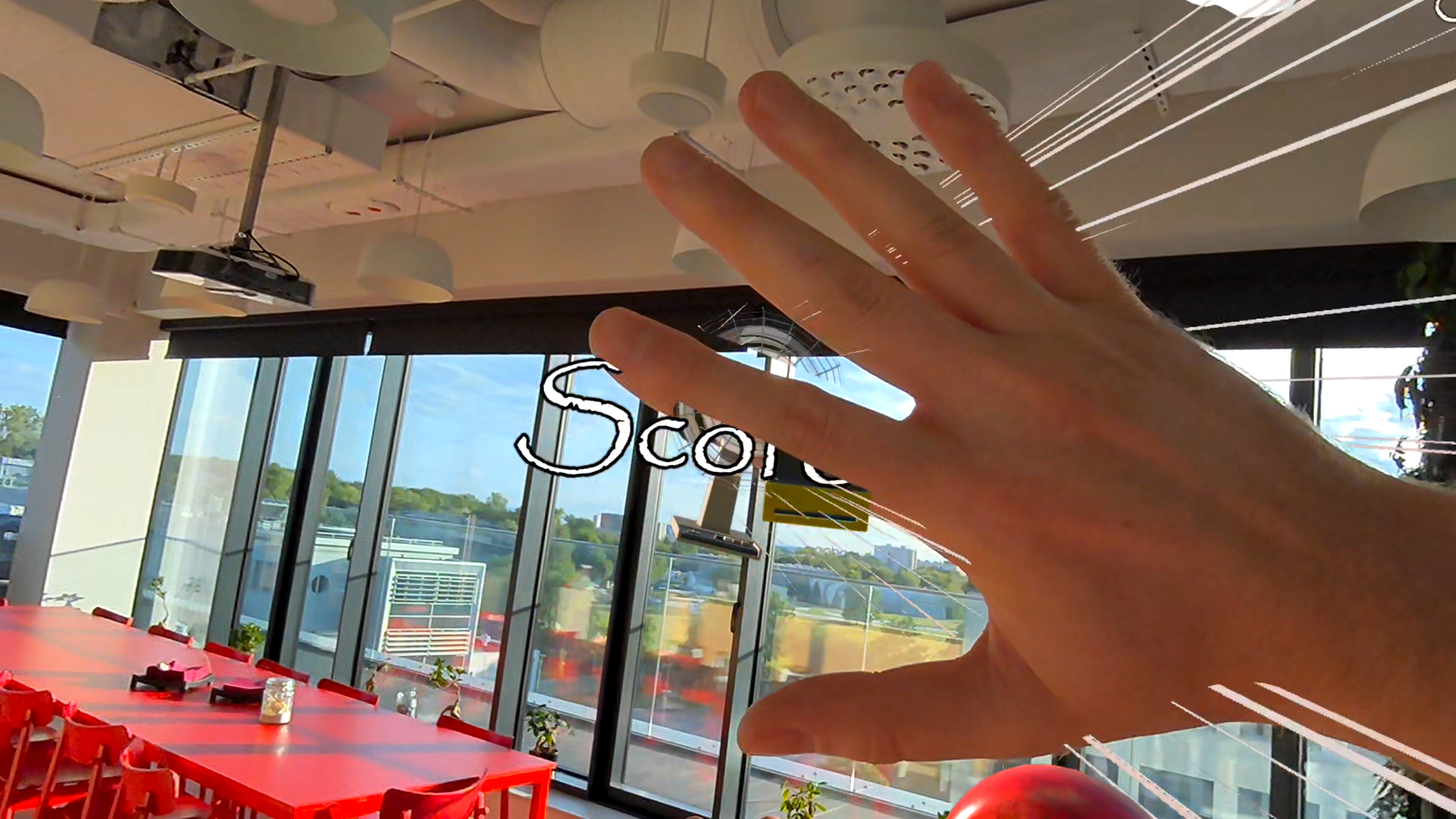
A major breakthrough came when the tracking pipeline became accurate enough that we could disable the 3D hand mesh completely. Using passthrough combined with Meta’s hand-shader system, players can now see and use their real hands instead of virtual models. The physics engine responds directly to the tracked hand bones, allowing players to naturally grip realistic objects with their own hands inside the mixed-reality environment. The result is an intuitive and uniquely immersive interaction system.
Throughout development, our guiding principle was simple: follow the fun. Every change - whether adjusting bone mass, refining helper timing, or tuning force magnitudes - was tested by asking:
\( \textit{Does this make the interaction more exciting, surprising, or funny?} \)

Challenges We Faced
- Physics tuning - we asked community for feedback: making objects feel weighty yet manageable was a balancing act. Too light = boring; too heavy = frustrating.
- Fair chaos - designing hazards that were random but still felt beatable required careful calibration. Early tests felt too unfair or too easy.
- Performance & comfort - especially in XR, too many simultaneous physics effects caused frame drops or motion sickness. We had to optimize and limit simultaneous effects while preserving chaos.
- Replayability vs novelty - after a few rounds, the same objects/hazards got repetitive. We needed enough variety to keep players coming back.
✅ What We Learned
- Simple mechanics + unpredictable physics = surprisingly rich, emergent gameplay. Small changes in mass or friction drastically changed the “feel” of the game.
- Iterative play-testing is essential. Observing real players (especially in social settings) revealed what felt fun vs what felt unfair or broken.
- Comfort in VR matters. Even short games must account for motion sickness, so performance and control responsiveness are critical.
- Keeping a “feel-first” mindset helps: fun isn’t always about realism - exaggeration and timing make or break comedic physics games.
🔄 Significant Updates During Competition - Sandbox Mode Added
During the hackathon, we implemented a Sandbox Mode: a free-form environment where players can pick any object and test physics and grip interactions without hazards or time pressure. This allowed us (and testers) to fine-tune object behavior and experiment with grip-feel, mass/friction adjustments, rotations, and edge-case physics - all without the stress of dynamic hazards.
🚀 What’s Next
Progression Through Fun Short Levels
We plan to introduce a structured progression system made up of short, fast-paced levels. Each level will teach the player a new skill - from gripping unstable shapes to holding multiple objects at once. Completing these levels will unlock new items, environments, and challenges, creating a natural and rewarding learning curve.Expanded Object Library
Add more bizarre and interactive props - fluid-filled containers, soft-body items, ropes, multi-part objects, and other physics-driven surprises that encourage creative holding strategies.New Hazards & Environments
Introduce fresh environmental challenges such as water, wind tunnels, cooperative hazards, and themed arenas that shift how objects behave.AR Local Space / Shader Space Multiplayer
We plan to enable AR-based local shared space where multiple users can appear together in the same environment. Players will be able to challenge each other or cooperate in real-time, creating social interactions.Unlockables & Progression Rewards
Implement persistent rewards: special objects, cosmetic variations, challenge modifiers, and achievements for unique or comedic feats.
In short: start from a silly, physics-based idea - and build toward a full-featured, replayable, social AR/VR experience that invites chaos, laughter, and shared moments.


Log in or sign up for Devpost to join the conversation.