-
-
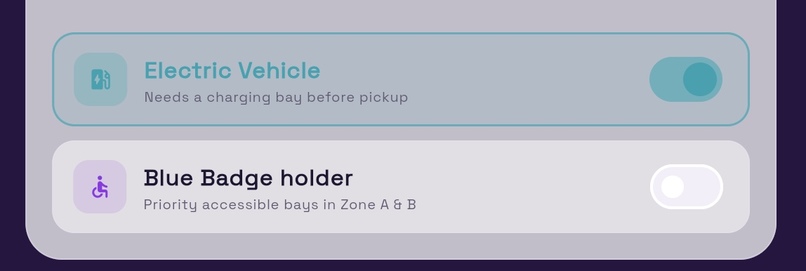
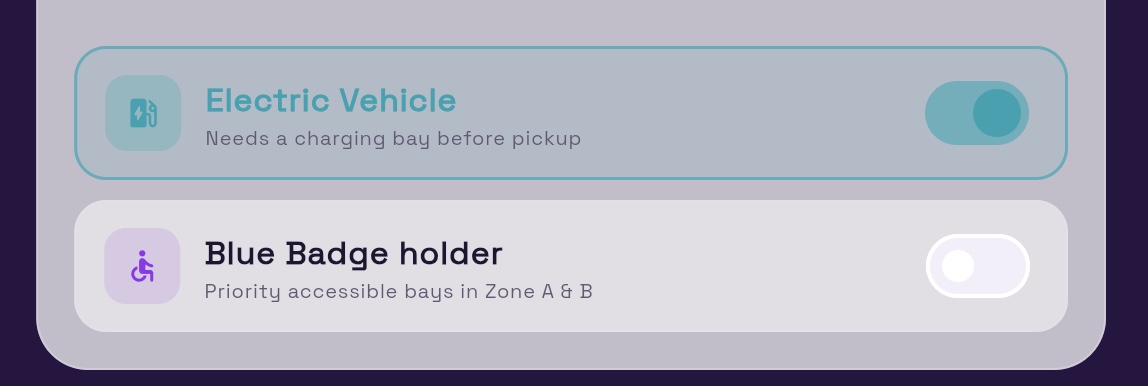
Additional Options
-
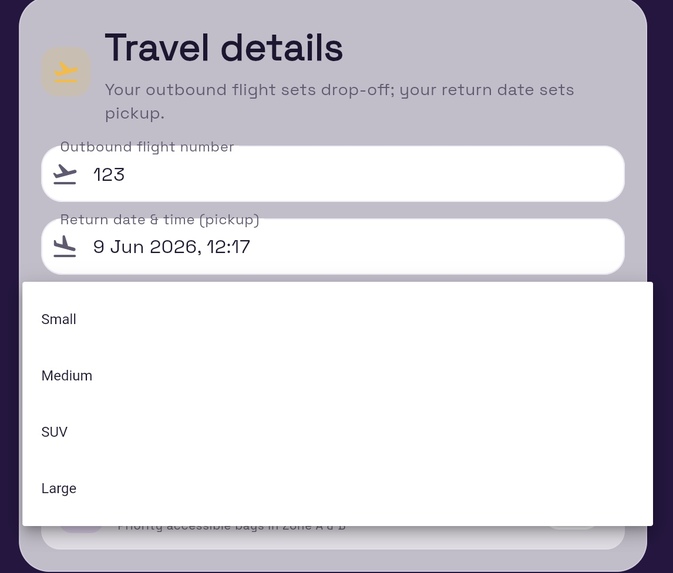
Vehicle Details
-
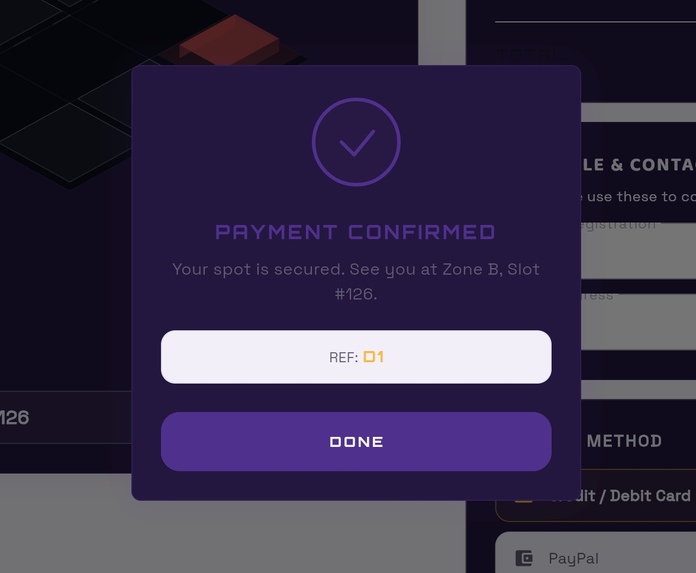
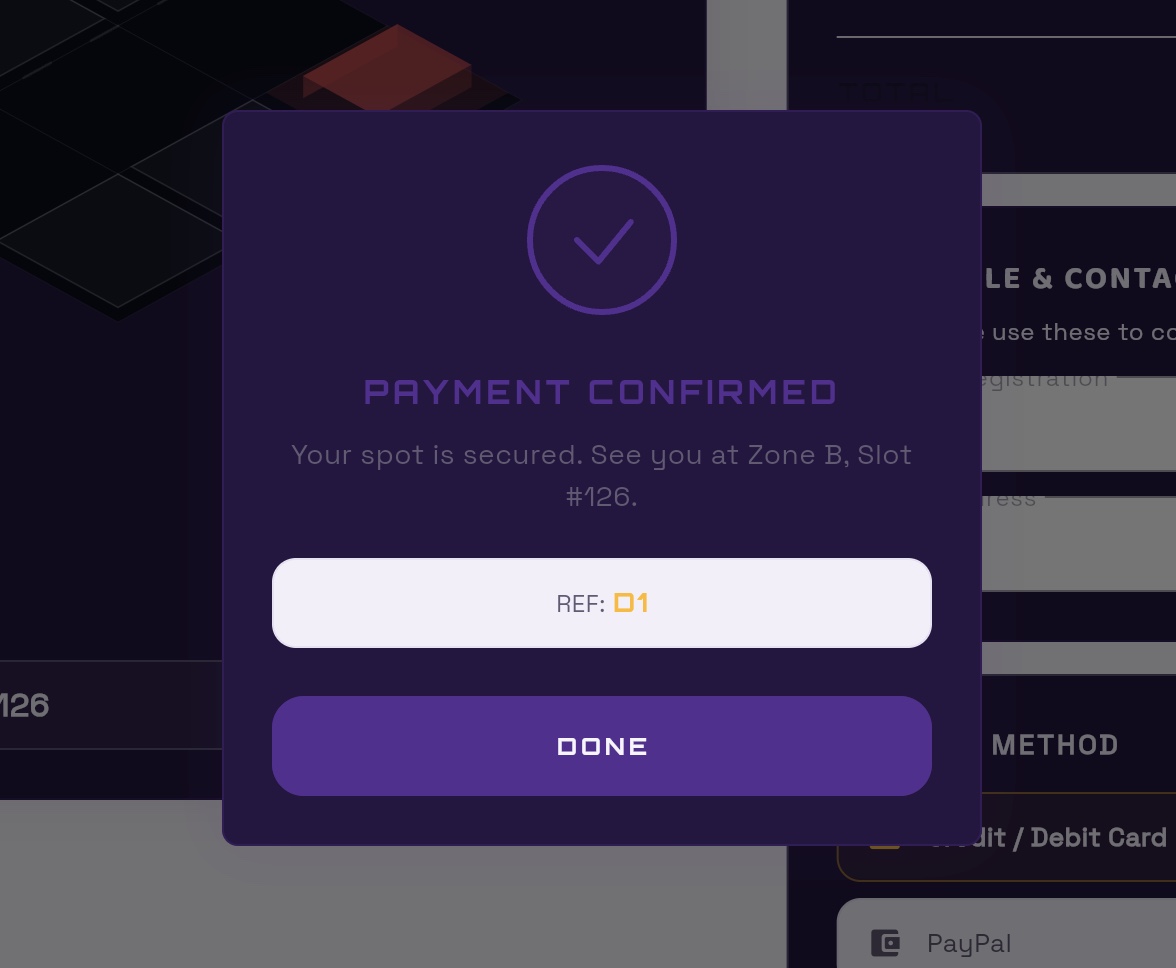
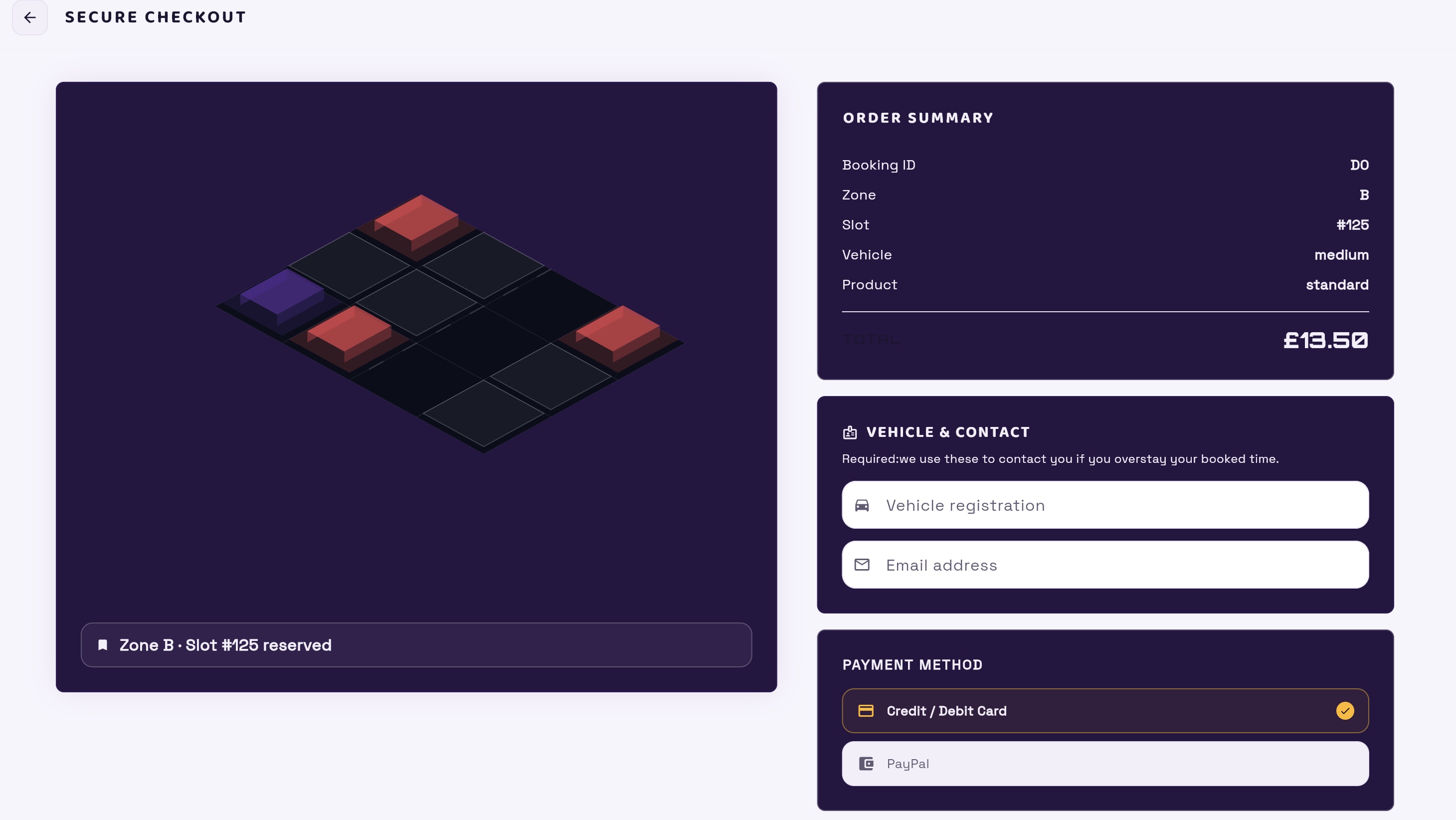
Confirmation
-
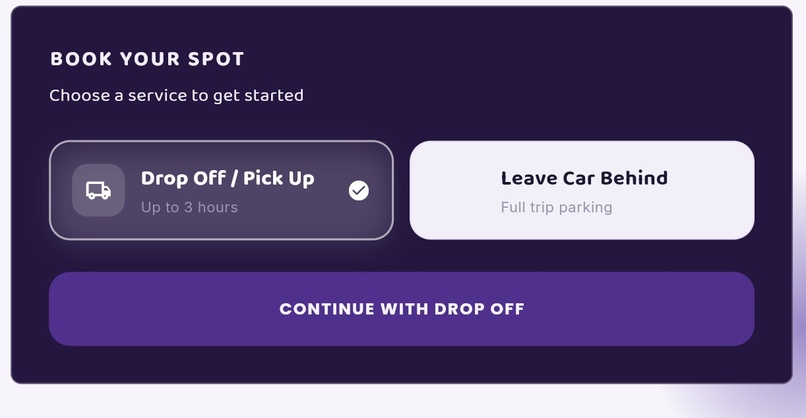
Parking Selection
-
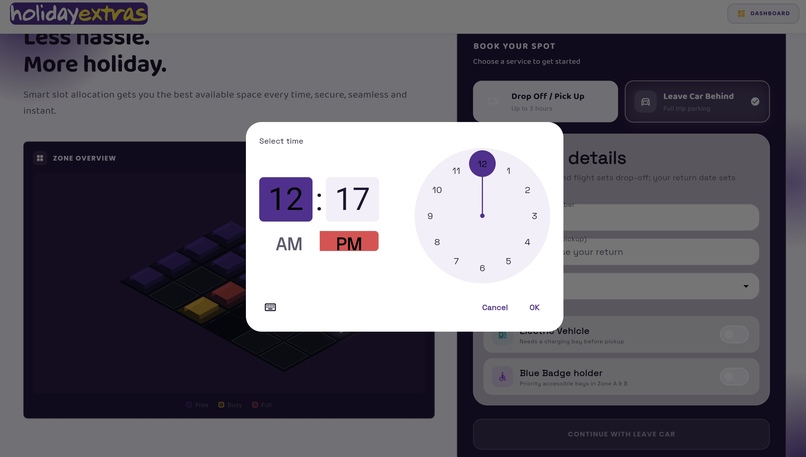
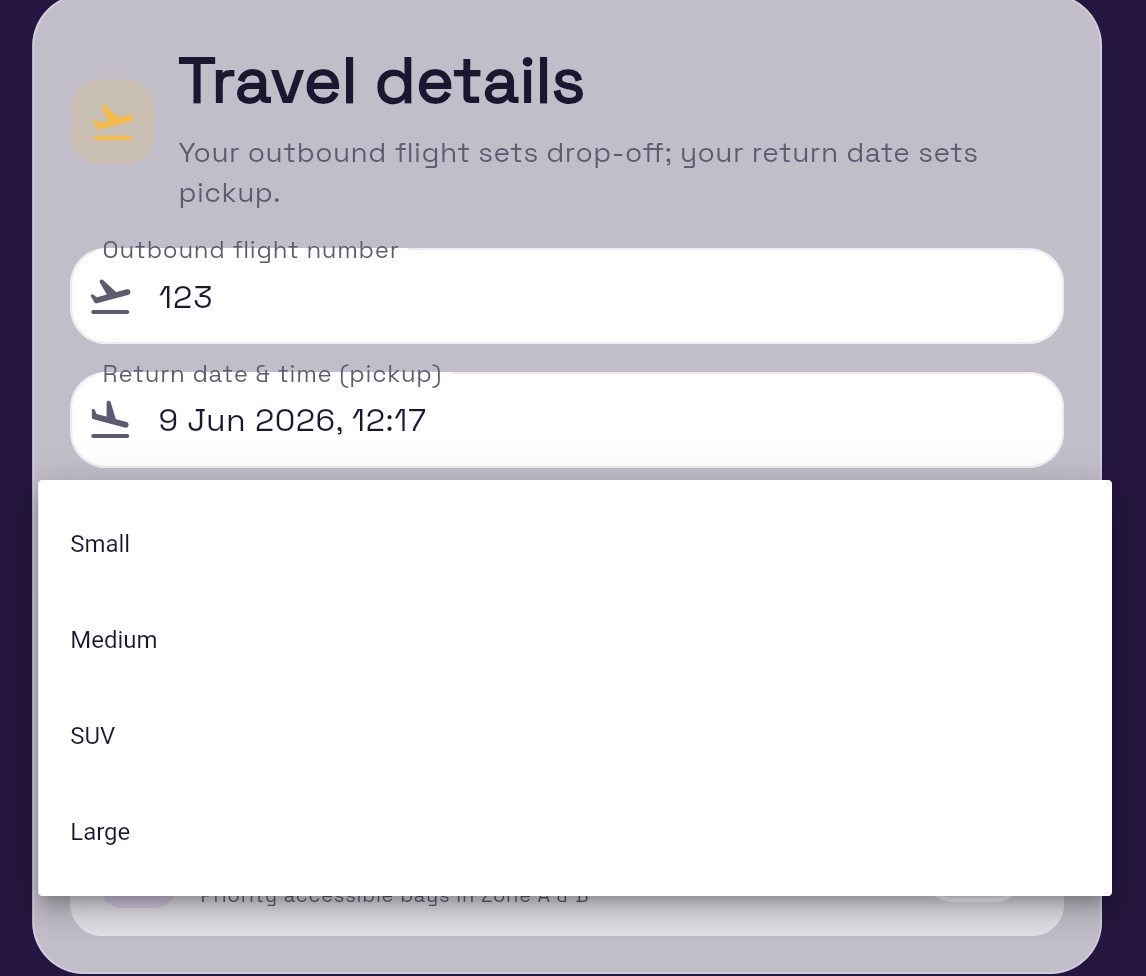
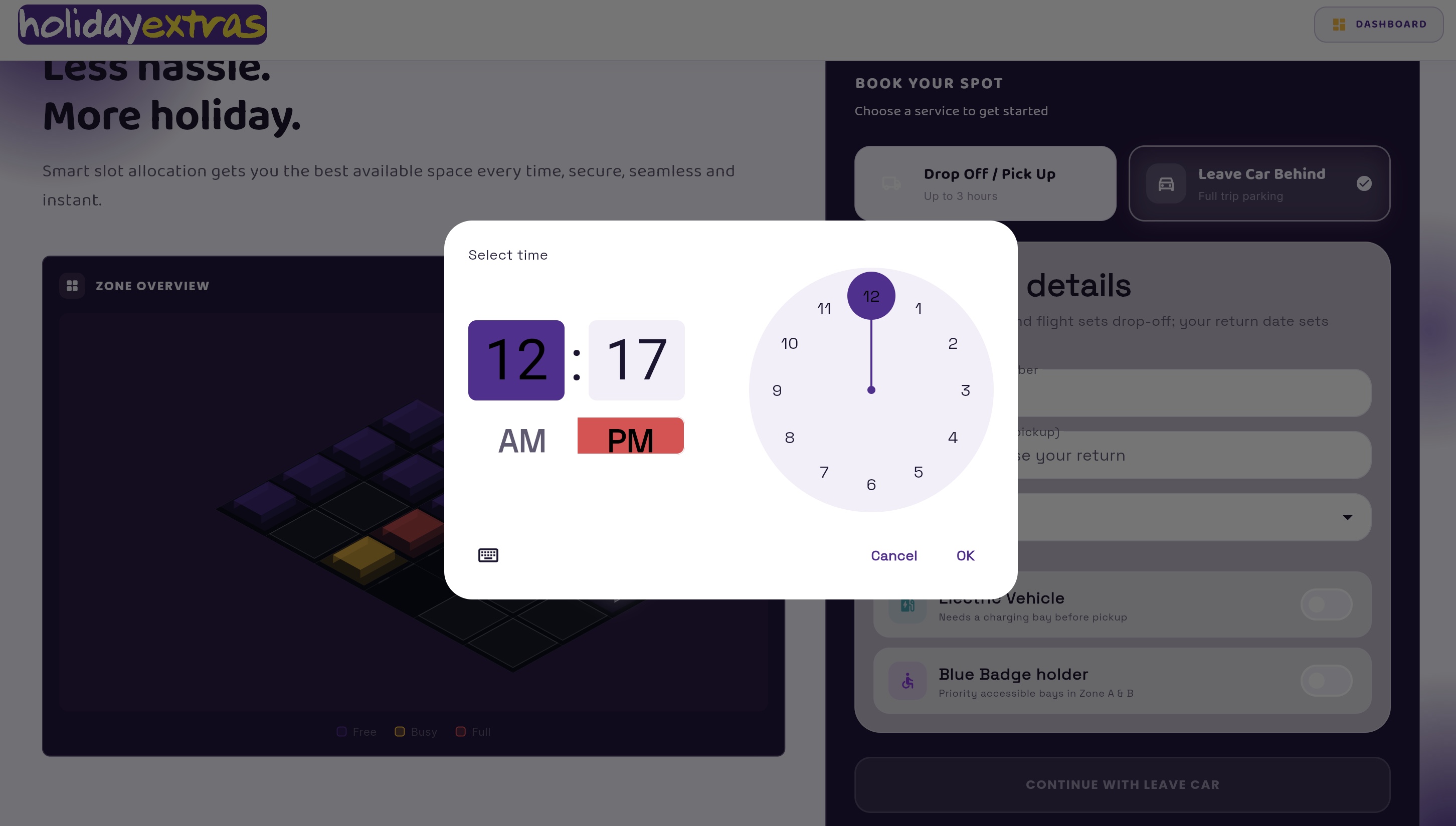
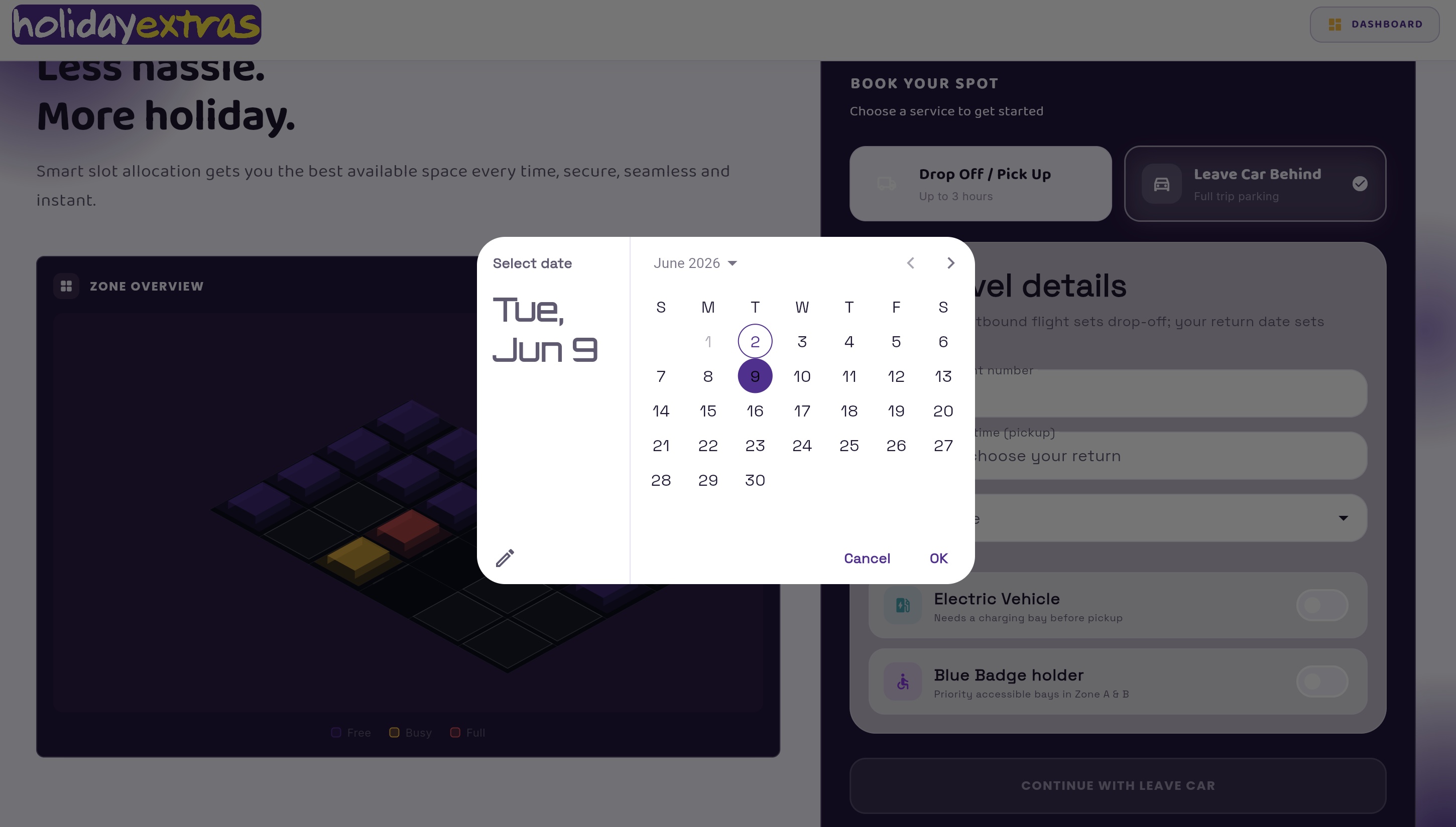
Time Selection
-
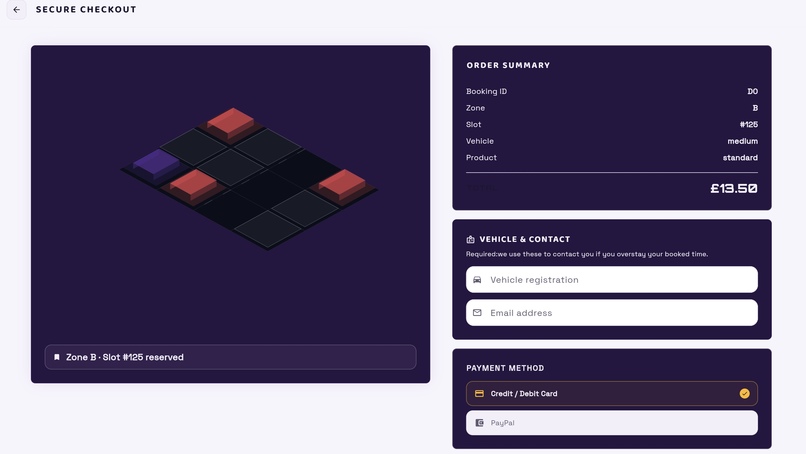
-
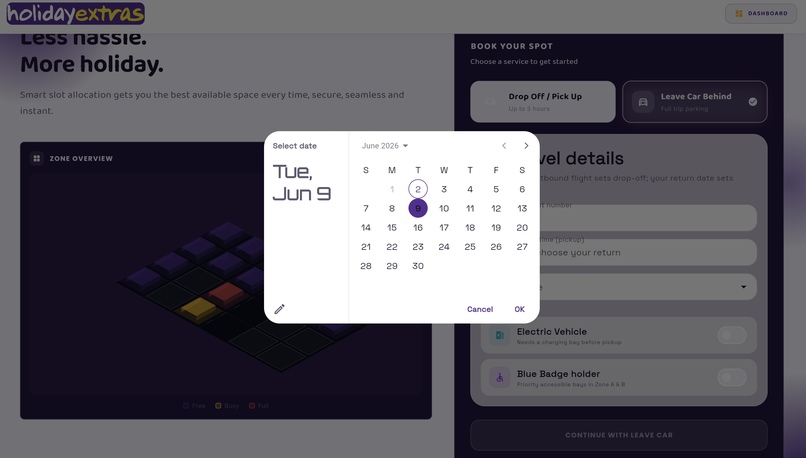
Leaving Your Vehicle
-
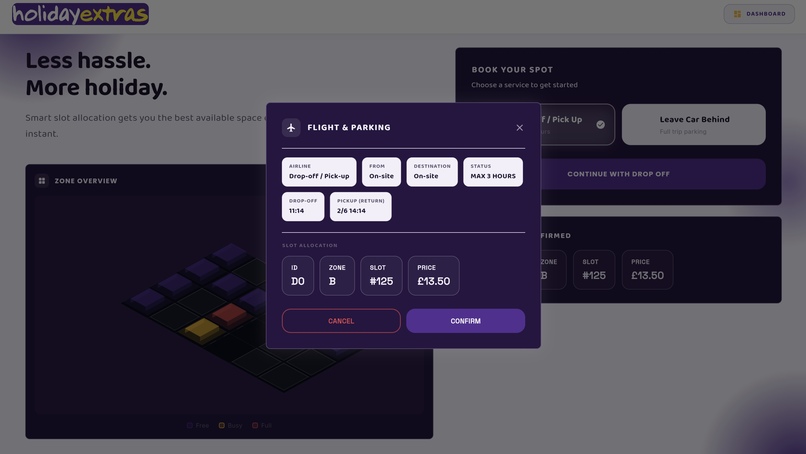
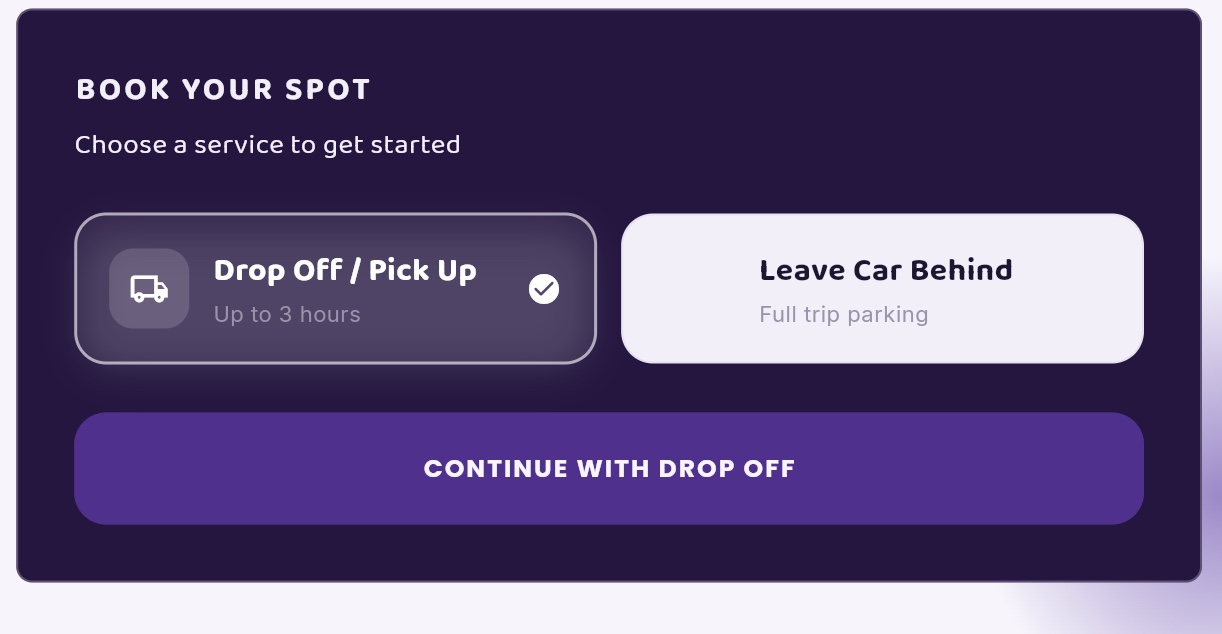
Drop Off/Pick Up
-
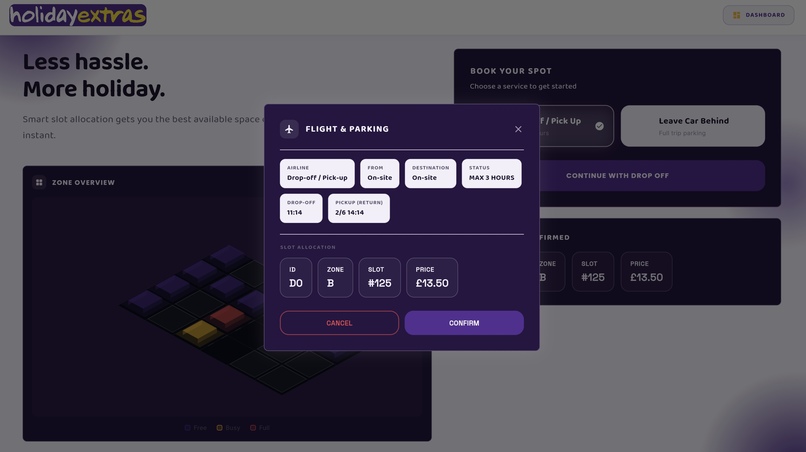
-
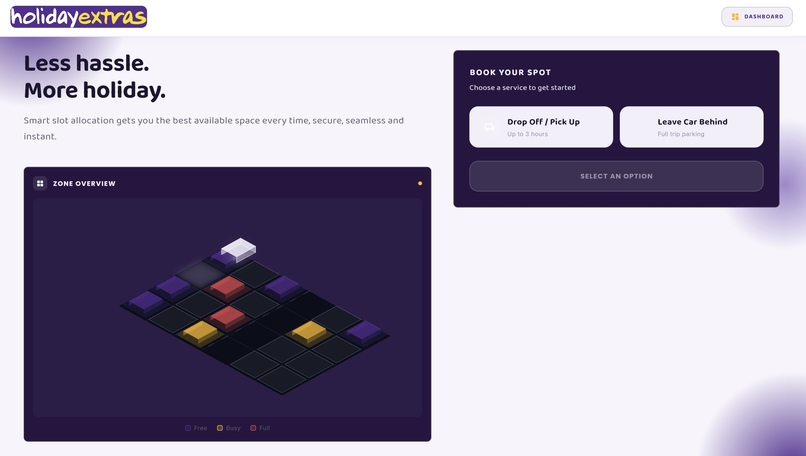
Start Page
-
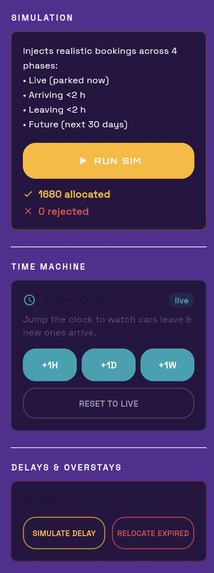
Additional Dashboard features
-
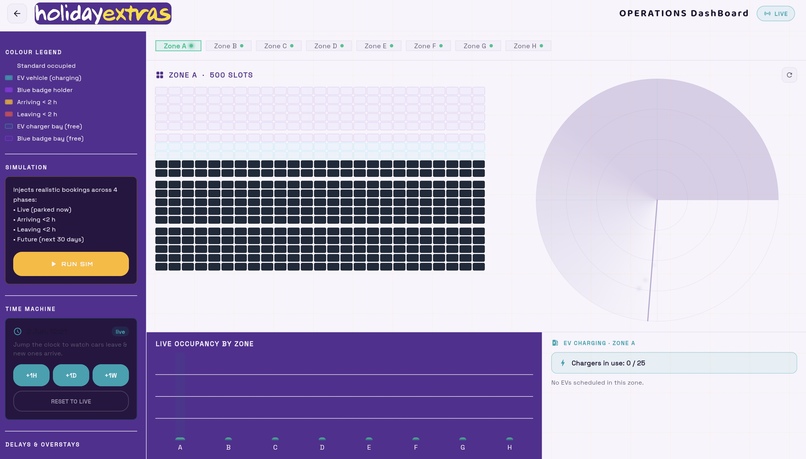
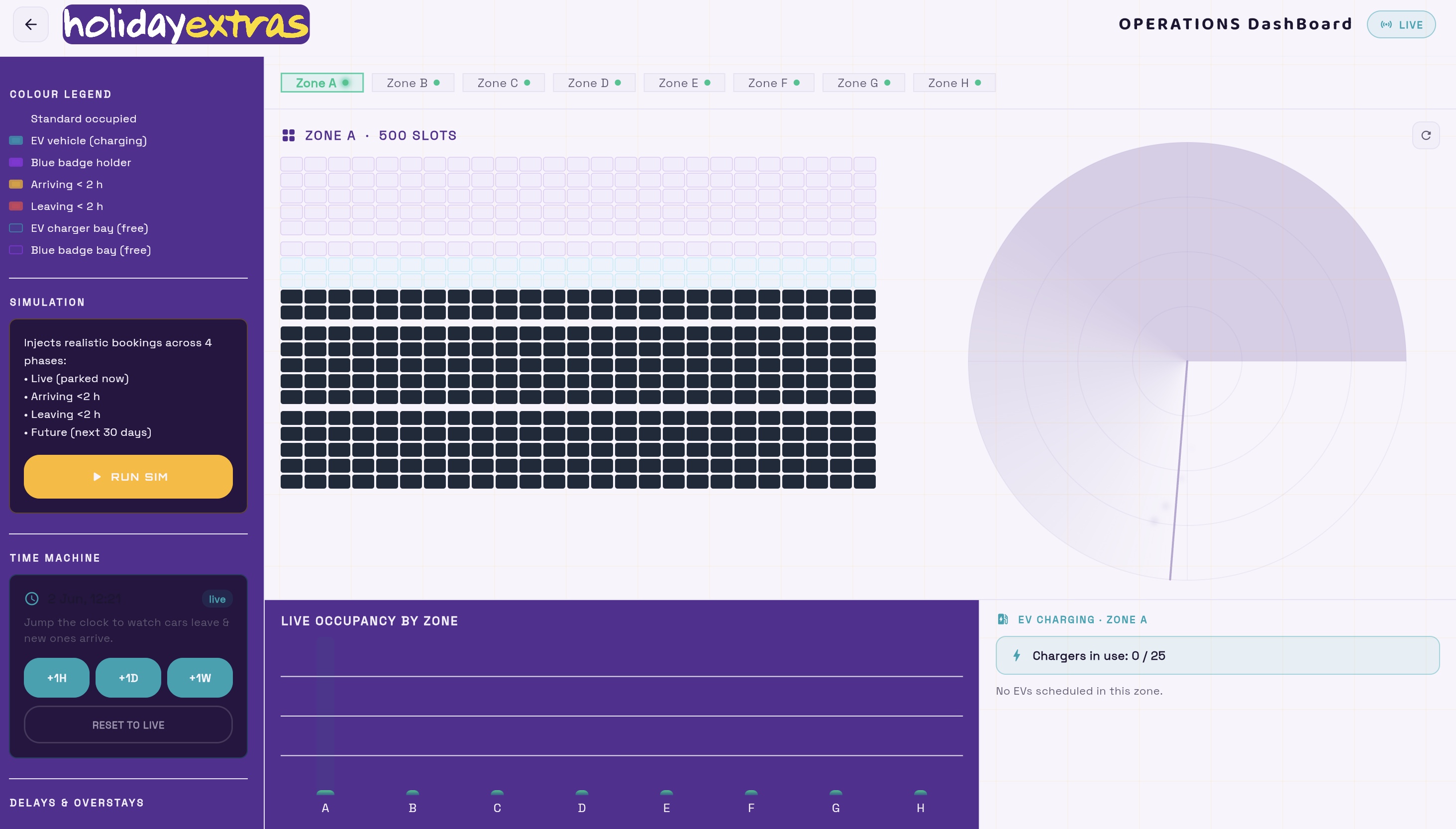
Dashboard Start Page
-
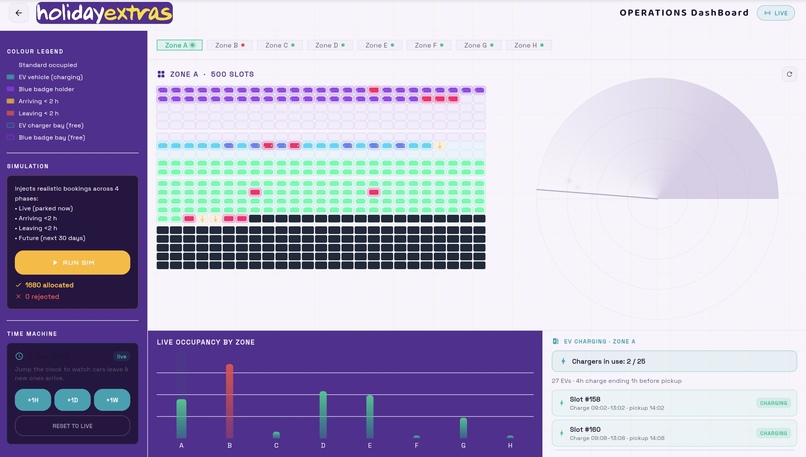
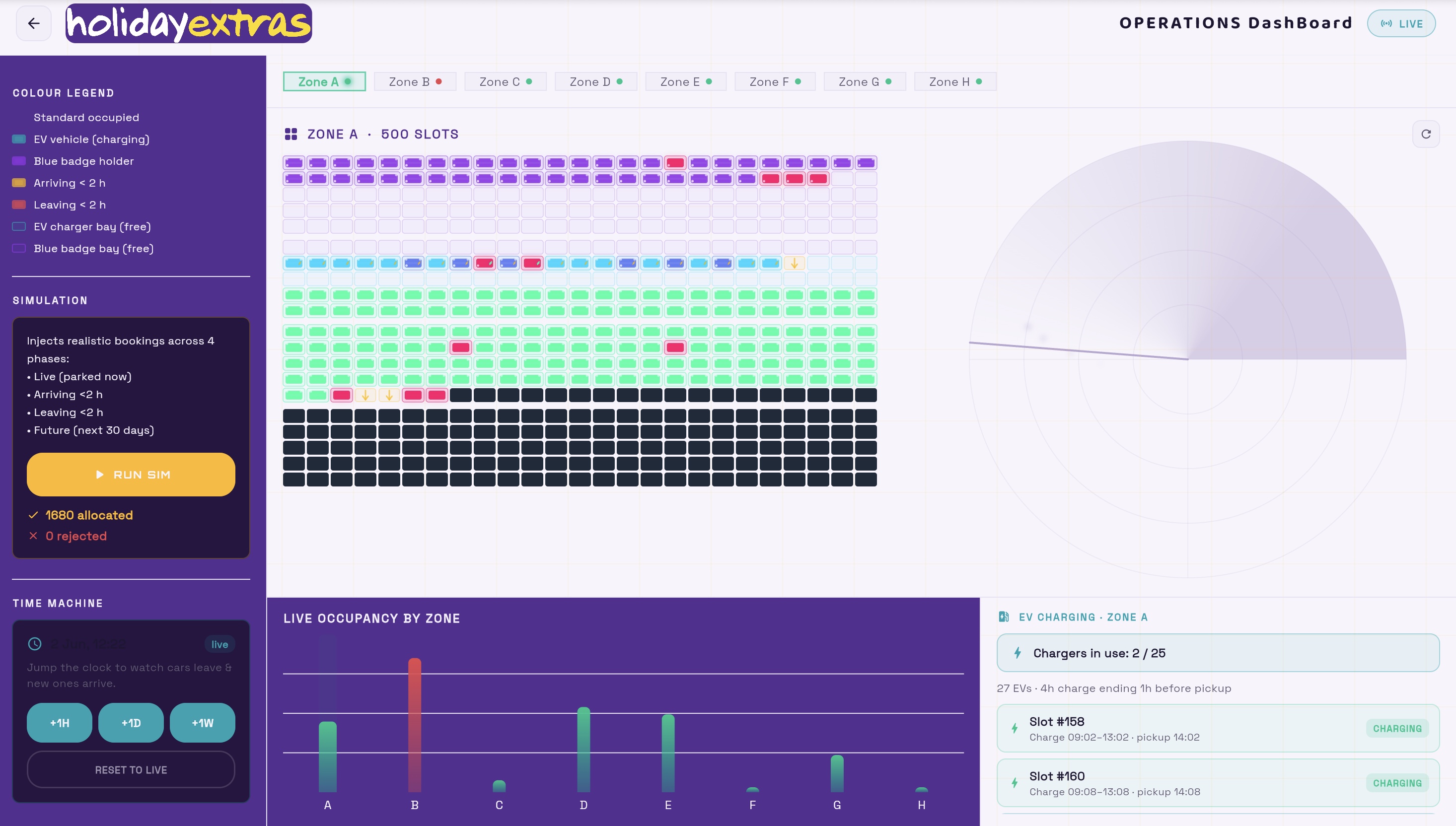
Dashboard after running Simulation
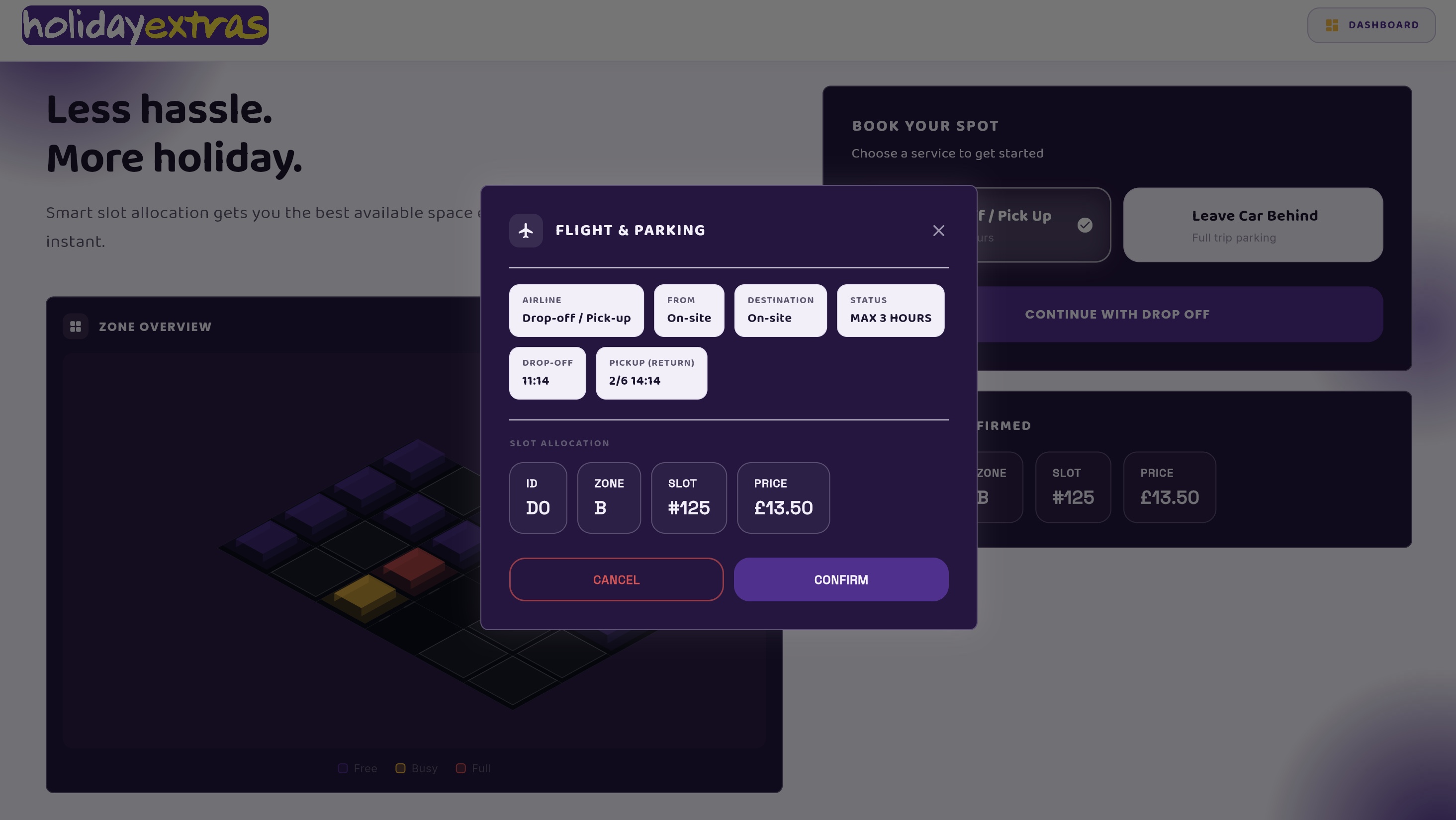
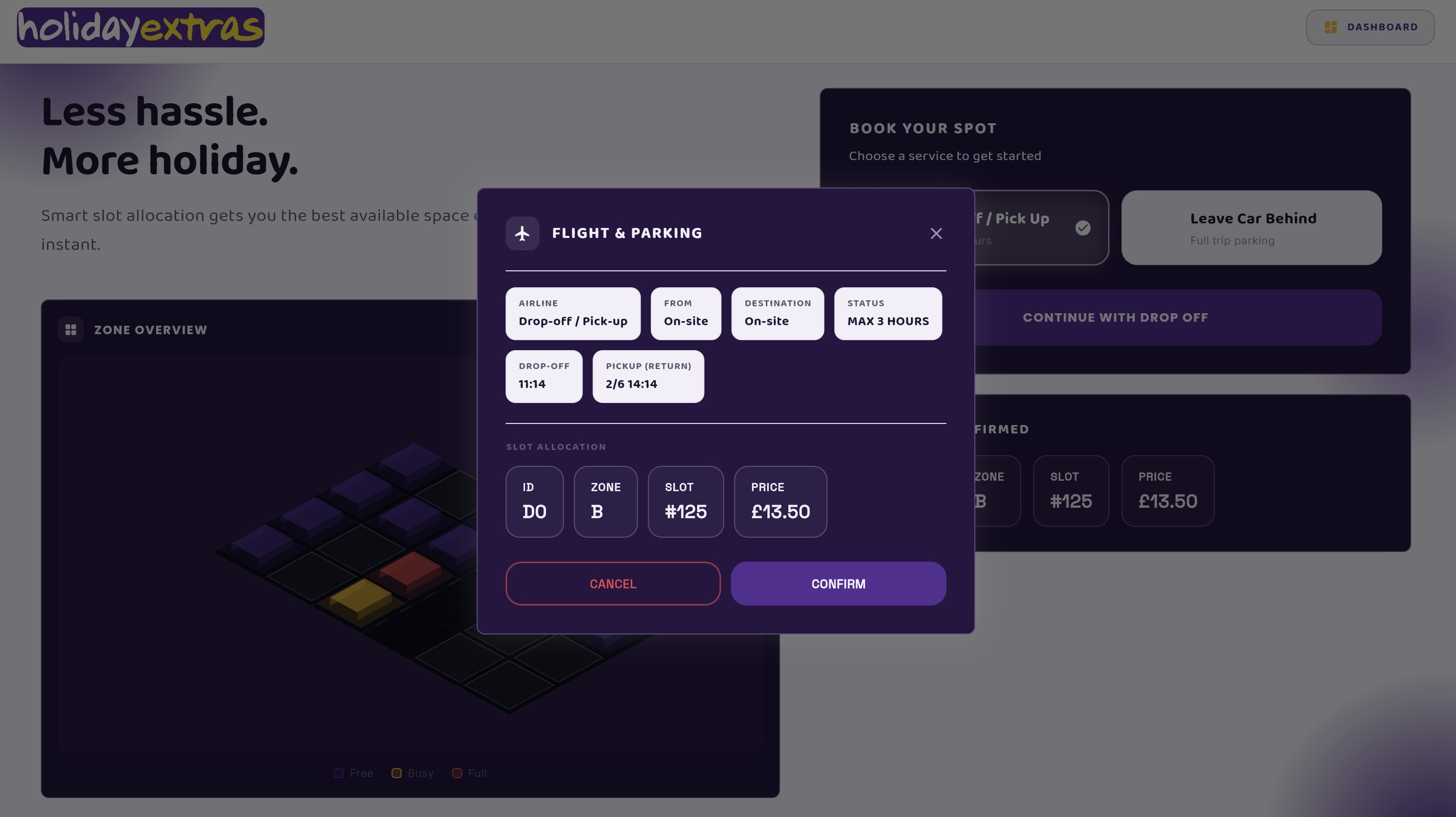
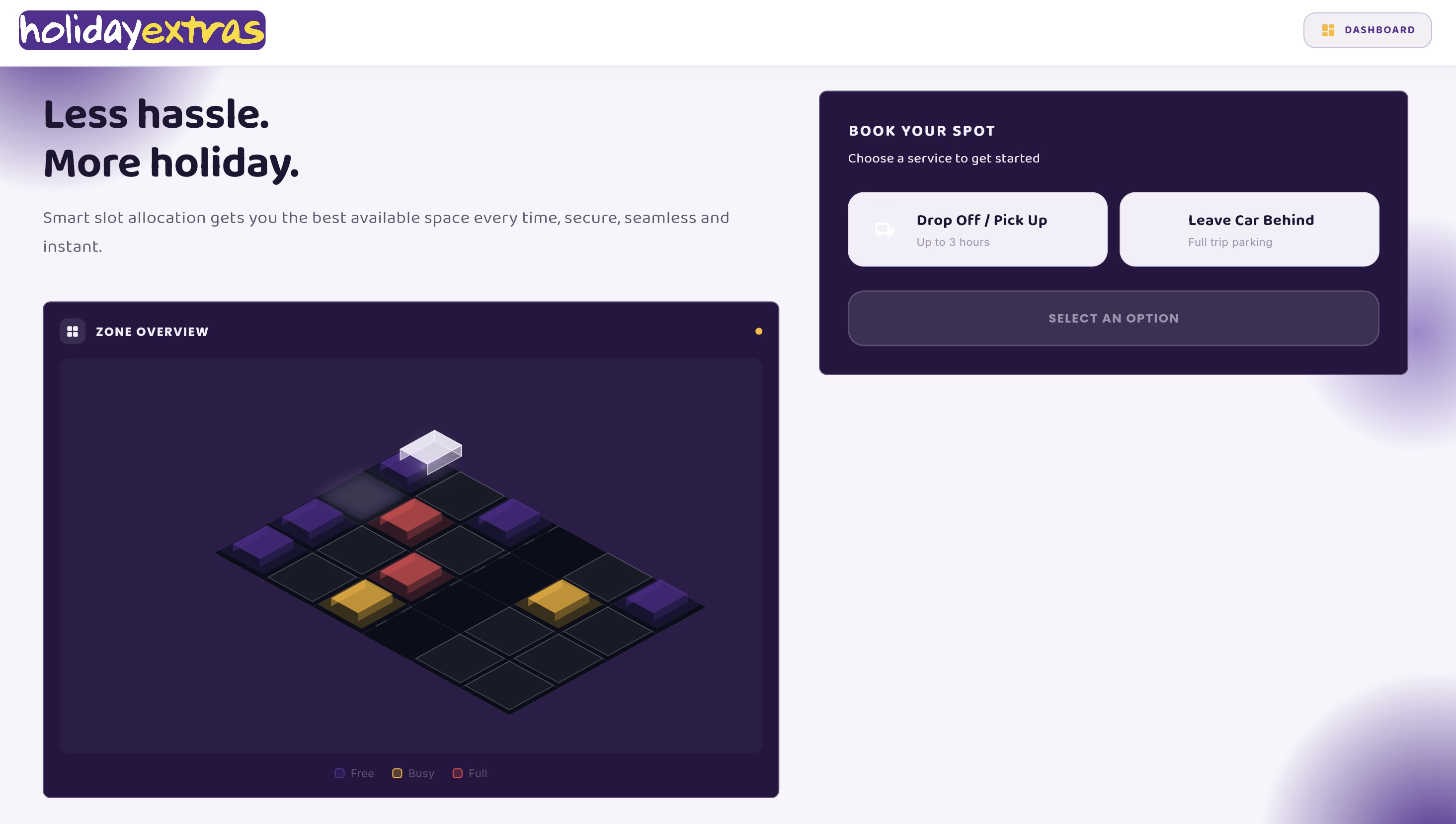
The Challenge: Traditional parking systems typically allocate spaces on a first-come, first-served basis which leads to congestion and uncertainty for travelers. Availability is further distrusted by flight delays and travellers extending their stay, leaving arriving customers searching for spaces and airports struggling to utilise the space.
The Solution: A Predictive Parking System that allocated parking through predictive planning. On booking, travellers input their departing and arriving flights, giving the system a picture of how long each vehicle is expected to remain parked. It in term suggests the most appropriate parking zone to come to before the customer arrives at the airport.
Rather than a first come first served approach, the system optimizes parking based on duration of stay, accessibility requirements, and real-time operational conditions to ensure that spaces remain available and travellers locate a suitable and available space on arrival.
The Booking Process: When reserving an airport parking space, travellers enter their flight details and vehicle registration. The system calculates the expected parking duration and allocates them a parking space in a specified zone.
Booking Options
Flex - For travellers who prioritise convenience, the Flex Parking option allows them to park in the zone closest to the terminal. Customers can upgrade during booking for an additional fee, guaranteeing the shortest possible transfer time. Blue Badge holders are automatically assigned to Flex Parking locations, ensuring accessible parking is always available close to terminal facilities.
Off-Peak - Cost- conscious travellers can choose the Off-Peak Parking option and park further away from the terminal at a reduced cost. Shuttle busses will be running at scheduled intervals throughout the day to transport people from off peak zones to the terminal.
Standard - This is the parking the system allocates based on the vehicle type and duration of stay. Standard zones are located a walkable distance from the terminal.
This flexible pricing model accommodates all budgets.
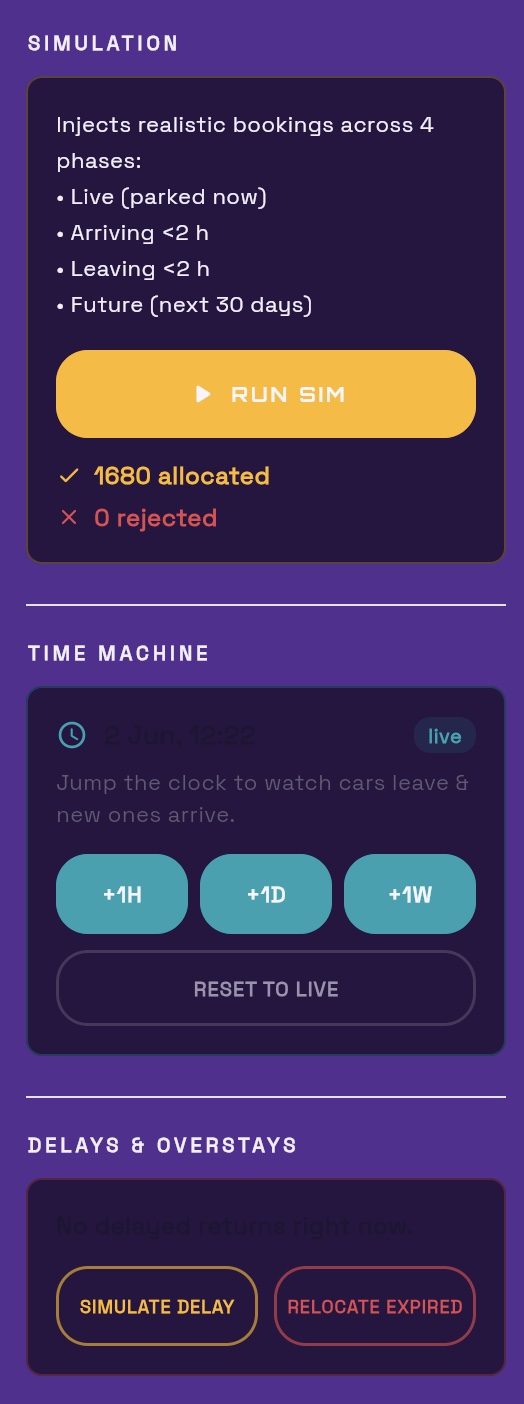
The system- Return dates for every vehicle are contained within the system, allowing it to continuously monitor occupancy, and forecasts future availability for the coming hours, days and weeks. If a vehicle is still in parked after it’s allocated window has ended, the system flags it as an overstay. This prompts operational teams to relocate the vehicle to the Off-Peak Parking area, freeing valuable capacity within the other car parks.
This ensures that parking locations remain available for arriving customers and makes capacity management proactive instead of reactive.
The Dashboard - An accompanying dashboard has been created for this parking system, with live updates on parking status across all zones and well as forecast features that predict and display availability for the coming hours, days and weeks.
The Outcome: Parking is dynamically managed for a smoother customer experience and optimised use of available space. By combining flight intelligence and predictive modelling, the chaos is taken out of the airport parking process. Less hassle, more holiday!
Future Developments: Use of Machine Learning -Implement machine learning to recommend slots when there are low availability. -Predicting likely hood of a customer cancelling based on previous activity -Suggesting alternate zones in instances of high demand and encouraging upgrades to zones closer to the terminal. -Predicting high demand time frames
Use of Robots. Use robots to move vehicles between zones or move them to service zones e.g vallet service. Or move it to a closer/flex zone on arrival date.
App features An accompanying mobile app that sends live updates and notifications and contains features like a timer showing how much time is left on their parking and giving the option to extend, live airport updates such as delays and current average time for check in and security as well as major delays on motorways feeding into the airport.

Log in or sign up for Devpost to join the conversation.