
Inspiration
We wanted to make campus life more comfortable and energy-efficient. Students often face classrooms or dorms that are too hot or cold, while administrators struggle to manage building temperatures effectively. CampuSense was inspired by the idea of combining IoT and real-time data to create a smarter, more sustainable campus environment.
What it does
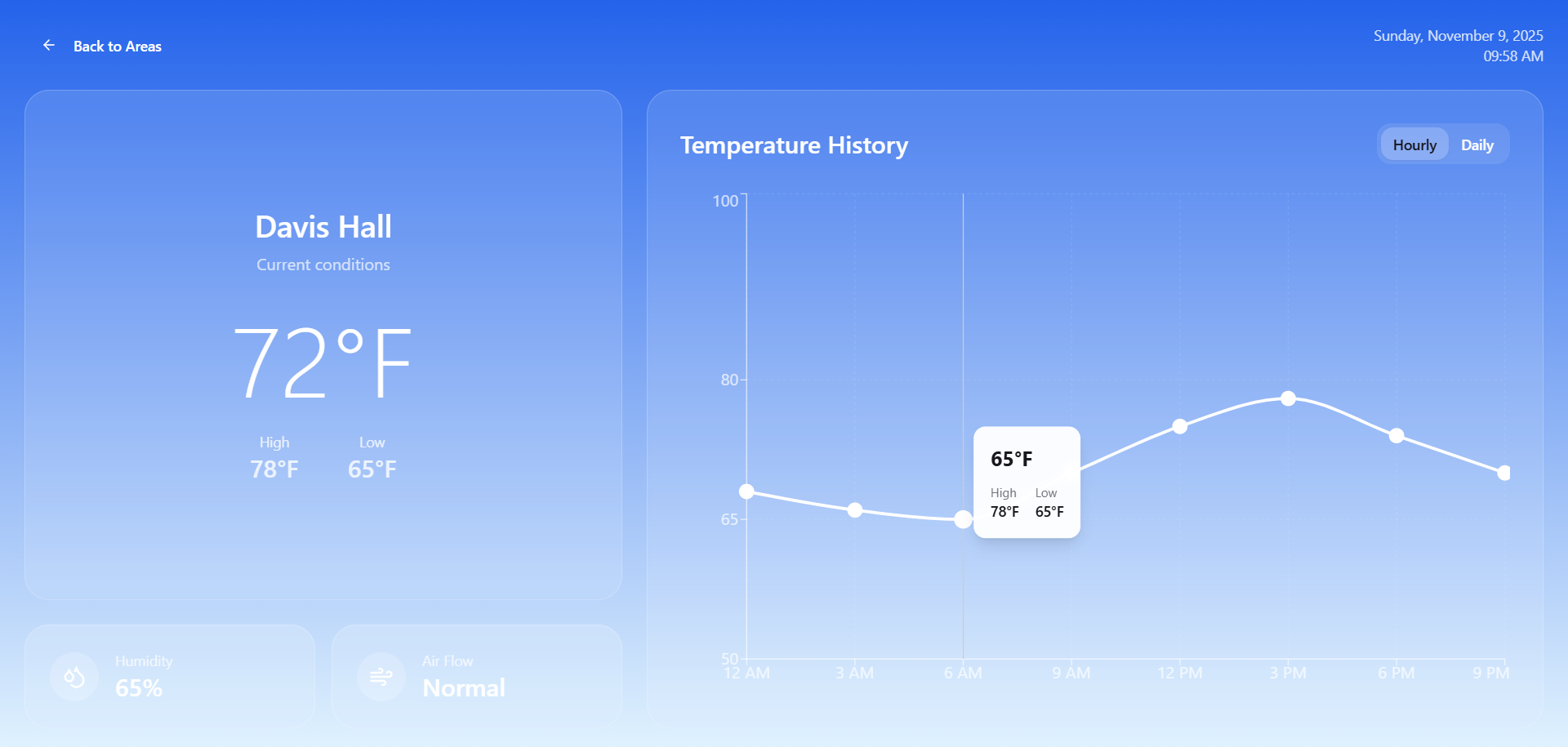
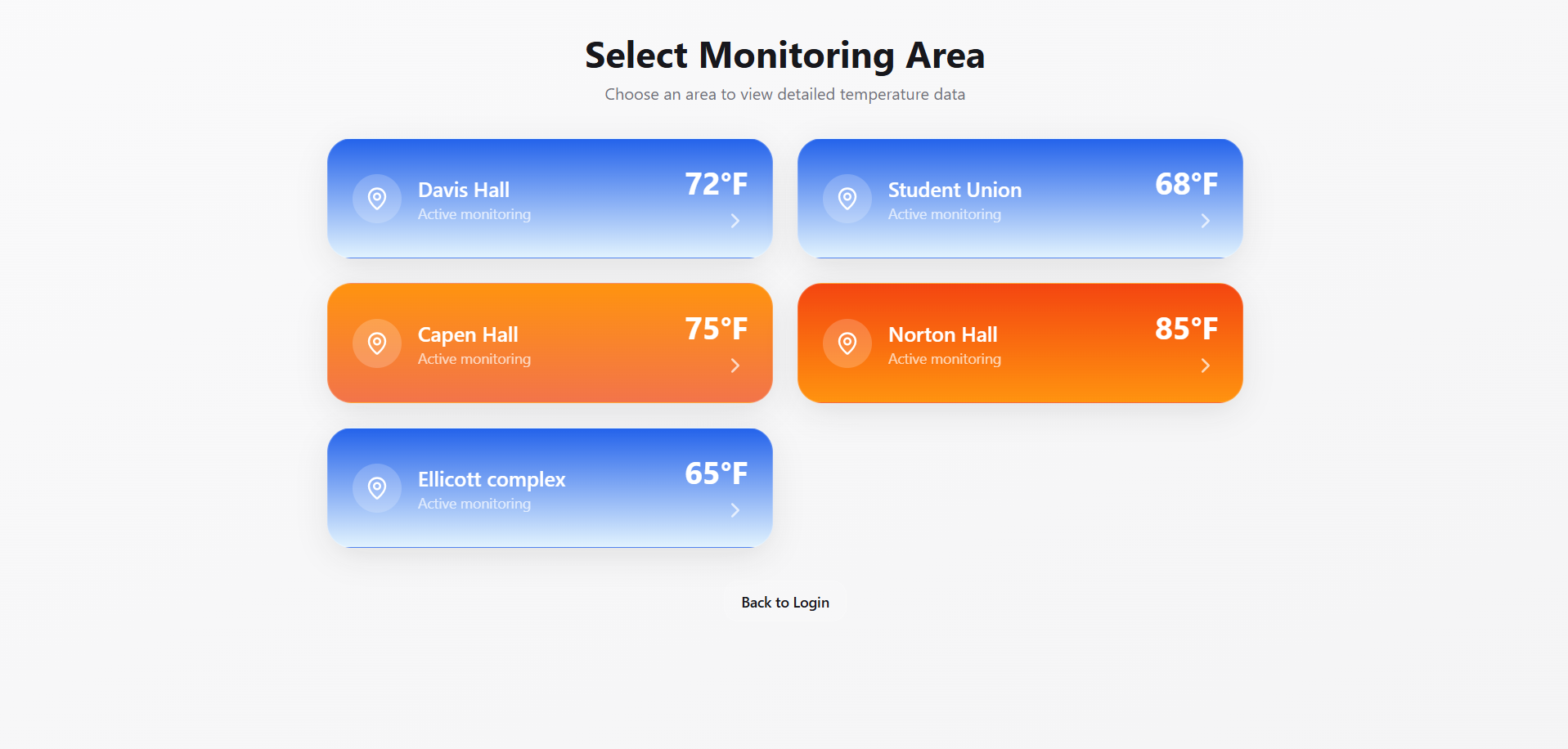
CampuSense monitors the temperature across multiple campus buildings using IoT sensors. Students can check real-time temperature data on a dashboard, while administrators get insights to optimize HVAC systems. The system also sends alerts if temperatures go beyond safe or comfortable levels.
How we built it
- Hardware: Currently using Arduino with temperature sensor MPL3115A2 for data collection; planning to migrate to ESP32 or Raspberry Pi for better connectivity and scalability.
- Backend: Django powers the server and API for storing sensor data.
- Frontend: A responsive dashboard built with React for web and mobile access.
- Database: PostgreSQL stores sensor readings and historical data.
- Deployment: Hosted on a cloud server for real-time accessibility across campus.
Challenges we ran into
- Integrating React UI with Django backend
- Deploying the code in production for access over the Internet
- Auth0 integration in local environment
- Setting up GoDaddy domain
- Ensuring that the integration continues to work after the deployment updates
Accomplishments that we're proud of
- Successfully integrated hardware and software into a cohesive system.
- Real-time storage of temperature data
- Successfully integrated React with Django, without much experience with React
- Successfully deployed the application using various components like Nginx, Gunicorn, GoDaddy domain, letsencrypt
What we learned
- How to build an end-to-end IoT solution from hardware to cloud.
- To make the system scalable, many more components are required
What's next for CampuSense
- Migrate from Arduino to ESP32 or Raspberry Pi for enhanced performance.
- Add predictive temperature control using AI/ML.
- Integrate with campus energy management systems for automatic optimization.
- Expand the system to monitor humidity, air quality, and other environmental factors.
- Add alerts
- Add authentication and dynamic data display for the graphs based on the data stored. currently we are displaying static data as we do not have enough devices deployed to collect data.
Built With
- auth0
- digitalocean
- django
- gunicorn
- letsencrypt
- nginx
- postgresql
- react
- typescript


Log in or sign up for Devpost to join the conversation.