Inspiration
College life is full of chaos — papers, notes, assignments, events, placements, and deadlines scattered across dozens of WhatsApp groups, Google Drives, Telegram channels, and random seniors. This mess inspired me to build a unified peer-to-peer campus platform where students share real academic survival intel quickly and without friction.
What it does
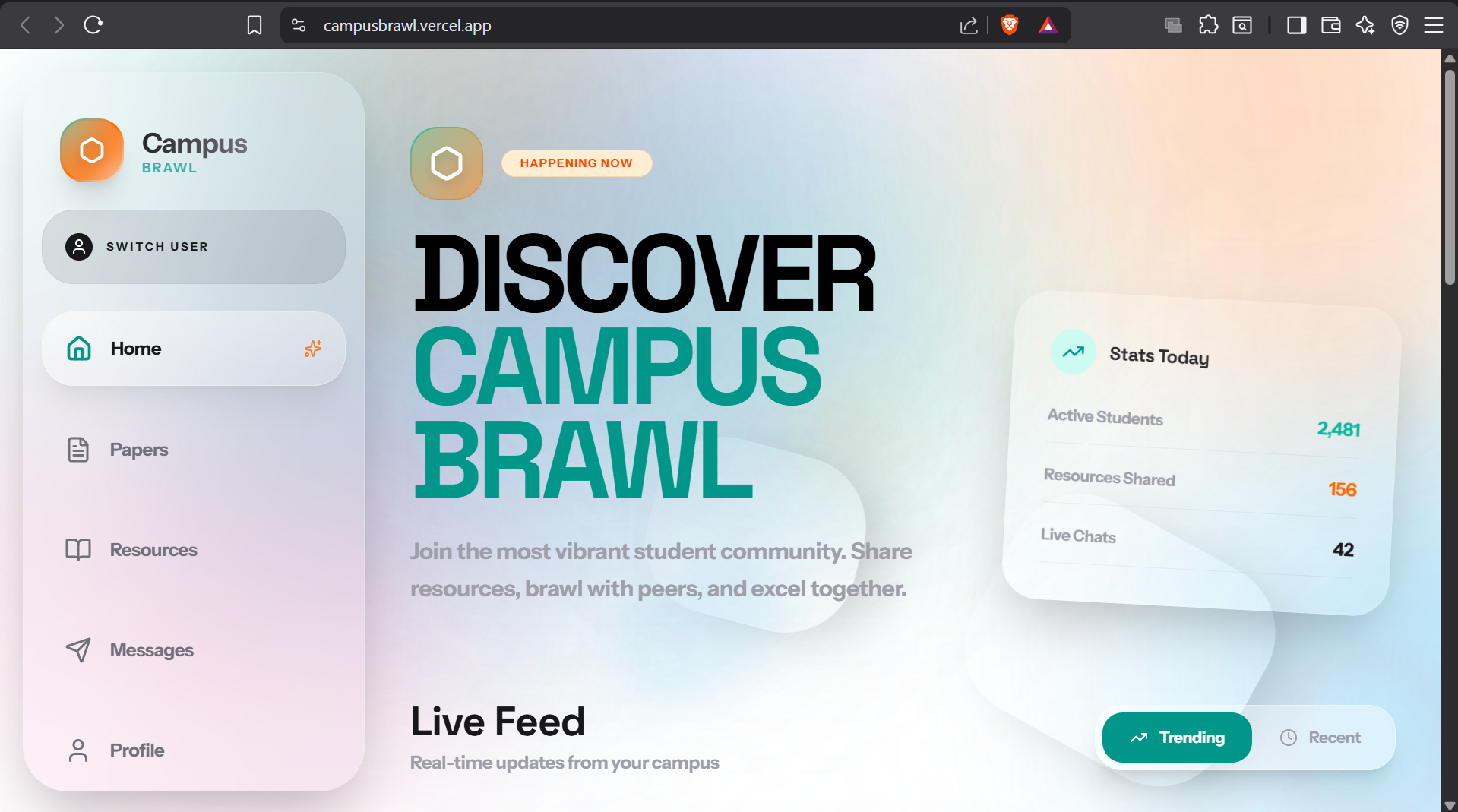
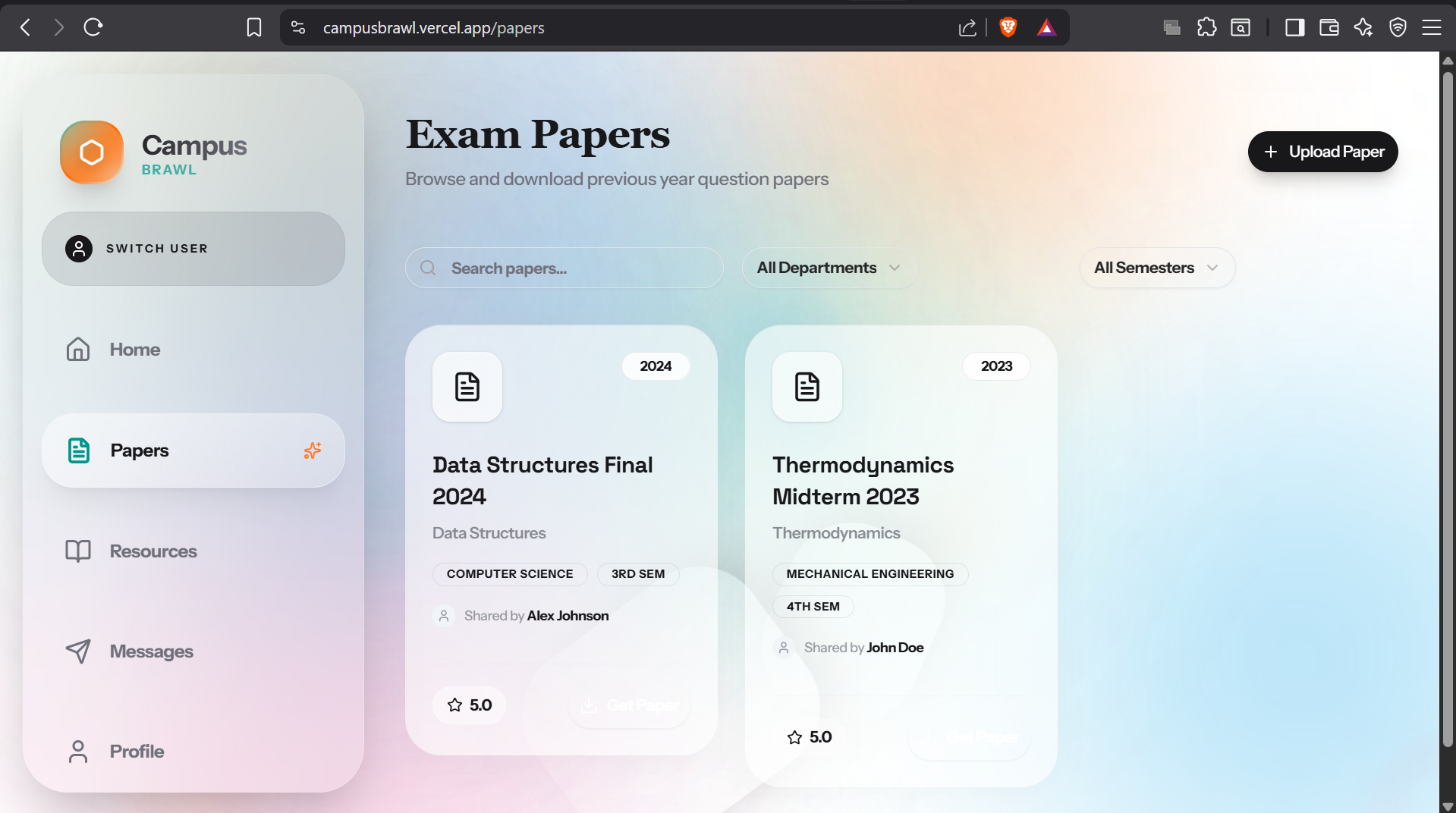
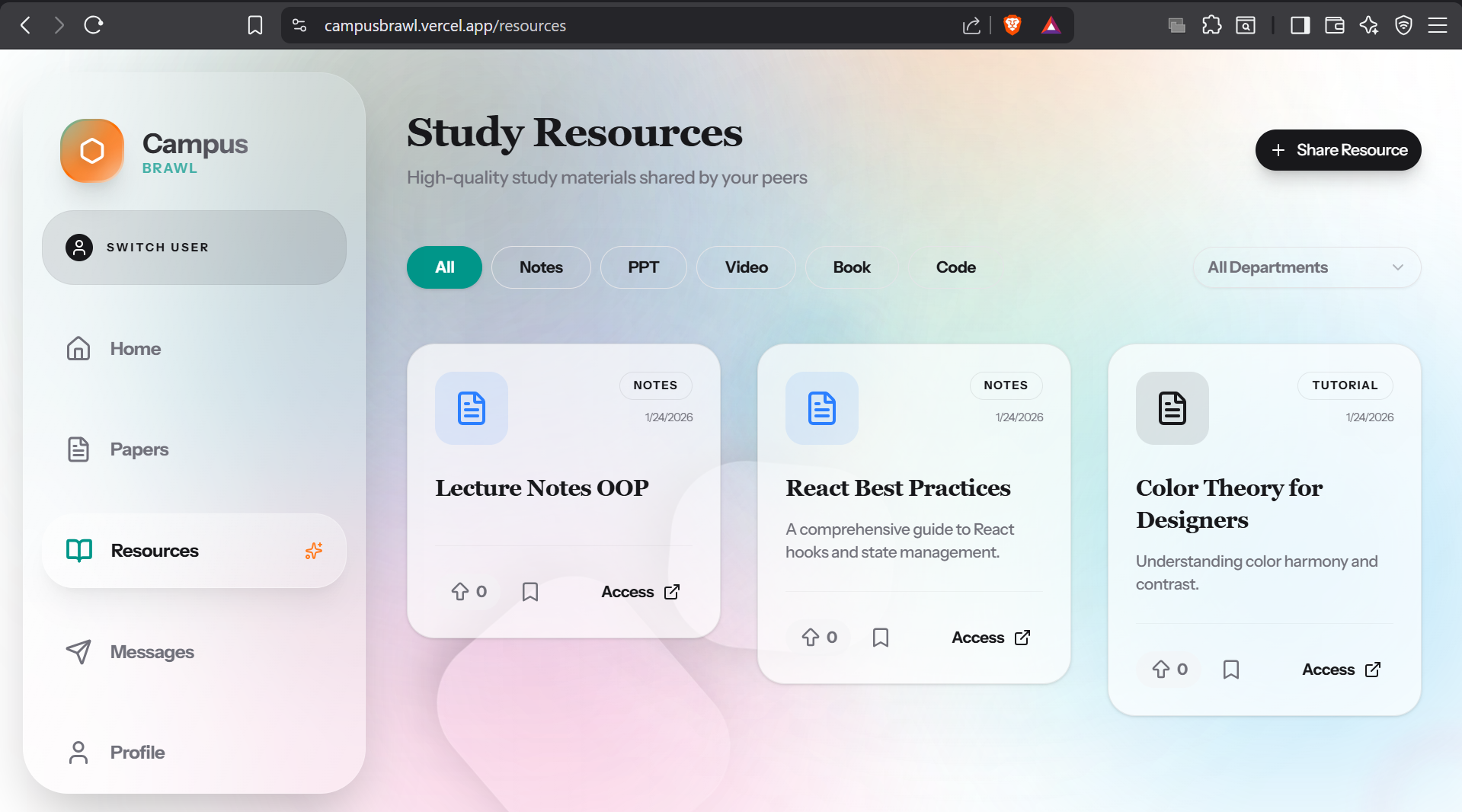
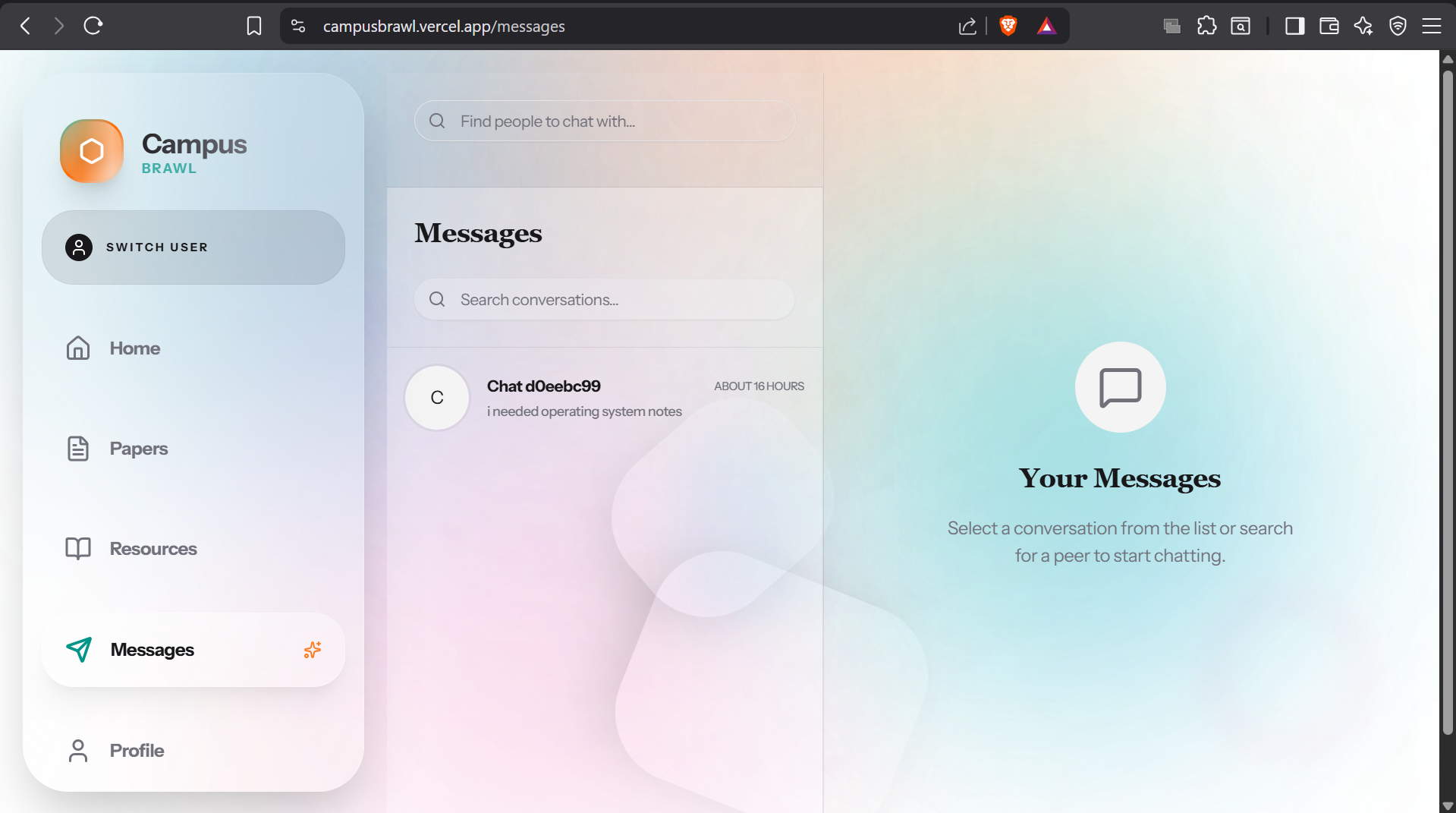
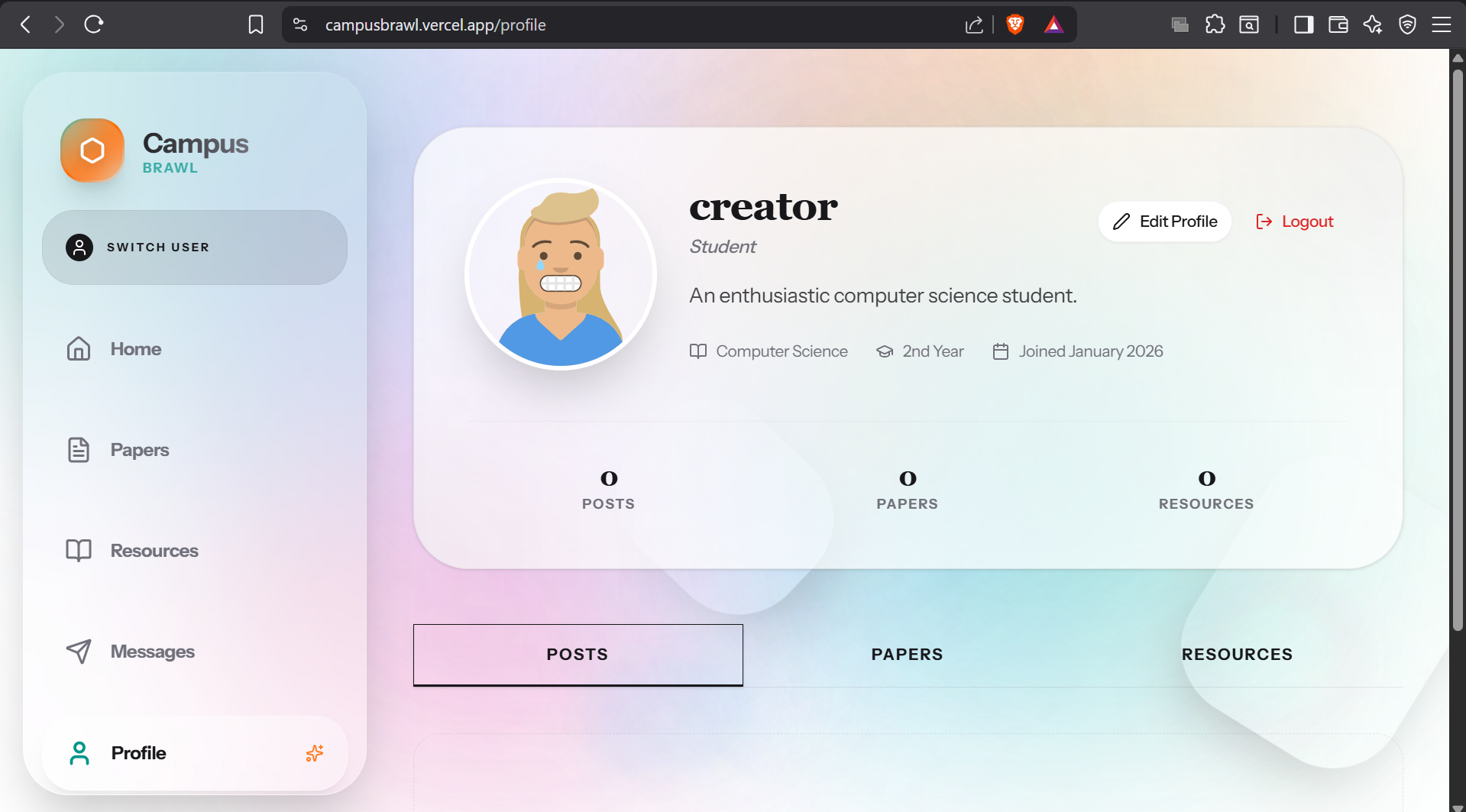
The platform turns scattered campus information into organized student power. It lets students share previous year papers, notes, study resources, event info, placement tips, and real academic intel in one place. It also supports direct messaging and group discussions, so questions get answered quickly and knowledge circulates instead of getting lost in chats.
In short: it becomes the unofficial campus network where students help students survive exams, stay informed, and win college life together.
How we built it
We built the project by combining a clean frontend, a social-style backend, and real-time sharing logic. The biggest challenges were handling resource organization, preventing clutter, incentivizing contributions, and keeping the UX simple while supporting many student use-cases.
Challenges we ran into
The hardest part was turning chaotic student information into something structured and useful. We struggled with how to organize papers, notes, and resources without overwhelming the interface or the user. Real-time communication added more complexity — chats, discussions, and resource sharing all had different interaction patterns.
We also faced social challenges: students will consume resources instantly, but contributing requires motivation. Designing small incentives and a frictionless upload flow became important.
Another challenge was modeling how campus information spreads. Student communication behaves more like a dynamic graph than a news feed, which pushed us to rethink our data flow.
Finally, we had to balance utility with simplicity. The platform needed to feel fast, lightweight, and familiar, but still provide features that existing group chats don’t. That tension led to multiple iterations before things clicked.
Accomplishments that we're proud of
We successfully transformed scattered campus chaos into a usable and intuitive platform where students can actually find what they need without digging through endless group chats. We proved that peer-to-peer knowledge sharing works when the experience is fast, familiar, and frictionless.
We also managed to integrate multiple student workflows—papers, notes, messaging, events, and placement intel—into one space without making the app feel bloated. Getting real-time communication and resource sharing to coexist smoothly was a milestone on its own.
Most importantly, we validated the core idea: students help students more than any official system does. Seeing the platform generate value purely through student contributions was a huge win and reinforced the network-effect thesis behind the project.
What we learned
We learned that college communication is messy, fast, and social — and designing for that reality is very different from building a traditional academic platform. Students don’t want rigid forms and folders; they want quick access, instant responses, and community-driven knowledge flows.
We also learned how powerful peer-to-peer learning can be. When the barrier to sharing resources is low, students naturally help each other, and useful information spreads faster than official channels.
From a technical side, we learned about organizing unstructured data, building lightweight real-time features, and balancing utility with simplicity. We also saw firsthand how network effects influence product adoption: the platform becomes more valuable with every new student who contributes.
Finally, we learned that the biggest challenge in student platforms isn’t technology — it’s motivation, incentives, and experience design that make contributing feel effortless and worthwhile.
What's next for CampusBrawl
The next step is to evolve the platform from a simple resource-sharing hub into a full campus ecosystem. We want to add smarter discovery features so students can quickly find papers, notes, events, and opportunities tailored to their course and year. Another direction is creating reputation and contribution systems that reward students for helping others and keep the network active.
We’re also exploring cross-campus connections — letting different colleges exchange resources, events, and placement intel while keeping their internal workflows intact. On the technical side, improving real-time messaging, search, and data organization is high on the roadmap.
Long-term, the goal is to make this the unofficial digital layer of college life: a peer-driven network where students collaborate, learn, and survive college together.
Built With
- css3
- html5
- javascript
- supabase
- typescript
- vercel


Log in or sign up for Devpost to join the conversation.