-
-
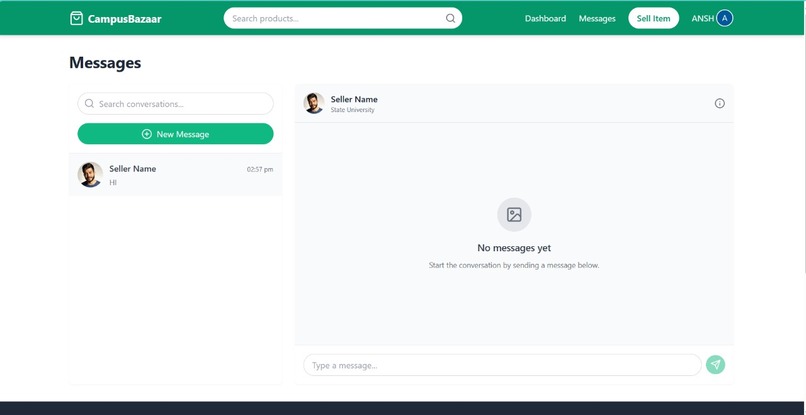
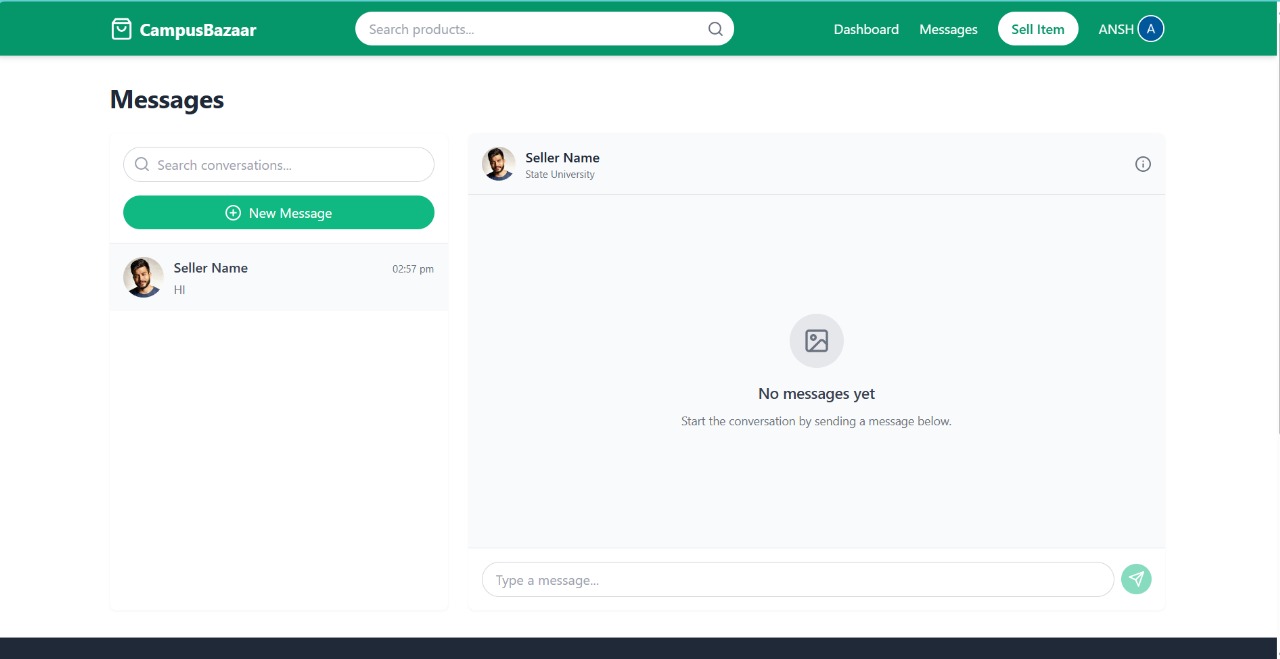
One to One Chat with buyer and seller
-
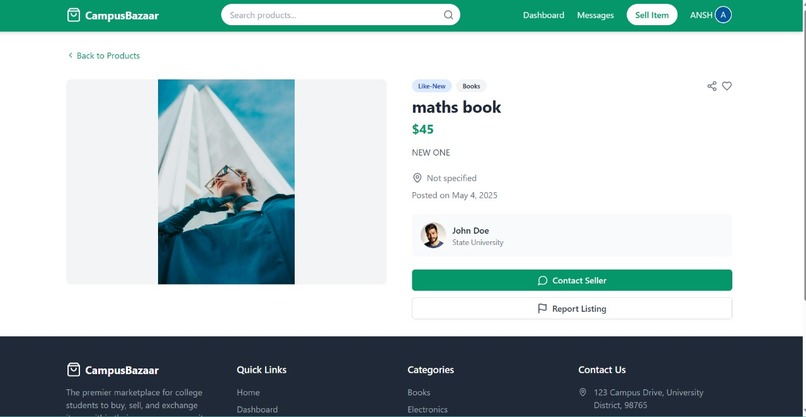
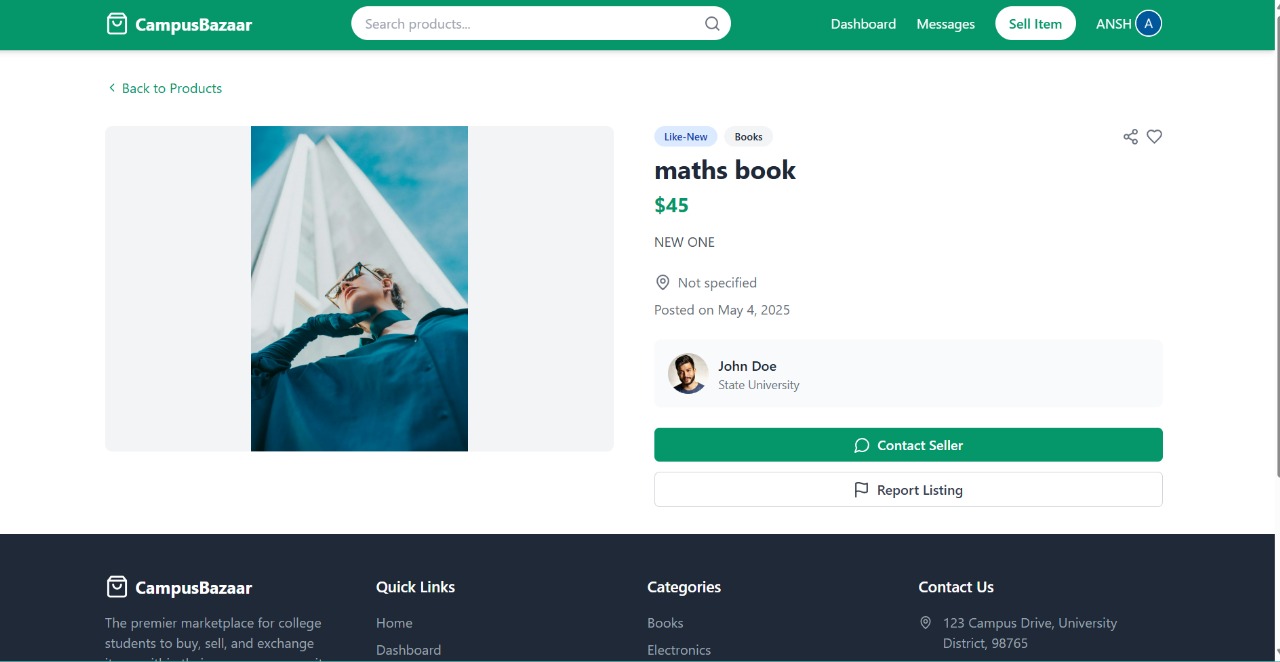
Product view
-
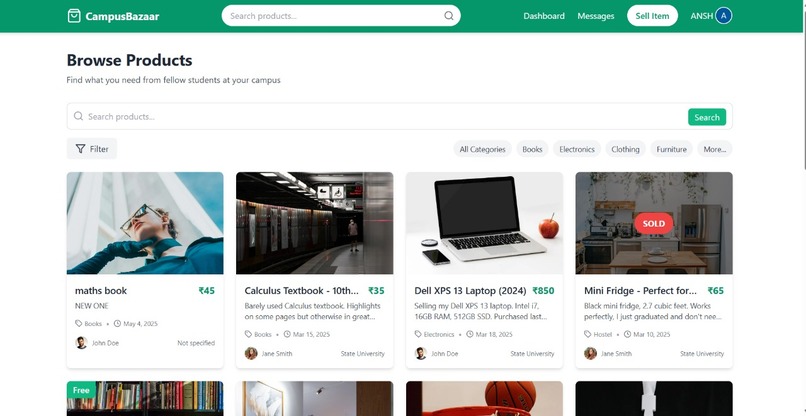
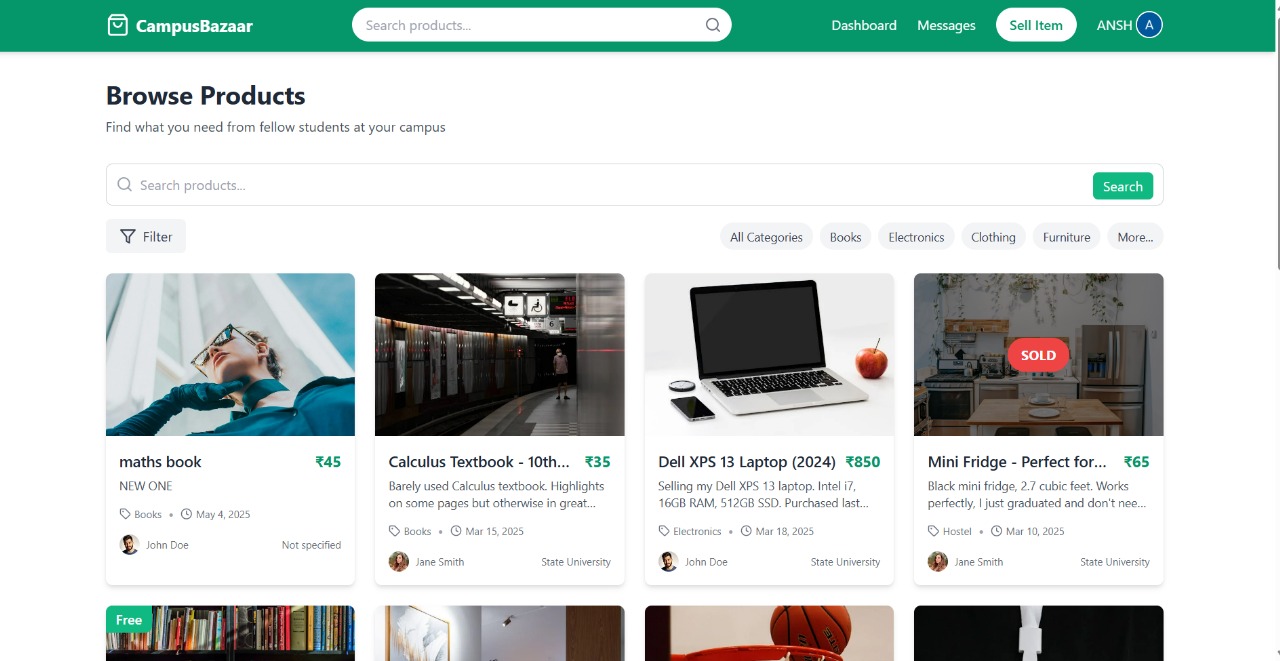
All the items listed
-
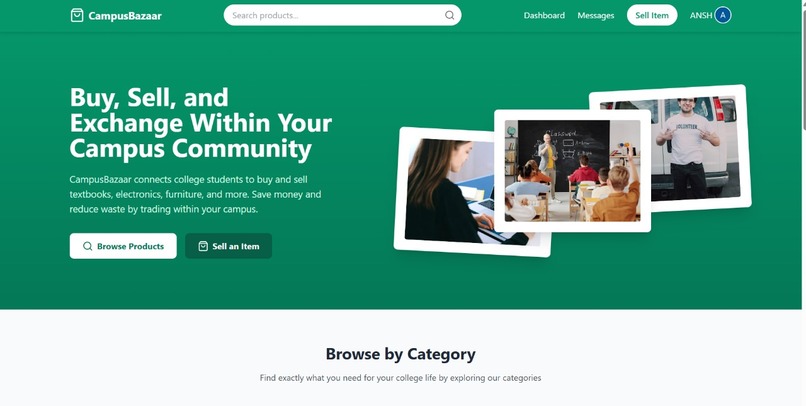
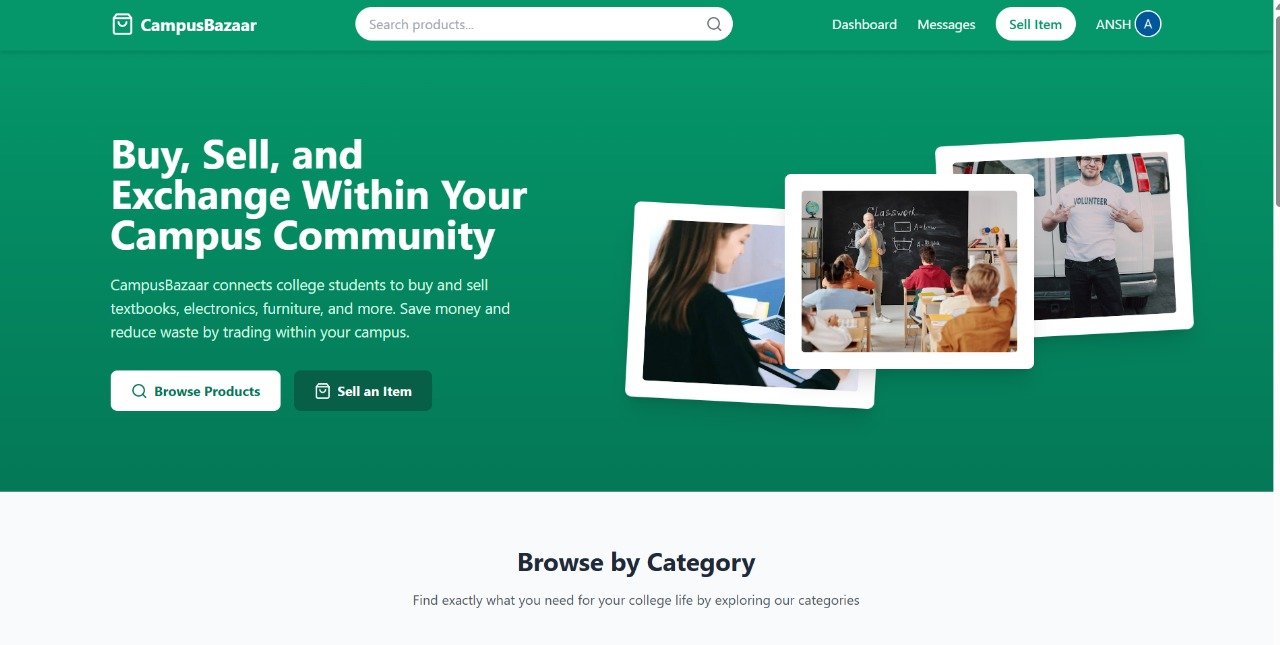
Landing page of our website
Inspiration:
Campus Bazaar — About the Project As students, we saw many useful items like books, electronics, coolers and furniture going to waste in hostels, while others struggled to afford them. Existing marketplaces felt too broad, untrustworthy, or irrelevant for campus life. That inspired us to build Campus Bazaar — a hyperlocal marketplace where students can securely buy, sell and encourage sustainability, and build a stronger student community.
What it does:
Campus Bazaar is a hyperlocal, campus-verified marketplace designed exclusively for college students. It enables students to: Buy or sell like books, electronics, furniture, and more within their college community. Discover relevant items through a built-in machine learning recommendation system. Get help via a chatbot that assists in posting listings and answering common queries. Ensure safety with college-only access and suggested safe meetup points for physical exchanges. Promote eco-friendly habits by reducing waste and encouraging a sharing culture. All listings and interactions stay within a trusted, verified campus network, making student-to-student trading simple, secure, and sustainable.
How we built it
Tech Stack Frontend: Built using React.js for a responsive and interactive user interface. Backend: Developed with Django to handle authentication, product listings, and APIs. Database: Used SQLite to store user data, product information, and chats. Authentication: College-student-only access through email verification. Chatbot: Implemented a basic chatbot to assist users with navigation and posting. ML Recommendation System: Used a content-based filtering approach to suggest similar products based on user activity and item metadata.
Challenges we ran into
Verifying Student Identity: Creating a college-only system while respecting user privacy was tricky. We had to find the right balance between ease of use and secure verification. ML Recommendation System: Training a machine learning model with limited, campus-specific data was difficult. Ensuring the recommendations felt accurate and useful took experimentation. Chatbot Integration: Making the chatbot helpful without disrupting the main user flow was a challenge. It needed to be supportive, not annoying. AWS Deployment: As beginners to cloud deployment, setting up the backend on AWS EC2 and properly configuring IAM roles and environment variables was a steep learning curve.
Accomplishments that we're proud of
Built a functional, campus-verified marketplace that solves a real student need for second-hand trading within college. Created a clean and intuitive frontend using React, focusing on user experience and responsiveness. Developed a secure backend using Node.js and Express to handle listings, authentication, and user data. Implemented student-only access to maintain a safe, trust-based platform limited to verified college users. Integrated a helpful chatbot that guides users through posting items and navigating the platform. Designed a recommendation model (not yet integrated) to personalize product discovery in future updates. Promoted sustainability on campus by encouraging the reuse and exchange of items instead of discarding them.
What we learned
React Development: We gained hands-on experience building dynamic and responsive UIs with React, using hooks, props, and reusable components.
Django: Learned how to structure a backend, create APIs, handle requests, and manage server-side logic.
Routing & Authentication: Understood how to implement protected routes, user authentication, and session management to ensure platform security.
Frontend-Backend Integration: Connected frontend and backend efficiently, learning how to send and receive data using RESTful APIs.
Chatbot Integration: Explored how to embed a chatbot and design it in a way that supports user interaction without being disruptive.
User-Centric Design Thinking: Discovered the importance of designing interfaces and flows from the student user's perspective to maximize usability.
Problem Solving: Overcame real-world challenges in building, testing, and deploying a functional full-stack application.
Team Collaboration: Improved communication, task division, and version control (using Git) while working together remotely.
What's next for CampusBazaar
Expand to More Campuses: Scale the platform to include multiple campuses, allowing for a larger user base and more transactions. Mobile App Development: Develop a mobile app to improve accessibility for users, making it easier to buy and sell items on-the-go. Blockchain Integration: Enhance security by using blockchain for: Decentralized authentication for secure, transparent user verification. Transaction transparency via immutable records on the blockchain. Smart contracts for automated, trustless exchanges between users. Refine ML Recommendations: Improve the recommendation system to provide better product suggestions based on user behavior. Backend-Frontend Integration: Fully integrate Django backend with React (or other frontend technologies) for smooth data flow, secure authentication, and seamless user experience. Advanced Features: Implement features like product auctions, bulk posting, and wishlist functionality to boost user engagement. Sustainability Campaigns: Partner with eco-friendly initiatives to promote second-hand trading and reduce campus waste.


Log in or sign up for Devpost to join the conversation.