-
-
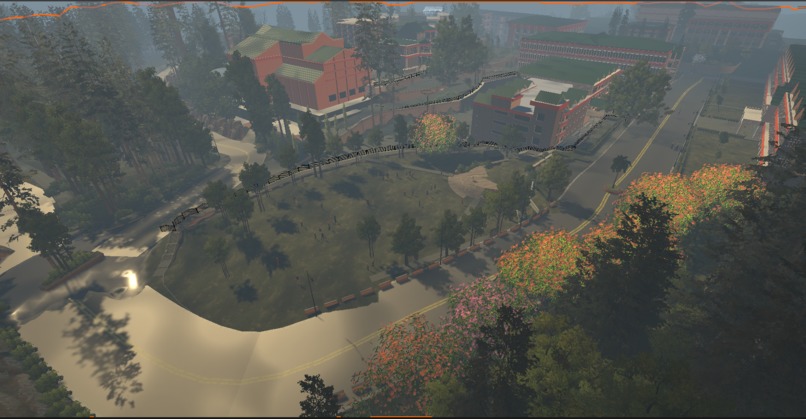
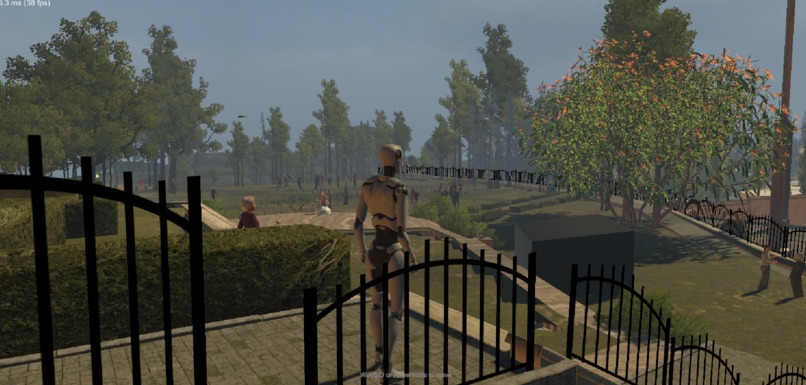
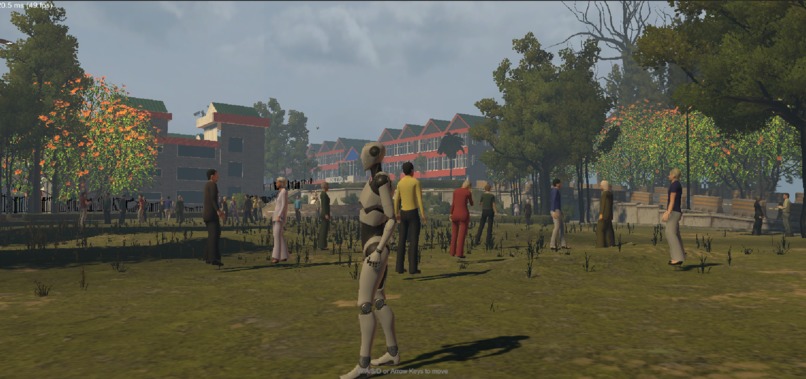
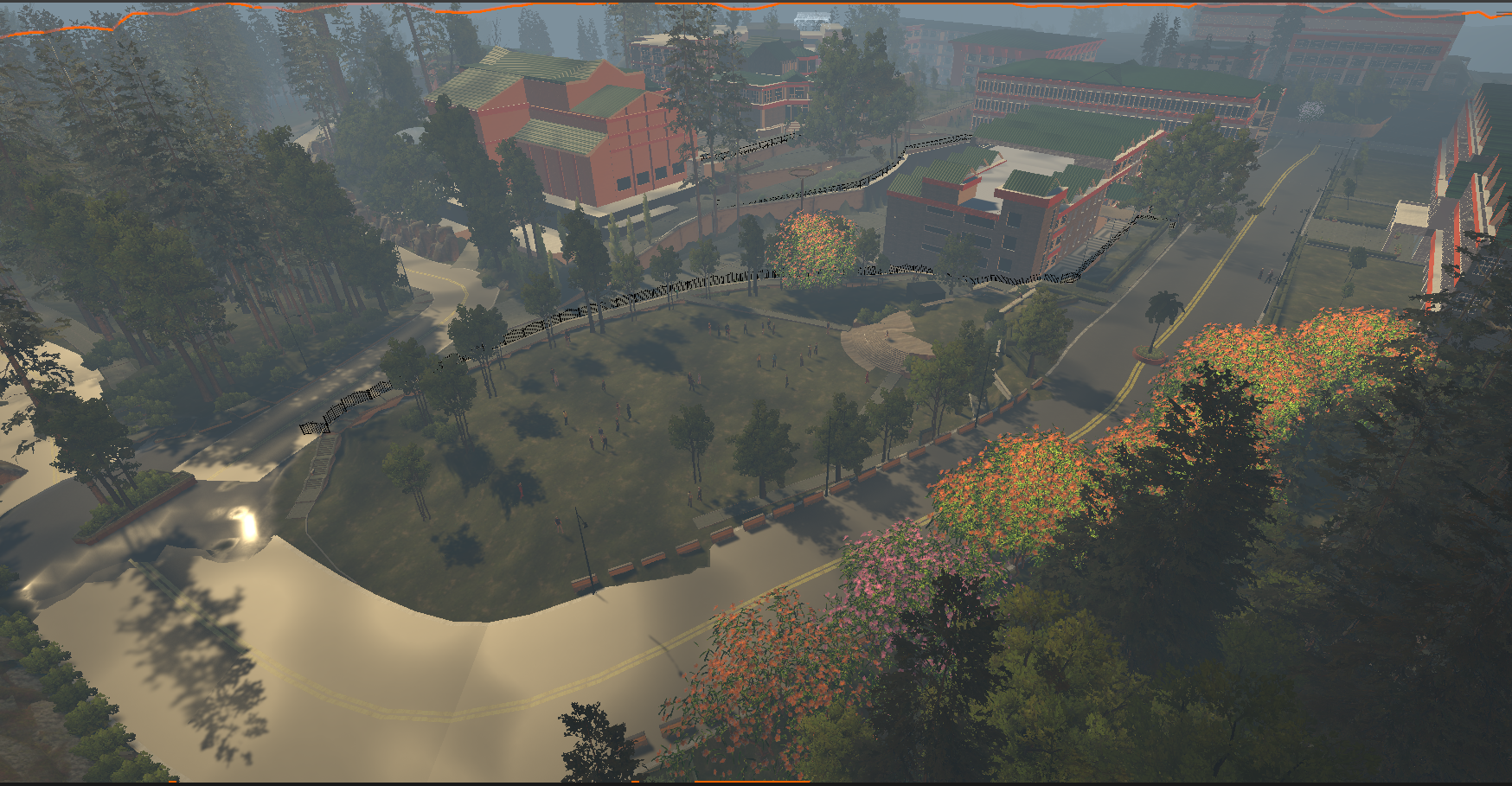
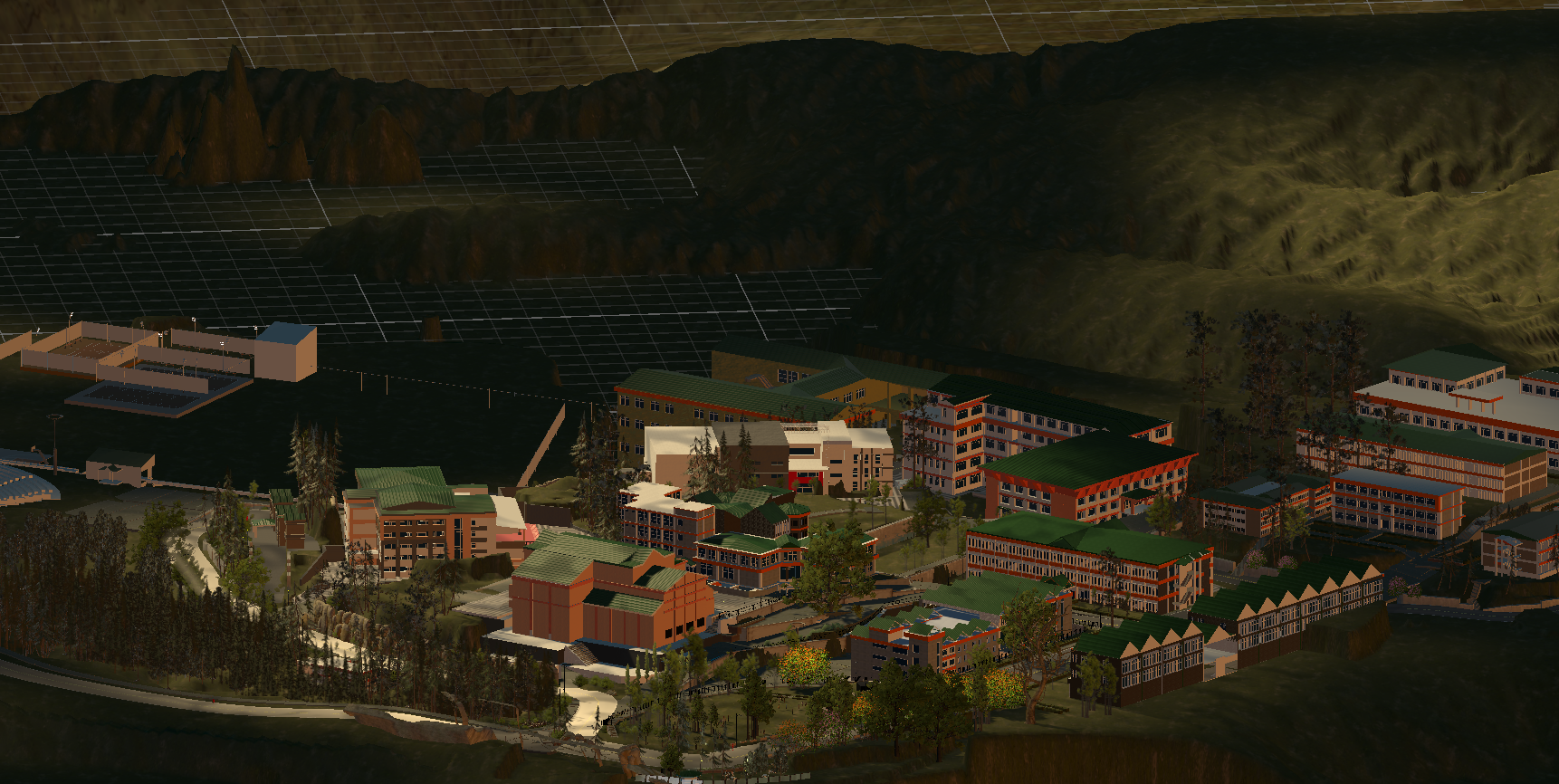
campus view in game
-
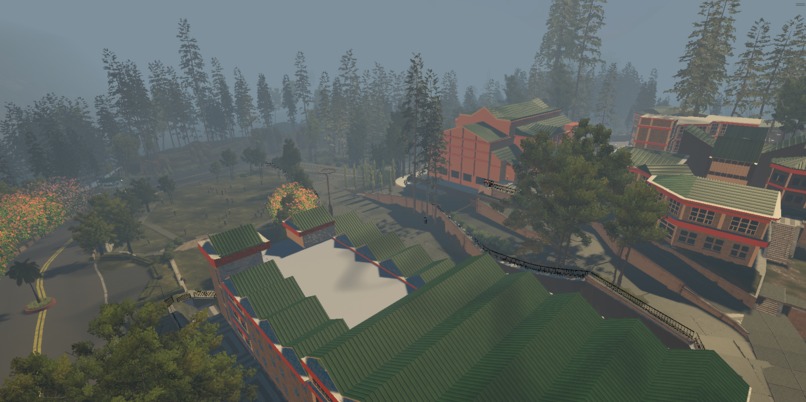
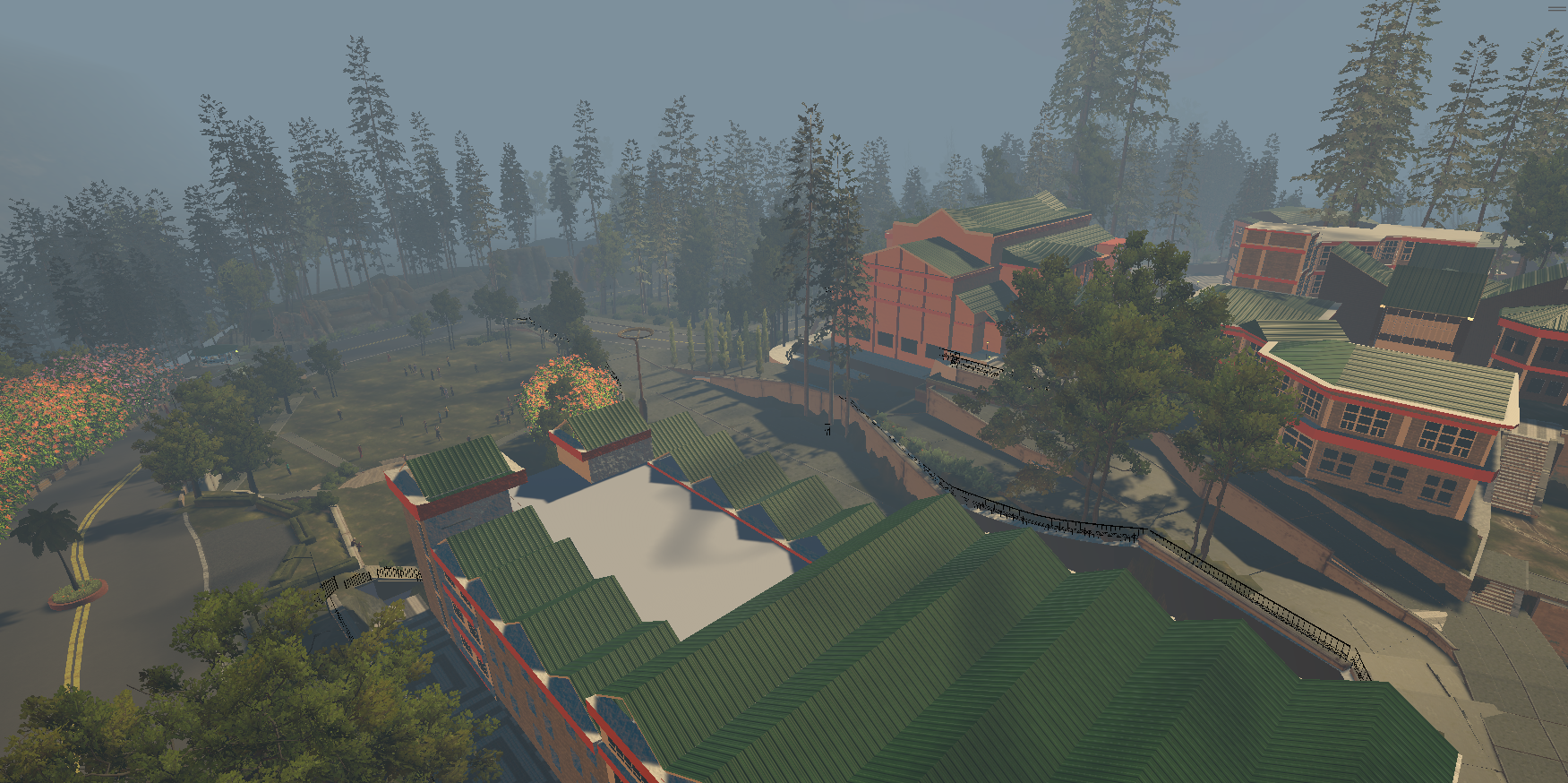
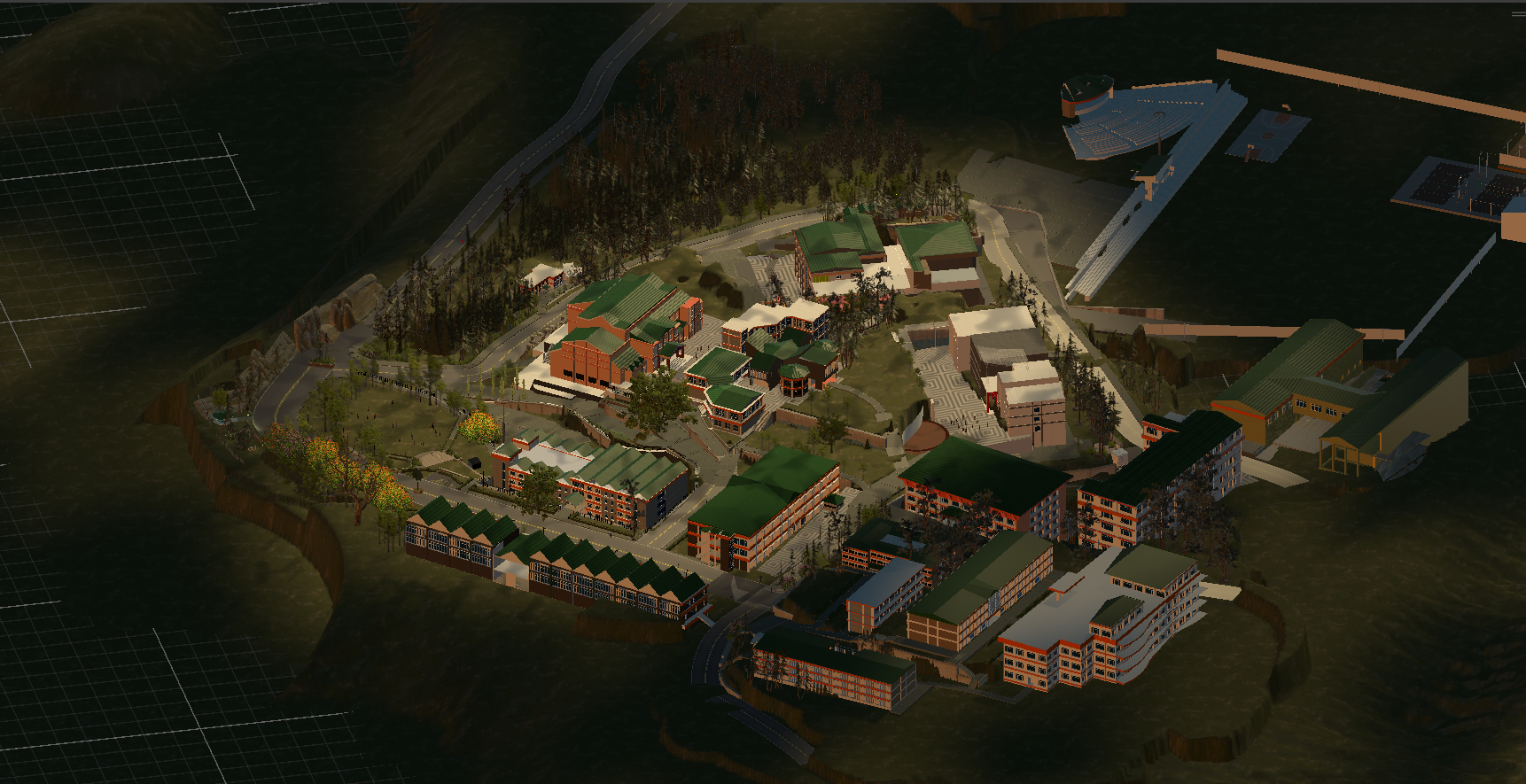
image 2
-
-
-
-
-
-
-
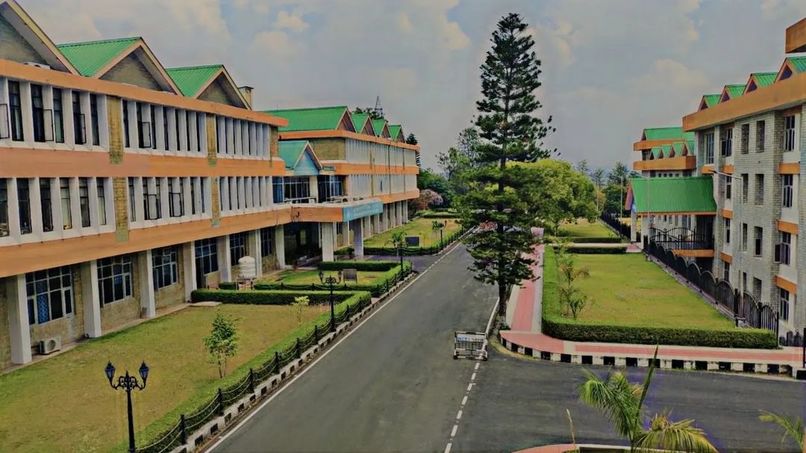
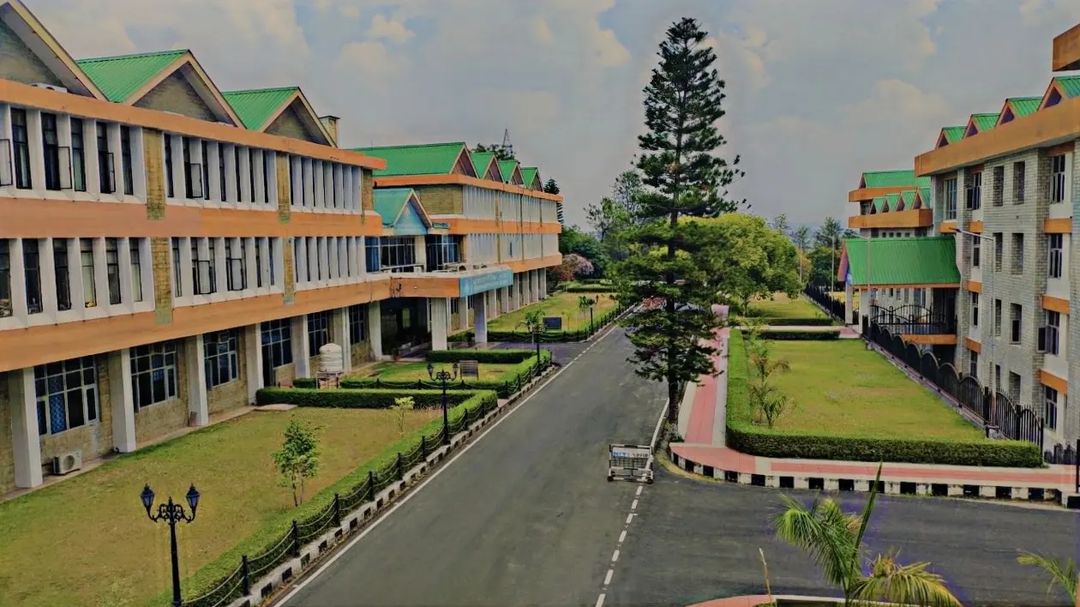
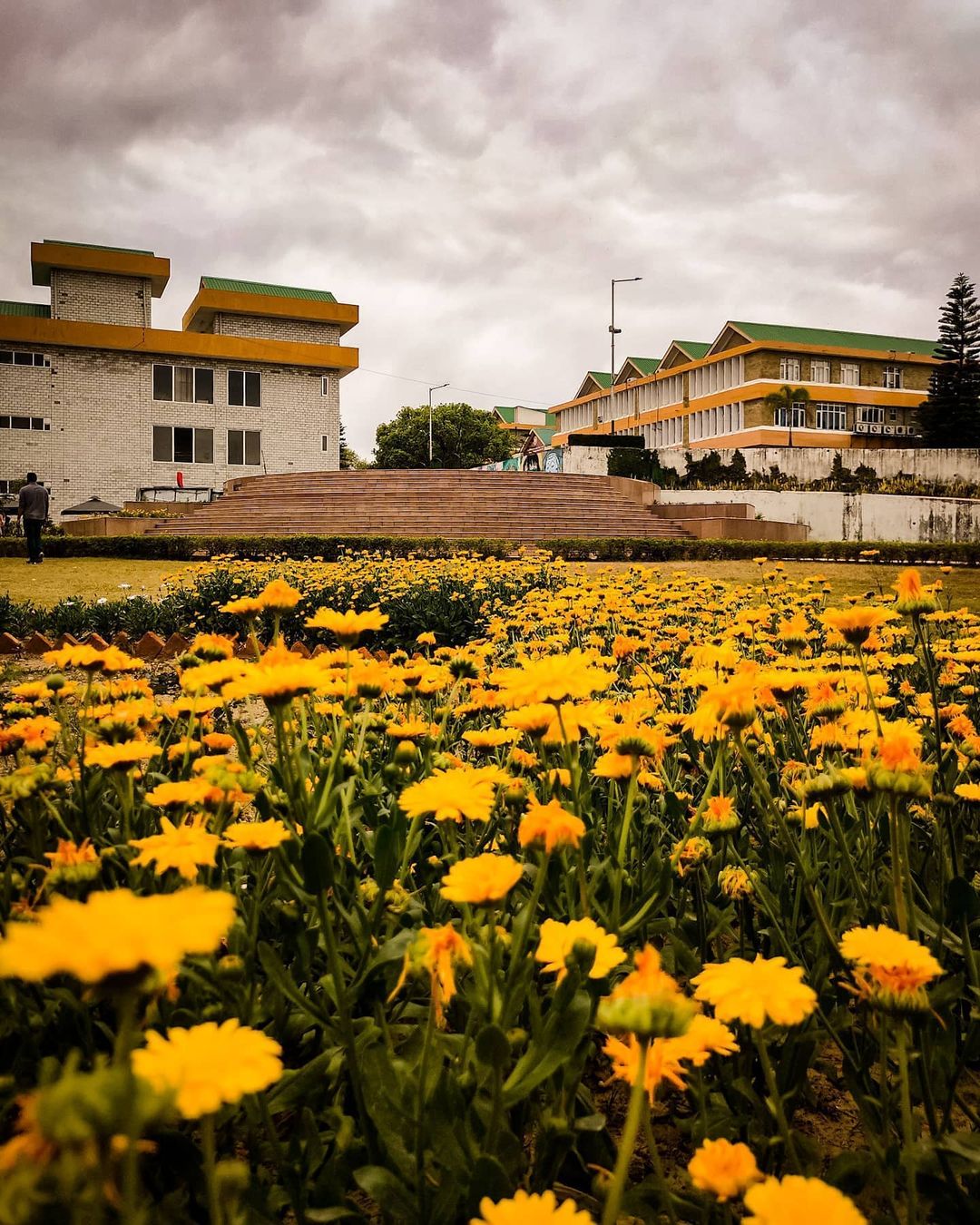
college ref
-
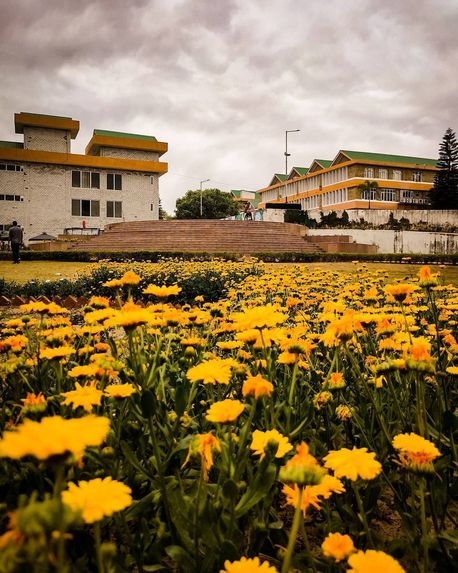
college ref
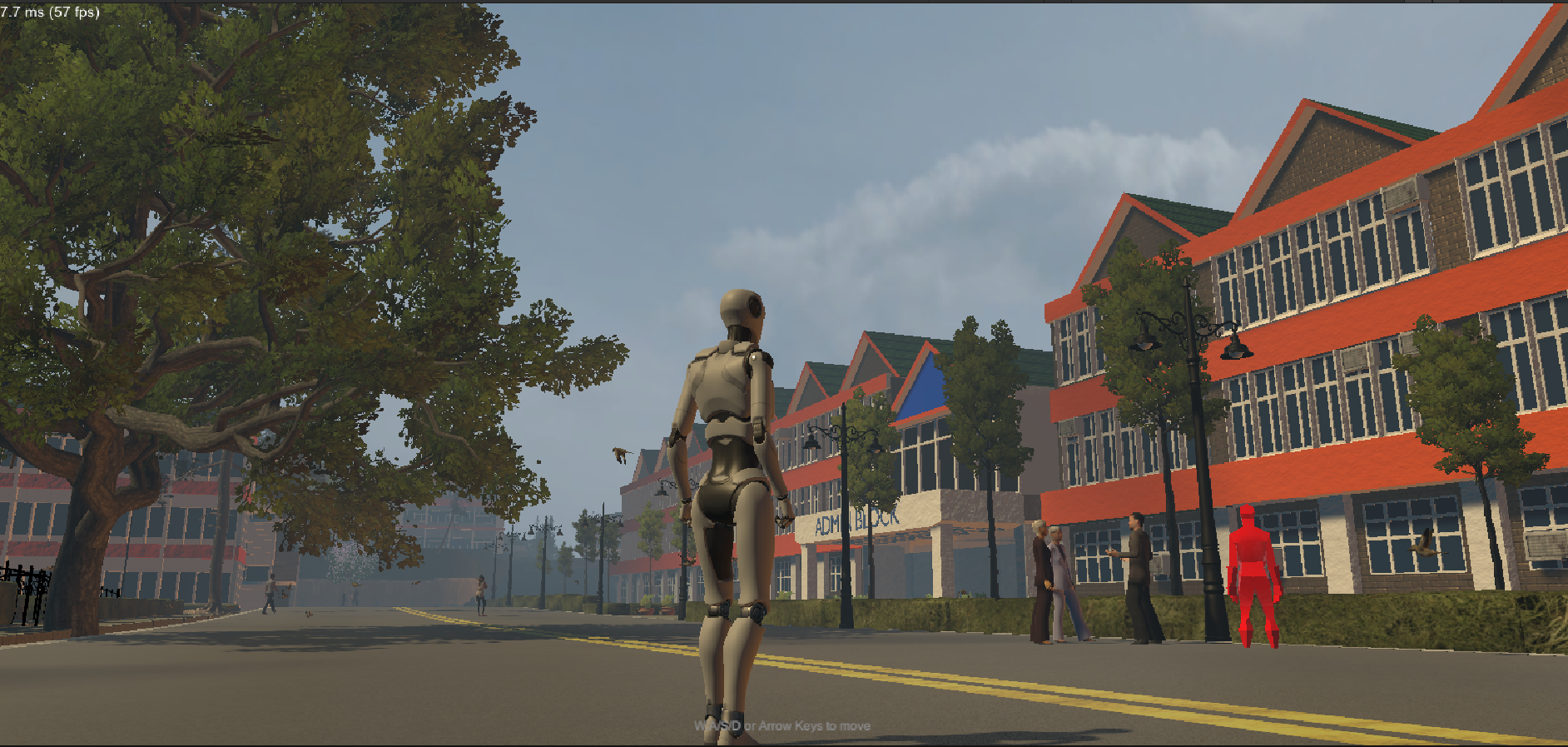
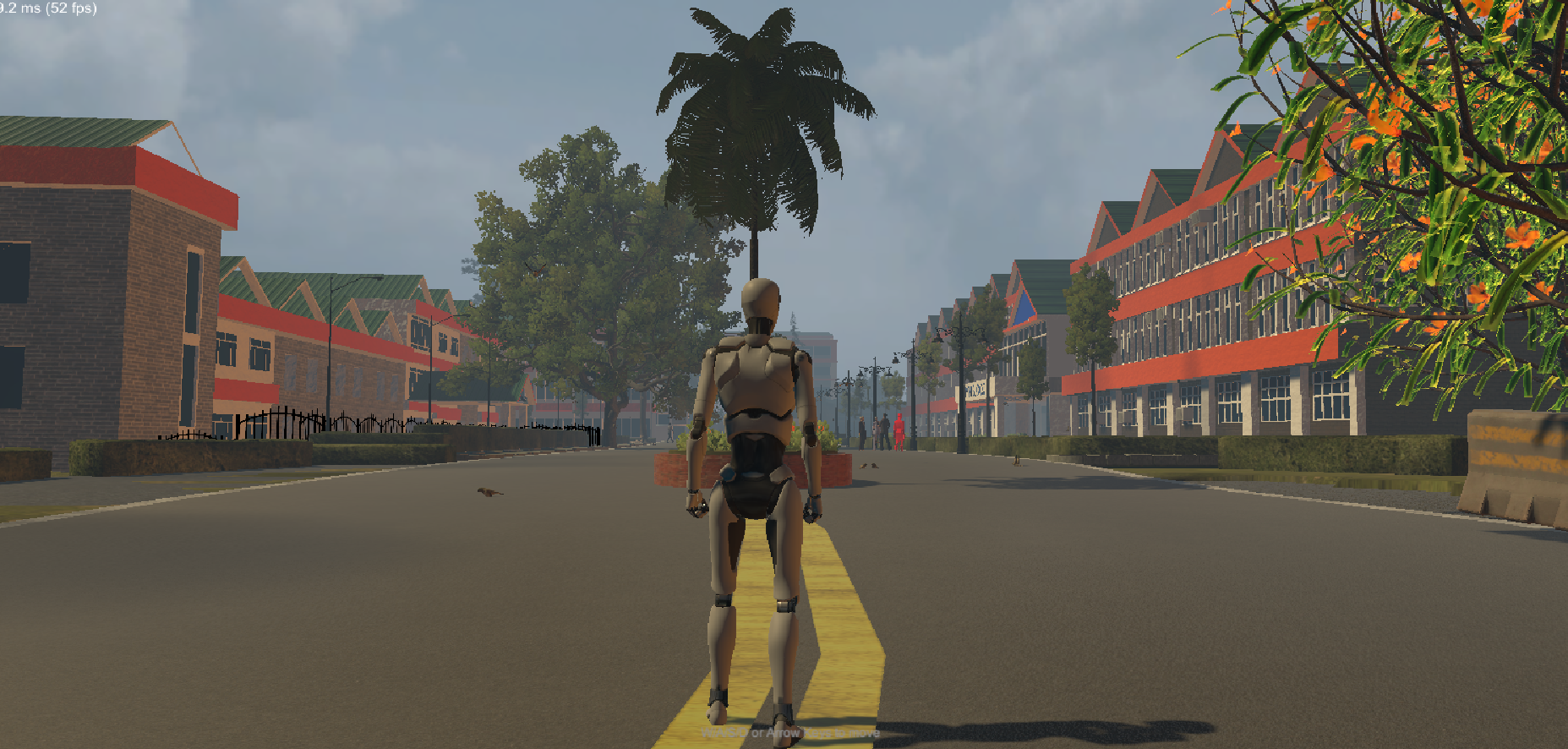
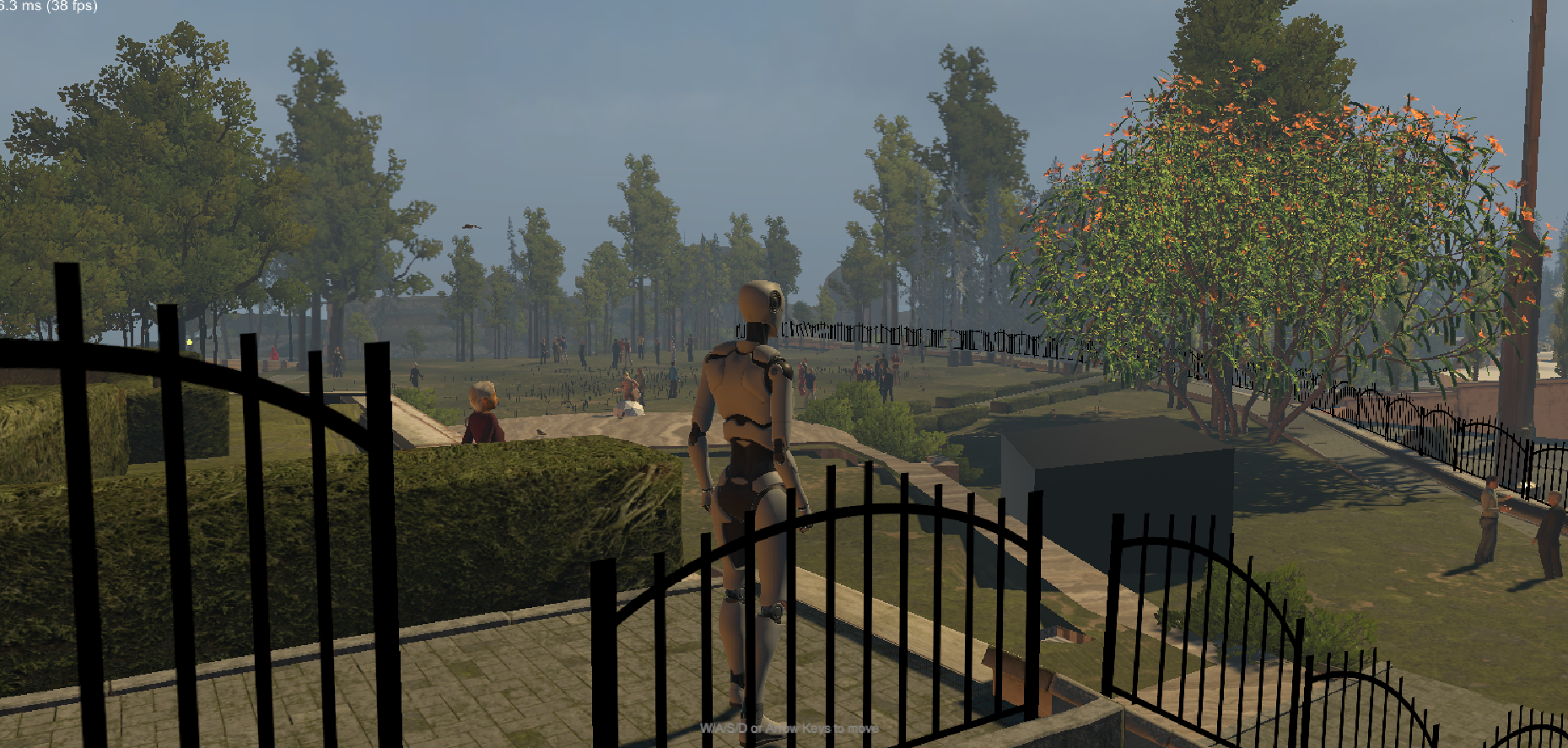
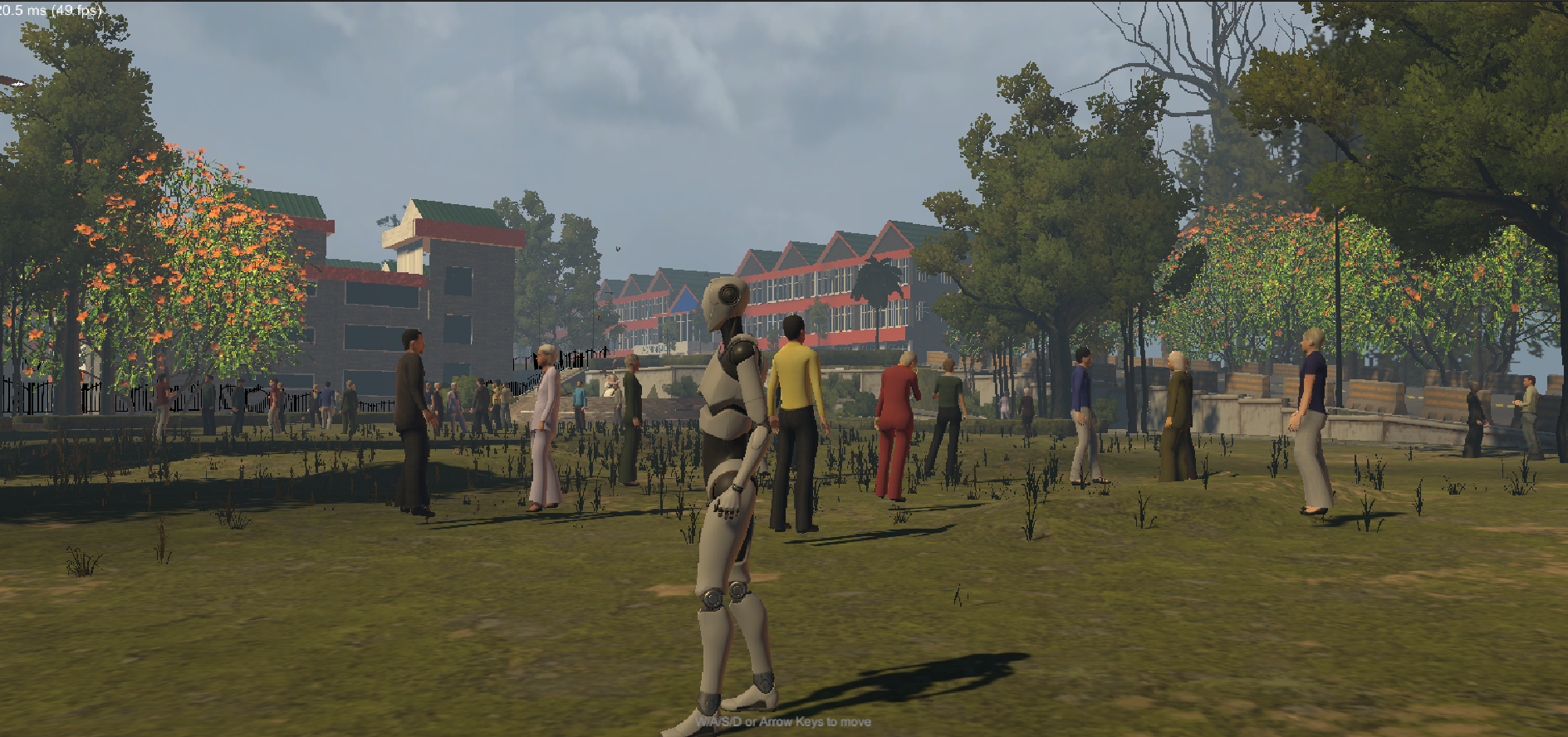
Inspiration
The inspiration for Campus Connect: NIT Hamirpur came from observing the challenges faced by new students when navigating a large campus, making friends, and settling into college life. I wanted to create an engaging platform that combines technology, creativity, and practicality to make campus life more accessible and enjoyable. By integrating virtual tours, multiplayer games, and AR/VR experiences, the project aims to revolutionize how students interact with their environment and each other.
What it does
Campus Connect: NIT Hamirpur provides a dynamic virtual experience for students:
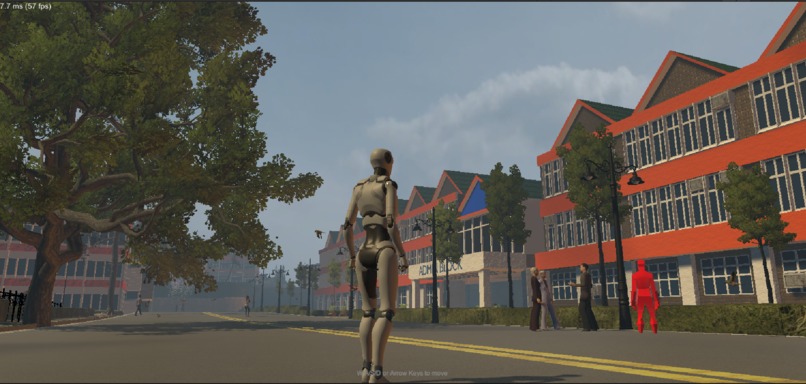
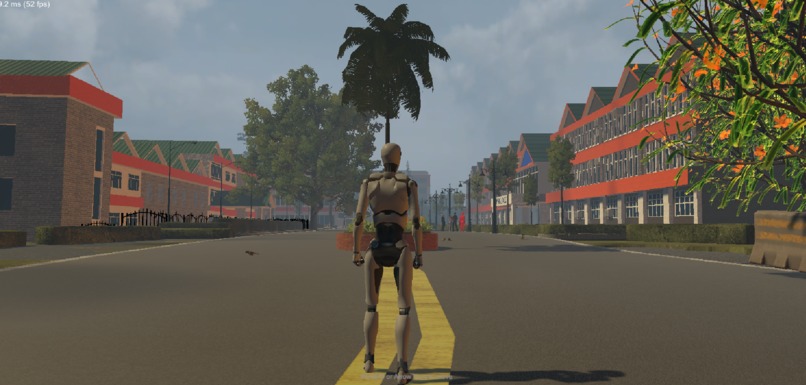
- Virtual Campus Tour: New students can explore the campus virtually, learning about its landmarks and facilities.
- Multiplayer Games: Students can compete in interactive games, such as decorating hostel rooms and showcasing them in a multiplayer environment.
- Location Integration: Using the Mapbox library, players' real-life locations are mirrored in the game, making it easy to find and connect with friends.
- Selfie Feature: Students can capture virtual memories with an in-game selfie mode.
- AR/VR Gameplay: AR and VR experiences allow students to play games within the physical campus, merging the virtual and real worlds.
How we built it
3D Modeling & Texturing:
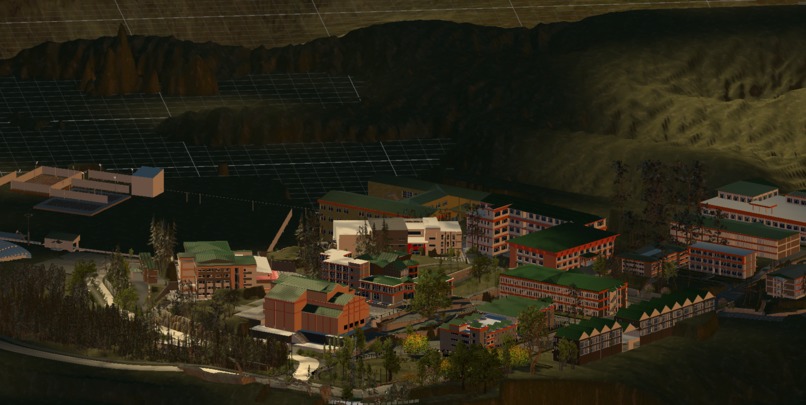
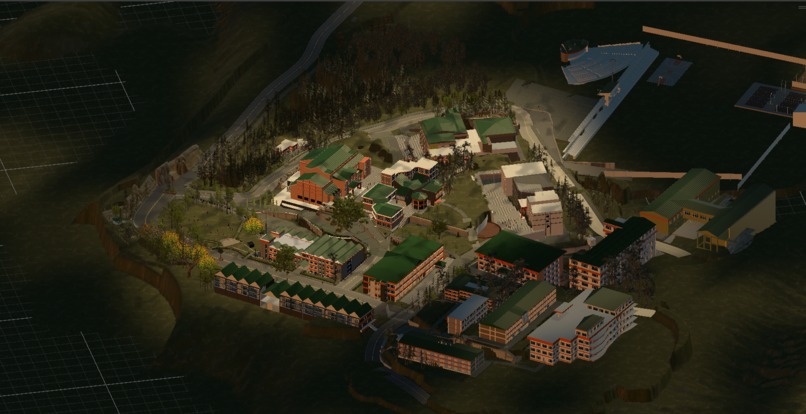
- Modeled the campus environment in Blender, focusing on realistic details and optimization.
- Textured the assets using Substance Painter to enhance visual appeal.
- Modeled the campus environment in Blender, focusing on realistic details and optimization.
Game Development:
- Developed the virtual tour and multiplayer gameplay mechanics in Unity.
- Implemented features like hostel room decorating and interactive hotspots for campus exploration.
- Developed the virtual tour and multiplayer gameplay mechanics in Unity.
Location-Based Features:
- Integrated the Mapbox library to sync players' real-world locations with the virtual campus environment.
- Integrated the Mapbox library to sync players' real-world locations with the virtual campus environment.
AR/VR Integration:
- Created immersive AR and VR gameplay using Unity's XR toolkit and other relevant libraries to enable interaction within the physical campus.
- Created immersive AR and VR gameplay using Unity's XR toolkit and other relevant libraries to enable interaction within the physical campus.
Challenges we ran into
- Asset Optimization: Striking a balance between high-quality visuals and performance was difficult, especially for large-scale environments.
- Networking for Multiplayer: Ensuring smooth synchronization for multiplayer games required extensive work on latency, server management, and real-time updates.
- Customizing Mapbox: Tailoring Mapbox to align with game mechanics and aesthetics took significant effort.
- AR/VR Compatibility: Creating seamless AR and VR experiences across different devices involved a lot of trial and error.
- Time Constraints: Managing the project alongside academic responsibilities required careful planning and prioritization.
Accomplishments that we're proud of
- Successfully modeled and textured an immersive virtual campus environment.
- Developed a functional multiplayer system, complete with interactive and competitive elements.
- Integrated real-world location tracking with Mapbox to enhance connectivity among players.
- Created AR and VR features that add a unique and engaging dimension to the campus experience.
- Overcame technical challenges to deliver a well-optimized and visually appealing project.
What we learned
- Advanced 3D modeling, texturing, and optimization techniques for large-scale environments.
- Multiplayer development, including server management, player synchronization, and game logic.
- Integrating location-based features using tools like Mapbox.
- Designing and implementing AR/VR experiences to merge the virtual and physical worlds.
- The importance of time management, adaptability, and testing throughout the development process.
What's next for Campus Connect: NIT Hamirpur
- Expanding AR/VR Features: Add more campus-specific AR/VR games and experiences to deepen immersion.
- Mobile App Development: Build a mobile app for easier access to the virtual tour and location-based features.
- Customization Options: Allow players to personalize their avatars, hostel rooms, and other in-game elements.
- Enhanced Interactivity: Introduce features like virtual events, campus quizzes, and guided tours with AI-driven bots.
- Scalability: Adapt the project for other colleges and universities, making it a platform for virtual campus experiences globally.


Log in or sign up for Devpost to join the conversation.