Inspiration
FitCrate was born from a simple problem: fitness information is everywhere, but reliable, personalized guidance is difficult to find. People often have to jump between calorie trackers, workout apps, nutrition websites, and AI assistants to understand what they should actually do.
We wanted to build a single AI-powered fitness companion that could understand a user's goals, provide personalized guidance, and back health-related information with trustworthy sources. FitCrate aims to make fitness and nutrition guidance easier to understand, more accessible, and more actionable.
What it does
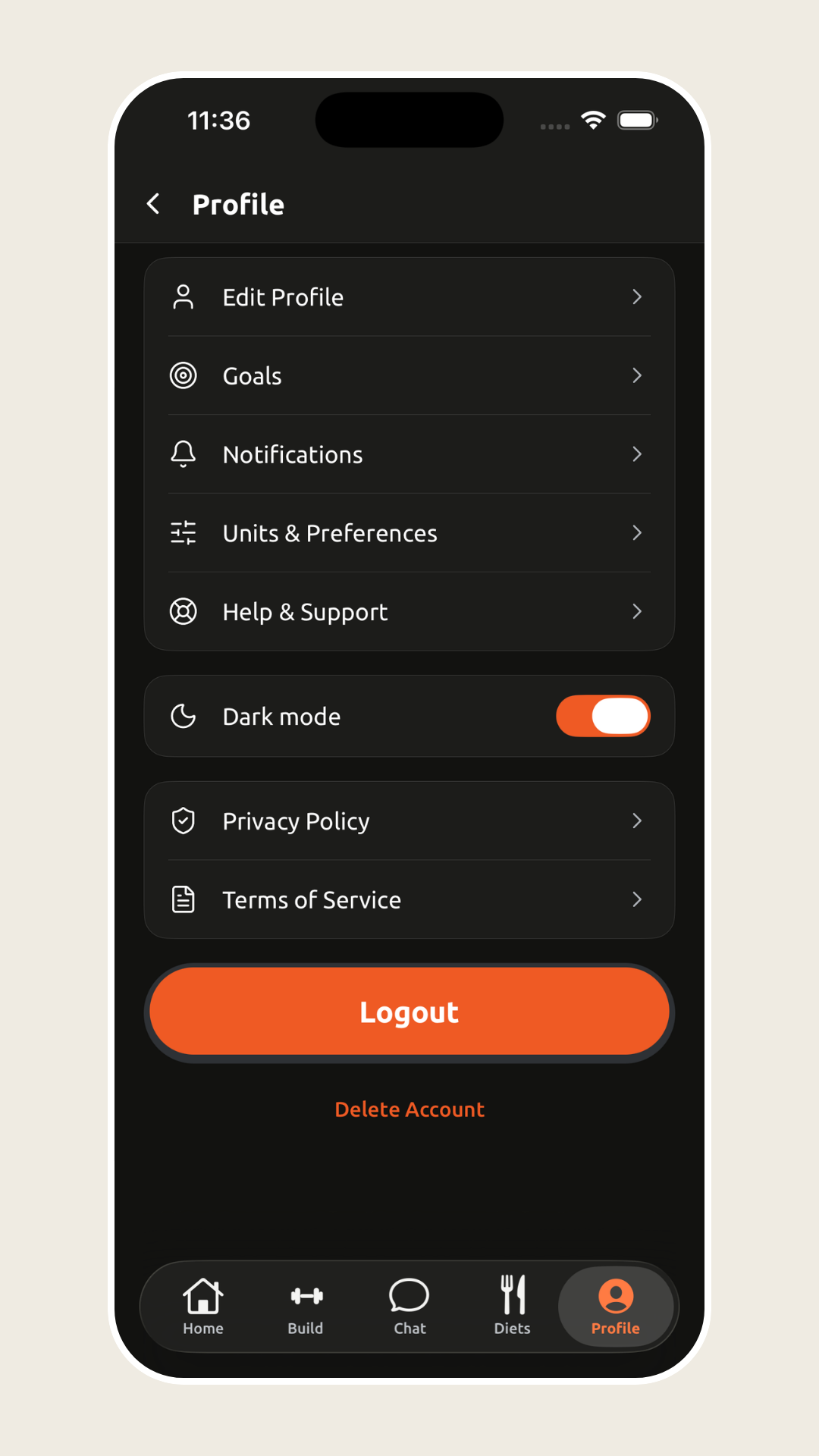
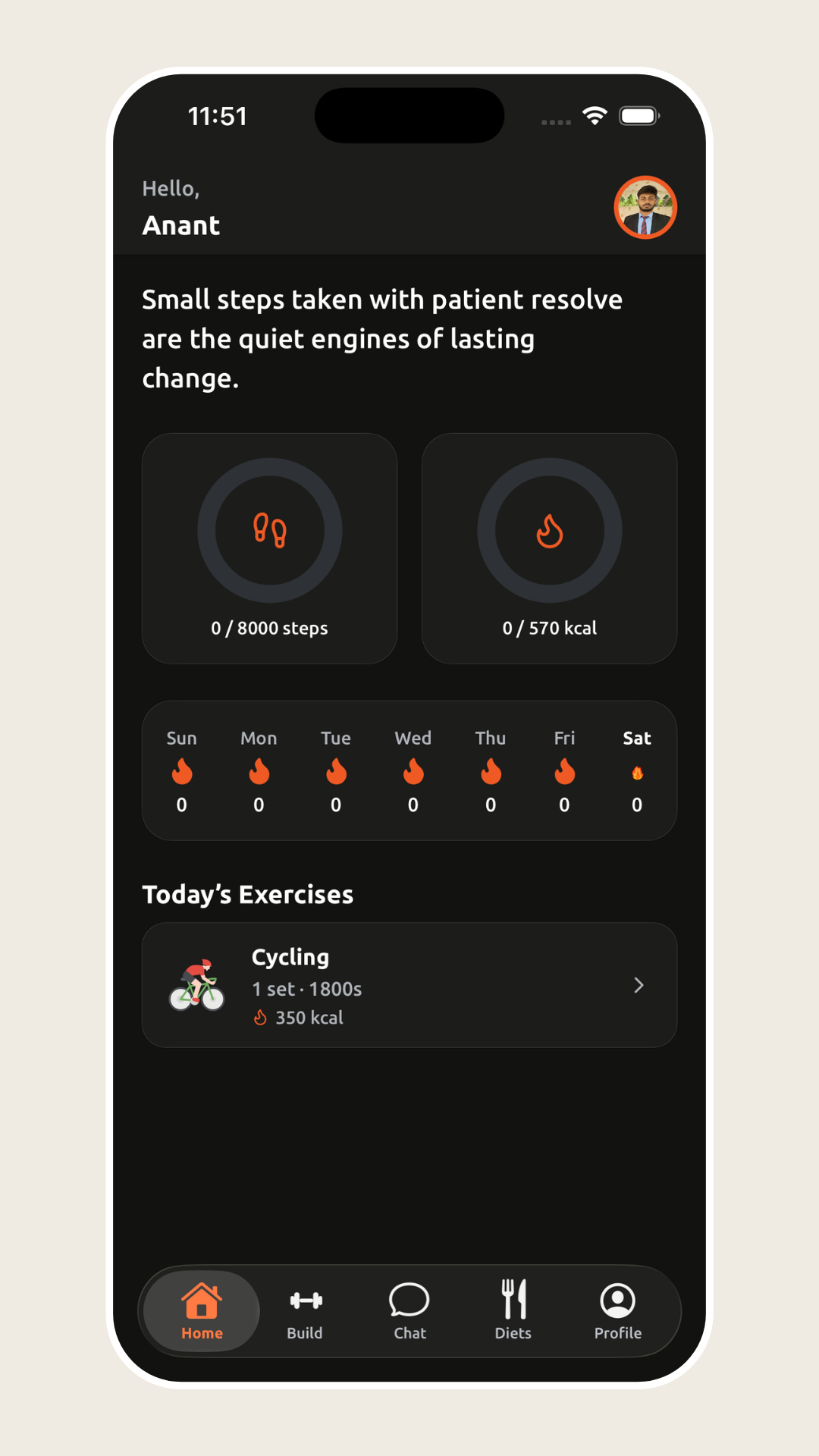
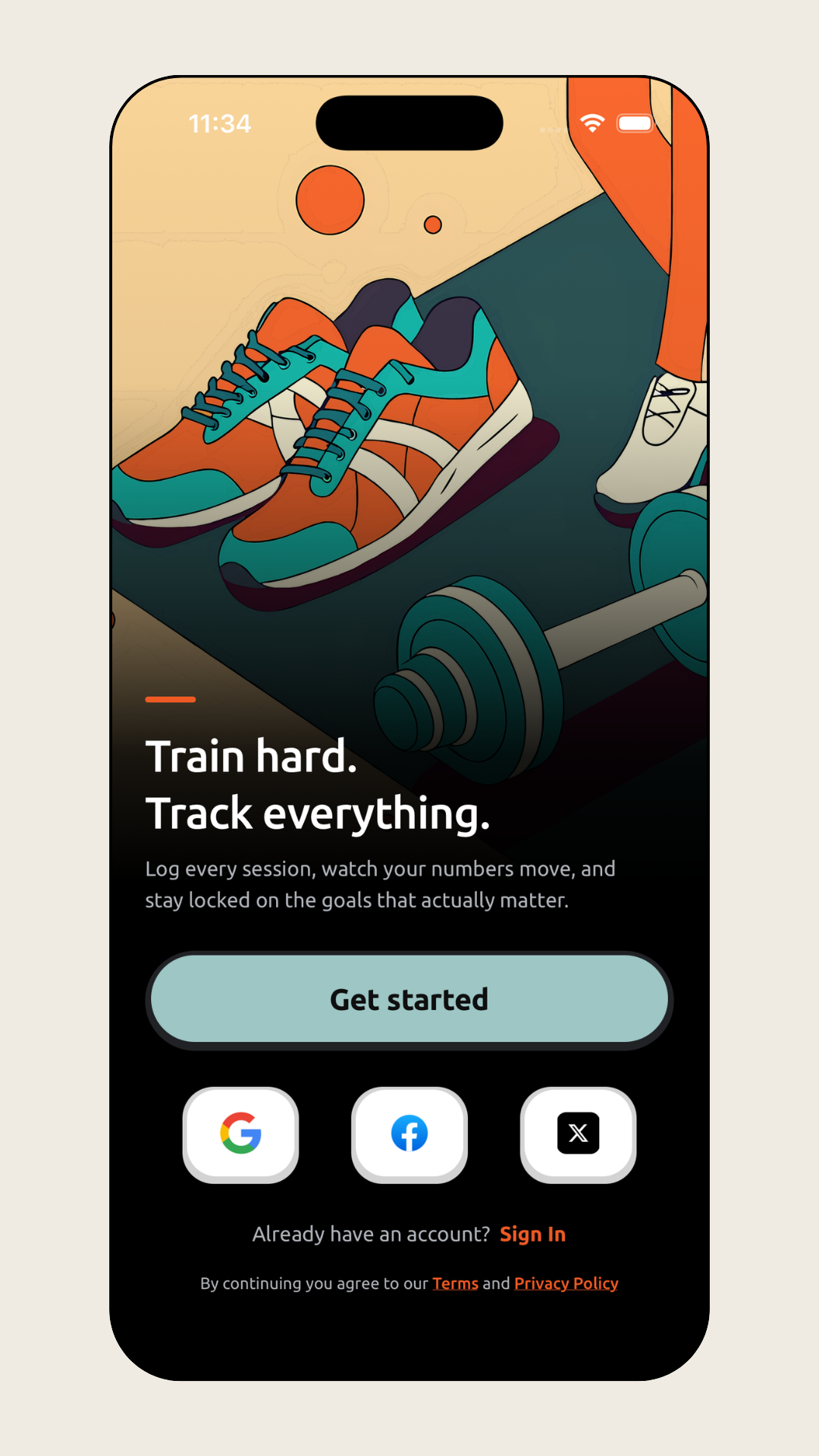
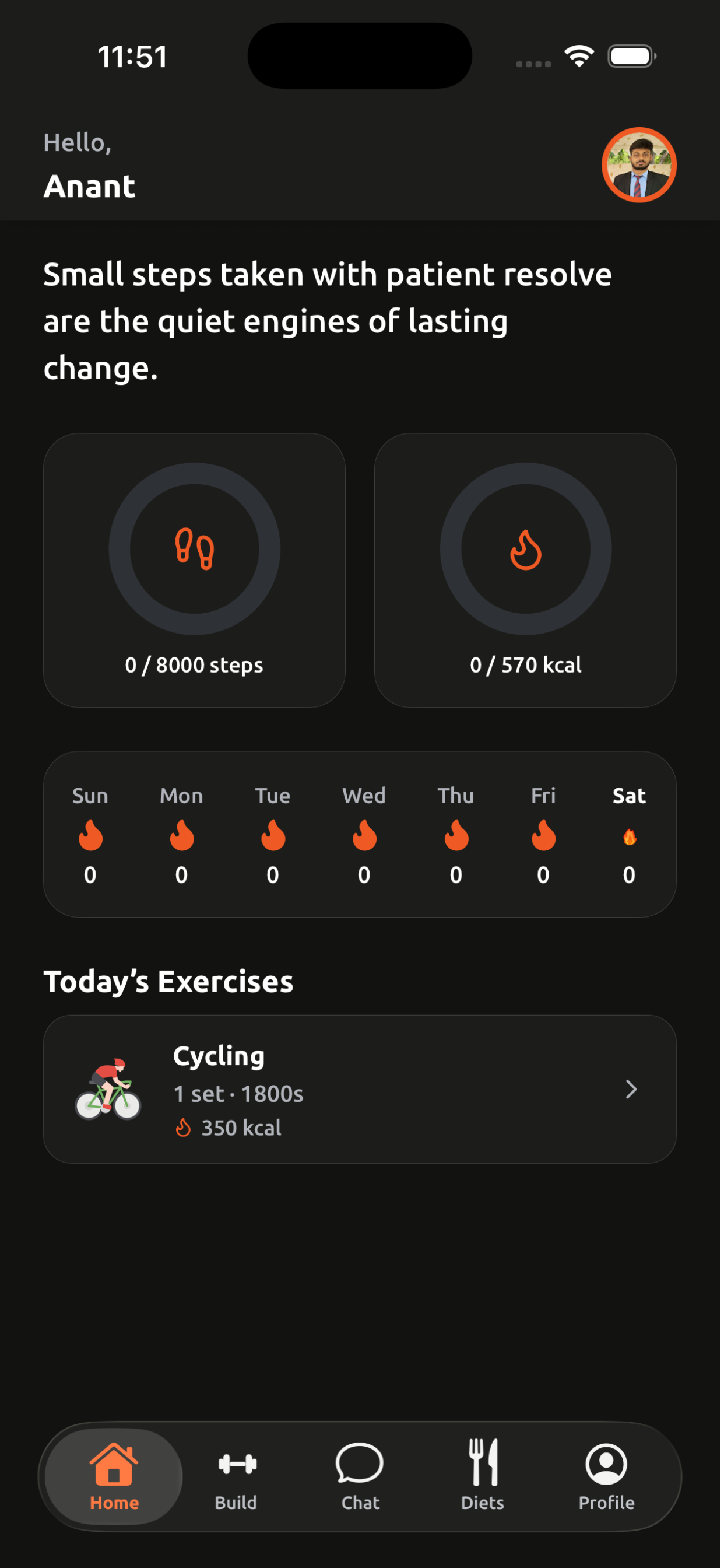
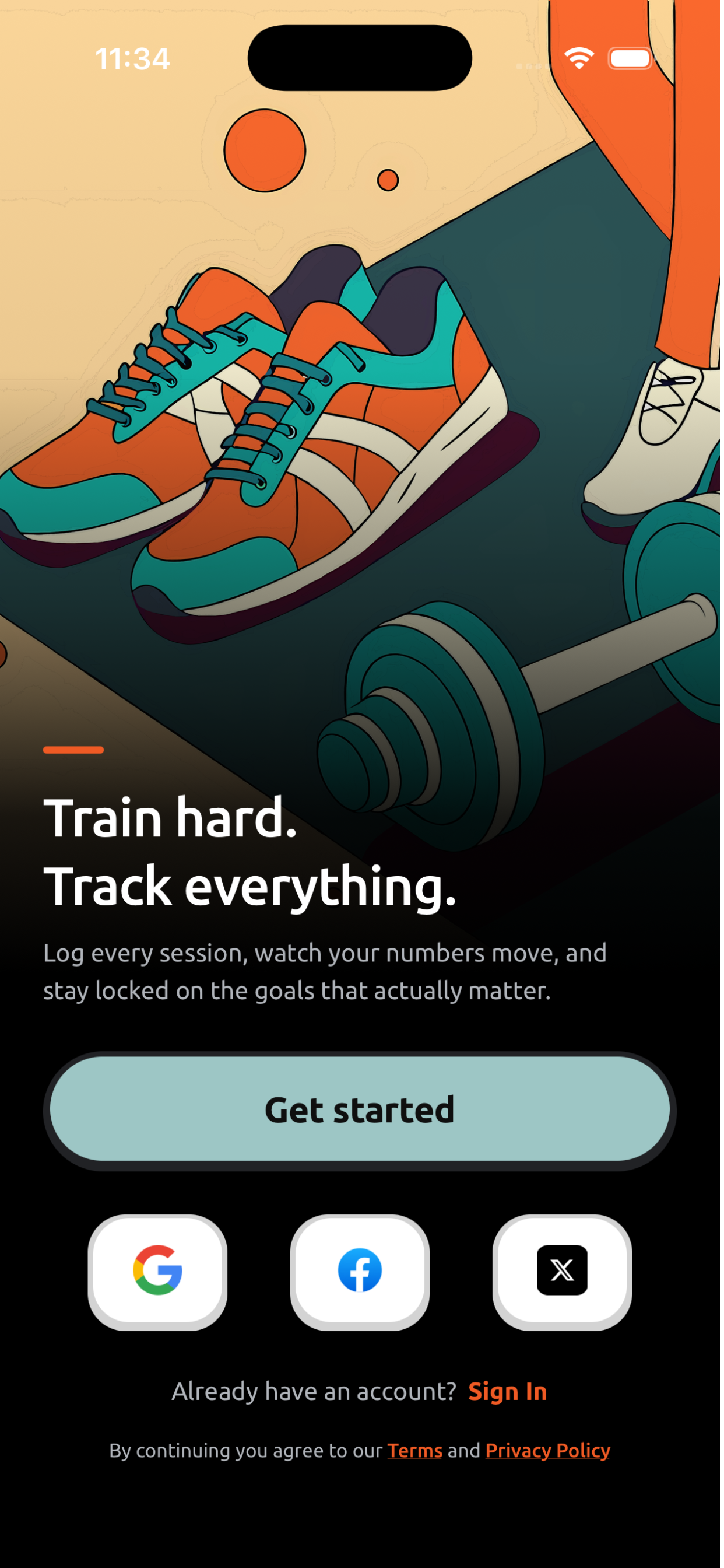
FitCrate is an AI-powered fitness and nutrition companion that helps users make better decisions about their health and daily routine.
Key features include:
- AI fitness assistant for personalized fitness and nutrition questions
- Nutrition and calorie guidance to help users understand foods, meals, and nutrition
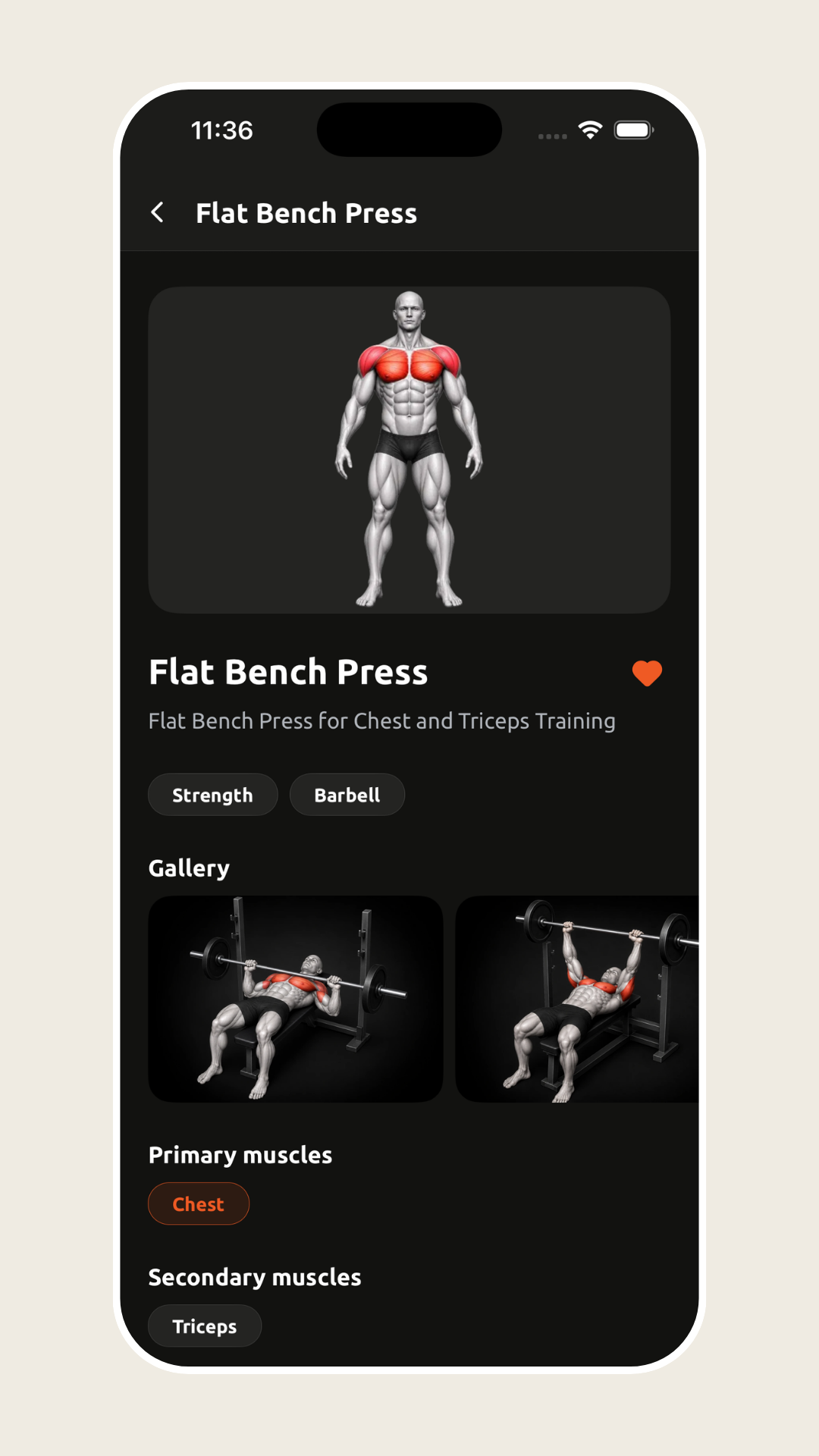
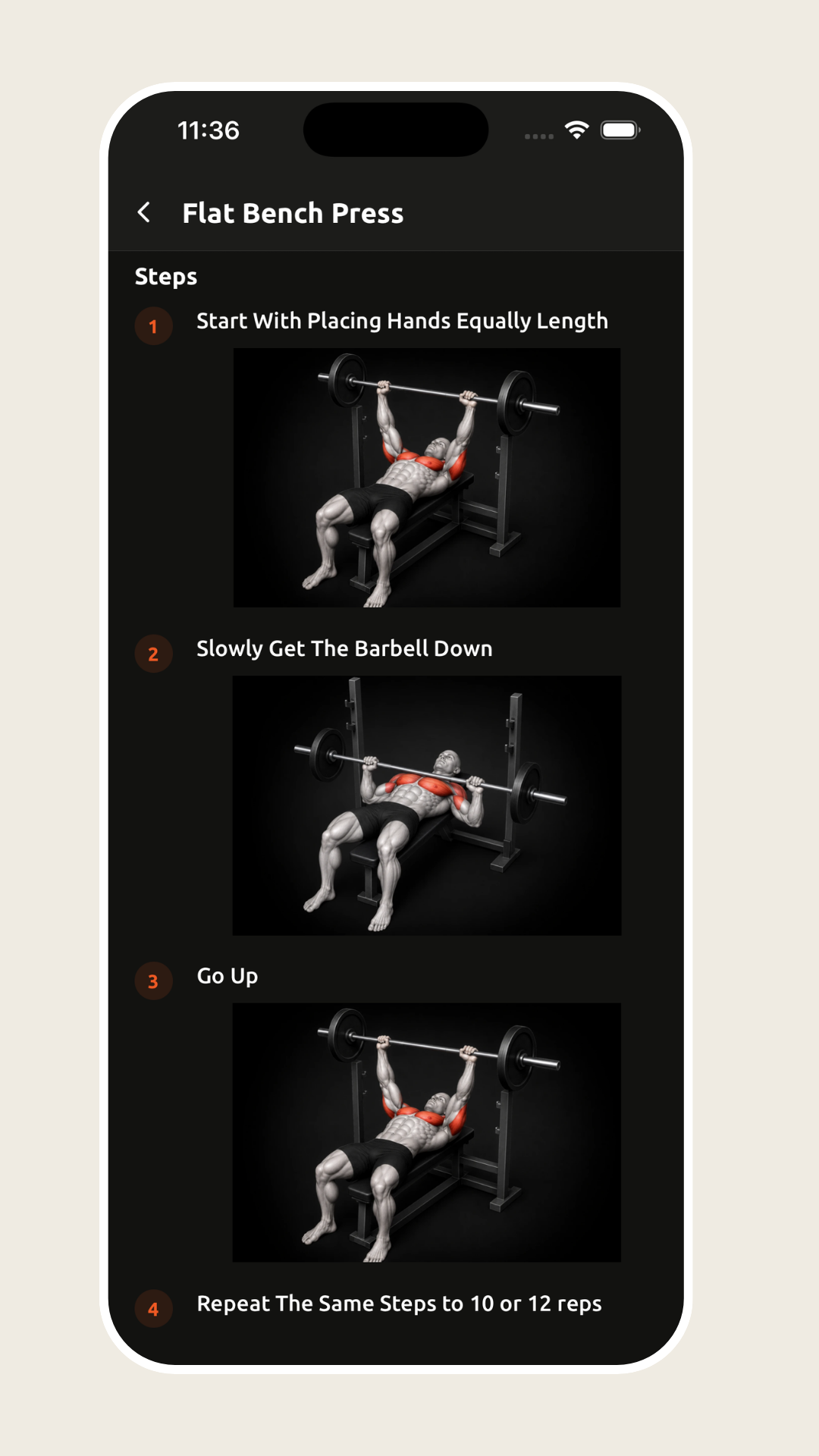
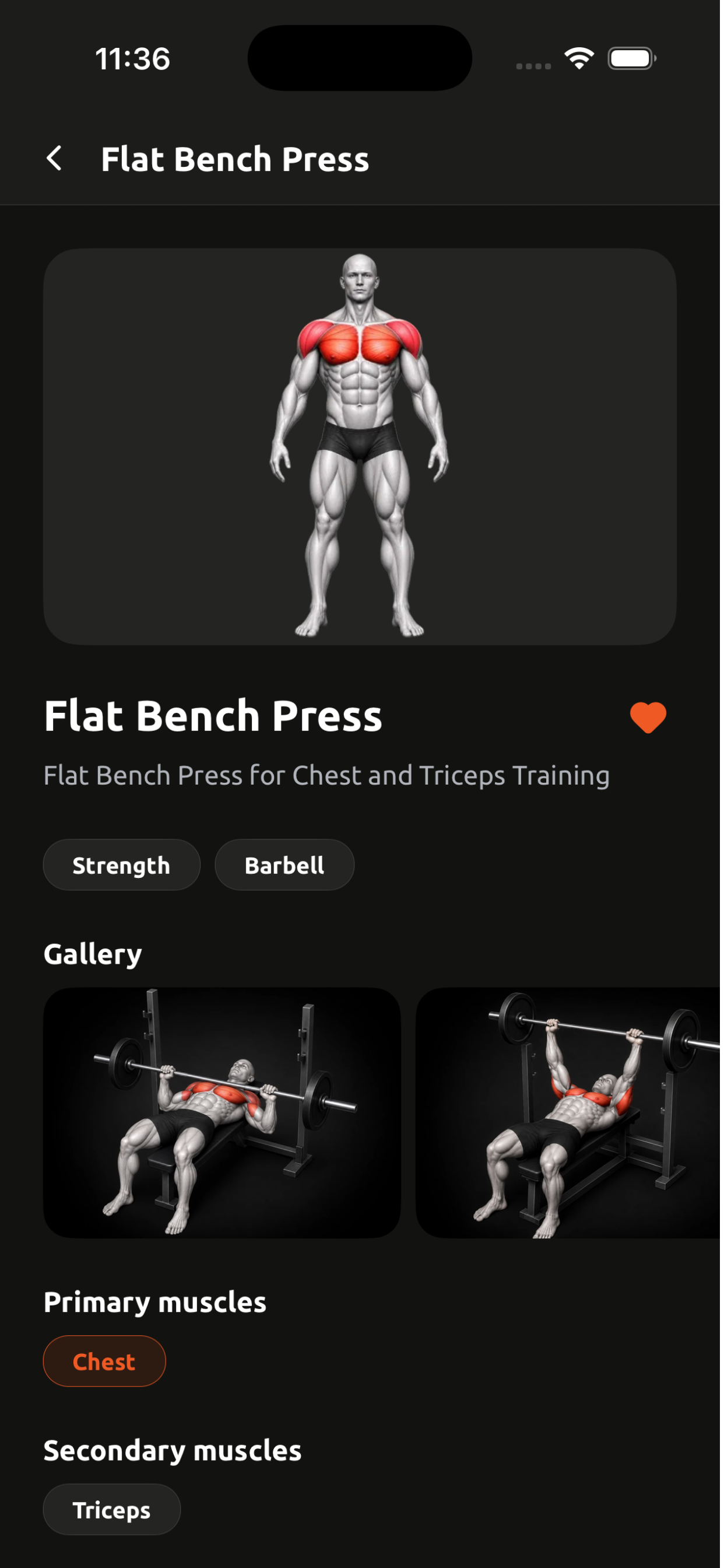
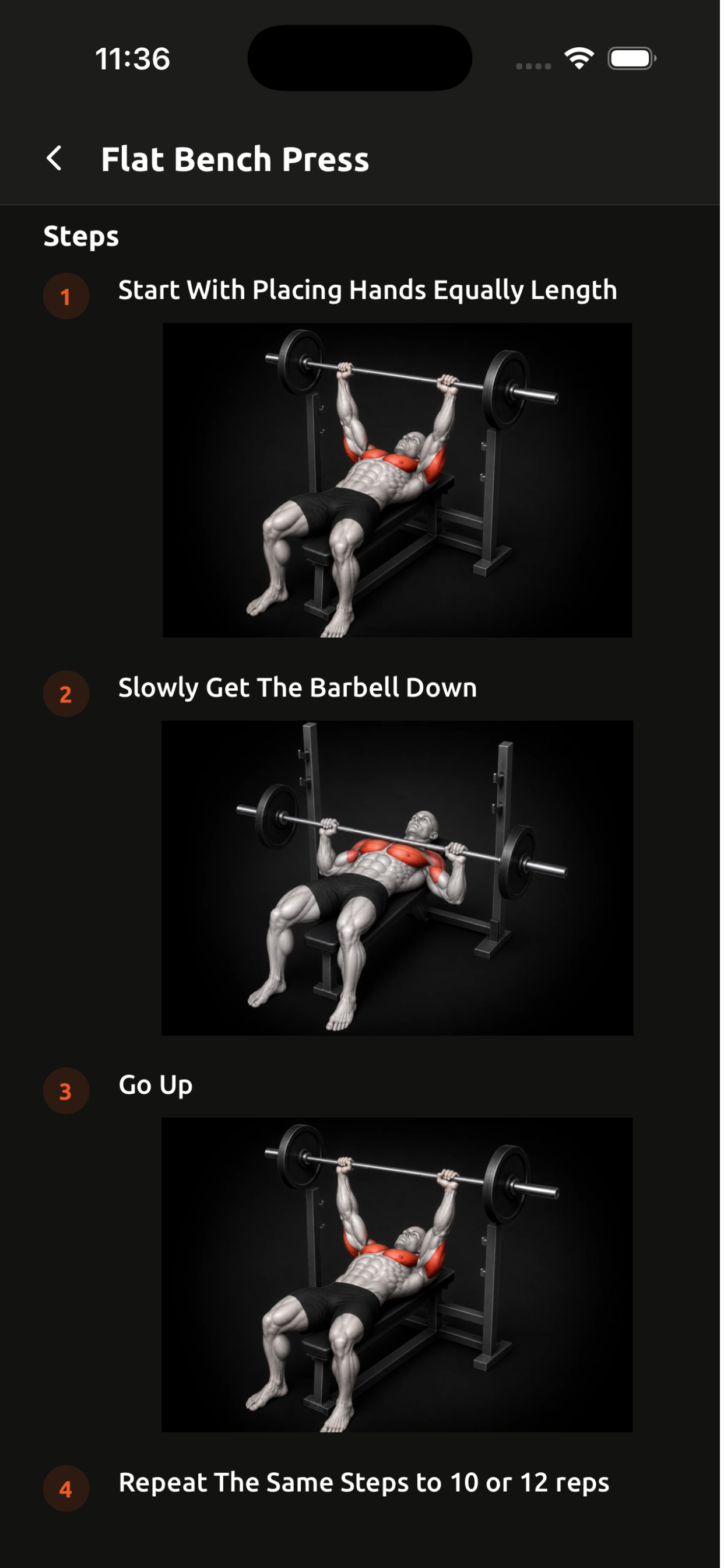
- Workout guidance based on fitness goals and user requirements
- Evidence-based answers with web search and citations for health-related information
- Source-backed recommendations, allowing users to verify the information provided by the AI
- Conversational experience so users can ask questions naturally instead of navigating complicated menus
- Personalized guidance around goals such as weight management, fitness, nutrition, and healthier habits
How we built it
FitCrate was built around an AI-first architecture. We combined an AI SDK with web search and a curated set of reliable information sources to make responses more useful and verifiable.
The application uses a modern mobile-first architecture, with an AI layer responsible for understanding user questions, retrieving relevant information, and generating responses.
For health-related queries, the system can search relevant sources and provide citations alongside answers, rather than relying entirely on the model's internal knowledge.
We also designed the system so that fitness information can be presented in a simple conversational format, making complex nutritional and fitness concepts easier for everyday users to understand.
Challenges we ran into
One of our biggest challenges was AI reliability.
A fitness assistant cannot simply generate confident-sounding answers. Health and nutrition information needs to be accurate, contextual, and supported by reliable sources. We therefore had to work on improving how the AI retrieves information and how relevant sources are selected.
Another challenge was balancing personalization with safety. Fitness and nutrition recommendations can vary significantly depending on an individual's goals, lifestyle, and circumstances, so the AI needs to avoid treating every user the same.
We also had to solve challenges around:
- Finding relevant sources for specific questions
- Providing useful citations without overwhelming the user
- Reducing hallucinations and inconsistent AI responses
- Designing a simple conversational UX
- Making AI responses fast enough for a mobile application
- Structuring health information in a way that users can actually understand and use
Accomplishments that we're proud of
We're proud of turning FitCrate from a simple fitness concept into an AI-powered fitness companion that combines conversational AI with web-based research.
One of our biggest accomplishments is the addition of source-backed AI responses. Instead of asking users to blindly trust an AI-generated answer, FitCrate can provide references so they can explore where the information came from.
We're also proud of building an experience where users can simply ask questions in natural language rather than having to understand complicated fitness terminology or navigate multiple tools.
Most importantly, FitCrate represents our attempt to make AI genuinely useful for everyday fitness and nutrition decisions, rather than just another chatbot.
What we learned
Building FitCrate taught us that building an AI application is much more than connecting an LLM to an interface.
We learned that retrieval quality, source selection, prompting, context, and response validation can have a huge impact on the quality of an AI application.
We also learned that health-related AI requires a much higher standard of reliability than general-purpose chat. A response can sound convincing while still being incomplete or misleading, which makes citations and trustworthy sources extremely important.
Most importantly, we learned to treat AI as a system that needs continuous evaluation and improvement, rather than something that is automatically reliable once an LLM is integrated.
What's next for FitCrate
Our next goal is to make FitCrate significantly more personalized and useful as a long-term fitness companion.
We're looking at:
- Personalized fitness and nutrition plans
- Workout and activity tracking
- More advanced food and calorie analysis
- Better AI reasoning and source retrieval
- A larger curated knowledge base for fitness and nutrition
- Progress tracking and personalized insights
- Better integration with health and fitness data
- Stronger safety and validation for health-related responses
- More proactive AI coaching based on a user's progress
Ultimately, we want FitCrate to become a personal fitness companion that combines AI, reliable information, and real user progress into one experience.
Built With
- expo.io
- mongodb
- nest-js
- nestjs
- prisma
- react-native
- redis

Log in or sign up for Devpost to join the conversation.