-
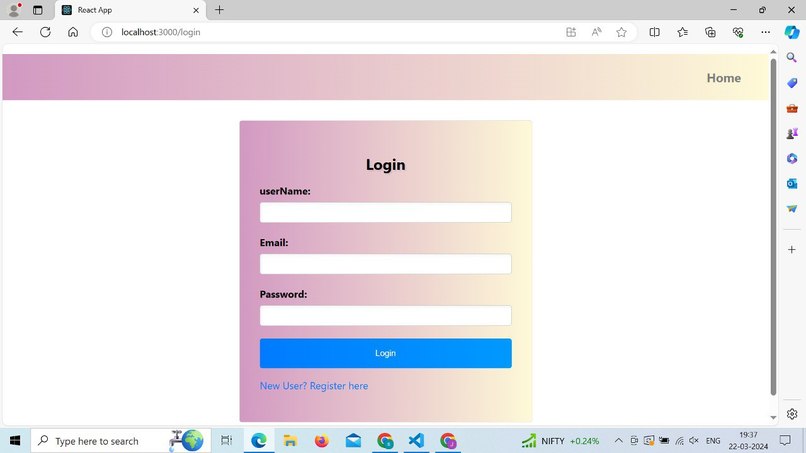
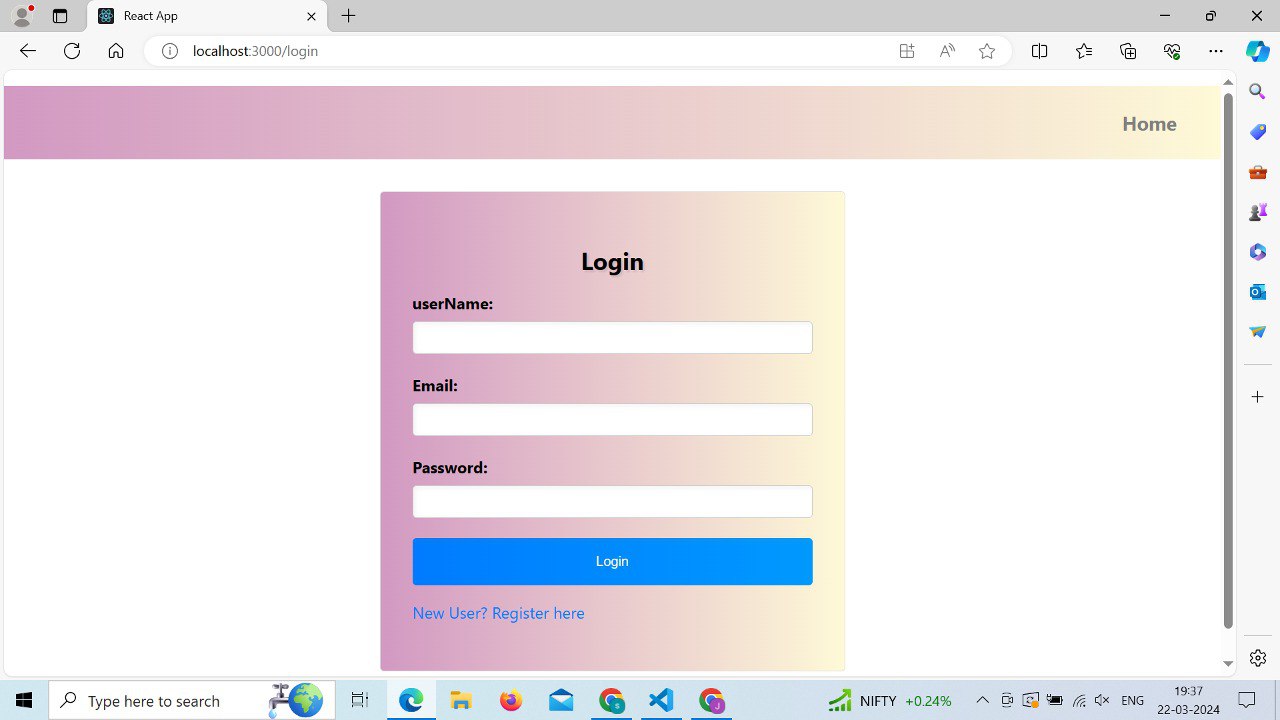
"Your gateway to a healthier lifestyle starts here. Login or signup now!"
-
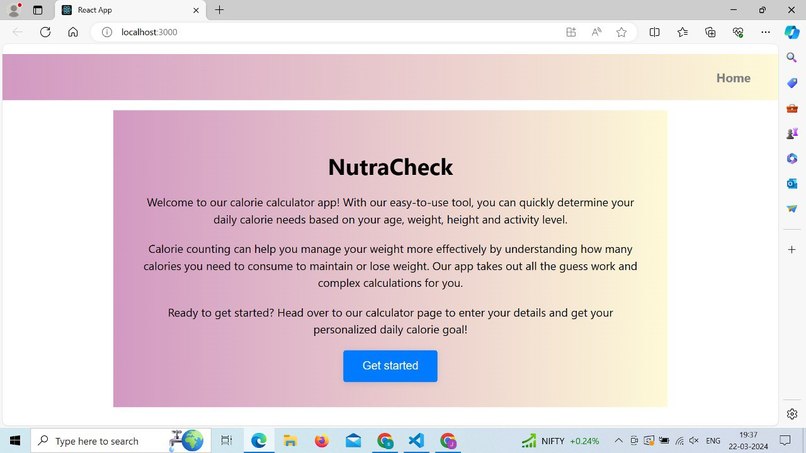
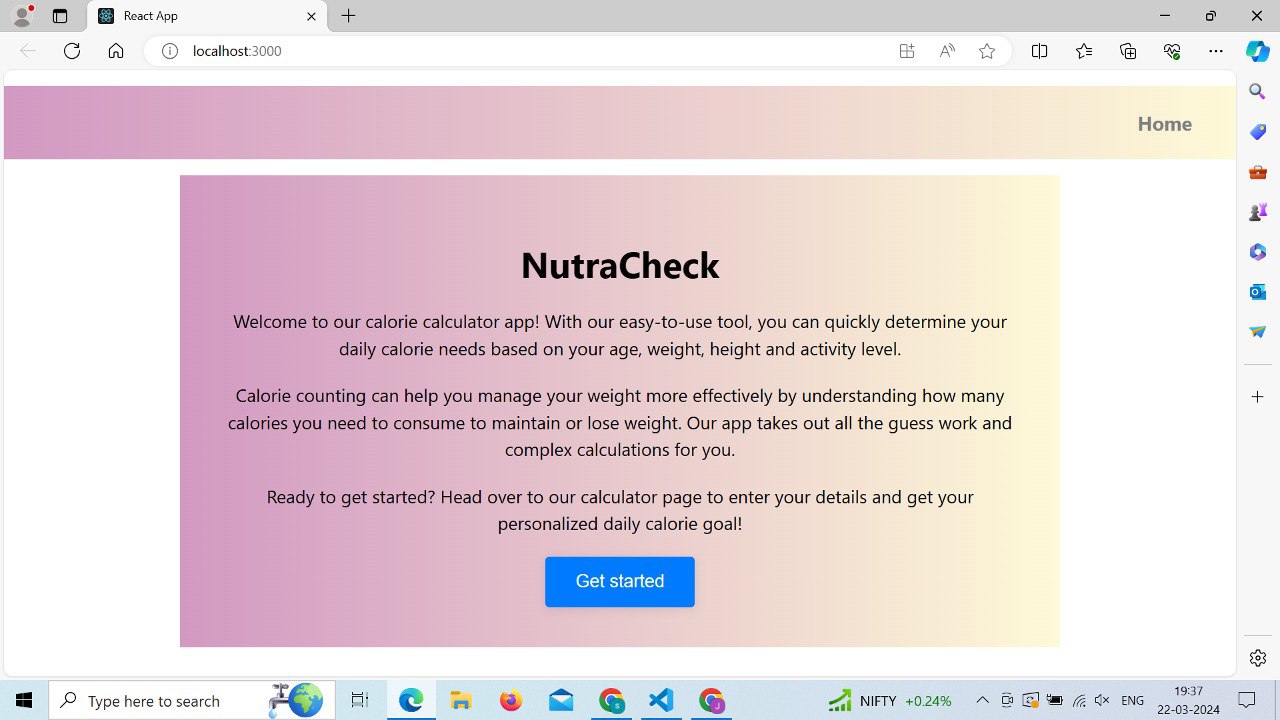
"Welcome to NutraCheck - your ultimate companion on the journey to a healthier you. Let's get started!"
-
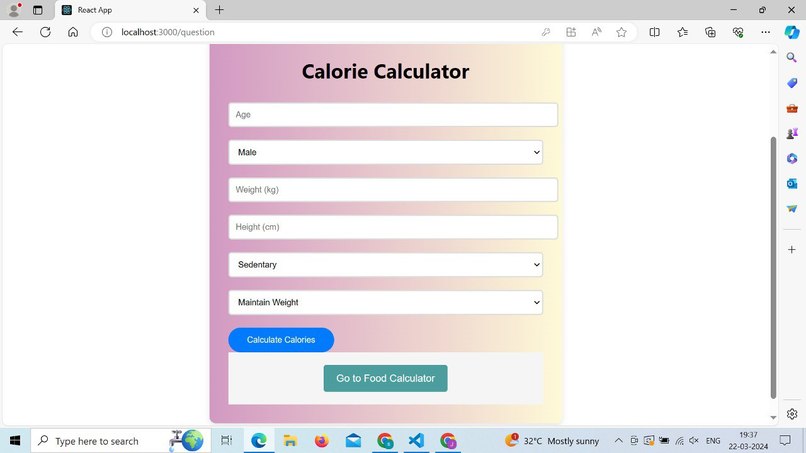
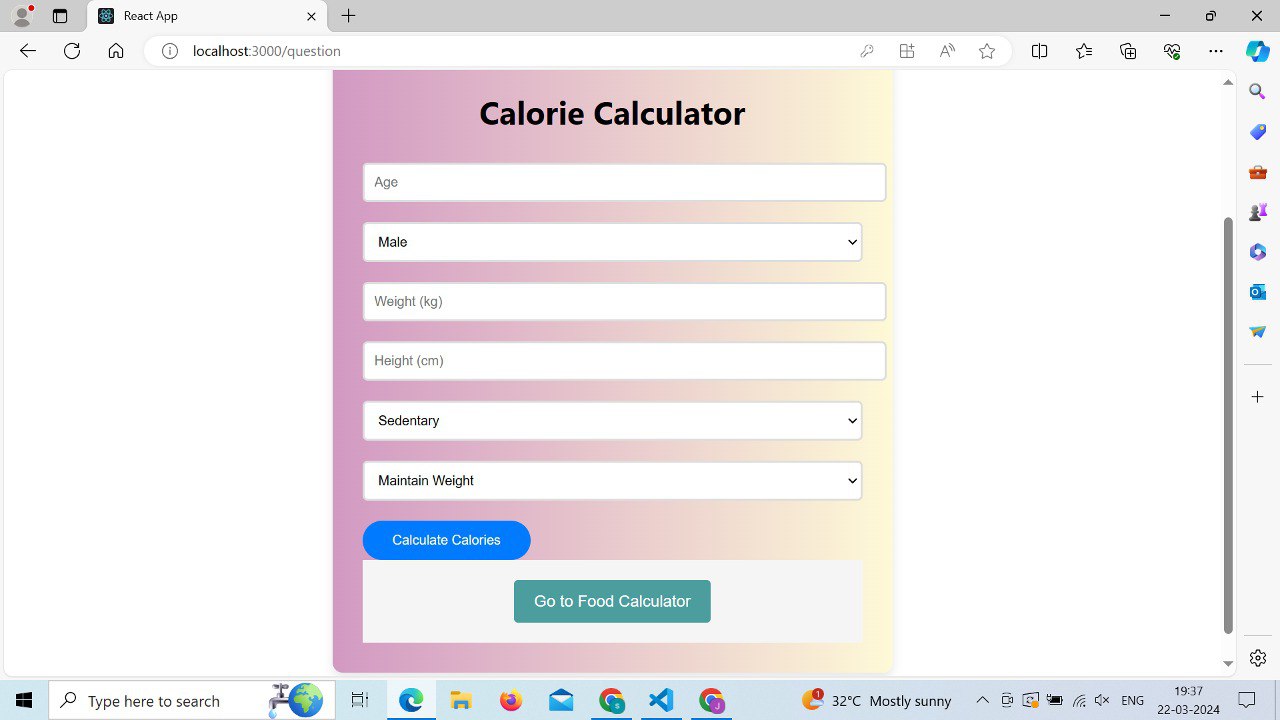
"Track your calories with precision and ease. Use our intuitive calculator to stay on top of your nutrition goals!"
-
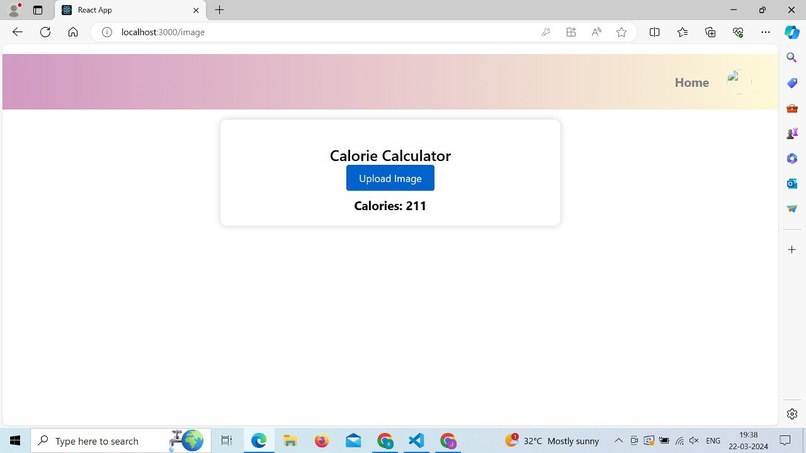
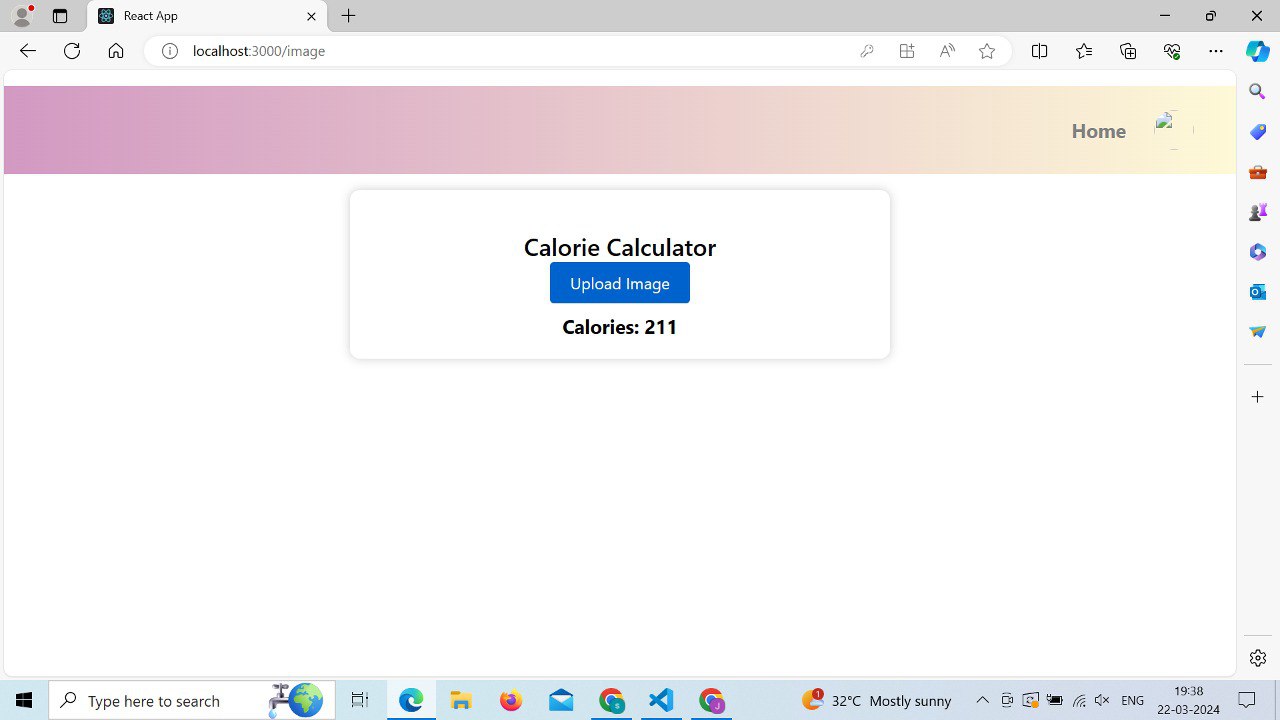
"Snap, track, and conquer your nutrition goals effortlessly with our advanced image detection technology. Say goodbye to manual entries!"
Project Story: NutraCheck Calorie Calculator App
About the Project
The idea for NutraCheck was inspired by the desire to make calorie tracking and maintaining a healthy diet more accessible and convenient for everyone. As someone who has struggled with managing their nutrition and staying on track with their health goals, I wanted to create a solution that simplifies the process of monitoring food intake while providing valuable insights and guidance.
What I Learned
During the development of NutraCheck, I learned a great deal about nutrition, dietary requirements, and the importance of balanced eating habits. I delved into the world of calorie counting, macronutrients, and portion control, gaining a deeper understanding of how food choices impact overall health and well-being.
Moreover, I honed my skills in software development, particularly in mobile app development and image recognition technology. Implementing the photo detection feature was a challenging yet rewarding experience that taught me valuable lessons in algorithm design, data processing, and user interface design.
How I Built the Project
NutraCheck was built using a combination of programming languages, frameworks, and tools. Here's an overview of the tech stack:
Frontend Development:I utilized Flutter, a cross-platform framework, to build the user interface of the mobile app. Flutter's hot reload feature made it easy to iterate on designs and implement new features quickly.
Backend Development:For the backend infrastructure, I employed a combination of cloud services such as AWS (Amazon Web Services) for hosting, Firebase for user authentication, and a custom-built API for handling data processing and storage.
Image Recognition:The photo detection feature was implemented using machine learning and computer vision algorithms. I trained a deep learning model using TensorFlow and deployed it on the server to analyze food images and extract nutritional information.
Database Management:To store user data and meal information, I used a NoSQL database such as MongoDB or Firebase Firestore. This allowed for efficient data retrieval and scalability as the user base grows.
Challenges Faced
Building NutraCheck came with its fair share of challenges. One of the main hurdles was optimizing the image recognition algorithm to accurately identify various food items and estimate portion sizes from user-uploaded photos. This required extensive testing, tweaking of parameters, and gathering of training data to improve the model's accuracy.
Additionally, ensuring the security and privacy of user data was a top priority. Implementing robust authentication mechanisms, data encryption, and compliance with privacy regulations such as GDPR (General Data Protection Regulation) posed significant challenges but were essential for building trust with users.
Overall, the journey of creating NutraCheck was a fulfilling experience that taught me valuable lessons in nutrition, technology, and entrepreneurship. I am proud of what I have accomplished and excited to continue iterating and improving the app to help users lead healthier lives.
Built With
- and-apis-for-specific-functionalities-such-as-authentication
- and-other-relevant-data.-mongodb's-flexibility-and-scalability-made-it-well-suited-for-handling-the-dynamic-nature-of-nutrition-tracking-data.-in-addition-to-these-technologies
- css3
- data-visualization
- ensuring-a-visually-appealing-and-consistent-design-across-all-pages-of-the-app.-mongodb:-a-nosql-database-used-for-storing-user-data
- meal-information
- mongodb
- nutracheck-may-also-utilize-various-libraries
- opencv
- react
- tools

Log in or sign up for Devpost to join the conversation.