-
-
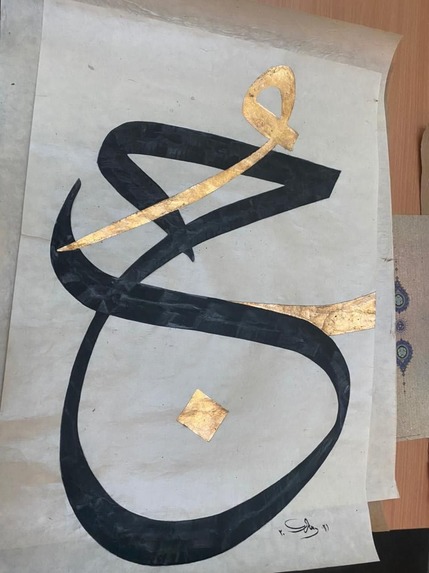
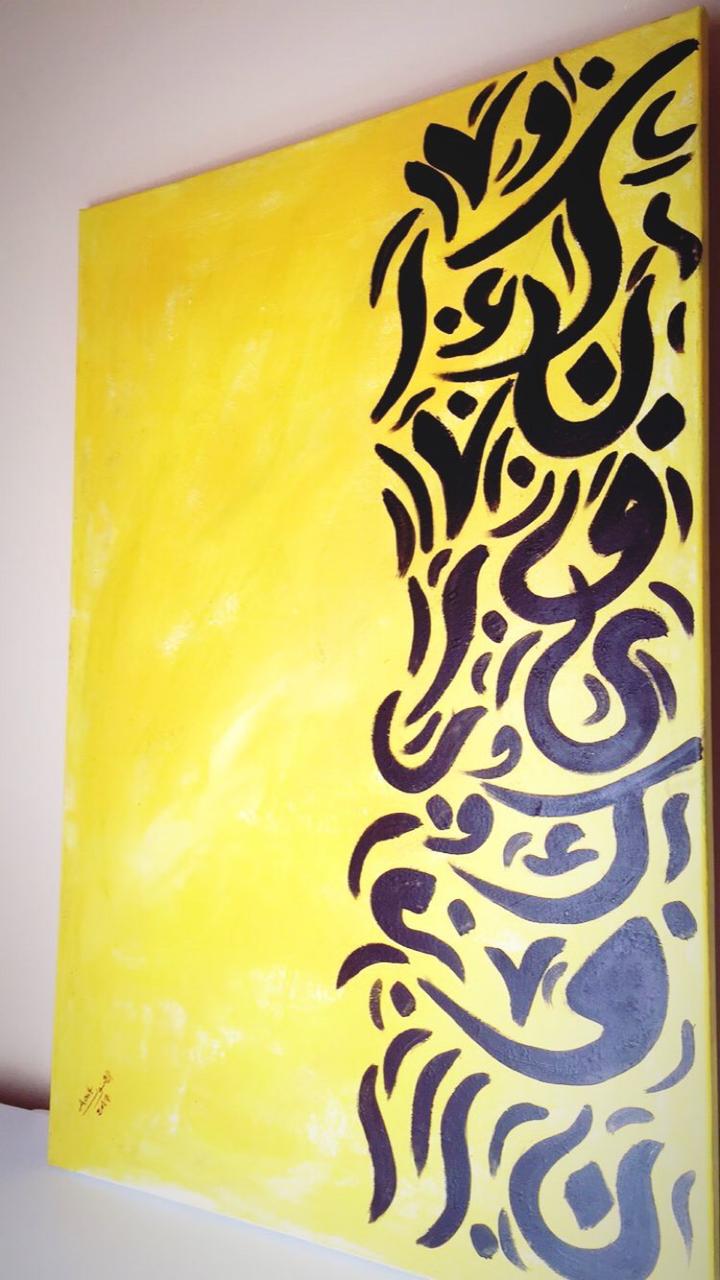
Love word in Arabic
-
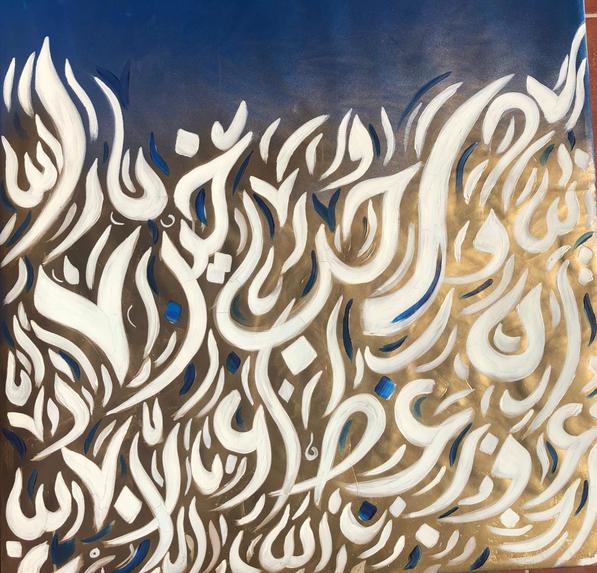
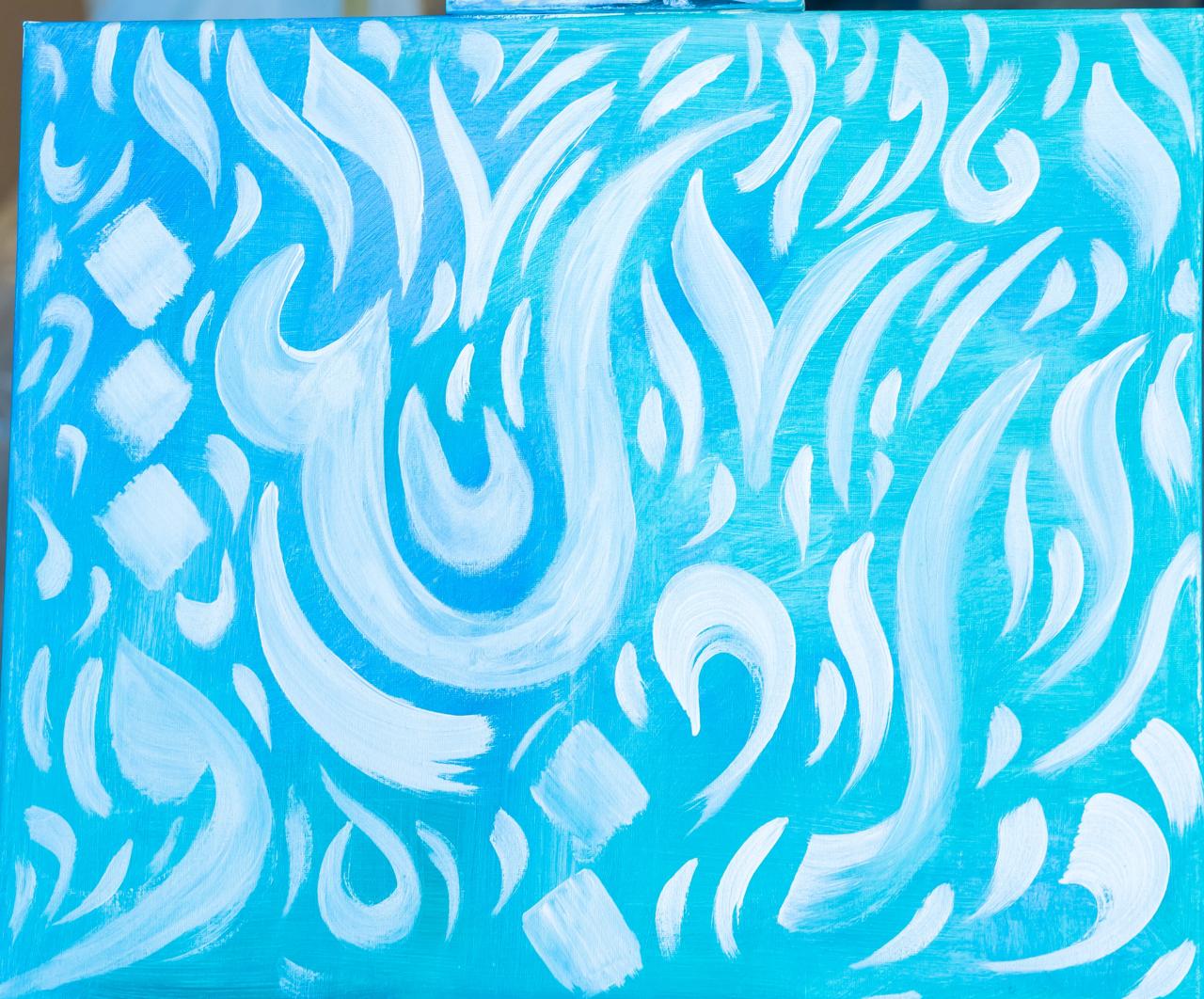
Calligraphy Art by Alanoud Alabbad
-
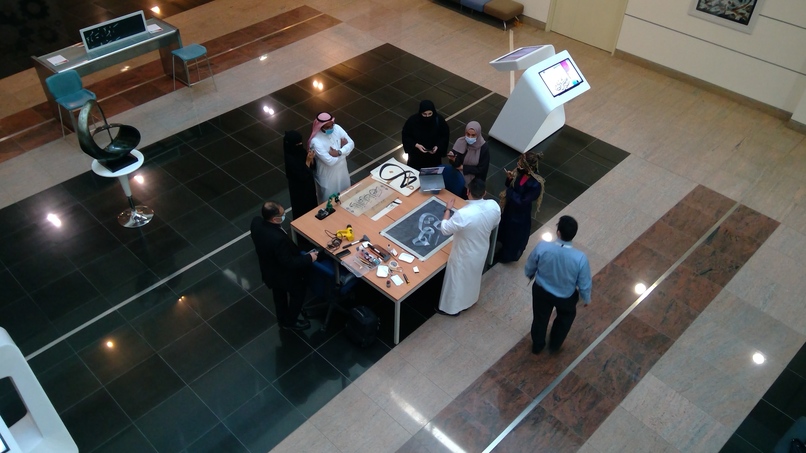
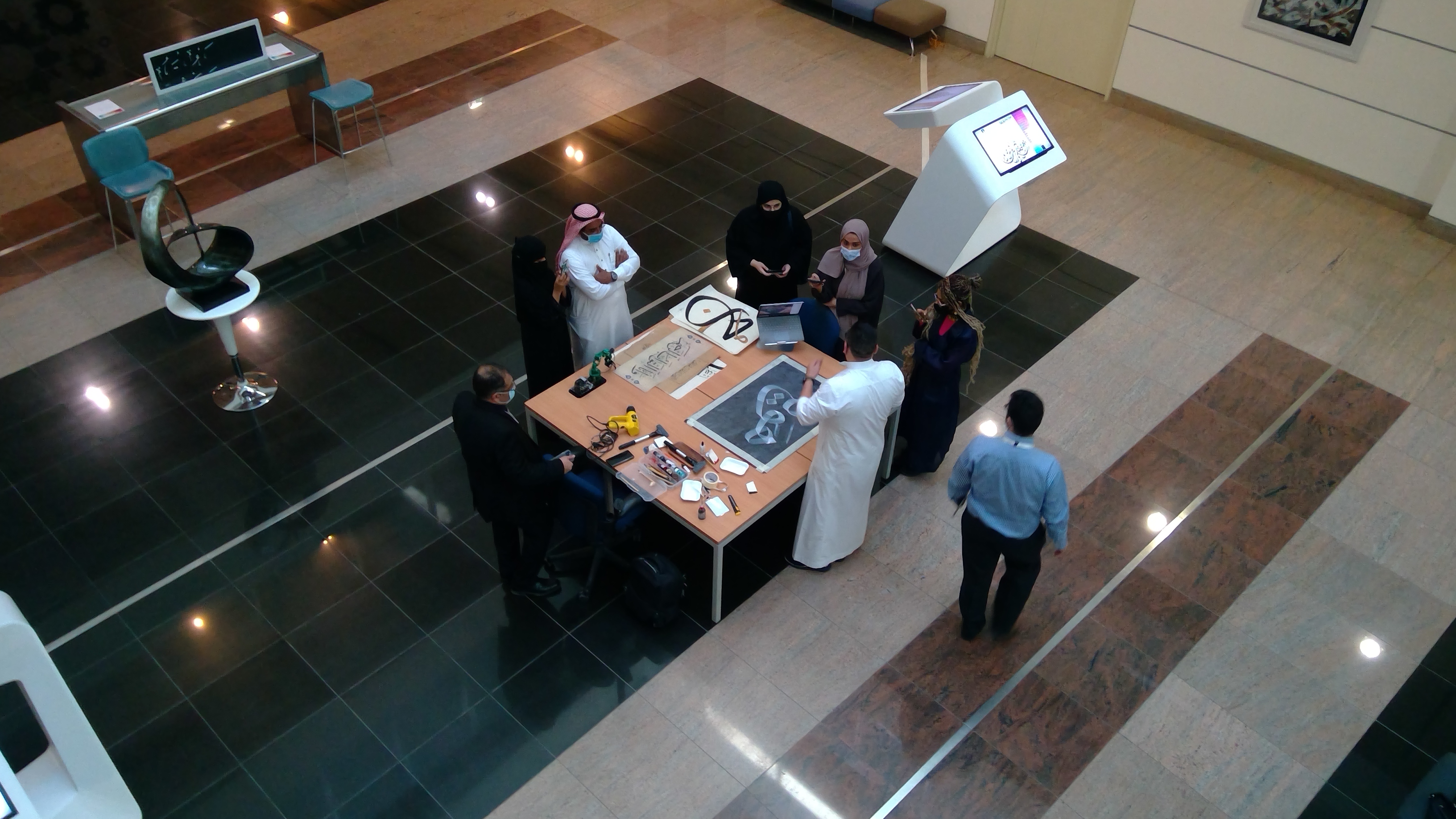
Picture of an Artist taken during SAAI Hackathon Event in Riyadh
-
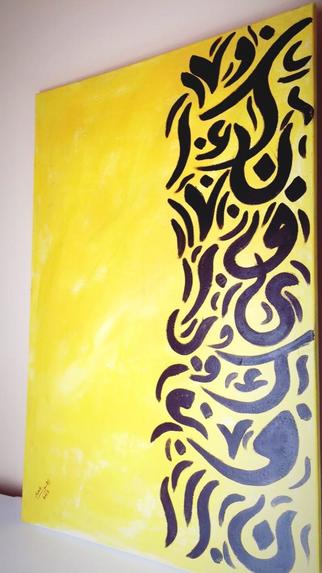
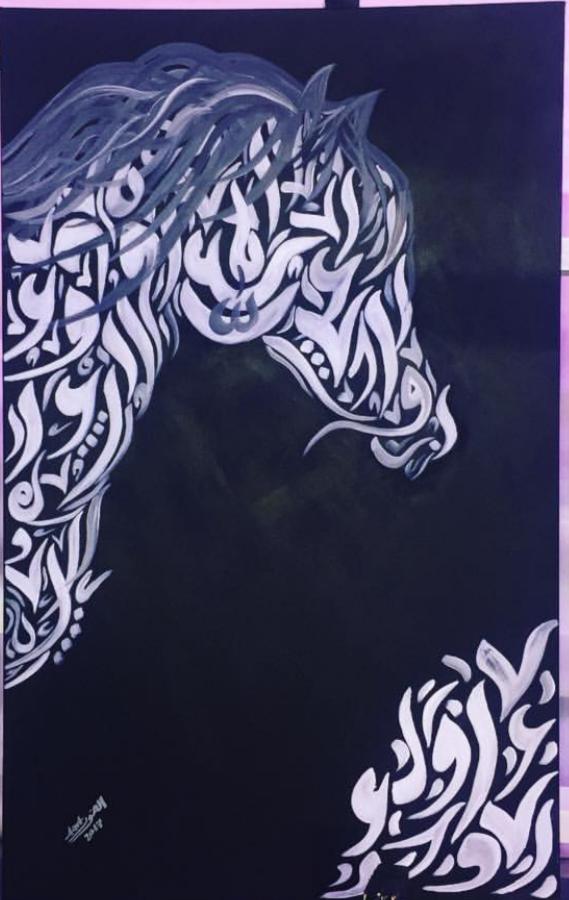
Calligraphy Art by Alanoud Alabbad
-
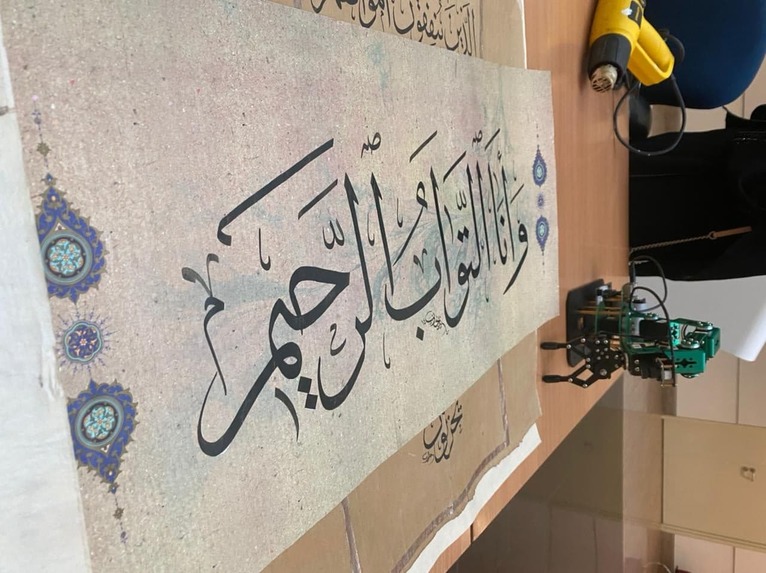
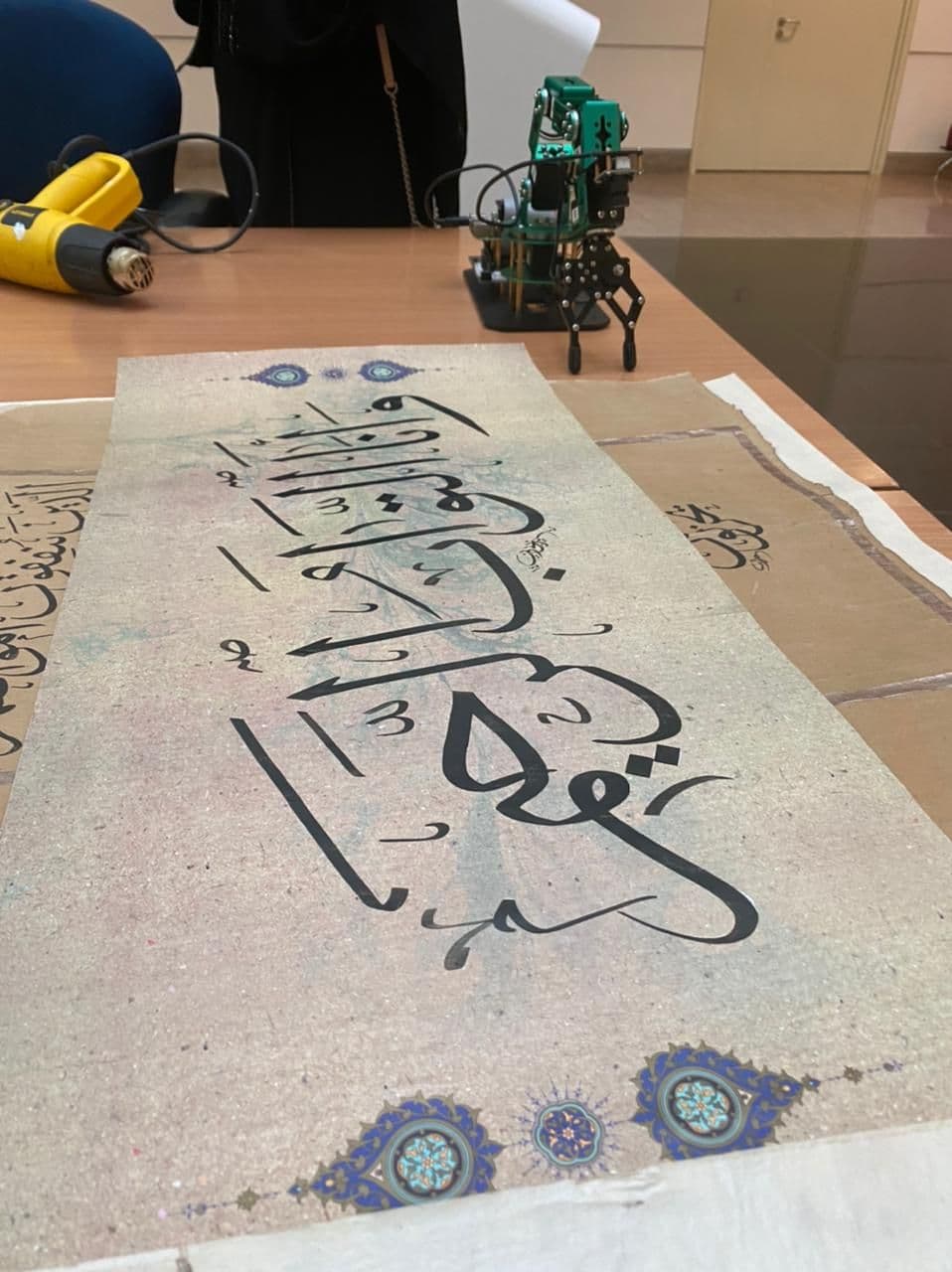
Calligraphy art
-
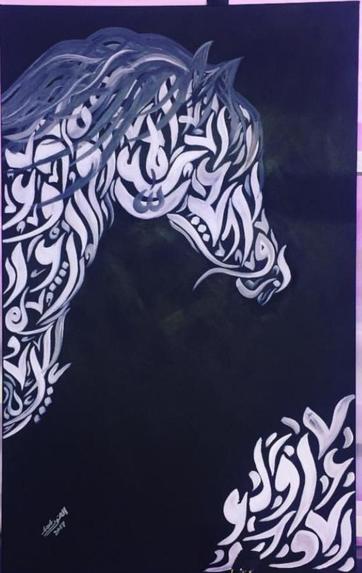
Calligraphy Art by Alanoud Alabbad
-
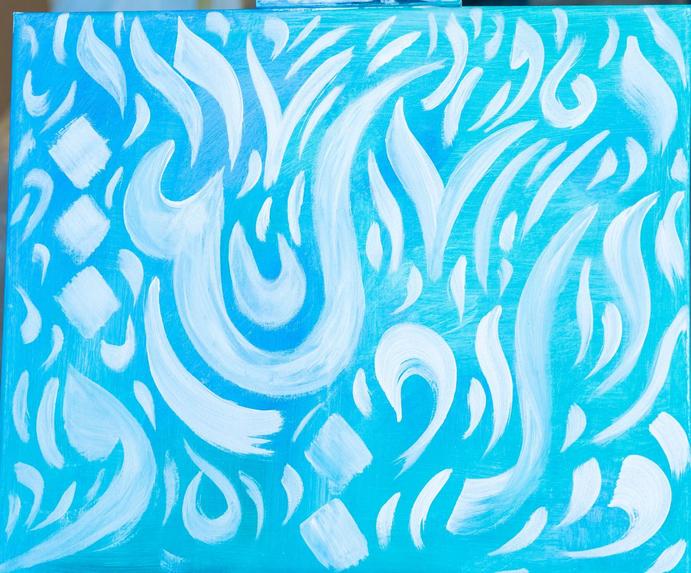
Calligraphy Art by Alanoud Alabbad
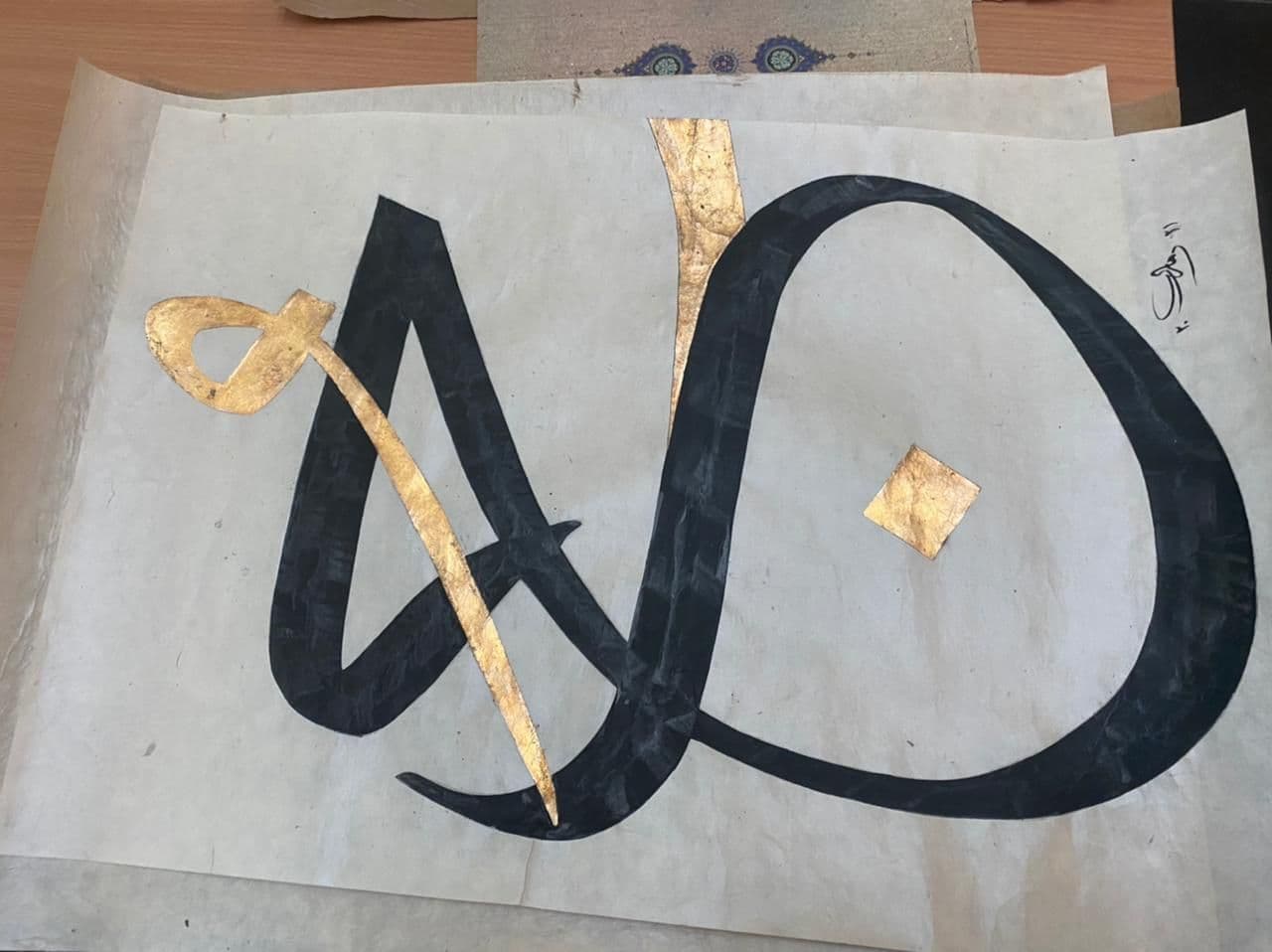

Inspiration
We were fascinated by Arabic Calligraphy when we participate in SAAI hackathon's regional hub in Riyadh, Saudi Arabia. We also realized that the Ministry of Culture in Saudi Arabia has recently launched a campaign titled, "Year of Arabic Calligraphy" in appreciation and celebration of the importance of Arabic Calligraphy. Also, the literature review in applied AI revealed interesting applications of AI models to Chinese Calligraphy. Inspired by the proliferation of this line of work in AI, we sought to apply machine learning models to the context of Arabic Calligraphy, which is inadequately explored.
What it does
Our project is recognizing and classifying the Arabic Calligraphy types, as a first step towards developing AI systems that generate calligraphy. The approach involves image processing via Teachable Machines. A Teachable Machine is a web-based tool that makes creating machine learning models fast, easy, and accessible which aligned with the context of this hackathon to develop an MVP.
How we built it
We fed the Teachable Machine model with data collected from ready-made fonts and some contributions from local artists and calligraphers, then we deployed on the web by embedding the tensorflow.js model in the html. Regarding the Arabic Calligraphy, the main styles we focused on were Kofi and Naskh, with over 200+ samples from each. Our team is compromised by diverse, Alanoud Alabbad is an Calligraphy Artist, Tarfa is an Electrical Engineer and Video Maker, Sara is Data Analyst and Front-end developer, and Alanoud Alnasser an IT Specialist and Data Analyst.
Challenges we ran into
Lack of available Arabic Calligraphy content in the web and the use of simple models. To address that, we are seeking collaboration with the local institute of traditional arts to help us in data acquisition via recording real sessions calligraphers.
Accomplishments that we're proud of
Participation in SAAI hackathon, meeting artists and collecting data by recording videos of artist's live work . As well as developing and deploying our model which we hope will kick off future contributions to digitization of Arabic calligraphy content utilizing Artificial Intelligence.
What we learned
The potential Artificial Intelligence could be on generating different Arabic Styles, even though we are in the early stages, foresee a great opportunity to further develop our model.
What's next for NASKH
Expanding the tool to train to recognize a diverse range of Calligraphy styles by adding more Arabic Calligraphy styles to be recognized by the model. Exploring and experimenting with generative models to generate an art that combines geometric shapes and Arabic texts.
Built With
- html
- p5
- teachablemachine.withgoogle.com
- tensorflow


Log in or sign up for Devpost to join the conversation.