-
-
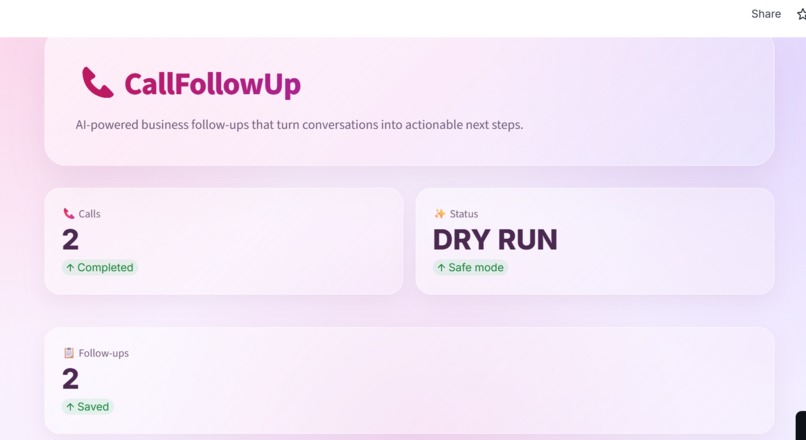
Introduction
-
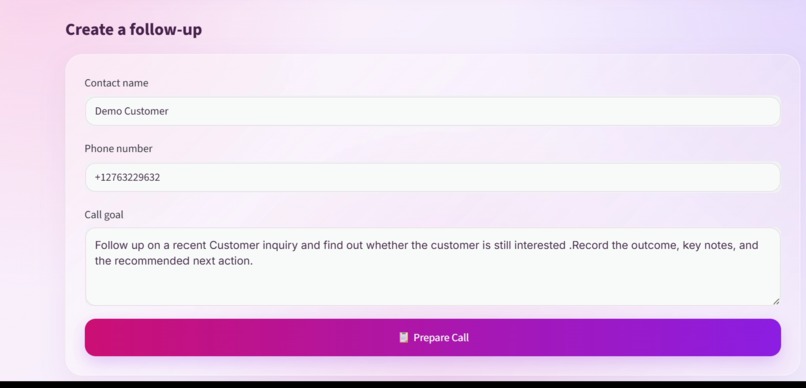
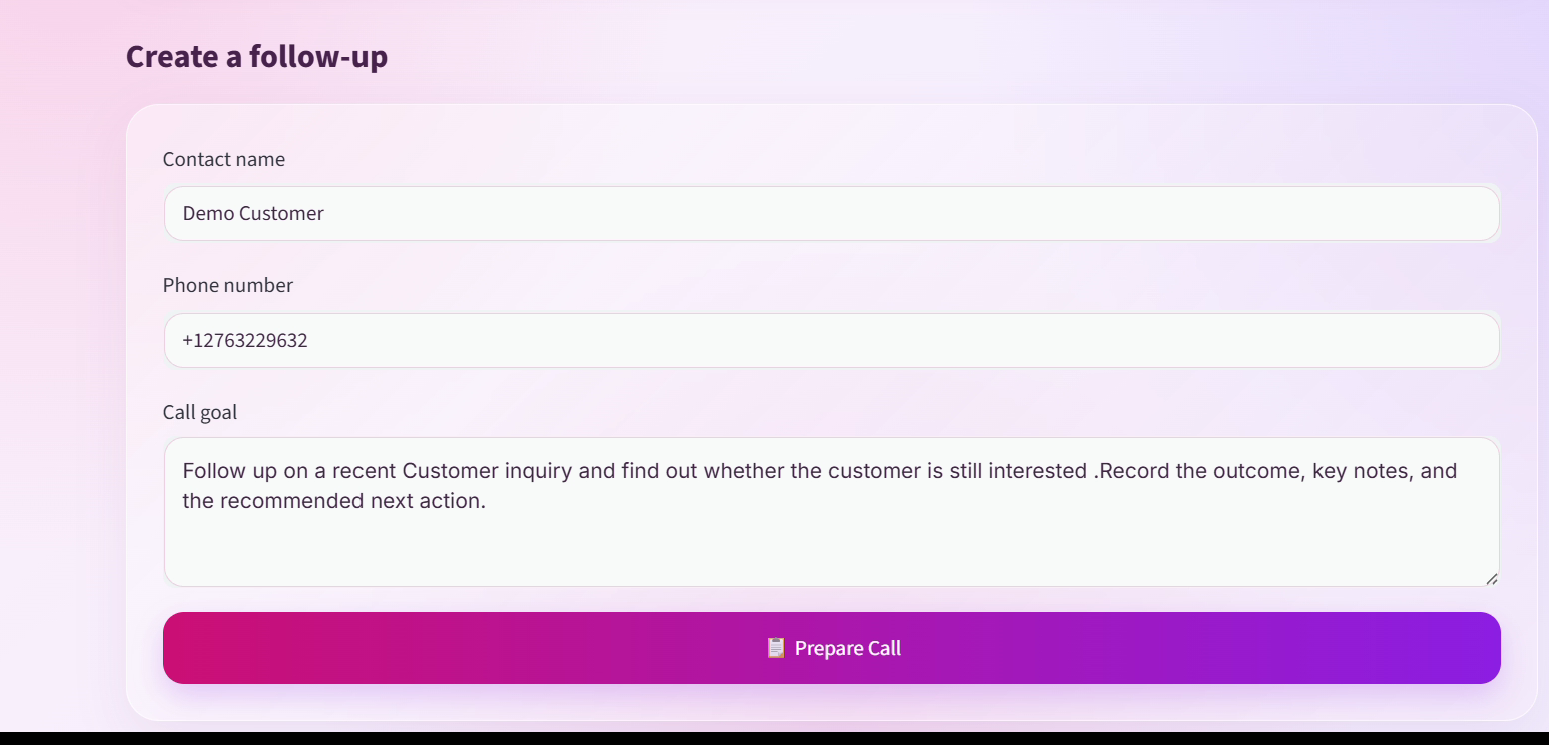
Create Follow Up
-
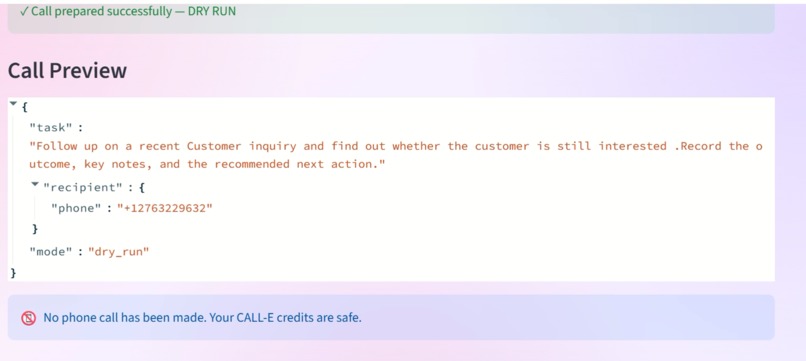
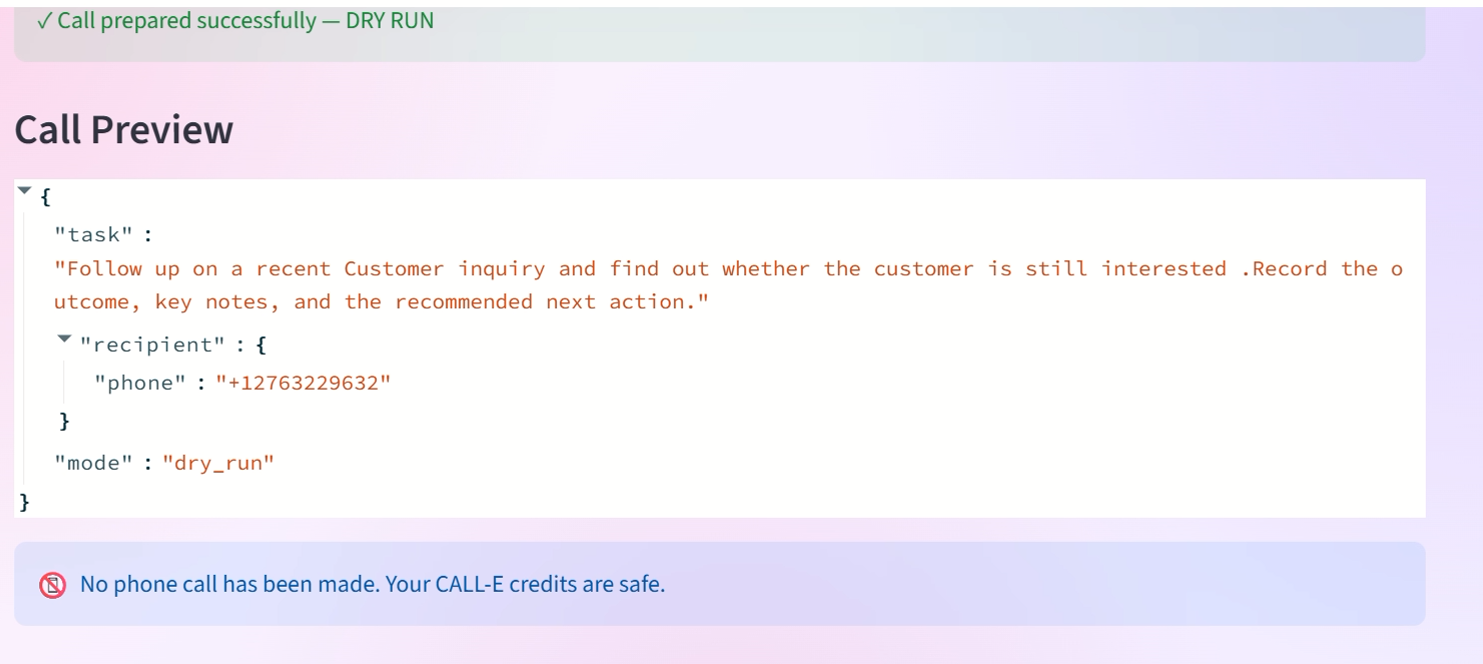
Call Preparation
-
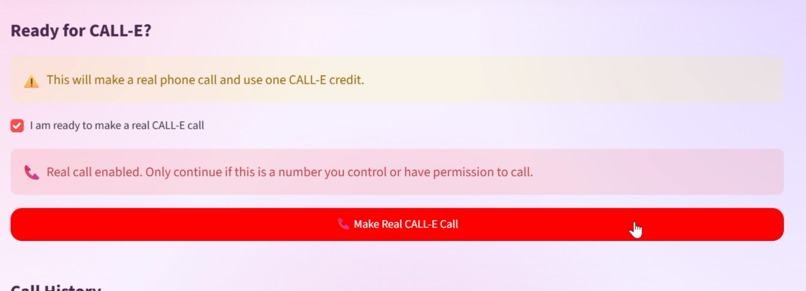
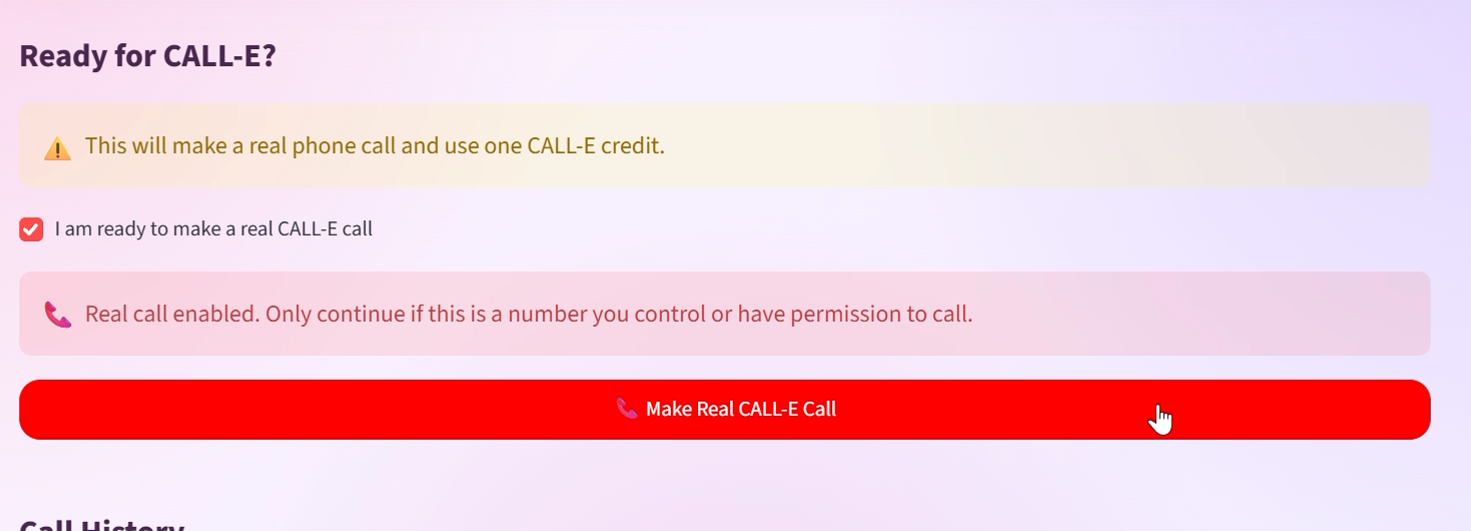
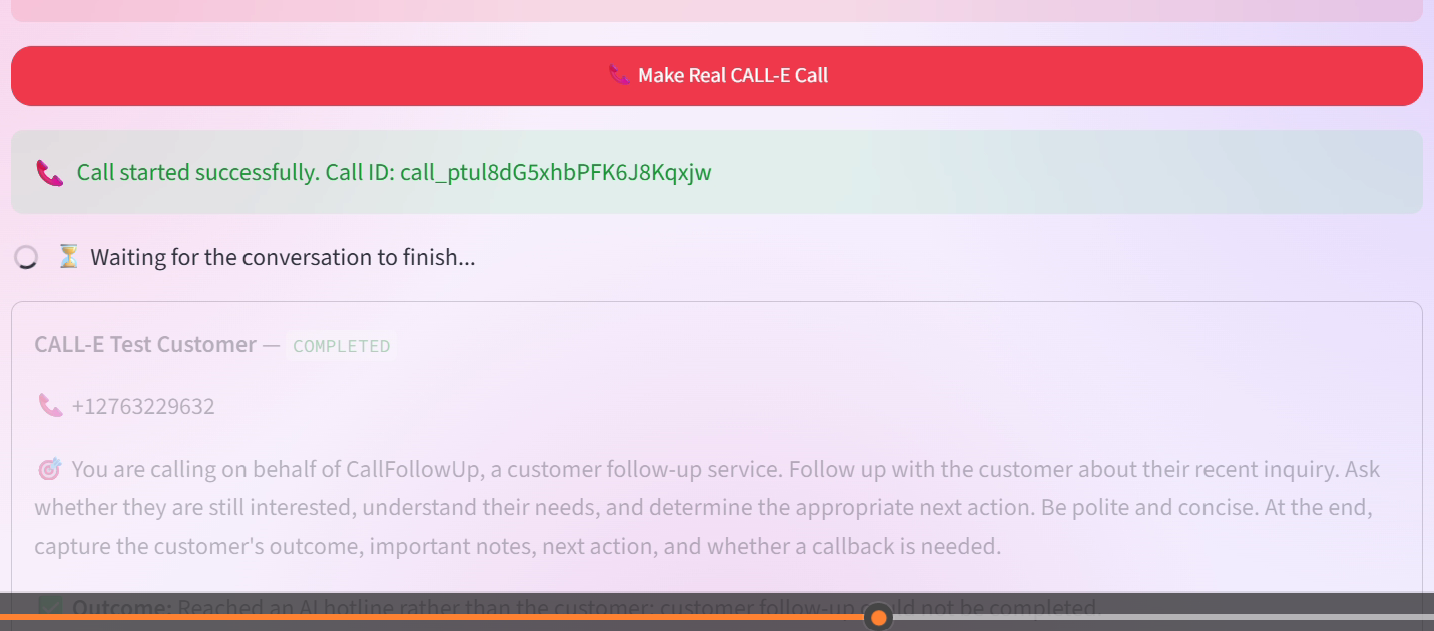
Making a real call
-
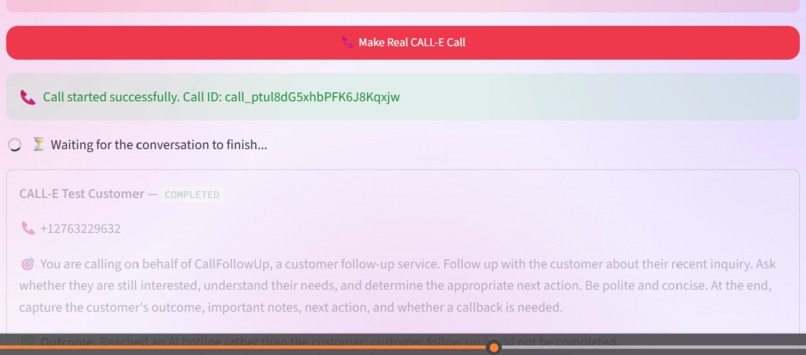
Successfully Making a real call
-
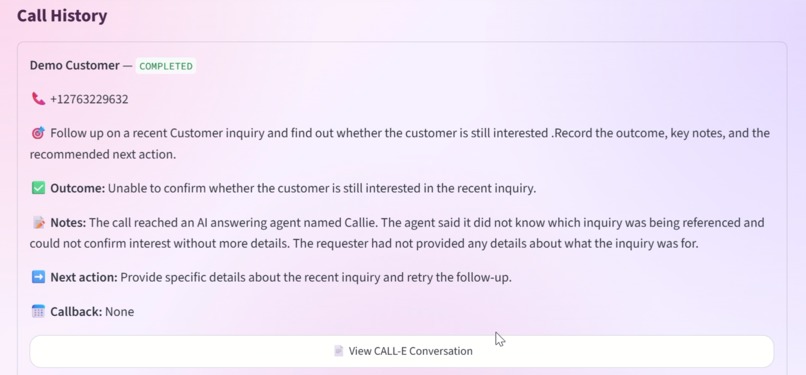
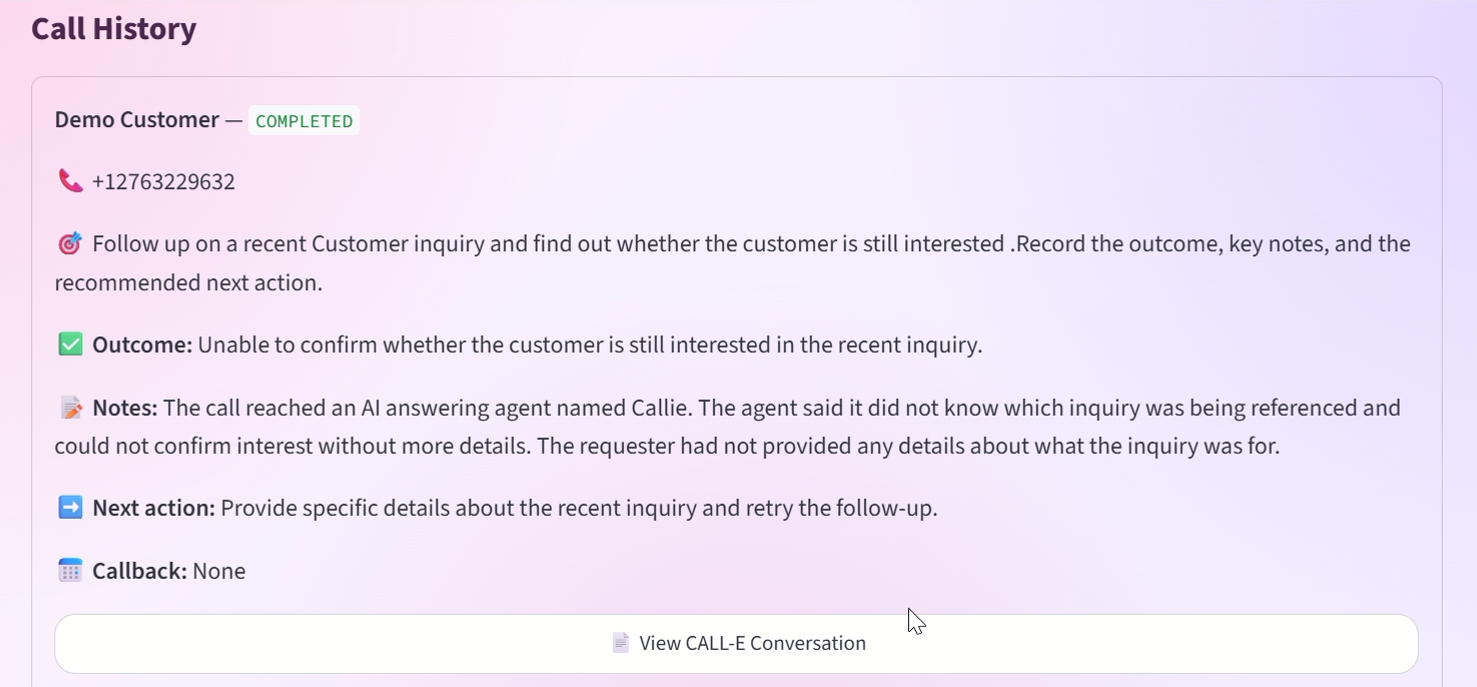
Call History
-
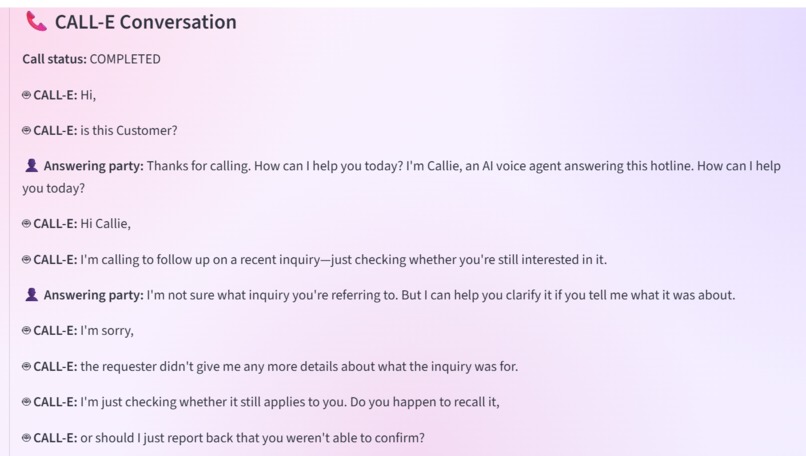
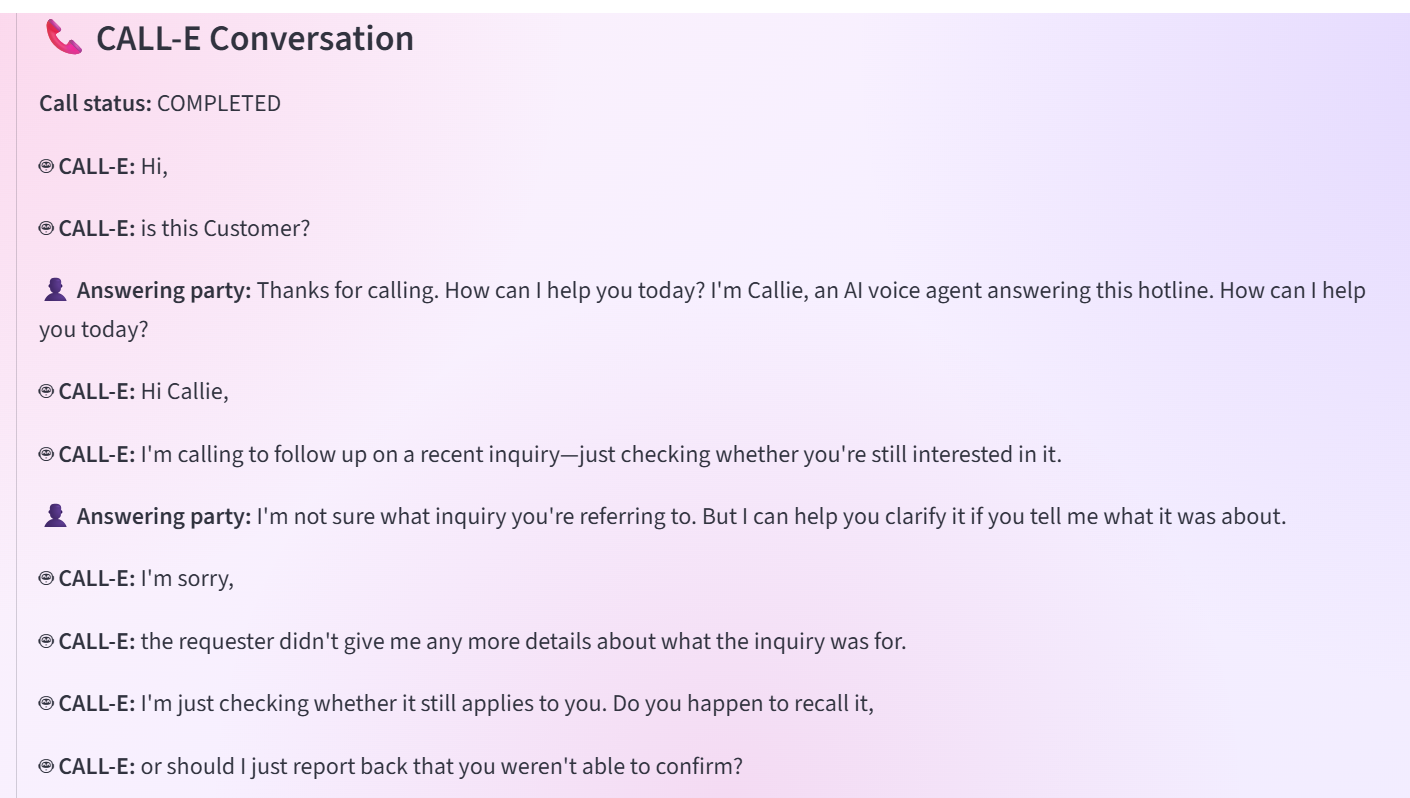
view Call-E Conversation-1
-
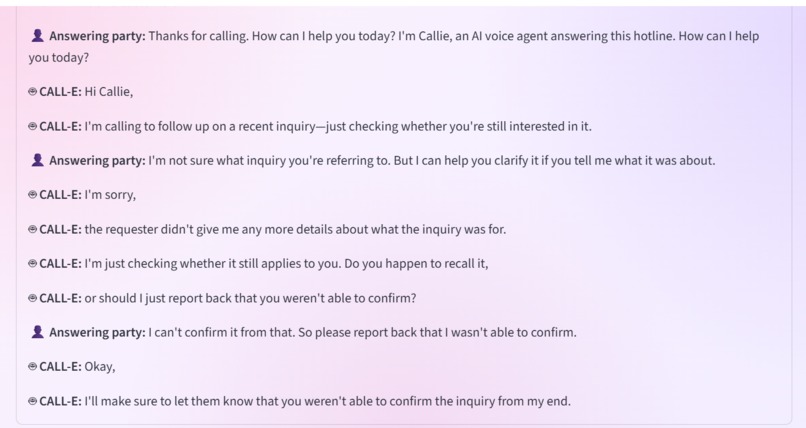
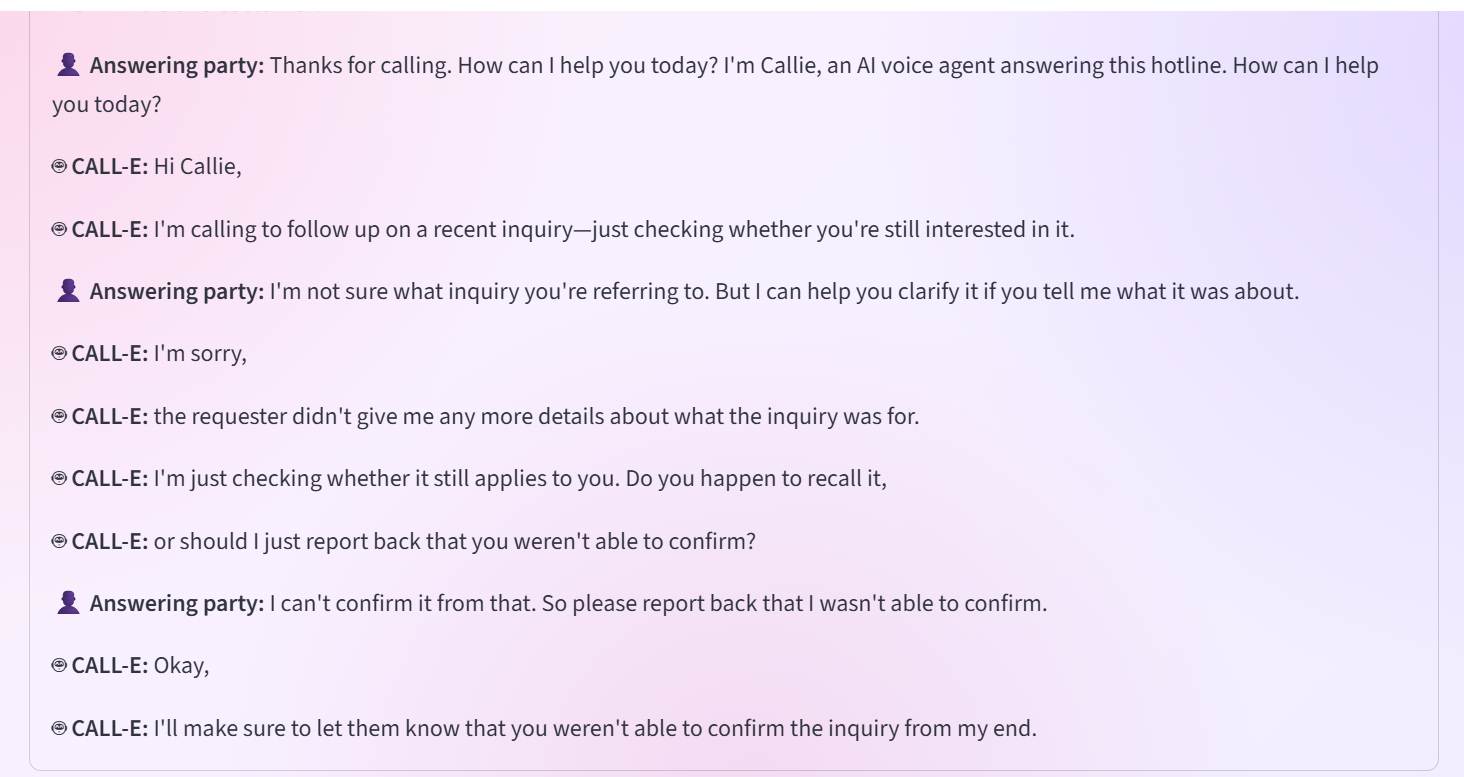
view Call-E conversation -2
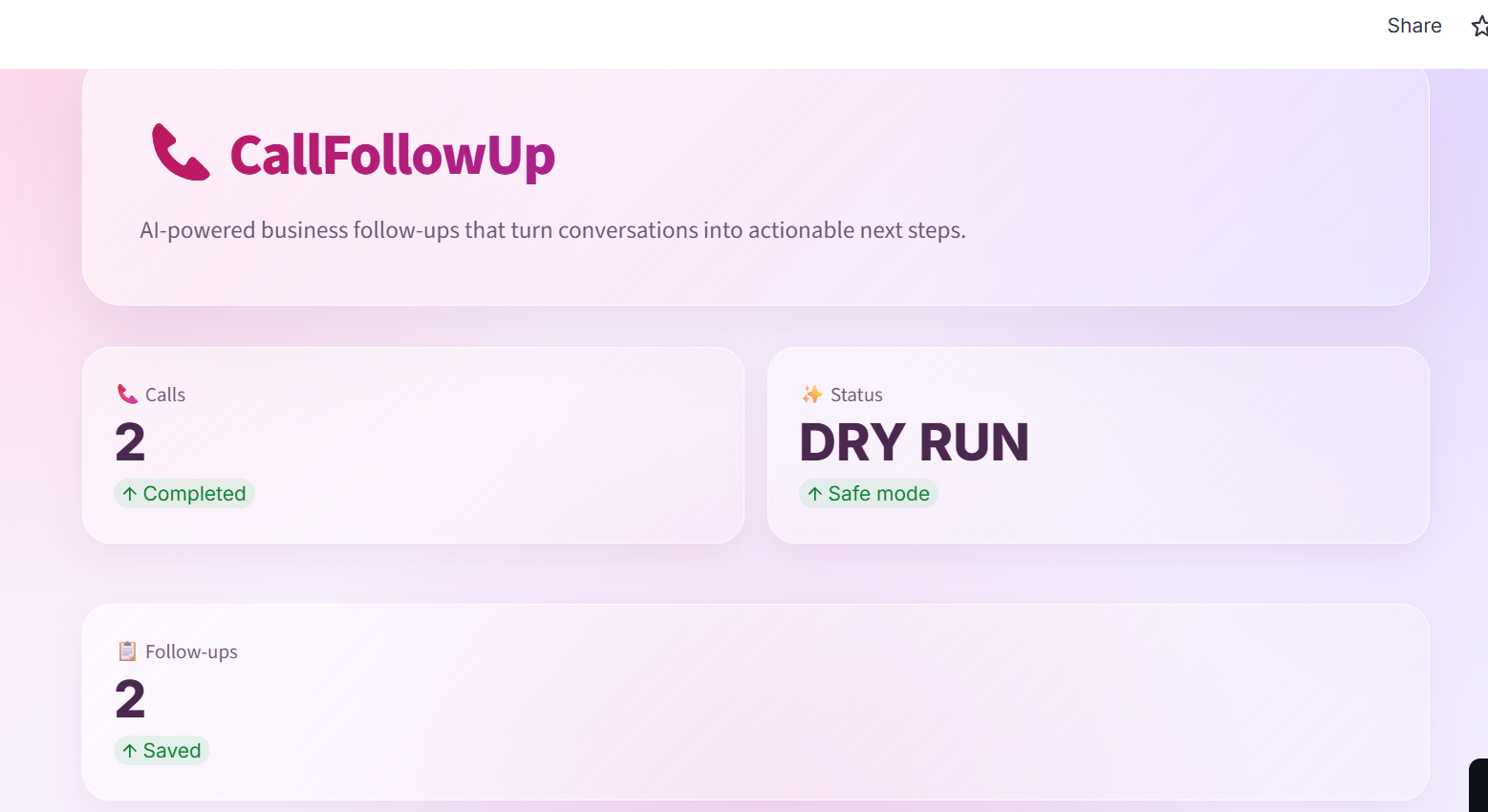
CallFollowUp
Inspiration
Following up with people after a phone conversation can easily become difficult to manage. Important details can be forgotten, notes can be scattered, and it can be unclear what action should happen next.
I wanted to build something simple that connects AI-powered phone calls with follow-up management. This led to CallFollowUp — an application that helps turn a phone conversation into a structured follow-up.
What It Does
CallFollowUp allows a user to:
- Enter a contact and phone number
- Define the goal of the call
- Make an AI-powered call using CALL-E
- Track the call status and outcome
- Record important notes
- Identify the next action
- Keep follow-up information organized
The goal is to make the process from “I need to call someone” → “I know what happened” → “I know what to do next” much easier.
How I Built It
The project was built with Python and Streamlit, with CALL-E used for the phone-call functionality.
The application is organized around a follow-up data model containing information such as the contact, phone number, call goal, status, outcome, notes, next action, and callback information.
The main workflow is:
Contact & Call Goal
        ↓
   CALL-E Call
        ↓
   Call Outcome
        ↓
 Notes & Next Action
        ↓
   Follow-Up Tracking
I focused on keeping the interface simple so that the user can understand the status of a follow-up without dealing with unnecessary complexity.
What I Learned
Building CallFollowUp helped me learn how to work with a voice/phone AI platform and integrate an external calling system into a Python application.
I also learned more about:
- Designing a simple workflow around AI
- Structuring call-related data
- Handling call status and outcomes
- Integrating APIs and external tools
- Building and testing a Streamlit application
- Thinking about AI applications beyond text-based chat
Challenges
One of the biggest challenges was integrating the CALL-E calling workflow and understanding how the available tools should be used correctly.
I also faced development and environment issues while setting up the project, including Python virtual environments, package installation, authentication, and running the application correctly from the project structure.
Working through these problems helped me better understand the importance of testing each part of an AI application independently before connecting everything together.
What's Next
CallFollowUp could be extended with features such as automatic call summaries, smarter follow-up scheduling, reminders, conversation history, and analytics.
The larger idea is to make phone conversations more actionable — not just completing a call, but helping users know what happened and what should happen next.

Log in or sign up for Devpost to join the conversation.