-
-
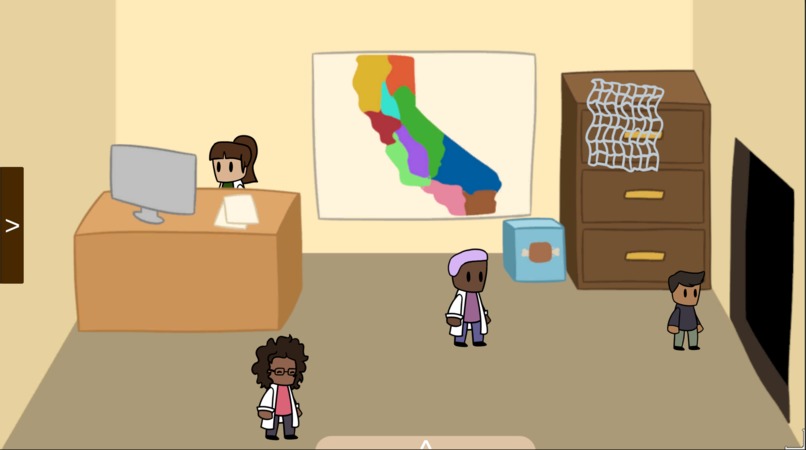
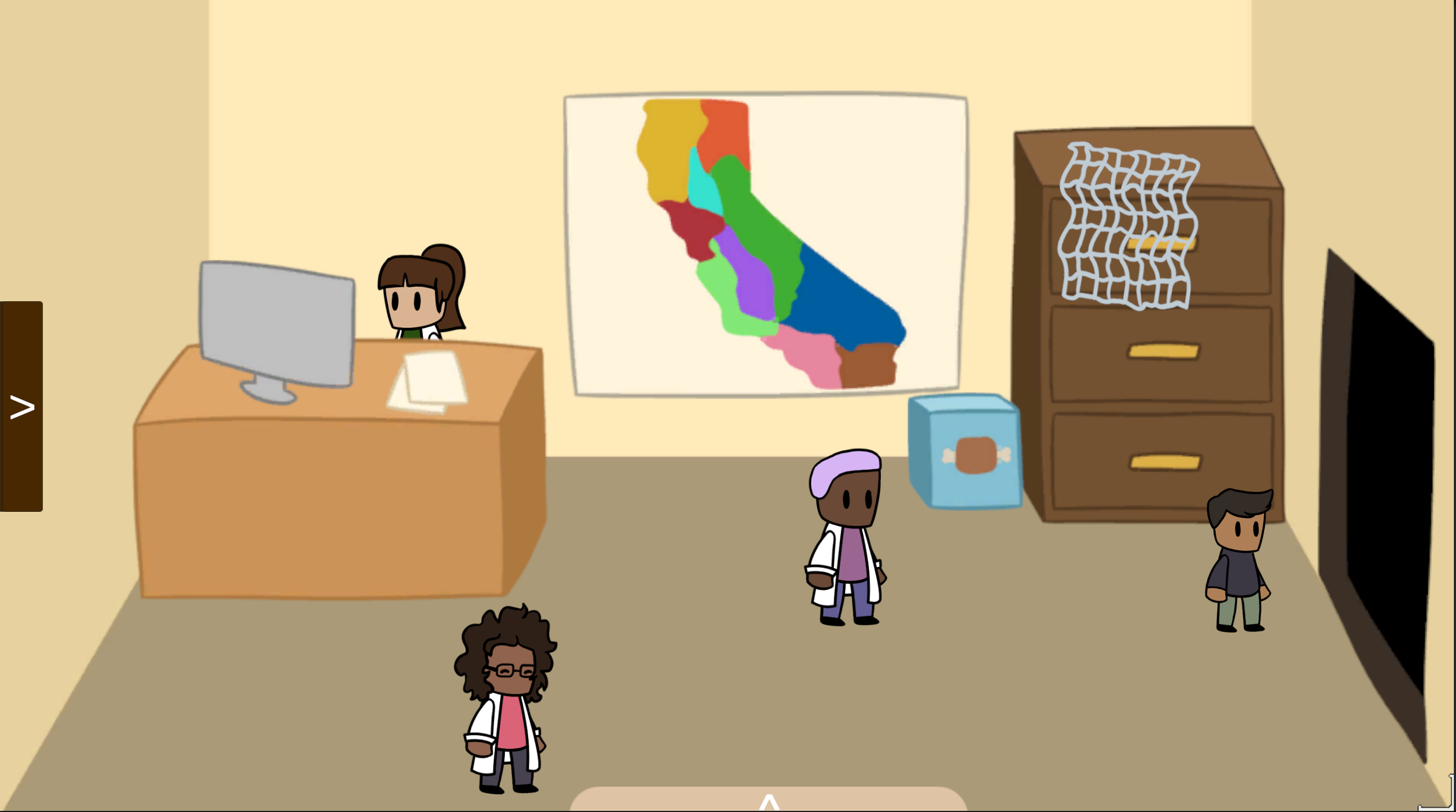
Starting lab environment
-
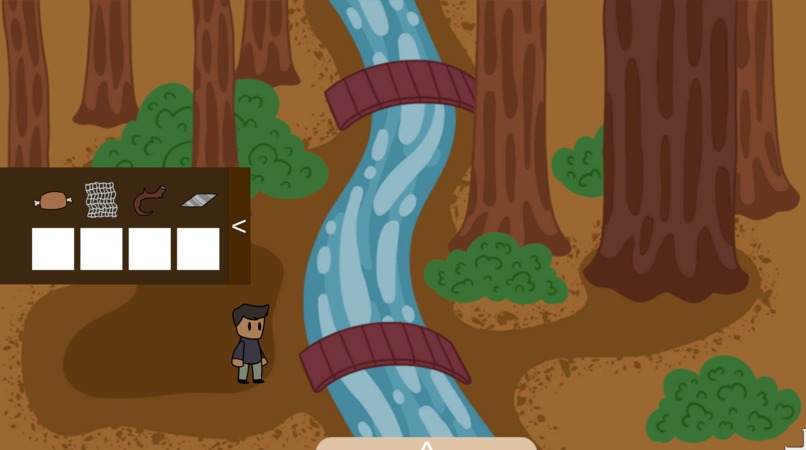
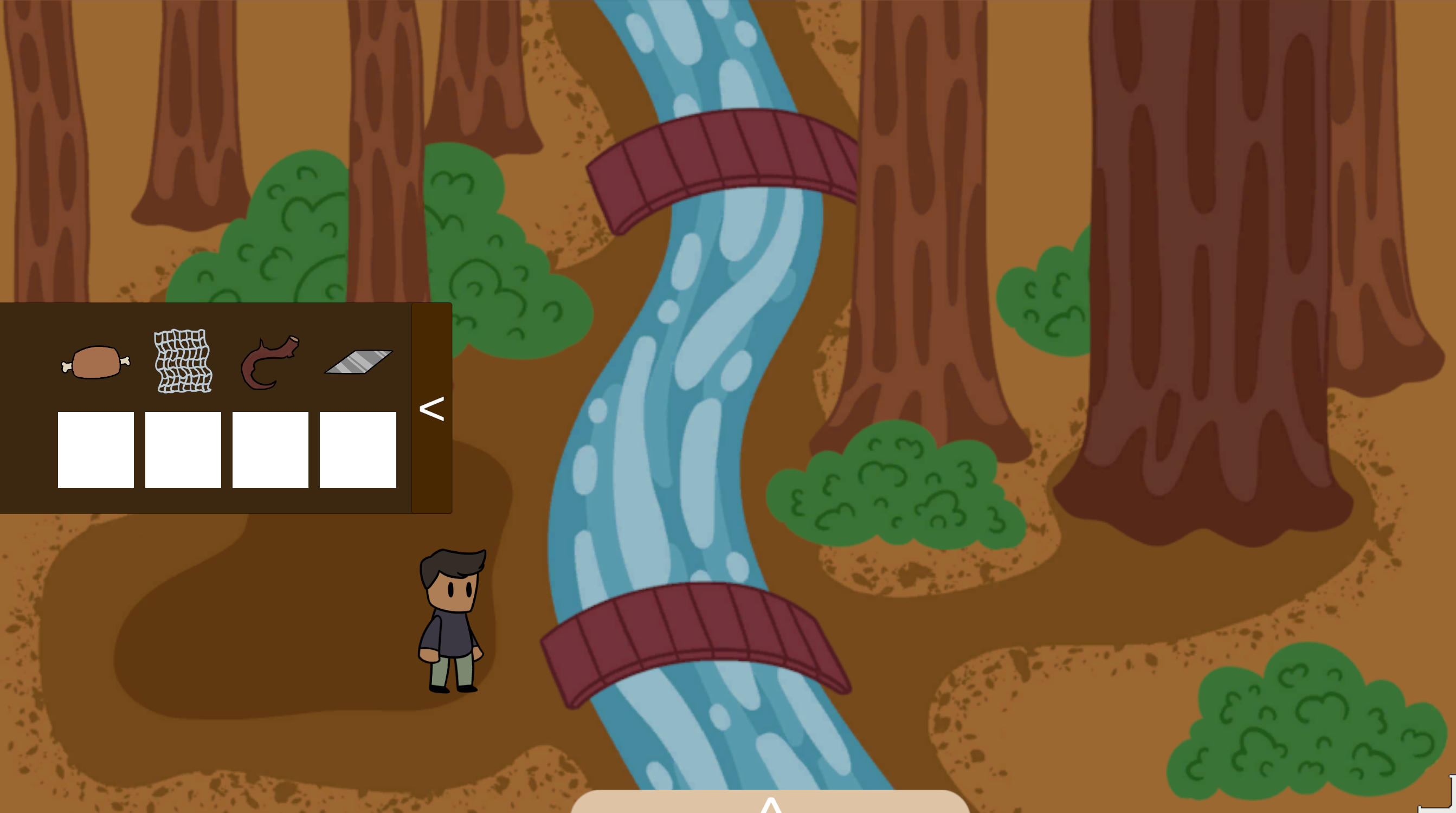
Redwood forest environment with inventory interface
-
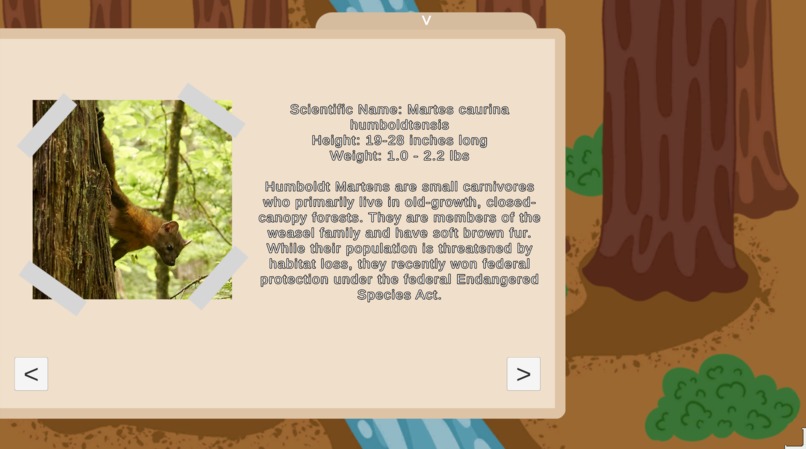
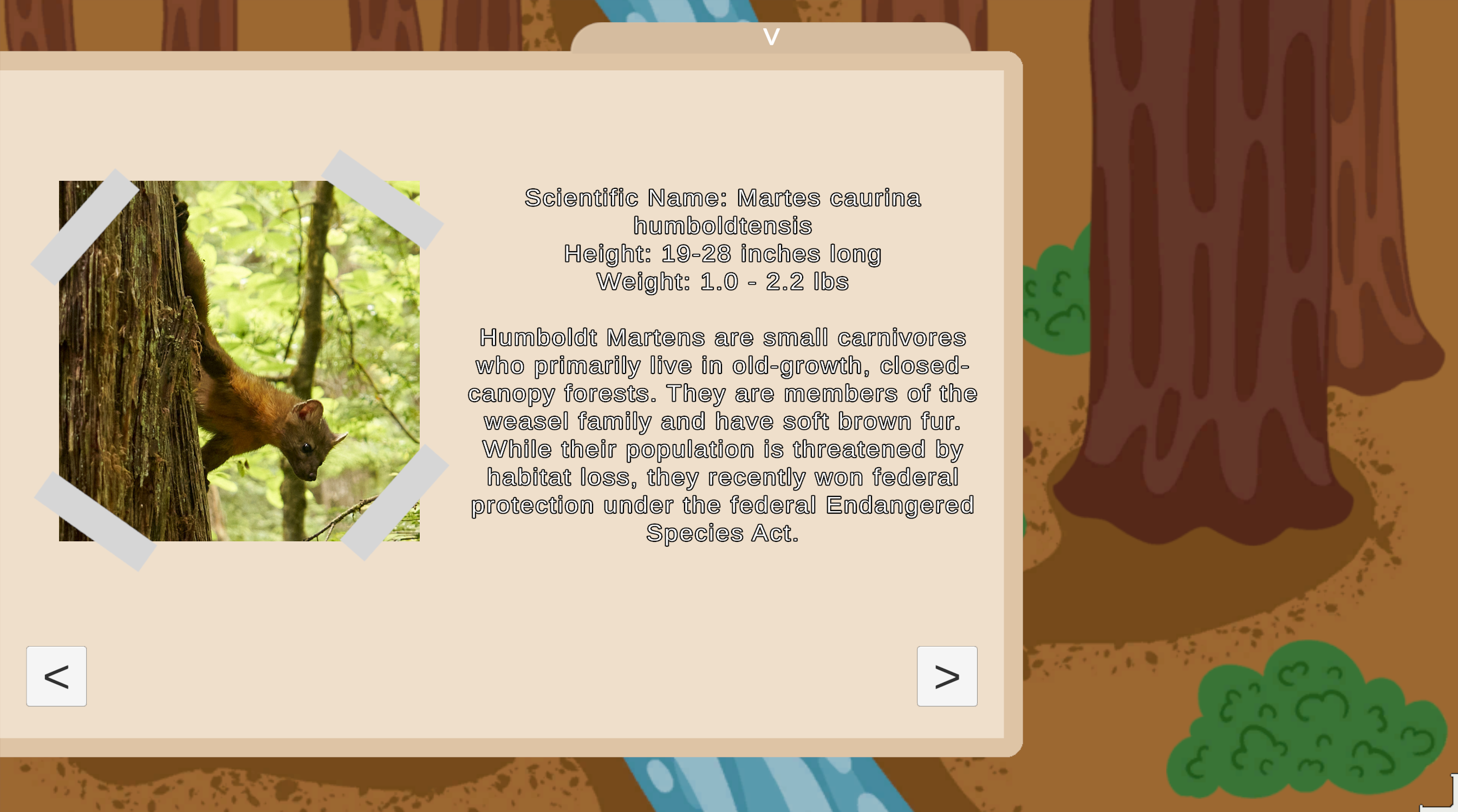
Journal entry for the Humboldt Marten
-
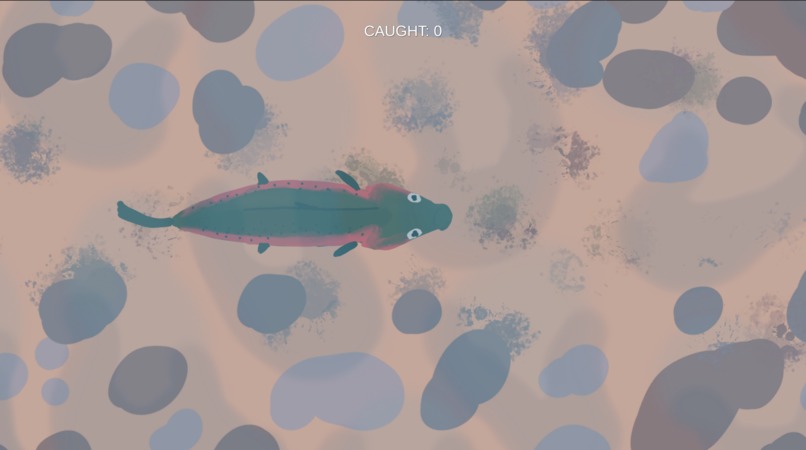
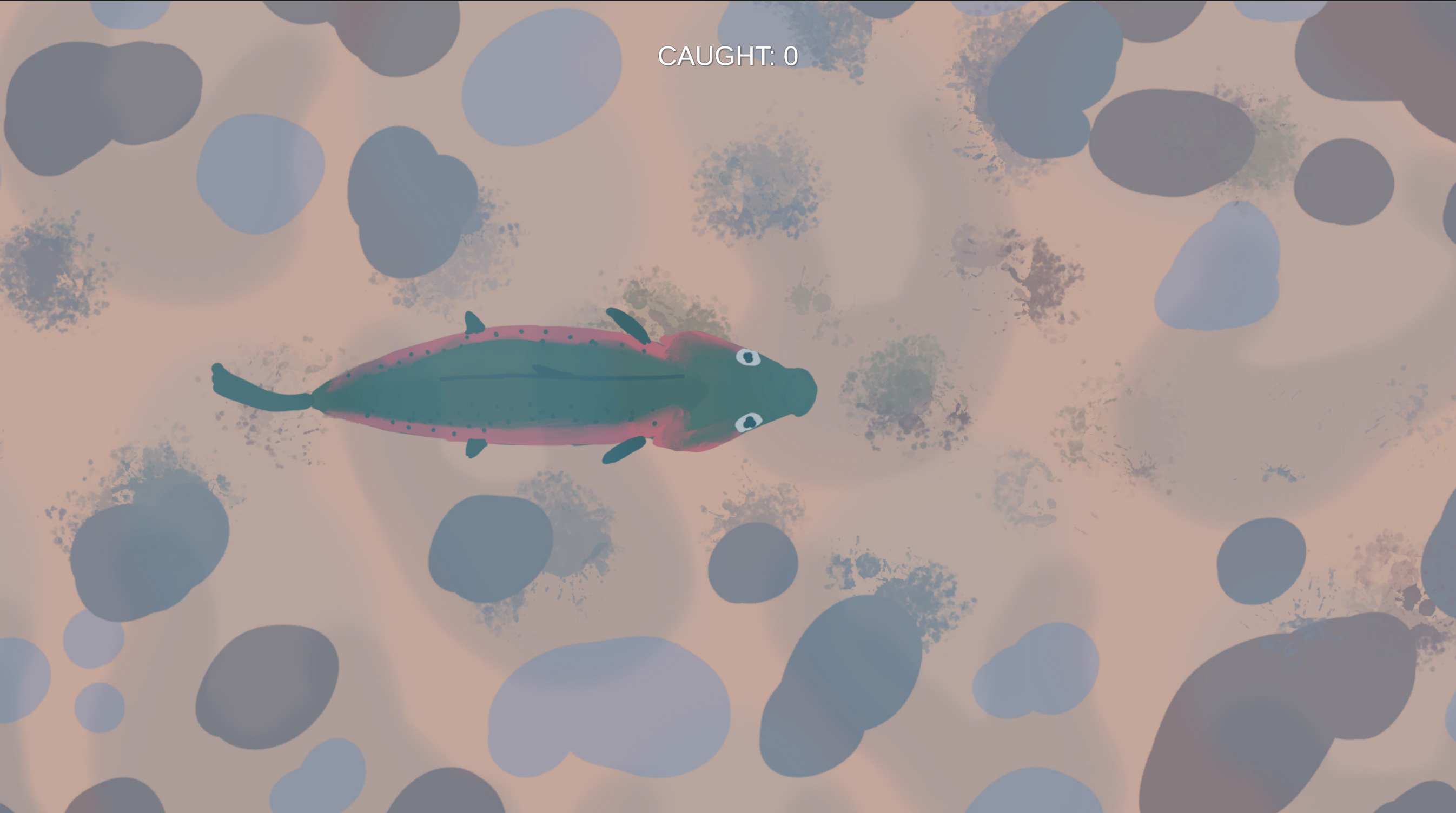
Salmon catching minigame
-
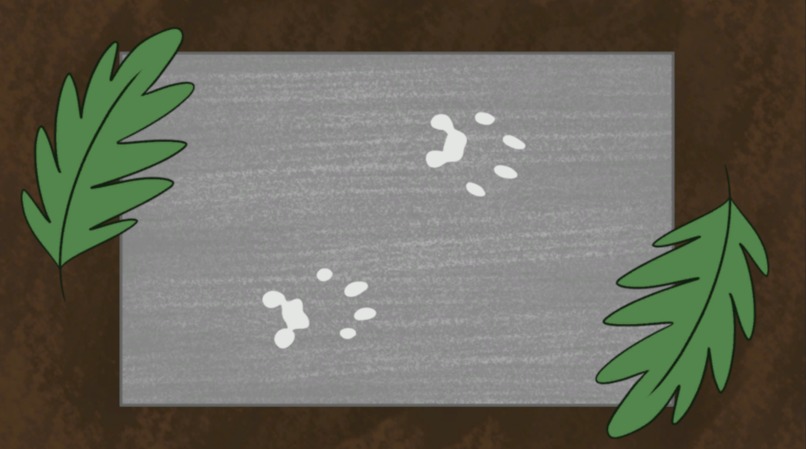
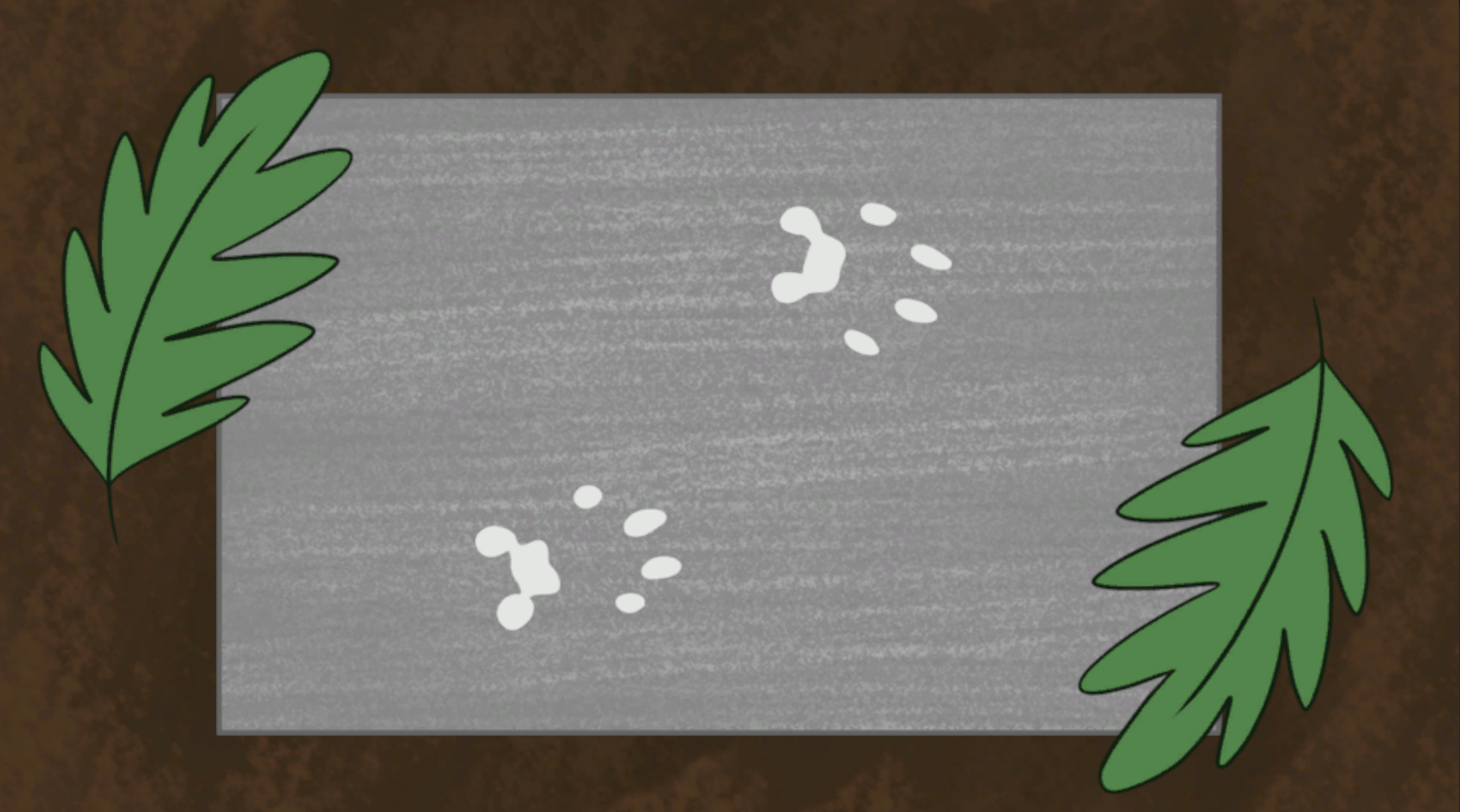
Track plate with marten tracks
Inspiration
When brainstorming for our project, we were greatly inspired by the edutainment games of the late 2000s and early 2010s. We all had fond memories of growing up on Flash games that inspired our love for learning, particularly on educational channels like PBSKids.org. Ultimately, we decided to design a modern edutainment experience for today's youth, developing a game that would teach kids about California wildlife. With visually appealing graphics and fun, simple puzzles and minigames, California Wildlife Adventure presents the next generation of researchers, leaders, and entrepreneurs with the knowledge necessary to sustain our Earth.
What it does
Our project is a point-and-click adventure game themed around native California biomes and wildlife. You play as a young assistant researcher at a Redwood Forests wildlife center looking to receive their certifications. In order to do so, you must complete three tasks around the forest that fill out entries in your research journal, each corresponding to a native species. The tasks range from combining problem-solving tools to a timed point-and-click minigame. Once you unlock all the journal entries, you earn your certification and are allowed on a field trip with the senior researchers.
Besides providing an entertaining experience, our game hopes to inspire a passion for nature and learning in younger students. Since we are based in California, we hope it connects with kids who are curious about the world around them and its natural inhabitants. The game highlights scientific protocols and procedures, and helps our younger audience understand what safe and appropriate interactions with wildlife should look like.
How we built it
We built our project entirely using the Unity game engine in C#. We started one project as a Git repository, then had every team member contribute their changes via different branches. We utilized the Unity package A* Pathfinding Project, which allowed our character to walk around obstacles on the screen seamlessly and made for a much smoother gameplay experience. We also developed many art assets via digital art programs like Clip Studio Paint and Procreate, designing completely custom environments, backgrounds, props, characters, and UI elements.
Challenges we ran into
Our biggest challenges had to do with Git and version control. Unity is primarily designed with very small or single-person programming teams in mind and is not adept at handling multiple people editing the same assets simultaneously. Despite having team members experienced in Git, we still ran into unsolvable merge conflicts and Git errors, resulting in us having to scrap a few branches completely. Luckily, we could work around many of our problems by creating multiple backups and always ensuring that at least one local repository had a functioning version of the code.
Accomplishments that we're proud of
We are incredibly proud of how many assets we were able to create for the project, both code and art. Although everyone contributed to the code base, a few artists on the team went above and beyond to create lovely hand-drawn sprites, animations, and environments. Our diverse skill sets meant that no one ever went without a task—when we were not coding, we were designing characters, planning the minigames, researching the redwoods, or finding music and sound effects.
Most of the team had very little to no experience in Unity, and the ambitious mechanics we wanted to implement seemed daunting at first. However, through a lot of research and mentorship from each other, we learned very quickly and became quite adept at navigating Unity and C#. In particular, we are most proud of our scalable design and framework. Through efficient data management and intuitive solutions built with Scriptable Objects, our project can be iterated upon for further development.
What we learned
This project taught us a lot about the Unity game engine, notably the vast array of data types available to tinker with. We also had a few team members unfamiliar with Git and others who had never coded in C# before. Since we were a very diverse group in terms of hackathon experience - some veteran hackers and some newbies - we ended up sharing many resources and learning valuable coding skills from each other. Unexpectedly, we also learned quite a lot about the native flora and fauna of California as we all conducted significant research on the topic. In creating something to educate others, we educated ourselves, and we have all come out of the project with a new appreciation for the wildlife around us (we definitely spent quite a bit of time fawning over the Humboldt Marten).
What's next for California Wildlife Adventure
Above everything, we would love for our project to eventually partner with a wildlife research center in California. Although we were very thorough with our research, none of us are biologists, so we are not the most qualified educators on endangered species within the state. We are interested in collaborating with research institutions and museums, such as the California Academy of Sciences, on the educational aspects of our game, as it would promote it to a larger audience and ensure that the information we present is accurate and up-to-date. Furthermore, the collaboration would reignite interest in these institutions' value in informing us about our natural and human history, thus forming a conducive, mutually beneficial relationship. For a full release of this game, we would work towards our stretch goals, expanding the scope to tidepool and mountainous environments.


Log in or sign up for Devpost to join the conversation.