Inspiration
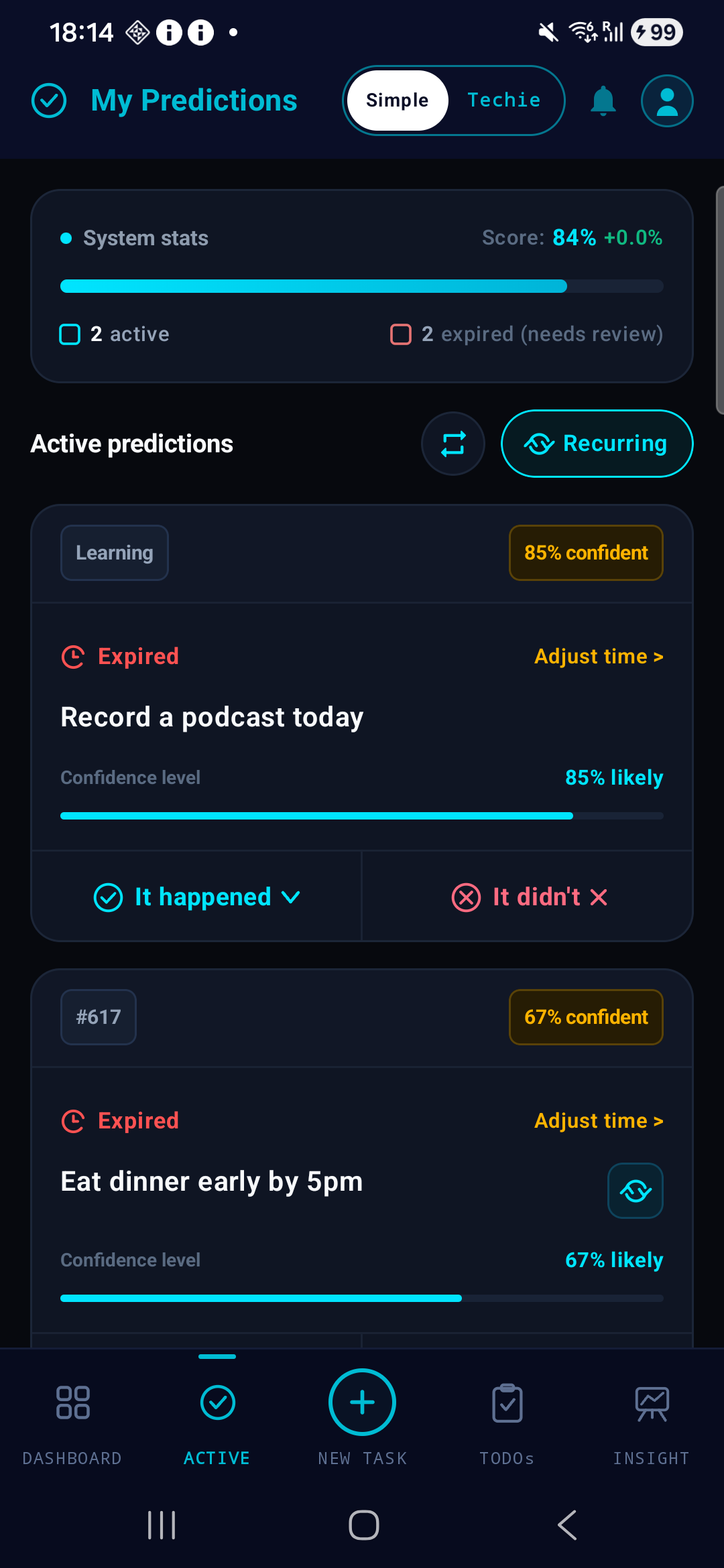
I spent several years in software development, often running into the planning fallacy. I would tell my team that a feature would take two days, only to find it actually took four. I realized the problem wasn't a lack of productivity but an inaccurate estimation process, driven by my limited understanding of my own abilities. This inspired me to create a tool that treats daily tasks as measurable predictions. I designed Calibra to bring that rigor to my routine, motivated by the idea that prediction is a skill you can improve through feedback.
How we built it
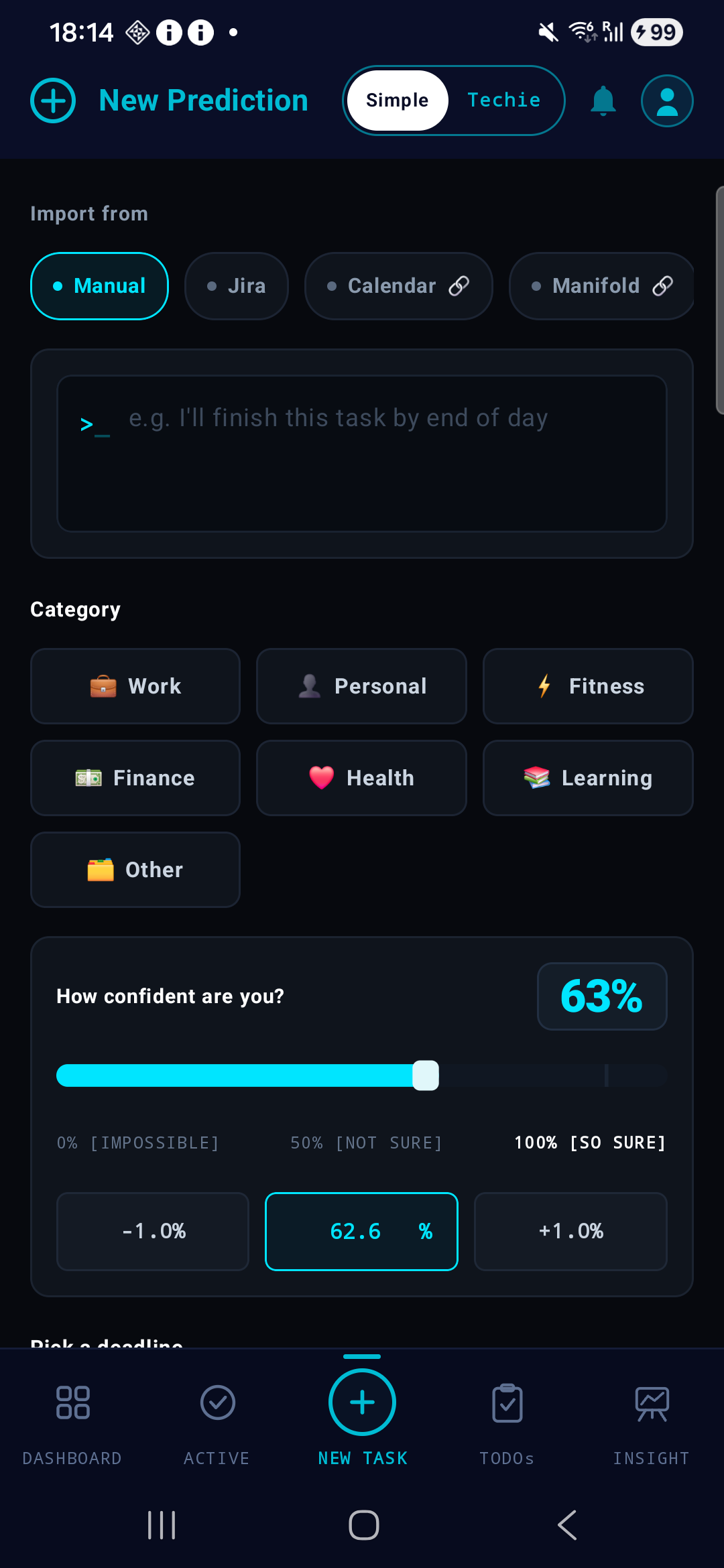
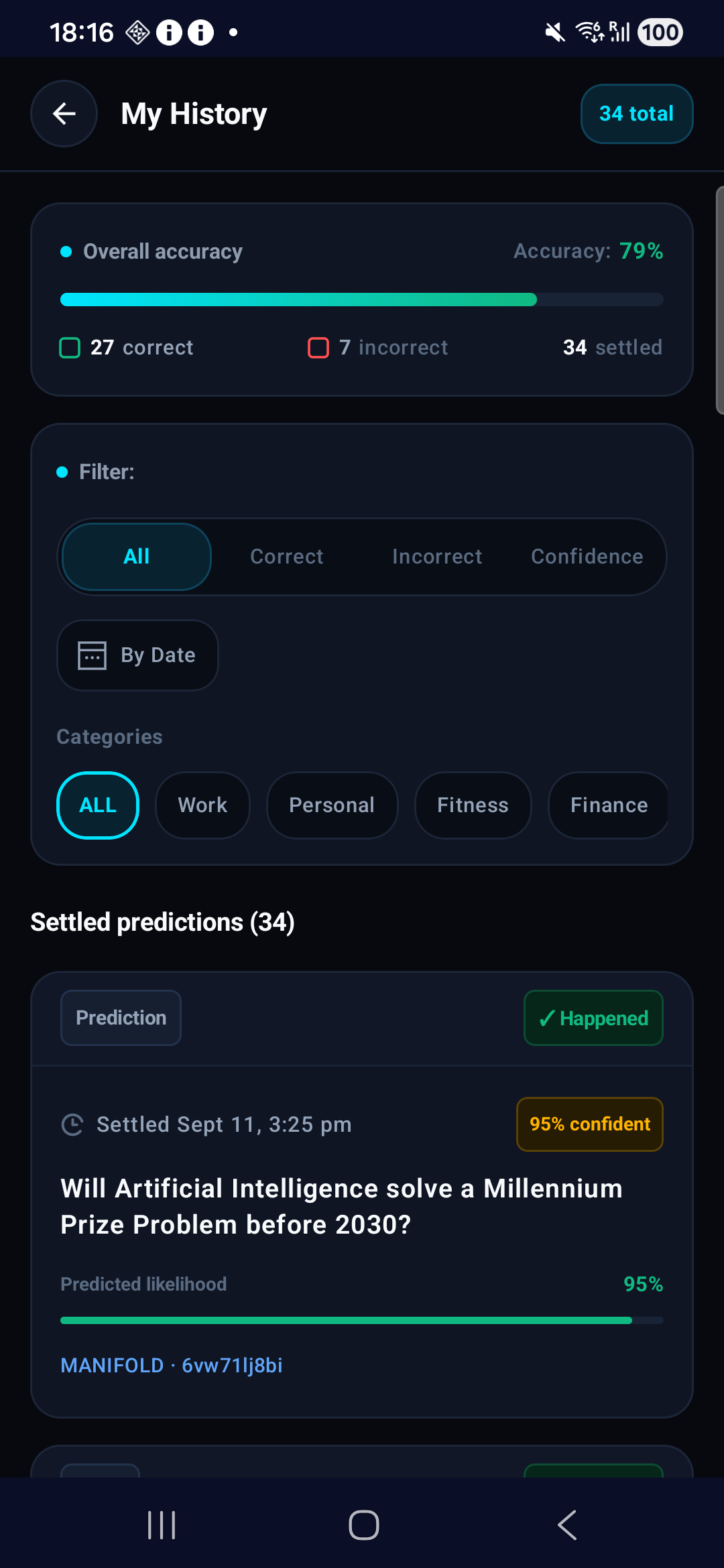
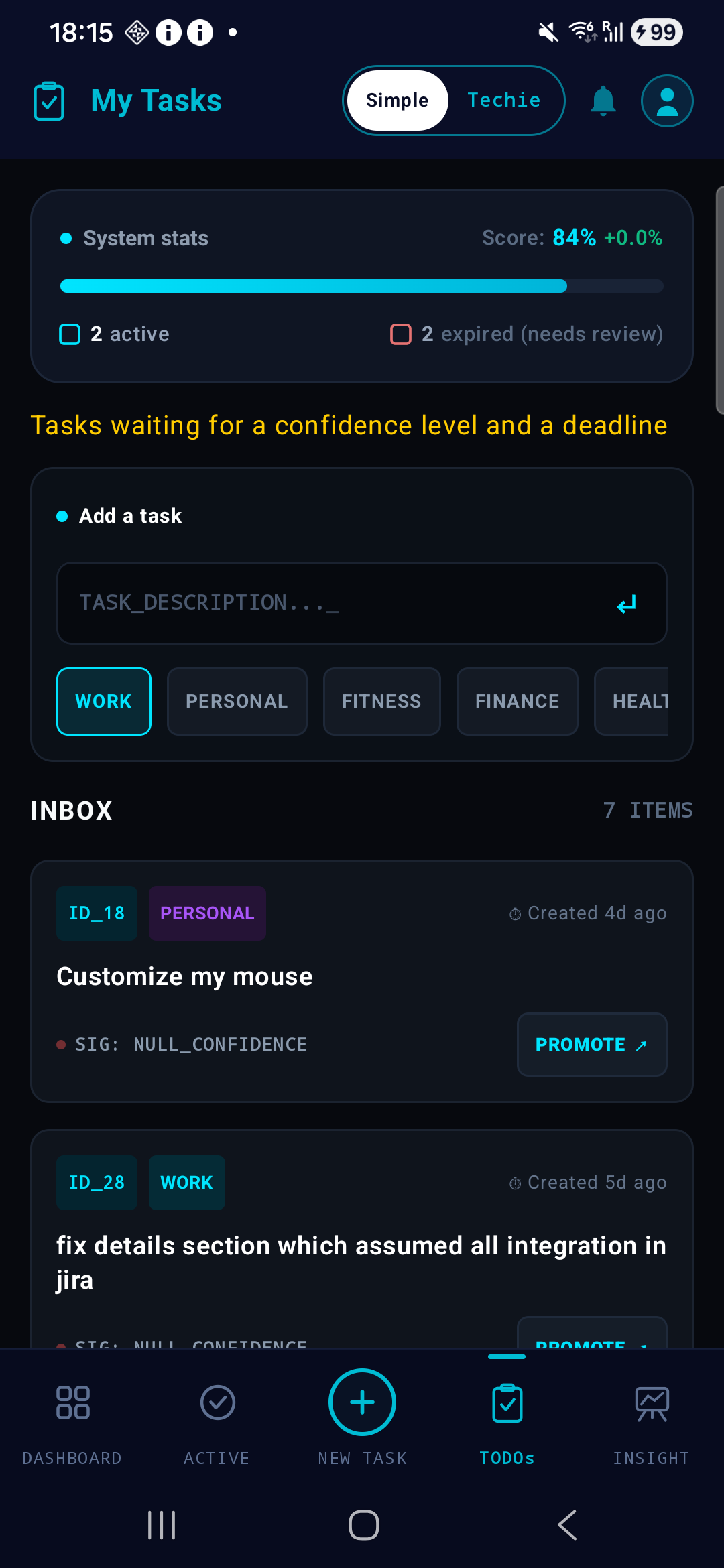
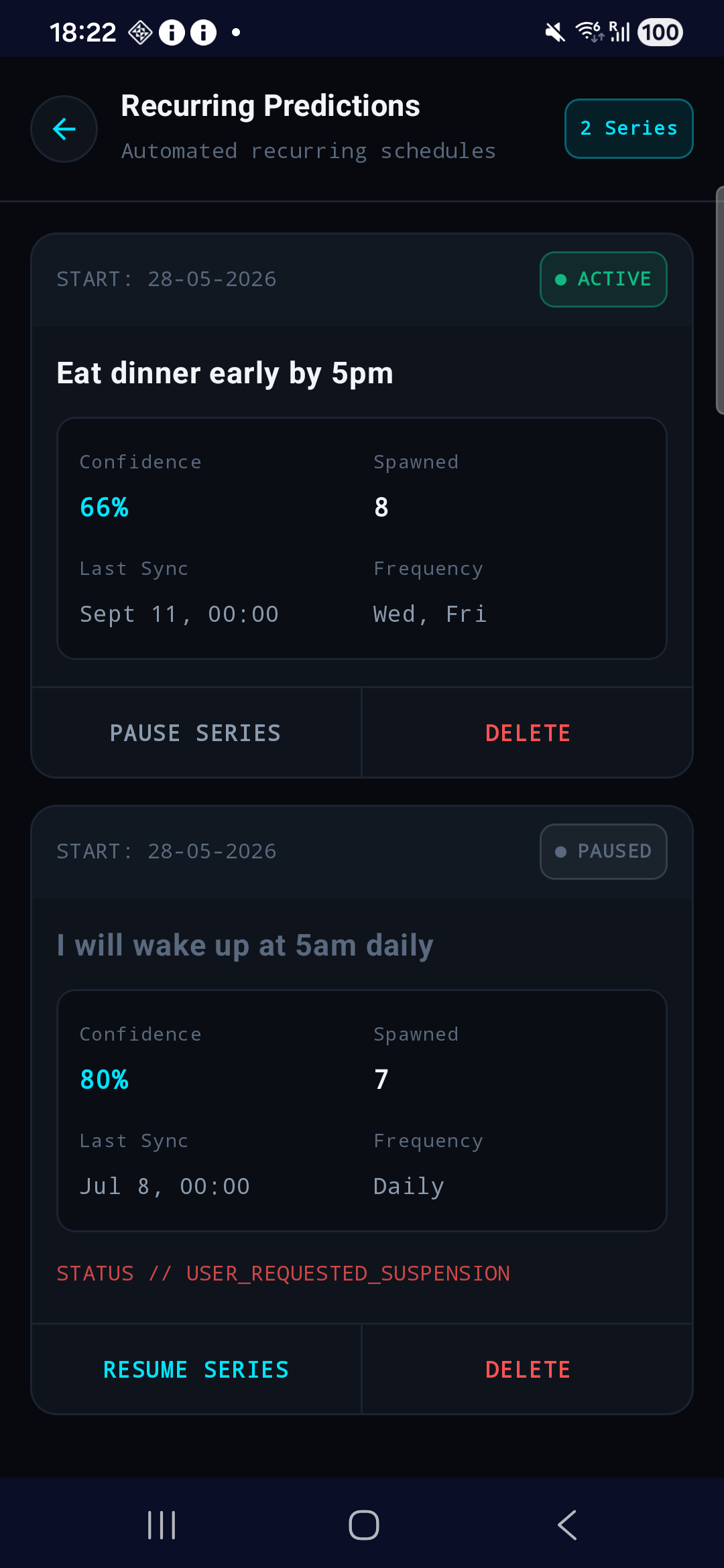
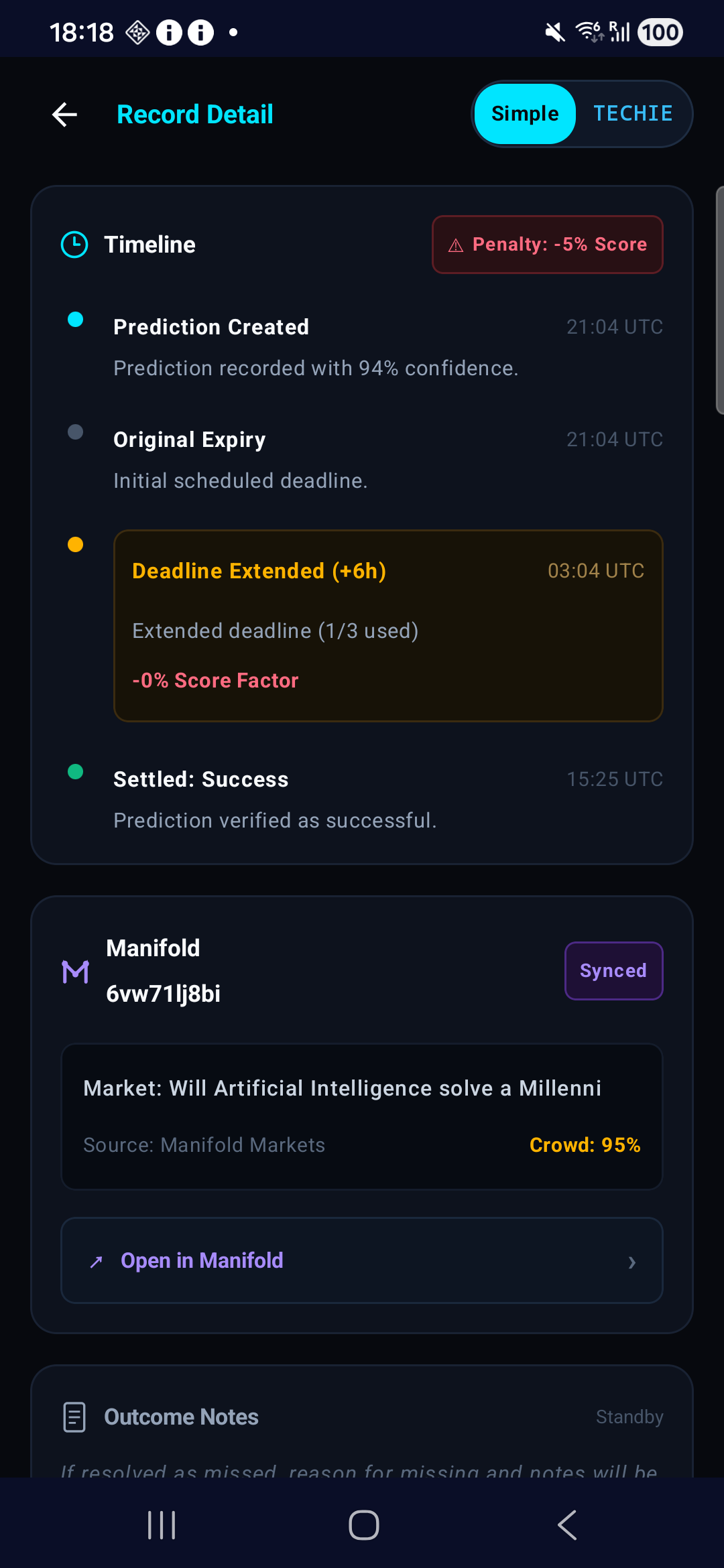
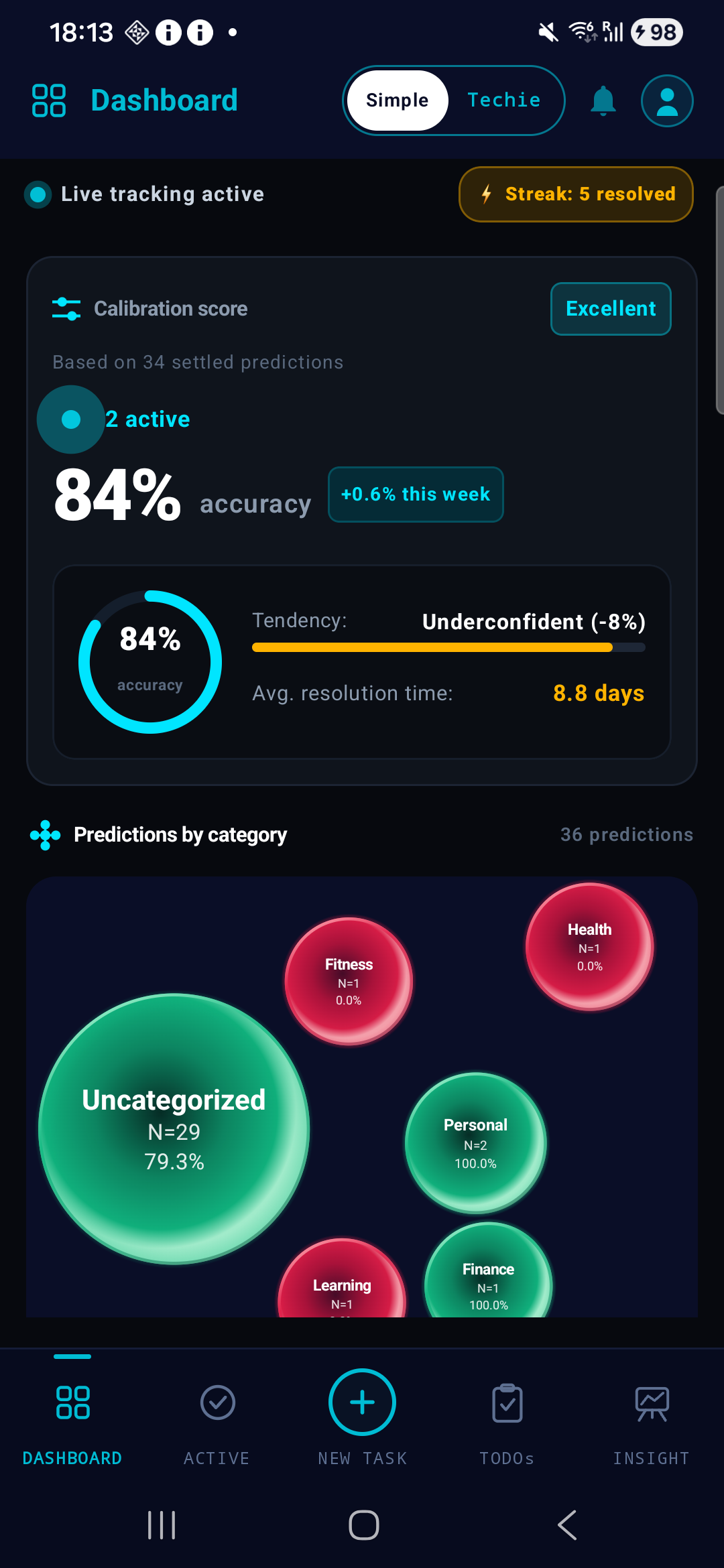
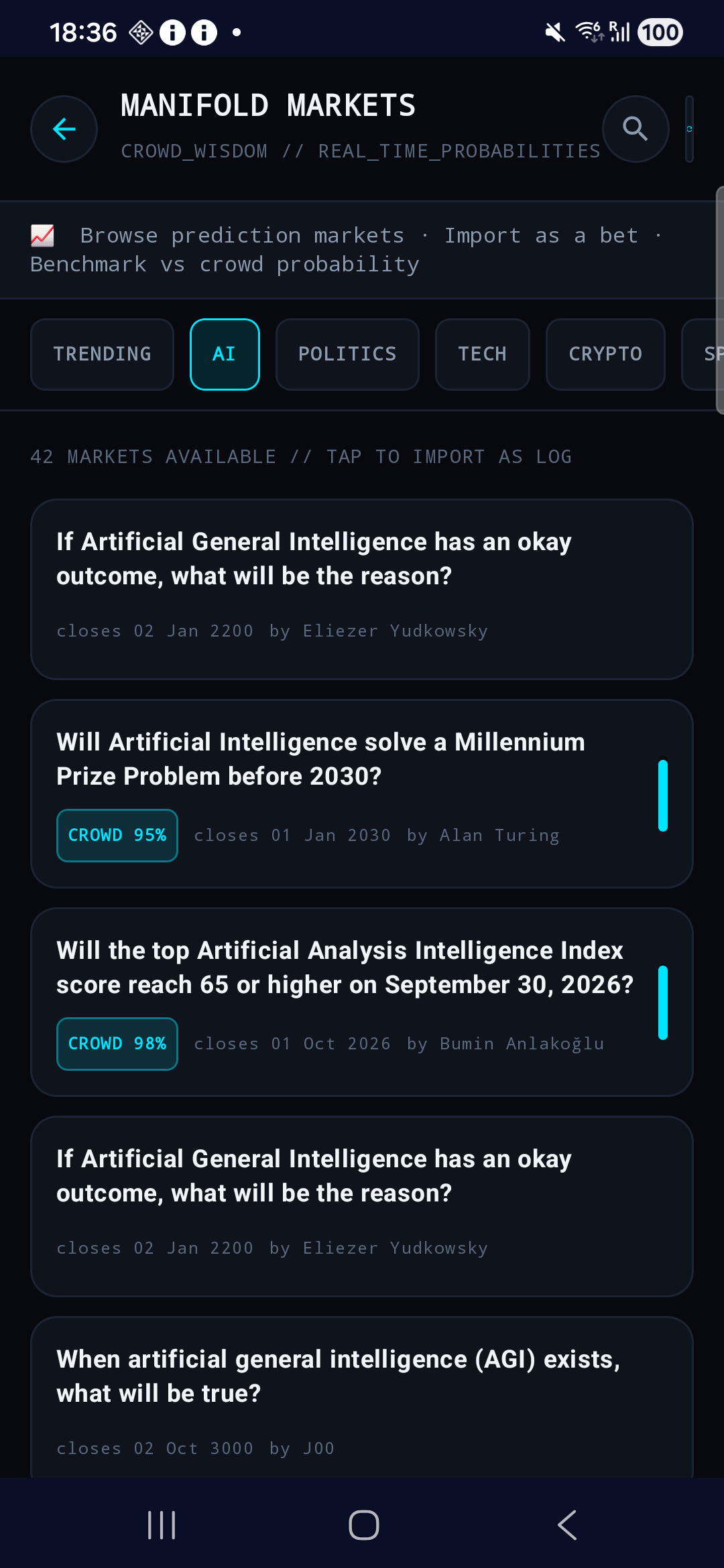
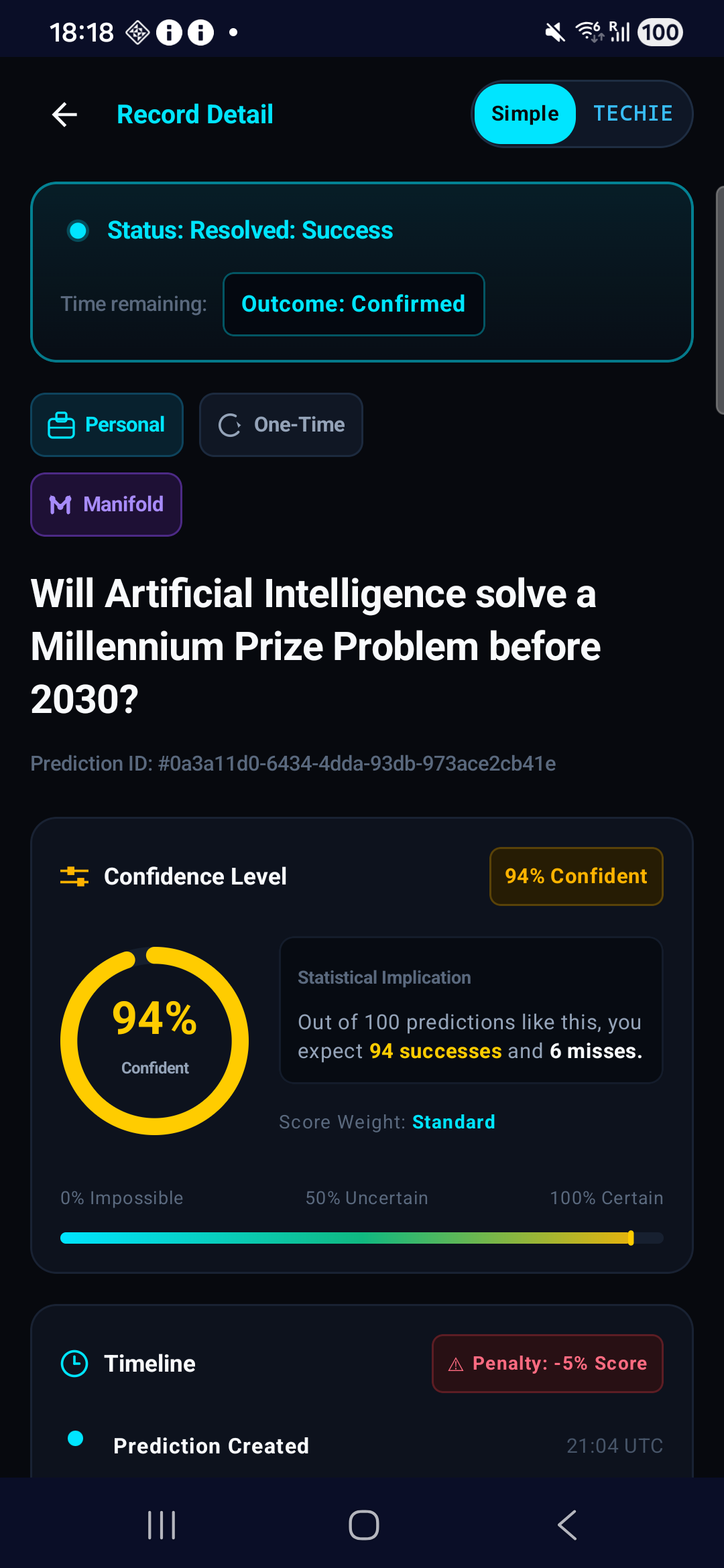
Calibra is a modern Android app built with Jetpack Compose for the UI and Room for local storage. To integrate smoothly with my workflow, I added OAuth2 for Jira, Google Calendar, and Todoist, letting me pull real-world tasks and turn them into calibrated predictions. The main component is a mathematical engine that calculates the Brier Score, which measures how well my confidence levels match actual outcomes, rather than just success/failure ratios. It uses the standard formula: $$BS = \frac{1}{N} \sum_{t=1}^{N} (f_t - o_t)^2$$ where $f_t$ is my forecasted confidence, and $o_t$ is the actual result—1 for success, 0 for failure. Tracking this score over time creates a feedback loop that has changed how I perceive commitments.
Accomplishments that we're proud of
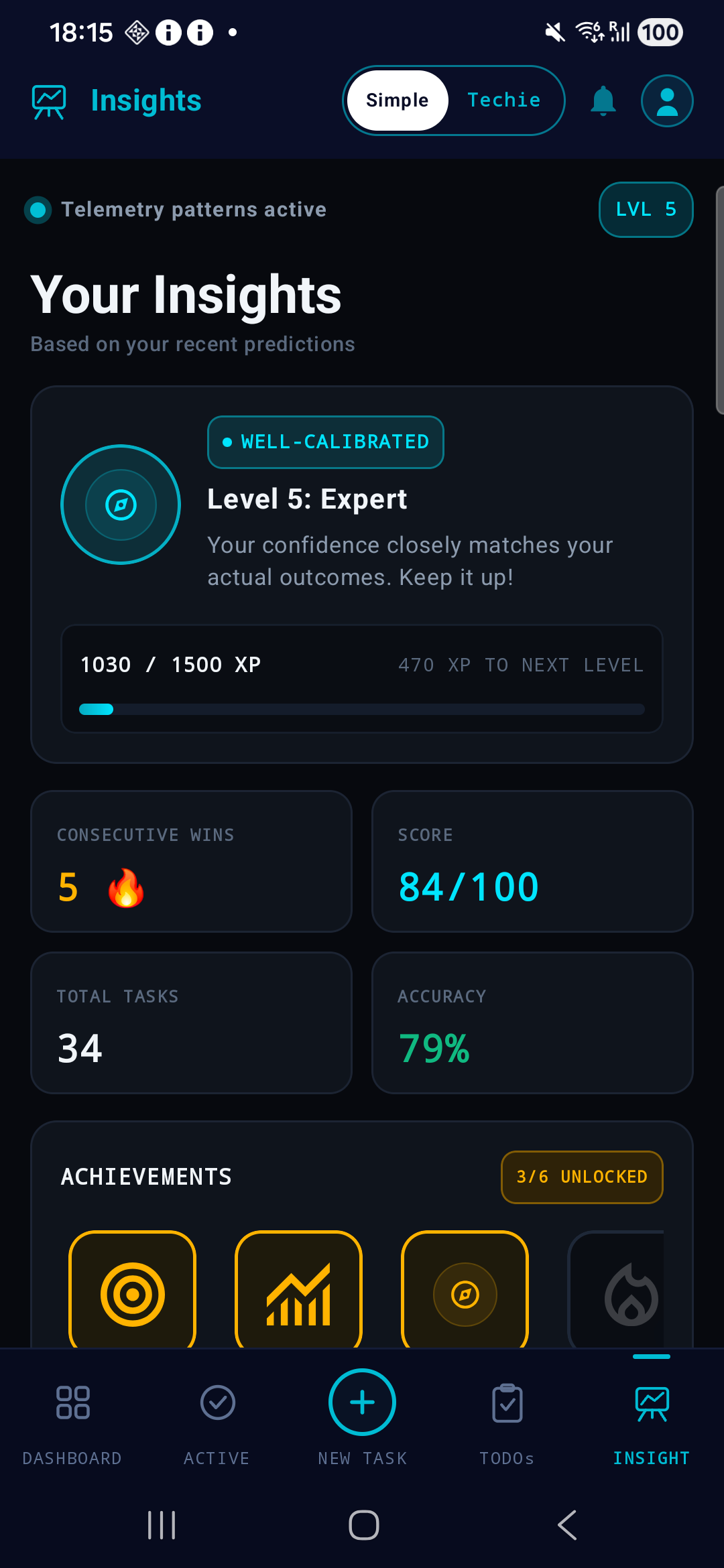
The app has had more than a thousand downloads since it was published. This project taught me the difference between accuracy and proper calibration. You can be 90% accurate but still be poorly calibrated if you're 100% confident in every prediction. I learned to accept a balanced level of confidence. I also came to appreciate behavioral economics principles. Turning abstract ideas like "overconfidence bias" into a game with archetypes such as "The Sharp Shooter" or "The Overconfident Prophet" helped me see data as personally meaningful.
What's next for Calibra Confidence Tracker
Implementation of teams and community calibration. This will ensure personal productivity is linked to team performance.
The Challenges and What I Learned
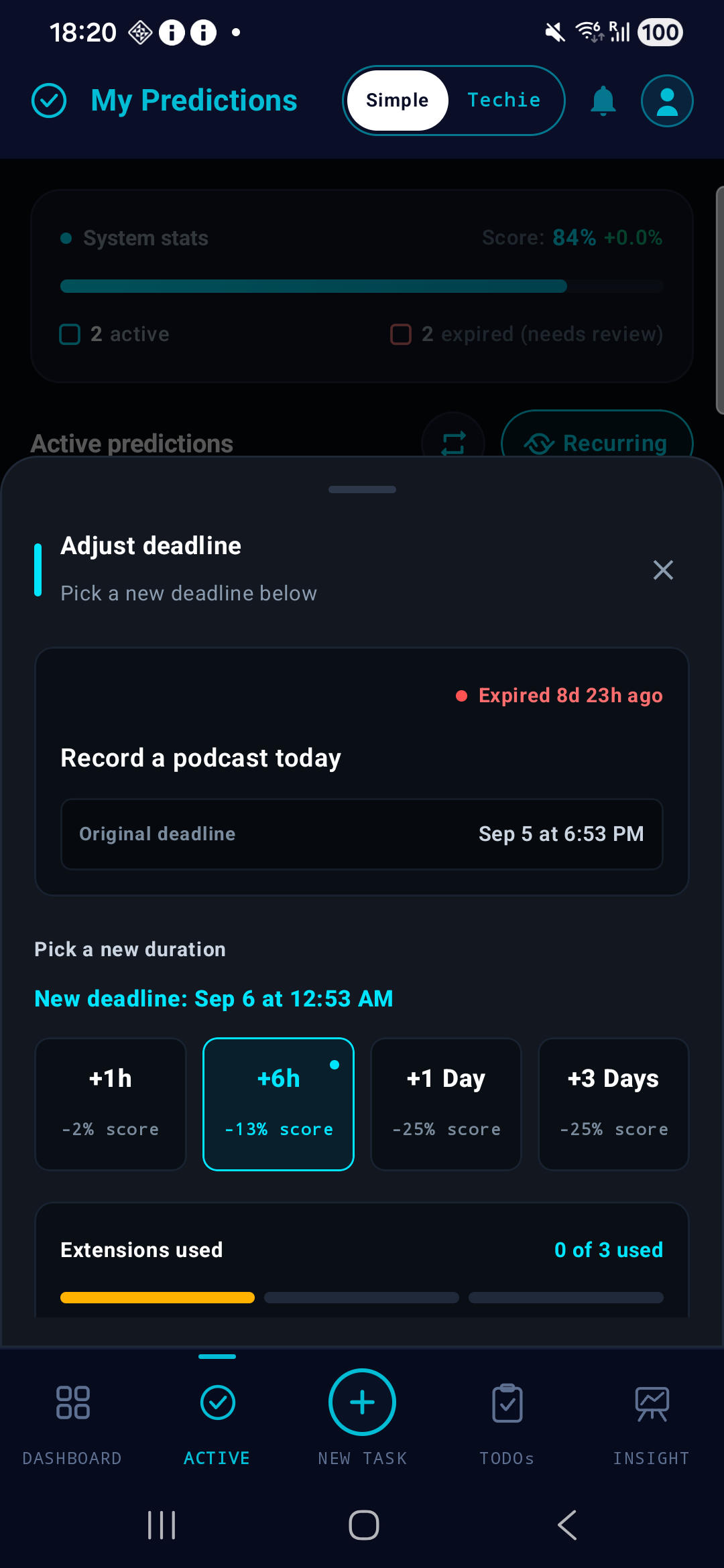
The biggest challenge was reducing user-experience friction. Asking users for confidence percentages is demanding. I balanced data accuracy with usability by creating a "quick-add" feature for rapid task capture and confidence calibration during morning reviews. Technically, handling OAuth redirects from multiple providers within one Android activity was tough. I developed a robust intent-filter system to process tokens correctly for Jira and Todoist without conflicts. Additionally, creating a background sync system with WorkManager and updating predictions based on Jira ticket statuses required careful handling of cases like ticket deletion or reallocation. Calibra has become my personal coach. It not only tracks my actions but also assesses my self-understanding. Building it has taught me a lot about Android development and cognitive discipline.
Built With
- compose
- firebase
- kotlin
- revenuecat

Log in or sign up for Devpost to join the conversation.