-
-

Icon
-
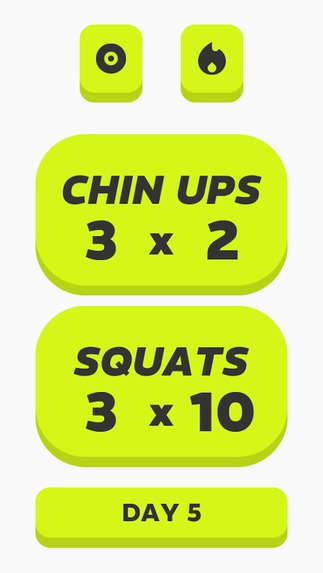
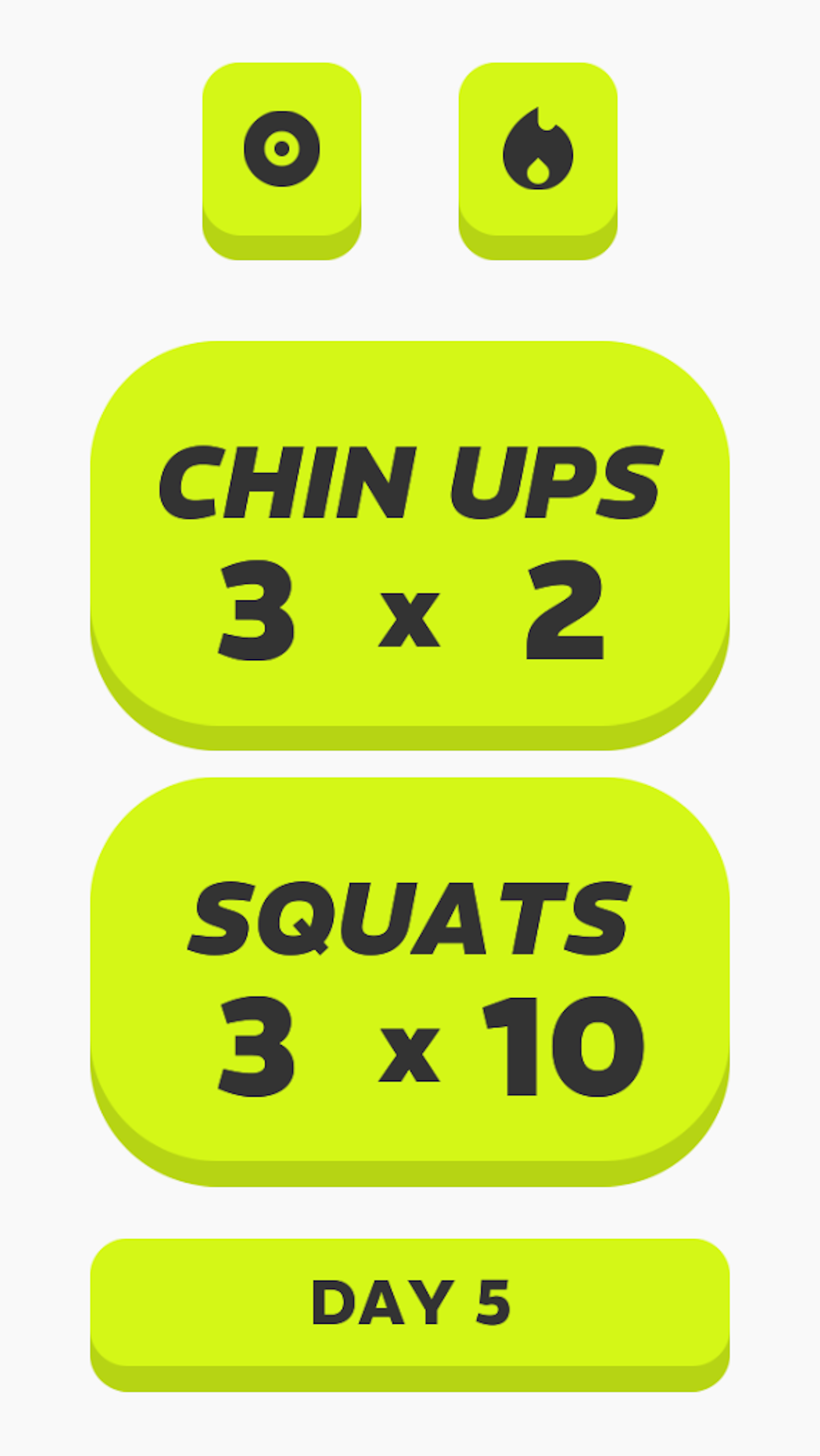
Home screen with the day's routine
-
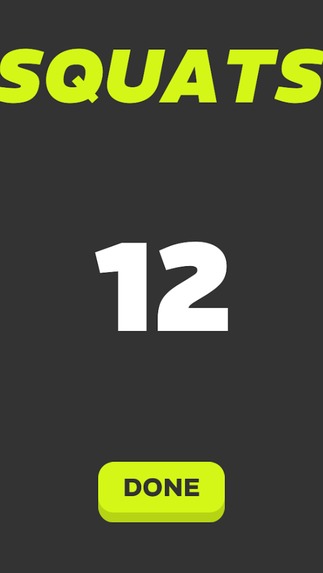
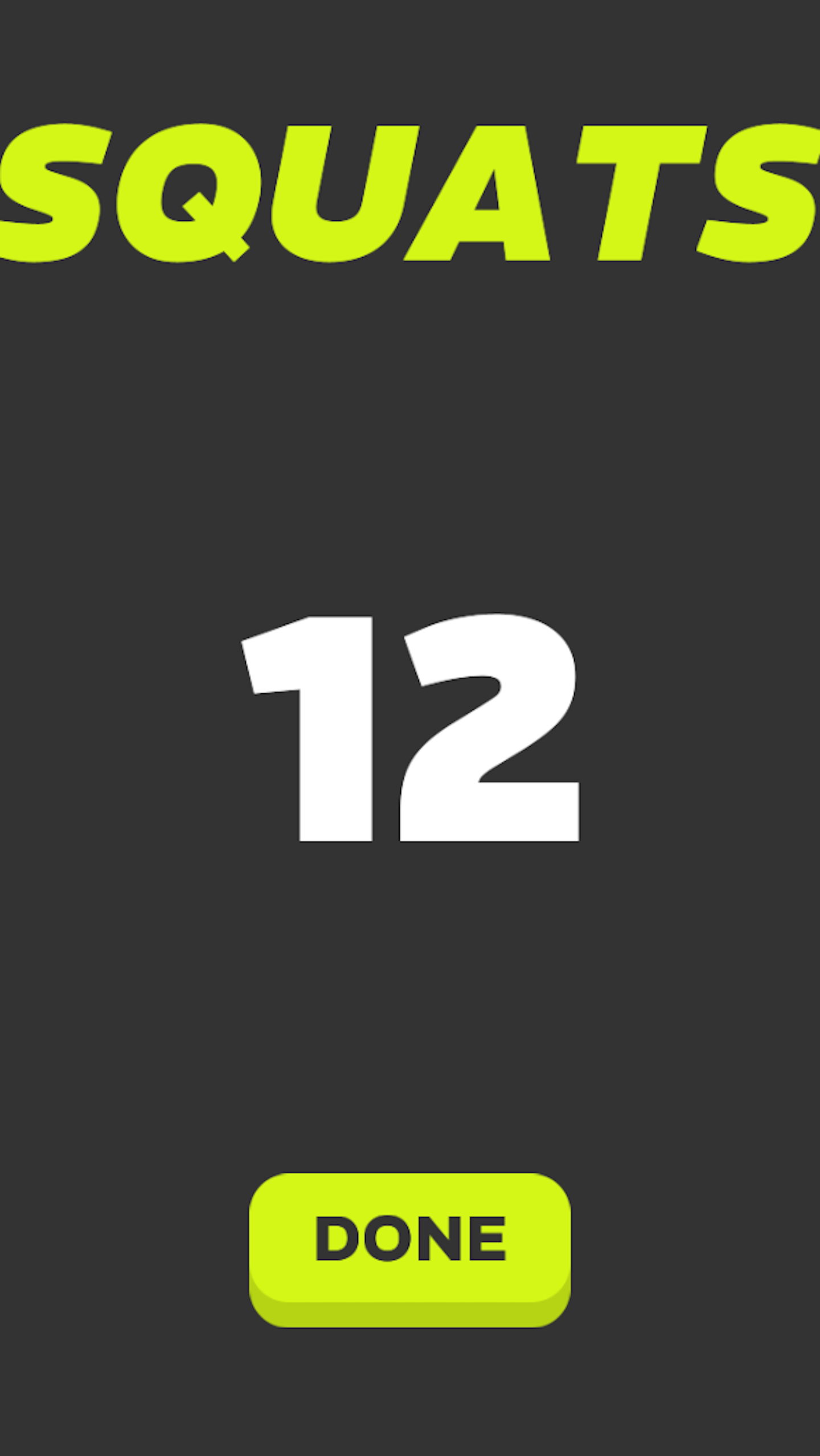
Exercise and voice-controlled rep counter
-
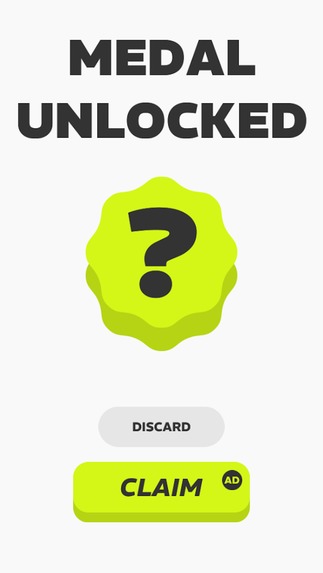
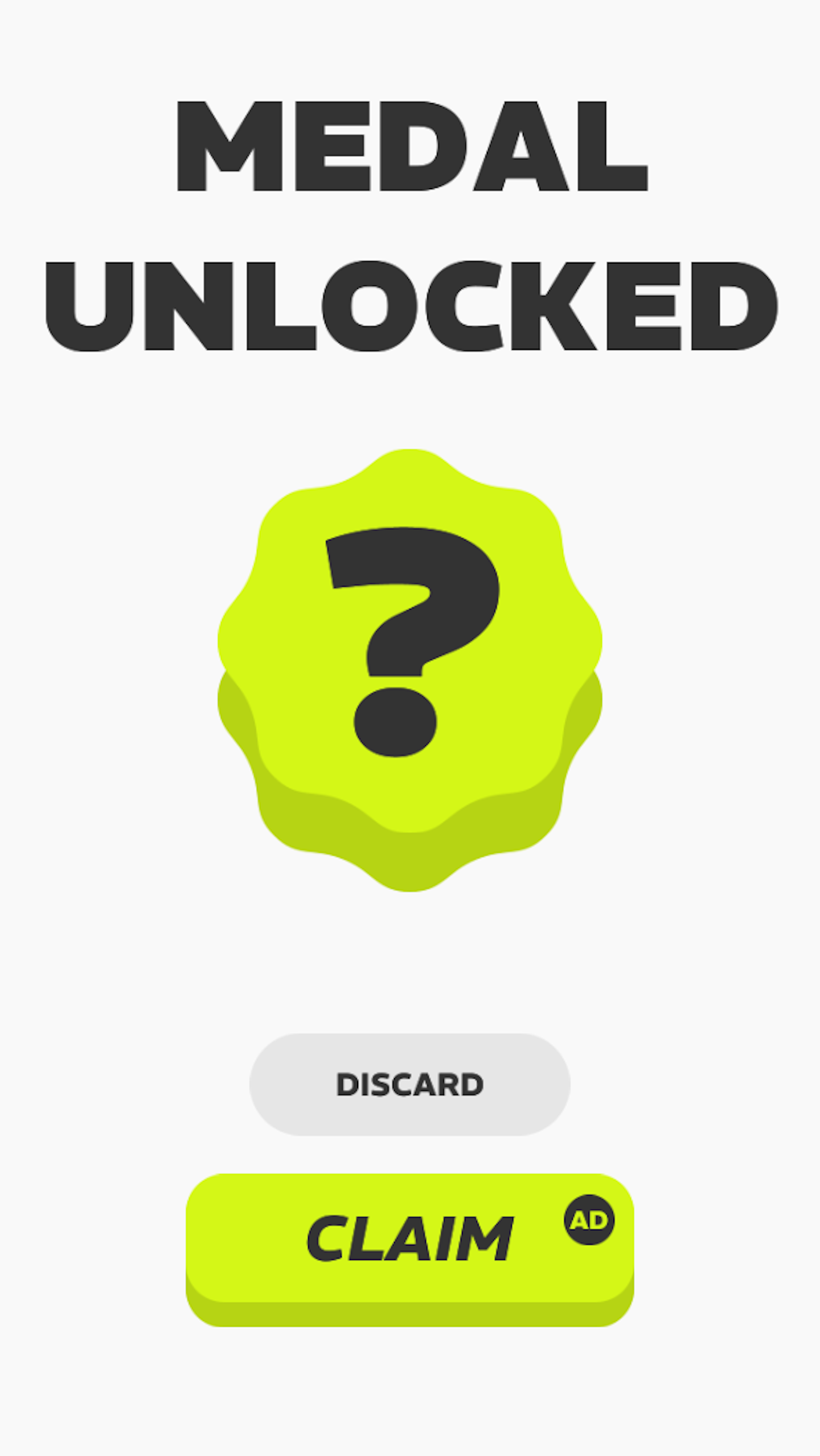
Rewarded ads
-
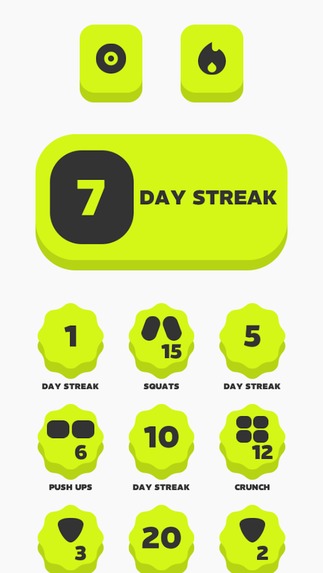
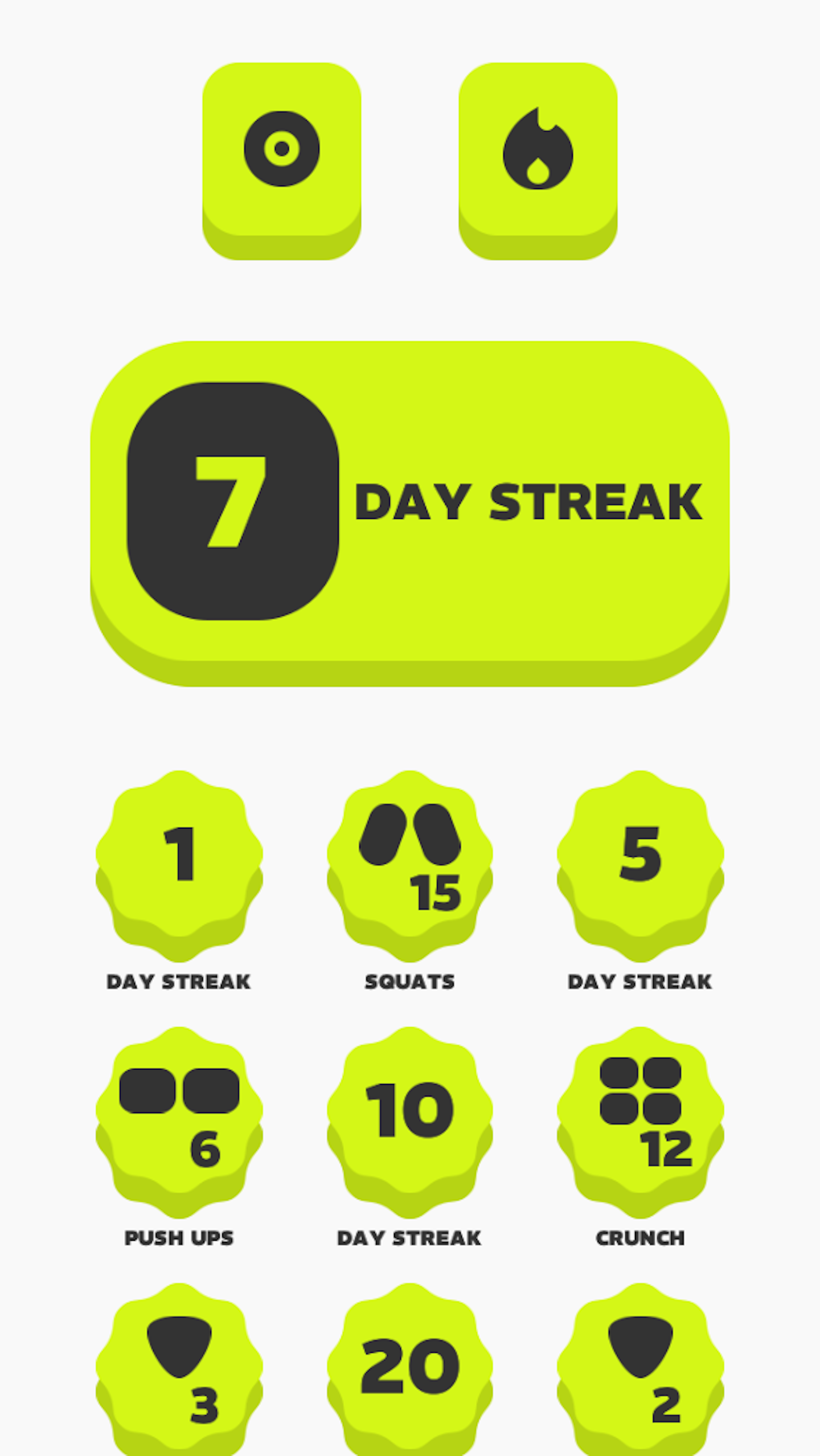
Training streak and medals won

Inspiration
A few years ago, when I started training at home, I didn't know where to begin. I tried several fitness apps, but many of them had too many exercises, confusing routines, or workouts that were difficult to complete. That experience inspired me to create CALHOS, a simple fitness app focused on helping beginners build muscle and stay in shape with short calisthenics workouts that can be done at home without equipment. The idea was to remove unnecessary complexity and make training feel accessible from the very first day.
What it does
CALHOS provides a simple daily training routine based on calisthenics exercises such as push-ups, pull-ups, chin-ups, squats, and crunches. Instead of overwhelming users with a large exercise library, the app focuses on a small number of exercises to complete each day.
- Users can track their progress
- Maintain a training streak
- Unlock medals
- Use voice counting to keep track of repetitions without having to constantly interact with the screen
How we built it
It was developed as an Android app using Defold and Lua. I designed and implemented the interface, training system, progression logic, persistence, animations, touch interactions, and the different screens of the application. I also built the progression system so that the user's current training day, unlocked content, and progress can be saved between sessions. The goal throughout development was to keep the code and architecture as simple as possible while still making the application easy to expand.
Challenges we ran into
One of the main technical challenges I faced was integrating APIs and SDKs into a game engine that did not natively support them. I decided to build the app this way because, although Defold is not the most suitable software for developing an app, I chose it for its performance and lightweight nature. However, I underestimated the limitations in third-party support and integrations. It was a challenge that I was ultimately able to overcome, but the development process would have been significantly faster if I had taken third-party compatibility into account from the beginning.
Accomplishments that we're proud of
- Implemented Android's sound recognition feature, allowing users to track repetitions using any sound picked up by the microphone, even a snap of the fingers. Processing is done locally, without an internet connection, while maintaining user privacy.
- Developed a unique visual identity built around large elements and animated text, helping set the app apart from other similar fitness apps.
- Implemented ads in a non-intrusive, optional way, with users receiving a reward for viewing them.
What we learned
Entering this contest allowed me to step out of my comfort zone. Two months ago, I never would have imagined having a project like this published on Google Play. There were many challenges, and there were times when I wanted to give up, but my desire to push myself kept me going. Although I'm a video game developer, I had to learn how to use many tools and software I'd never used before. Sometimes, the greatest reward is surpassing yourself and discovering just how far you're capable of going.
What's next for CALHOS
The next steps involve continuing to refine the app, adding new features, and listening to user feedback while maintaining its simplicity. I am also excited to build a business version for trainers, allowing them to track their clients' progress and better understand their needs through training data. Ultimately, I want CALHOS to grow from a simple tool for people training at home into a platform that can also help trainers provide a more personalized training experience.

Log in or sign up for Devpost to join the conversation.