Inspiration
I always struggled with 3D math drawn on a 2D board. It wasn't too much of an issue until vector calculus convinced me we needed a 3D medium for 3D math concepts.
What it does
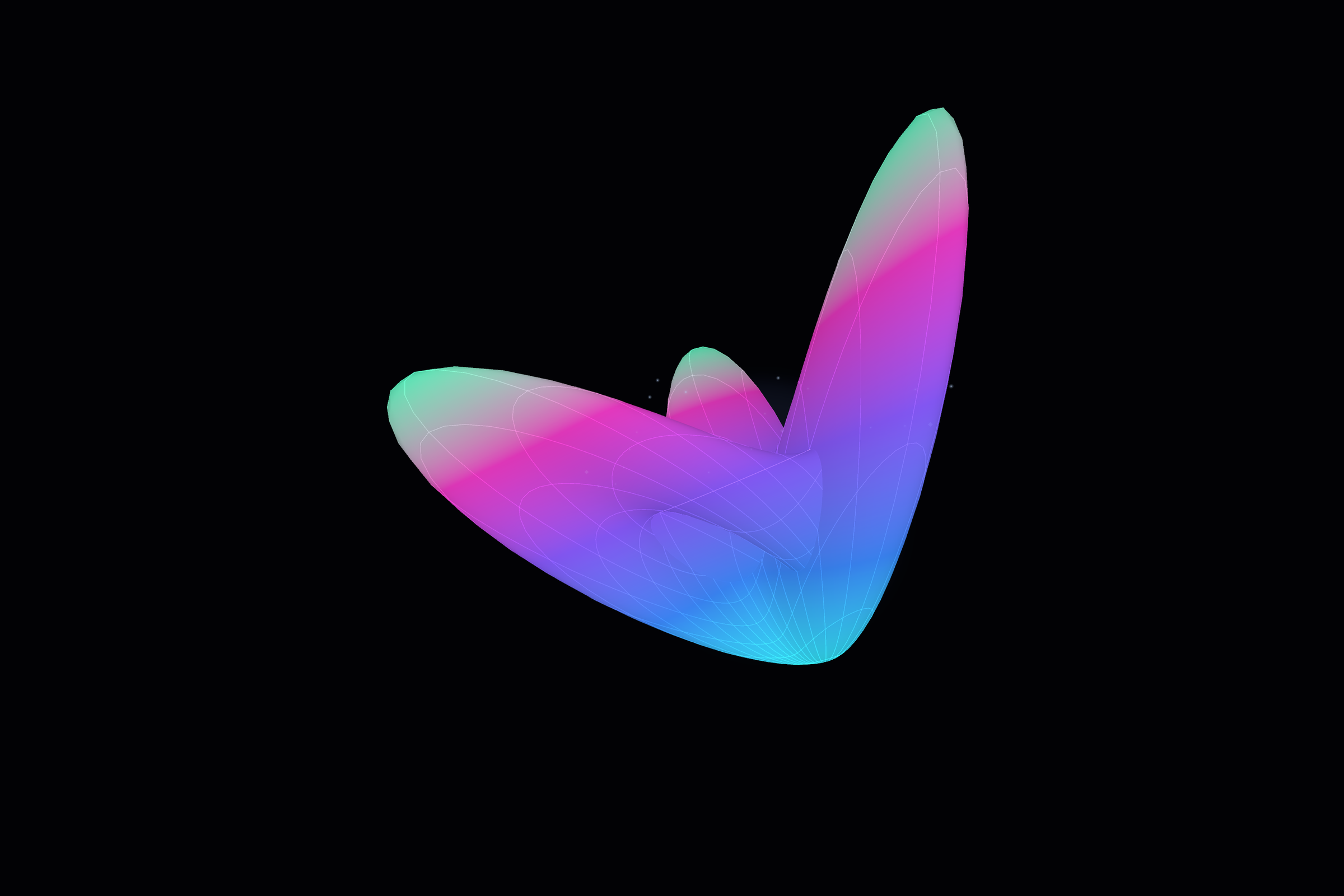
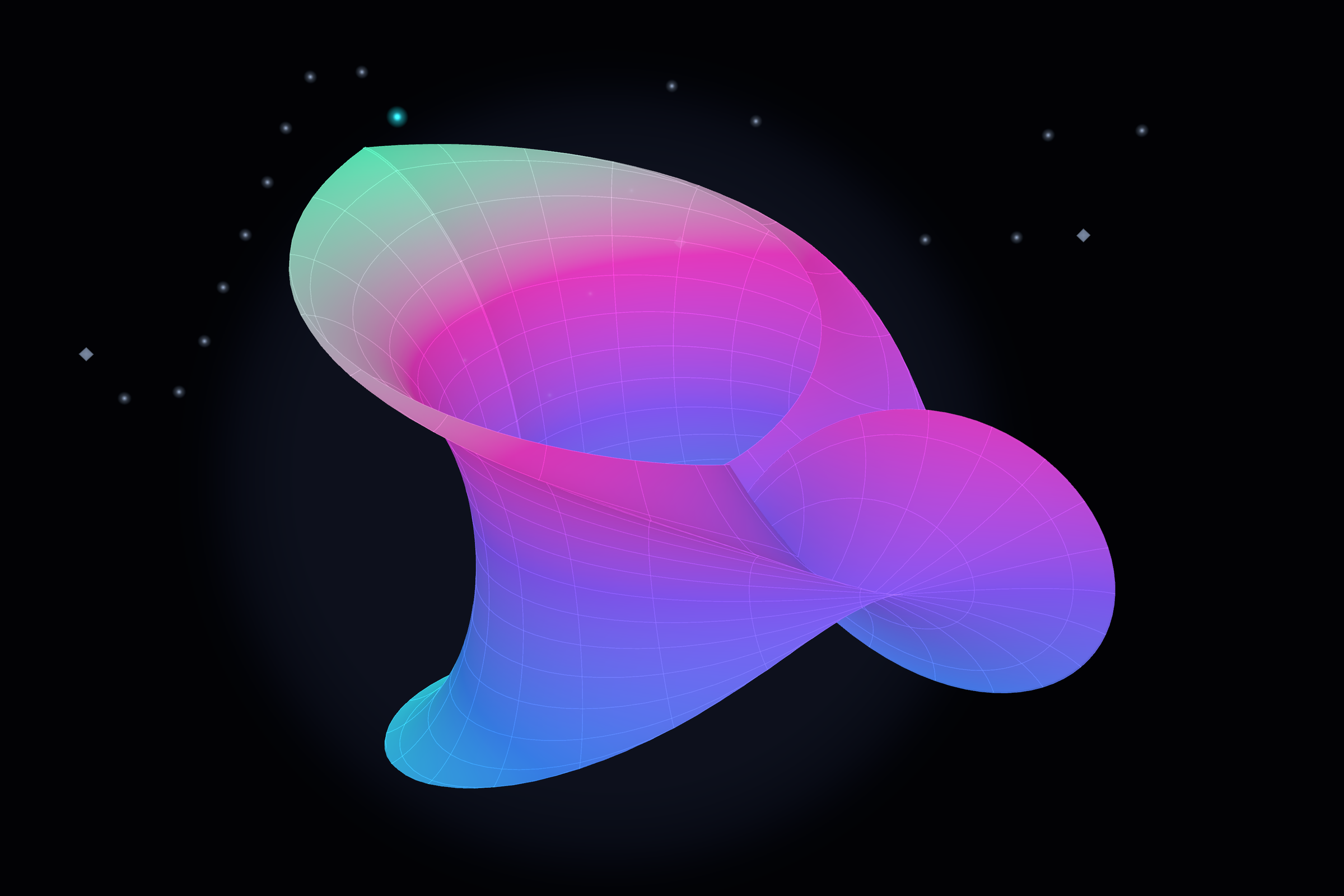
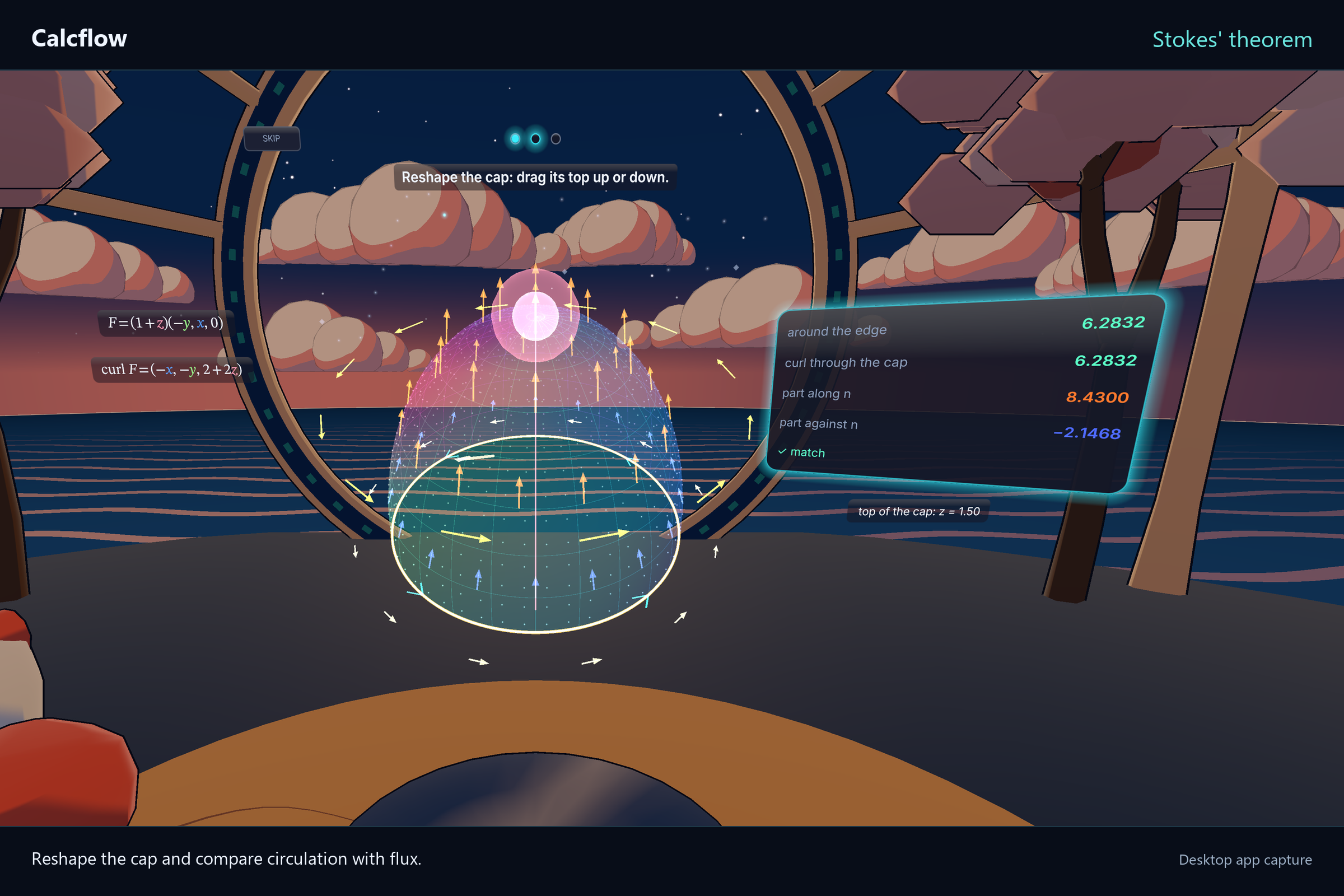
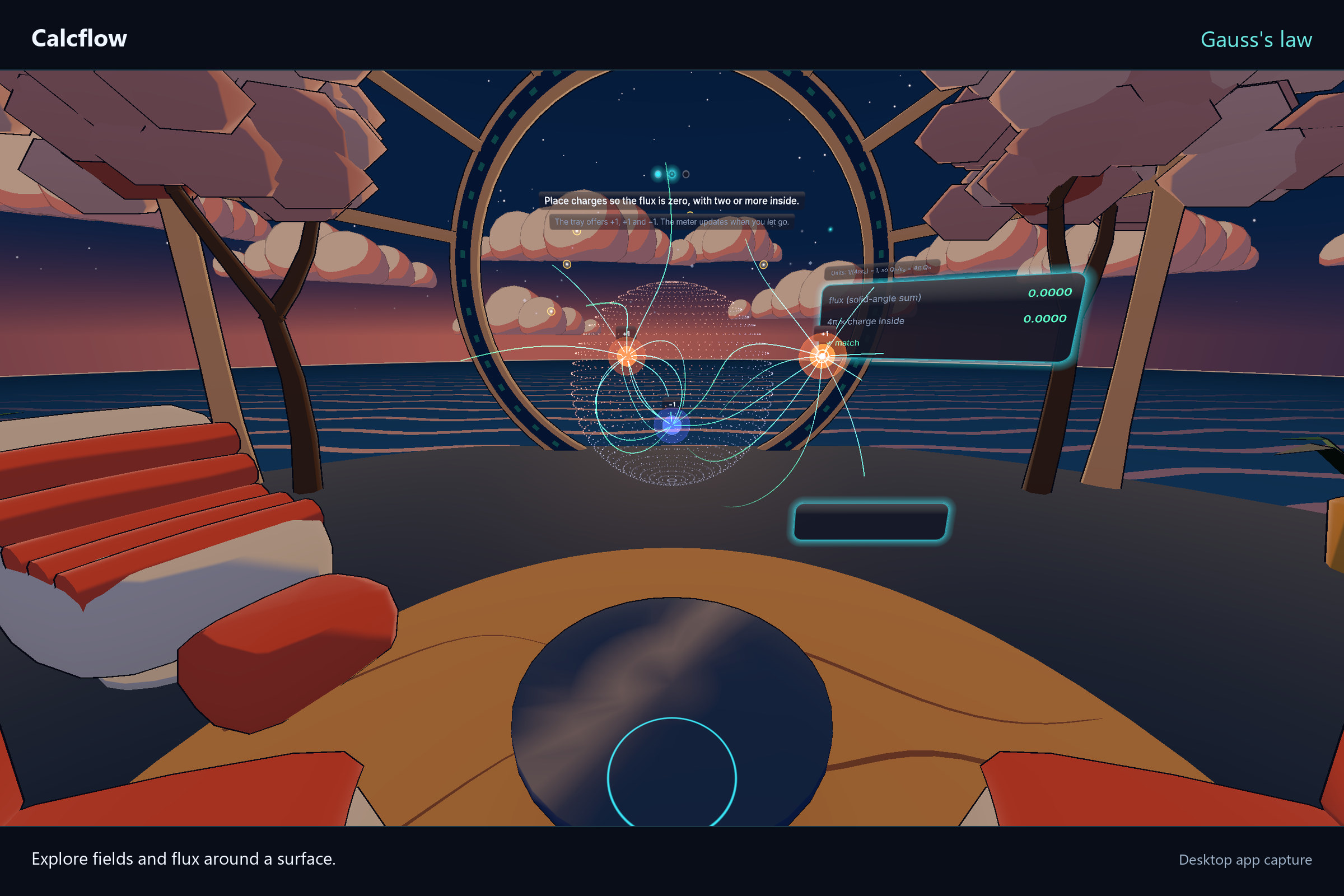
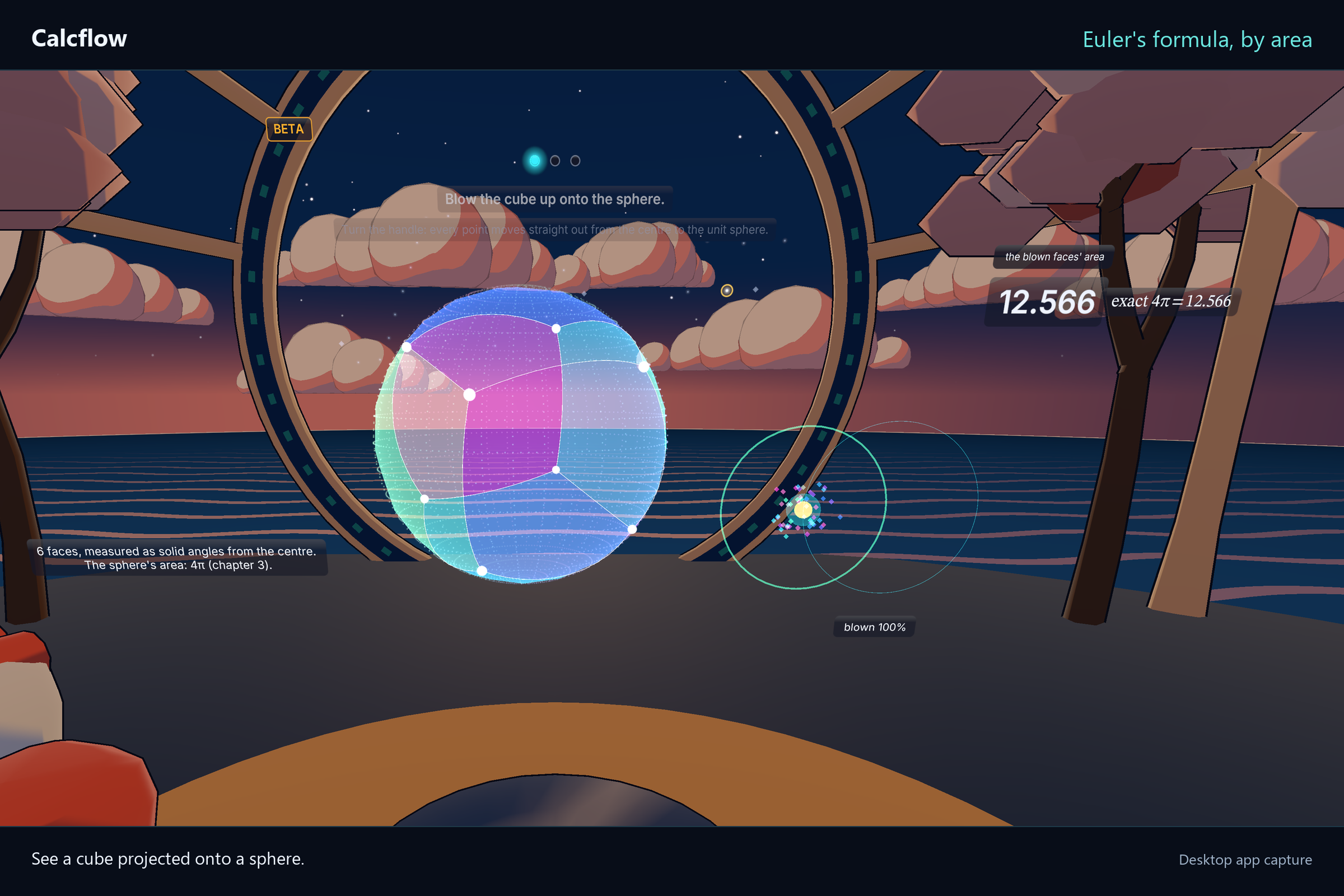
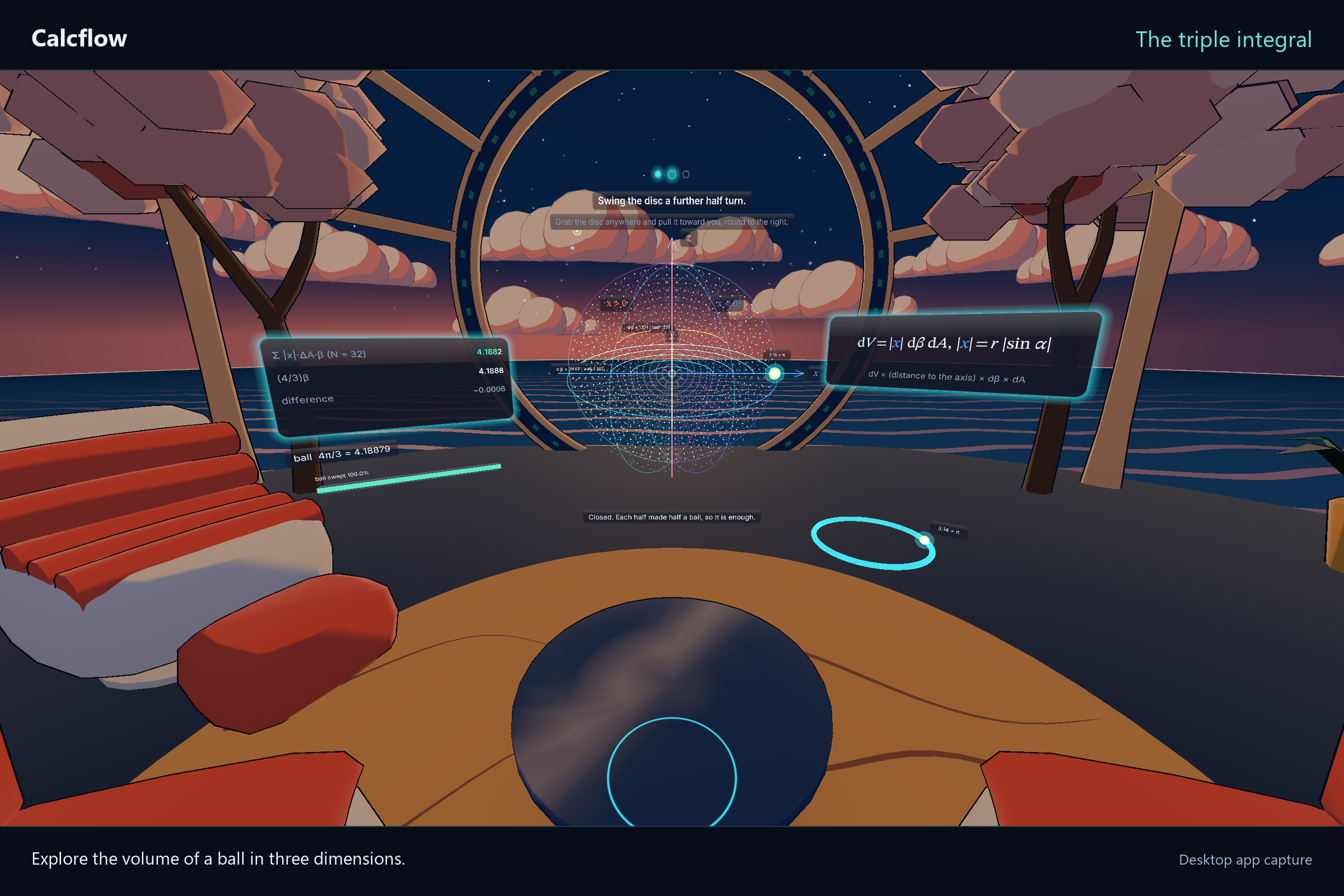
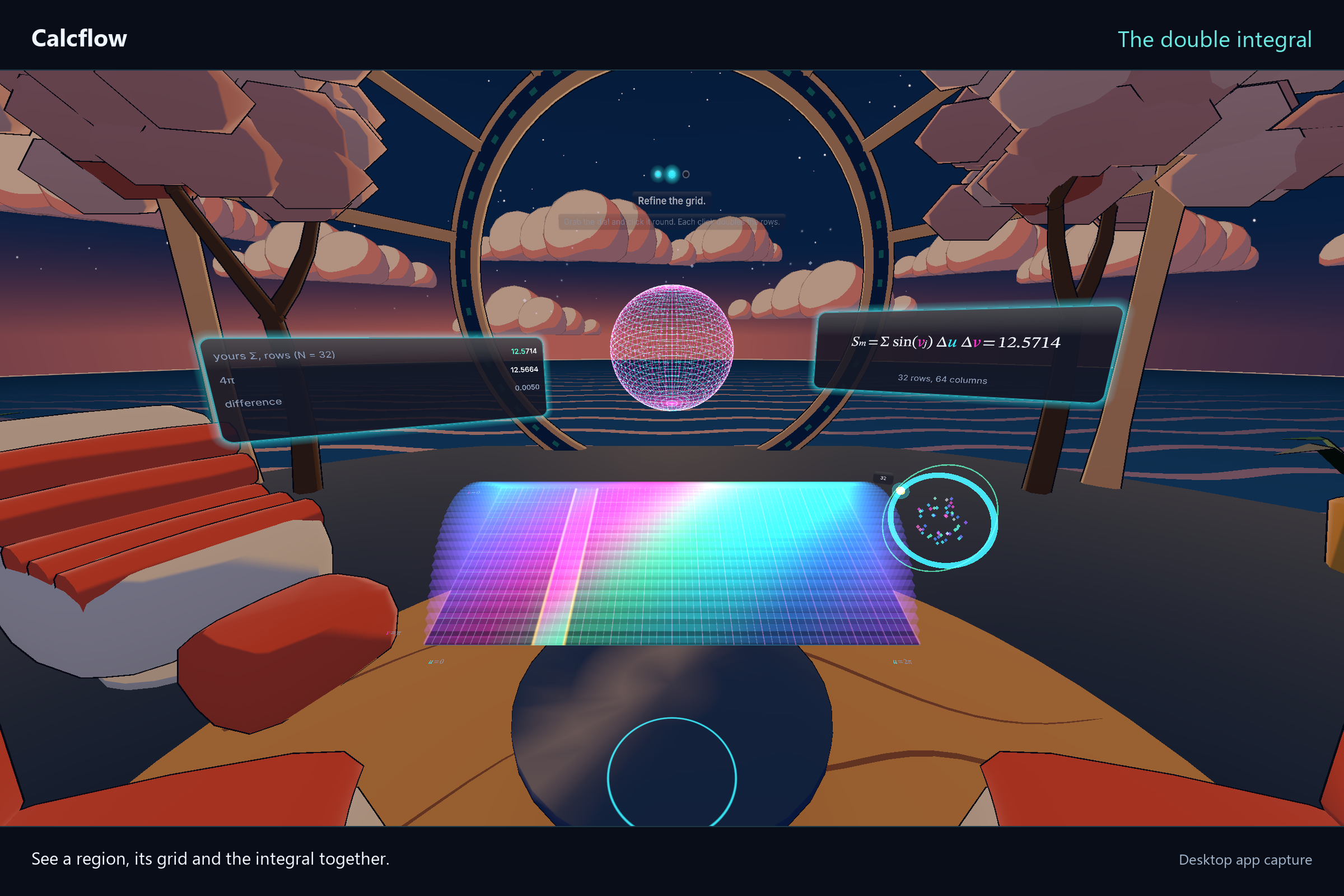
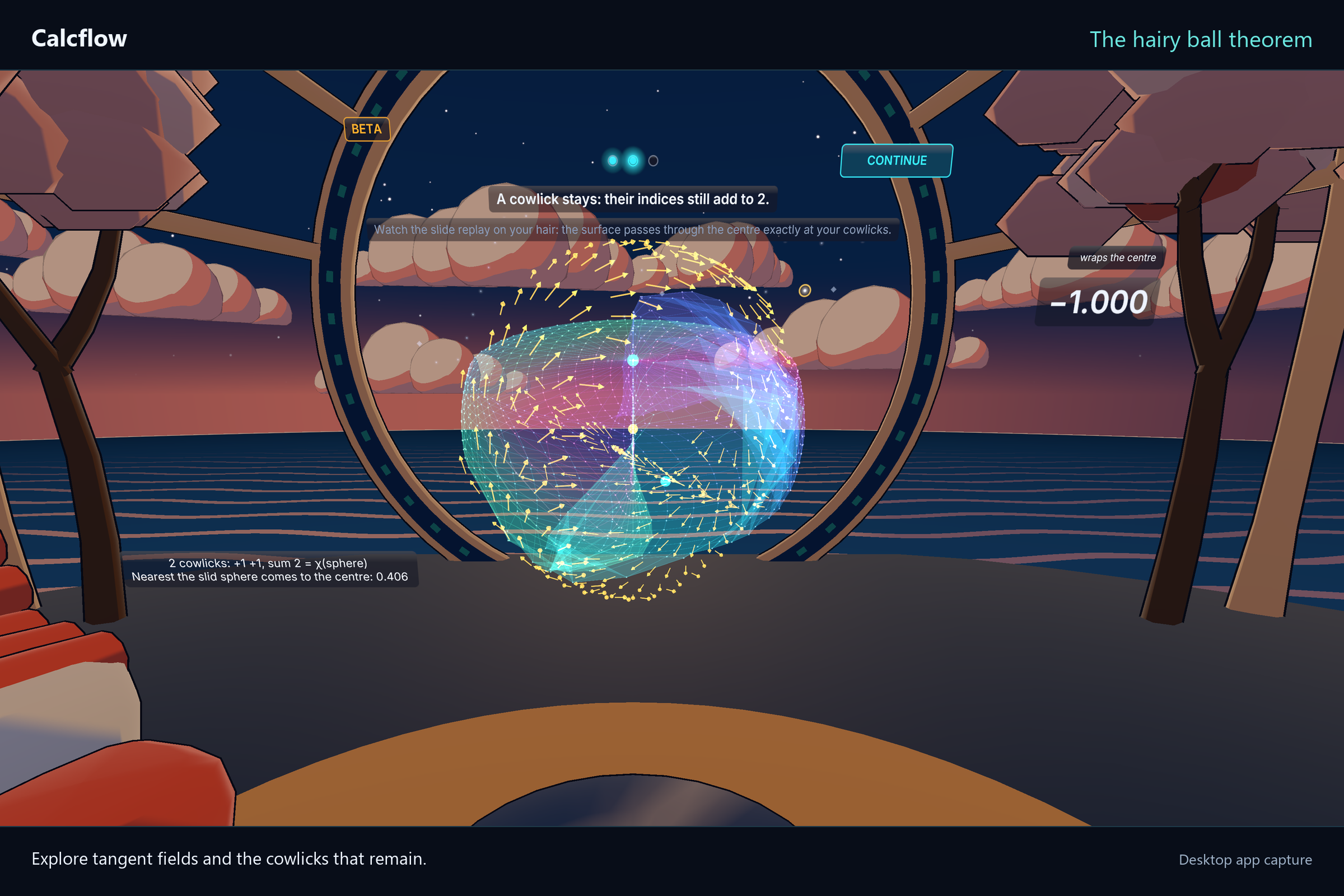
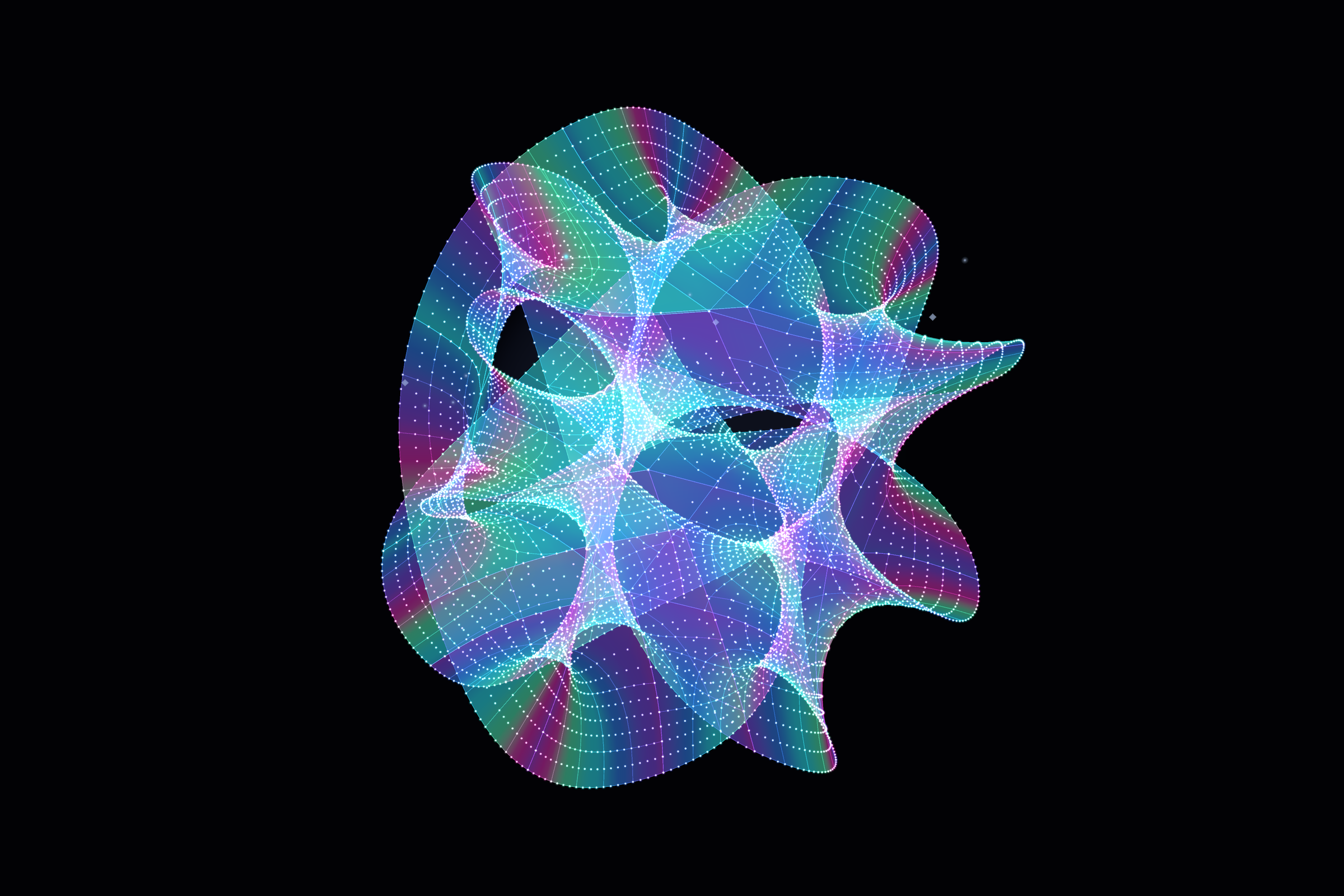
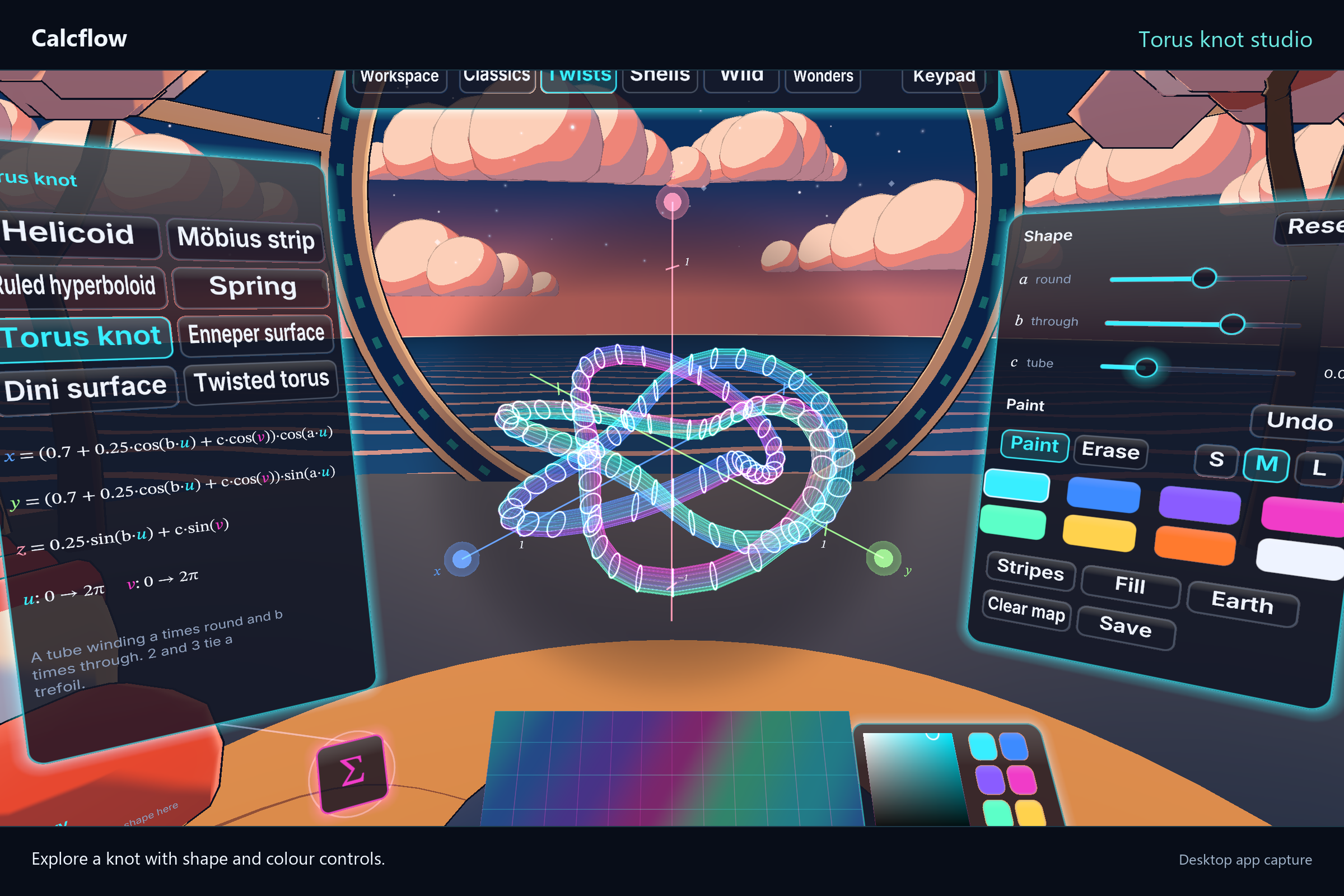
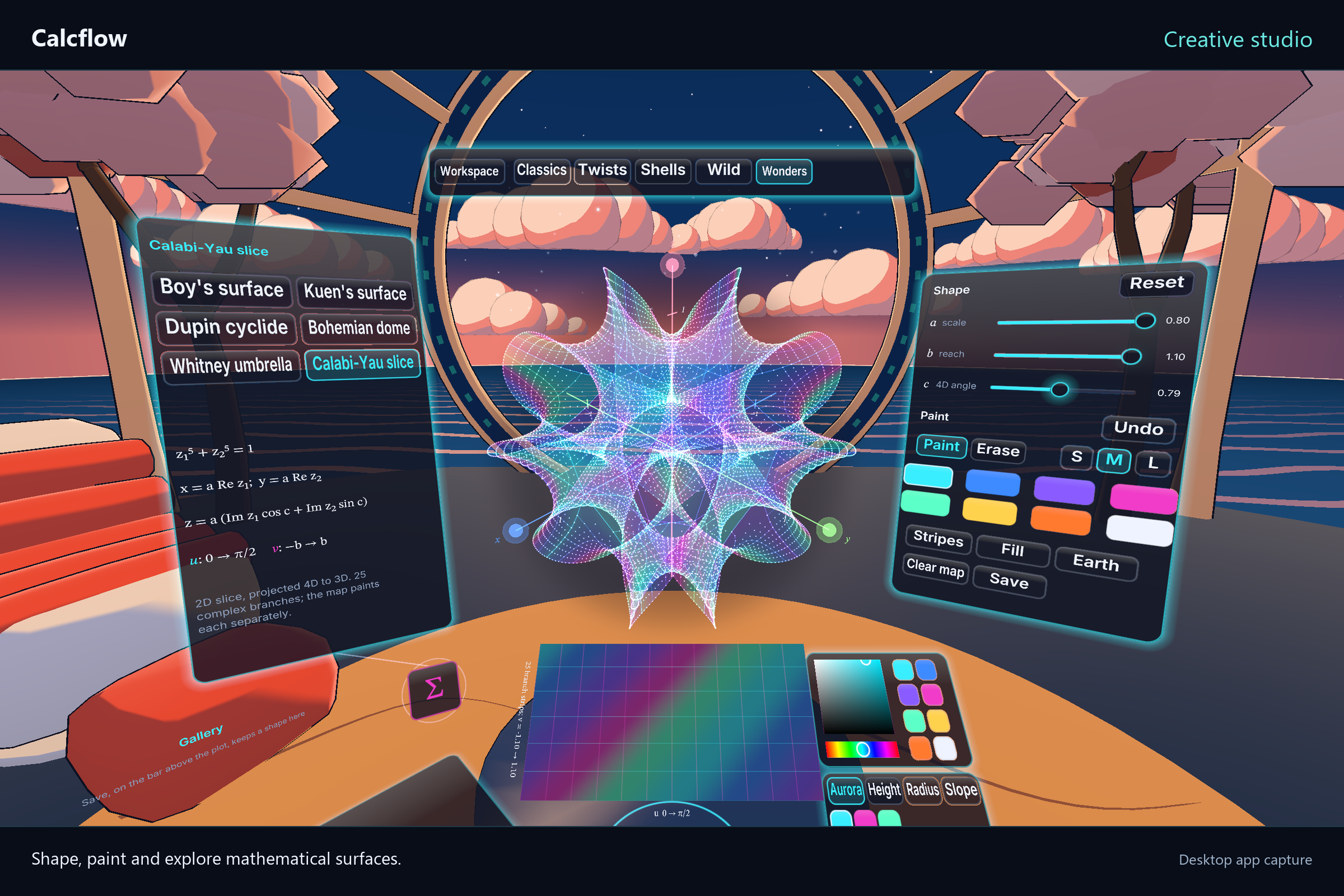
The main workspace is a 3D graphing calculator that can plot an parametric surfaces the user inputs. We also have an extended vector calculus course, with planned support for more math proofs and courses like differential equations.
How we built it
We originally made Calcflow for the Oculus Rift consumer version 1 for a vector calculus course at UC San Diego. From there we open sourced it and left it for the community to tinker with. After seeing the community working to port Calcflow to the Quest standalone platform, we decided to step in and make an official port after launching on the original Rift a decade ago in 2016.
Challenges we ran into
Modern UX best practices led us to overhaul the interaction with the 3D graphs. We want to convey concepts like UV mapping and need users to interact with both 2D and 3D elements. Making sure it feel great with hand tracking while not getting overwhelmed with too much math is a balancing act.
Accomplishments that we're proud of
Helping people understand mathematics!
What we learned
Too much math at a time can be overwhelming. We encourage people to take breaks in the virtual lounge between lessons to loosen up the brain muscles a little bit.
What's next for Calcflow
More math! Maybe a physics module. Linear algebra, differential equations, visual proofs for the latest popular math such as millennium prize problems.

Log in or sign up for Devpost to join the conversation.