-
-
Project Logo
-
Demonstrating our ideas
= CALC COLLAB
Building Open-Source Scope 3 Carbon Accounting Tools
Created by Leanora, Nick, Jeff and Zoee
Elevator Pitch
CALC COLLAB empowers companies by providing open-source, low-code tools that simplify Scope 3 carbon accounting, enabling all organizations, regardless of size, to participate in meaningful carbon reduction efforts.
PDF presentation summary of our proposal available at the following link
Inspiration
We embrace the open-source philosophy to foster collaboration in addressing carbon emissions. Our vision is to unite industries in sharing calculations and tools, moving faster through reporting churn to actionable emission reductions.
What it Does
CALC COLLAB empowers companies by providing open-source, low-code tools that simplify Scope 3 carbon accounting. This enables all organizations, regardless of size, to participate in meaningful carbon reduction efforts.
How We Propose to Build It
Our modular, low-code approach allows easy customization and integration of widgets into existing data management workflows. We intend to build widgets that can be drag and dropped into the most common data management tools such as Dataiku, Alteryx and KNIME (the last of which is also open source). We plan to start testing with heavy industry sectors, initially focused on the global lithium supply chain, creating a robust library of shared tools.
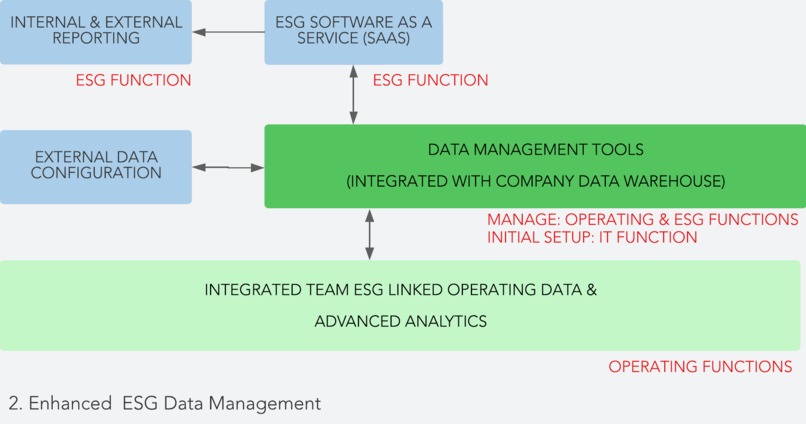
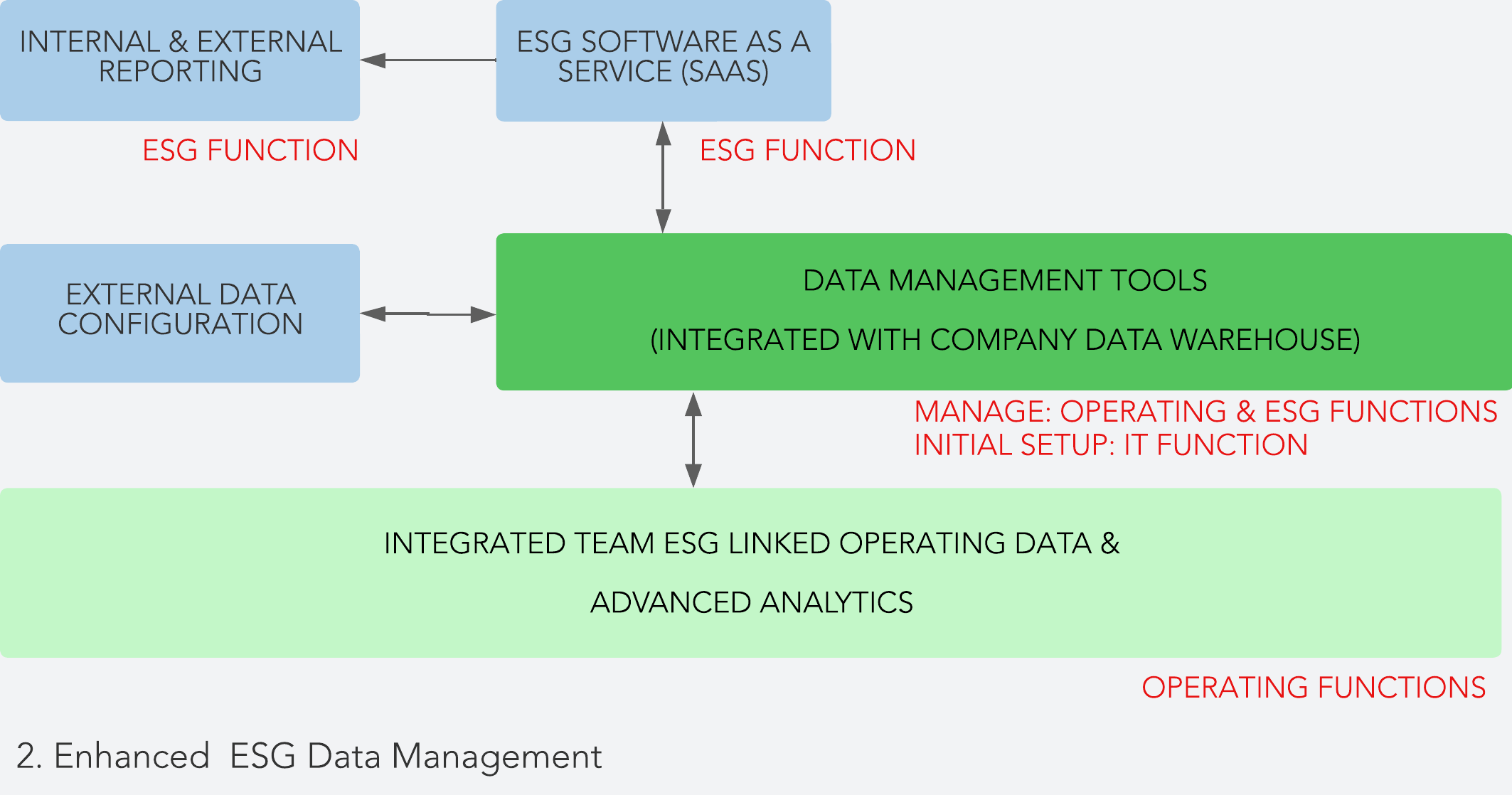
Our proposed high level architecture for = CALC COLLAB within the context of data management tools is shown here.
This solution is proposed based on our first hand experience of working with emissions calculations and also thinking through the most effective way to solve three key Scope 3 calculation challenges outlined in our presentation:
- Complexity of tailored data input and outputs needing to be orchestrated for different companies and sectors
- Cost and effort hurdles to perform scope 3 emissions calculations with incumbent SaaS offerings
- The need to keep the calculations closely integrated to adjacent business systems to ensure data can be easily used to drive action at the frontline (as well as support knowledge retention, calc improvement and advanced analytics/digital transformation)
The two images attached show how digital architectures change and can be improved when data management tools are used for ESG calculations. Figure 1 Figure 2
Key Hypotheses To Be Tested During 6 Month Pilot Phase
- Data Complexity: The biggest challenge in Scope 3 carbon accounting is managing data input/output across different sectors. CALC COLLAB simplifies this by offering customizable widgets that integrate with existing systems.
- Cost Efficiency: Current SaaS offerings for Scope 3 reporting are costly and out of reach for many businesses. CALC COLLAB’s supported open-source model offers a cost-effective alternative.
- Integration for Impact: For carbon data to drive real action, it needs to be tightly integrated into a company's day-to-day operations. CALC COLLAB ensures that the data is actionable, supports knowledge retention, and enables advanced analytics for enhance decision-making/profitability.
Our intended action plan for the next six months is available here
Challenges
We encountered several challenges, including exploring different business models to both enable scaled benefits of an open source solution whilst generating enough cash flow to curate a quality solution. Additionally, we have explored some of the opportunities and challenges associated with using KNIME and Dataiku en-masse for this purpose. We also thought through a variety of different industry starting points and landed on Lithium due to the unique combination of legislation being applied to the sector. The human side of industry engagement, and they're willingness to adopt a solution that is still nascent is a key challenge to address during the next 6 months.
What We Learned
We have successfully built emissions management calculation modules in KNIME (and in the past in Dataiku) which have included calling 3P emissions calcs via API as well as some primative mass balancing / allocation. We have also seen many precedents showing that both larger and smaller organizations can create custom widgets, and that these tools can be reused across a community, enhancing collaboration and impact potential. We have some remaining questions related to version controls, git hub / data platform integrations and interoperability of widgets across data management platforms. Insights on what we think is need to realise our vision have been translated into the action plan shown in the presentation.
What's Next for CALC COLLAB
We aim to expand our library and user base, continually improving our tools to empower companies in their carbon accounting efforts. Together, we can drive significant progress toward a net-zero future.
Our Team Bio's
Leanora Horne Project Co-Lead / Product Development University of Newcastle - Graduate Certificate in Environmental Management and Sustainability Leanora specializes in developing digital tools for mining and minerals processing operations, focusing on scalable applications and reporting solutions that enhance operational efficiency and environmental sustainability.
Nick Smith Project Co-Lead / Emissions Calculations Cordina - Product Lead Chemical engineer with rich experience in energy monitoring & optimization, digital transformation, engineering innovation and leadership of technical teams. First-hand heavy industry experience grounded in the petrochemical sector.
Zoee Shelley Industry ESG Needs Cordina - Minerals & Metals Advisor Over 15 years of experience as a hands-on practitioner generating ESG impact statements, project assessments, due diligence analyses, implementing IFC sustainability frameworks, and performing GHG calcs for various sectors globally.
Jeff Ludwig Data Architecture & Analytics Cordina - Solution Architect PhD in Chemical Engineering with a focus on computational quantum chemistry and high-performance computing. Nearly 20 years of oil & gas industry experience, including an extensive background in supply chain planning and optimization.
Built With
- api's
- azure
- knime


Log in or sign up for Devpost to join the conversation.