Inspiration
This paper link. It details how small communities get money extracted by paying for business outside of their community. For example, Uber produces nothing: it gets paid as a middleman, and the money goes into headquarters in San Francisco. It only serves to connect a community. It makes sense for tourist destinations like NYC, but for a small community like Astor, FL, where I vacationed this summer, it only serves to make the community poorer.
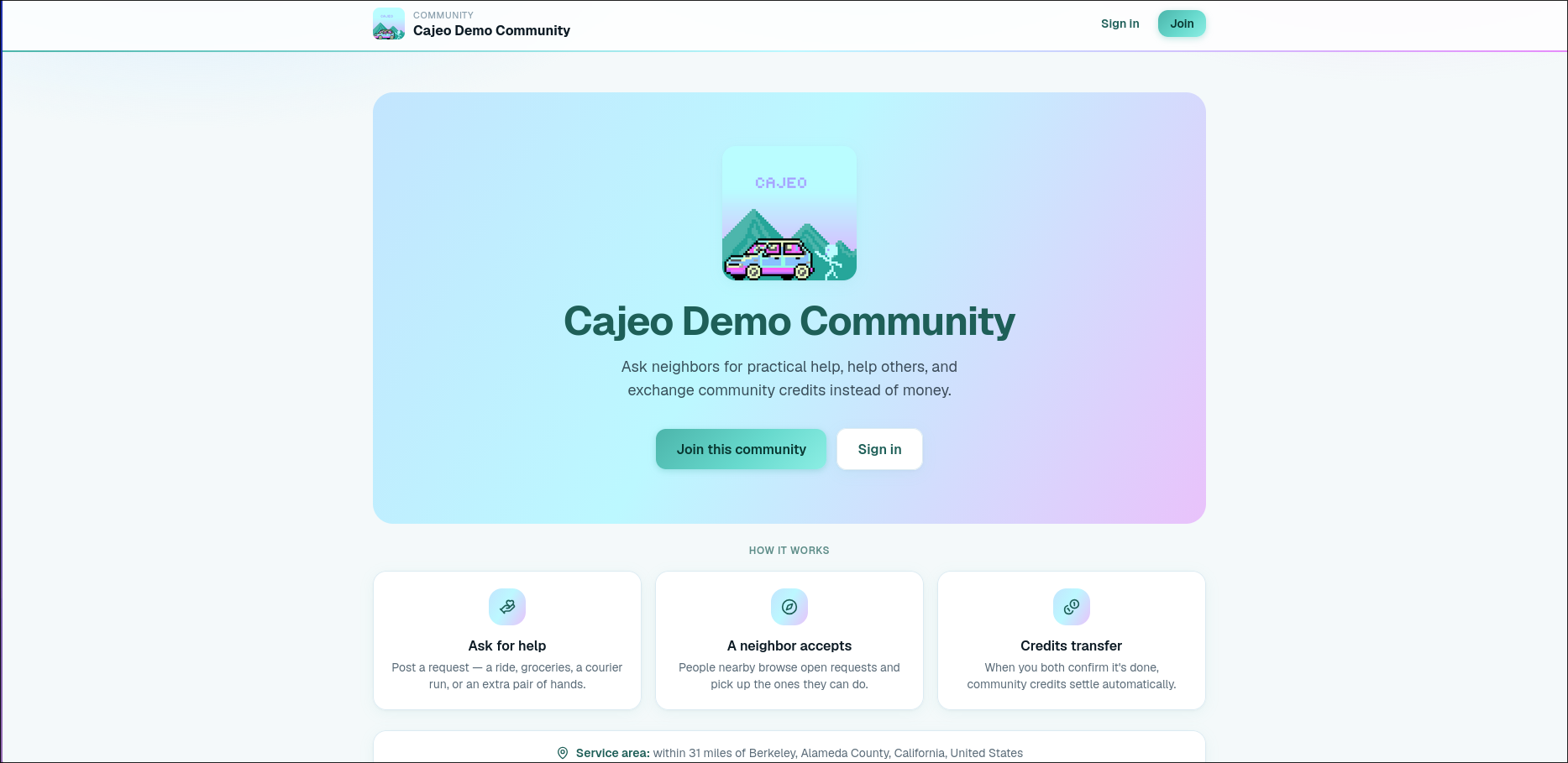
What it does
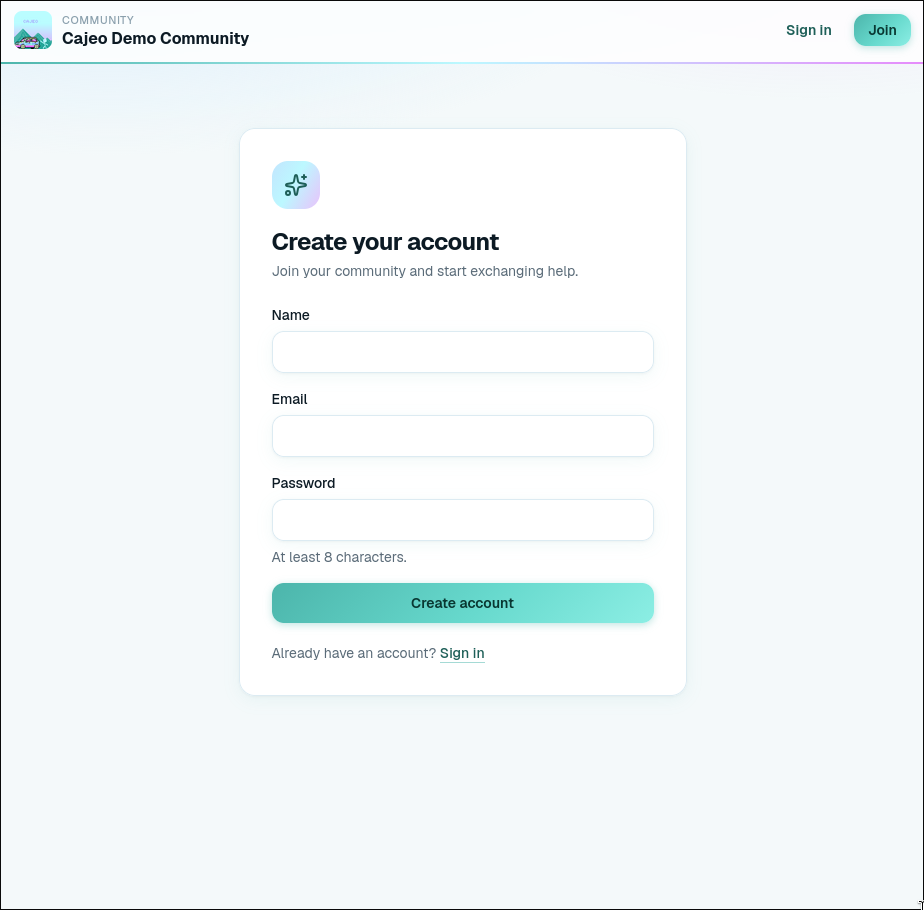
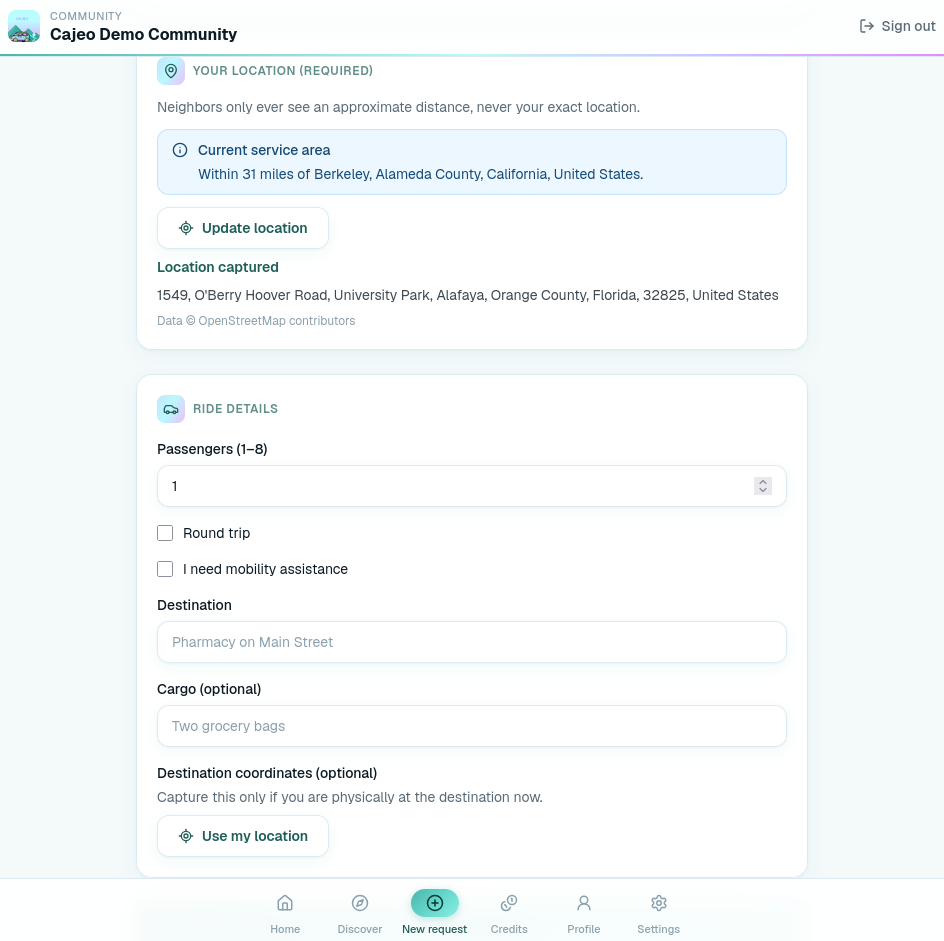
You login for the first time and are given 10 credits. You can perform favors for other people to gain credits, and you can ask for favors by giving them. You create a micro-economy of favors that doesn't cost the community anything. If an elderly woman needs help moving heavy boxes around her house, you can help her to get a credit. Then, later you need a ride to the pharmacy because you don't have a car: you give a credit to someone to take you there and back. The person who drove you then needs food at his job because something came up last minute, and gives a credit to someone to bring his order to him, and so on. It saves the users money by not sending their money across America every time they need to find someone for a task; simultaneously, it brings the community closer socially, since they get to know each other, learn each others names, and become friends.
How we built it
We first wrote detailed plans in markdown files, explaining every step that an agentic AI could need to take: we wanted to have the project hosted in AWS, deployed using Terraform and Ansible, so we can use Sabrina's free 200 dollar credit to host. Then, we established our dependencies: Next.js 16, React 19, TanStack React Query, Tailwind utilities, Lucide icons, Zod, Fastify, dotenv, Nodemailer, PostGIS/PostgreSQL 16, and Caddy 2. Then we tasked Claude and Codex subagents to handle scaffolding.
Challenges we ran into
- We struggled with the UI, as one of us is a vulnerability researcher while the other is a simulation developer, so neither of us work too much with web development.
- I have not done Infra related things since late last year, so I was quite a bit rusty in getting everything setup.
Accomplishments that we're proud of
- Thinking through the idea: We tried really hard to not have a random project, but instead one that has real world implications and has a real reason to exist. We feel like this would be good in the real world, and will likely continue working on this after the hackathon.
- Planning out the infrastructure and implementing bug fixes: Since we were getting used to understanding TypeScript as we moved through the project, we were able to abstract issues into core ideas to solve whatever problems we ran into. We handled issues with location management, personalization, and request forms.
What we learned
- Learning Agentic AI: This was Sabrina's first time using Codex or Claude Code, so a lot of today was spent learning about how they work and how to optimize them. Things like context windows, subagents, proper tooling to help the AI work better, and how to improve costs.
- Handling scope on an app: Even an app that has more front-end than back-end work involved can grow into a big project to handle. The amount of bugs, future features, and developer goals a project has can slowly add up over the course of a development sprint (such as a hackathon!). Keeping our efforts towards the goal was crucial to helping us get through as a team.
What's next for CAJEO: Communities Always Join Each Other
Authentication and security. A system based on common trust is liable to abuse: we have to try to see how to prevent this. Communication system. A method involving emails, phone numbers, or an internal system that allows requesters and helpers to communicate and connect.
Built With
- ansible
- css
- terraform
- typescript


Log in or sign up for Devpost to join the conversation.