-
-
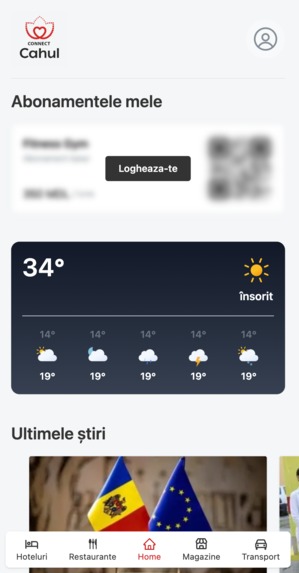
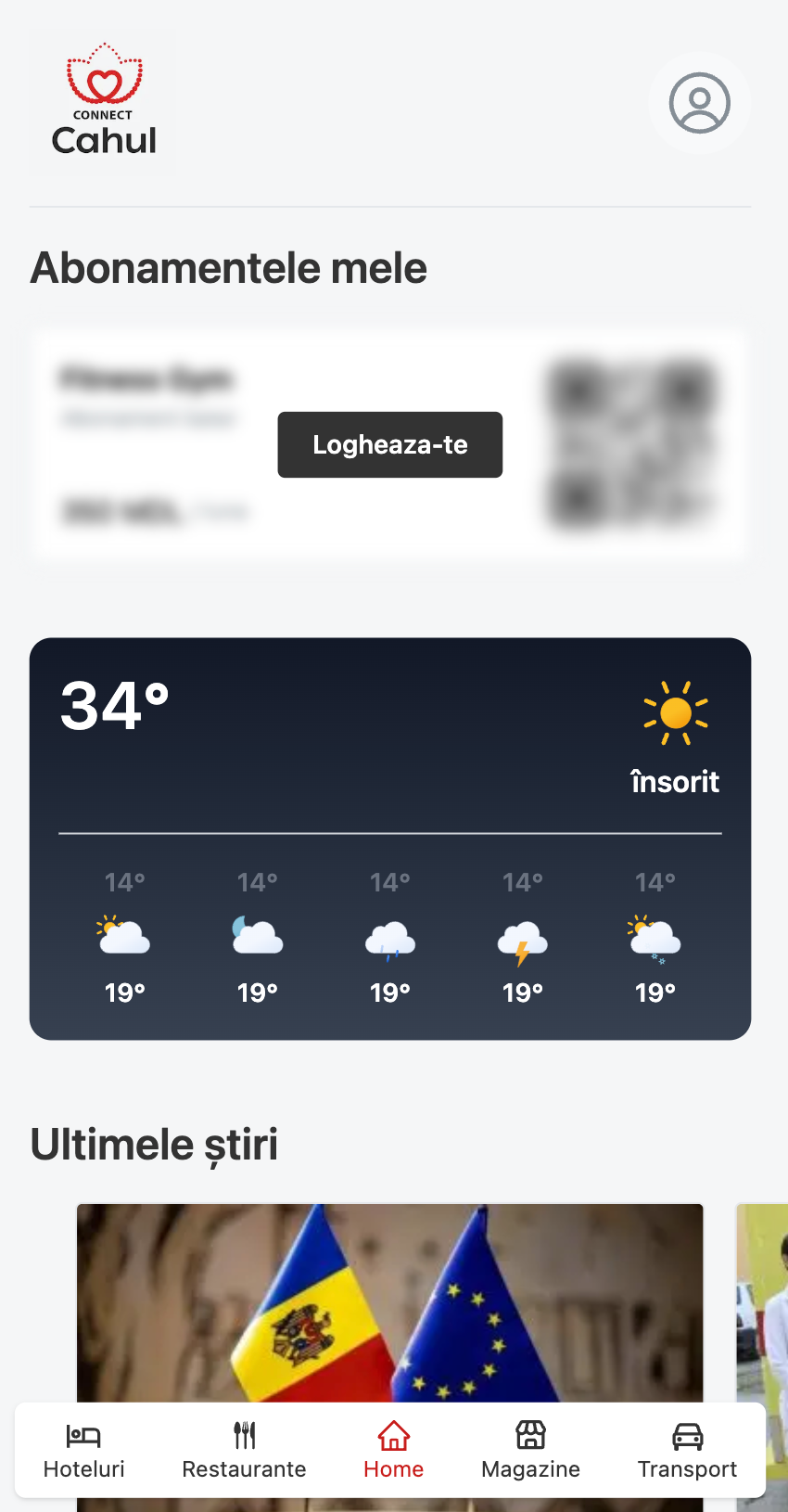
Home page view when user is not logged in.
-
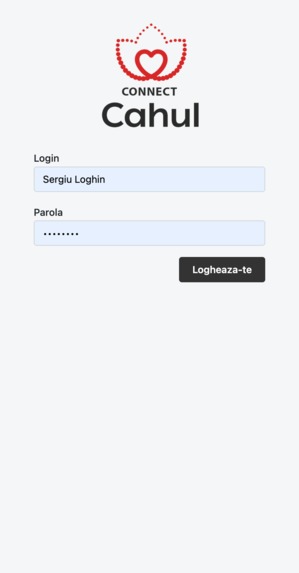
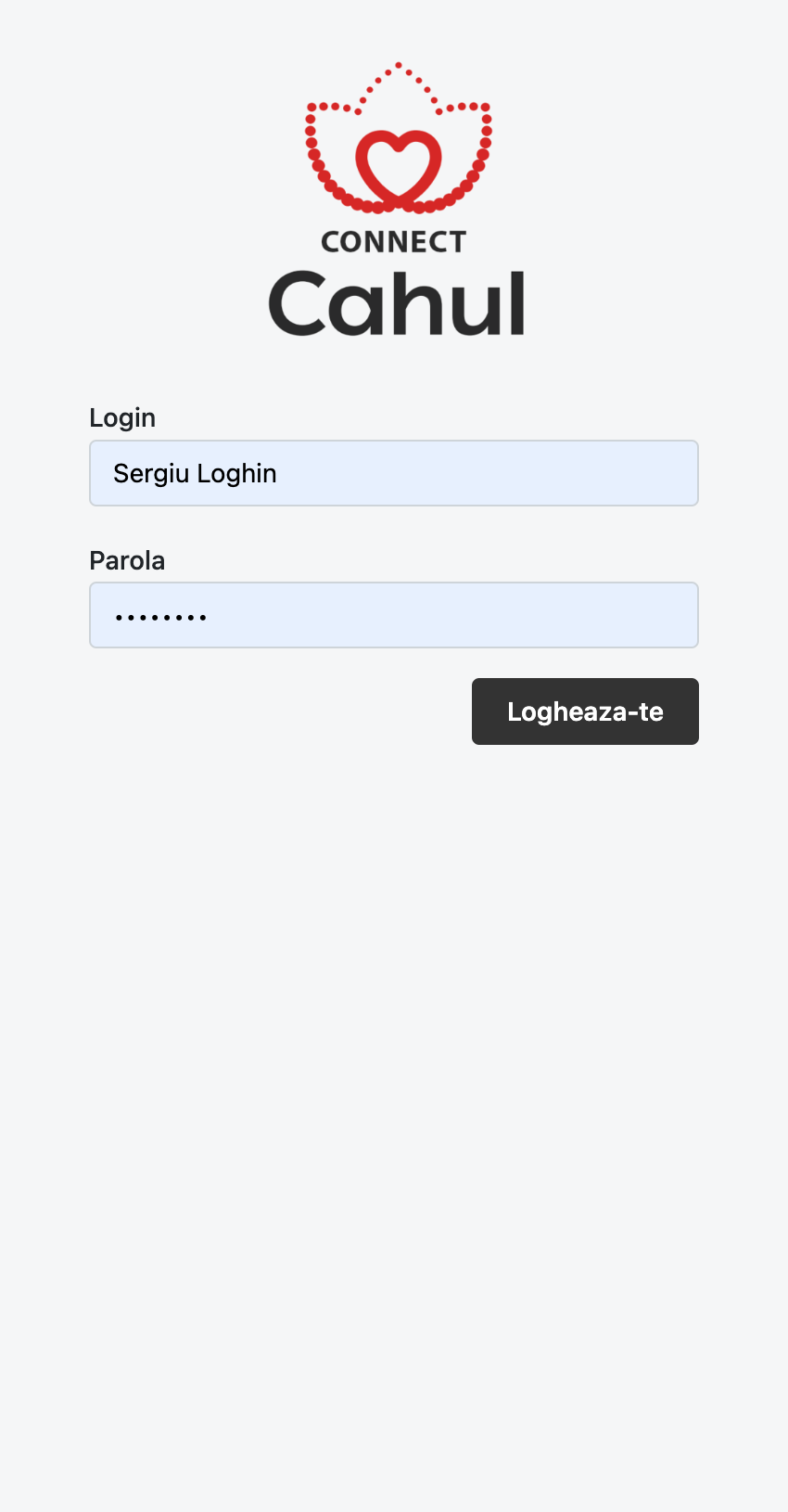
Login page.
-
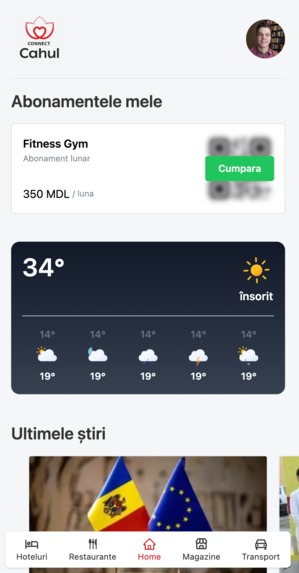
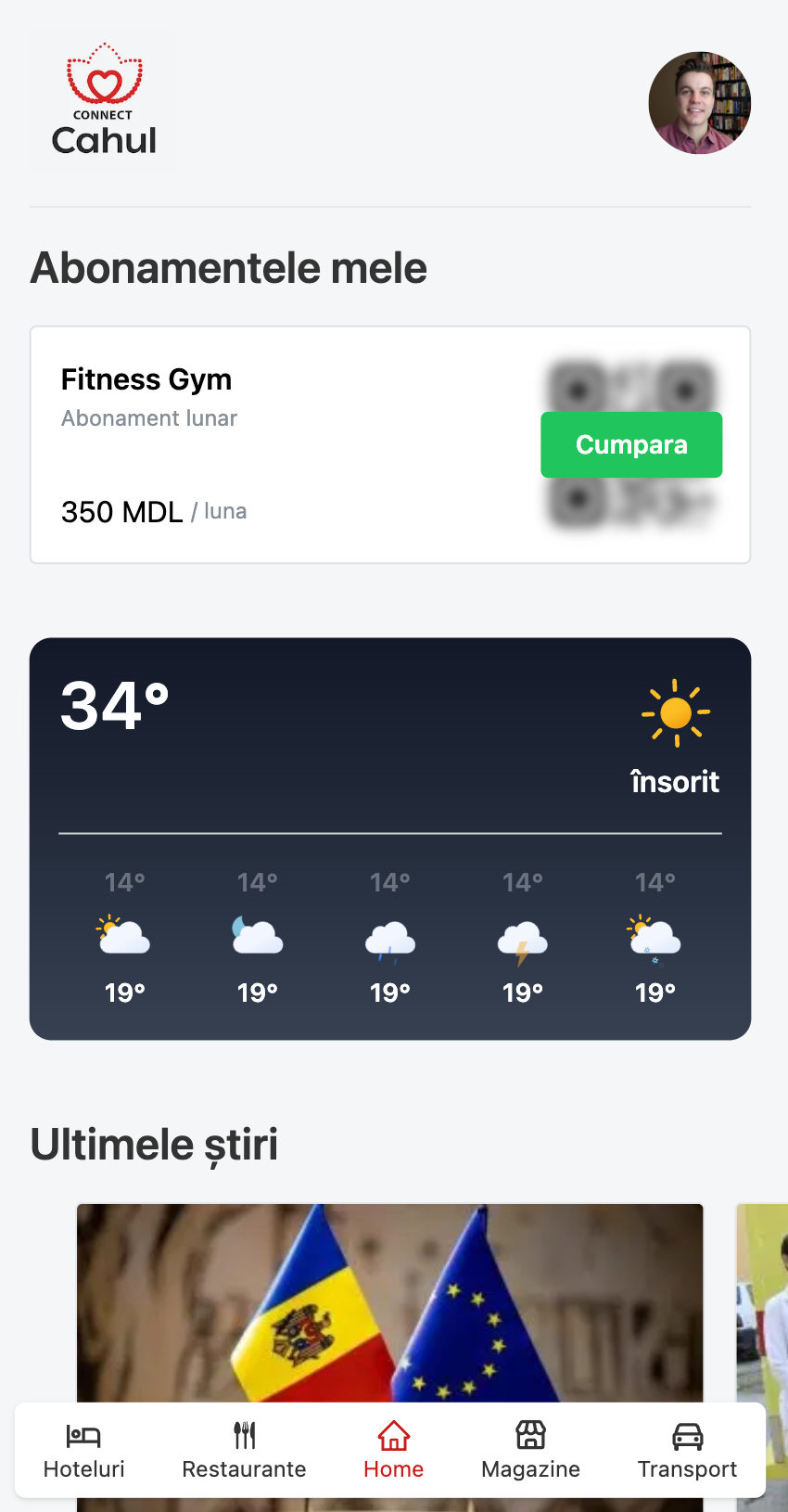
Home page view when user is logged.
-
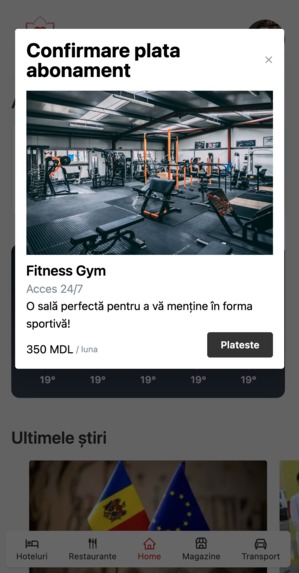
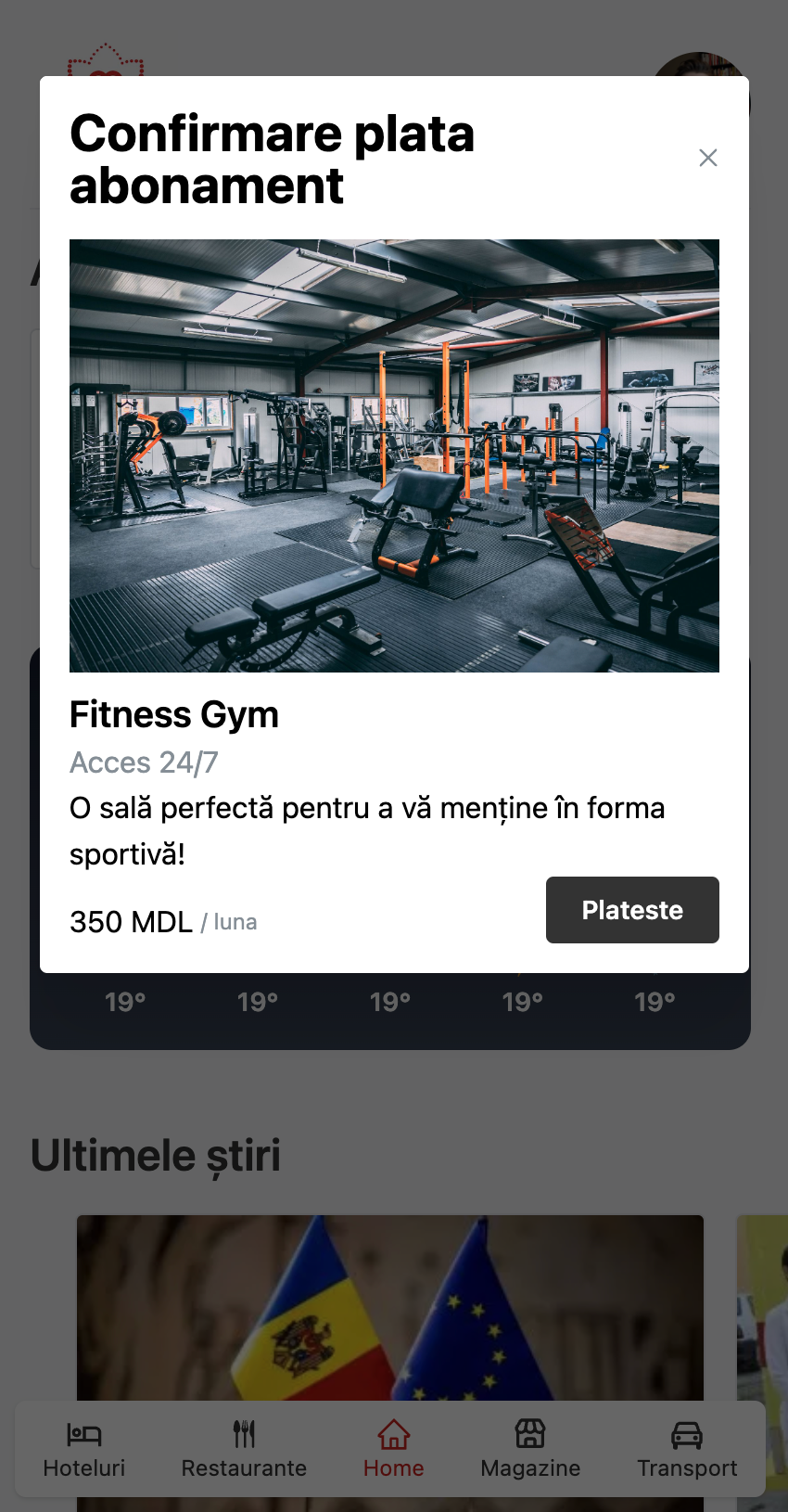
Gym membership confirmation.
-
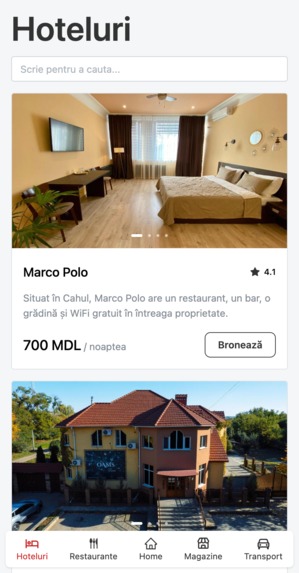
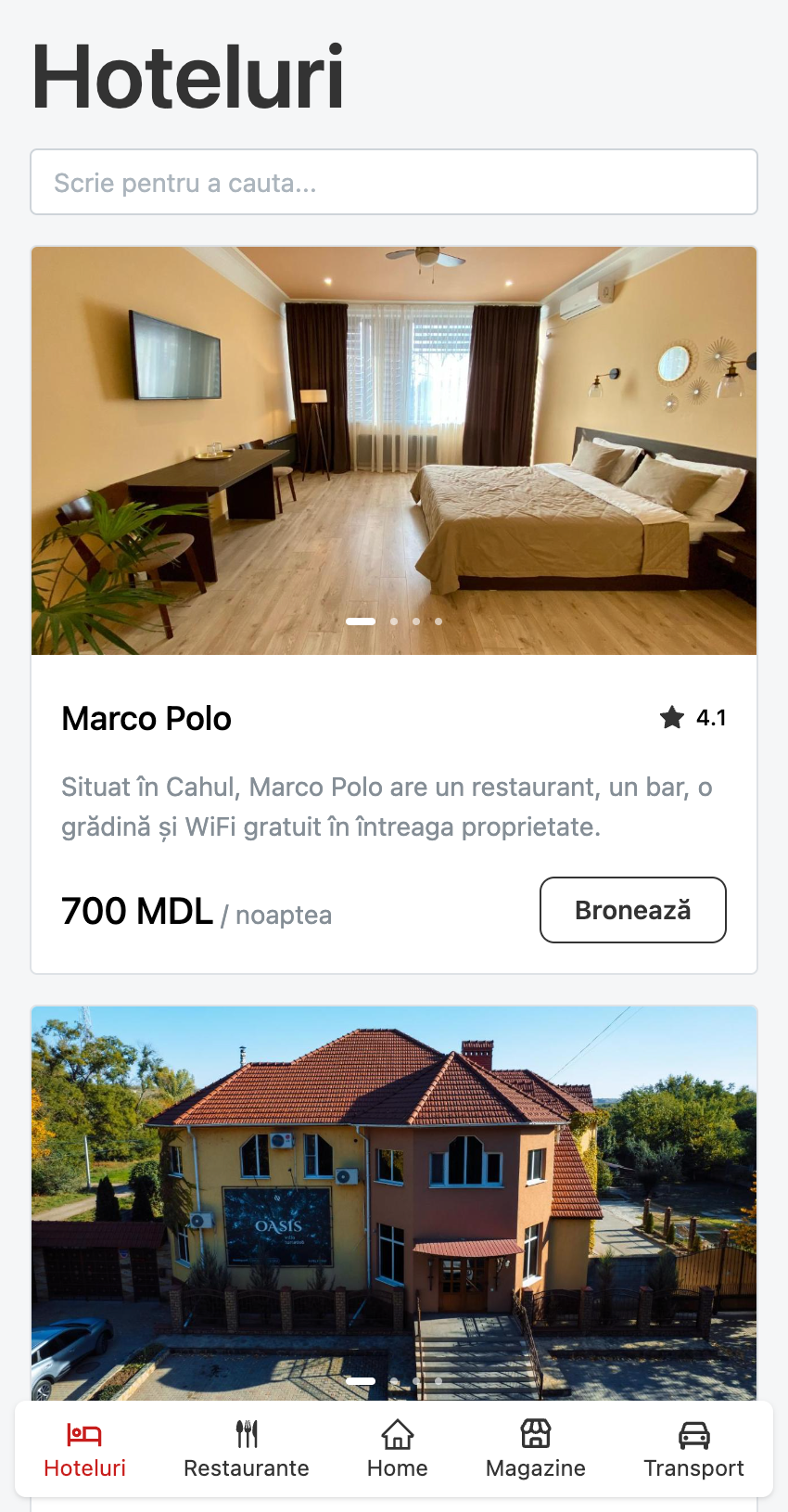
List of hotels.
-
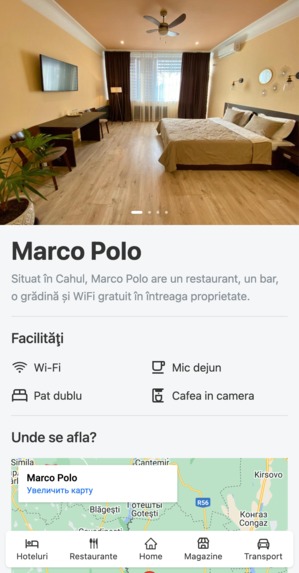
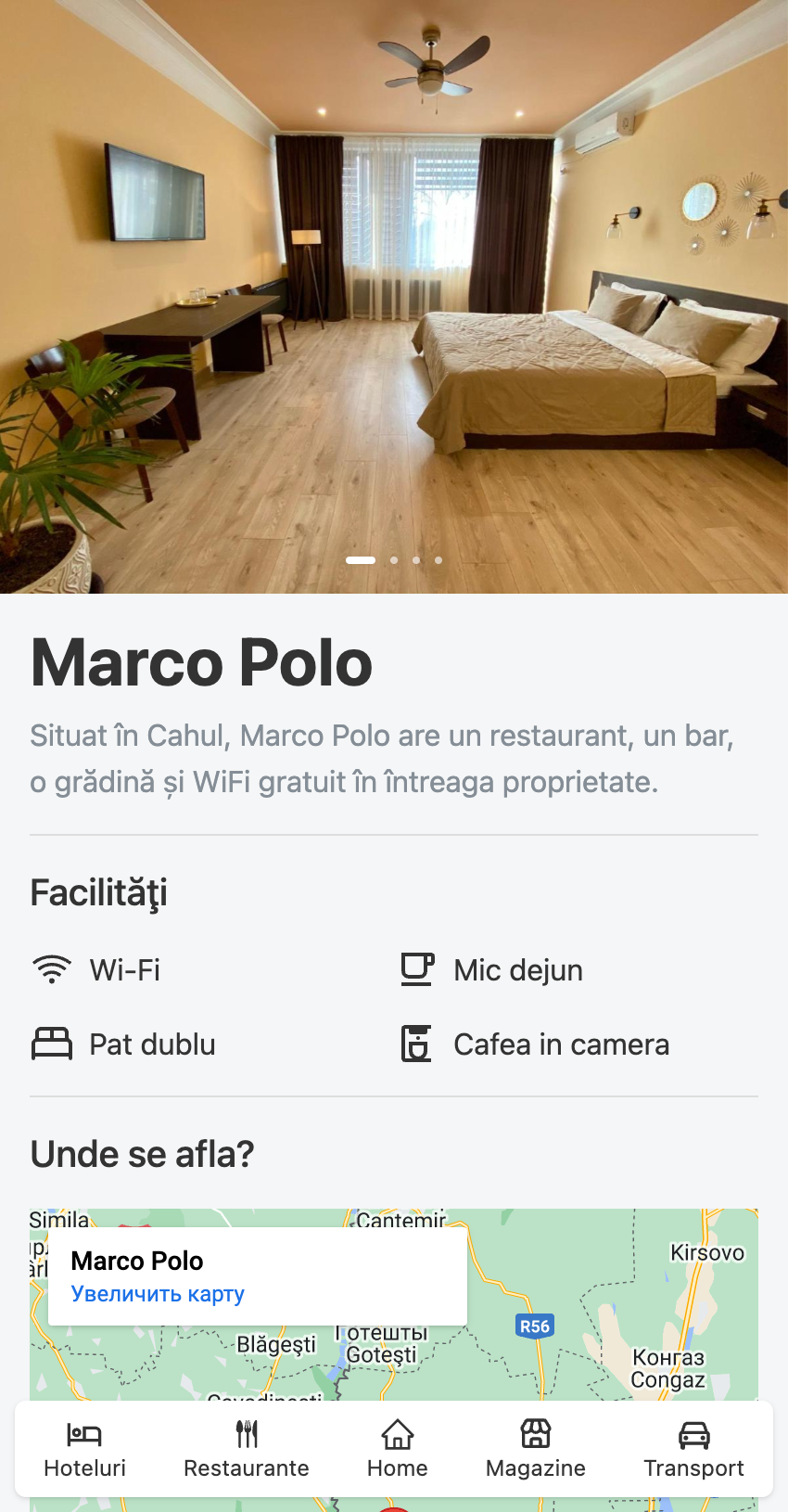
Details page of hotel.
-
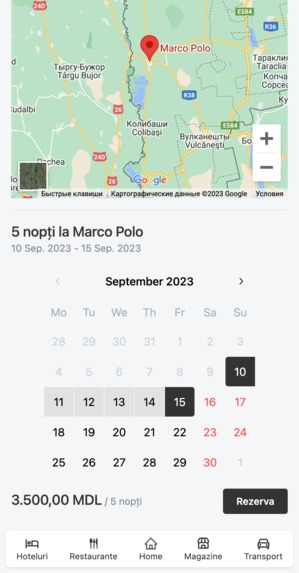
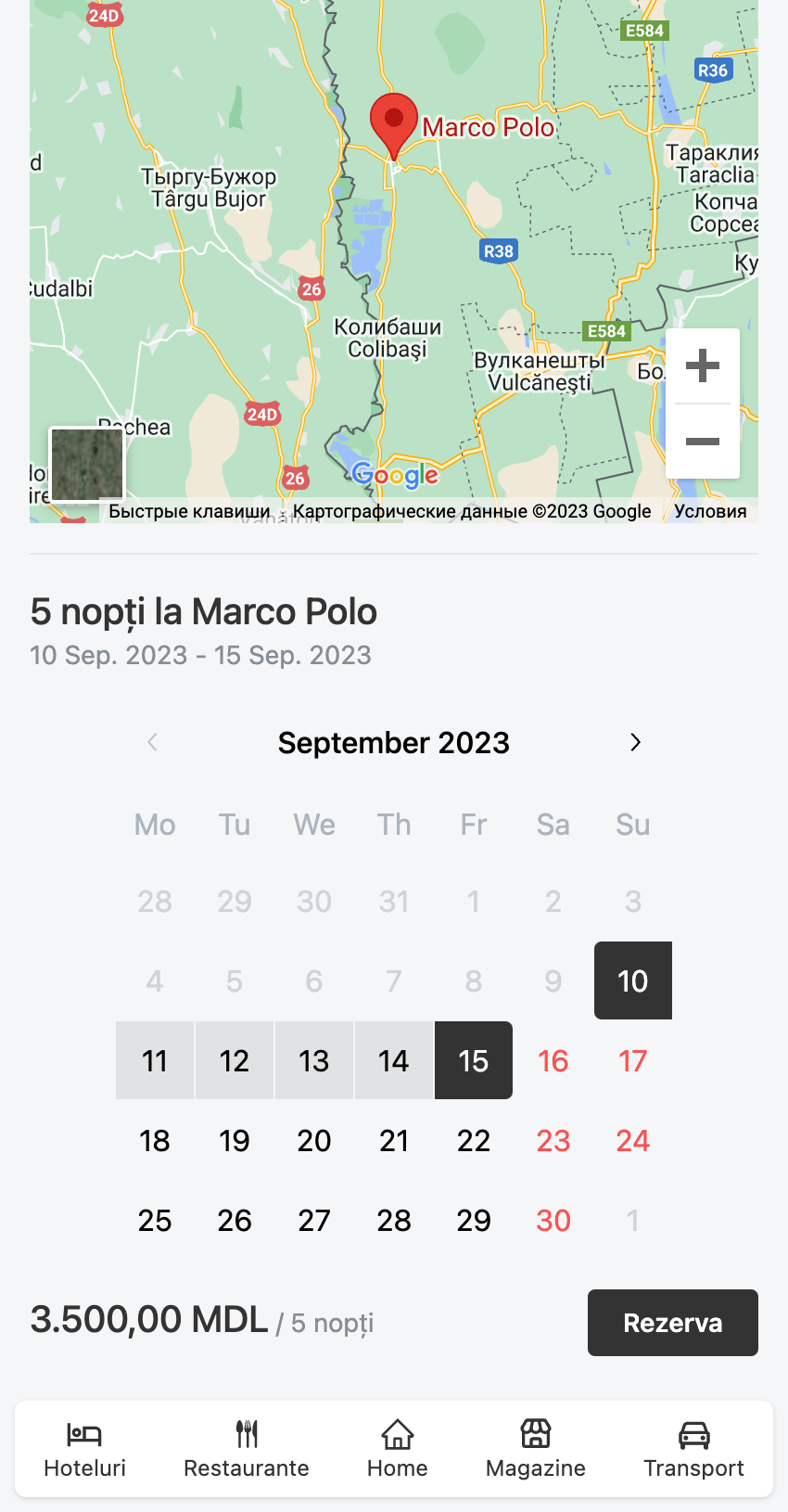
Booking of a room in hotel.
-
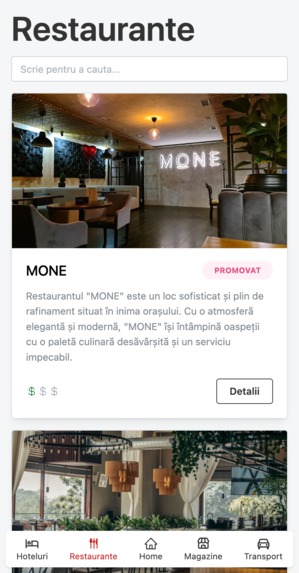
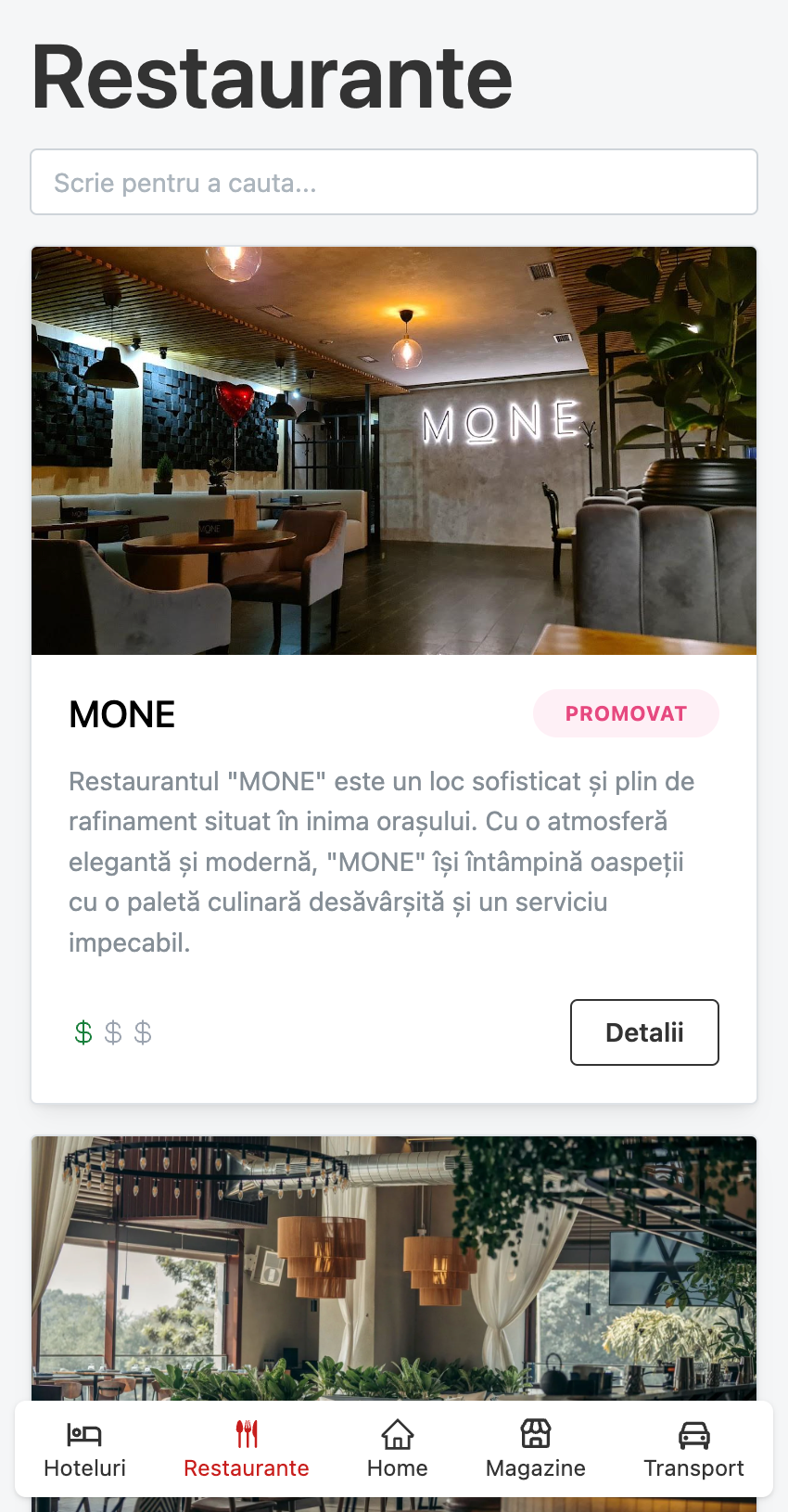
List of restaurants.
-
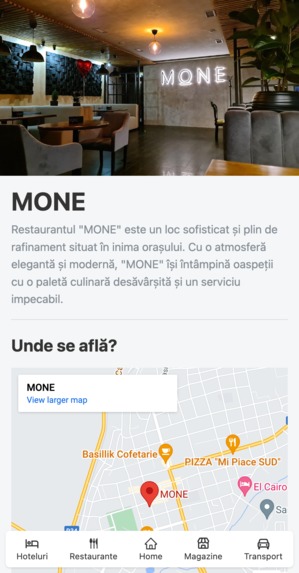
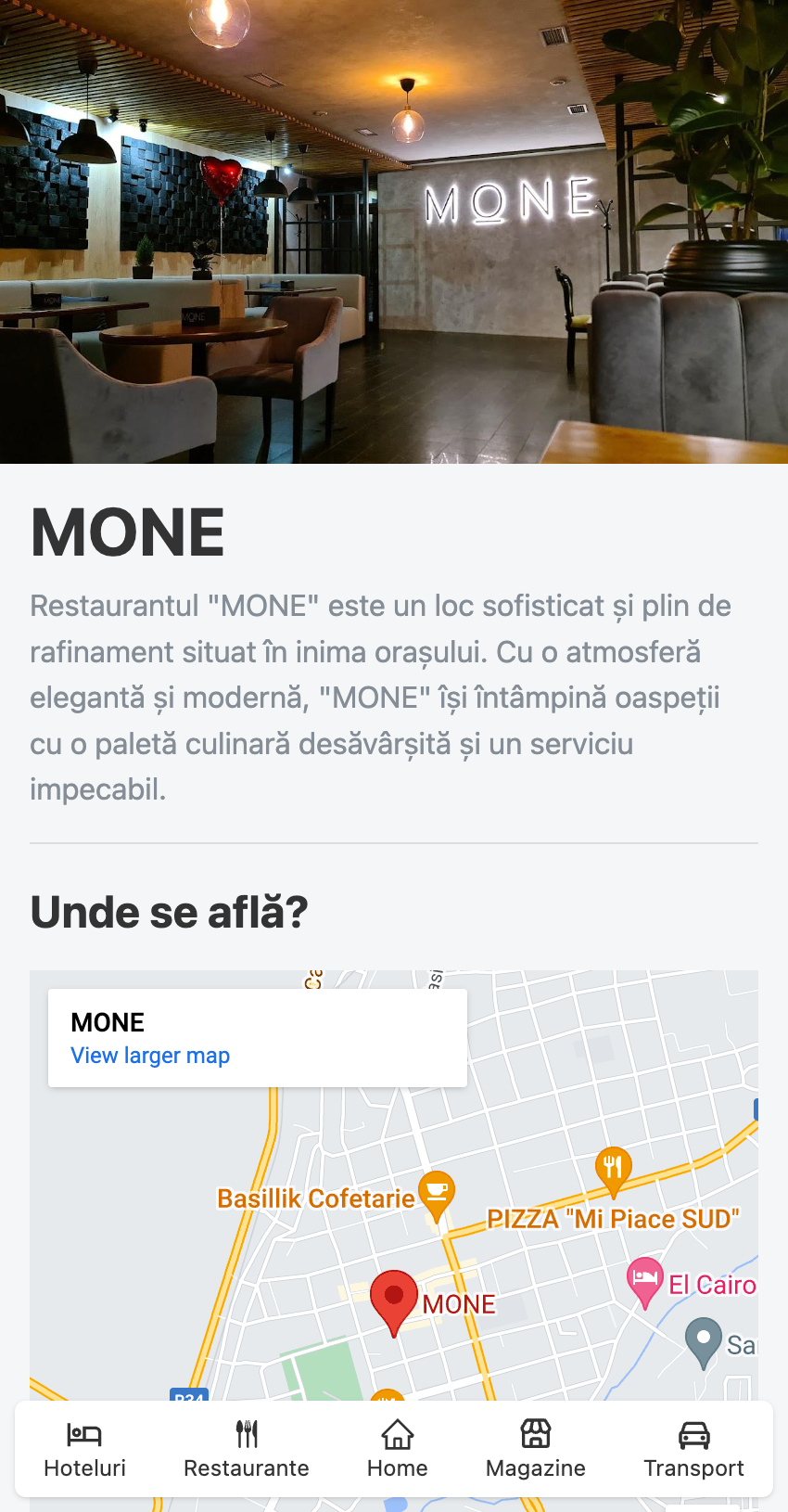
Details page of a restaurant.
-
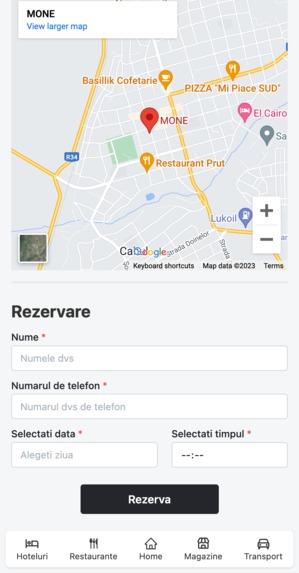
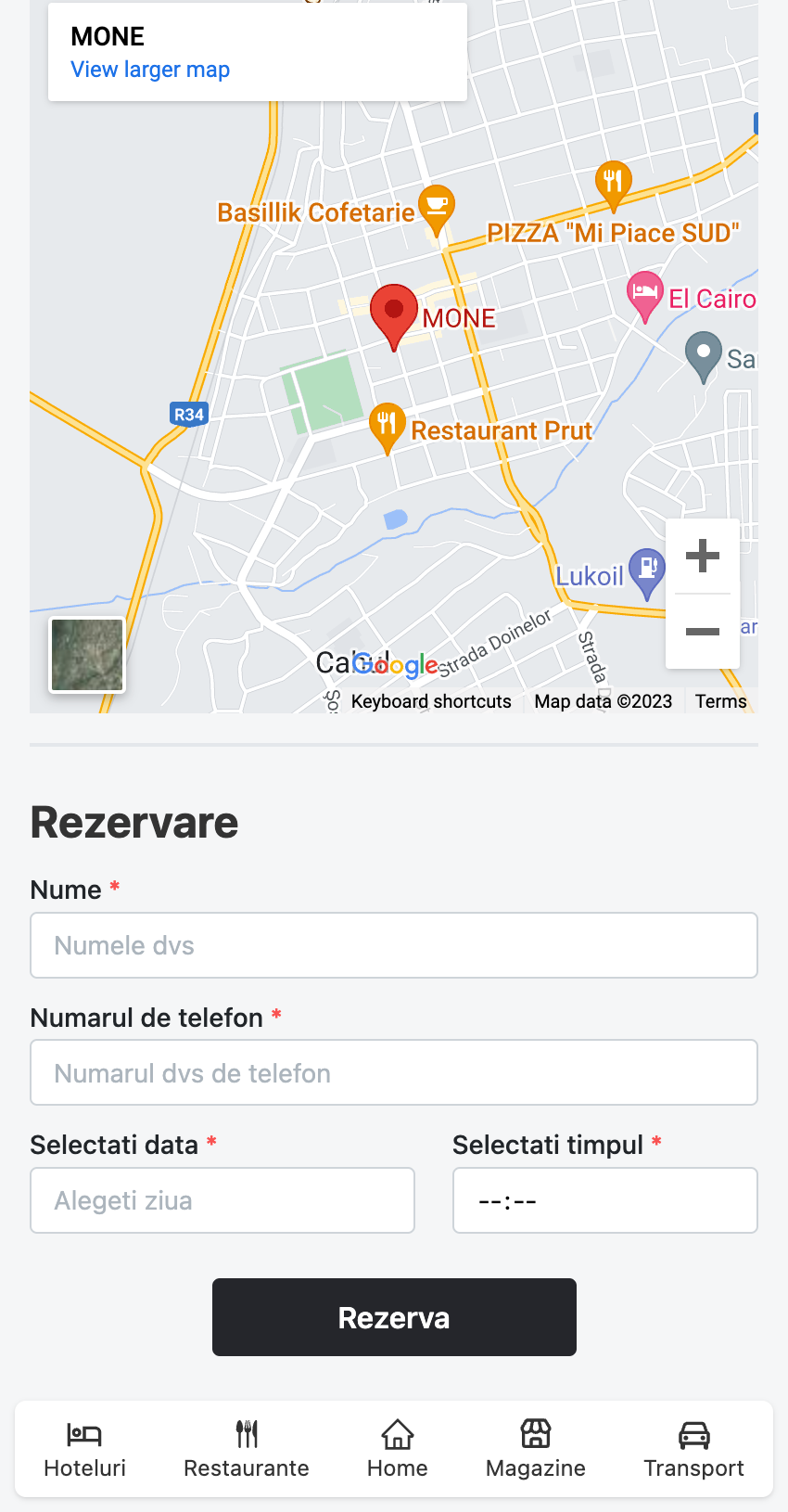
Booking of table.
-
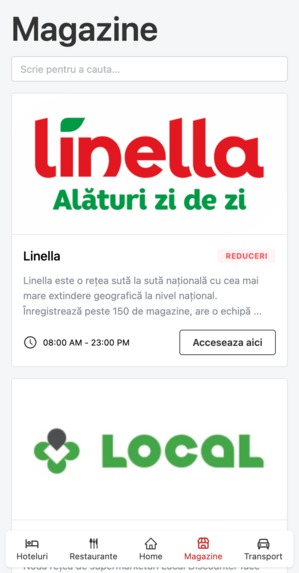
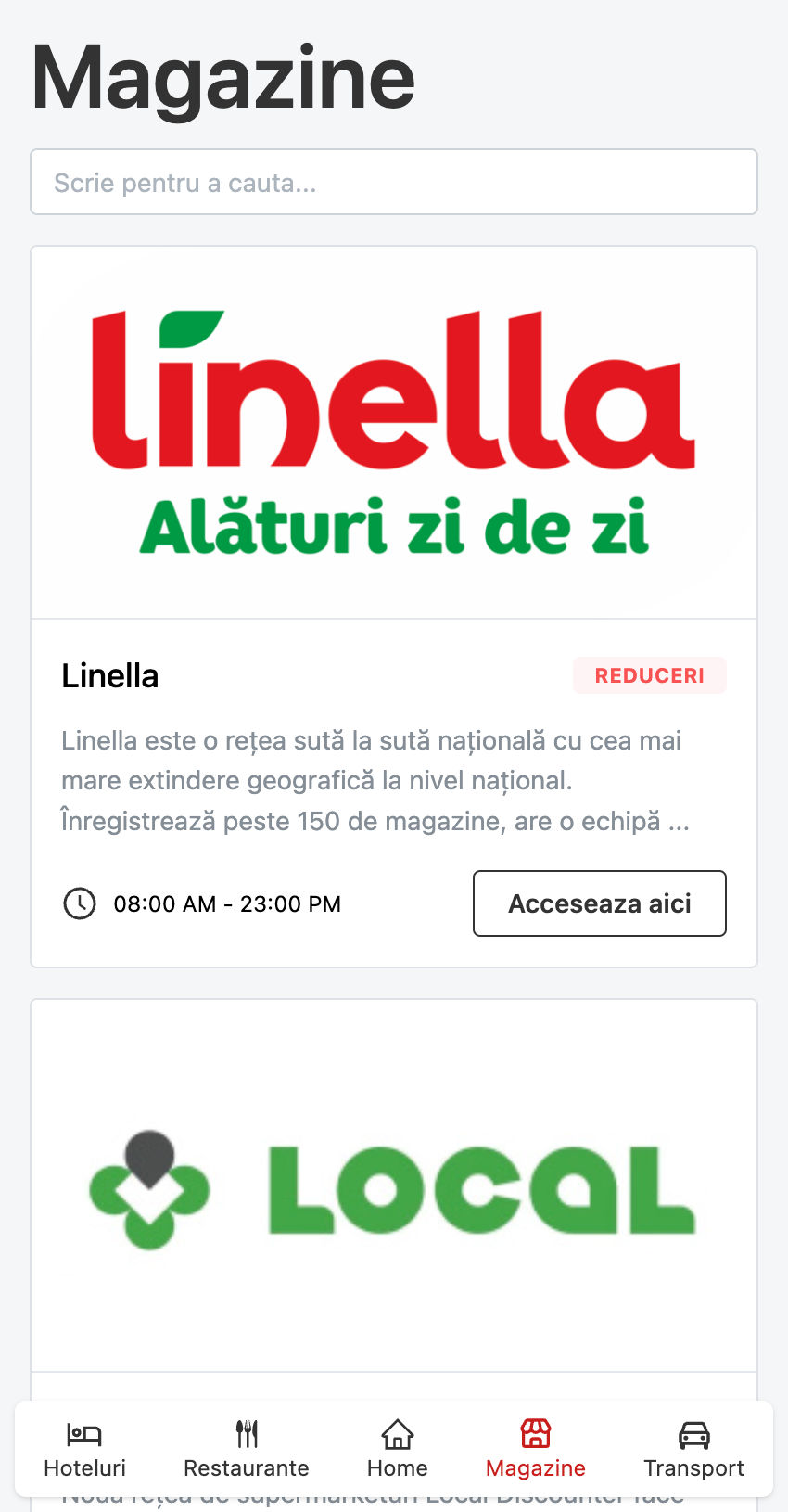
Markets list.
-
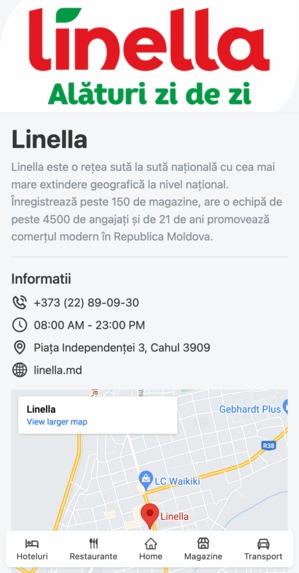
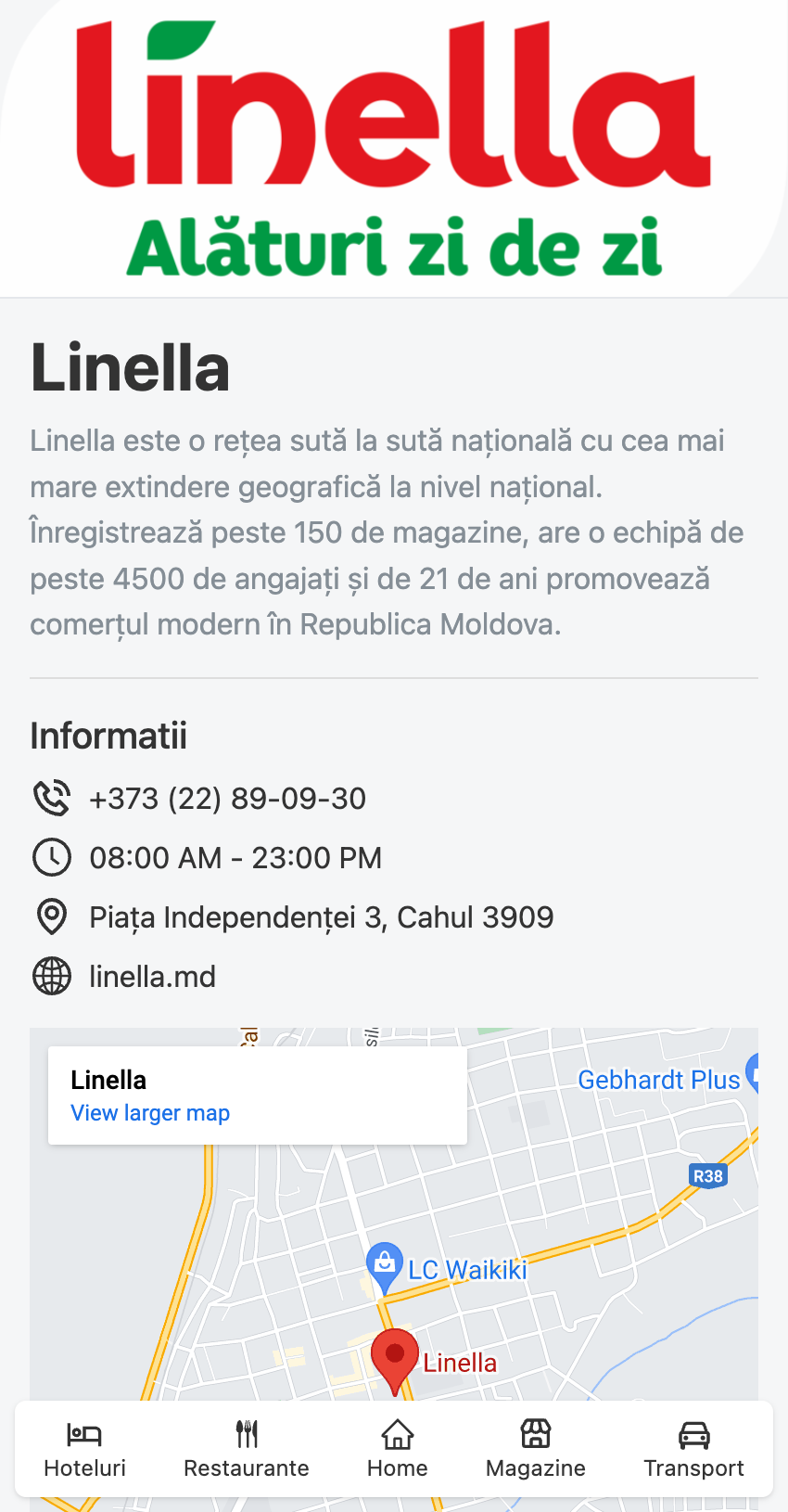
Details about market.
-
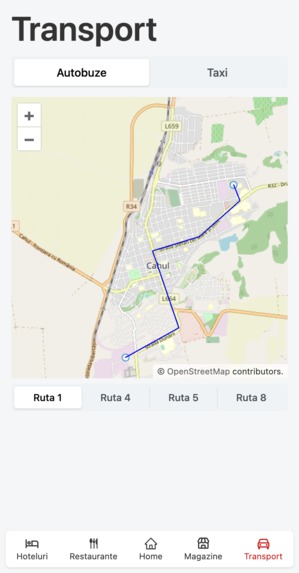
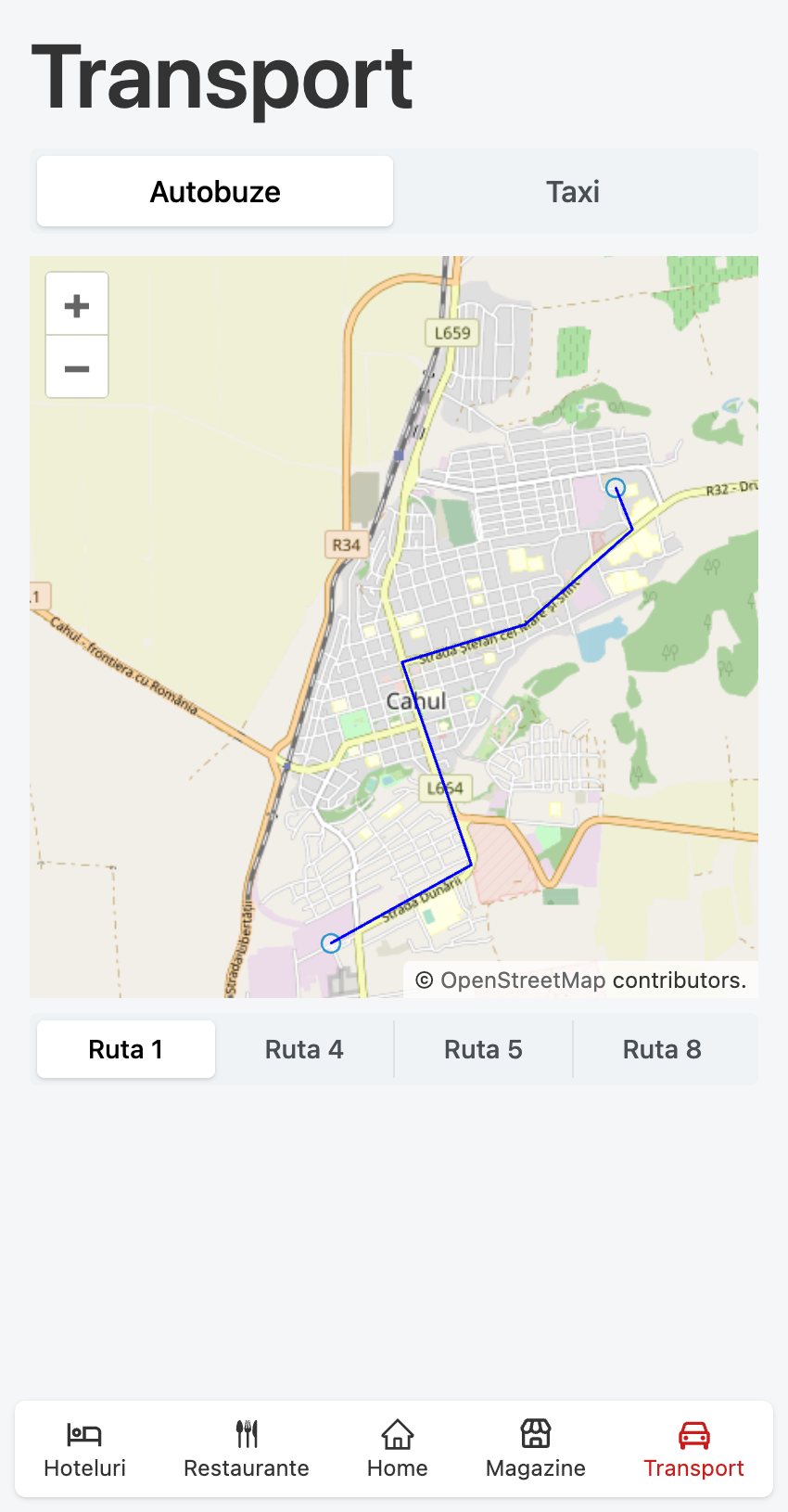
Tranport routes.
-
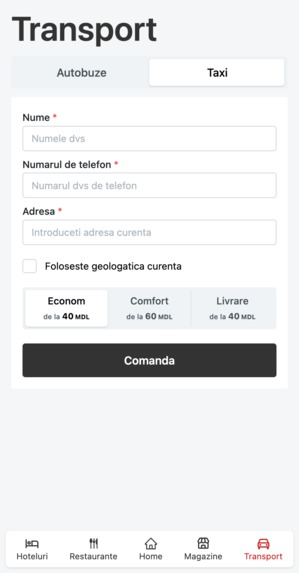
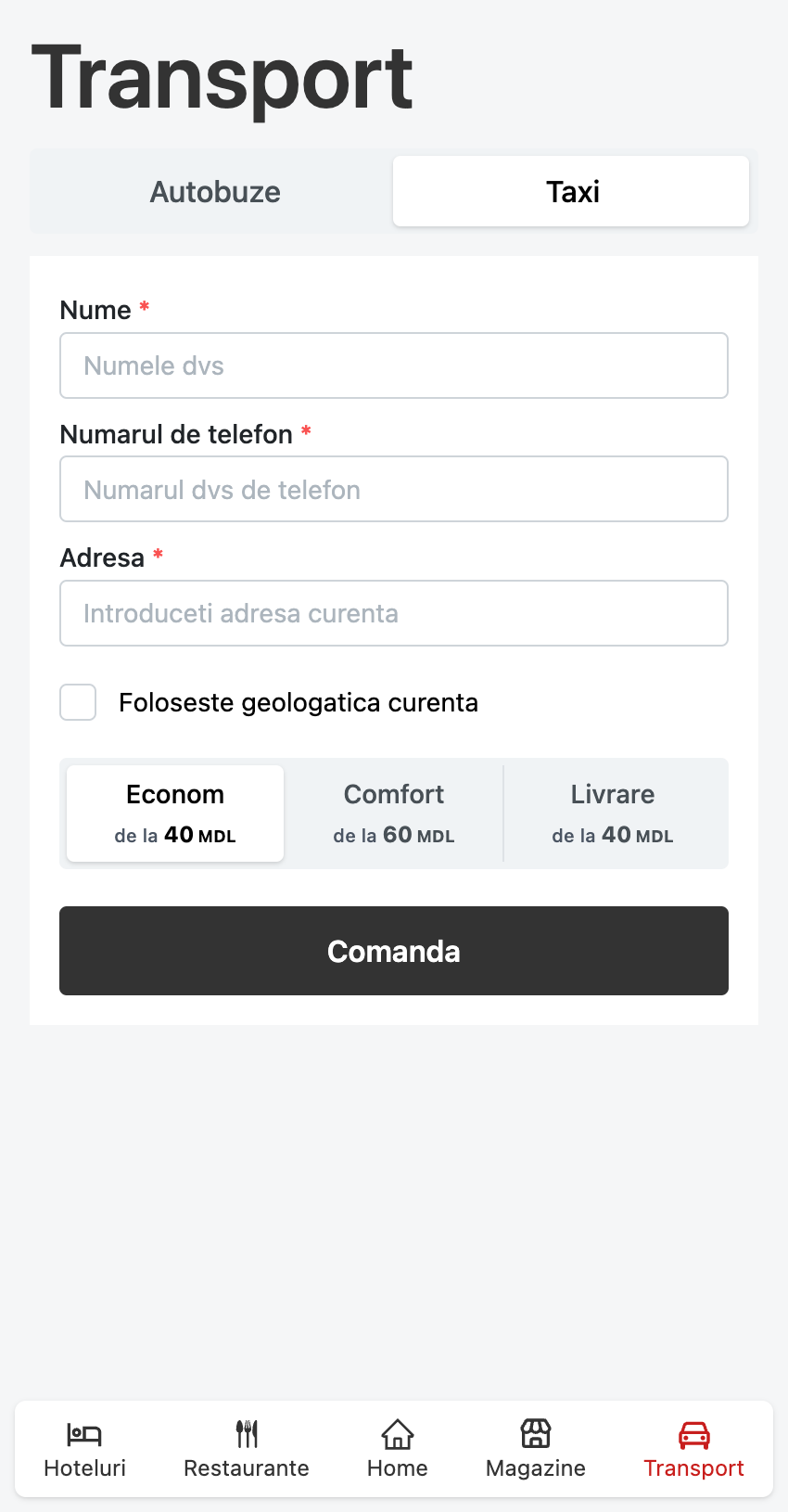
Order a taxi if you don't want to wait the bus.
Inspiration
Our inspiration for this project came from the desire to simplify and streamline various public services for our community. We observed that many people often faced challenges when trying to book a hotel, reserve a table at a restaurant, or even find essential information about local markets and transportation. These inconveniences sparked our motivation to create a digital platform that could provide easy access to these services and information, ultimately enhancing the quality of life for our fellow citizens.
What it does
Our app, designed to digitalize public services, offers a range of features and functionalities to make various aspects of daily life more convenient for users. Here's an overview of what our app does:
Hotel Booking: Users can use the app to browse and book hotel rooms. They can view detailed information about available hotels, including prices, amenities, and location, and make reservations directly through the app.
Restaurant Table Reservations: The app allows users to reserve tables at restaurants of their choice. Users can browse restaurant listings, check table availability, and book tables for their preferred date and time.
Market Information: Users can access comprehensive information about local markets. This includes details about market locations, operating hours, vendor listings, and even maps to help users navigate to their chosen markets.
Transportation Services: The app provides information about bus routes in the area, helping users plan their journeys more effectively. Users can check bus schedules, routes, and stops, making public transportation more accessible.
Taxi Booking: For those who prefer taxi services, the app offers a convenient way to book a taxi. Users can specify their pickup location, destination, and other preferences to arrange a taxi ride.
Home Page: The app features a home page that provides users with valuable information such as:
- Weather Forecast: Users can check the day's weather forecast to plan their activities accordingly.
- Latest News: Users can access the most recent news updates to stay informed about current events.
- Gym Membership Information: Information about local gyms, including membership options and contact details, is available for fitness enthusiasts.
Overall, the app serves as a one-stop platform for accessing essential public services and information, making it easier for users to plan their activities, travel, and enjoy their daily lives with convenience and efficiency.
How we built it
Our project development involved several stages:
Idea Generation: We brainstormed ideas and identified the specific public services that we could digitize to make a meaningful impact on our community.
Market Research: We conducted surveys and interviews to gather insights from potential users. This helped us refine our concept and understand the most pressing needs.
Prototyping: We created wireframes and prototypes of the app's interface to visualize its design and functionality.
Development: Our development team worked on coding the app, implementing features such as hotel booking, restaurant reservations, market information, transportation details, taxi services, and a home page with weather forecasts, news updates, and gym membership information.
Testing: Rigorous testing was essential to ensure the app's stability and functionality. We fixed bugs and made improvements based on user feedback.
Launch: We launched the app in stages, starting with a soft launch to gather more user feedback and make any necessary adjustments before a wider release.
Marketing: We employed various marketing strategies to promote the app, including social media campaigns, partnerships with local businesses, and word-of-mouth marketing within our community.
Challenges we ran into
While building our project, we encountered several challenges:
Technical Challenges: Developing a feature-rich app that seamlessly integrated with multiple services required overcoming technical hurdles.
Data Accuracy: Ensuring that the information about markets, bus routes, and other public services was accurate and up-to-date proved to be challenging.
Competition: We faced competition from existing apps and services in the market, which required us to differentiate ourselves and provide unique value.
User Adoption: Convincing users to switch from traditional methods to our app was a significant challenge, as people are often resistant to change.
Legal and Regulatory Compliance: Adhering to local regulations for services like taxi booking and restaurant reservations was complex and time-consuming.
Despite these challenges, our dedication to improving the lives of our community members kept us motivated. We continue to iterate on our app, taking user feedback into account and exploring opportunities for expansion and improvement.
Our journey to digitize public services has been both rewarding and enlightening. We've learned that innovation and persistence are essential in addressing real-world problems and making a positive impact on society.
What we learned
Throughout the development of our app, we gained valuable insights into various aspects of software development, entrepreneurship, and problem-solving. Here are some of the key lessons we learned:
User-Centered Design: We discovered the importance of placing the user at the center of our design process. Understanding their needs, preferences, and pain points allowed us to create a more intuitive and user-friendly application.
Technology Stack: Building our app taught us the significance of choosing the right technology stack. We had to evaluate different frameworks and tools to ensure our app could deliver the desired functionalities efficiently.
Market Research: Conducting thorough market research was essential. We needed to understand our target audience, their behaviors, and their expectations to tailor our app accordingly.
Scaling Challenges: As our user base grew, we encountered scalability challenges. Learning to optimize our app's performance and infrastructure was a crucial part of our journey.
Regulatory Compliance: Dealing with public services meant that we had to navigate various legal and regulatory requirements. Complying with these rules while providing a seamless user experience was a significant challenge.
What's next for CahulConnect
The future of the app holds exciting opportunities for growth and enhancement. Here are some potential next steps and future plans for the app:
Expansion to New Locations: Consider expanding the app's coverage to include more cities and regions, allowing users in different areas to benefit from its services. This expansion can help reach a wider audience and make the app more versatile.
Enhanced User Experience: Continuously focus on improving the user interface and user experience. Gather user feedback and conduct usability studies to identify pain points and areas for improvement. Make the app even more intuitive and user-friendly.
Integration of Additional Services: Explore opportunities to integrate more public services and conveniences into the app. This might include services like public transportation ticketing, event ticket booking, or even government services such as license renewals or permit applications.
Personalization: Implement personalization features to tailor the app's content and recommendations to individual user preferences. This can improve user engagement and satisfaction.
Mobile Payments: Introduce secure mobile payment options within the app, allowing users to pay for services like hotel bookings, restaurant reservations, and taxi rides directly through the platform.
Community Engagement: Foster community engagement by allowing users to leave reviews, ratings, and comments about the services they've used. This can help build trust and provide valuable information to others.
Partnerships: Explore partnerships with local businesses and service providers to offer exclusive discounts, promotions, or bundled services through the app. These partnerships can benefit both users and businesses.
Data Analytics: Utilize data analytics to gain insights into user behavior, preferences, and trends. This data can inform decision-making, allowing you to refine the app's offerings and marketing strategies.
Marketing and Outreach: Continue marketing efforts to increase app adoption and awareness. Utilize social media, targeted advertising, and community events to promote the app.
Regulatory Compliance: Stay up-to-date with changing regulations and compliance requirements, especially in industries like transportation and hospitality. Ensure that the app remains compliant with local laws and regulations.
Sustainability Initiatives: Consider incorporating sustainability features, such as information about eco-friendly transportation options or promoting businesses that prioritize sustainable practices.
AI and Automation: Explore the use of AI and automation to provide more personalized recommendations and streamline processes within the app.
User Support and Assistance: Offer robust customer support channels to assist users with any issues or questions they may have while using the app.
Remember that the app's success will depend on ongoing innovation, responsiveness to user needs, and adaptability to changing market conditions. Regularly review and adjust your roadmap to align with the evolving landscape of public services and user expectations.
Built With
- css
- html
- javascript
- nextjs
- pwa
- react
- typescript
