-
-
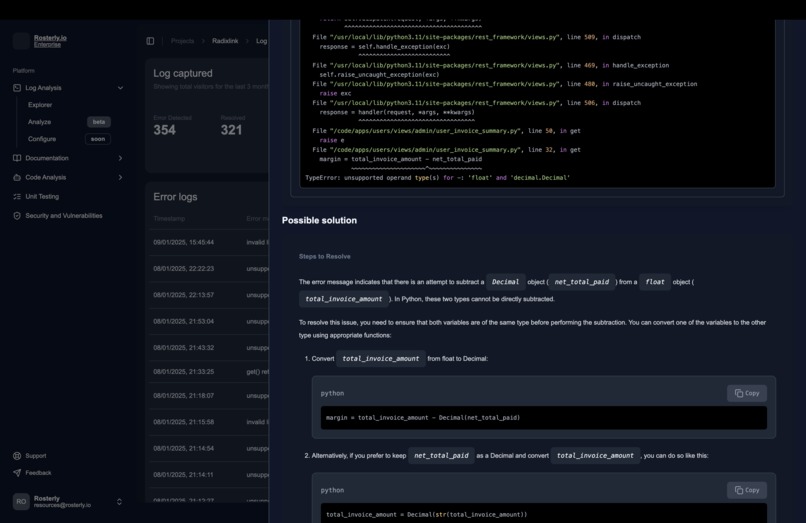
Cadmium showing resolved error
Project Story: Cadmium
TL;DR
Cadmium grew from a simple idea: debugging shouldn't be so painful. It's built by developers who've felt the frustration firsthand, and we're proud of how it's helping teams spend less time debugging and more time building what matters. We're excited to keep improving it based on real feedback from developers using it in the trenches.
About the Project
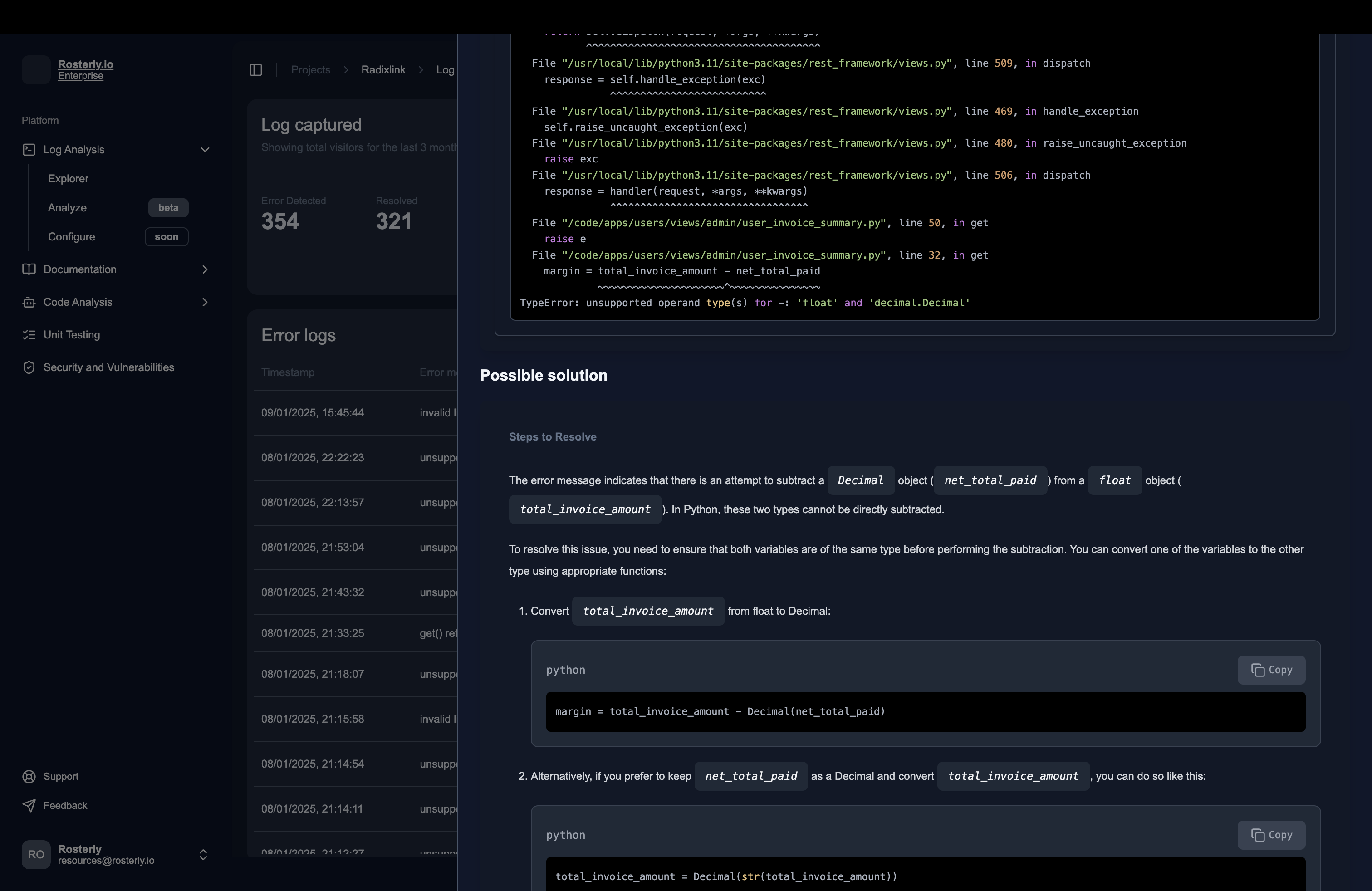
Every developer knows the frustration of debugging – those long hours staring at cryptic error messages, trying to track down where things went wrong. We built Cadmium because we lived this pain daily. It's a desktop app that makes debugging less of a headache by connecting the dots between error logs and their root causes in your code. Think of it as the debugging companion we always wished we had.
What Inspired Us
The idea for Cadmium came from our own late-night debugging sessions. We'd spend hours, sometimes days, hunting down issues in complex codebases. Coffee cups would pile up as we traced through logs, jumped between files, and tried to piece together what happened. We wanted to build something that would make this process less painful – not just for ourselves, but for every developer who's been there.
What We Learned
Building Cadmium taught us more than we expected:
- We discovered clever ways to visualize how different parts of a codebase connect, making it easier to follow the trail of an error.
- Our team got better at understanding how developers actually debug in the real world, which helped us build features that truly matter.
- We learned that processing huge codebases requires some creative thinking – like keeping things in memory before writing to disk.
- Most importantly, we saw how crucial it is to have designers, engineers, and researchers working closely together to solve complex problems.
How We Built It
We approached Cadmium's development step by step:
- First, we created tools to understand and map out how different parts of a codebase connect to each other.
- We developed smart error analysis that learns from real-world examples to give helpful, practical suggestions.
- We made Cadmium a standalone app that runs on your computer – no need to send your code anywhere.
- We focused on making the interface clean and intuitive, so you're not fighting with the tool while debugging.
- We optimized everything to handle large projects smoothly, because the last thing you need is more waiting when debugging.
Challenges We Faced
The road wasn't always smooth:
- Our early versions would grind to a halt with larger codebases – we had to rebuild parts of it several times to get the speed right.
- Real-world code is messy, with unexpected structures and patterns we hadn't planned for.
- We constantly debated how to keep the tool powerful without making it overwhelming to use.
Future Plans: Society of Intelligent Agents
Cadmium is just the beginning of what we envision. The next step in our journey is to transform it into a Society of Intelligent Agents. Here's what we mean:
- Collaborative AI Agents: We plan to integrate multiple specialized AI agents that work together to tackle different aspects of debugging. For example, one agent could focus on analyzing logs, another on mapping the codebase, and a third on suggesting fixes.
- Agent Communication: These agents will communicate and collaborate, sharing insights to provide developers with a comprehensive understanding of errors and potential solutions.
- Customizable Workflows: Developers will be able to configure agents to suit their workflows, making Cadmium even more adaptive to individual and team needs.
- Expanding Beyond Debugging: We aim to extend this framework to other areas of software development, like optimization, code review, and deployment.
Our vision is to create an ecosystem where intelligent agents work together, seamlessly assisting developers in every aspect of their work. We believe this approach can redefine not just debugging, but how we think about software development as a whole.


Log in or sign up for Devpost to join the conversation.