-
-
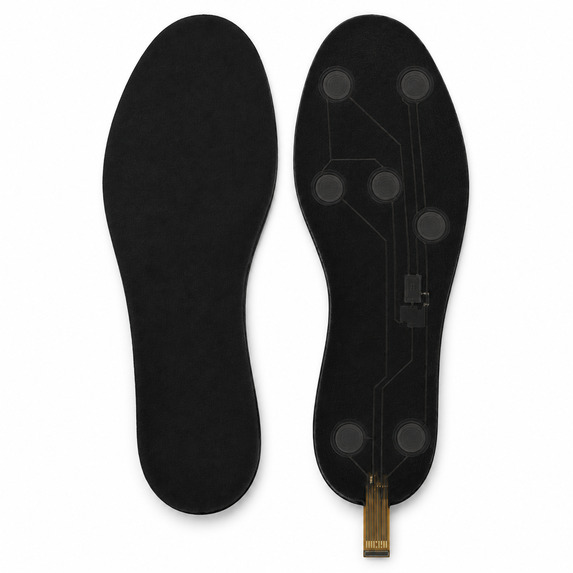
Cadence insoles
I run varsity cross country at Strake Jesuit in Houston, and earlier this season, my teammate and friend Alex got an ankle stress fracture, and he didn't know until it hurt too bad to walk.
He was the #3 runner on our team and a core part of our squad, and I watched us lose one of our best runners to something nobody on the team could see.
Alex isn't rare.
Studies of high school cross country found that 34-47% of girls and 26-48% of boys get injured each season. In a study of competitive adolescent distance runners, 68% had a running-related injury, mostly overuse at the knee, foot, and lower leg. In middle school cross country, 17% of girls reported a diagnosed bone stress injury. Coaches see pace and mileage, but they can't see how each foot is hitting the ground. The early signs of an overuse injury, like a rising loading rate or one leg taking more of the load than the other, show up under the foot before they show up as pain. By the time a runner says something hurts, the injury has usually already happened.
The tools that measure foot loading weren't built for a high school team.
Consumer insoles like NURVV Run cost about $300 per runner, and NURVV died in 2023. Research insoles like loadsol are priced for labs. ARION sells to brands and elite teams, but nobody sells a low-priced kit to a high school coach working with a small budget.
That's why I'm building Cadence.
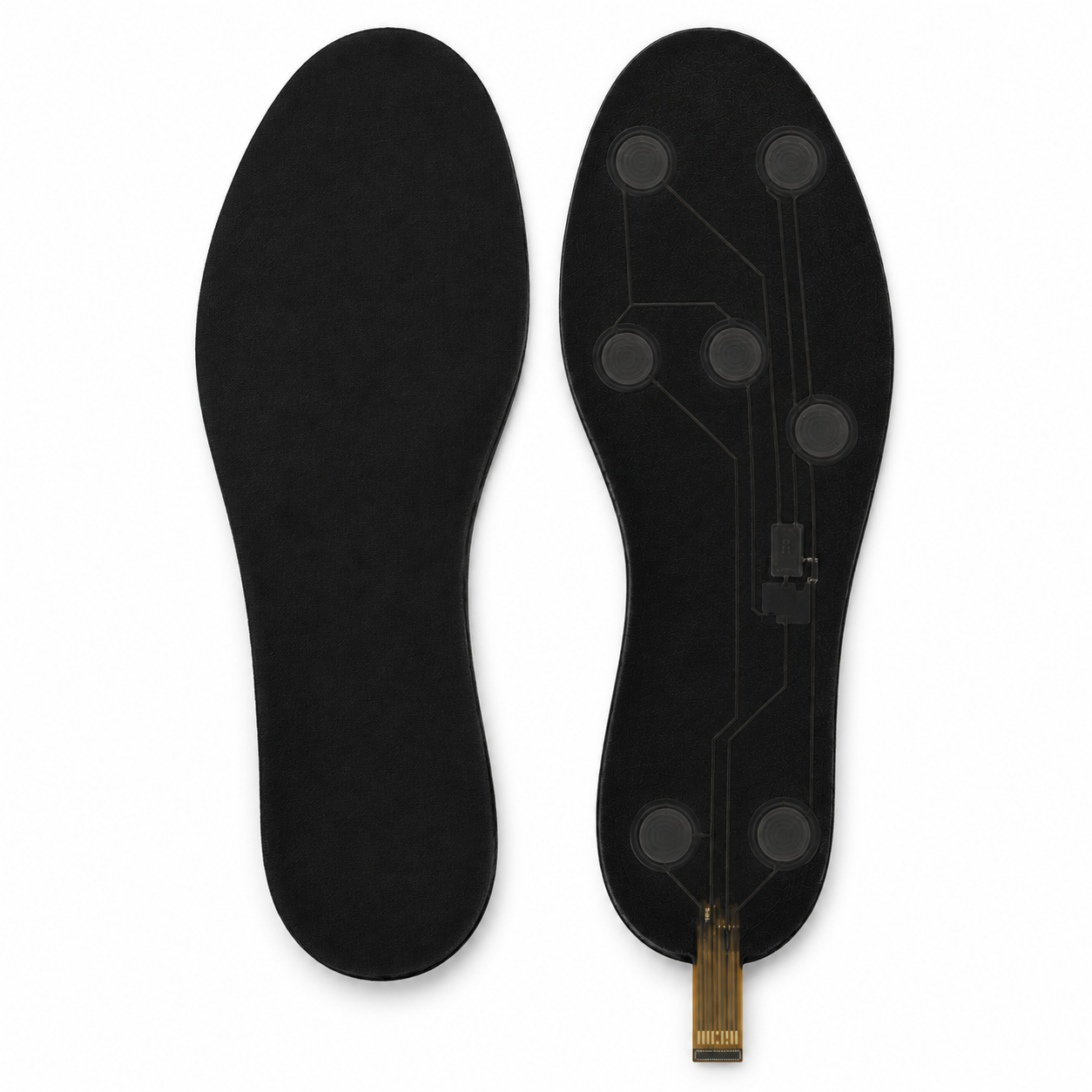
Cadence is a shared team kit: pressure-sensing insoles and a coach dashboard. Each runner does a 10-minute screening run once a week. Cadence insoles track the distribution of force across the runner's foot, then flags green, yellow, or red when injury patterns occur. AI turns those numbers into a short note a coach or athletic trainer can read and act on.
I'm building Cadence because I want the next Alex to get a red flag instead of a stress fracture.
Disclaimer: AI was used solely in the generation of some slideshow and pitch deck material. All other content is human-written.
