-
-
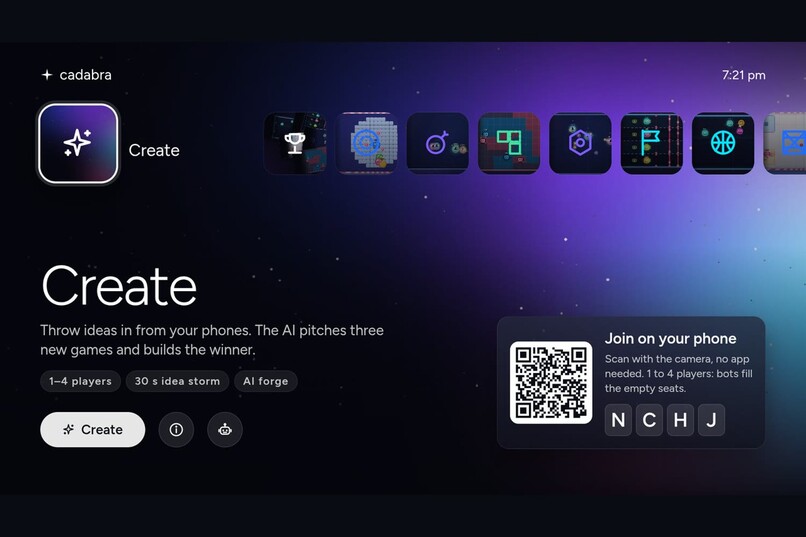
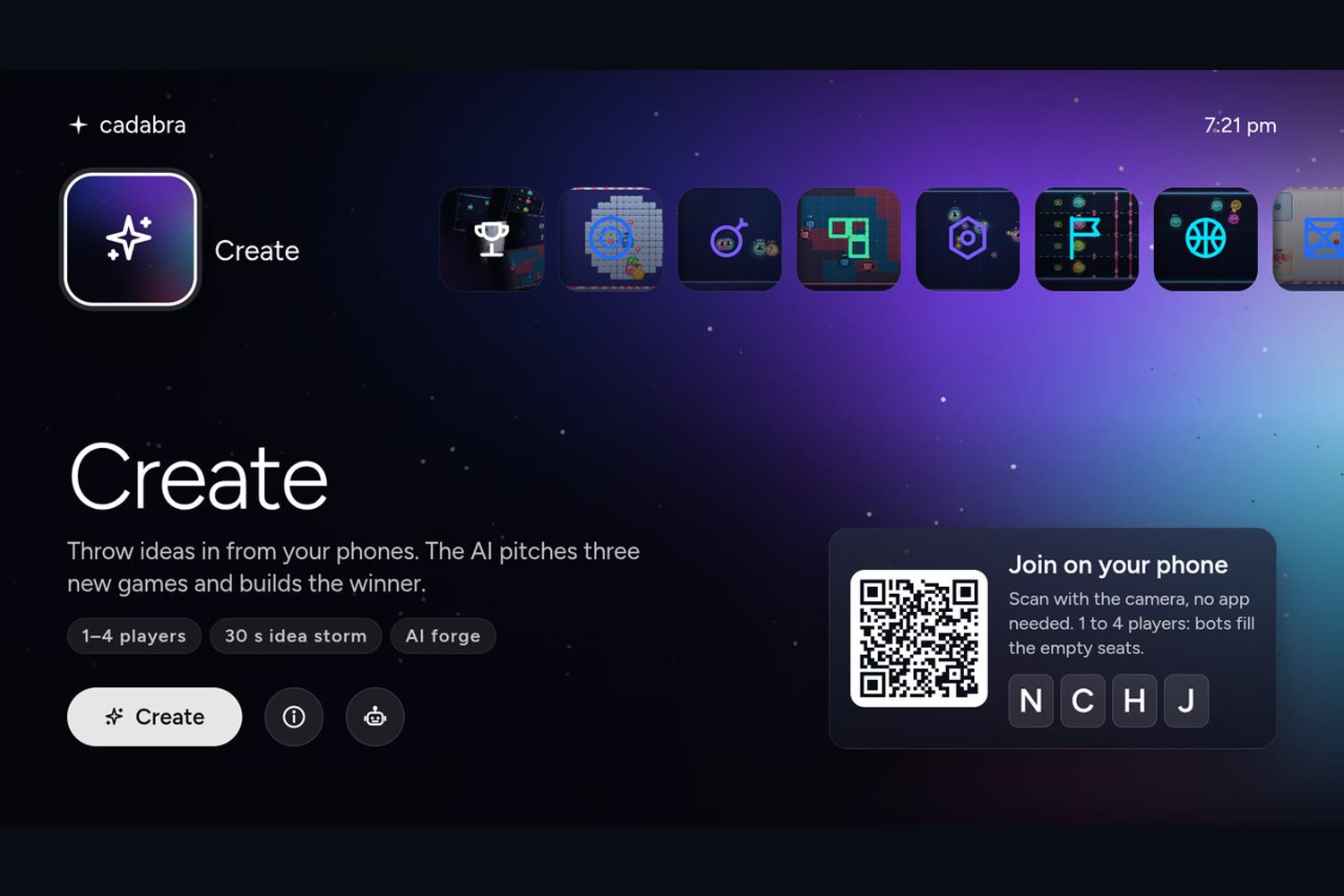
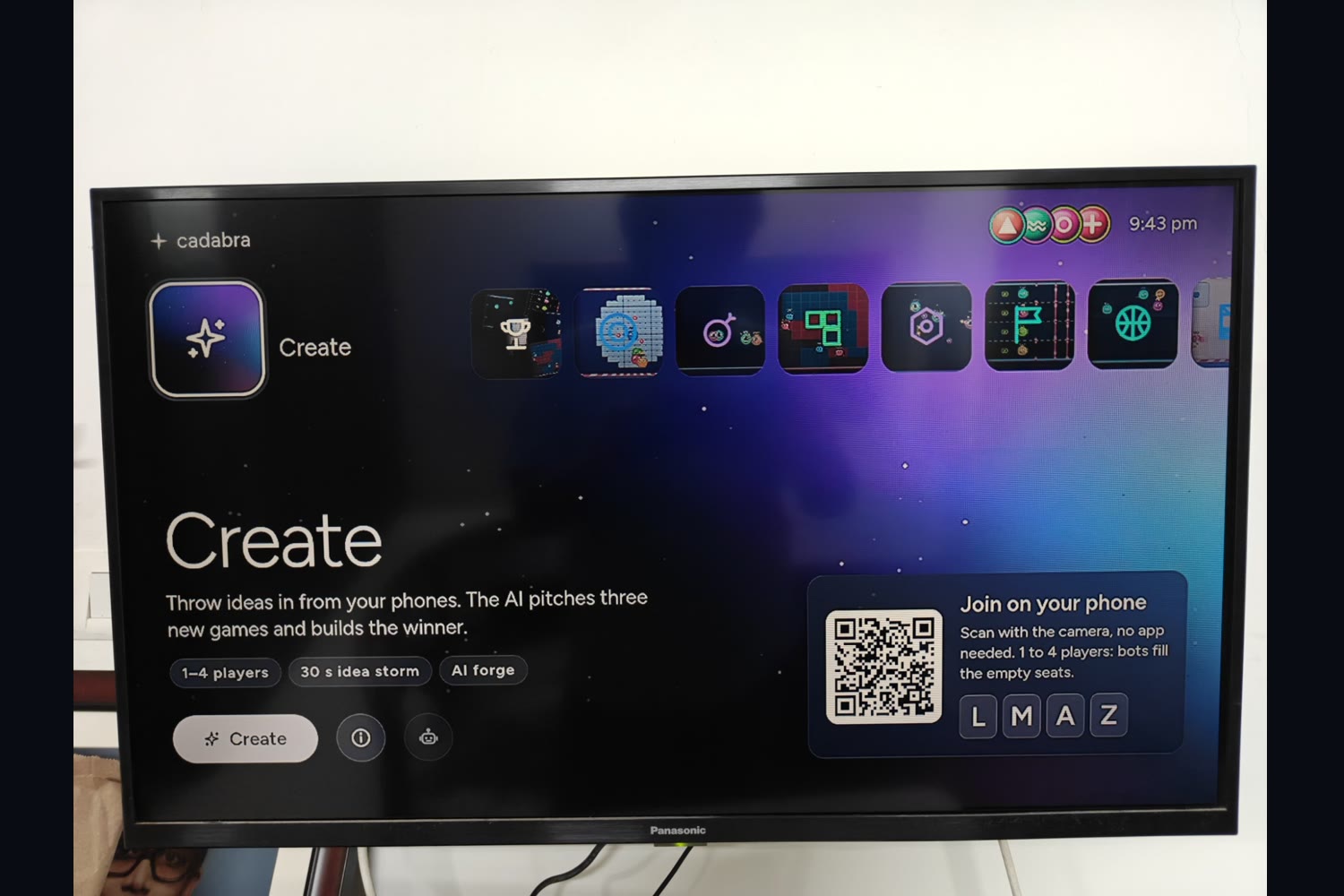
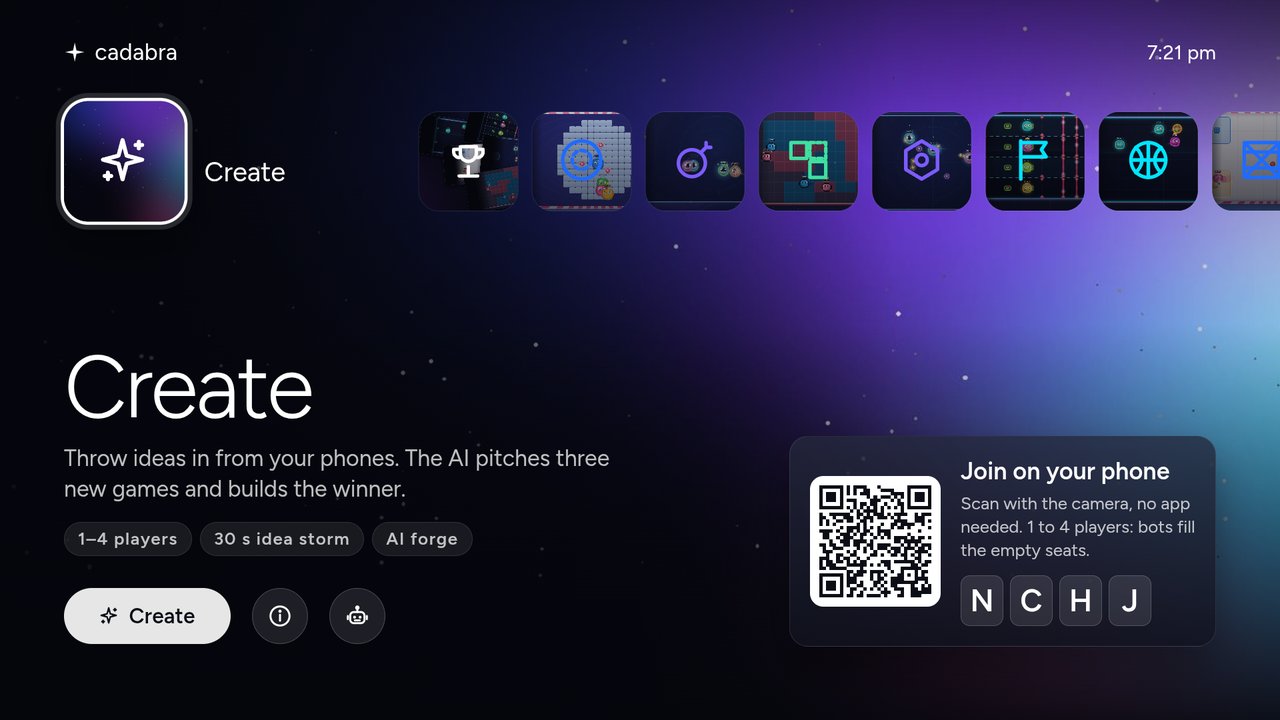
PS5-style home screen on Fire TV. Scan the QR code to join, no app needed, 1–4 players.
-
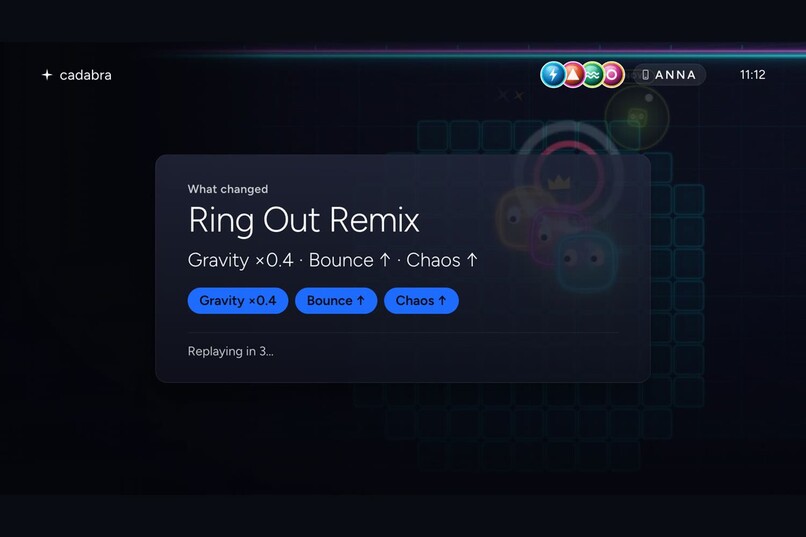
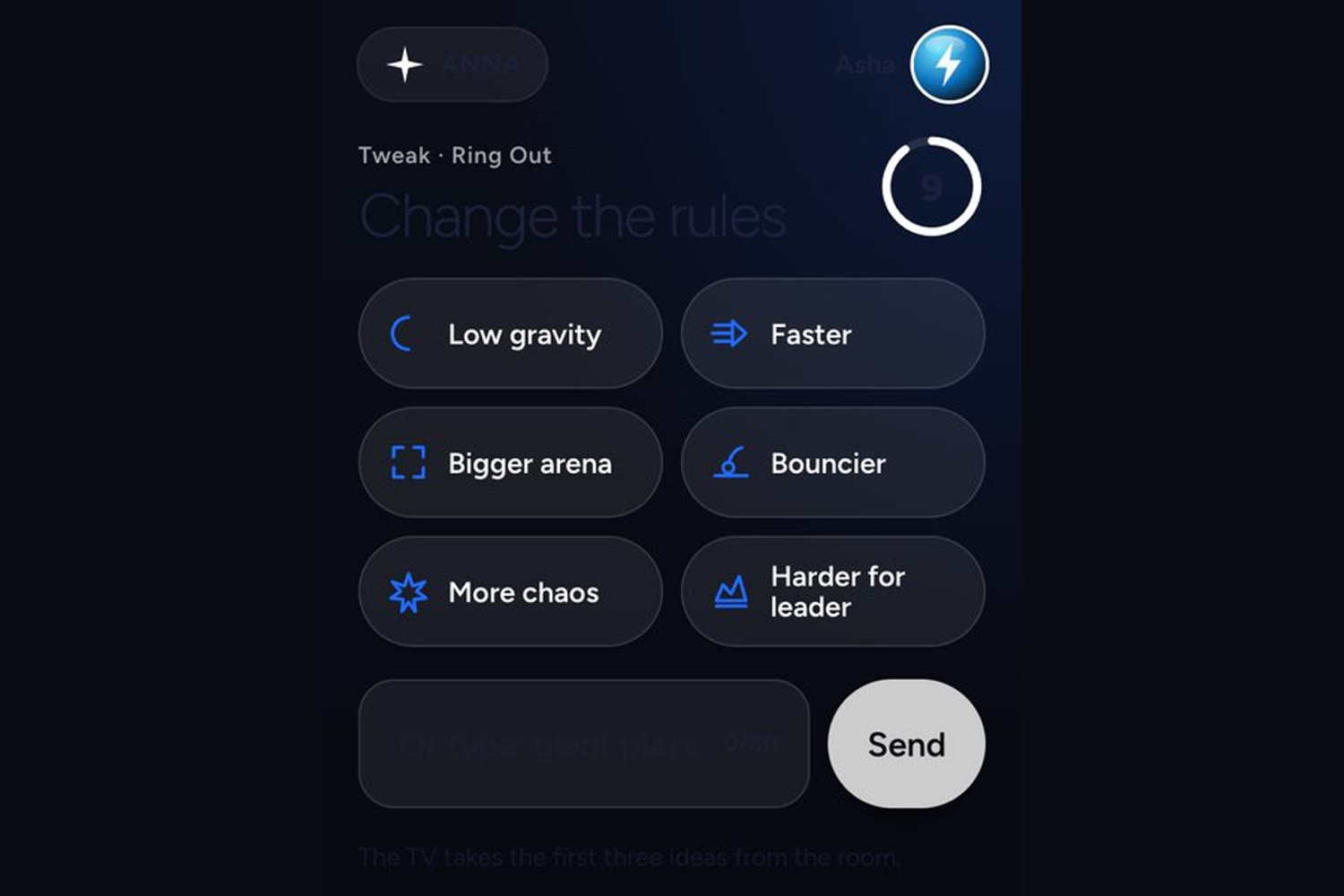
Tweak it: phones ask for “low gravity” or type anything, and the AI rebuilds the game in about 5 seconds.
-
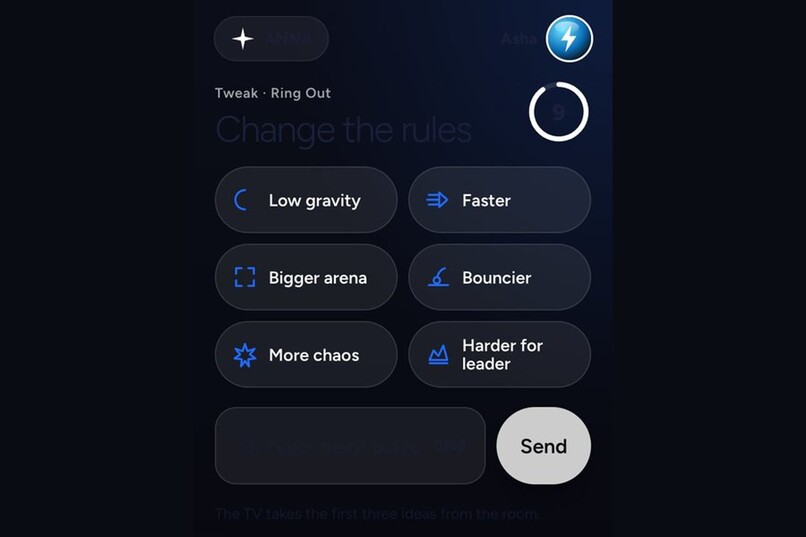
Changing the game’s rules from your phone between rounds.
-
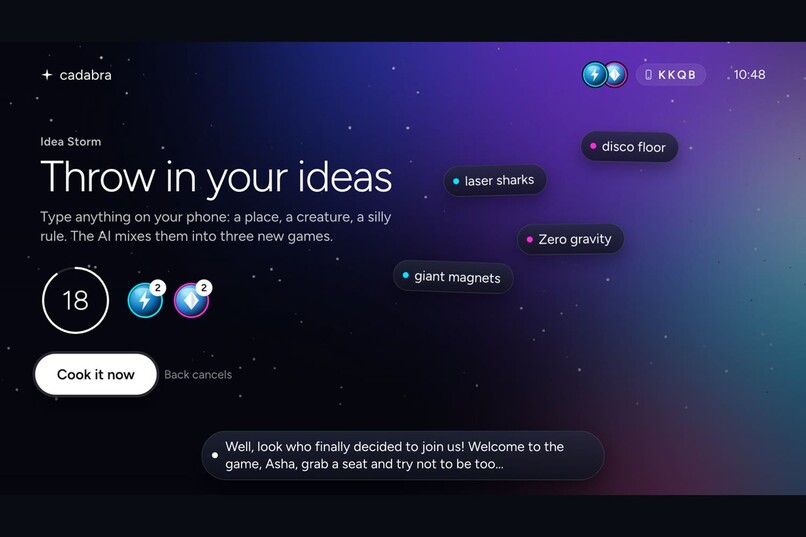
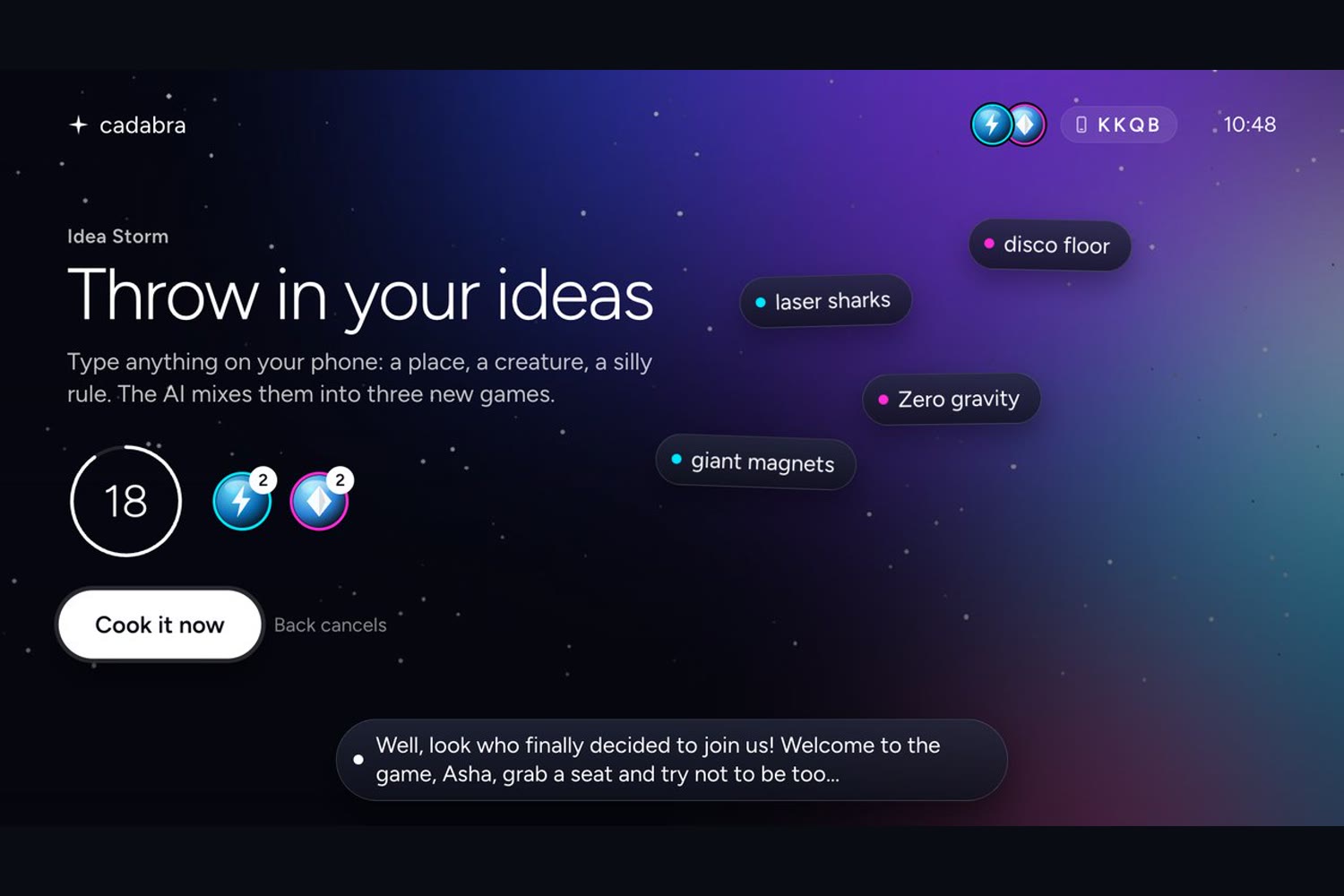
Idea Storm: for 30 seconds everyone throws ideas in from their phone and they float onto the TV.
-
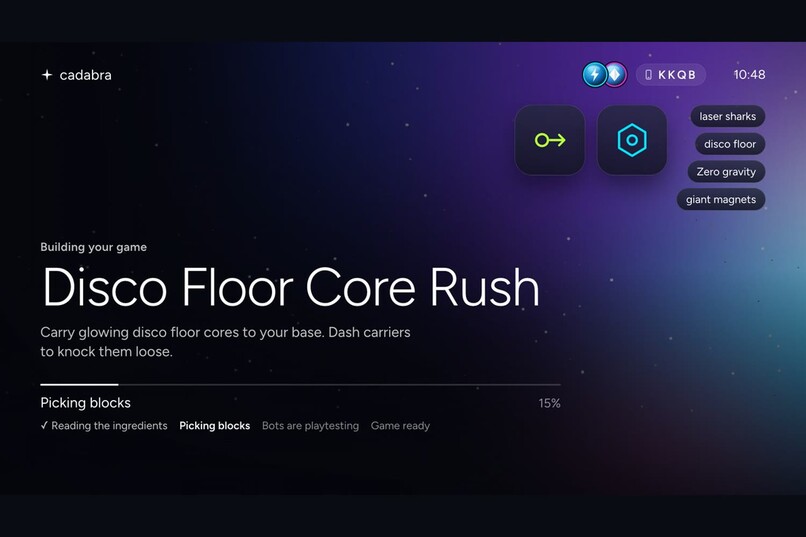
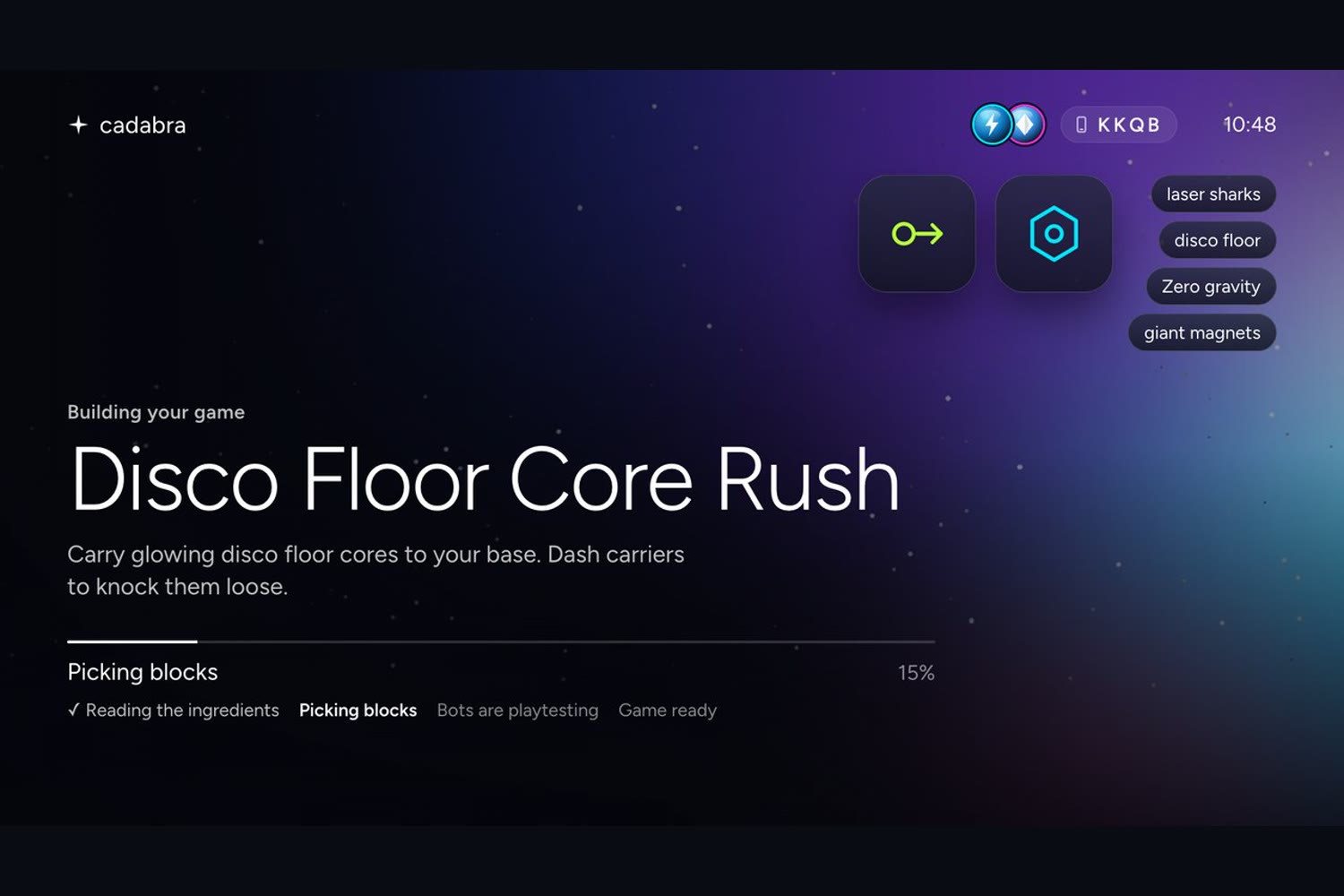
The AI designer builds the winning game with tools, and bots playtest it before anyone plays.
-
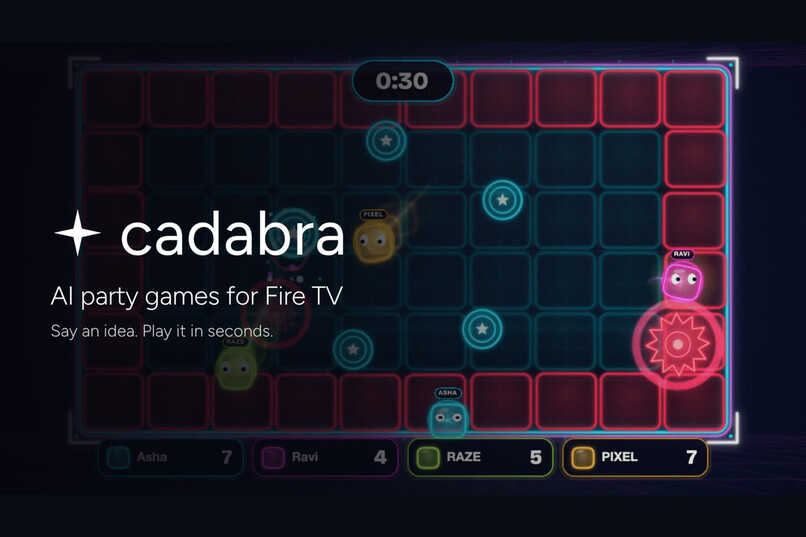
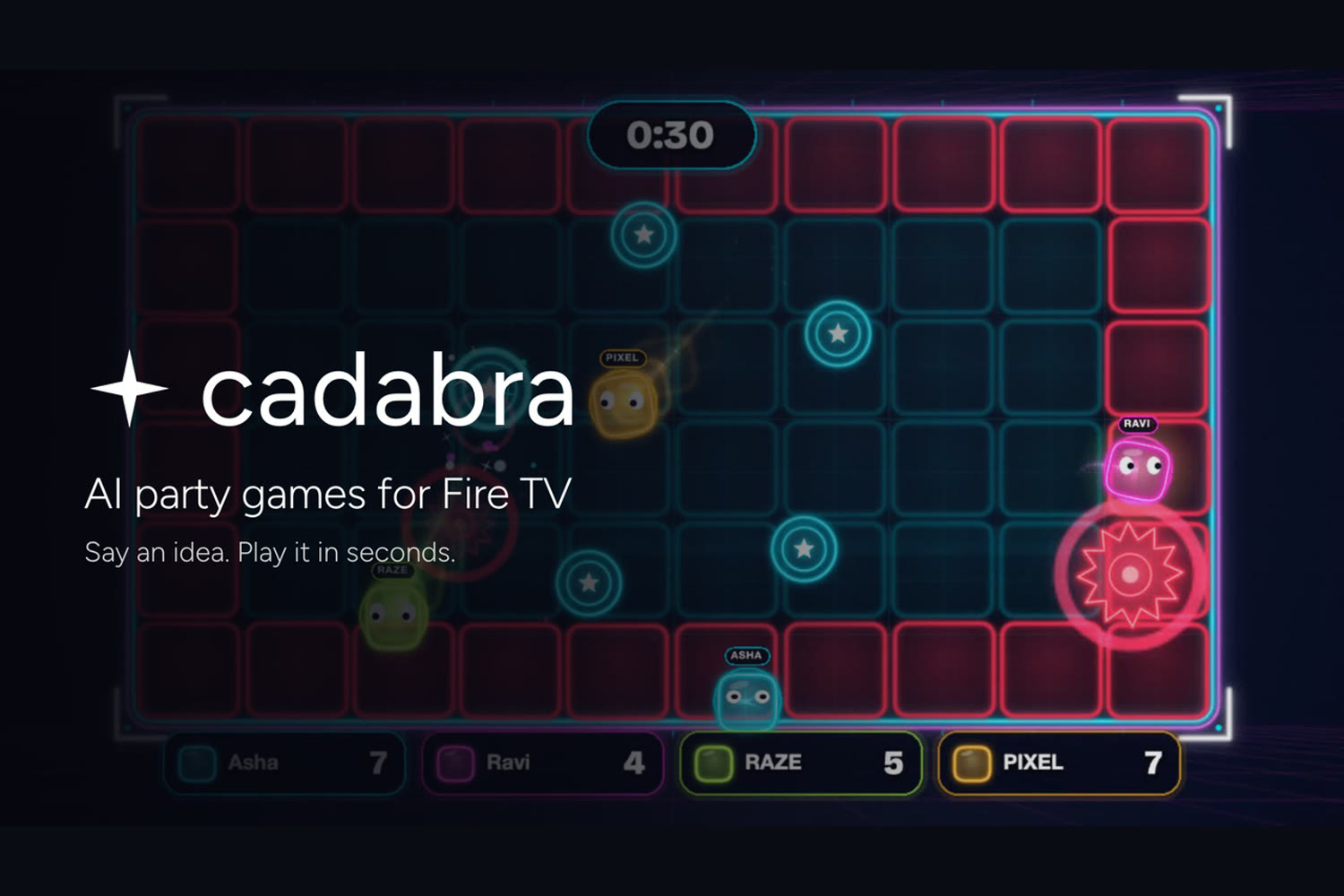
Cadabra: AI party games for Fire TV. Say it, play it.
-
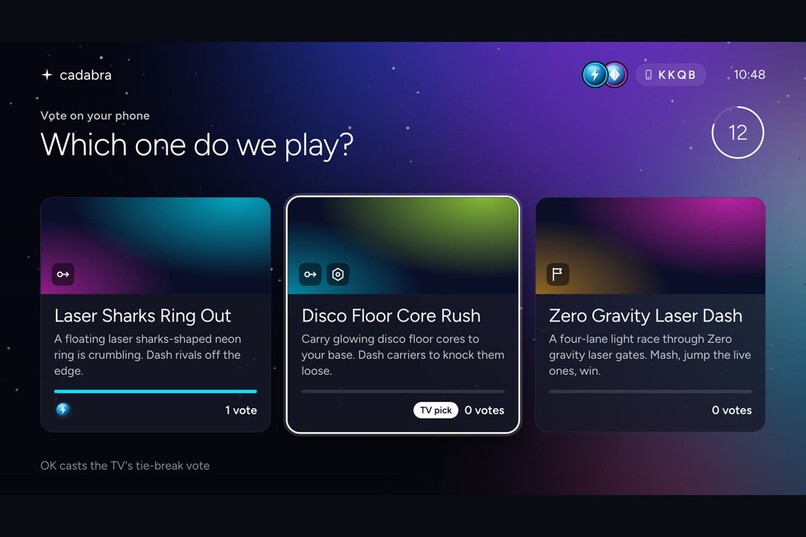
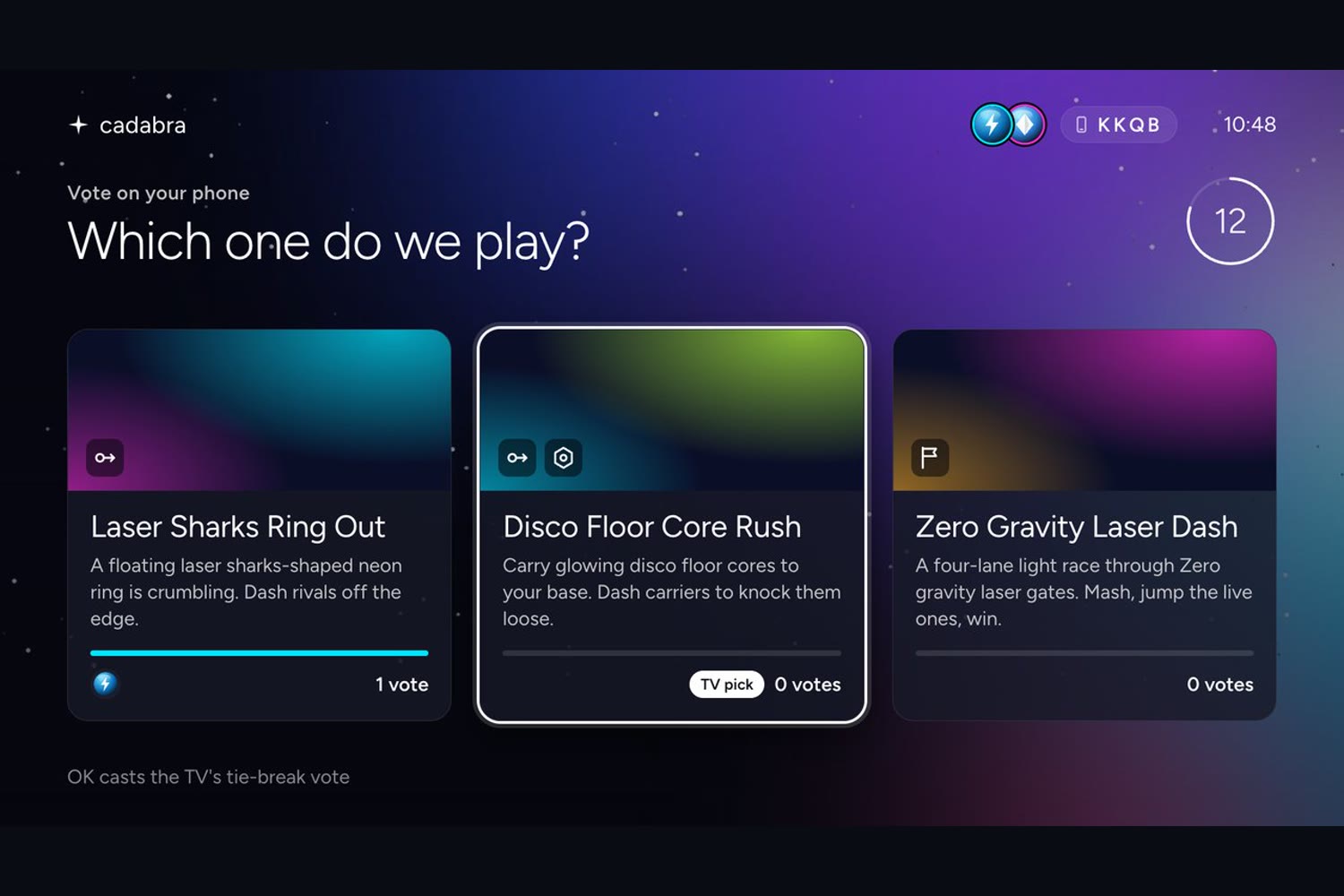
The AI pitches three brand-new games in about 6 seconds, and the room votes on their phones.
-
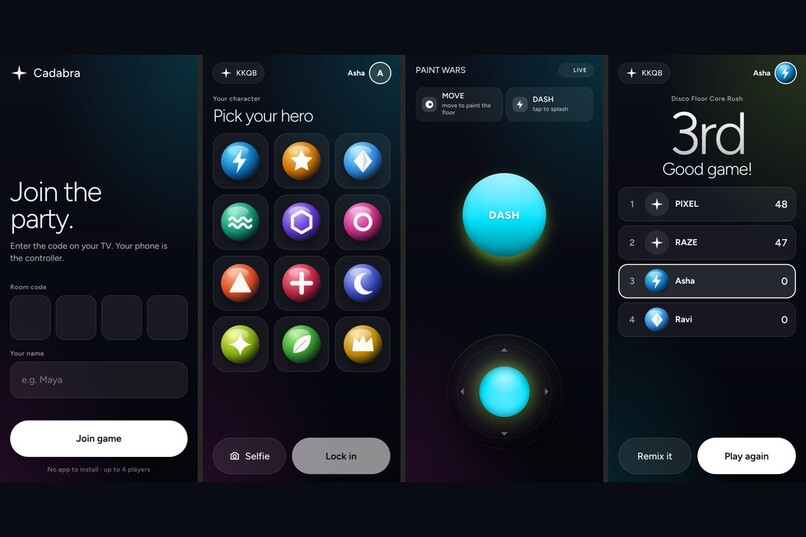
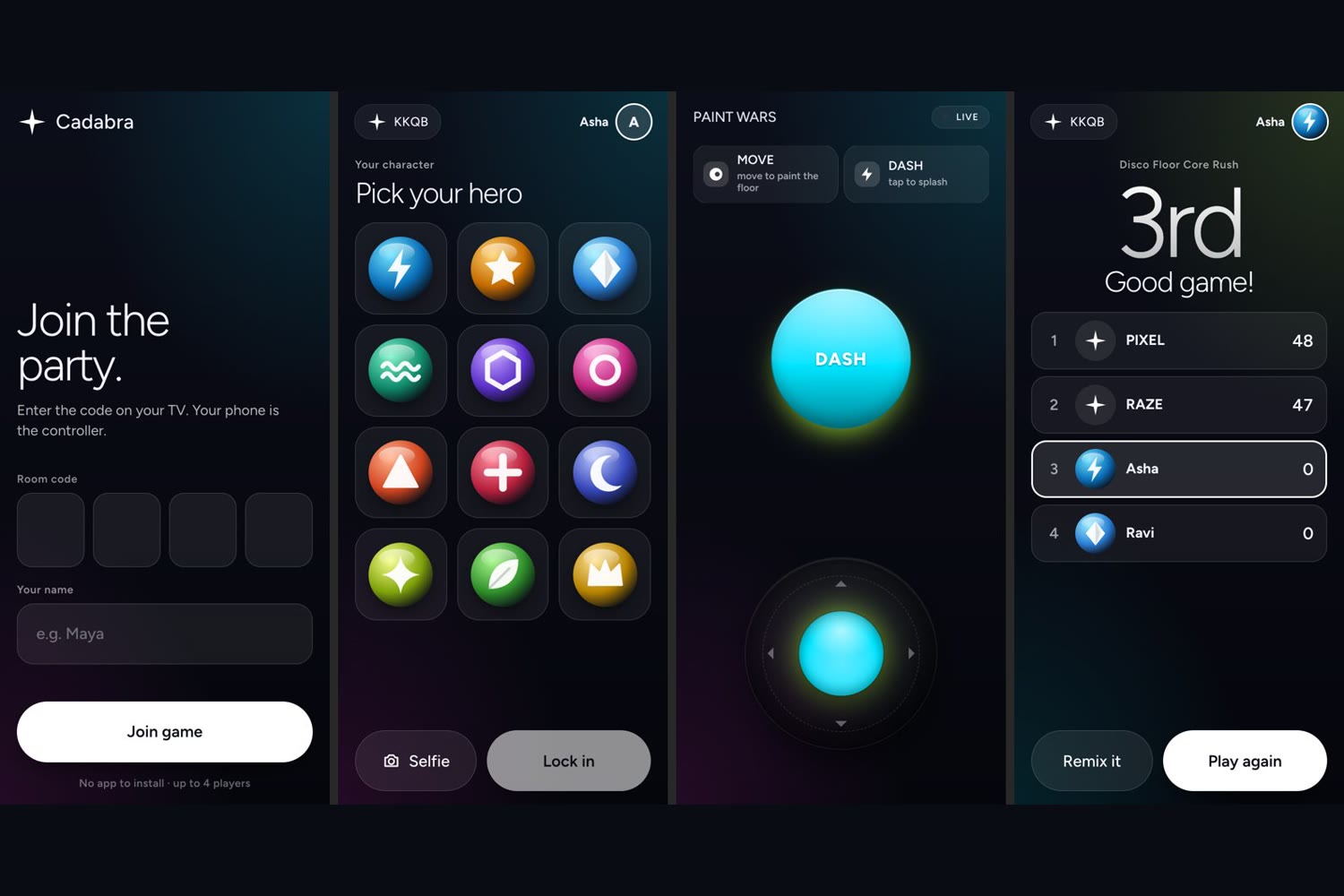
Phone controller: join, pick an avatar, play. Each game gets the controls it needs.
-
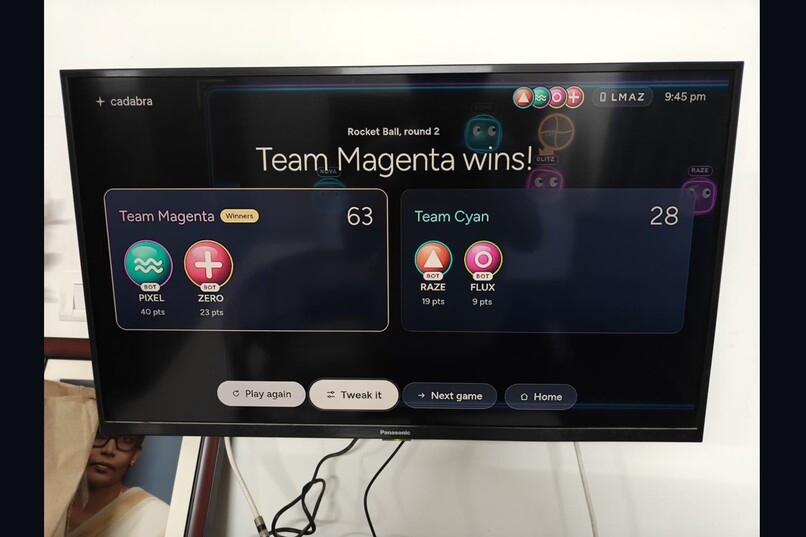
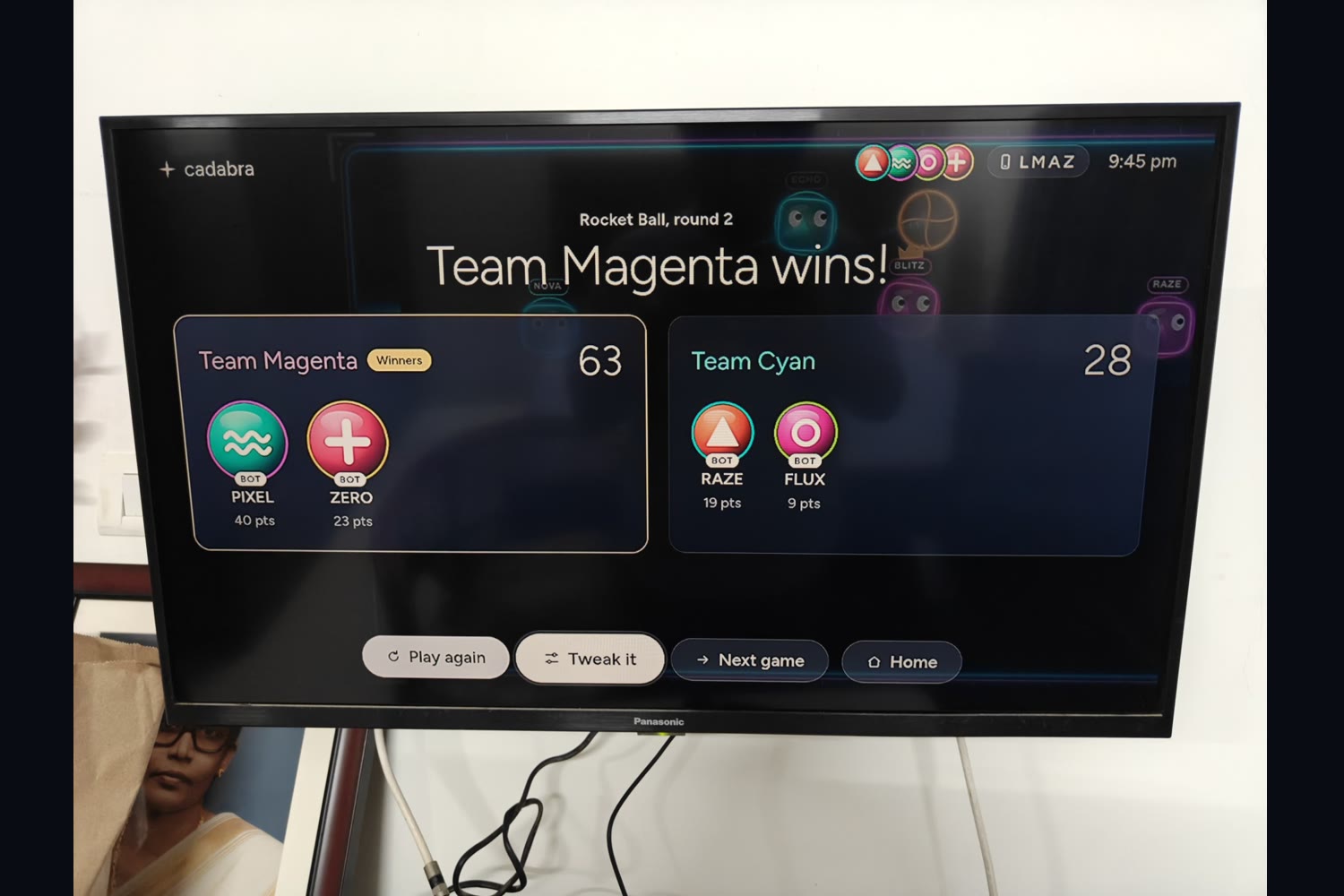
On a real Fire TV: team results after a Rocket Ball round.
-
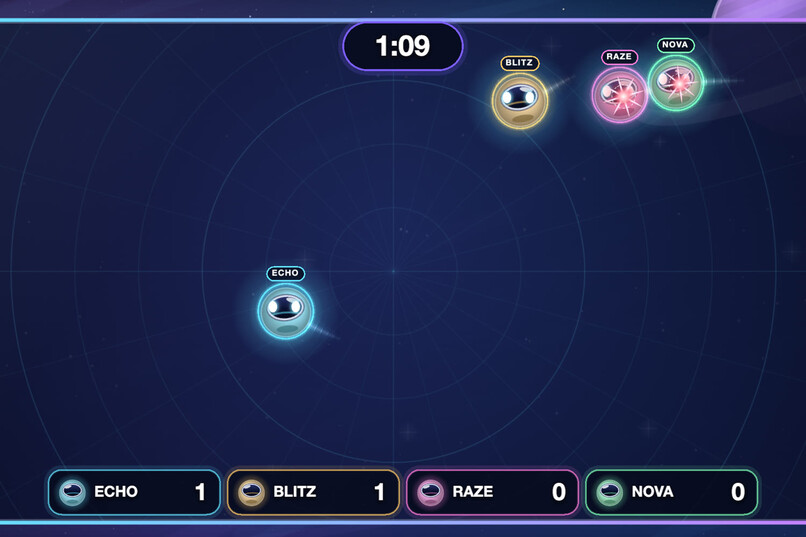
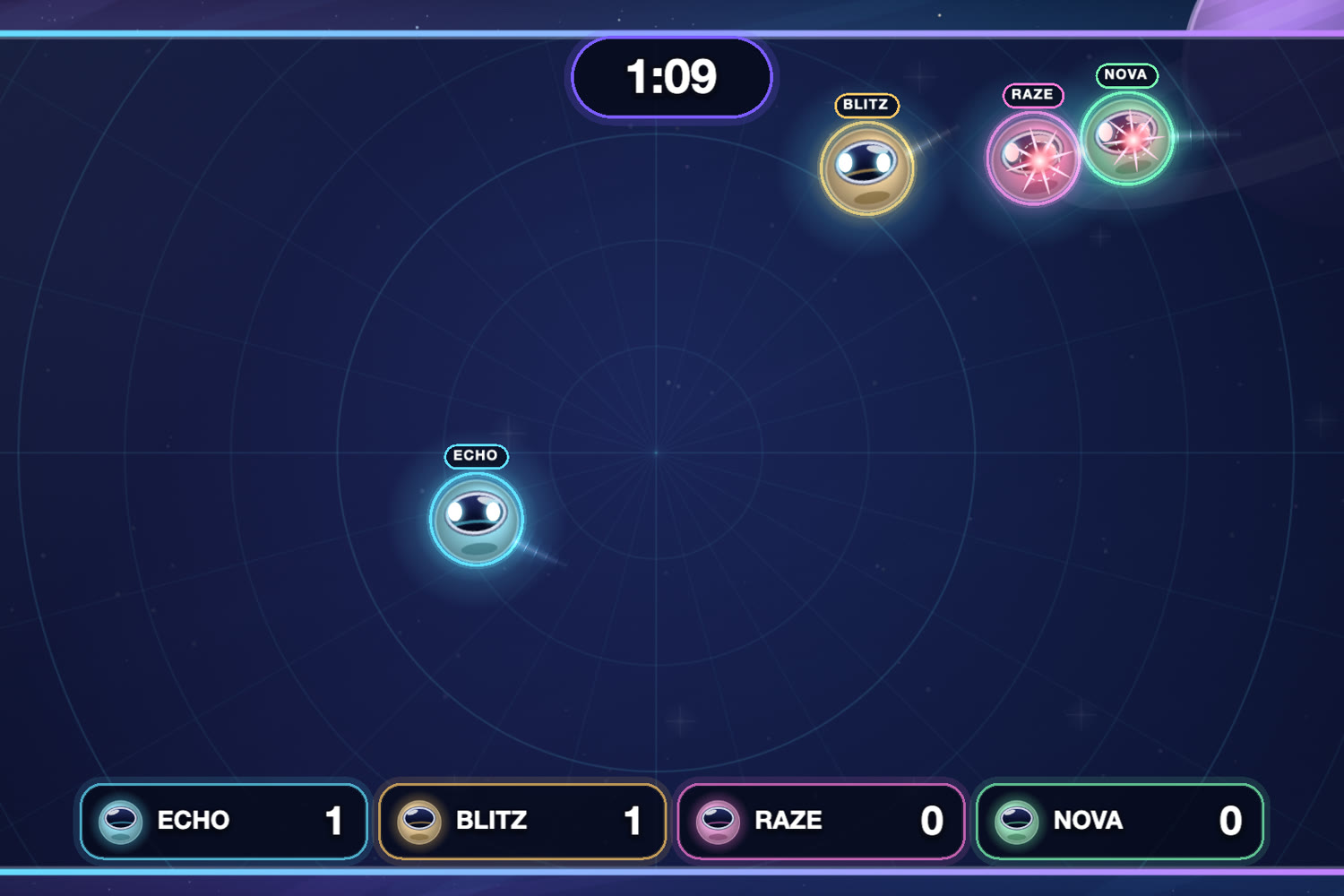
Overload: hot potato with an exploding core, in the Cosmos look.
-
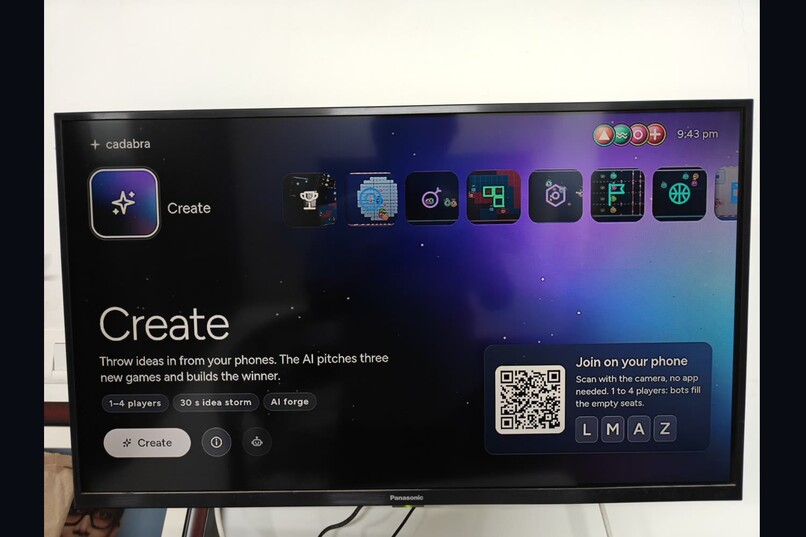
On a real Fire TV Stick: the home screen, running at about 59 fps.
-
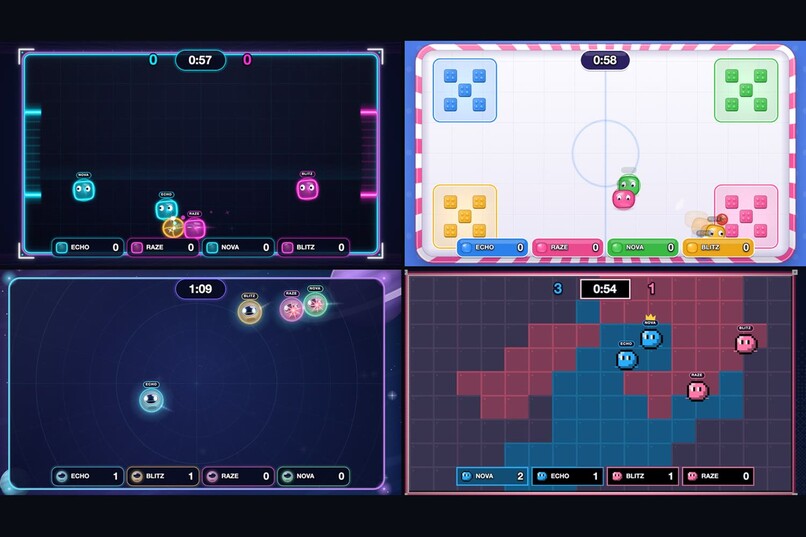
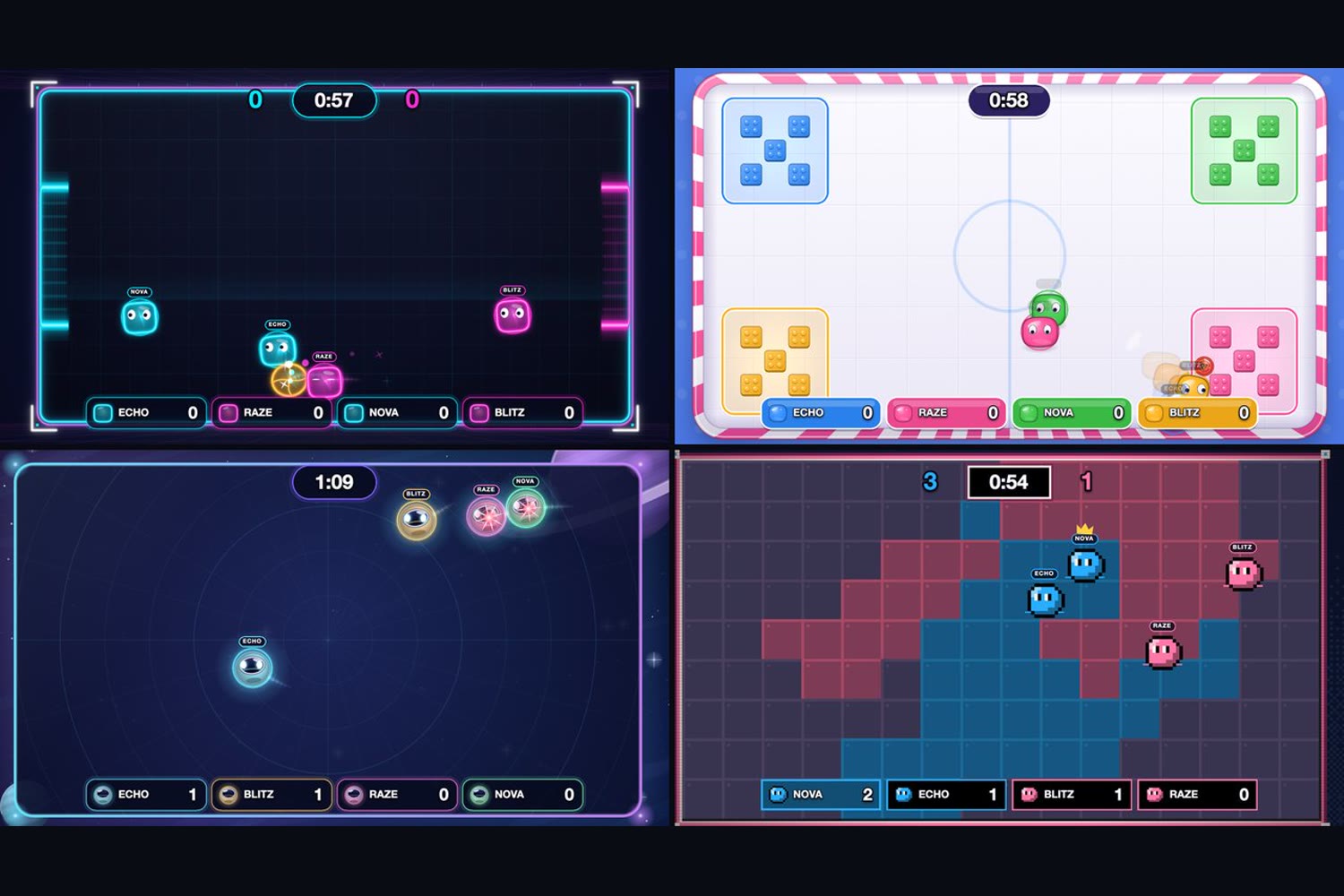
Four procedural art styles, all drawn in code: Neon, Toybox, Cosmos, Retro.
-
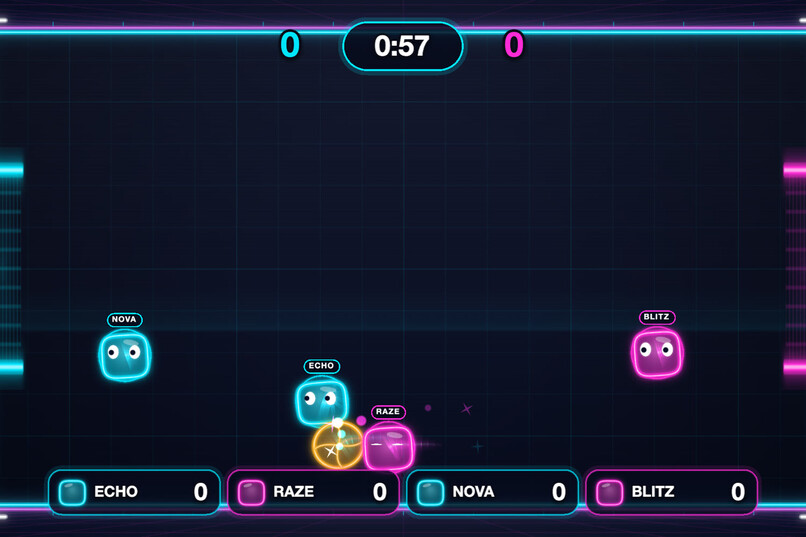
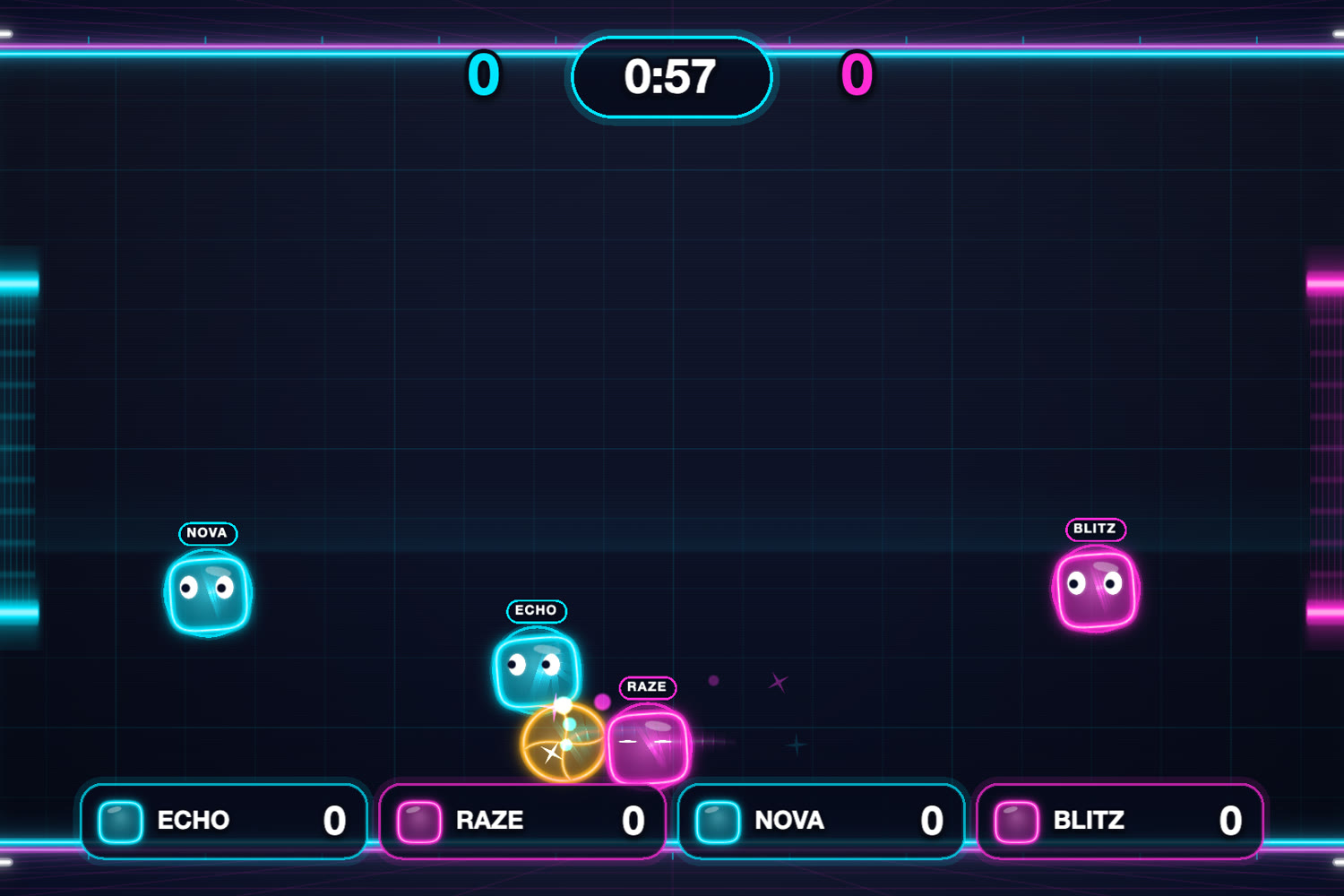
Rocket Ball: 2v2 physics soccer with power shots and multiball, in the Neon look.
-
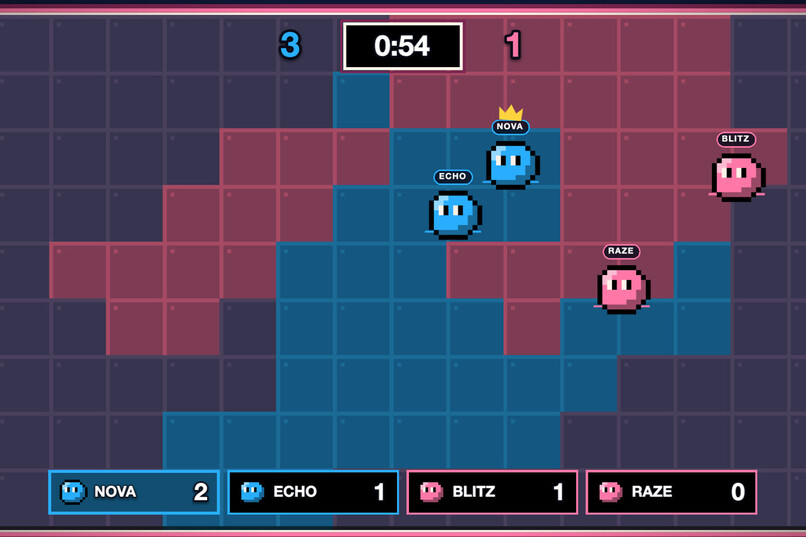
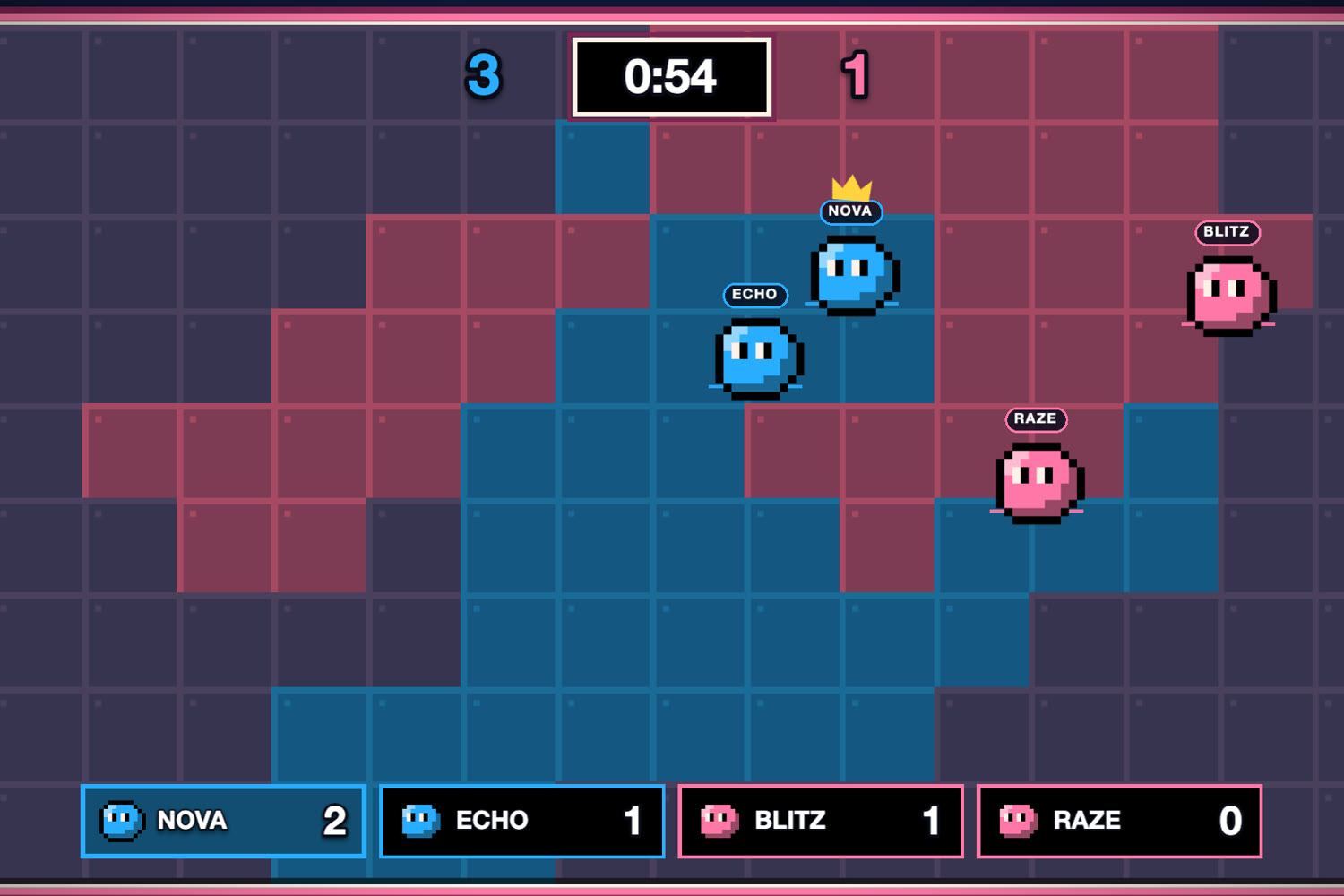
Paint Wars: 2v2 territory painting, in the Retro look.
-
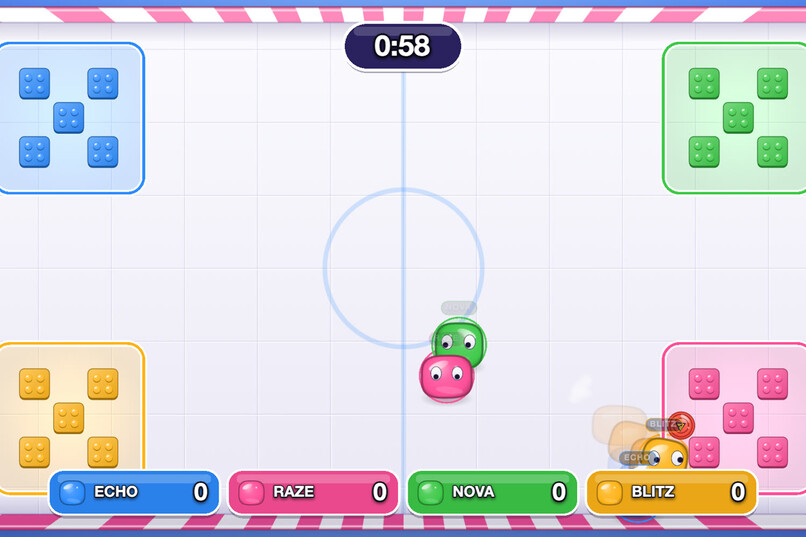
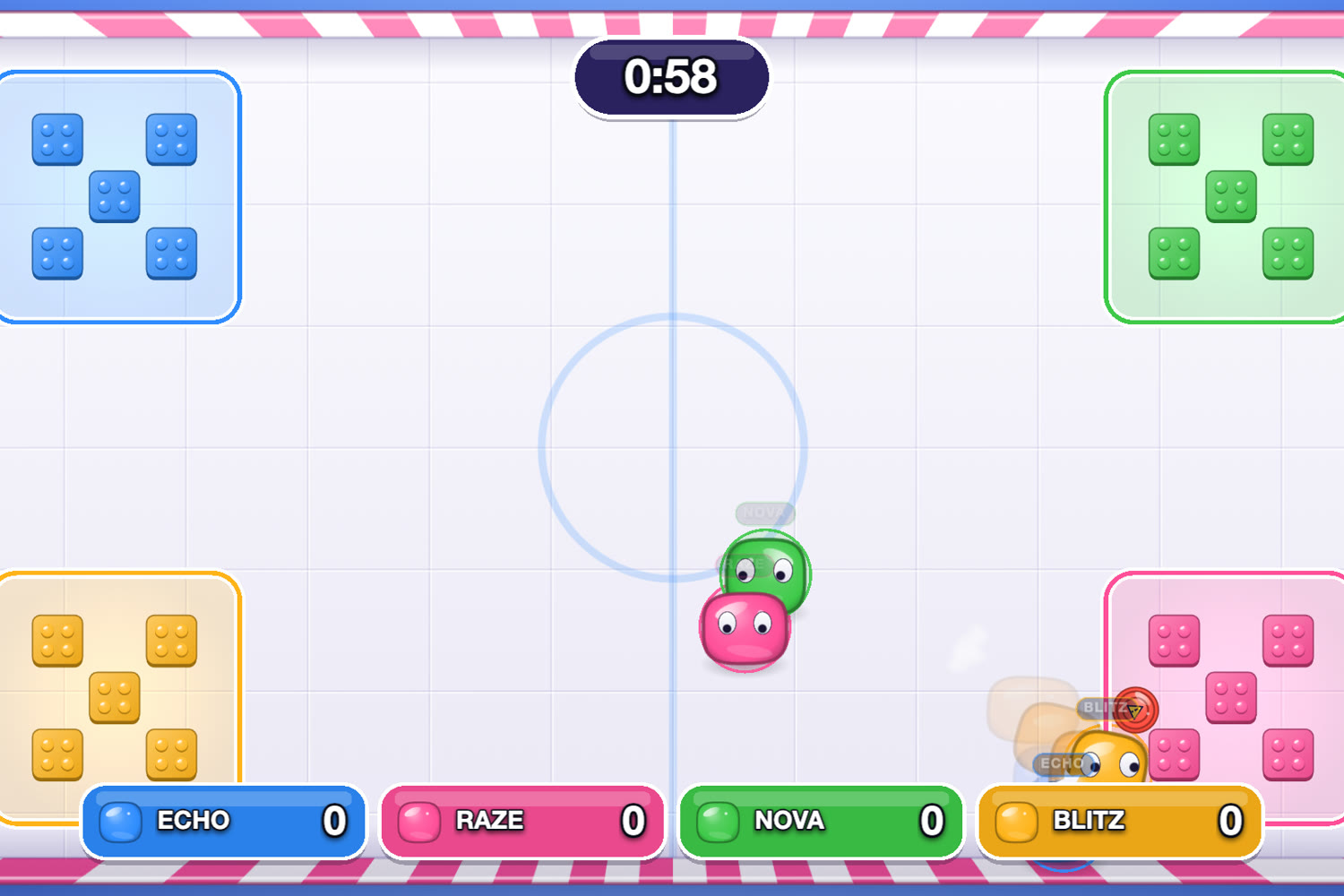
Crate Crash: knock rivals’ crates off and blast barrels, in the Toybox look.
Website: https://maanavkrishna.github.io/cadabra/ · Code: https://github.com/MaanavKrishna/cadabra · Fire TV APK: https://github.com/MaanavKrishna/cadabra/releases/tag/v1.0 · Open source library: https://github.com/MaanavKrishna/couchpad
Inspiration
"Cadabra" was Amazon's first name. Abracadabra means "I create as I speak", and that became the product: a living room that invents its own game by talking.
Family game night usually means choosing between the same five games, and one person always has to read the rules. We wanted a game that doesn't exist until the room says what it wants, and is playable seconds later on the TV you already own. There are no controllers to buy and no app to install: everyone already has a phone.
What it does
Cadabra is a party game console for Fire TV where the AI is the game designer.
- Join. The TV shows a QR code and a 4-letter code. Phones join in the browser, with no install, and pick an orb or a selfie avatar. 1 to 4 players, and bots fill the empty seats.
- Idea Storm (30 s). Everyone types ideas on their phone ("laser sharks", "disco floor", "zero gravity"), and they float onto the TV.
- Three AI pitches. In about 6 seconds the AI pitches three games, each with a title, a hook, game blocks and a visual look. The room votes on their phones.
- The Forge. The AI designer builds the winner by calling tools: it reads block schemas, writes a game spec, and runs a bot playtest. A game only reaches the TV after bots finish a full round with it. It is ready about 4 to 7 seconds after the vote.
- Play. A real game on a Fire TV Stick HD at about 59 fps, with real physics (bumpers, bouncing balls, crates, exploding barrels), one of four looks (neon, toybox, cosmos, retro), procedural music, and PS5-style trophies. Each phone becomes the controller that game needs.
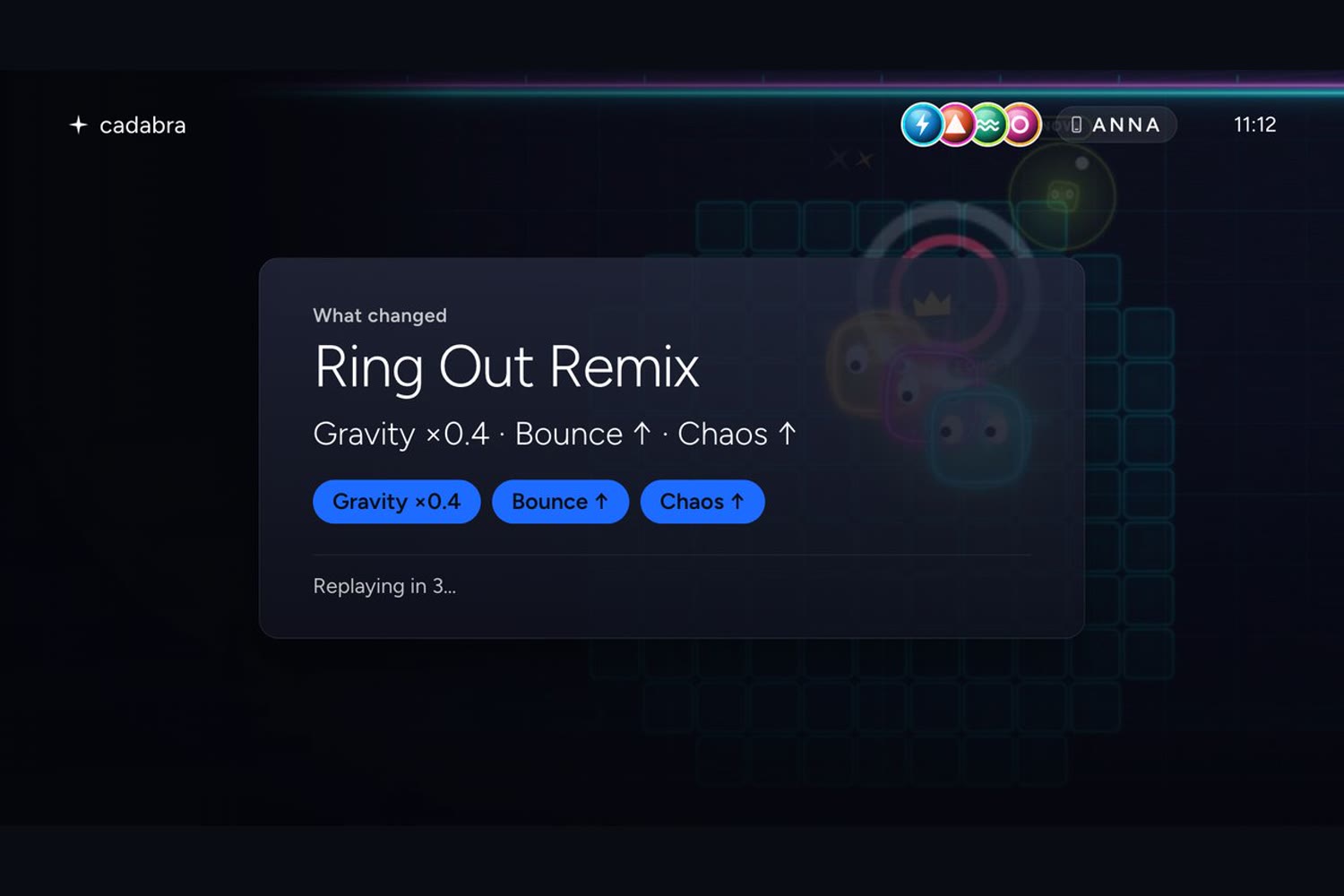
- Tweak it. After the round, phones tap "Low gravity", "Bouncier" or "More chaos", or type their own idea. In about 5 seconds the AI patches the game, a "What changed" card shows the changes, and the new version replays.
- Keep it. Every forged and remixed game is saved to the family Arcade, where you can replay or remix it.
Cadabra also ships seven built-in games (Ring Out, Overload, Paint Wars, Core Rush, Neon Dash, Rocket Ball, Crate Crash) and a Party mode of four 45-second rounds with standings. Everything is family-safe by default: every idea and every AI output goes through Amazon Bedrock Guardrails.
How we built it
- Fire TV app. A Kotlin leanback shell hosts a full-screen WebView running a TypeScript app: a PS5-style Preact UI, a deterministic game engine, planck physics, and a PixiJS renderer. Phones talk to it over couchpad.
- The engine. Games are not code. They are a
GameSpecthat composes 9 tested blocks (sneak, collect, dodge, race, tug, arena-move, trivia, draw-judge, ball-sport) with physics props and a world config: gravity, bounce, knockback and so on. The engine is seeded and deterministic, so a full 4-bot round simulates in milliseconds, which makes it a cheap gate for AI output. - The AI designer. A tool-calling agent (
list_blocks,get_block_schema,patch_spec,playtest_spec) runs in Lambda. The playtest returns reasons such as "only 1 of 4 bots scored; the hazard penalised them", and the model fixes the spec in its next call. A passing playtest is the submission, so a typical design is one model reply. - Tweak. The same agent and tools, with a patch brief. If the AI misses its deadline, deterministic chip presets run instead, still playtest-checked, so the room never waits.
- Looks. All the art is procedural: four looks drawn in code, each with its own arena, sprites, particles, music and sfx. The AI picks a look for each pitch.
- Backend. API Gateway WebSocket, three Lambdas, DynamoDB and S3/CloudFront, all in one CDK stack in ap-south-1.
- Models. Claude Sonnet 5.5 designs and tweaks, and Claude Haiku 5.5 writes pitches and captions. Calls go through Amazon Bedrock first. This brand-new account's Bedrock Claude quotas are 0 and our increase requests stayed pending, so the same Converse-shaped request falls back to the Anthropic API automatically and switches back to Bedrock once Bedrock answers. Guardrails always run on AWS.
- Tests. 633 tests across the engine, spec, render, backend (mocked AWS), TV, controller and couchpad.
Challenges we ran into
- Zero AI quotas. On a new AWS account every Bedrock Claude quota was 0, and Stability image models were at 0 and not adjustable. We built an ordered model chain with a provider fallback, and replaced generated art with four procedural looks.
- 60 fps on a Fire TV Stick HD. The first physics game, Crate Crash, ran at 45 fps on the stick. Profiling over CDP showed Pixi rebuilding its render instructions every frame (about 25% of the frame) and 1080p fill rate. We fixed the depth sort, split the render groups, rendered at 1280x720 and prewarmed shaders. Every game now runs at 58.6 to 60 fps.
- Making AI games fun, not just valid. The first games were valid but not fun. We added fun rules to the prompt (a clear goal, risk and reward, a comeback, physical comedy), real physics, and a balance harness: the built-in games average 2.6 to 6.8 lead changes per round.
- Latency budgets. Every AI step has a deadline and a deterministic fallback: pitches 8 s, the winner 25 s after the vote, tweaks 15 s. We cut model turns until designs took one reply, and turned off SDK retries on throttled Bedrock probes, which saved about 1.3 s.
- Real-time networking. WebRTC in the Fire OS WebView, a relay under API Gateway's 32 KB frames, and phones that sleep, blur and rejoin.
Accomplishments that we're proud of
- The whole loop runs on real hardware: ideas, pitches, vote, AI build, bot playtest, play, tweak, replay.
- The AI can't ship a broken game, because bots play every spec before a human does.
- Seven physics games in four looks, all at about 59 fps on the cheapest Fire TV Stick.
- A tweak loop that changes a game's rules in about 5 seconds.
- couchpad, extracted as a standalone MIT library for any TV or web party game.
- A detailed friction log and device performance report (
docs/DEVICE_LIMITS.md).
What we learned
- Let the AI compose, don't let it code. A small kit of tested blocks plus a fast deterministic simulator gives the model something it can check its own work against.
- Never make the room wait for a model. Every AI call has a deadline and a fallback that is already good.
- On a Fire TV Stick, fill rate and scene-graph churn are the budget, not JavaScript or physics.
- Fun is measurable enough to tune: lead changes, comeback points and score gaps from bot rounds.
What's next
- Tweak by voice using the Fire TV remote's microphone.
- Share codes, so families can trade Arcade games.
- More blocks and a public block SDK.
- Moving fully onto Bedrock as soon as the account's quotas arrive. The code already prefers it.
Challenges and bonus
- AWS Builder: Bedrock (Converse, tool use), Bedrock Guardrails, Lambda ×3, API Gateway WebSocket, DynamoDB, S3 + CloudFront, Secrets Manager, CDK.
- Open Source: couchpad (MIT, docs at https://maanavkrishna.github.io/couchpad/).
- Friction log: 30 dated entries: https://github.com/MaanavKrishna/cadabra/blob/main/docs/FRICTION_LOG.md
Built With
- amazon-bedrock
- amazon-web-services
- android
- api-gateway
- aws-cdk
- aws-lambda
- bedrock-guardrails
- claude
- cloudfront
- couchpad
- dynamodb
- fire-tv
- kotlin
- node.js
- pixijs
- planck.js
- preact
- secrets-manager
- typescript
- vite
- vitest
- webaudio
- webrtc
- websockets
- zod

Log in or sign up for Devpost to join the conversation.