-
-
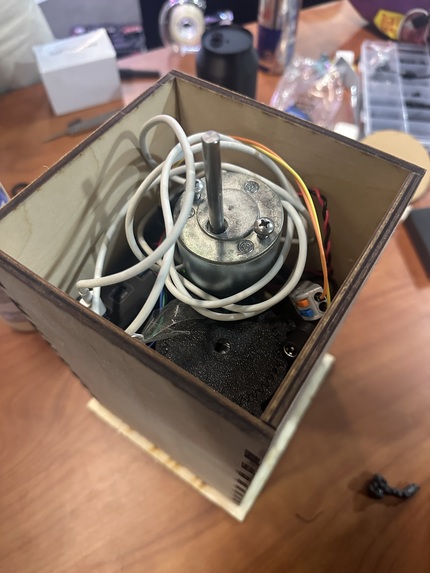
Internals of 2.5D
-
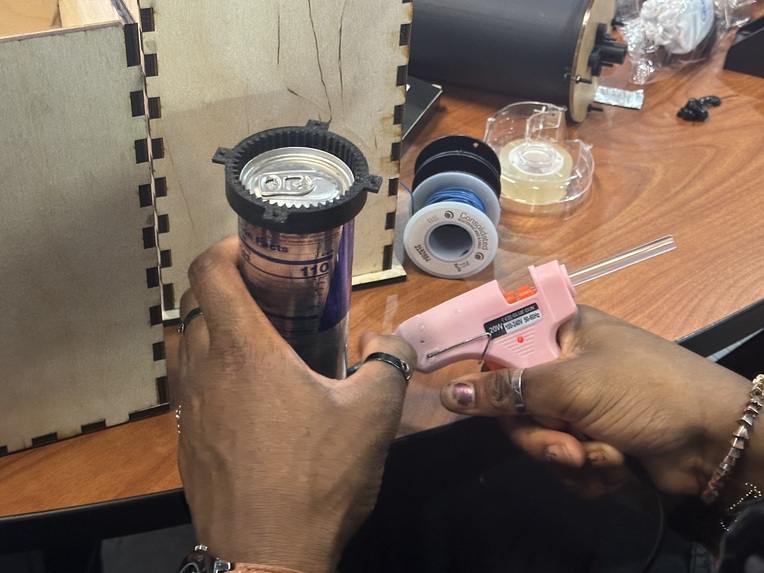
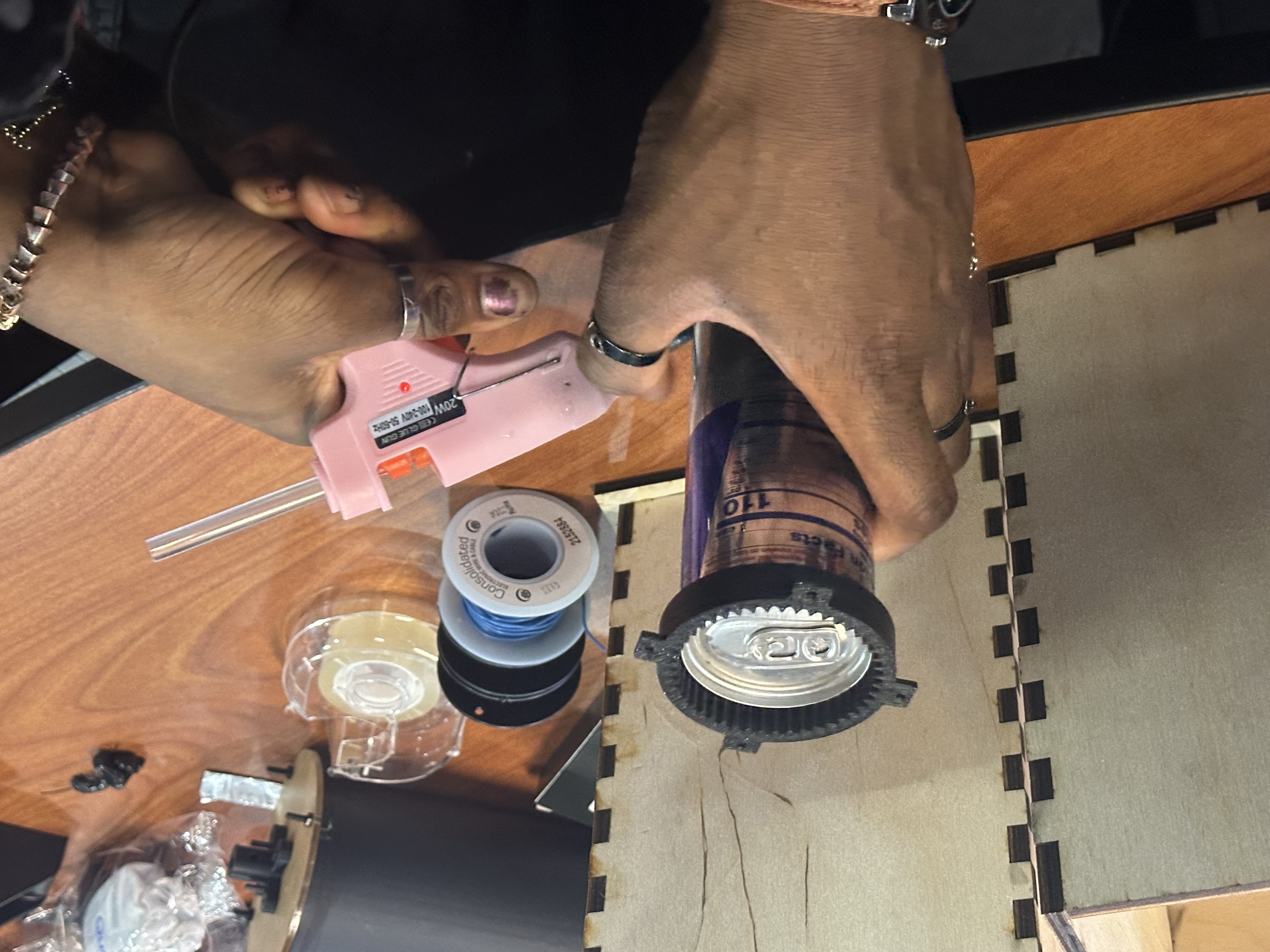
The innovative Red Bull can!
-
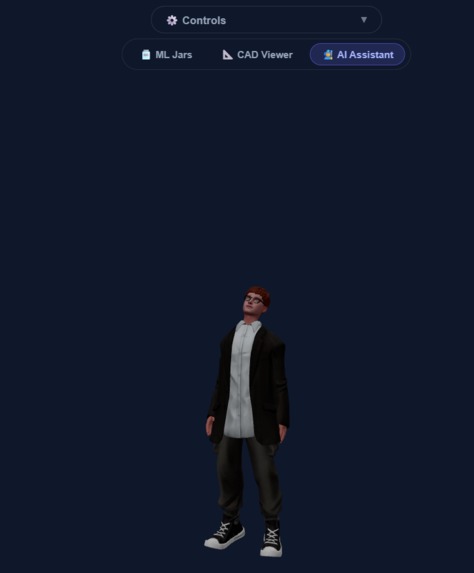
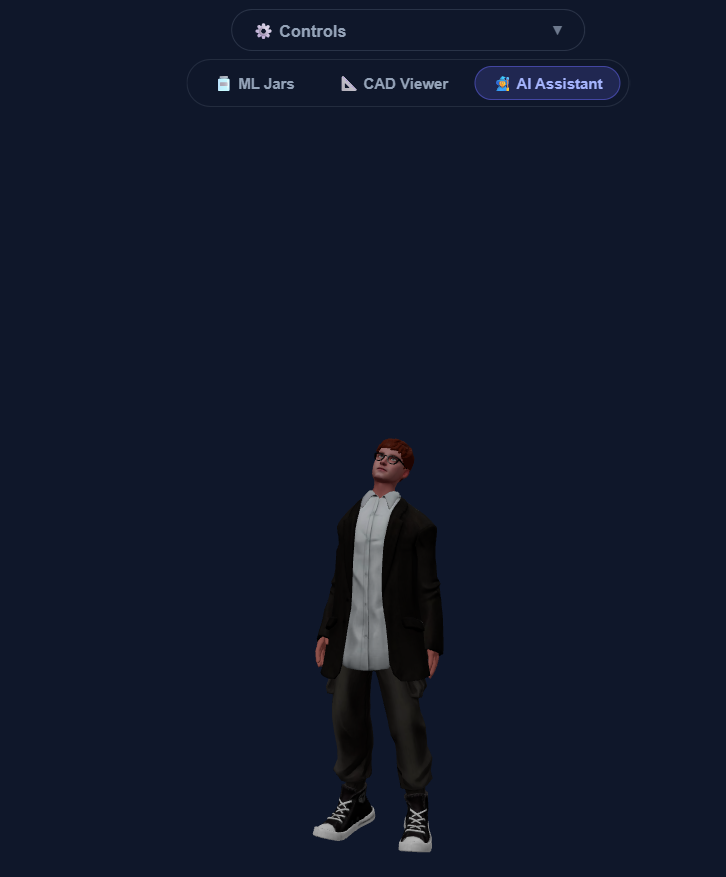
AI assistant avatar on the demo website
Inspiration
Several of our team members are regular users of CAD software, and they had expressed frustration with the inability of a 2D screen to accurately convey the 3D nature of the model. We feel that a display such as 2.5D could be a valuable resource for more interactive and intuitive renderings of 3D objects and signage.
What it does
2.5D is a display that includes a rotating phone stand to generate a hologram effect. By matching the frequency of the phone display's rotation to rapidly shifting 2D slices of an object to render, the device effectively showcases different views of the object from different sides. With interactive features such as the ability to zoom, rotate, and pan based on gesture recognition, 2.5D allows users to not just see, but interact with, models.
How we built it
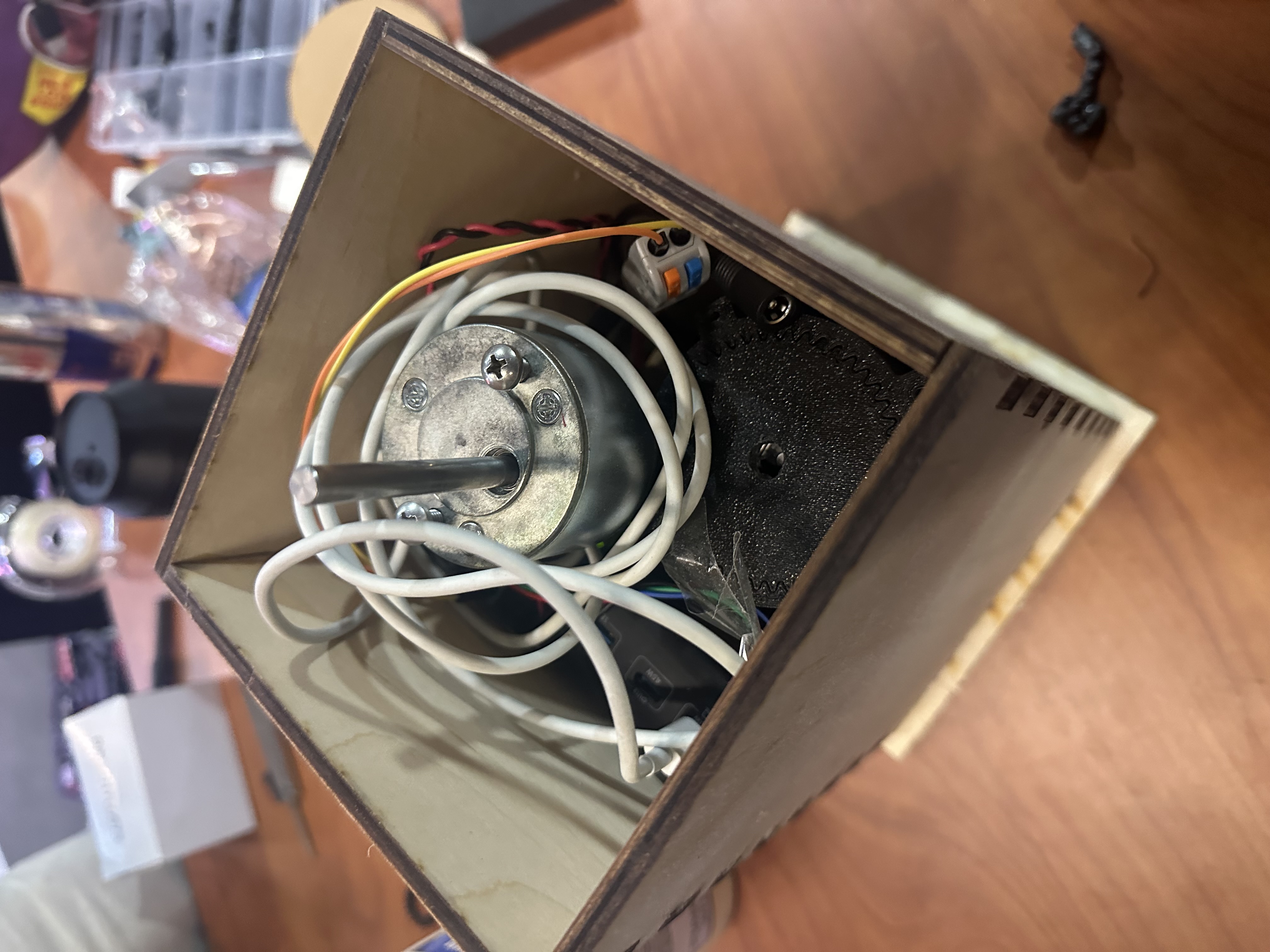
2.5D runs on a Pittman motor with a 3D-printed shell to hold the phone display. It is controlled by a Raspberry Pi 4 and utilizes the Viam platform for hardware organization and control, as well as the integration of the Gemini, ngrok, and ElevenLabs APIs for our display logic.
Challenges we ran into
We found that we were somewhat limited in terms of hardware. When trying to find a motor that would work for the project, the only one we were able to locate with an encoder did not have a high enough gear ratio to spin at the speed required for the hologram effect. We tried printing a planetary gearbox to increase the ratio, but found that our print did not run smoothly.
Accomplishments that we're proud of
We're proud of our ability to innovate in the face of challenges this hackathon. When we didn't have a display screen alone, we created a customized shell so that a regular phone could be used. When we required a specifically-sized support to hold up a shaft in a sturdy manner, we took advantage of our surroundings, and even utilized a Red Bull can in our design! The process wasn't flawless, but we're proud of the way we found ways to push the design forward.
What we learned
We learned that it's important to consider constraints of each portion of a design when brainstorming, not just of the intended product as a whole. For example, while we knew that one constraint of the hologram was that it had to spin at a very particular frequency, a related constraint that could have helped us to select our hardware most effectively would have been recognizing that the motor also needed an encoder to maintain this frequency.
What's next for 2.5D: Interactive Hologram
After the hackathon, we'd like to locate and be able to work with a more lightweight display for the best possible safe rendering, since a phone can end up being a bit unwieldy. This could also reduce the constraints we had on what motors we were able to use. In addition, we had not been able to find a speaker or a microphone during this event, but we feel that the addition of these two components for speech-based interaction would provide a powerful way to engage with the display beyond the visual aspects alone.
Built With
- elevenlabs
- gemini
- ngrok
- python
- raspberry-pi
- viam

Log in or sign up for Devpost to join the conversation.