-
-

App Icon
-
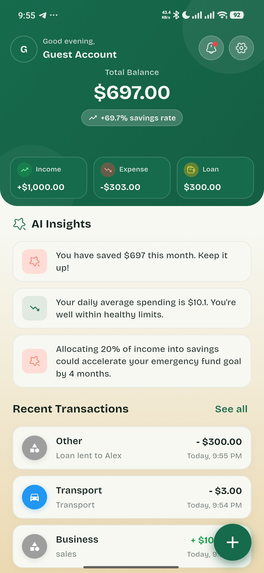
Home Page
-
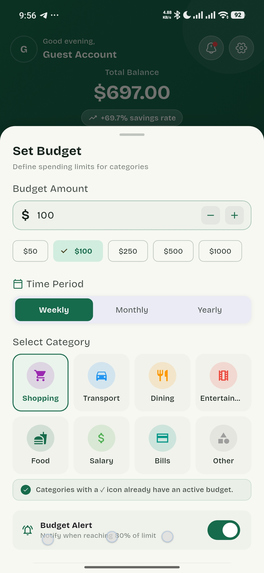
Set Budget Page
-

Add Expense Page
-
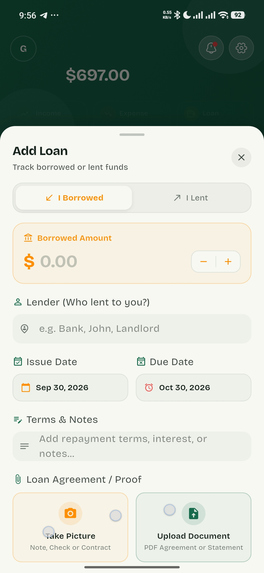
Add Loan Page
-
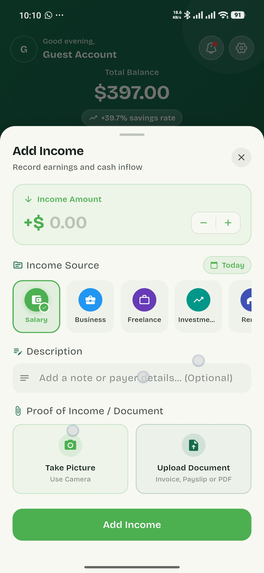
Add Income Page
-
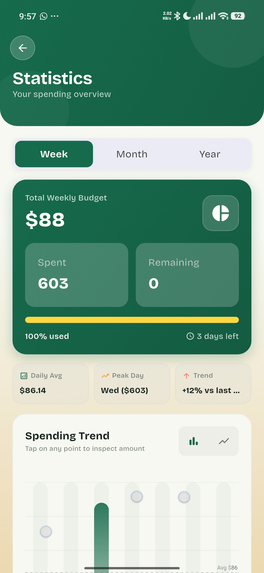
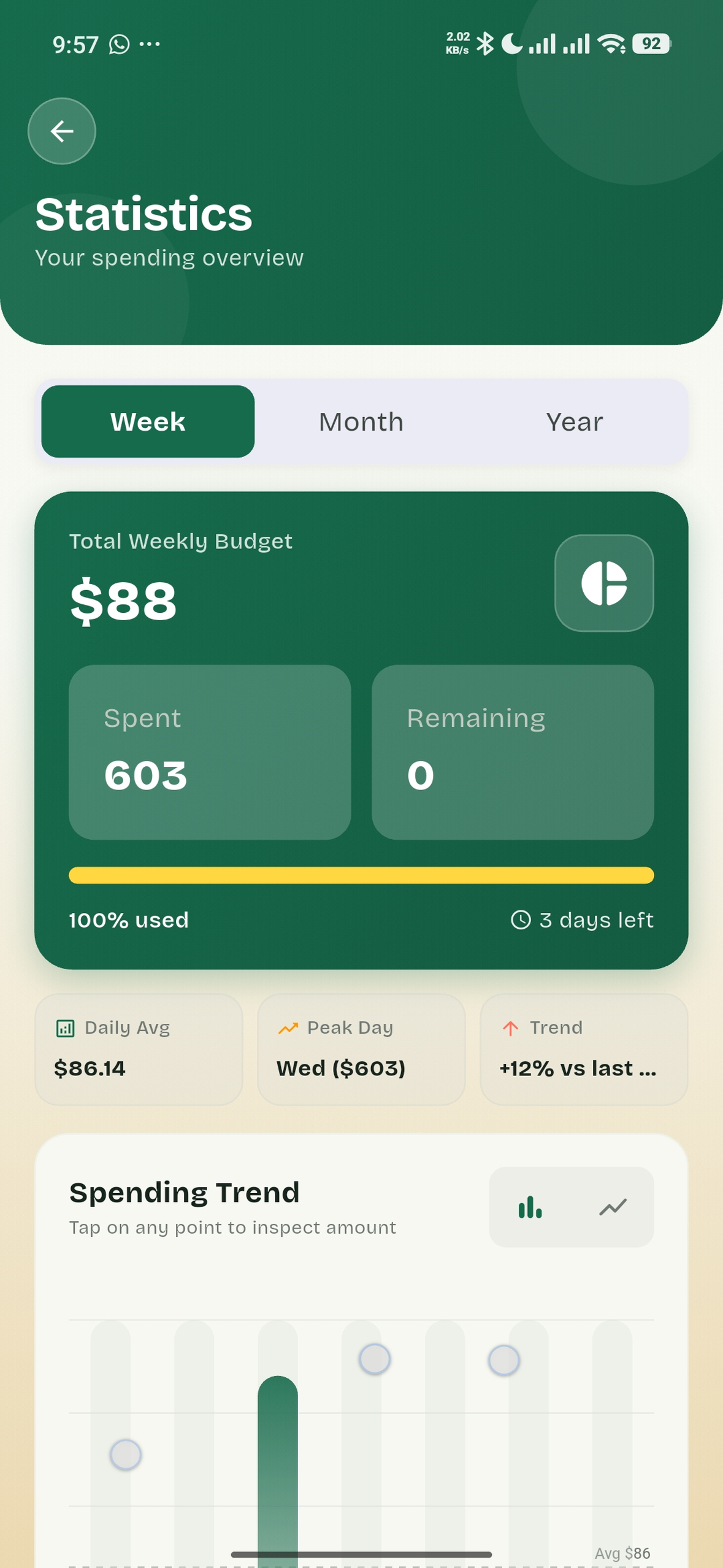
User Statistics Page



Cactus: Smart Budget & Finance Tracker
Inspiration
Managing personal finances is one of the most universal daily stresses, yet traditional budget apps constantly fall short. Most tools either feel like complex accounting software designed for CPAs, or sterile digital ledgers that simply tell you where your money went without ever helping you figure out what to do next.
At the same time, real financial life is messy:
- Receipts get lost in pockets or photo galleries, making tax season and return windows stressful.
- Loans borrowed from or lent to family, friends, or institutions get forgotten or tracked awkwardly in note apps.
- Budgets are set with good intentions, but without proactive guidance, users blow past them unnoticed.
We built this app with a clear mission: To create an empathetic, intelligent financial copilot that not only tracks your cash flow, but actively guides your decisions, archives your important paper trails, and helps you achieve true financial peace of mind.
What It Does
Our app unifies the entire personal financial journey into four pillars, supercharged with artificial intelligence:
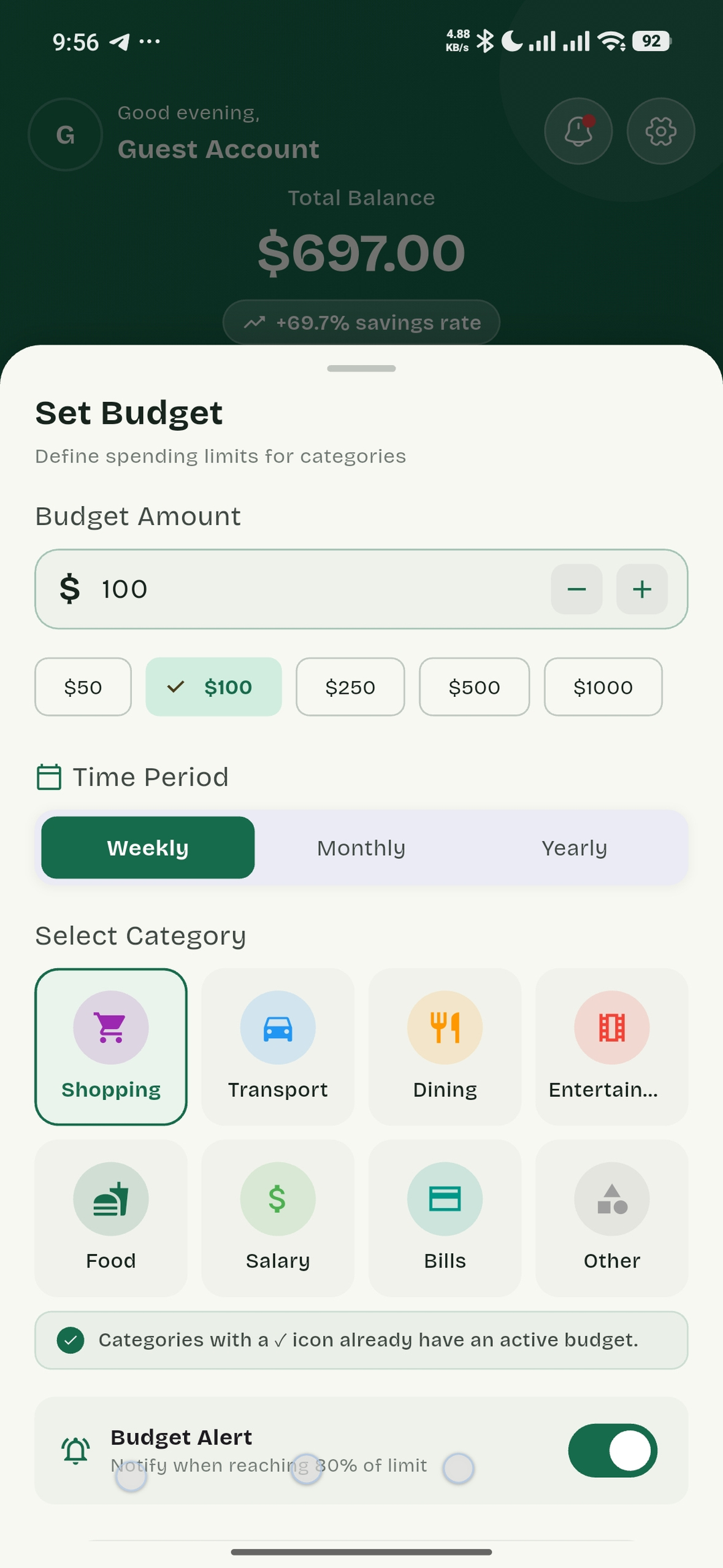
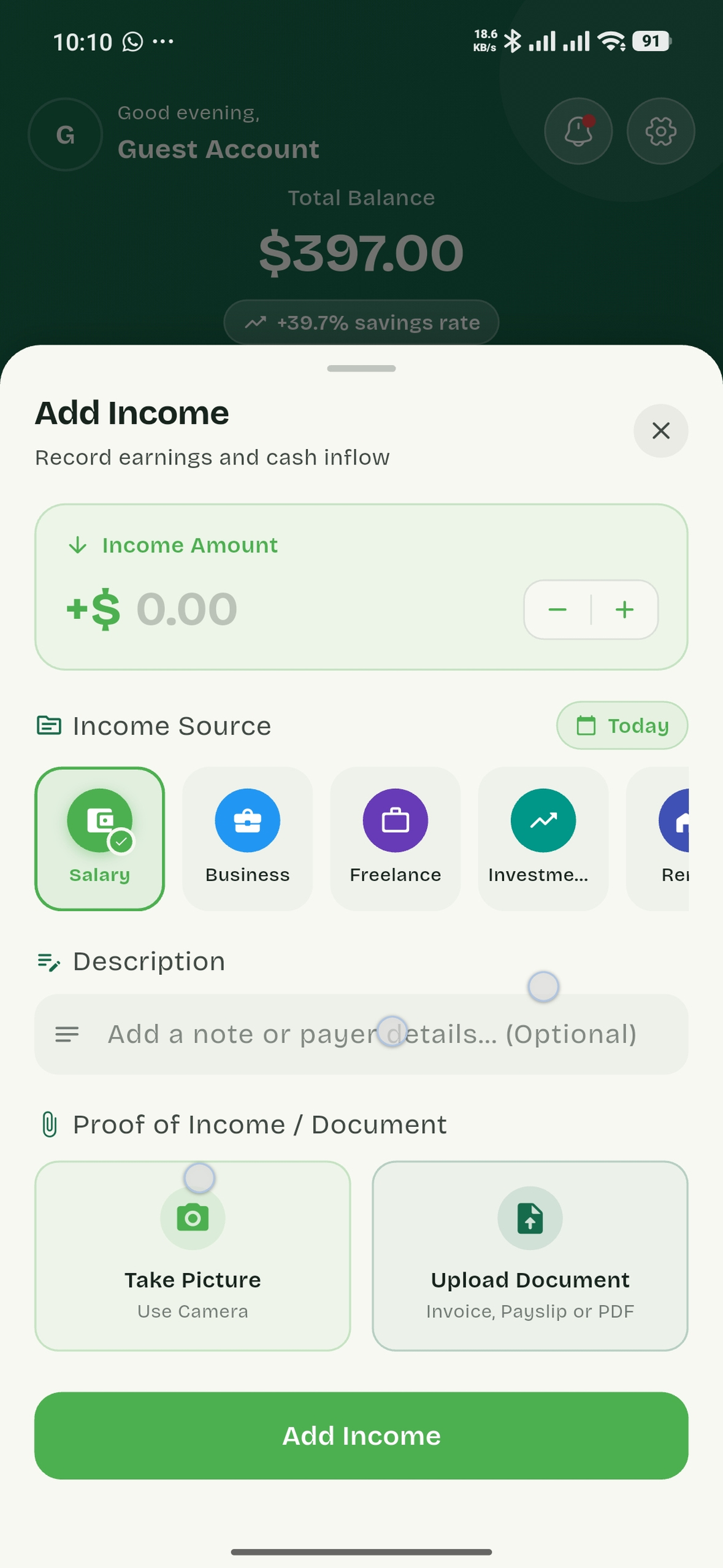
- Comprehensive 4-Pillar Ledger: Seamlessly track Expenses, Incomes, Category Budgets, and Loans/Debts in one unified ecosystem.
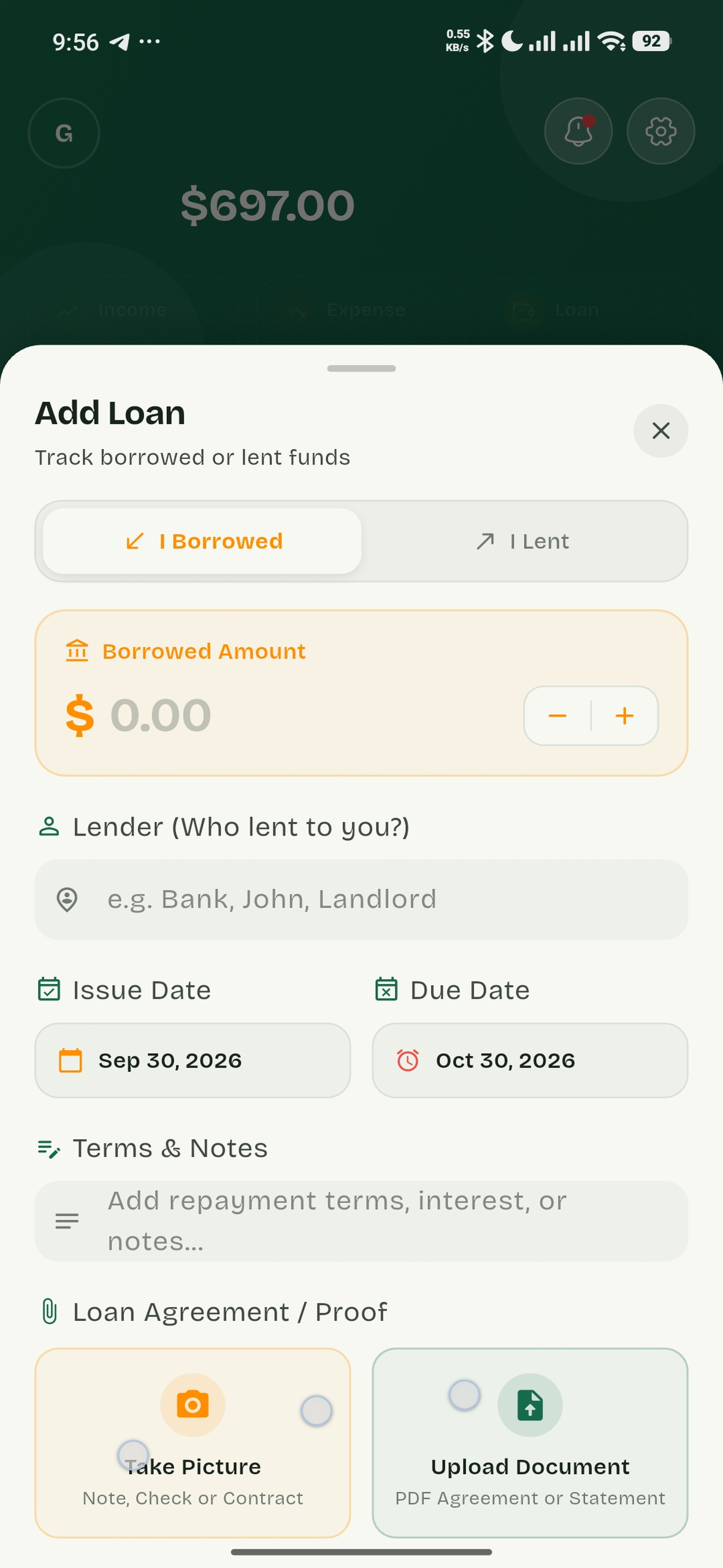
- Smart Document Vault: Directly attach verifiable physical documents—store receipts, monthly payslips, invoices, warranty slips, or loan agreements—directly to specific transactions for audit-ready records.
- Proactive AI Financial Advisor: Rather than presenting static graphs, our built-in AI analyzes cash flow patterns, identifies silent spending leaks, forecasts end-of-month balances, and gives tailored, actionable recommendations on where to trim and how much to save.
- Active Debt & Loan Management: Clear tracking of incoming and outgoing loans, payment histories, and remaining balances, eliminating the awkwardness of informal lending.
- Dynamic Category Budgeting: Visual progress bars and proactive alerts when your category spend approaches critical thresholds.
- Flexible & Fair Access: A complete freemium ecosystem where users can upgrade to Pro for unlimited items, full document archiving, and an ad-free interface, or watch opt-in Rewarded Ads to unlock one-time passes for specific premium actions.
How We Built It
We architected the application around reliability, data security, and seamless monetization:
| Layer | Technology & Role |
|---|---|
| Mobile Client | High-performance, reactive cross-platform framework delivering smooth interactive charts, quick-entry transaction sheets, and camera/gallery document picker integration. |
| Document Storage & Cloud Vault | Secure, encrypted cloud object storage built to safely store sensitive document attachments (payslips, receipts, PDFs). |
| AI Intelligence Layer | Tailored prompt-engineered financial reasoning engine providing context-aware spending audits, anomaly detection, and cash-flow advice without hallucinations. |
| Monetization Engine | RevenueCat SDK & REST APIs powering subscription offerings, flexible paywalls, entitlement synchronization, and product catalog management. |
| Ad Monetization & SSV | Google AdMob + Server-Side Verification (SSV) delivering non-intrusive rewarded ads that unlock single-use document uploads and temporary quota bumps. |
The Financial Math: Savings Rate & Debt Health
The app calculates real-time financial health using established personal finance benchmarks:
- Net Savings Rate:
Sr = [(Net Income - Total Outflows) ÷ Gross Income] × 100% - Debt-to-Income:
DTI = (Monthly Loan Obligations ÷ Gross Monthly Income) × 100%
| Metric | Target Threshold | AI Engine Trigger |
|---|---|---|
| Savings Rate (Sr) | ≥ 20% | Alerts when discretionary spend cuts into core savings |
| Debt-to-Income (DTI) | < 36% | Flags high-risk debt load and recommends payoff paths |
| Discretionary Ratio | ≤ 30% | Rebalances monthly budget limits automatically |
When user ratios drift outside healthy zones, the AI triggers targeted corrective habits before financial strain compounds.
Challenges We Ran Into
1. Architecting the One-Time SSV Rewarded Ad Unlocks
We wanted to give budget-conscious users—who may not be able to afford a recurring subscription—the ability to enjoy premium features like document uploading or expanded item quotas.
To prevent client-side tampering, we implemented a Server-Side Verification (SSV) callback loop:
- When a rewarded ad is completed, the ad network issues a signed callback to our backend.
- The server validates the cryptographic signature and checks transaction idempotency to eliminate replay exploits.
- Once verified, the backend coordinates with RevenueCat to grant the user a verified one-time feature credit (e.g., +1 Receipt Upload Token or temporary pass).
Coordinating client state, backend verification, and RevenueCat entitlement caching so the user gets instant, zero-latency access required intense debugging.
2. Handling Sensitive Financial Documents Securely
Unlike generic photos, payslips and invoices contain sensitive personal identification information (PII). We had to engineer a strict storage lifecycle: local image compression, zero metadata leakage, end-to-end encrypted transport, and presigned upload URLs with fine-grained read permissions.
3. Making AI Advice Practical and Empathetic
Generic financial advice ("spend less on coffee") frustrates users. We spent weeks refining the AI system prompt to understand contextual nuances—differentiating between essential spikes (medical bills, car repairs) and recurring lifestyle inflation—so its suggestions feel supportive, practical, and non-judgmental.
Accomplishments That We're Proud Of
- Shipped a Complete, Full-Cycle Financial Companion: Building an all-in-one product that covers budgeting, income, expenses, debt, and file attachments without feeling overwhelming or cluttered.
- A Seamless, Ethical Monetization Hybrid: Blending RevenueCat subscriptions with value-exchange rewarded ads via server-side verification, ensuring no user is locked out of organizing their finances.
- Genuinely Helpful AI Insights: Delivering real value through automated financial retrospectives and predictive budget warnings that save users actual money.
What We Learned
- RevenueCat Makes Complex Monetization Simple: Managing paywalls, entitlements, and subscription states across platforms would have taken months to build from scratch. RevenueCat let us focus on building great core features.
- Financial UX Demands Calmness: Money is stressful. Fast animations, soft contrast palettes, and clear positive reinforcement when a budget is respected make users feel empowered rather than guilty.
- Verification Matters: Client-side reward unlocks are vulnerable; building proper server-side verification with cryptographic integrity is essential for a sustainable in-app economy.
What's Next
- Automated AI Receipt OCR: Snapping a photo of a physical receipt and letting multimodal AI automatically parse line items, tax, category, and totals into an instant transaction entry.
- Open Banking & Bank Feed Integrations: Allowing users to securely connect bank feeds for automated transaction categorization.
- Split Expenses & Group Tabs: Splitting shared house bills, group trips, and roommate expenses with direct settlement tracking.


Log in or sign up for Devpost to join the conversation.