-
-
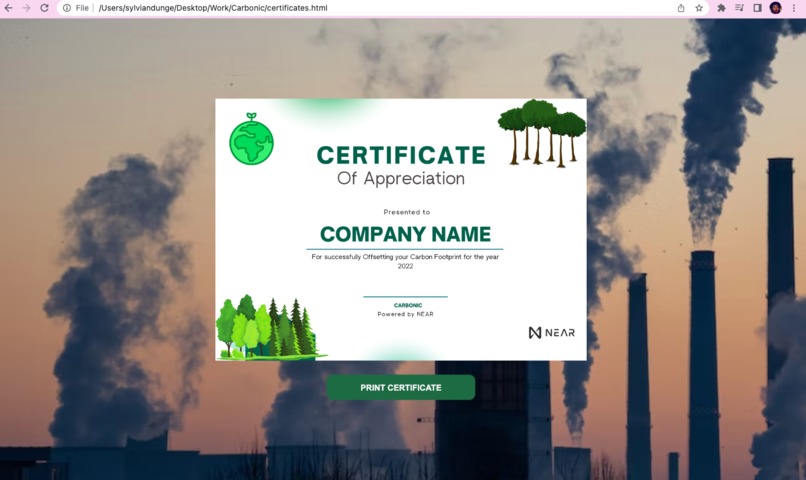
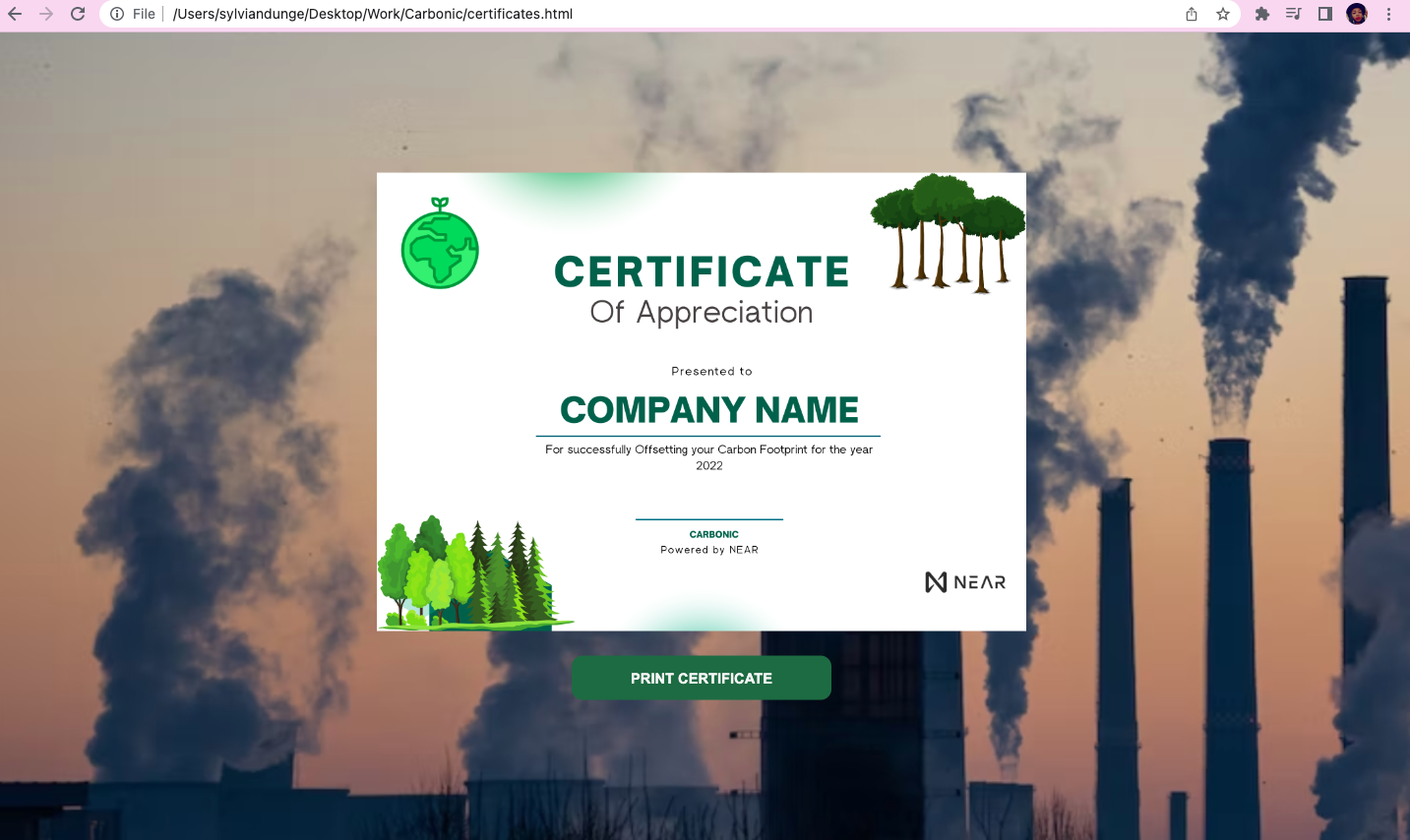
NFT Certification for Carbon Neutral Companies
-
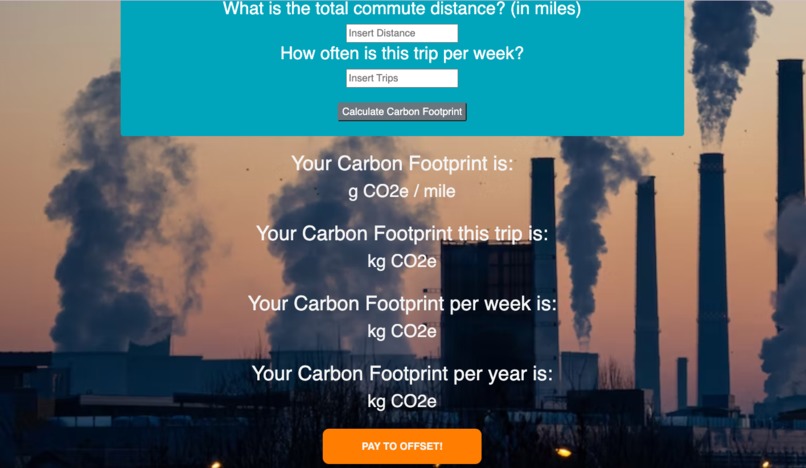
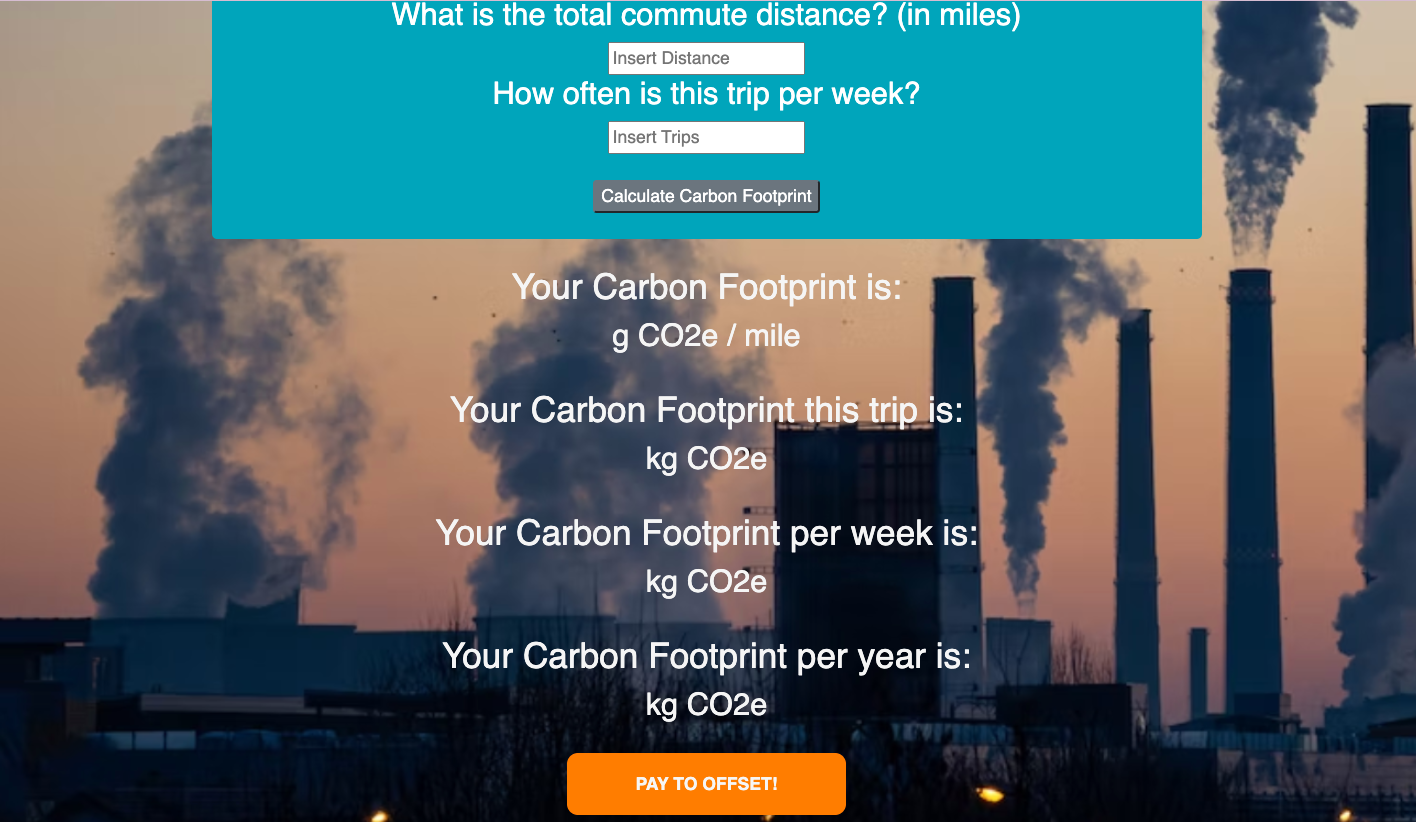
Carbon Footprint Calculator
Carbonic Be Chill and Don't Fill Earth with Heat! Blockchain Carbon Credits
The 2015 Paris Accord was instrumental in guiding global governments toward achieving zero emissions by 2050. Governments could place all systems in place, but a critical piece of the puzzle would be how to measure progress and hold climate stakeholders accountable, in this noble mission.
There is a need for a uniform, transparent and trustworthy model, which is consistent for all players willing to help measure and reduce carbon emissions. Think of it like a common carbon planetary ledger. This being a big ledger that seeks participation from everyone on planet earth, it would only make sense to incorporate decentralization and blockchain technologies, to handle the magnitude of such a project. The Challenge
One of the major challenges faced in trying to mitigate climate change, is measuring the impact of climate action. This includes measuring the carbon offsets of industries that continue to crop around the world.
Currently, there are systems that measure carbon offsets for different entities around the world. These systems, aided by modern digital technology, also help hold the entities accountable for their carbon emissions.
It is however important to understand that climate action processes are getting more detailed, and there is a need for a system that will work to help organizations make the most of the climate action processes. For instance, when seeking to exploit the detailed areas of climate action, it is critical to embrace a need-based approach.
Such an approach will be based on consumption and not the norm, that is production. This, therefore, poses a critical challenge, because, with such an approach, you will need to measure the carbon footprint of a product using lifecycle analysis.
The current digital technologies may be powerful, but they do not, for instance. demonstrate how the lifecycle of a product can be measured transparently. They also fail to provide clean and tidy data on greenhouse gas emissions (GHGs). This is where the new digital technologies, particularly blockchain will be helpful. The Solution
Currently, emissions are measured using a range of sensors and equipment, satellite data, and modern engineering equipment. The problem is that the data is not organized, nor is it neat and tidy. This is because the emissions are hard to measure accurately.
There may be other solutions to solving problems such GHGs - for instance - imposing heavy taxes on industries that emit GHGs to prompt them to adopt clean energy. But this is not sustainable, for at least this moment. Some industries simply cannot adopt new innovations due to cost and logistical barriers, yet they still have to be in place to serve the needs of humanity.
In the fight against climate change, counting on organizations to hit demanding production targets could result to conflict choices, as in the case of the Volkswagen emissions scandal. Organizations will have devices to measure emissions, and these devices must be accurate and free from external tampering. But how viable is this when the industry only wants to produce good numbers but also make massive profits?
Carbonic - Track Accurate Carbon Offsets Misrepresentation of climate data exposes humanity to a bigger problem than it could perceive. This means that humanity is struggling to solve an understated climate concern issue.
Carbonic presents an intriguing solution to many of these challenges in emissions monitoring. Imagine a world where an independent sensor is placed near some plant, where it can measure GHG emissions per unit of time.
Better yet, it could accurately measure the nature of emissions, whether CO2 or any other gas, the date, and even the time of the emission. The sensor could even send data on the location of the plant and the nature of the equipment being used in the plant.
The sheer volume of this data would overwhelm human analysis. This same data is supposed to guide humanity in putting in the right strategies for climate action. The human analysis will possibly be marred with costly errors, making climate action a counterproductive exercise.
Carbonic continues to demonstrate its functionality, by ensuring the accuracy and uniformity of data on a single platform. Data that has been tampered with will be rejected on the platform, and this will raise an alarm.
There is also the limitation of data manipulation, as accurate data recorded, ranging from the nature of emissions to the location of emissions, will be recorded directly to Carbonic.
Why should you use Carbonic to track carbon offsets? Transparency
Your company, your clients, and all other stakeholders involved in climate action will have access to information and see every emission offset transaction. This will put your company in a safe spot, garnering the trust of stakeholders involved, while participating in climate action. Revolutionizes carbon trading
You’ve run out of carbon credits and want to get more from another company? Or do you have some carbon credits left to spare? Carbonic will make it easier for you to track and comply with carbon credits. Climate finance
Carbonic is designed to help your company experience seamless climate finance flows and is even much easier to build and interact with renewable energy trading platforms. Cost-effective
Carbonic is a direct peer-to-peer climate action platform that eliminates intermediaries and helps save money. Better report tracking
Stakeholders involved in climate action can use and experience the efficiency of Carbonic, to have better and more accurate report tracking. This will inform both in-house and external policy formulation for all the players involved.
Conclusion
Climate action is an exercise that calls upon science, government, individuals, and modern technology, for success. It is important to bring on board all available resources to help in this war against climate change. Blockchain technology is the next frontier that promises to revolutionize this war.


Log in or sign up for Devpost to join the conversation.