-
-
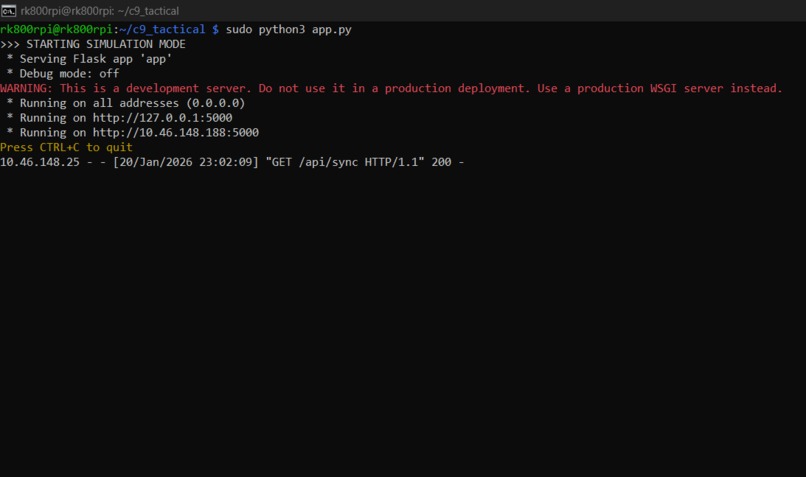
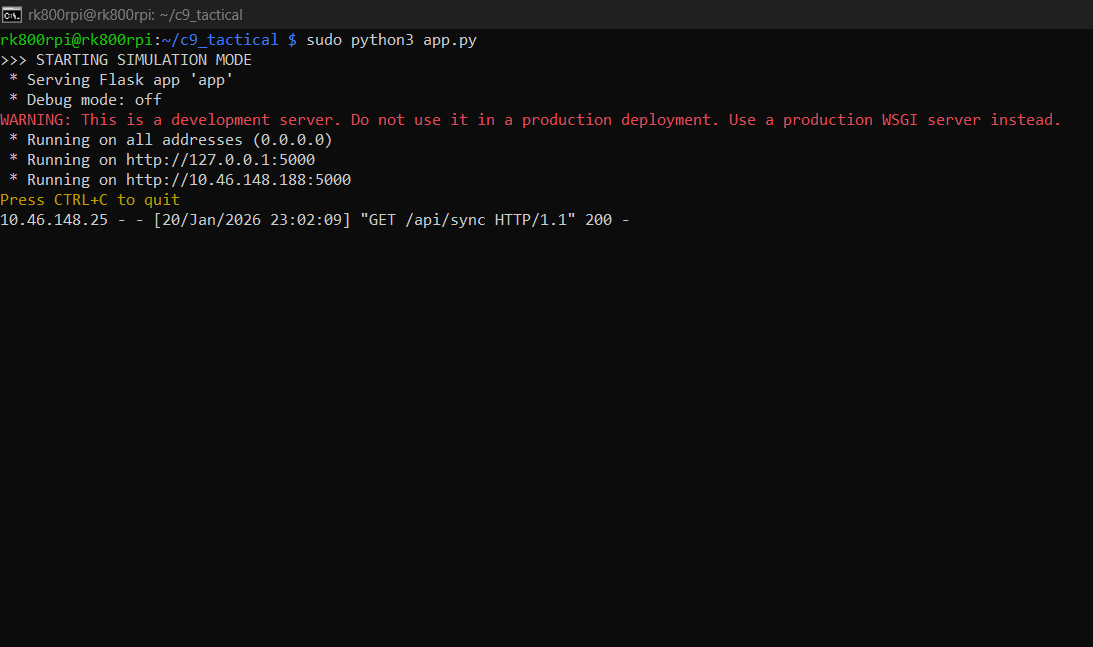
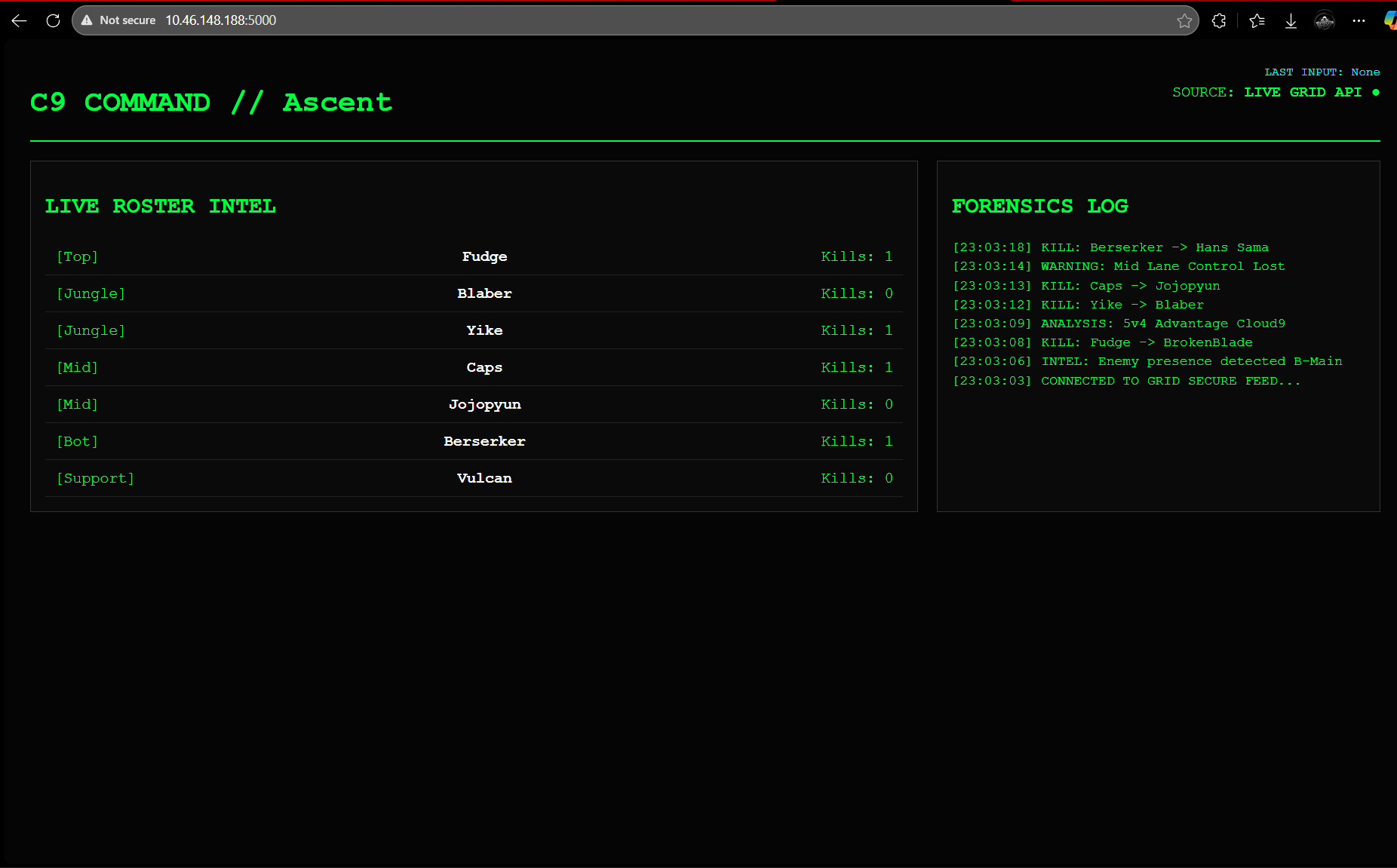
server running on the zero w.
-
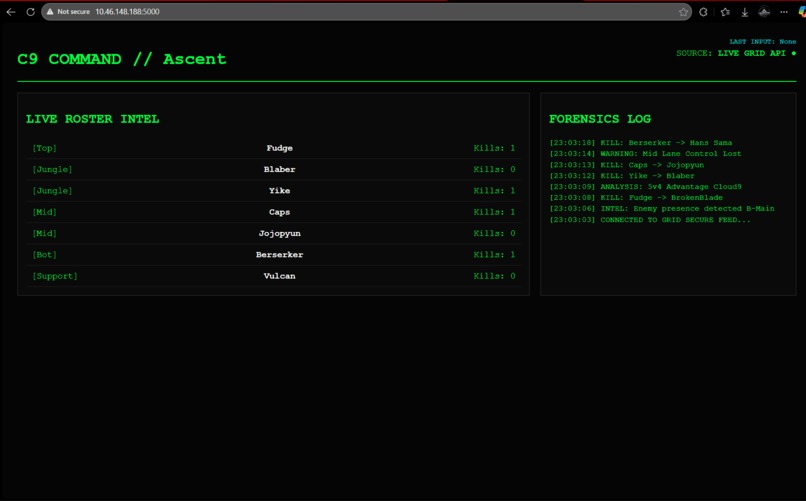
Web dashboard of the server running on the zero w.
-
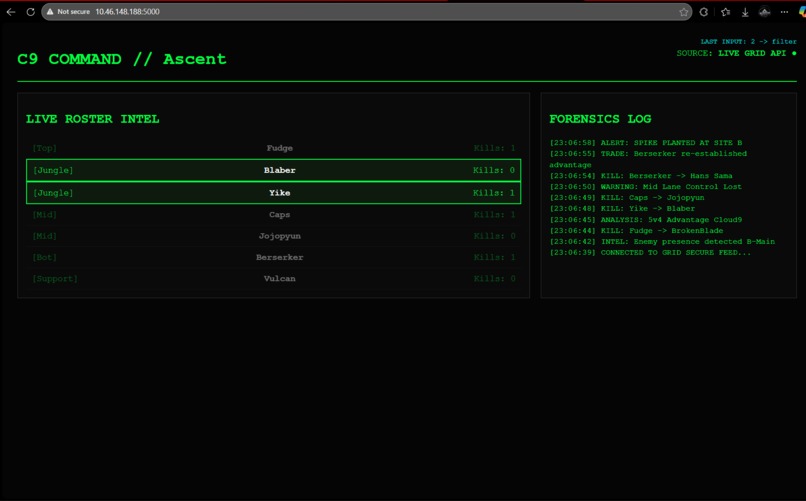
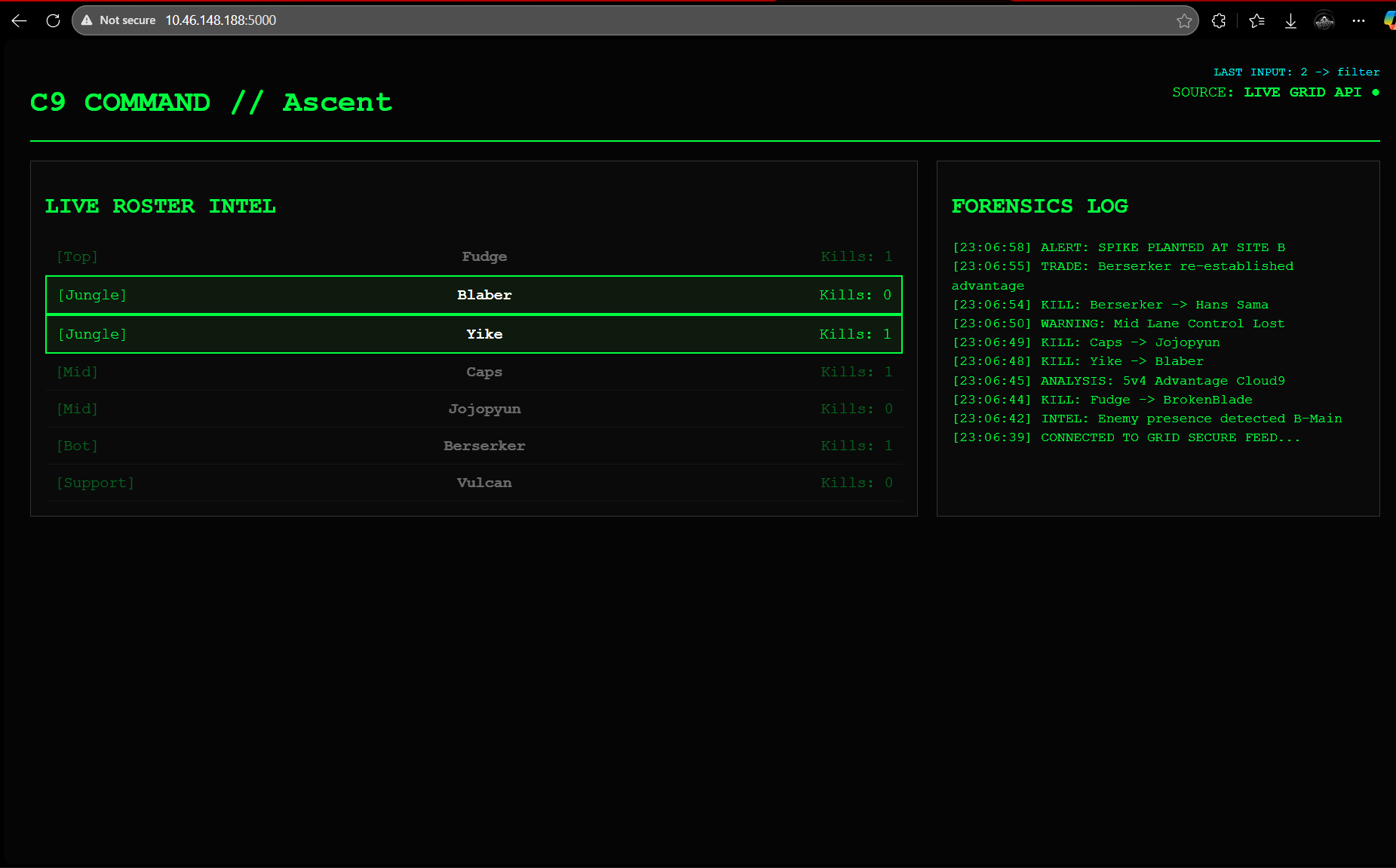
JUNGLE filter using the keypad.
-
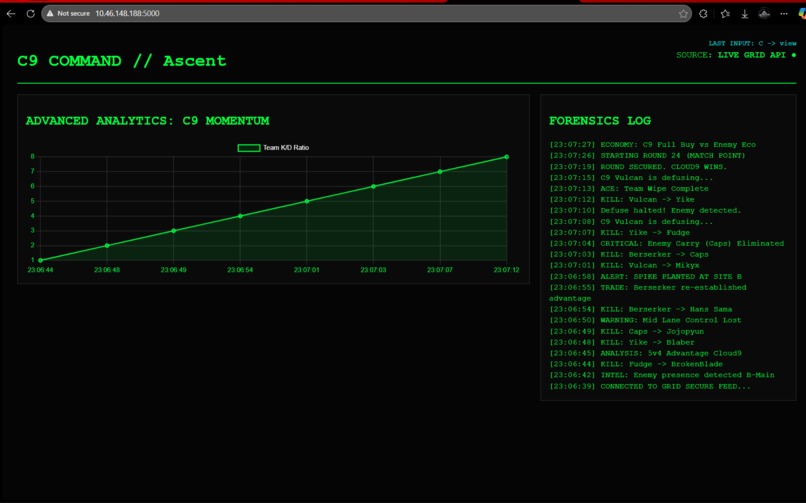
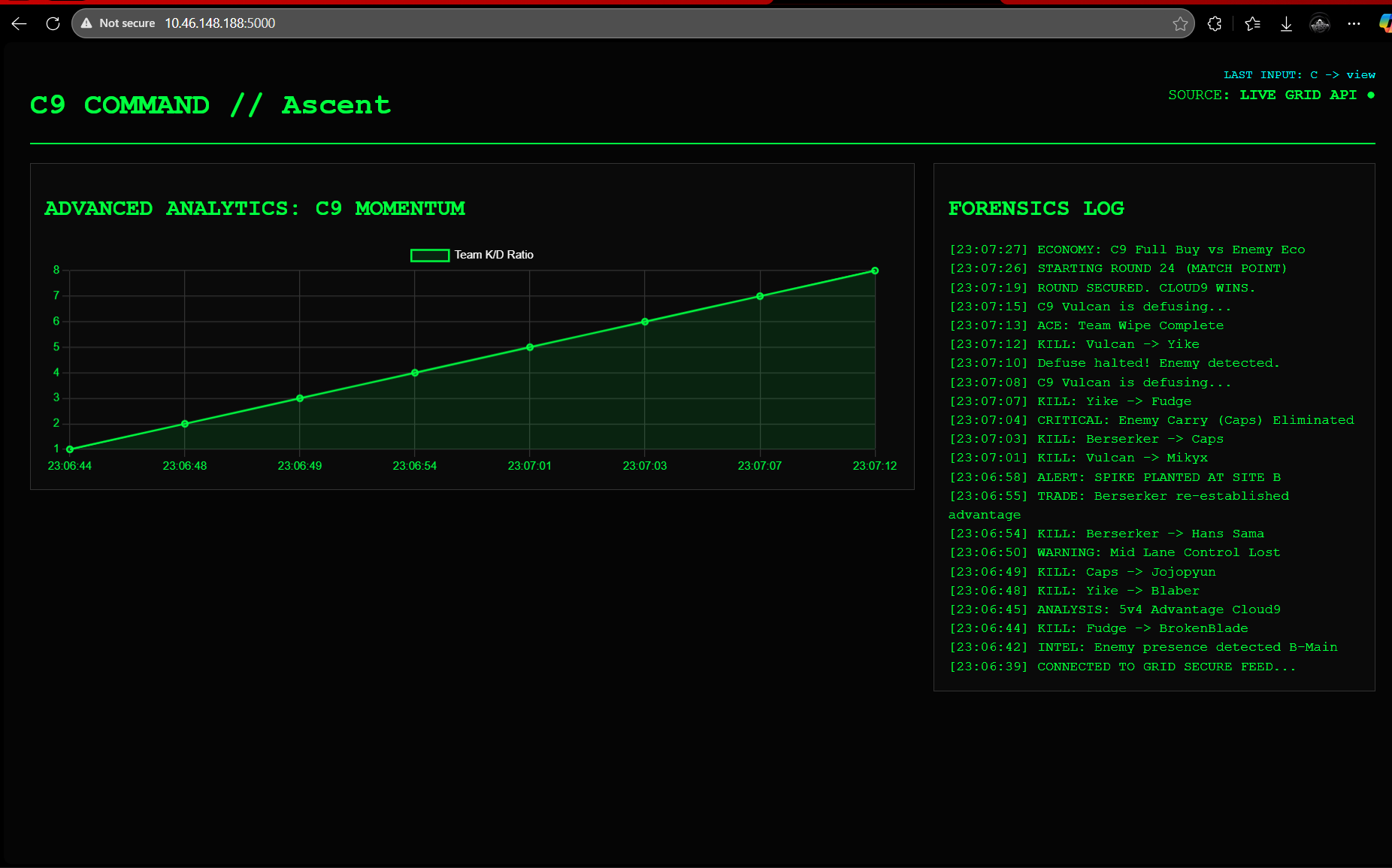
Stats and graph using the STATS button on the keypad.
-
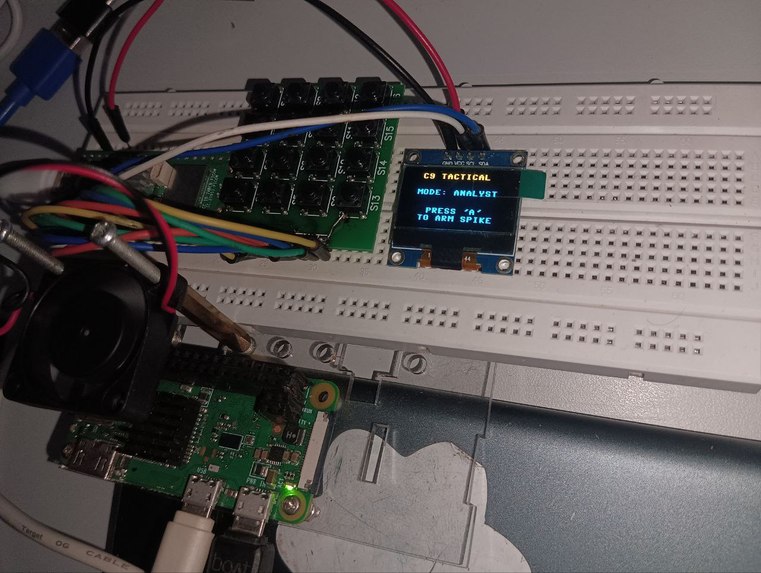
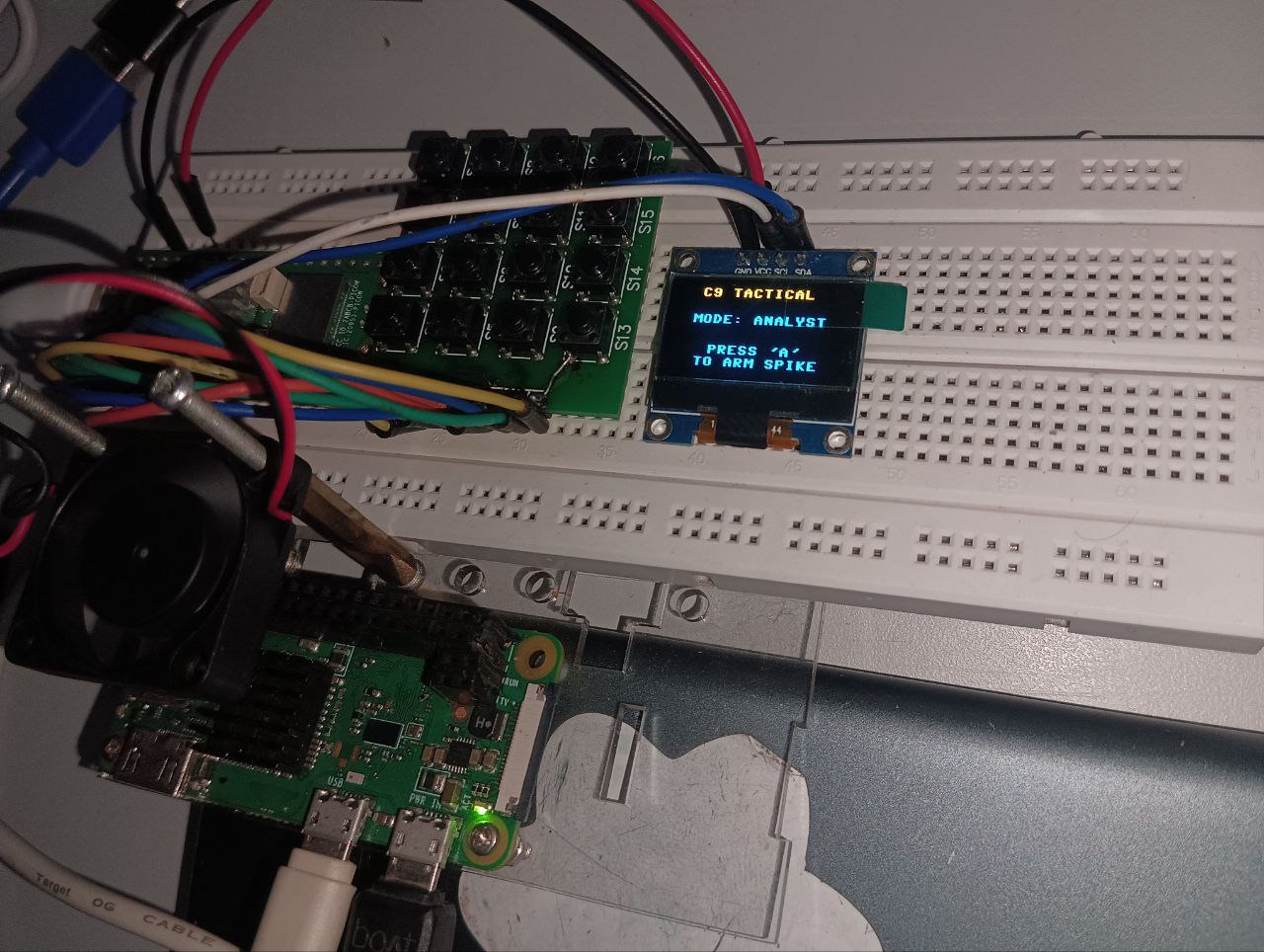
Home dashboard of the mini game and controls.
-
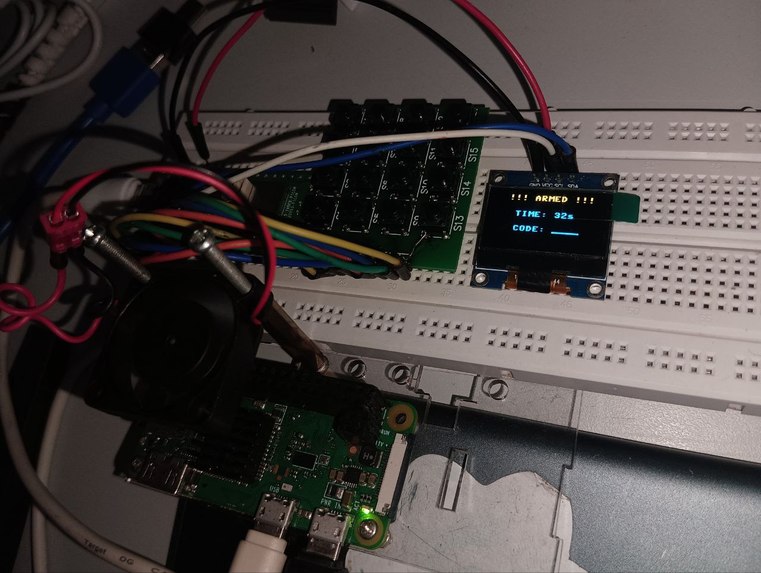
Spike plaited using the 'A' button on the keypad.
-
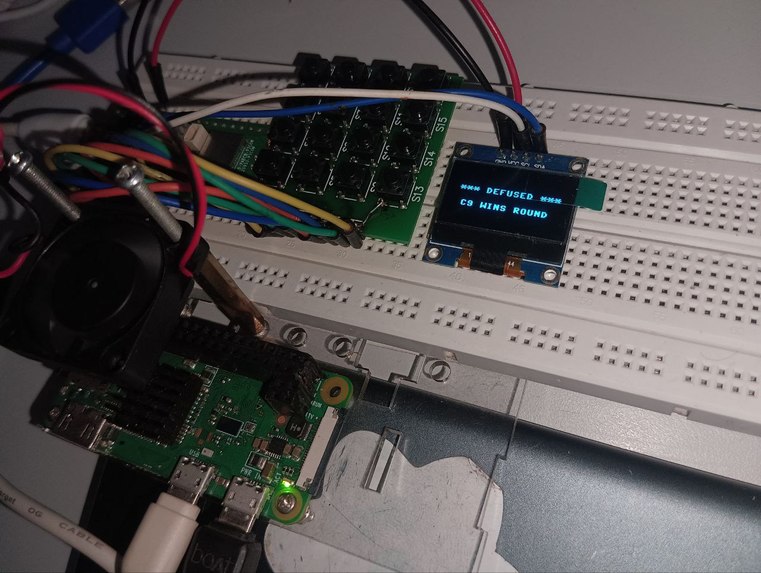
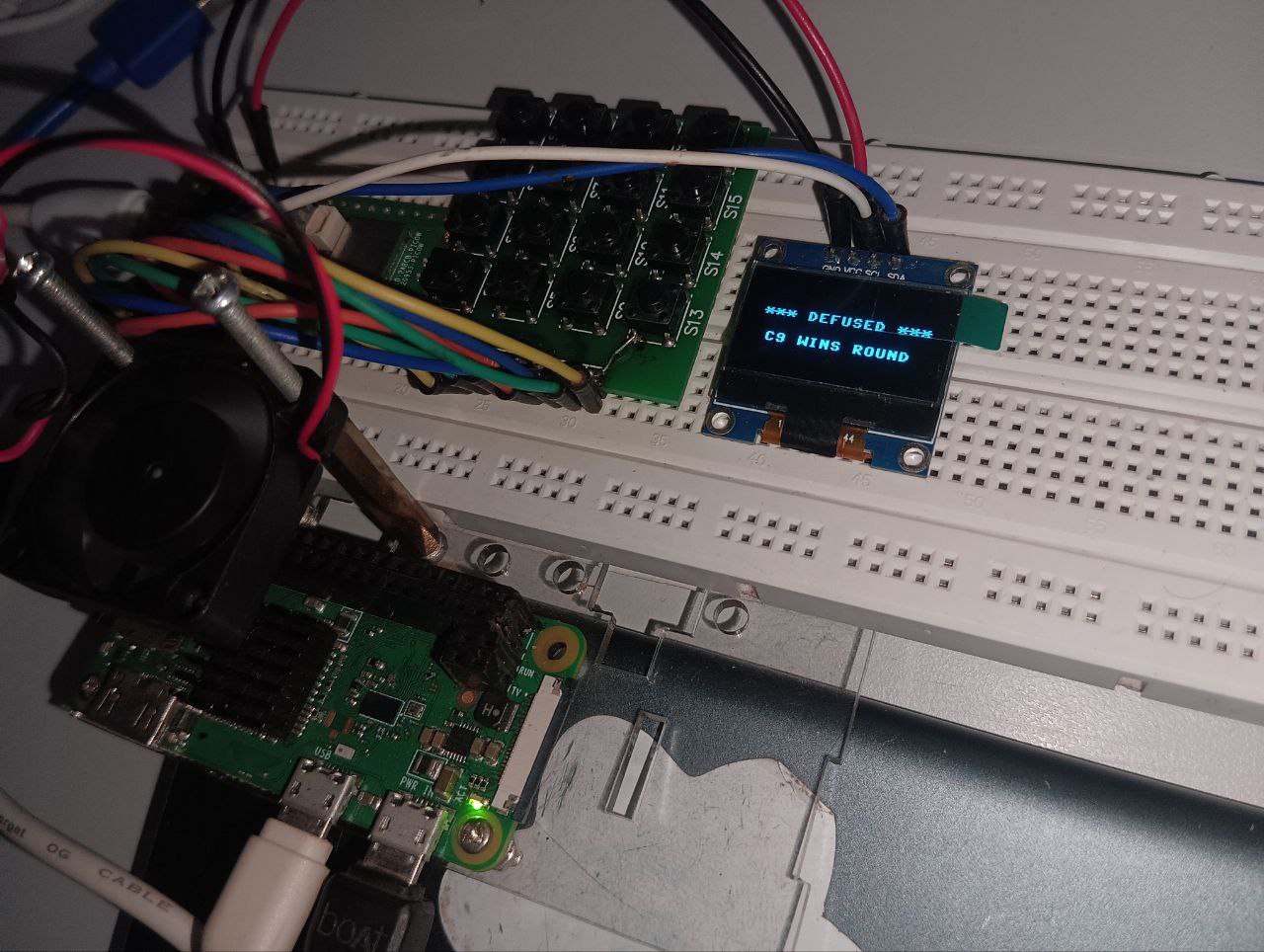
Spike diffused using the default code.
Inspiration
Esports is defined by high-pressure moments, but fans rarely get to feel that adrenaline themselves. We wanted to take the "Spike Defusal" mechanic out of the game server and into the physical world. Inspired by the intensity of the VCT stage, we asked: Can we build a physical game that lets a fan at a booth feel the same pressure as a pro player defusing with 0.3 seconds left?
What it does
C9 Tactical Command is a dual-purpose hardware ecosystem designed for the Cloud9 Event Booth:
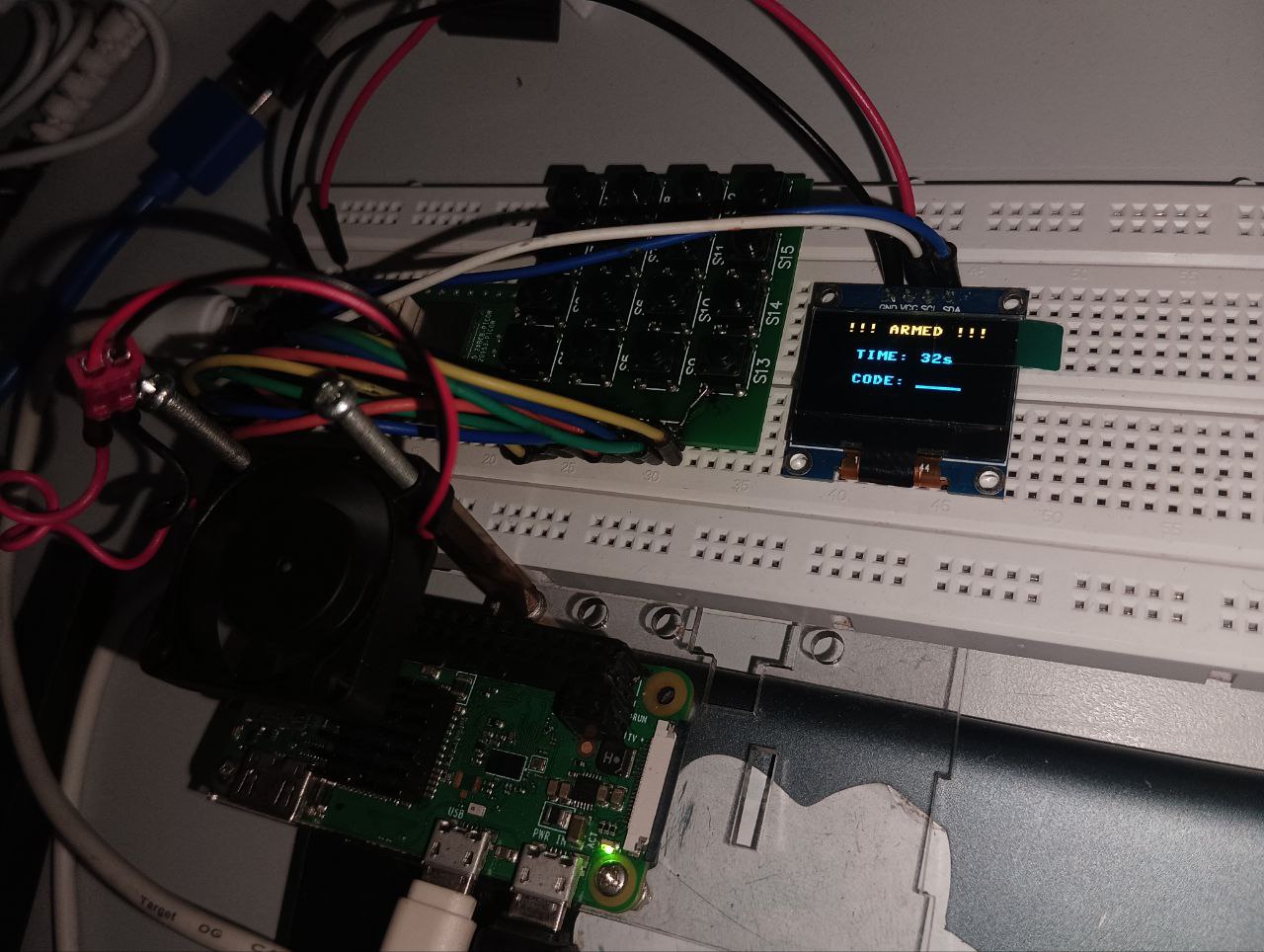
- The Game (Category 4 Core): It is a fast-paced "Spike Defusal" simulator. A fan steps up to the booth and "Arms" the device. A 45-second countdown begins on the OLED screen. The player must punch in a randomized defusal code on the keypad before time runs out.
- The Spectator Experience: Unlike a standalone toy, our device syncs wirelessly to a massive "Command Dashboard" on the booth's main screen. When the fan enters the code, the big screen flashes RED (ARMED) and CYAN (DEFUSED) in real-time, drawing a crowd and creating a "stage" atmosphere for the player.
- The Pro Tech: To prove this is more than a toy, the system is built on the same GRID Esports Data infrastructure used by professional analysts. When not in "Game Mode," the device functions as a tactile controller for coaches, filtering live match data instantly—proving that this "game" is built on pro-grade tech.
How we built it
We built a custom IoT ecosystem to ensure the game feels responsive and authentic:
- The Controller (Hardware): A Raspberry Pi Pico WH running MicroPython. It manages the SSD1306 OLED (for the countdown timer) and the 4x4 Matrix Keypad (for the game input).
- The Game Engine (Server): A Raspberry Pi Zero W running Python/Flask. It acts as the central game server, validating the defusal codes and syncing the game state to the web dashboard via WebSockets.
- The Data: We utilized the GRID Series Events API to structure our telemetry, ensuring the game's data packets match the standard format used in VCT/LCS broadcasts.
- Development: We utilized JetBrains PyCharm for the entire codebase and JetBrains Junie to help architect the multi-threaded game loop.
Challenges we ran into
- Hardware Synchronization: The most critical requirement for an event game is responsiveness. We had to optimize our threading model to ensure that when a fan presses the final key, the "Game Over" screen triggers instantly on both the hardware OLED and the HDMI Dashboard.
- Concurrency: The Pi Zero had to run the game logic while simultaneously listening for "Analyst Mode" data from the GRID WebSocket. We used JetBrains Junie to help architect a non-blocking threading solution in Python.
Accomplishments that we're proud of
- Tactility: We successfully created a game that is "easy to pick up" but stressful to master. The physical click of the keypad adds a layer of immersion that a touchscreen cannot match.
- Authenticity: By using real GRID data structures, we built a game that technically functions like a real esports match event.
What we learned
We learned that the "Booth Experience" relies on speed. The game needs to be under 3 minutes, so we tuned the countdown timer and code complexity to ensure high throughput for lines at an event. We also learned how to bridge MicroPython hardware interrupts with a full Python web server.
What's next for C9 Tactical
- Live Leaderboard: Implementing a "Fastest Defuse" leaderboard to drive competition at the booth.
- Audio Haptics: Adding a buzzer for the iconic "beep" sound that speeds up as the timer runs down.
- Team Mode: Connecting 5 devices for a "5v5" race where a full team of fans must defuse their spikes simultaneously.


Log in or sign up for Devpost to join the conversation.