Inspiration
Modern smart agriculture has a critical vulnerability: it is overwhelmingly reliant on the cloud. We were driven by a commitment to local-first, offline-first technology and the principle of data sovereignty. We wanted to build a resilient system that empowers users to grow their own food without being tethered to corporate servers, internet availability, or subscription models. The inspiration was to bring cutting-edge "smart" capabilities directly to the edge, creating a sovereign garden ecosystem that thrives off-grid.
What it does
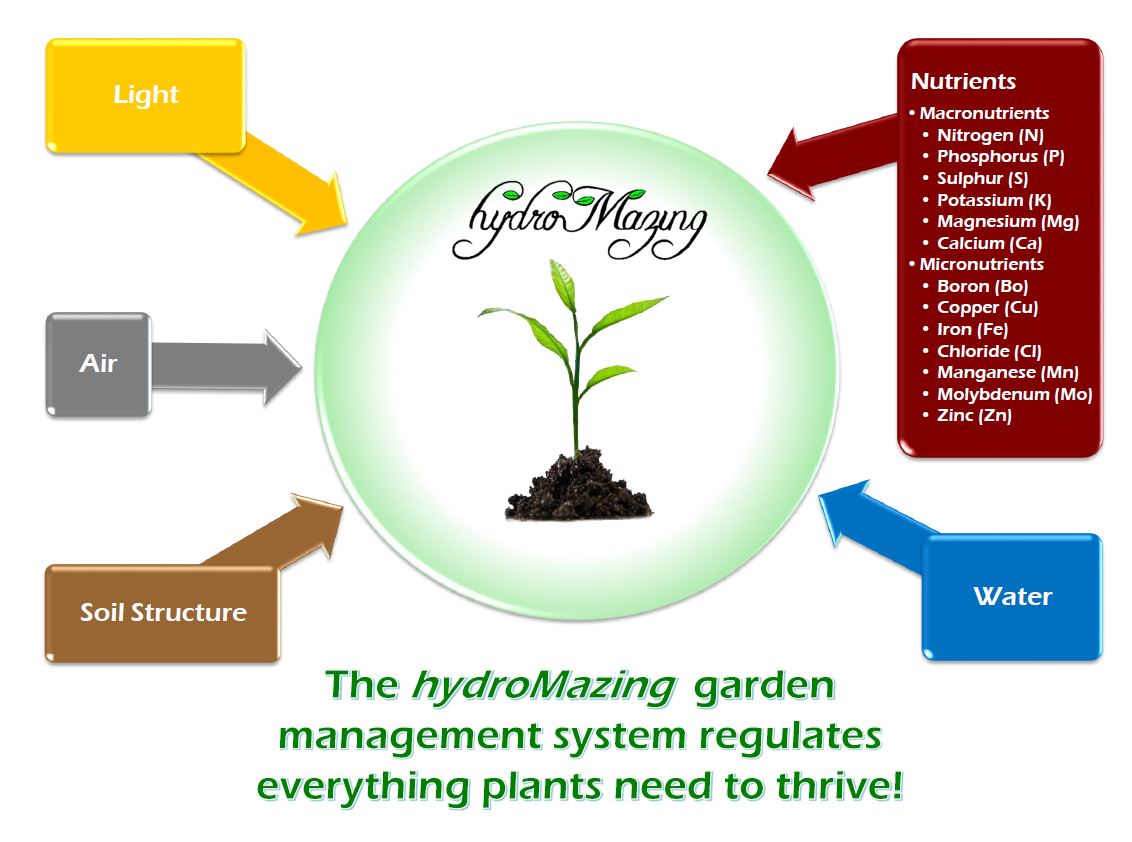
The hydroMazing Smart Garden System Wizard acts as a completely self-hosted agronomy assistant. It continuously monitors a localized network of custom environmental hardware sensors. Instead of just dumping raw, numerical data or simple graphs onto a dashboard, the system utilizes local AI orchestration to translate those raw sensor readings into easily understandable, plain-language status reports. It autonomously manages physical appliances based on these environmental factors, ensuring optimal growth conditions while keeping all data strictly on the local network.
How we built it
We architected the system around bare-metal edge computing, utilizing Raspberry Pi hardware as the central processing hub. The hardware layer features custom circuitry to bridge the physical sensors and appliance controls.
For the software stack, we prioritized a lightweight, responsive architecture. The backend is driven by Python (specifically Flask), which orchestrates the data logging and hardware triggers. To keep the frontend snappy and avoid the bloat of traditional single-page applications, we built the UI utilizing HTMX and Alpine.js. The AI layer handles the translation of telemetry into human-readable insights, running entirely locally to maintain our offline-first mandate.
Challenges we ran into
One of the most significant technical hurdles was achieving meaningful AI-driven status reporting on low-power edge devices. Striking the right balance between processing raw sensor streams and generating accurate, plain-language text without falling back on external, cloud-based LLM APIs required careful optimization. Additionally, bridging the gap between the custom hardware circuitry and the software dashboard—ensuring real-time responsiveness without network lag—took extensive debugging.
Accomplishments that we're proud of
We are incredibly proud to have built a system that completely severs the reliance on the cloud without sacrificing modern convenience. Successfully translating raw telemetry into actionable, conversational insights directly on a Raspberry Pi is a major win for local-first infrastructure. We also take pride in the UI; using HTMX and Alpine.js resulted in an incredibly fast and clean dashboard that perfectly suits the localized nature of the project.
What we learned
This project deeply reinforced the viability of decentralized, off-grid technology. We learned valuable lessons in optimizing local AI models for edge hardware, managing hardware-to-software latency, and building resilient interfaces that don't depend on heavy JavaScript frameworks to feel modern and reactive.
What's next for hydroMazing Smart Garden System Wizard
The immediate next step is expanding the system from a single hub into a distributed, multi-node cluster. We plan to implement tiered, agentic AI workflows where the system doesn't just report on conditions, but autonomously researches and tests specific growth strategies for different plant variants across a decentralized mesh network of localized gardens.
Built With
- 433mhz-transmitter-module
- apache-2-with-php
- arduino-nano-(atmega328p)
- gemini-api
- mysql
- raspberry-pi-3/4/5

Log in or sign up for Devpost to join the conversation.